The Forgotten Virginia Apples Every Heritage Orchard Should Grow
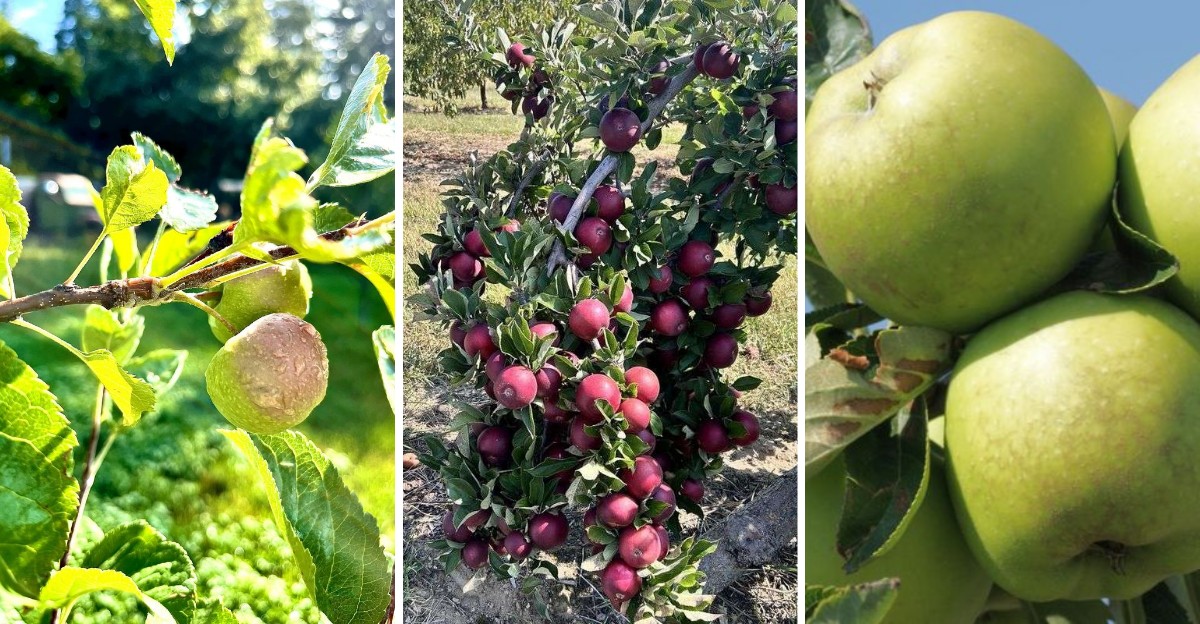
Bite into the right old apple, and you can almost taste 200 years of Virginia history. Some burst with pineapple-like sweetness, while others hint at spice, honey, or even wine.
Orchards here once held hundreds of distinct varieties. Then grocery stores began choosing apples for shiny skins and easy shipping instead of flavor.
Many great old varieties slowly faded from farms and backyards. A few stubborn trees, however, hung on in forgotten fields and mountain hollows.
Today, heritage growers are bringing them back one grafted branch at a time. Legend says one won over a queen, while another filled a founding father’s cider barrels.
A few may even be ancestors of apples you buy every week. The old-timers below are well worth a spot in any heritage orchard.
Albemarle Pippin For Crisp, Tangy Flavor
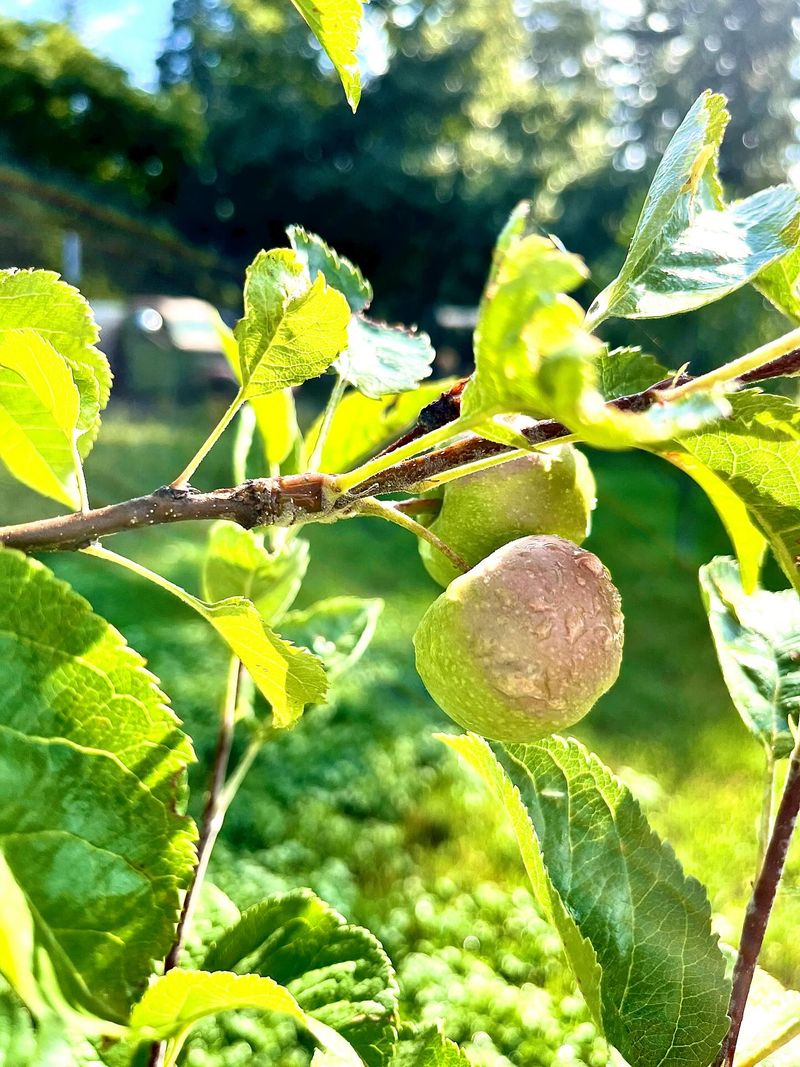
Legend says Queen Victoria loved this apple so much that England dropped its import tax. Not bad for a humble fruit from the Virginia hills!
Albemarle County gave the Pippin its name and its fame. Growers once believed the local soil and climate created its special taste.
Picked fresh, the apple tastes crisp, tangy, and bright. Give it a few weeks in storage, and a sweeter flavor slowly appears.
Some fans notice a hint of pineapple after it ripens off the tree. Others taste a lemony zip and a soft green tea note from the skin.
Thomas Jefferson grew this variety at Monticello, so it has deep roots. Many cider makers still treasure it for sparkling, balanced drinks today.
Patience matters with this tree, though. Some trees can take up to eighteen years before they bear a real crop.
Harvests may also come every other year, which growers call biennial bearing. Thinning young fruit early in summer can help even out those swings.
Here is a smart tip for new planters. Ask your nursery for trees grafted onto dwarfing rootstock, which often fruit much sooner.
Plant it in deep, well-drained soil with plenty of morning sun. Good air flow helps leaves dry quickly and stay healthier through humid summers.
Once the apples arrive, you will be glad you waited. They work for snacking, baking, sauce, and cider, and they keep well into winter.
Store them somewhere cool and slightly damp, like a basement or garage fridge. Check them now and then, and enjoy the flavor as it changes week by week.
Hewe’s Virginia Crab For Classic Colonial Cider
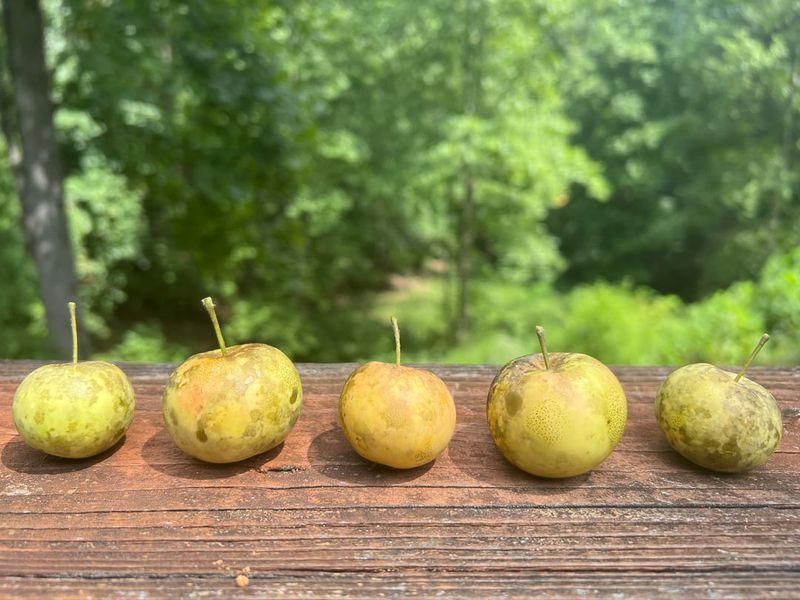
Picture a colonial farmer in 1750 filling barrels with fresh-pressed juice. Chances are good those apples were small, scrappy Hewe’s Crabs.
Back in the 1700s, it became the most widely grown fruit in Virginia. Someone found it growing wild, and it may mix European and native crabapple genes.
Jefferson gave his entire north orchard at Monticello to this one variety. George Washington also used it for his well-known apple brandy.
Fair warning before you take a bite, though. Eaten raw, the fruit can taste harsh, sour, and quite puckery.
Magic happens when the juice ferments. You get a strong, cinnamon-scented cider packed with sugar, tannin, and acid.
Your Virginia Garden Changes Every Week. Your Plan Should Too.
Gardening in Virginia changes quickly throughout the season. Every Friday you’ll receive a simple weekly plan showing exactly what to plant, prune, fertilize, harvest, and protect so you never miss the right timing.
Prohibition nearly wiped it off the map, since cider apples lost their purpose. Luckily, preservation groups and craft cideries have brought it roaring back.
Growers enjoy how tough and busy these trees are. They grow with lots of energy, bear heavy crops, and shrug off many common diseases.
For home cider, try mixing Hewe’s juice with sweeter apples. A blend of one part crab to two or three parts dessert apple is a friendly starting point.
Let fallen fruit sit a few days before pressing, a trick old farmers used. Slightly softened apples give up more juice and fuller flavor.
Planting even one tree adds a living piece of colonial history to your land. Plus, your fall cider parties will have a story worth telling.
Ralls Janet For Late Blooms And Long Storage
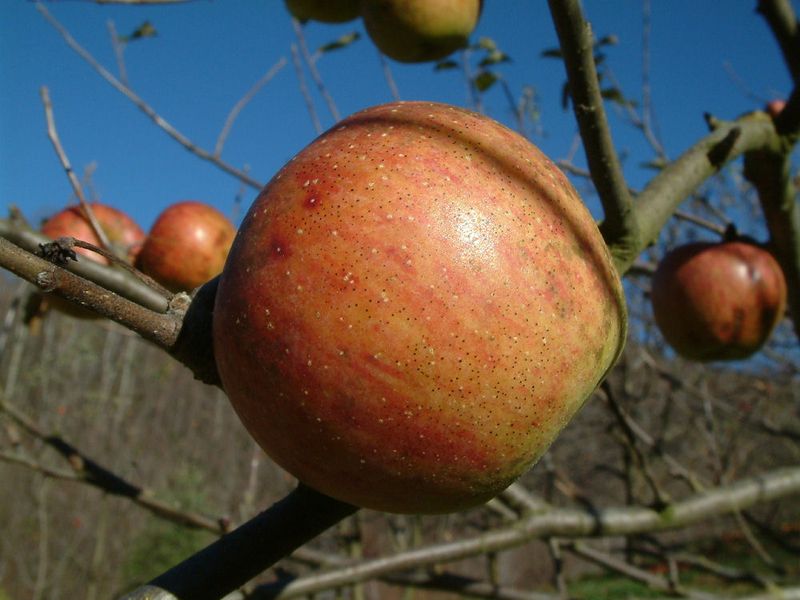
Old farmers had a nickname for this apple: Neverfail. The name came from a clever habit of blooming later than most other trees.
Spring frosts can ruin a whole year of apples in one cold night. Late flowers often sidestep that danger, which means steadier harvests.
Caleb Ralls first grew this seedling on his Amherst County farm before 1800. Some stories connect it to Jefferson and the French diplomat Edmond Genet.
Nobody knows how much of that tale is true. Still, it makes a fun story to share while picking fruit with friends.
Here is the surprising part. Ralls Janet is a parent of the modern Fuji, crossed with Red Delicious in Japan.
So if you enjoy Fuji apples, you already know a bit of its charm. The flesh is yellowish, crisp, and juicy, with a mild perfume.
Flavor leans sweet with a gentle tart balance. It pleases kids, grandparents, and picky eaters alike.
Fruit usually ripens in October across the state. Pick it when the seeds turn brown and the apple twists off easily.
Storage is where this variety really shines. Kept cool and humid, the apples can last for months without turning mushy.
Try wrapping each apple in newspaper and packing them in a crate. Keep them away from potatoes, which can pass on odd flavors.
For frost-prone valleys, this tree deserves a top spot on your list. Late blooms could save your crop when neighbors come up empty.
Virginia Beauty For Rich, Sweet Mountain Flavor
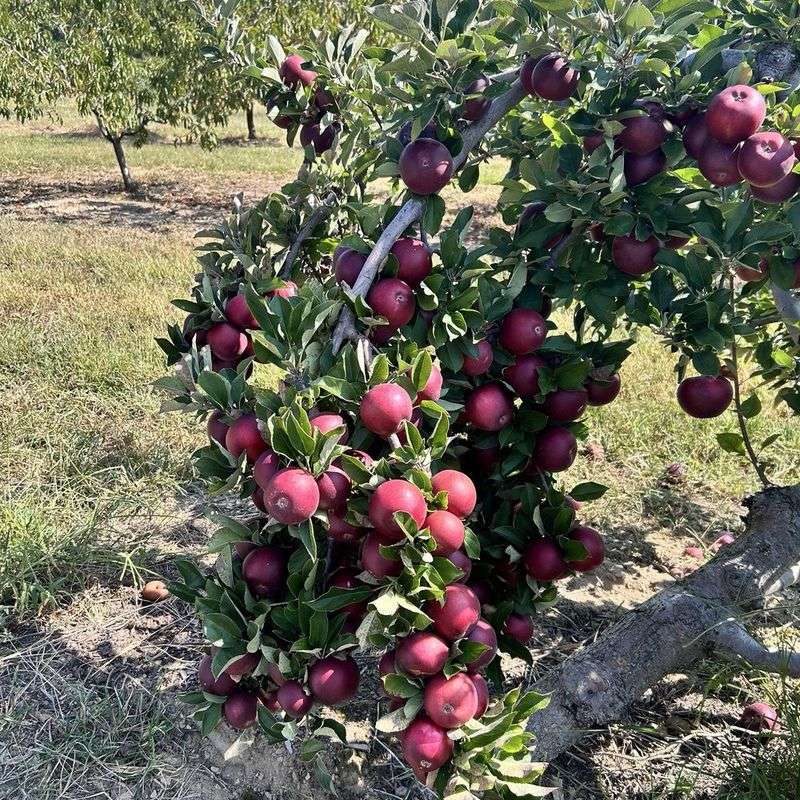
Around 1810, a farmer named Zachariah Safewright spotted a promising tree. It grew on his land in Carroll County, high in the mountains.
At first, neighbors called the fruit Zach or Zach Red. Around 1850, it earned a fancier name, Virginia Beauty.
Honestly, the new name fits nicely. The apples wear a deep red coat that looks lovely in a bowl on the kitchen table.
Inside, you will find firm, fine-grained flesh full of juice. Flavor runs mild and sweet, with a light acidic kick behind it.
Sales took off in 1869, and mountain families prized it for decades. Over time, flashier market apples crowded it out of stores.
Good news for gardeners with tough ground. Virginia Beauty grows well in most soil types, even heavy Piedmont clay.
Clay can still hold too much water, though. Plant the tree on a slight mound so roots stay out of soggy spots after rain.
Mixing compost into the planting area helps loosen stubborn soil. A ring of wood chip mulch keeps moisture steady and weeds down.
Harvest usually arrives in the first weeks of October. The fruit stores wonderfully, so you can enjoy it through the holidays.
Many folks love it sliced with sharp cheddar cheese. It also makes a smooth, naturally sweet applesauce that needs little added sugar.
For a backyard tree with real mountain heritage, this one is hard to beat. Beauty truly shows up on the plate and in the orchard.
Grimes Golden For A Honeyed Heirloom Bite
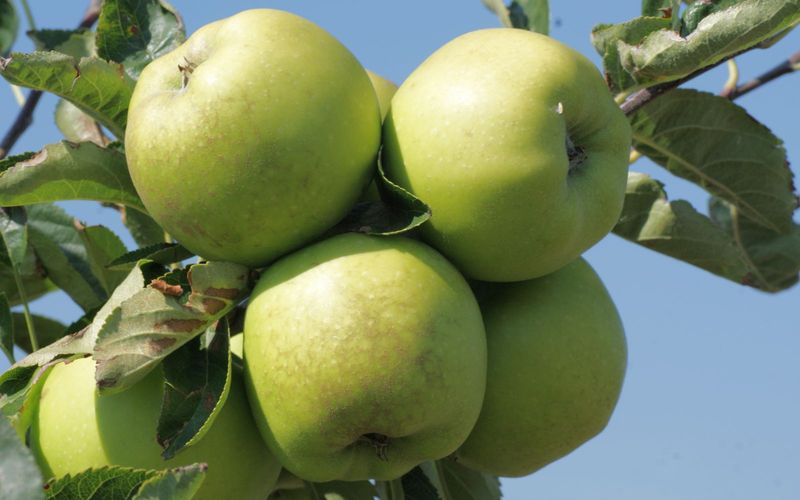
Ever wonder where Golden Delicious came from? Meet its flavorful parent, Grimes Golden, a true showstopper.
Thomas Grimes found the chance seedling around 1802 on his farm. Back then, Wellsburg was part of Virginia, though today it sits in West Virginia.
One bite explains why people fell for it. Rich honey sweetness mixes with tangy, spicy notes that dance on your tongue.
Tasters describe hints of nutmeg, coriander, and citrus. Compared to its famous child, the flavor feels deeper and far more interesting.
Legend says old Grimes trees still bear fruit in empty, forgotten orchards. Hikers sometimes stumble upon them along mountain trails.
For home growers, the tree offers real advantages. It is self-fertile, so it can set fruit without a second variety nearby.
Bloom time also lasts a long while. That makes it a handy pollen partner for other apple trees in your yard.
Disease resistance is fairly good, too. Still, pruning for open branches helps sunlight and breezes keep problems away.
Watch the skin as harvest nears. Ripe fruit turns a deep golden yellow, sometimes with tiny russet freckles.
Bakers adore it for pies because the slices hold flavor well. It also makes a smooth, aromatic cider with a sunny color.
A single tree could become the sweetest spot in your orchard. Neighbors may start asking for cuttings once they taste one.
Winesap For Spicy, Wine-Like Juice
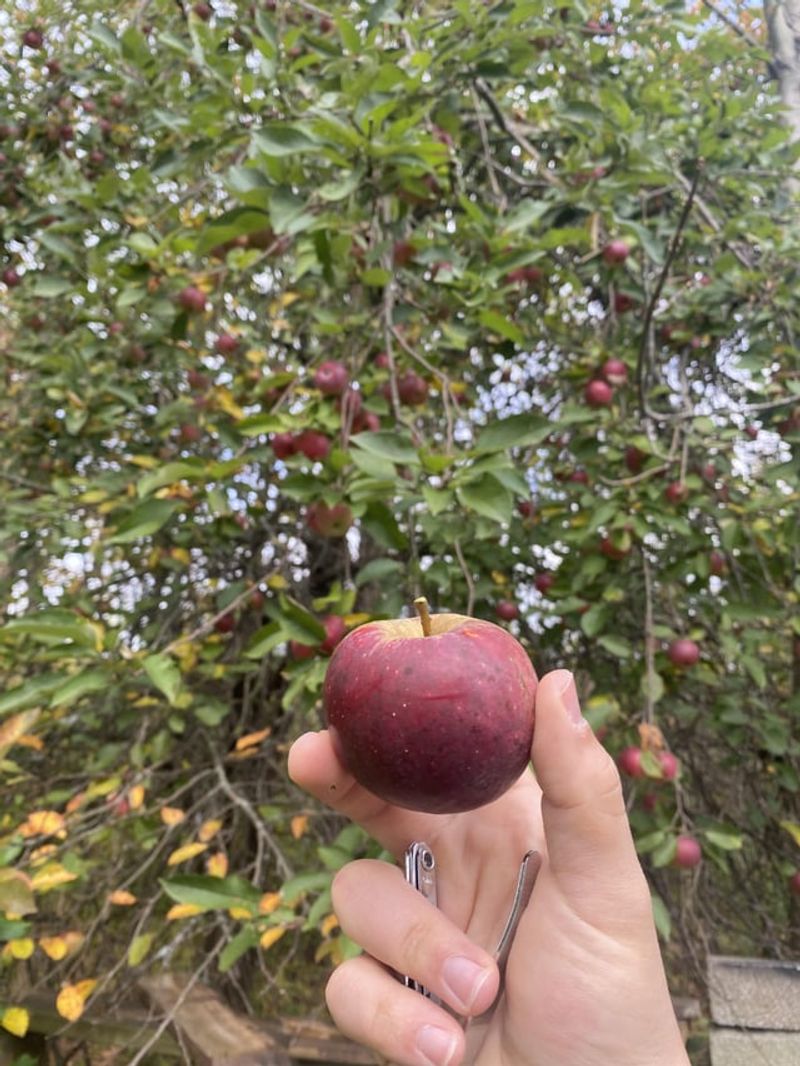
Spring visitors sometimes do a double take at a Winesap tree. Instead of plain white, its blossoms show off a pretty pink color.
Colonial farmers grew Winesap long before America was a nation. Southern growers loved it because it handles hot, dry summers well.
Hence its big following across the state and neighboring states. Summer heat that bothers fussier trees barely slows this one down.
Now, about that name. The juice tastes spicy and wine-like, with a zingy sweet-tart balance.
Food writers use the word vinous, which simply means wine-flavored. Kids might just call it tangy and super juicy.
Winesap also has an impressive family tree. Stayman Winesap and Arkansas Black both count it as a parent.
Cedar-apple rust troubles many orchards with nearby juniper trees. Luckily, Winesap shows good resistance to that orange, spotty disease.
Plan to harvest late in the season, often after many other apples. The fruit turns a deep, dark red when it is ready.
Storage life stretches past three months in a cool spot. A spare fridge drawer works nicely for small harvests.
Mix Winesap into your cider blend for extra zip and color. Pressed alone, it creates a bold, spicy drink perfect for chilly nights.
For a reliable, heat-tough tree with charm to spare, give this classic a sunny corner. Its pink spring show is a bonus you will look forward to.
Esopus Spitzenburg For Thomas Jefferson’s Favorite Flavor
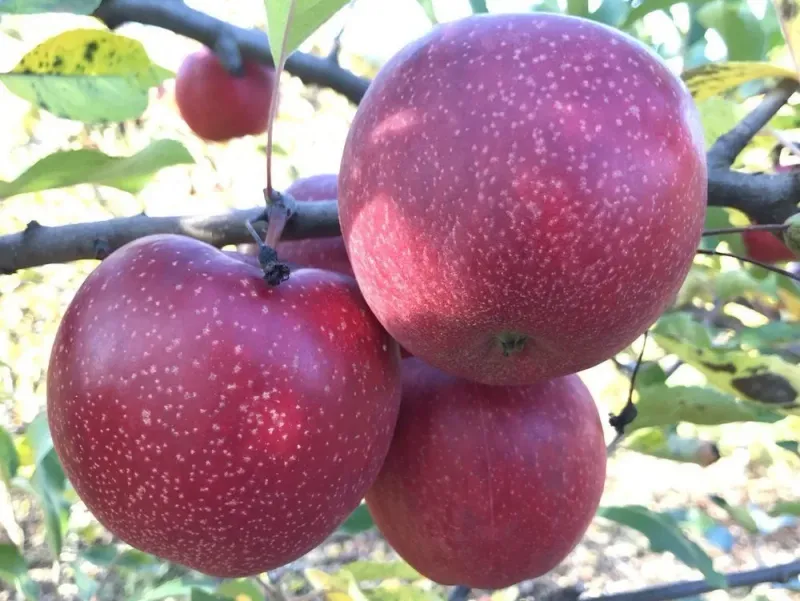
Thomas Jefferson could grow almost any apple he wanted. His top pick, though, was the Esopus Spitzenburg.
In 1790, he planted thirty-two of these trees at Monticello. For a man who tested countless fruits, that says a lot.
Funny enough, the apple did not start in Virginia. It first showed up as a chance seedling in New York during the late 1700s.
Its flavor is rich, spicy, and lively, with a sweet perfume. Dense, crisp flesh gives each bite a satisfying crunch.
Patience pays off with this one. Store the apples a few weeks, and a zippy, almost tropical sweetness develops.
Now for the honest part. Spitzenburg can be a fussy tree, especially in warm, humid areas.
Fireblight and scab both cause trouble, since resistance is poor. Growth is slow, and crops may come every other year.
Cooler spots suit it best, like higher elevations in western Virginia. A north-facing slope can also help keep things a bit cooler.
Keep up with cleanup to lower disease risk. Rake fallen leaves each autumn and prune out any blackened, scorched-looking twigs.
Avoid heavy doses of nitrogen fertilizer, too. Soft, fast new growth invites fireblight to move in.
Is it worth the extra effort? Ask anyone who has tasted a stored Spitzenburg in January, and they will likely say yes.
Limbertwig For A True Appalachian Keeper
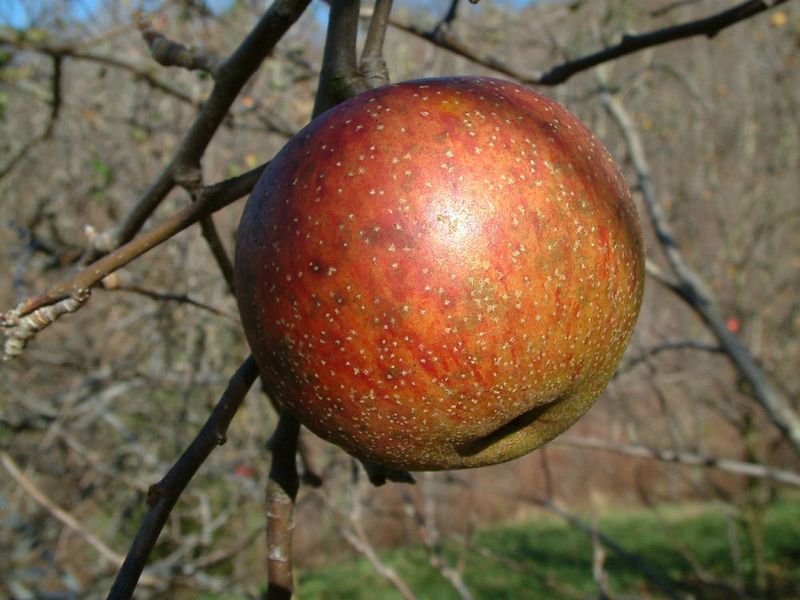
Limbertwig is not just one apple. It is a whole family, grouped more by flavor than by looks.
Many of these trees grow with drooping, weeping branches. Picture a willow wearing apples, and you are pretty close.
Their earliest written mention showed up in a Virginia newspaper in 1798. Since then, many types have sprung from the Southern Appalachian mountains.
Black Limbertwig is thought to be among the oldest. Others carry names like Red, Royal, and Victoria Limbertwig.
So what does it taste like? Expect a musky, smoky, earthy sweetness unlike any grocery store apple.
Fresh off the tree, the flavor can seem mild or odd. Give it time, and things get exciting.
Limbertwigs rank among the best keepers around. Their flavor grows stronger in storage, often lasting well into spring.
Mountain families counted on them for winter food. A cellar full of Limbertwigs meant fresh fruit when snow covered the hills.
Kitchen uses run wide, too. Try them in pies, fresh snacking, and slow-cooked apple butter.
Cider makers value them as well. That smoky depth adds interesting character to a homemade batch.
Planting tip: leave extra room for the spreading, droopy shape. Prop up heavy limbs with forked poles during big crop years.
Grow one, and you carry on a true mountain tradition. Your April apples will taste like a well-kept secret.
York Imperial For Lopsided Fruit That Cooks Beautifully
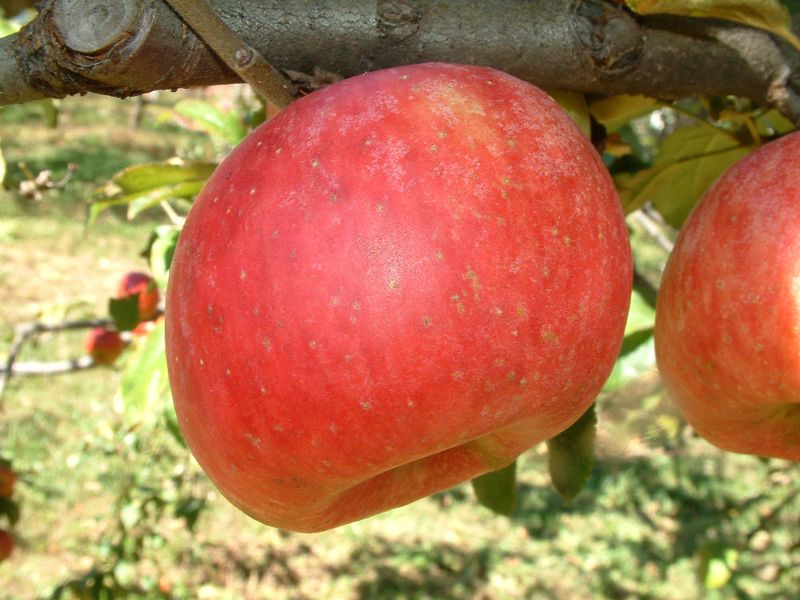
Nobody will ever call the York Imperial perfect looking. Its fruit grows crooked and lopsided, like it leaned too hard one way.
Bakers could not care less about that quirky shape. Slice one up, and it holds its form beautifully in the oven.
Its story began in York, Pennsylvania, in the early 1800s. Nurseryman Jonathan Jessop spotted a wild seedling on John Kline’s farm.
People first called it Jonathan’s Fine Winter. In 1855, it took on the grander name York Imperial.
Soon it spread south into Virginia, especially around the Blue Ridge. Shenandoah Valley growers planted it widely for processing.
Fresh fruit tastes crisp, tart, and juicy. Over the winter, the flavor softens and turns sweeter.
Harvest comes late, usually in late October or early November. Wait until the background skin shifts from green toward yellow.
Storage is excellent, so you can bake with it until spring. Keep the apples cold and slightly humid for the best results.
Uses go far beyond pie. Try it for sauce, juice, jelly, and even cider.
For a quick treat, core a few and stuff them with oats, butter, and cinnamon. Bake until tender, and the kitchen will smell amazing.
Any heritage orchard needs a hardworking cooking apple. York Imperial proves that looks matter far less than what comes out of the oven.