What It Means When You See More Toads In Your Georgia Garden After Storms
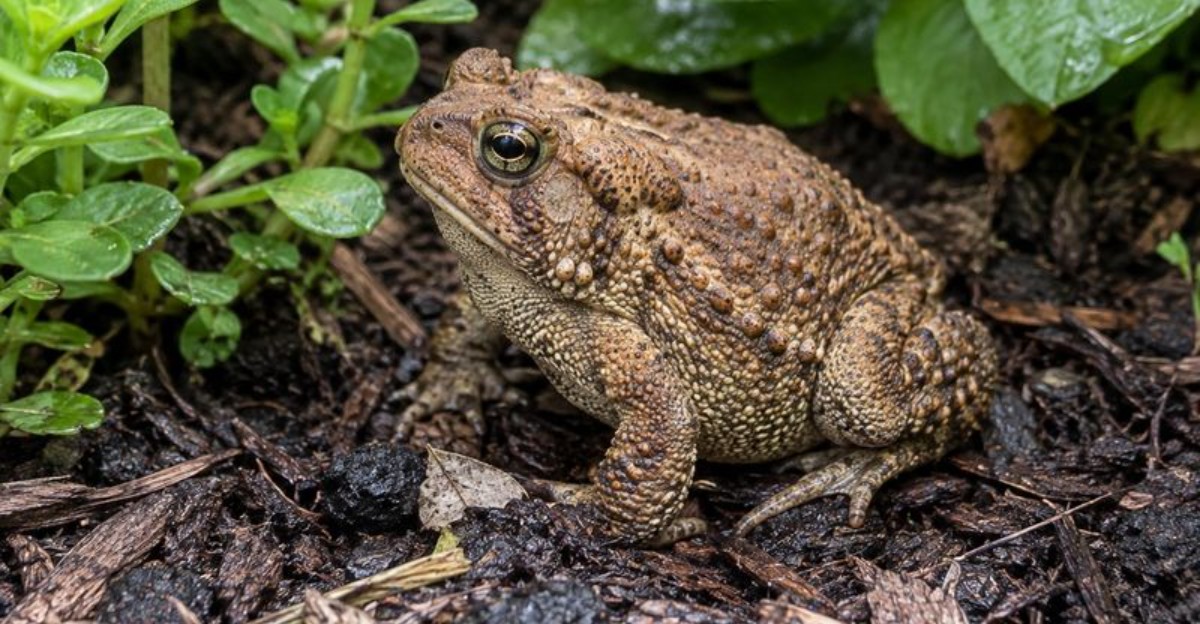
Stepping outside after a heavy rain and nearly landing on a toad can startle you, especially with several more nearby. A garden that seemed quiet a day earlier can look busy after dark.
Across Georgia, storms tend to bring toads out of hiding in a way that dry weather rarely does.
During dry spells, many of them stay tucked under mulch or loose soil to keep from drying out. Rain changes that quickly, making the ground easier for them to cross.
Food plays a part too, since wet weather can bring insects and worms closer to the surface.
Seeing more toads can tell you something useful about the overall health of your garden.
Pay attention to where they gather on the next rainy night, because those spots are rarely random.
1. Rain Brings Out A Crowd That Spent Dry Spells Hiding
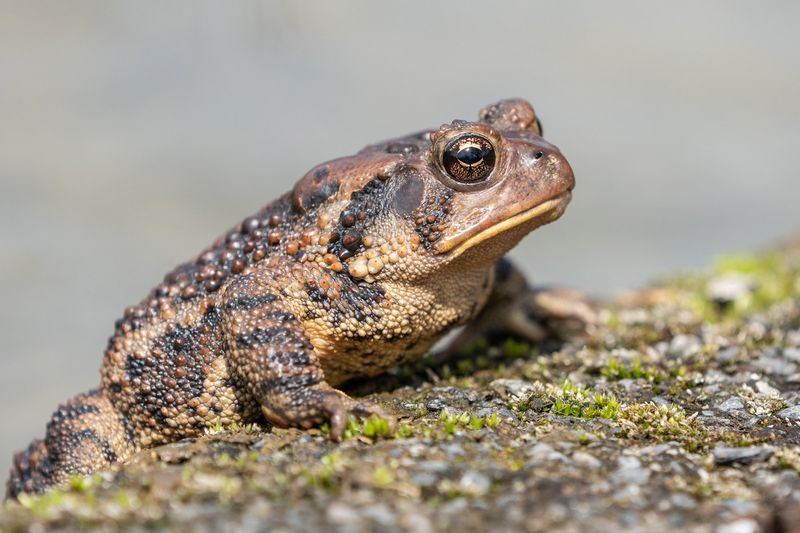
Your garden did not suddenly gain a toad population overnight. Most of those toads were already there, quietly waiting out the dry weather underground or under cover.
During hot, rainless stretches, toads tend to dig into loose soil, slip beneath mulch, or tuck themselves under flat stones and boards.
Staying hidden helps them hold on to moisture and avoid the worst of the afternoon heat. When a storm finally rolls through, the ground cools and softens, and they come back up.
Southern toads and Fowler’s toads are both common across Georgia, and each can spend long periods out of sight.
So when you spot five or six after a heavy rain, you are likely seeing residents rather than newcomers. Some may have traveled in from a nearby wooded edge, but plenty were probably sleeping a few inches from your pepper plants.
Watching where they pop up can actually teach you something useful about your yard.
Spots near compost piles, raised bed edges, and shady corners often hold the most toads because those areas stay damp longer. If you see them coming from one patch again and again, try to leave that area undisturbed when you dig.
Gentle cleanup habits, like checking under boards before moving them, can protect toads that are resting in those hidden spaces.
2. Permeable Skin Makes Wet Weather Ideal For Moving Around
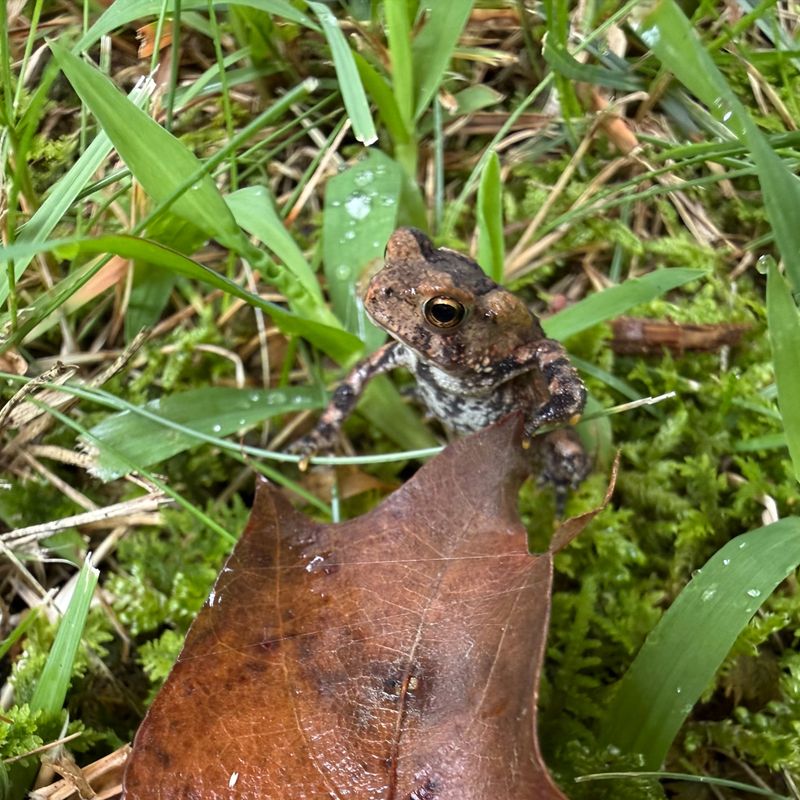
Toad skin works more like a sponge than a raincoat. Water and air pass through it, which is a big reason wet weather suits them so well.
Toads do drink in an unusual way, absorbing much of their water through a patch of skin on their belly and thighs.
Dry air pulls moisture out of that same skin, so a long trip across hot pavement or bare dirt can be risky. Rain removes that problem for a while, and the whole yard becomes easier to cross.
Humid evenings after a storm are when you will likely notice the most movement.
In Georgia, summer nights often stay warm and sticky, which gives toads hours of comfortable travel time. They may hop across patios, driveways, and lawns looking for food or new shelter.
Your Georgia Garden Changes Every Week. Your Plan Should Too.
Gardening in Georgia changes quickly throughout the season. Every Friday you’ll receive a simple weekly plan showing exactly what to plant, prune, fertilize, harvest, and protect so you never miss the right timing.
Gardeners can help by keeping a few things in mind on those wet nights.
Try to avoid running the mower over damp grass at dusk, since toads may be sitting low in the blades. Driving slowly up the driveway after dark can also spare a few lives.
Handling toads with dry or lotion-covered hands is not a great idea, because their skin can absorb what it touches.
If you need to move one off a path, wet your hands with plain water first and set it down gently in a shady, damp spot nearby.
3. Storms Also Stir Up Worms, Slugs, And Insects To Eat
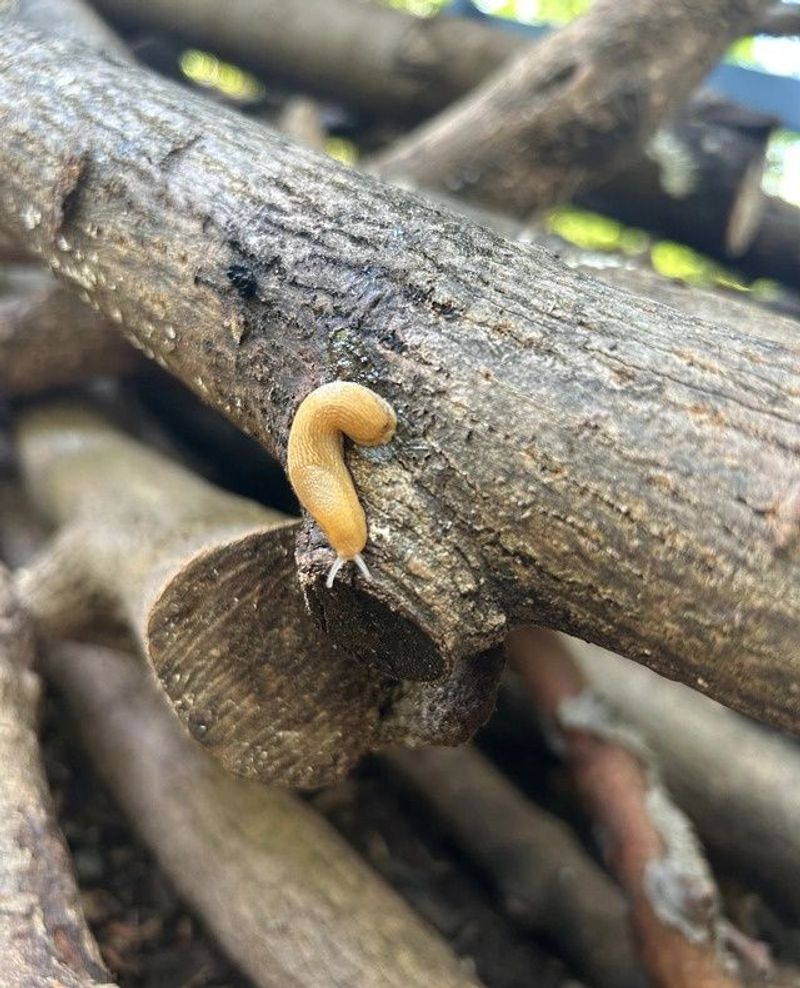
Toads show up where dinner is easy to find. After a good soaking, a garden can turn into an open buffet.
Earthworms often rise toward the surface when soil gets saturated, and slugs come out to graze on tender leaves.
Beetles, crickets, ants, and other small insects also get more active in the cool, damp air. A toad does not need to chase much when food is crawling right past it.
Here is where gardeners get a real benefit.
Toads eat a wide range of small creatures, including some that chew on vegetables and flowers. They are not a full pest control plan, but they can take a bite out of slug and beetle numbers around your beds.
Pay attention to which plants have toads parked beneath them.
Hostas, lettuce, and young squash often attract slugs and insects in Georgia gardens during rainy weeks. If toads keep gathering there, they may be helping you without any extra effort on your part.
One practical move is to put away slug bait that contains metaldehyde, which can harm pets and wildlife.
Hand-picking slugs or using iron phosphate products are gentler options that let toads keep doing their share. Results vary from yard to yard, so keep an eye on your plants either way.
4. Temporary Puddles Can Become Breeding Pools In Warm Months
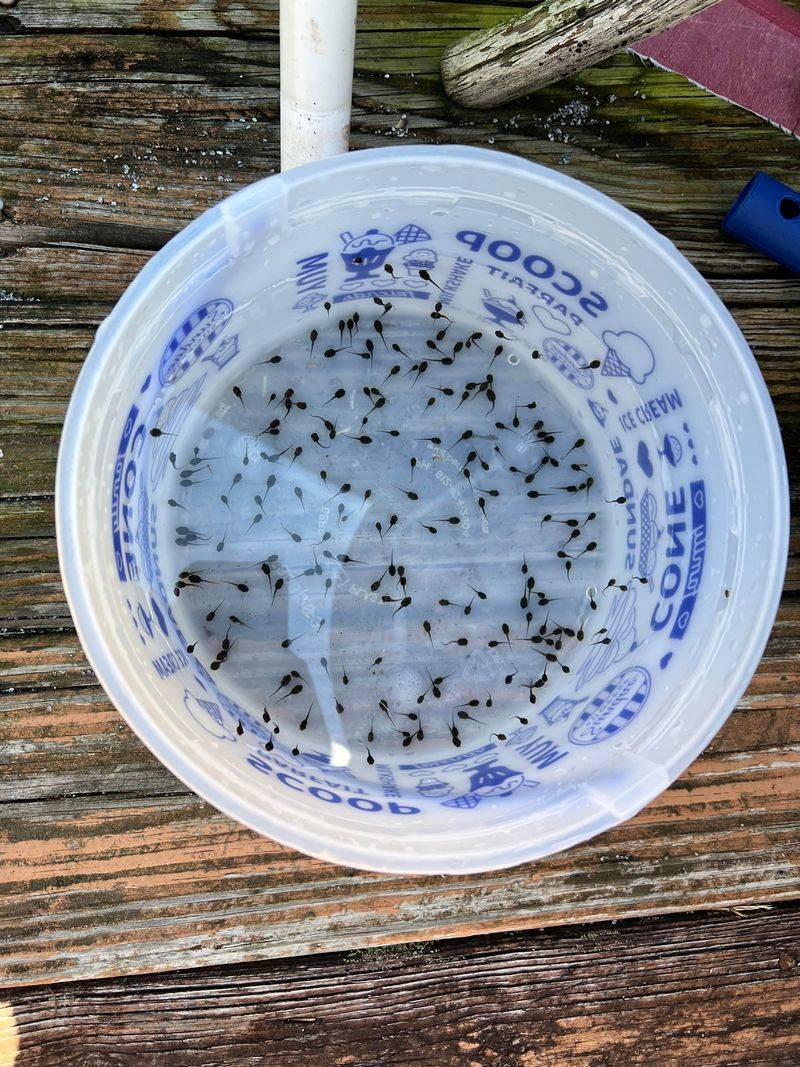
Listen for a long, steady trill on a warm, rainy night. That sound often means male toads are calling to attract mates near standing water.
Toads in the Southeast commonly breed in shallow, short-lived water like ditches, low spots, and big rain puddles.
Timing depends on the species and the weather. Southern toads usually breed from late winter into spring, while Fowler’s toads tend to start a bit later and can keep going into summer.
Eggs are laid in long, jelly-coated strings rather than clumps.
If you spot those strands in a puddle, you may see tiny black tadpoles within a few days. Warm water speeds up development, and many toad tadpoles change into small toadlets within roughly a month or two.
Not every puddle lasts long enough, though.
A few dry days in a Georgia spring can shrink a pool before the tadpoles finish growing. Gardeners sometimes help by leaving a low area undrained or keeping a shallow container of rainwater in a shady spot.
Fish-free water matters here, since fish often eat eggs and tadpoles.
Later, you might notice dozens of toadlets no bigger than a fingernail hopping through the grass. Watch your step and your mower during those weeks, because they are easy to miss.
5. More Toad Activity Often Means Conditions Have Turned Favorable
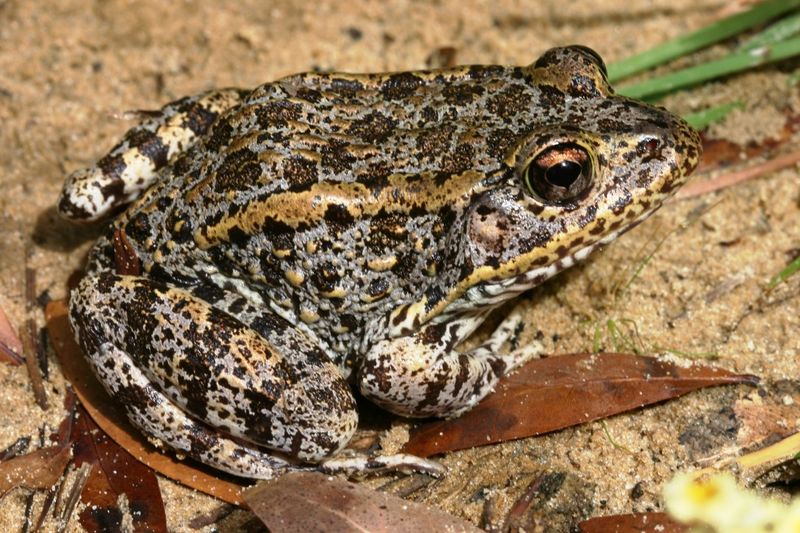
Think of toads as a rough weather report from the ground up. When they are out and busy, the conditions around them are usually working in their favor.
Moist soil, mild temperatures, and plenty of insects are the basic ingredients toads need.
Seeing more of them after storms suggests your yard is offering at least some of those things. It may also mean nearby habitat, like woods or a creek, is supplying new arrivals.
Still, a toad count is not a perfect measure of garden health.
Numbers can swing from year to year because of drought, cold snaps, predators, or changes in nearby land. A quiet season does not automatically mean something is wrong, and a busy one does not prove everything is perfect.
What toads can do is give you a helpful clue.
Gardens with mulch, varied plants, and some shady cover tend to support more small wildlife, including toads. If you have been adding native plants or cutting back on chemicals, a rise in toads may be one sign those changes are helping.
Across Georgia, frogs and toads face pressure from habitat loss, so a yard that welcomes them can matter locally.
Jot down when you notice the most activity each year. Over time, those simple notes can show patterns tied to rainfall and your own gardening habits.
6. Curious Dogs Can Get Sick From Mouthing One
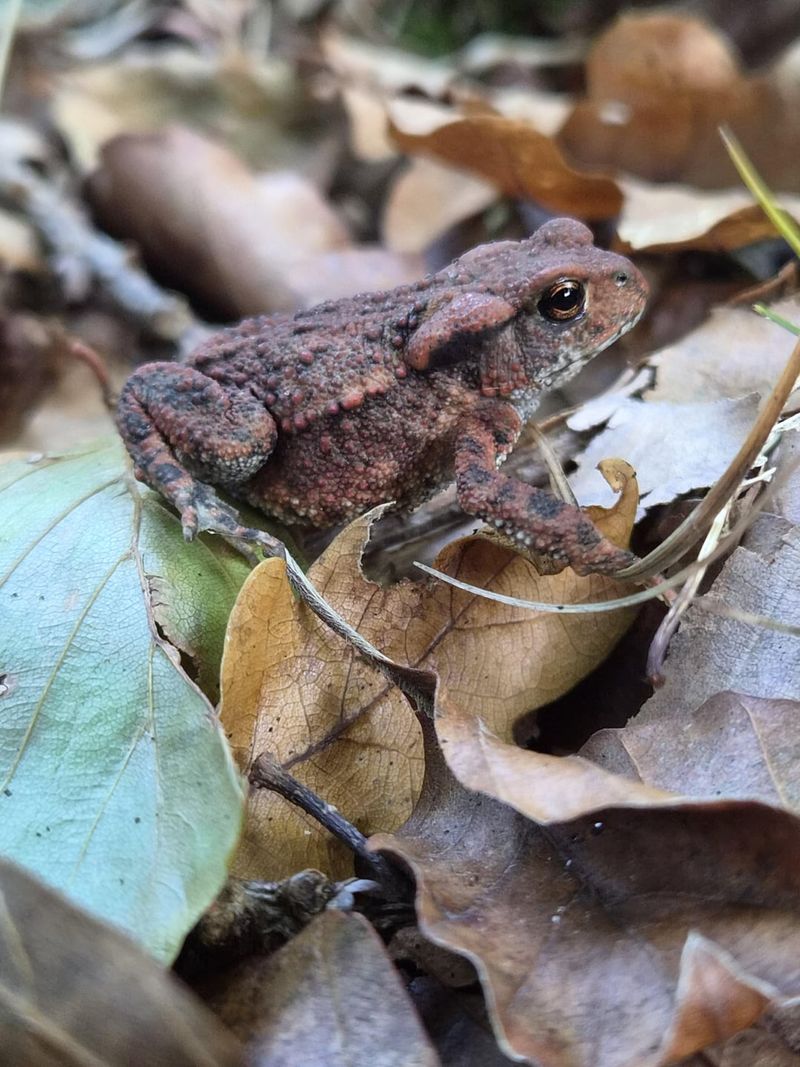
Dogs and toads make a bad mix. A quick sniff can turn into a grab, and that is when trouble can start.
Toads have glands behind their eyes that release a bitter, irritating substance when they feel threatened.
Native toads here are much less dangerous than the cane toad found in parts of Florida, but they can still make a dog feel pretty miserable.
Typical signs include heavy drooling, pawing at the mouth, foaming, and sometimes vomiting.
Small dogs may react more strongly simply because of their size.
If your dog mouths a toad, wipe the gums and tongue with a damp cloth and gently rinse the mouth with a hose on low. Point the water forward and out, not down the throat, so your pet does not swallow it.
Call your veterinarian or a pet poison hotline if symptoms seem severe or do not ease up fairly quickly.
Shaking, stumbling, or trouble breathing calls for urgent care. Those signs are less common with native toads, but they should be taken seriously.
Prevention is mostly about timing.
Toads in Georgia are most active on warm, wet evenings, so keeping dogs leashed or supervised after storms helps a lot. A quick flashlight sweep of the yard before letting them out can also spare you an anxious night.
7. Leaf Litter, Shallow Water, And Fewer Sprays Keep Them Around
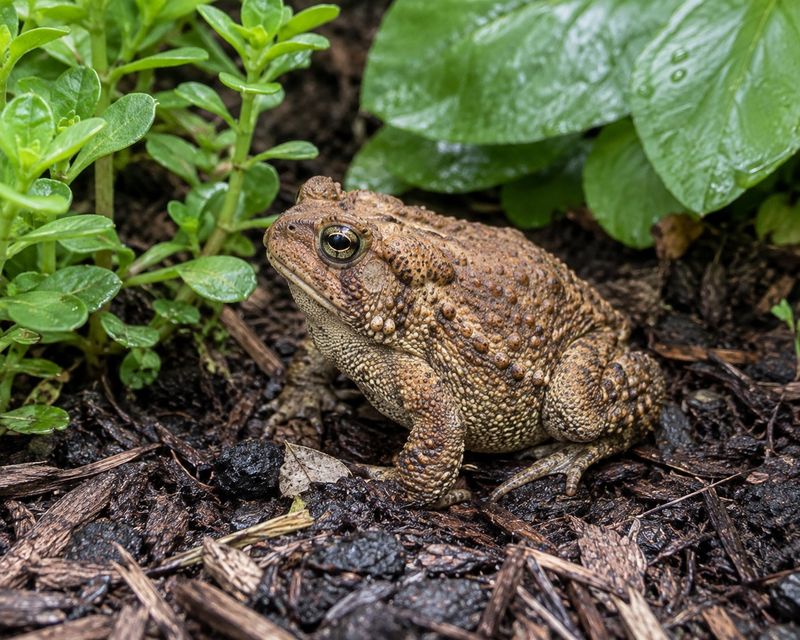
Want toads to stick around after the puddles dry up? Give them a reason to stay with shelter, water, and a yard that is not heavily sprayed.
Leaf litter is one of the easiest gifts you can offer.
Raking every bed bare removes the cool, damp layer where toads hide and hunt. Leaving some leaves under shrubs or along fence lines gives them cover during hot Georgia afternoons.
A simple toad house works too, and you do not need to buy anything fancy.
An overturned clay pot with a notch chipped out of the rim makes a decent shelter when set in shade on soft soil. Tuck it near a bed where insects are active.
Shallow water helps during dry spells between storms.
Sink a wide saucer into the ground so the rim sits level with the soil, then add a few stones for easy climbing. Refresh it every few days to keep it clean and to discourage mosquito larvae.
Cutting back on pesticides and herbicides may make a real difference, since toads absorb chemicals through their skin.
Spot-treating only when needed is a reasonable middle ground. Every yard is different, so expect some trial and error before toads settle in.