Georgia Native Plants That Keep Blooming When Everything Else Wilts In The Drought
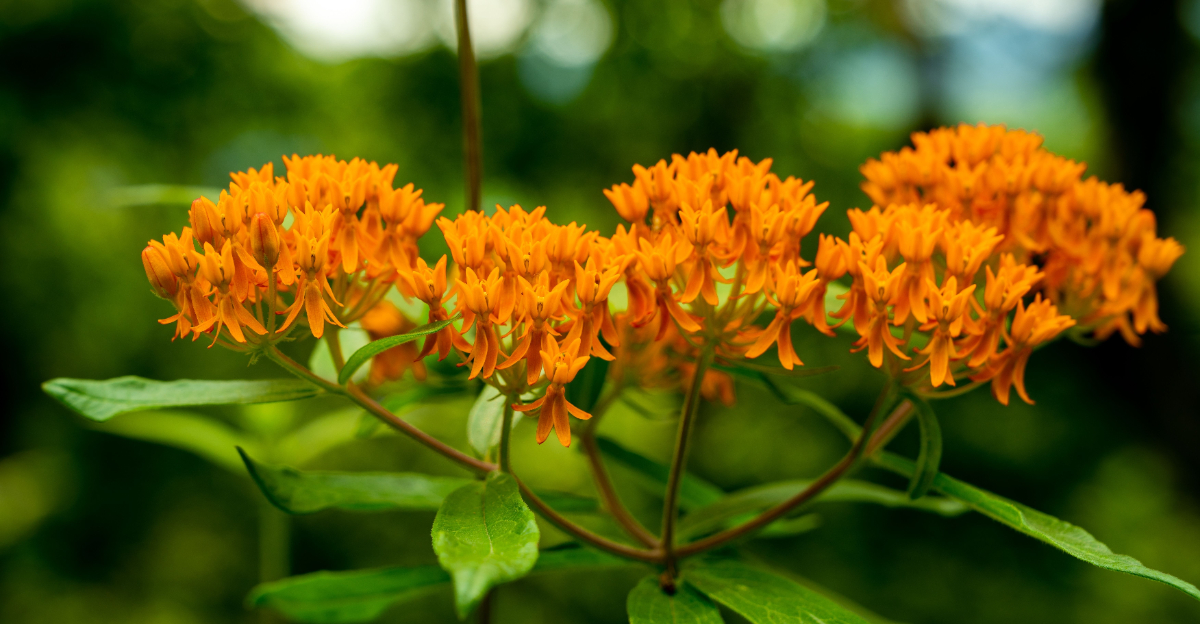
A Georgia summer can make even a well-loved garden look tired.
By August, the soil is hot, the rain feels unreliable, and the plants that looked charming in May may start fading just when the garden needs color most.
Imported ornamentals often ask for extra water, extra shade, or extra patience during long dry spells. Some simply stop performing until cooler weather returns.
That is where the right native plants change the whole mood of the yard.
Plants adapted to Georgia’s heat, clay, sandy patches, slopes, and dry spells often handle summer with more grace once they are established.
They still need water during their first season, and no plant is truly drought-proof under extreme conditions. But the right choices can keep blooming when the rest of the bed looks worn out.
They also do more than look pretty. They feed bees, butterflies, birds, and beneficial insects through the hardest stretch of the growing season.
So which Georgia natives keep the color going when drought makes everything else look ready to quit?
Start with tough, sun-loving plants that prefer lean soil, strong light, and a gardener who knows when to stop fussing.
1. Butterfly Weed Handles Lean Heat
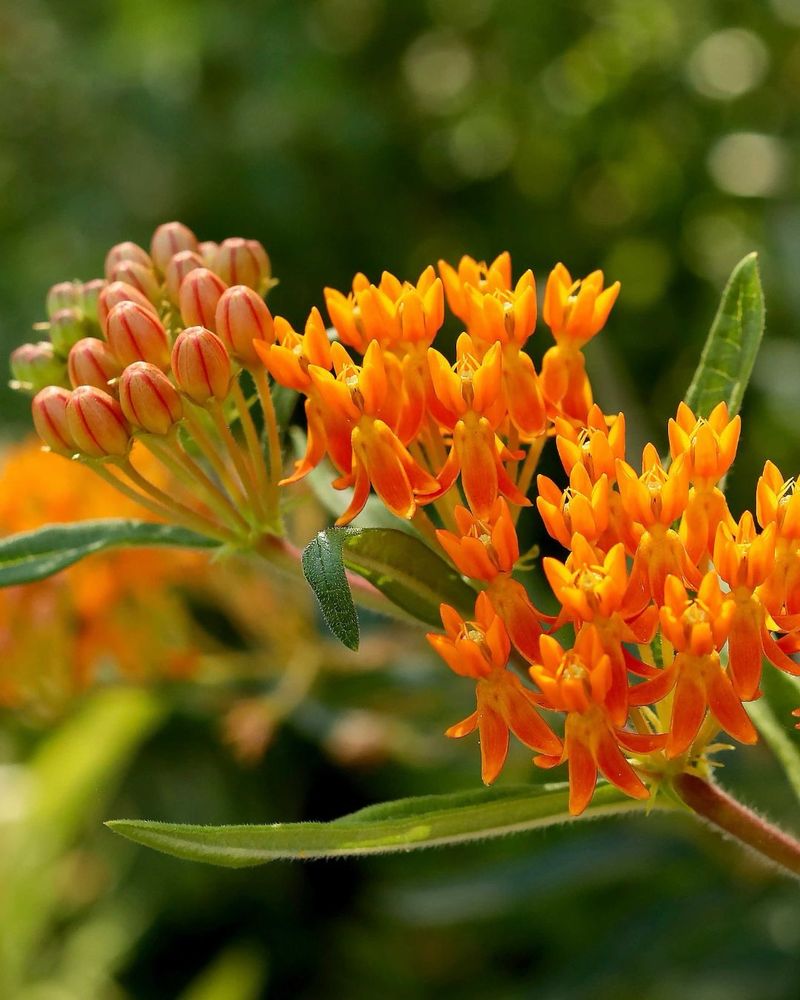
Orange flowers are the first clue that this plant was built for summer. Butterfly weed, Asclepias tuberosa, brings clusters of vivid blooms that glow in sunny Georgia beds.
The color feels almost electric against dry grass, pale mulch, or red clay, which makes it one of the most rewarding natives for gardeners tired of watching imported annuals fade in the heat.
The secret is the root. This plant develops a deep taproot that helps it reach moisture lower in the soil.
That taproot also explains its biggest demand. Choose the planting spot carefully, because established butterfly weed does not appreciate being moved.
Full sun is essential. The plant flowers best where it gets long, direct light.
Drainage matters even more. Wet, heavy soil around the crown can cause problems faster than dry weather.
Lean soil suits it well. Rich compost and heavy feeding can produce floppy growth and fewer flowers.
Raised beds, berms, sandy spots, and gravelly slopes can all work. The plant often looks strongest where more pampered perennials would complain.
Water regularly during the first growing season. Young roots need time before they can handle dry stretches confidently.
After establishment, back off. Too much care can weaken the upright habit that makes the plant so handsome.
This is also a monarch host plant. Caterpillars feed on milkweed foliage, while adult butterflies and native bees visit the flowers.
Butterfly weed proves that drought-tough does not have to mean dull.
Give it sun, sharp drainage, and patience, and it becomes a bright summer anchor.
2. Aromatic Aster Blooms Into Fall
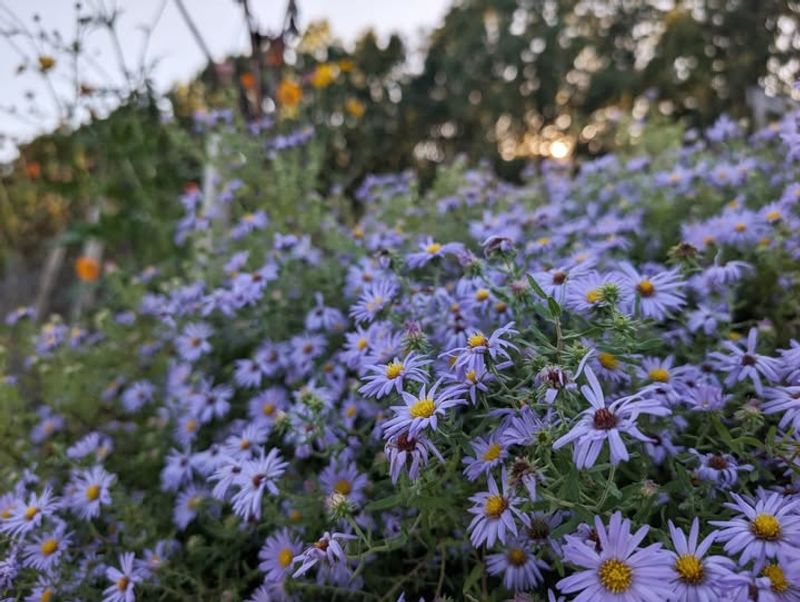
This plant saves its best show for later.
Aromatic aster, Symphyotrichum oblongifolium, becomes especially valuable when late summer and early fall leave the garden short on fresh flowers. Its lavender to violet blooms arrive just when pollinators need fuel and gardeners need a reason to stop calling the bed finished for the season.
Your Georgia Garden Changes Every Week. Your Plan Should Too.
Gardening in Georgia changes quickly throughout the season. Every Friday you’ll receive a simple weekly plan showing exactly what to plant, prune, fertilize, harvest, and protect so you never miss the right timing.
The shape is naturally mounded. That tidy habit makes it useful near paths, front borders, and sunny slopes.
Full sun keeps it compact. Too much shade can stretch the stems and reduce flowering.
Dry, well-drained soil suits it beautifully. Rocky, sandy, or lean ground is often better than a rich, damp bed.
Avoid heavy fertilizer. Too much nutrition can push leaves at the expense of flowers.
Pinching helps shape the plant. Cutting stems back lightly in late spring or early summer encourages a fuller mound.
Skip pinching, and it will still bloom. The plant may simply look looser.
The foliage has fragrance. Brush the leaves, and they release a spicy, herbal scent that explains the common name.
Bumblebees, native bees, and migrating butterflies all use the flowers. That late timing gives the plant real wildlife value.
Water young plants through the first summer. After the roots establish, it becomes much more relaxed during dry spells.
Divide older clumps when they thin in the center. That refreshes the planting and gives you more plants for sunny gaps.
Aromatic aster is not flashy early in the season.
Its value comes when the garden needs one more act, and this sturdy native steps forward with color.
3. Purple Coneflower Holds Sunny Beds
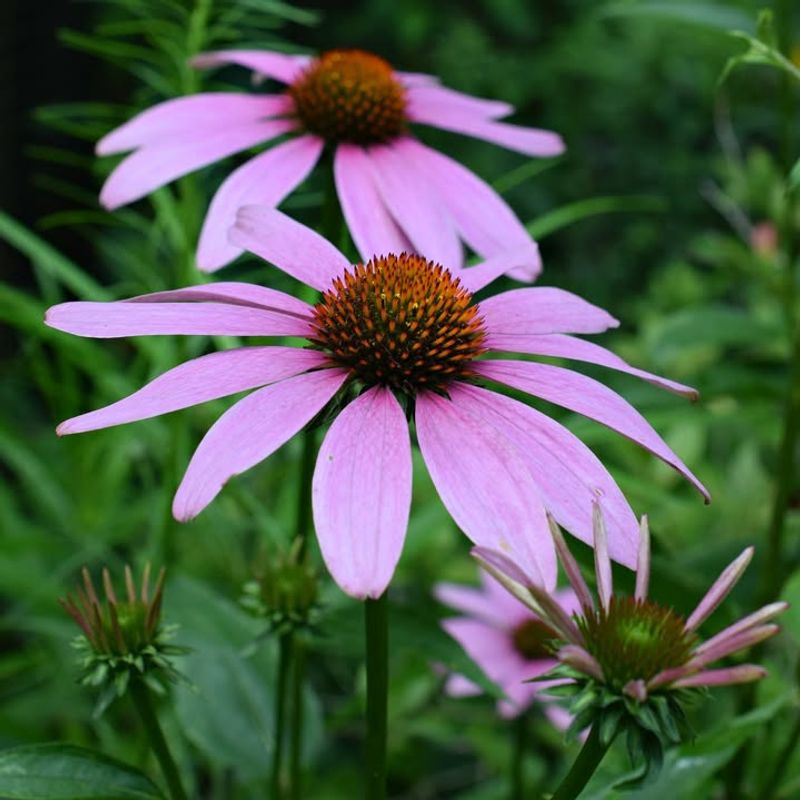
Purple coneflower is the dependable middle of the summer garden.
Known botanically as Echinacea purpurea, this native brings rosy-purple petals and bold orange-brown cones to full-sun beds. It looks structured even when neighboring plants have started leaning, and it gives pollinators a long, easy landing zone.
Drainage is the key to long-term success. The plant can handle dry conditions after establishment, but soggy soil can weaken it.
Heavy Georgia clay may need help. Planting on a slight slope or raised mound can improve performance.
Do not bury the crown in mulch. Moisture trapped around the base can cause problems.
Average soil is usually enough. Too much fertility can create tall, floppy stems.
Water regularly during the first season. New transplants need support before they become drought-tolerant.
After establishment, water deeply only during long dry spells. Constant shallow watering is not helpful.
Deadheading can extend bloom. Removing spent flowers encourages the plant to keep producing.
Leave some seedheads later. Goldfinches and other birds can use the seeds into fall and winter.
Watch for distorted flowers. Aster yellows can cause strange greenish blooms, twisted growth, and stunting.
Remove affected plants when disease is suspected. That protects the rest of the bed.
Purple coneflower works because it does many jobs well.
It blooms, supports insects, feeds birds, and gives sunny Georgia beds a familiar shape that holds together through summer.
4. Threadleaf Coreopsis Keeps Color Moving
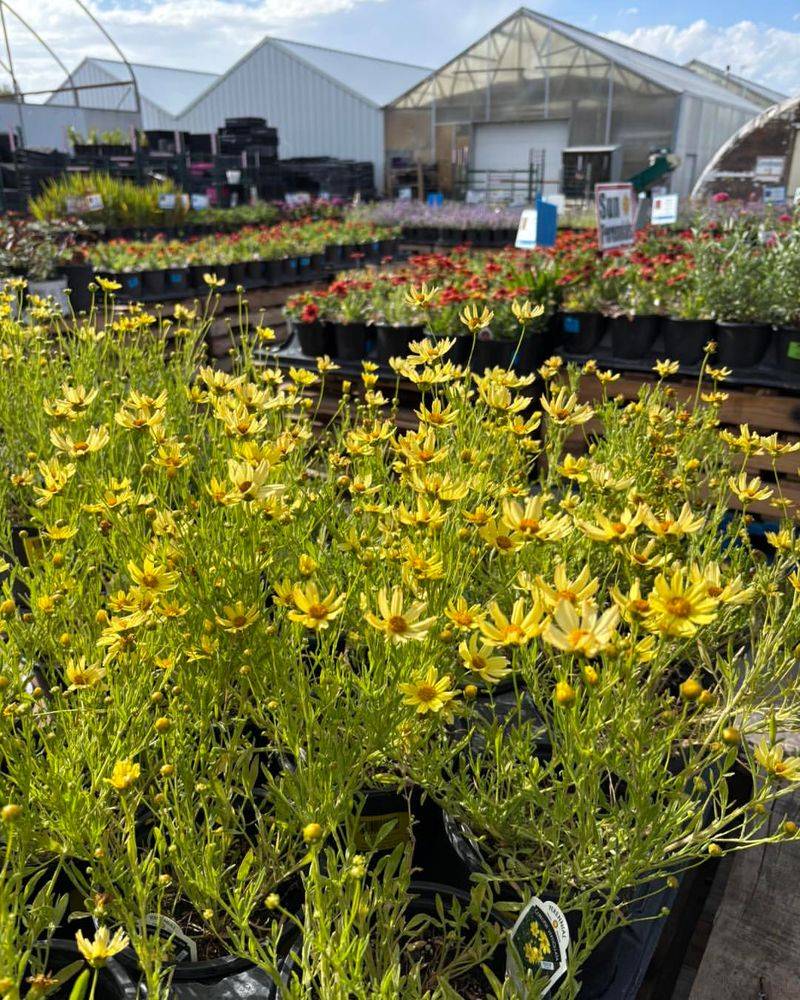
This plant brings a soft texture with a cheerful attitude.
Threadleaf coreopsis, often sold as Coreopsis verticillata, produces fine, airy foliage and bright yellow flowers that keep sunny beds feeling light.
The blooms can arrive in waves from late spring into summer, especially when the plant gets a quick trim after the first heavy flush.
The foliage is part of the appeal. It looks lacy rather than bulky, which makes it a good partner for bolder plants.
Full sun gives the strongest bloom. Light shade may reduce flower production.
Well-drained soil is important. The plant prefers soil that does not stay wet after rain.
Lean conditions help keep stems sturdy. Rich beds may lead to flopping.
Shear lightly after the first bloom wave. A quick trim can encourage a fresh round of color.
Do not cut into a tired crown too harshly during severe drought. A light reset is safer.
Water through establishment. Young plants need steady moisture before they can handle dry weather well.
After establishment, the plant usually asks for less. Deep occasional watering during long drought is better than constant surface sprinkling.
Straight species plants offer strong native value. Many popular cultivars can still be useful, but their performance and ecological role may differ.
Give it space to spread. Mature clumps can widen gradually.
Threadleaf coreopsis is not a dramatic giant.
Its strength is steady color, fine texture, and the ability to make a dry, sunny bed feel alive instead of brittle.
5. Spotted Beebalm Thrives In Dry Ground
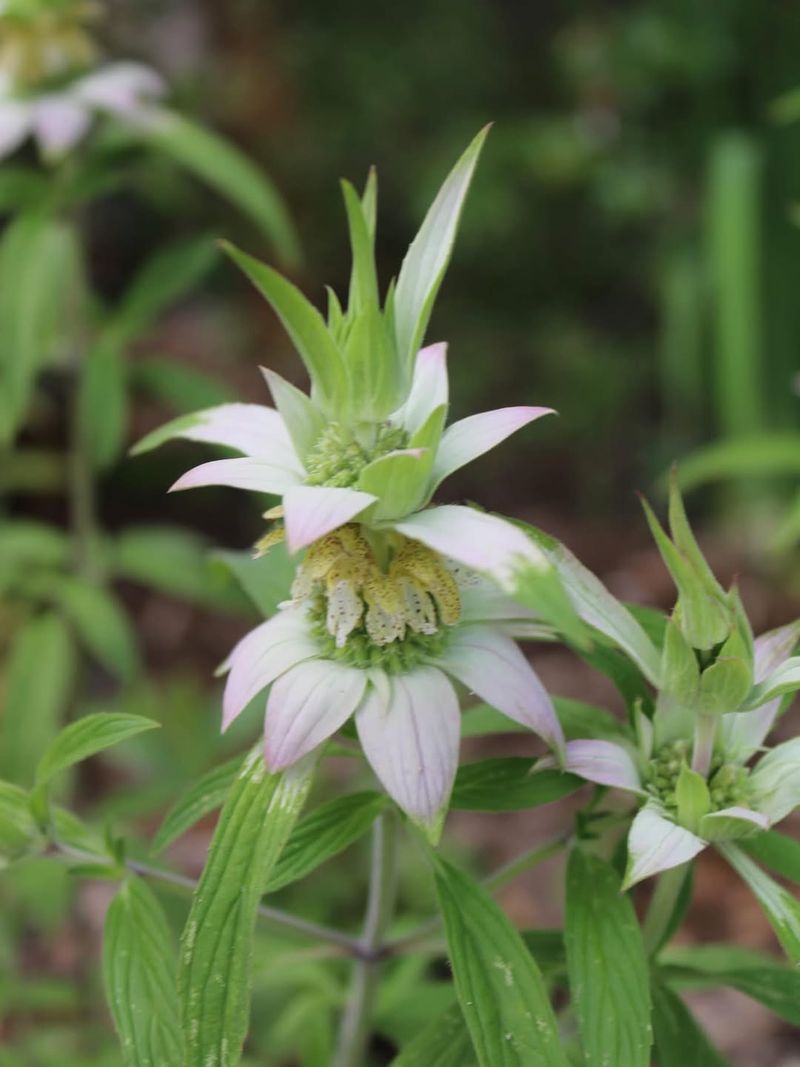
Spotted beebalm looks almost too unusual to be real.
Monarda punctata produces stacked whorls of pale yellow flowers marked with purple spots, surrounded by showy pinkish or lavender bracts.
Up close, the plant is wonderfully strange. From a few steps away, it adds soft color and movement to dry, sunny plantings.
This is a plant for lean ground. Sandy, dry, low-fertility soil suits it better than a pampered garden bed.
Rich soil can ruin the look. Too much moisture and fertility may create floppy growth.
Full sun is best. Strong light helps keep the plant compact and flower-heavy.
Avoid heavy mulch around the crown. This plant wants air and drainage.
Water young transplants at first. Once they settle in, reduce irrigation and let the soil dry between deep soaks.
Do not fertilize. The plant performs best without extra pushing.
Spotted beebalm often behaves as a short-lived perennial. Individual plants may not last forever, but seedlings can keep the patch going.
Let some seed drop. That helps maintain a loose colony.
Thin seedlings when needed. Crowding reduces airflow and can encourage mildew.
The flowers attract native bees, wasps, butterflies, and beneficial insects. Many small predators and parasitoids use the blooms.
Spotted beebalm is perfect for gardeners who like a little wildness.
It turns poor, dry ground into a pollinator stop without demanding rich soil or constant attention.
6. Stokes Aster Stays Strong In Heat
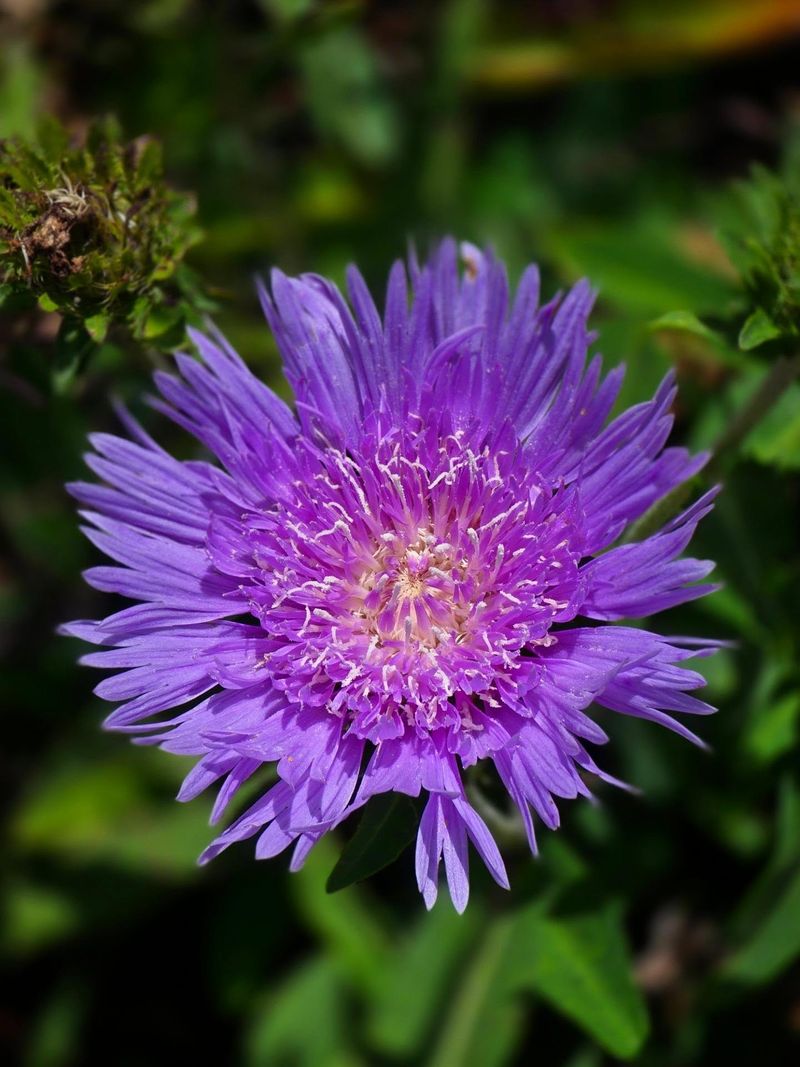
Stokes aster brings a polished look to a tough summer bed. Stokesia laevis produces large, fringed flowers in shades of lavender-blue, pale purple, white, or soft violet.
The blooms look refined, almost like they belong in a florist arrangement, yet the plant is native to the Southeast and handles Georgia heat well when sited properly.
Full sun to light shade can work. In hotter spots, a little afternoon relief may help, but too much shade reduces bloom.
Soil should drain well. This plant can handle summer dryness better than winter wetness.
That point matters in Georgia clay. A bed that stays soggy during cool months can cause decline.
Raised beds, slopes, and amended planting areas help. The crown should not sit in a wet pocket.
Water consistently during the first growing season. Roots need time to settle before drought performance improves.
Deadhead spent blooms. Regular cleanup can encourage more flowers and keeps the clump looking fresh.
Do not overfeed. Moderate fertility is enough.
Divide clumps every few years. This keeps them vigorous and prevents crowded centers.
Bumblebees and long-tongued native bees visit the flowers readily. The large blooms make insect activity easy to notice.
Stokes aster is a good choice for gardeners who want drought-tough beauty without a rough, weedy look.
It brings elegance to sunny native beds while still holding its own in the heat.
7. Georgia Aster Finishes The Season
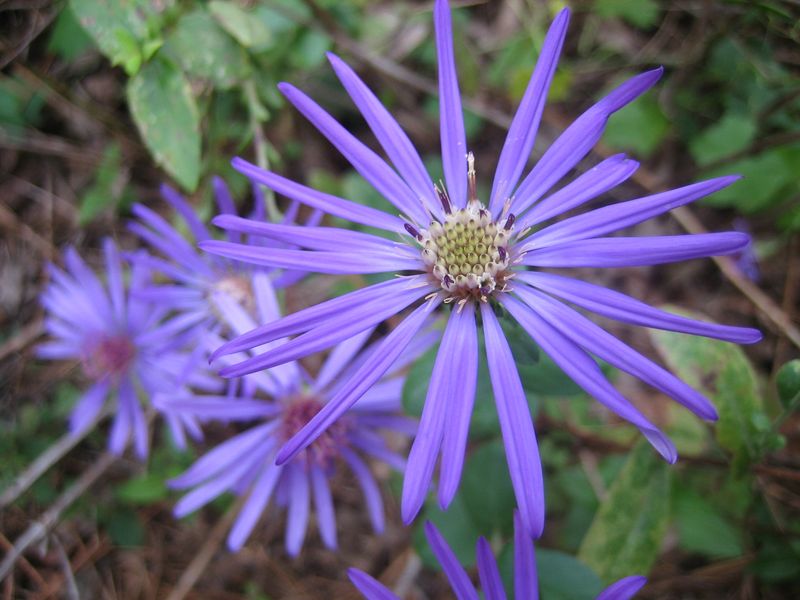
This one carries the state’s name and earns it.
Georgia aster, Symphyotrichum georgianum, blooms late, often in October and November, with vivid violet-purple flowers that can make the whole garden feel revived. When many plants have already faded, its color arrives with real drama.
The timing is the gift. Late flowers support native bees and other pollinators preparing for colder weather.
Full sun is important. Open light helps the plant bloom strongly.
Soil should be well-drained. It prefers conditions that lean dry and open rather than rich and soggy.
Heavy shade will not work. The plant can weaken and produce fewer flowers.
Do not overwater established clumps. Deep, occasional support during drought is better than constant moisture.
Skip fertilizer. Lean soil helps maintain a stronger form.
Sourcing matters. Georgia aster has conservation concern across parts of its range, so buy only from responsible nurseries that propagate plants ethically.
Never dig it from wild populations. Garden demand should support conservation, not harm it.
Give it space. Mature plants can form a wider clump and need room for airflow.
Cutting back lightly earlier in the season can help shape growth. Avoid late cuts that remove buds.
Georgia aster is more than a pretty fall flower.
Planting it responsibly brings rare late-season color and supports a native plant with a story worth protecting.