Before Mowing Your Georgia Lawn Check For These Yellow Jacket Nesting Spots
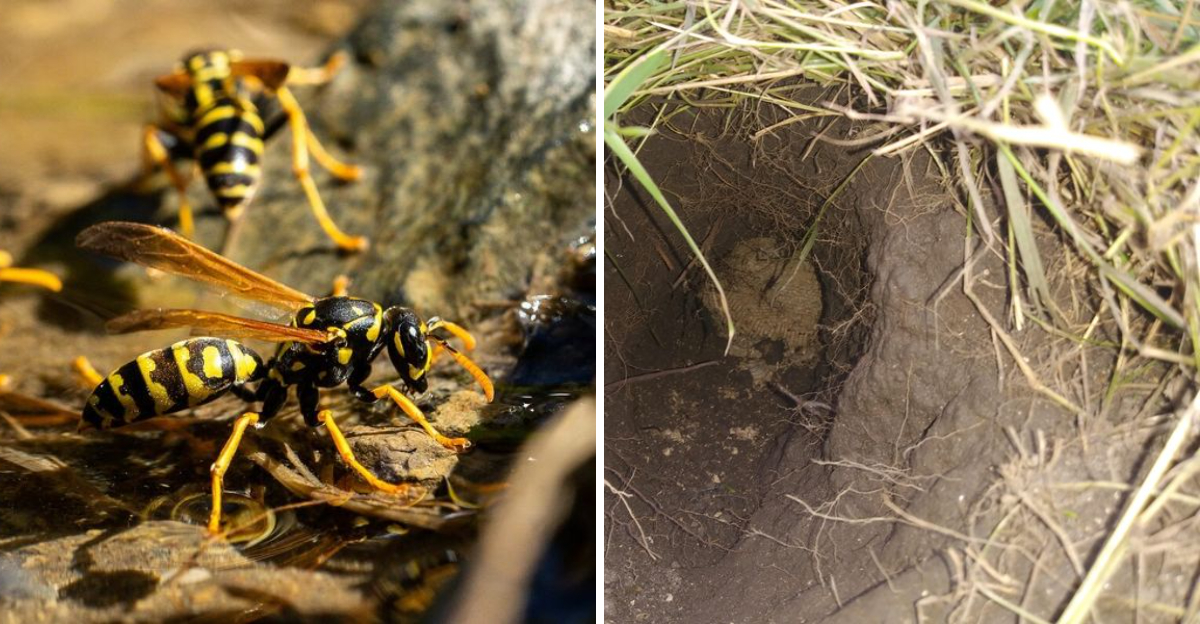
Mowing the lawn is one of those jobs that usually happens without much thought. You get everything ready, head outside, and expect it to be just another task to cross off the list.
That routine can change in a split second when something hidden gets disturbed. Most people never see the warning signs until they are already too close.
A few quiet areas around the yard can stay unnoticed for weeks, even during the busiest part of summer.
Stopping for a quick look before mowing can save a lot of trouble later. Georgia lawns sometimes hide yellow jacket nests in places that seem completely ordinary.
Those insects usually stay out of sight until the ground around them is disturbed.
Knowing where they are most likely to nest can help you avoid an unpleasant surprise before starting the mower.
1. Ground Burrows Are The Most Common Nesting Site
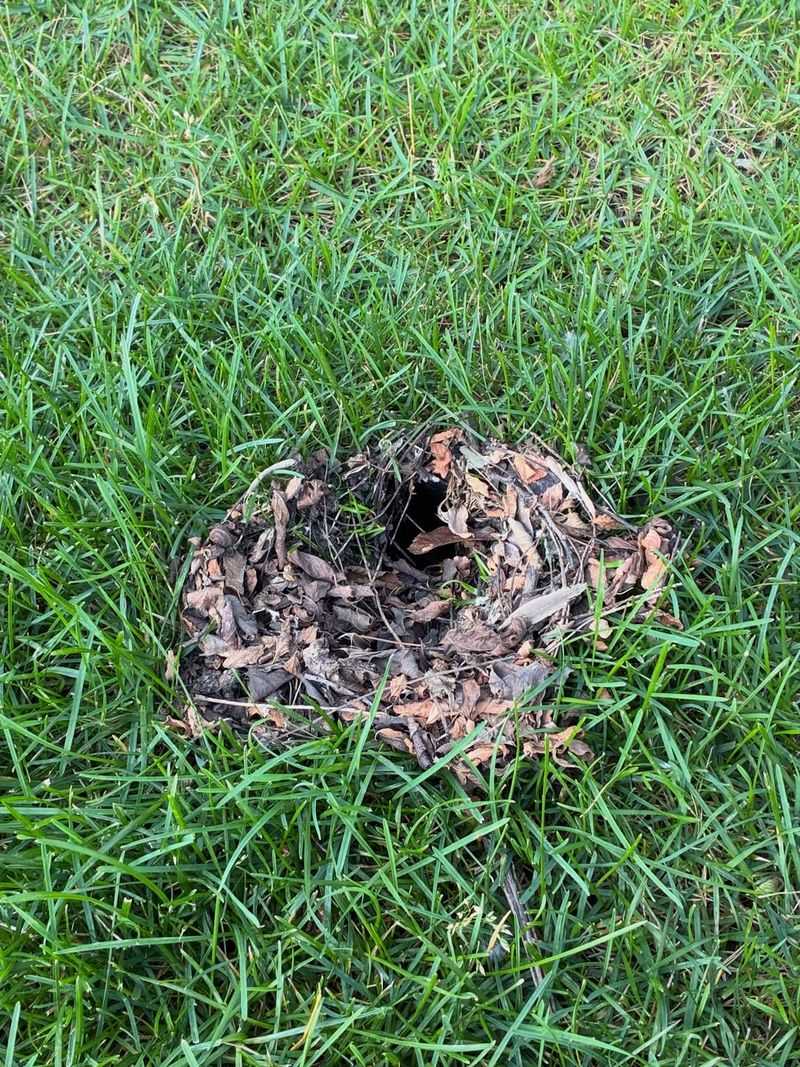
Underground is where yellow jackets prefer to set up home. Ground burrows are their go-to nesting spot, and they are surprisingly easy to miss if you are not paying attention.
Abandoned rodent tunnels, loose soil patches, and gaps near tree roots are all prime real estate for a colony.
A typical ground nest entrance looks like a small, rounded hole about the size of a dime or nickel. You might notice a ring of loose dirt around it, similar to what an anthill leaves behind.
Foot traffic near the hole sometimes causes subtle vibrations that can provoke defensive behavior from the wasps inside.
Walk your yard slowly before mowing. Look for patches where grass seems slightly raised or where soil looks disturbed without an obvious cause.
Early morning is a good time to scout because wasp activity tends to be lower when temperatures are cooler.
Ground nests can hold hundreds to thousands of workers by late summer. Colonies grow fast once warm weather sets in.
A nest that seemed small in spring can become a serious colony by July or August.
Soft, well-drained soil is especially attractive to nesting queens. Shaded areas near shrubs or fences also see frequent nesting.
2. Tall Grass Can Hide Small Nest Entrances
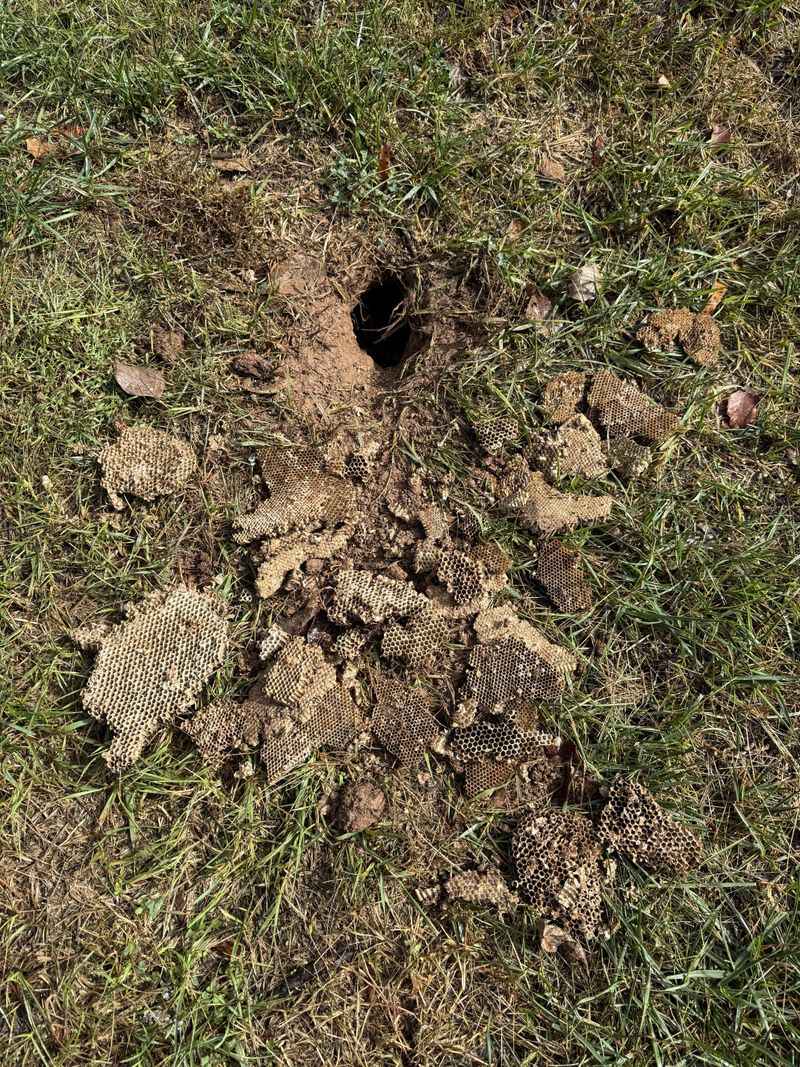
Tall grass is basically a curtain for yellow jacket nests. When grass grows past a few inches, small nest entrances disappear completely beneath the blades.
You could walk right over one and never notice until the mower blade passes over it.
Yellow jackets do not need a large opening. A gap the width of your thumb is plenty of space for workers to move in and out.
Grass that flops over that opening makes visual detection almost impossible from a standing position.
Before mowing an overgrown section, use a long stick or garden rake to gently part the grass in sections. Move slowly and watch for wasps flying low near the ground.
That low hovering pattern near a specific spot is a strong clue that something is below the surface.
Keeping your lawn mowed regularly reduces hiding opportunities for nest entrances. Short grass makes inspection much easier and gives you a clearer view of the soil surface.
Your Georgia Garden Changes Every Week. Your Plan Should Too.
Gardening in Georgia changes quickly throughout the season. Every Friday you’ll receive a simple weekly plan showing exactly what to plant, prune, fertilize, harvest, and protect so you never miss the right timing.
Consistent mowing schedules also reduce the risk of stumbling onto a well-established colony mid-season.
Pay extra attention to lawn edges near fences, garden beds, or areas you skip during routine cuts.
3. Tree Stumps And Slopes Can Shelter Colonies
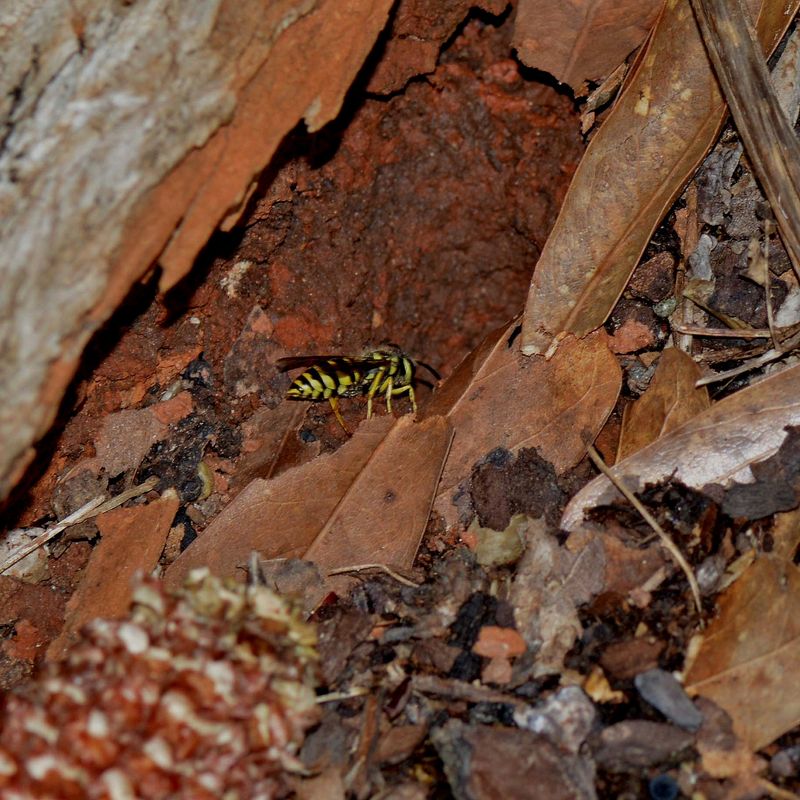
Rotting stumps are more than an eyesore. Yellow jackets find decayed wood extremely useful, using the soft interior as ready-made nesting material or shelter for a new colony.
A stump that has been sitting in your yard for a season or two deserves a close look before you get near it with equipment.
Sloped areas present a different challenge. Ground nests built into hillsides or embankments are harder to spot because the entrance often faces downward or sideways.
Gravity pulls loose soil away from the opening, making the hole less visible from above.
Mowing a slope adds another layer of risk. You are often looking at the ground ahead rather than below your feet, and the mower vibration travels through the soil more intensely on uneven terrain.
A nest built into a slope can respond quickly to that disturbance.
Check around any stump by walking a slow circle about three feet out. Watch for wasps landing on or near the wood surface.
Active nests near stumps often show wasps crawling in and out of cracks or gaps in the bark.
Slopes with exposed roots or rocky patches are especially worth inspecting. Roots create natural cavities in the soil that colonies use as ready-built shelter.
4. Steady Wasp Traffic Signals An Active Nest
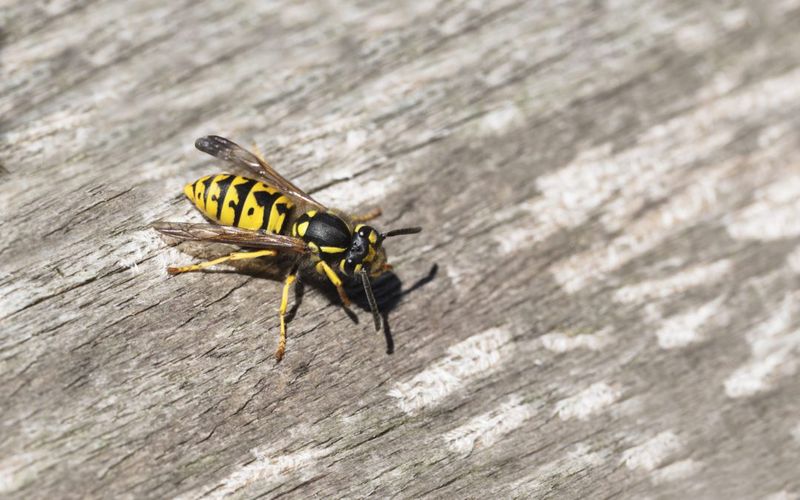
Wasp traffic tells a story. A yellow jacket flying past once or twice means nothing, but a steady stream of wasps moving in and out of the same spot is a clear signal that a nest is active nearby.
Watching flight patterns for even two or three minutes can reveal exactly where a colony is operating.
Workers follow fairly consistent flight paths when returning to the nest. You might notice them dipping low near a particular patch of lawn, a shrub base, or a gap in a retaining wall.
That repeated low-level approach is worth noting before you continue yard work.
Early evening is a productive time to observe wasp traffic. Workers return to the nest as temperatures drop, and the concentrated activity near the entrance becomes easier to spot.
Standing back at a safe distance and simply watching for a few minutes costs nothing and gives you useful information.
Avoid swatting at individual wasps during your inspection. Swatting triggers alarm pheromones that can alert nearby workers.
Staying calm and still while observing is a smarter approach.
A single scout wasp investigating your mower or equipment could also be a warning sign. Scouts check out potential threats before the colony responds.
5. Lawn Mowers Can Trigger Defensive Behavior
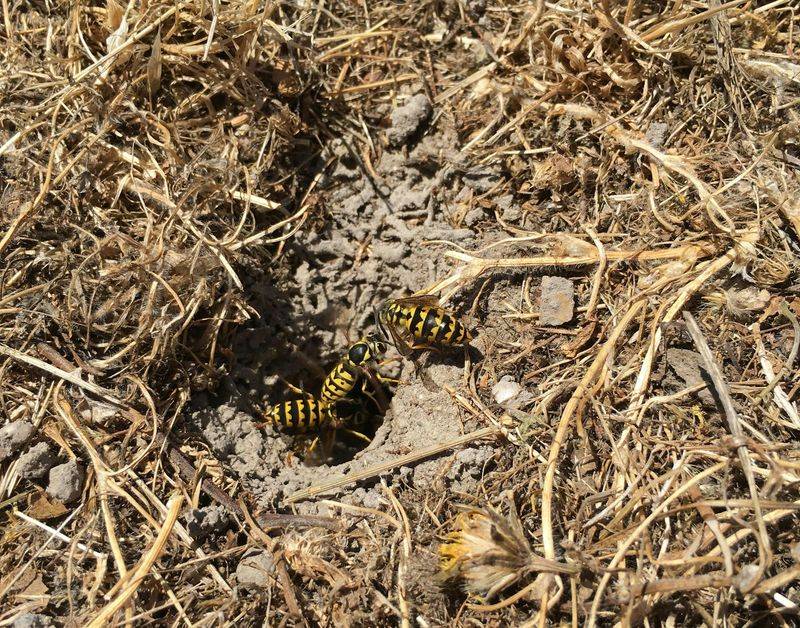
A running lawn mower is practically an alarm system for yellow jackets. Engine vibration travels through the soil and reaches the nest before the mower blade ever gets close.
Workers inside interpret that vibration as a threat, and a colony can mobilize fast in response.
Gas-powered mowers tend to produce more intense vibration than electric models, but both types can provoke a defensive response if a nest is nearby.
Riding mowers cover ground quickly, which means you might be directly over a nest before you even realize the situation.
Protective gear matters on days when you are mowing near suspected nesting areas. Long sleeves, pants, closed-toe shoes, and gloves reduce exposed skin significantly.
Light-colored clothing is generally less likely to attract attention from defensive wasps compared to dark or floral patterns.
Mowing away from a suspected nest location rather than toward it can reduce the intensity of a defensive response. Directing the discharge chute away from the nest area also limits debris disturbance near the entrance.
Know where your exit route is before you start. If wasps begin swarming, moving quickly and calmly away from the area is the right call.
Running in a straight line away from the nest and getting indoors or into a vehicle is the standard recommendation from pest professionals.
6. Mark The Area Before Continuing Yard Work
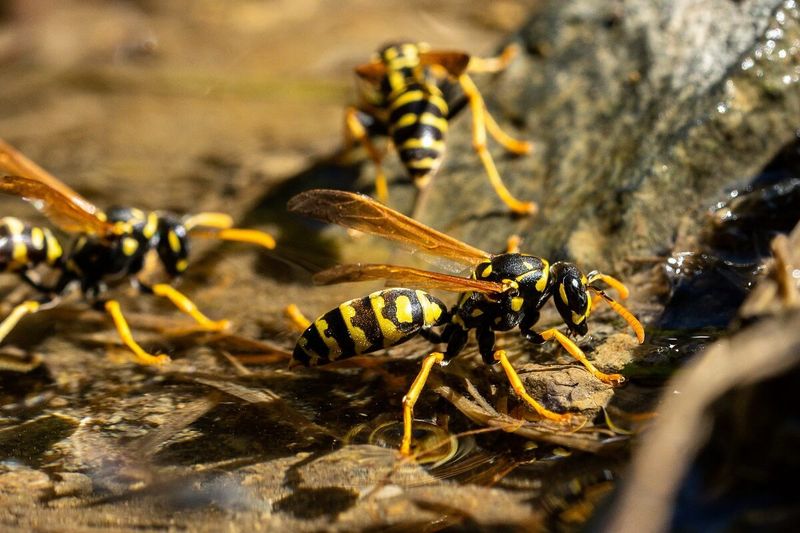
Found a nest? Stop moving and mark the spot.
Placing a visible marker near the nest location protects you, your family, and anyone else who uses the yard. A bright flag, stake, or even a ring of spray paint on the grass works well as a temporary warning signal.
Markers should be placed from a safe distance. Tossing a flag near the area works better than crouching down to push a stake in next to an active entrance.
Give yourself several feet of clearance when placing any marker near a confirmed or suspected nest.
Tell everyone in the household about the marked location. Children and pets should be kept away from the flagged zone until the nest is addressed.
A simple verbal warning combined with a visible marker is usually enough to prevent accidental disturbances in the short term.
Write down the date you spotted the nest. Colony size changes with the season, and tracking when you first noticed activity helps a pest professional assess the situation more accurately.
Photos taken from a safe distance can also be useful for identification purposes.
Avoid the temptation to cover the entrance with soil, rocks, or mulch as a quick fix. Blocking the entrance without eliminating the colony can redirect worker traffic to other nearby exits.
Yellow jackets are capable of creating alternate openings when their primary entrance is blocked.
7. Professional Removal Is Best For Established Nests
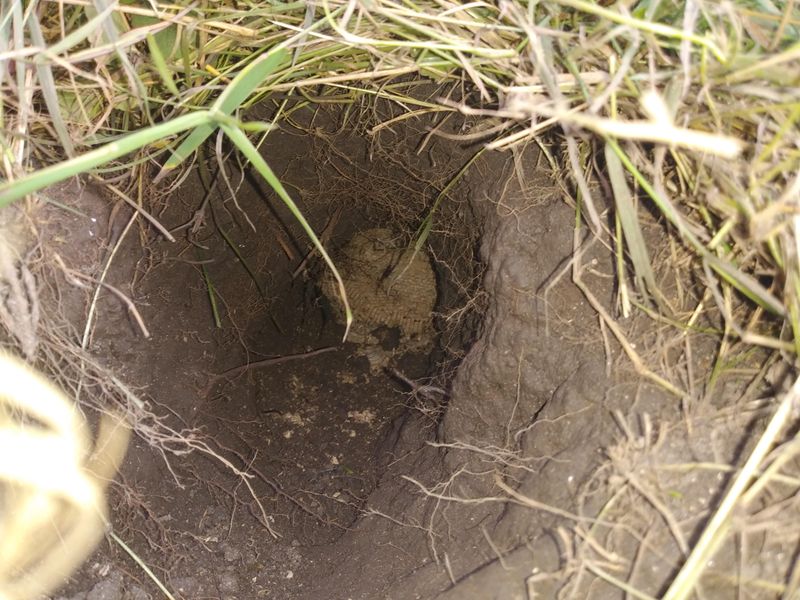
Large, established colonies are not a DIY project. By midsummer, a yellow jacket ground nest can hold several thousand workers, and disturbing it without proper equipment and training puts you at serious risk of multiple stings.
Calling a licensed pest control professional is the most reliable path forward for nests that have been active for more than a few weeks.
Professionals have access to treatments and protective gear that are not available in standard hardware stores.
Trained technicians can assess the size of the colony, identify the species, and choose the appropriate treatment method based on nest location and surrounding conditions.
Timing matters for professional treatment as well. Technicians often prefer treating nests in the evening when workers have returned and activity slows.
Treating at that time reaches more of the colony and reduces the chance of encounter with foraging workers during the process.
Ask about follow-up visits when scheduling service. Some colonies require more than one treatment, particularly if the nest is large or located in a hard-to-reach area.
A reputable pest control company should explain what to expect before and after treatment.
Once treatment is complete, wait at least 24 to 48 hours before mowing near the treated area. Residual activity from surviving workers can persist for a short period after treatment.