Leave Frost Damaged Georgia Shrubs Alone Until Spring To Protect New Growth
Brown, crispy leaves on your shrubs after the first hard freeze can make a Georgia yard look rough overnight. Your instinct might be to grab the pruners and clean up the damage right away.
Holding off is usually the better move, even if the shrub looks worse than you would like.
Those damaged leaves and stems still help shield the healthy wood underneath from the next round of cold.
Pruning now can also encourage fresh growth at the wrong time of year. That tender new growth is far more likely to be hurt when temperatures drop again.
Plenty of shrubs that look awful in the middle of winter bounce back once warmer weather returns.
Give yours until spring, when it becomes much easier to see which branches are still alive.
1. Scorched-Looking Foliage May Sit Atop Healthy Wood
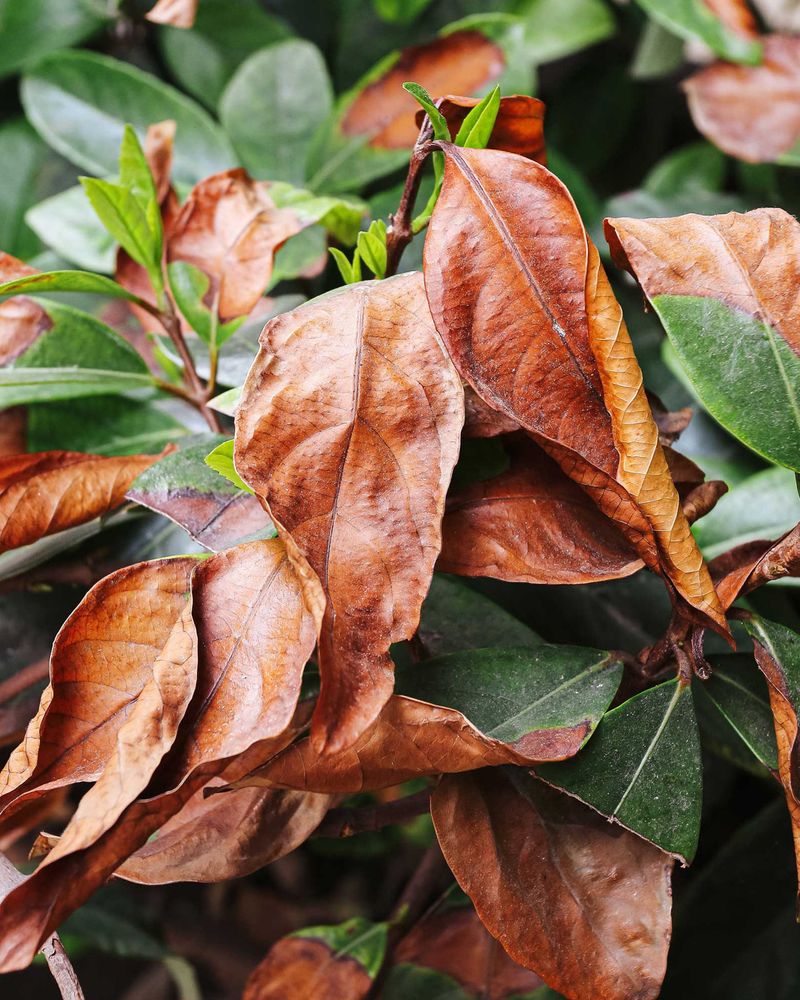
Brown leaves can fool you. After a cold snap, a shrub may look ruined from the curb, yet the stems underneath often stay alive.
Leaves are thin and full of water, so they take the hit first when temperatures drop fast.
Woody stems are tougher and better protected by bark. In many cases, they handle a short freeze far better than the foliage sitting on them.
Gardenias, pittosporum, and young camellias across Georgia commonly show this kind of top damage after a hard night.
Leaves may turn bronze, black, or crispy within a few days. Some will drop on their own over the next several weeks, and that is usually normal.
Shedding damaged foliage is simply how the plant clears out tissue it no longer needs.
Results do vary, of course. A shrub planted last fall, a variety that is borderline hardy for your area, or a plant already stressed by drought may suffer deeper injury.
Still, judging the whole plant by its leaves in midwinter is a little like judging a book by a torn cover.
So give it time. Let the plant show you, over the coming months, how much of it made it through.
2. Damaged Growth Can Shield Inner Branches From Later Freezes
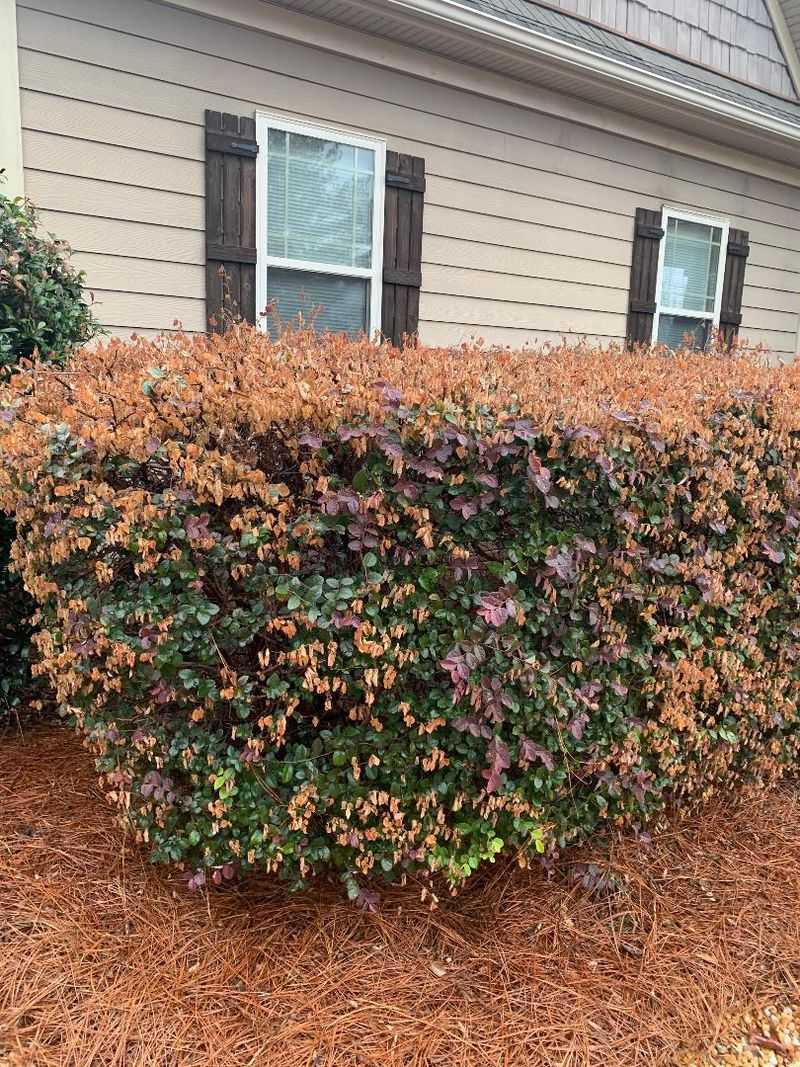
Ugly does not mean useless. Those crispy outer leaves and twigs may still be doing a quiet job for your shrub this winter.
Picture the damaged layer as a rough blanket draped over the healthier wood inside.
It can soften cold wind and reduce how much frost settles directly on the inner branches. Nobody should expect it to stop a severe freeze, but it may help a little during milder cold nights.
Winter in Georgia rarely ends after one cold event.
Late January and February often bring more frosts, and parts of the state can see freezes well into March. Cutting away the outer layer early leaves fresh, exposed wood to face those next rounds without any cover.
Leaving the old growth in place costs you nothing except a messy look for a few weeks.
If appearance bothers you, try draping a frost cloth or old bedsheet over low shrubs before a hard freeze. Remove it the next morning once temperatures climb, so the plant does not overheat on a sunny day.
Your Georgia Garden Changes Every Week. Your Plan Should Too.
Gardening in Georgia changes quickly throughout the season. Every Friday you’ll receive a simple weekly plan showing exactly what to plant, prune, fertilize, harvest, and protect so you never miss the right timing.
Just skip plastic sheeting touching the leaves, since it can transfer cold straight through.
3. Pruning Too Soon Can Coax Out Vulnerable New Shoots
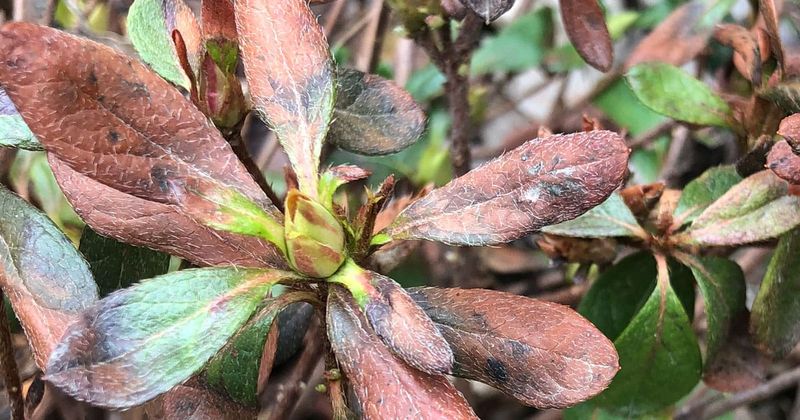
Here is the sneaky part. A pruning cut can act like a wake-up call, nudging a shrub to push out fresh buds.
New shoots are soft, full of water, and have almost no tolerance for cold.
When you prune in January, a few warm days afterward might trigger that tender growth. Then a sudden freeze rolls in, and the new leaves get hit even harder than the old ones did.
Repeated cycles like that can drain a shrub’s stored energy.
Every round of growth uses reserves that the plant built up last season. Lose too many rounds, and recovery in spring can be slower and thinner than you hoped.
Georgia winters are famous for this up-and-down pattern, with a 70 degree afternoon followed by a 25 degree night.
Plants respond to those warm spells, especially on south-facing walls or near pavement that holds heat.
A safer plan is to wait until the threat of frost has passed in your area. Your county Extension office can share typical last frost dates, which differ quite a bit from north to south.
Waiting a little longer helps ensure any new growth begins when temperatures are much less likely to drop sharply.
4. Spring Growth Reveals Which Stems Pulled Through
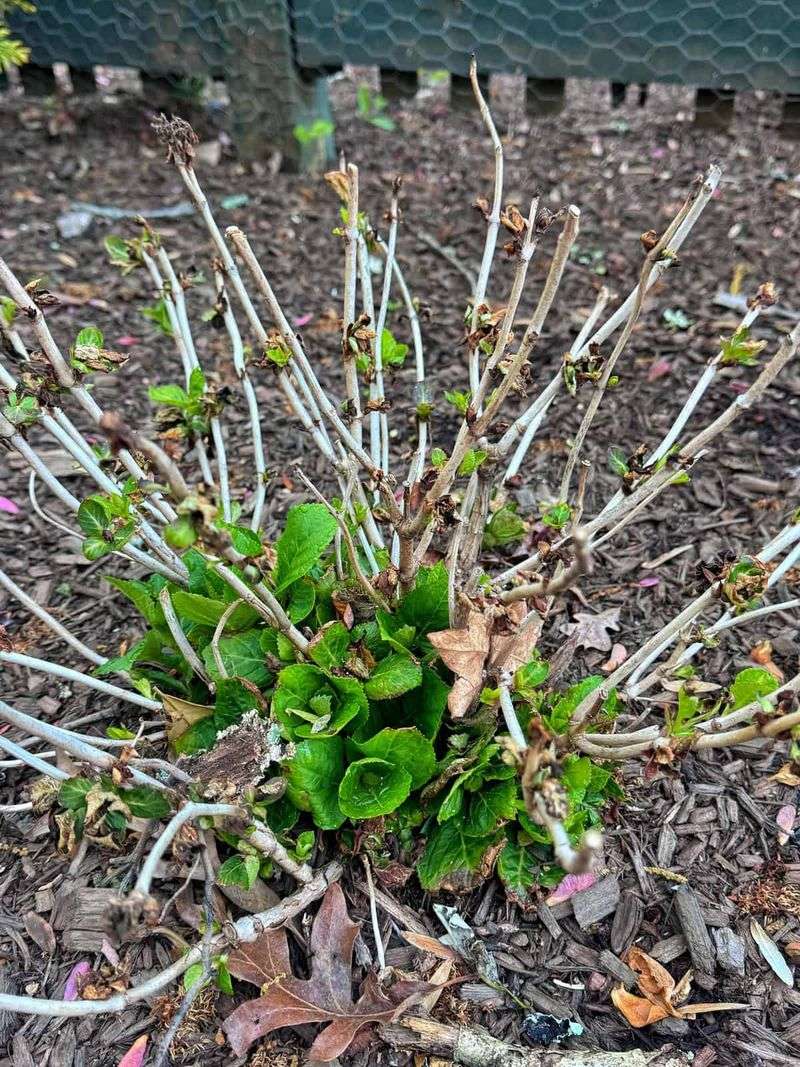
Spring settles the debate. Once warm weather sticks around, healthy stems start leafing out, and the ones that failed stay bare and brittle.
Guessing in winter leads to mistakes, like cutting a branch that would have bounced back.
Waiting lets you see a clear line between new green leaves and gray, empty twigs. Pruning just above the healthy buds becomes simple and far more accurate.
Timing depends on where you live.
South Georgia shrubs may show growth in late February or March, while plants in the northern mountains could take until April or even May. Some slow growers, like certain hollies, may lag a bit longer.
Hold off on judging the last stragglers too early.
Stems sometimes sprout from lower buds weeks after the rest of the shrub has filled in. Give questionable branches until late spring before making a final call.
When you do prune, use clean, sharp pruners and cut back to a live bud or a healthy side branch.
Spring-blooming shrubs like azaleas set buds the year before, so heavy cuts may reduce flowers this year.
For spring-blooming shrubs like azaleas, lighter pruning after flowering helps preserve more of the season’s blooms.
5. A Quick Fingernail Scratch Checks For Green Tissue
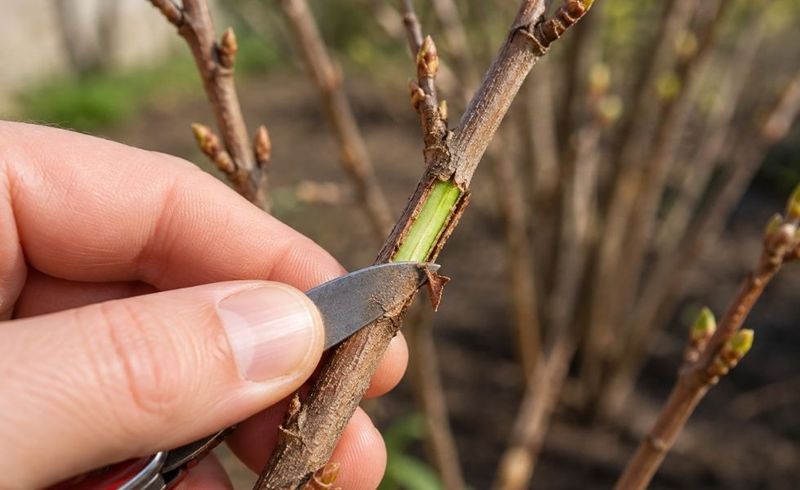
Your thumbnail is a handy garden tool. A gentle scratch on a stem can tell you a lot about what is happening under the bark.
Pick a small spot and lightly scrape away the thin outer layer.
Bright green, moist tissue underneath usually means the stem is alive. Brown, tan, or dry tissue suggests that section did not survive the cold.
Start near the tip and work downward in small steps.
Damage often affects branch ends first, so you may find brown at the top and green a few inches lower. That point tells you roughly where future cuts could go once spring arrives.
Keep your scratches small and few, since every wound is a tiny opening on the plant.
Be aware that results are not perfect. Some shrubs, like certain older woody stems, naturally have a less vivid green layer, and a light color can be hard to read on a gray day.
Gardeners around Georgia often repeat the test a few weeks apart for a clearer answer.
Use it as a helpful clue rather than a final verdict, then confirm with spring leaf-out.
6. Hazardous Broken Limbs Should Come Off Sooner
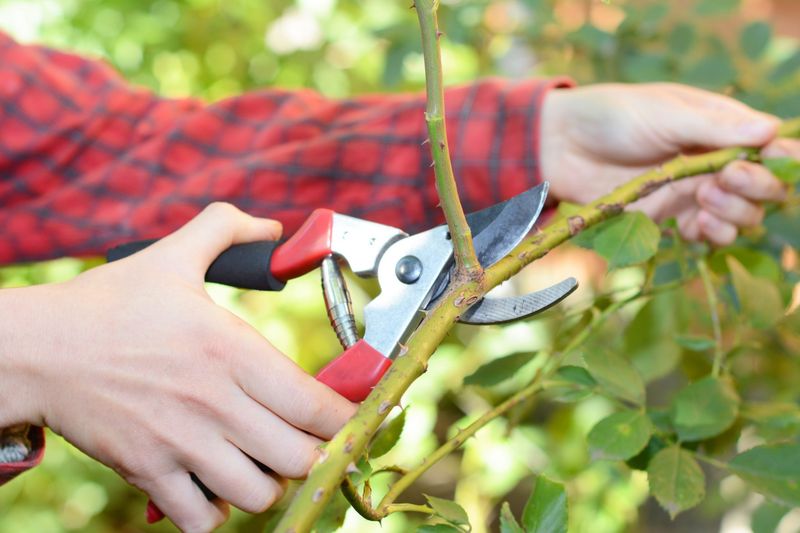
Safety beats patience. If a freeze or ice storm snaps a heavy limb, that branch does not need to wait for spring.
Hanging or cracked branches can fall on walkways, cars, or people.
Ice storms hit parts of Georgia from time to time, and the extra weight can split thick shrubs like camellias, wax myrtles, and tall hollies. Removing a dangerous piece right away is a sensible exception to the wait rule.
Keep the job small and focused on the broken part only.
Cut just below the break, back to a healthy side branch or the main stem, using a clean, sharp saw or loppers. A smooth cut tends to seal better than a jagged tear left hanging.
Leave the frosted leaves and minor tip damage alone for now.
Torn bark can also be trimmed neatly so water does not sit in ragged edges. Skip wound paint or sealer, since most Extension experts say plants handle clean cuts well on their own.
Large limbs near power lines are a different story.
Call your utility company or a certified arborist instead of tackling those yourself.
7. Steady Moisture During Dry Winter Spells Supports Recovery
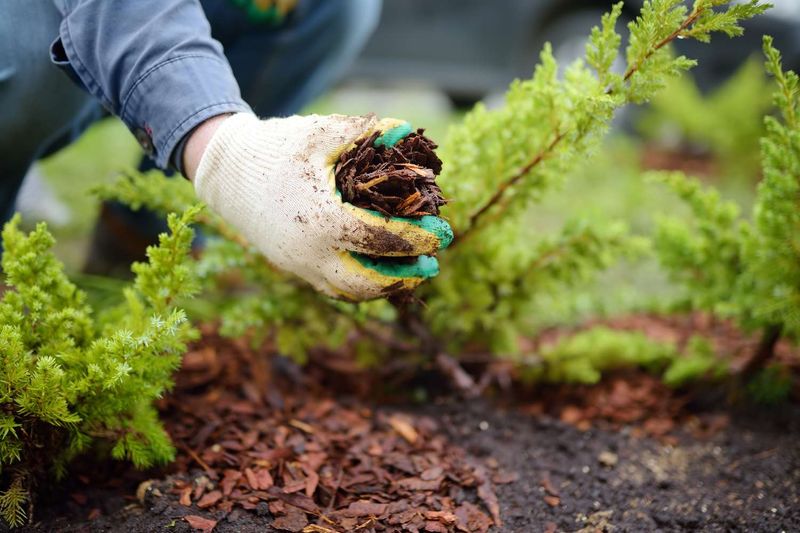
Thirsty roots heal slowly. Winter may seem like a quiet season, but evergreen shrubs still lose water through their leaves on sunny, windy days.
Cold, dry stretches can leave soil surprisingly parched, even in Georgia, where rain usually comes often.
Dry roots struggle to supply the plant, and frost injury can look worse when moisture runs short. Checking the soil every week or two during a dry spell makes a real difference.
Push a finger a couple of inches into the soil near the shrub.
If it feels dry, water deeply on a mild day when temperatures are above freezing. Morning or midday works best, giving the water time to soak in before night.
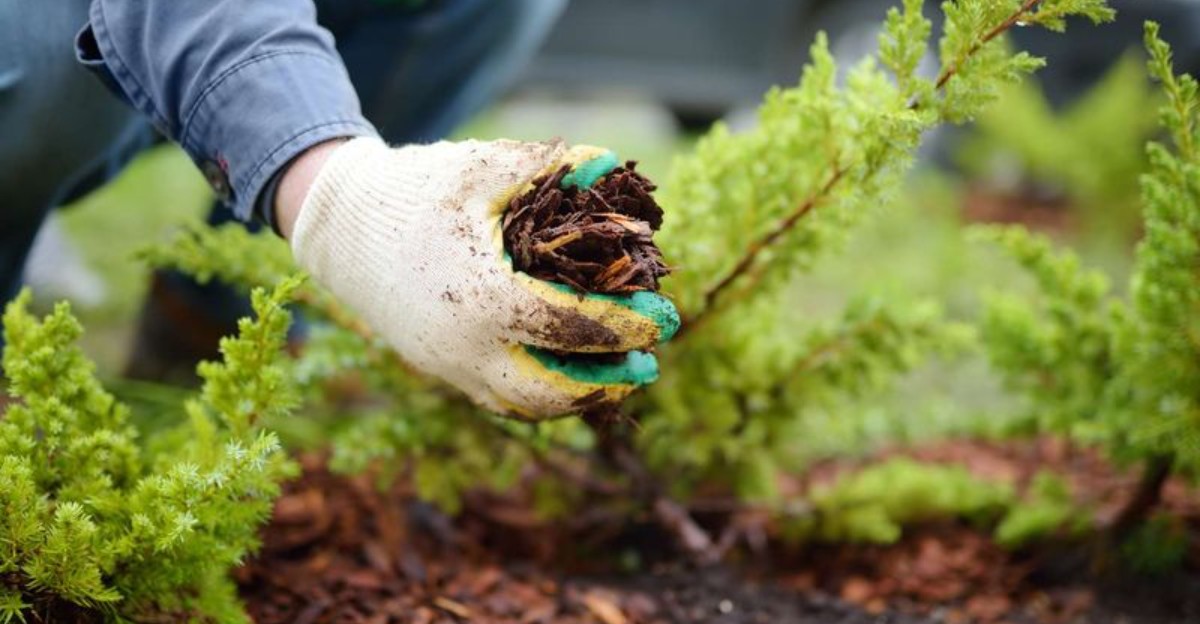
A layer of pine straw or shredded bark, about two to three inches deep, helps hold moisture and buffer roots from temperature swings.
Keep mulch a few inches away from the main stems to discourage rot.
Hold off on fertilizer for now. Feeding in winter may push tender growth too early, so wait until plants are actively growing in spring, and adjust based on your soil and the shrub type.