Never Touch This Bright Green Caterpillar In Georgia Gardens
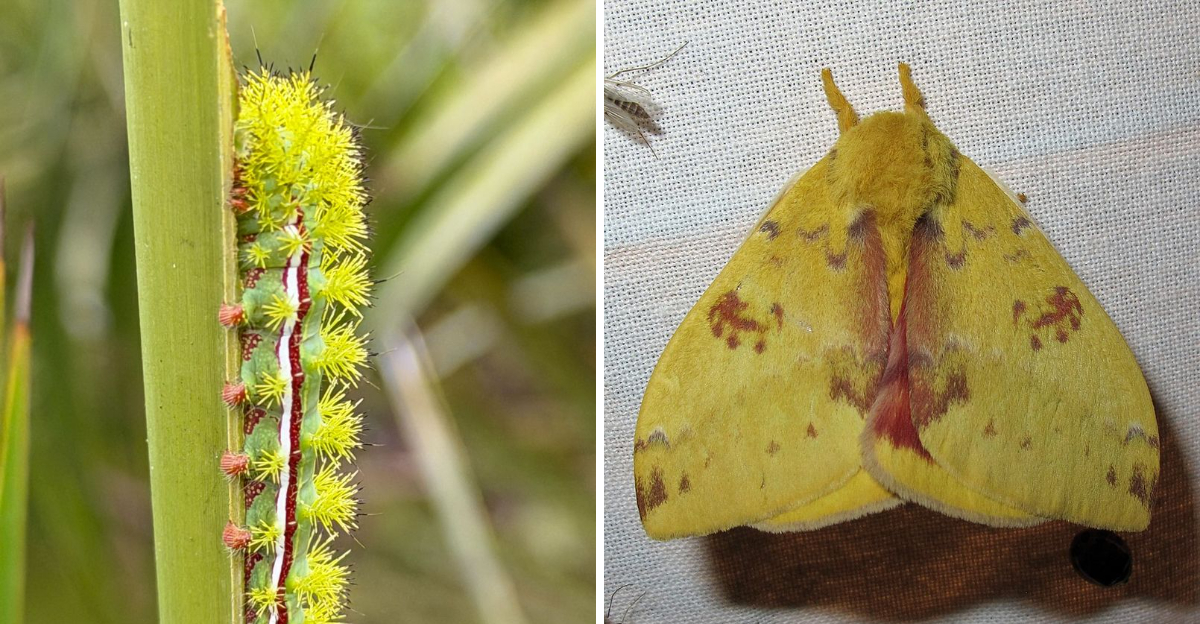
Bright green usually looks like a warning sign for plants, not for insects. That is exactly why one eye-catching caterpillar catches so many people off guard while working in the garden.
Curiosity often takes over. It sits out in the open, looks soft to the touch, and does not seem threatening at first glance.
Looks can be deceiving. A painful sting is sometimes the only clue that this tiny visitor is better left alone, especially during the busiest weeks of the gardening season.
Gardeners across Georgia are most likely to notice it feeding on trees and ornamental plants while temperatures stay high.
Keeping your hands off unfamiliar caterpillars is the safest habit.
One bright green species is especially worth recognizing before your next trip into the yard.
1. Io Moth Caterpillars Carry Venomous Spines
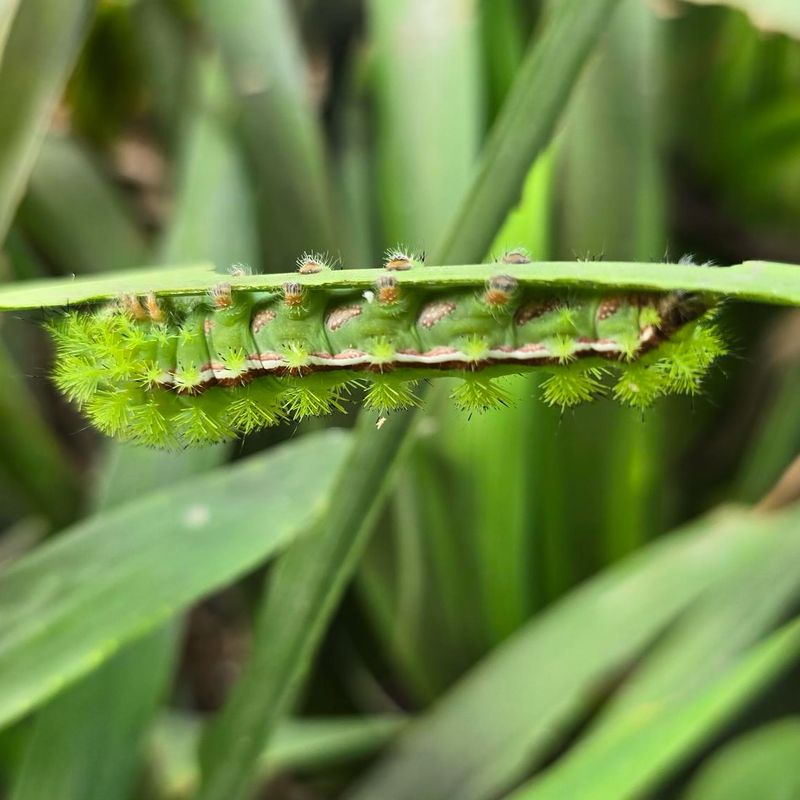
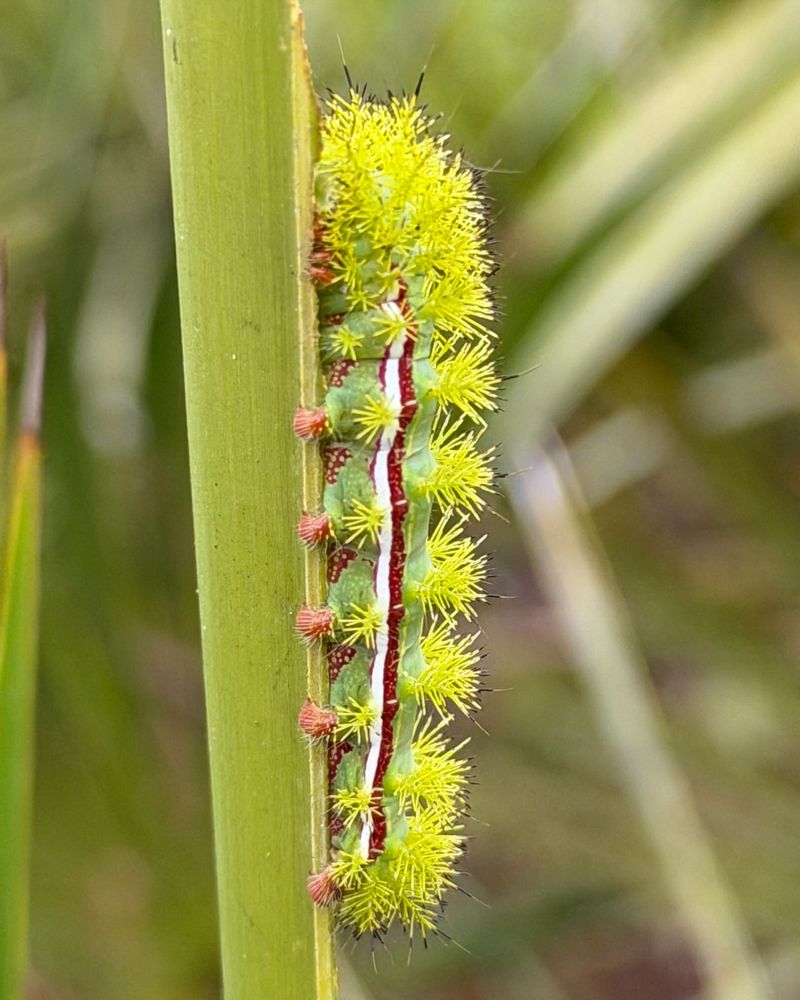
Bright green and covered in spines, the Io moth caterpillar looks almost too interesting to leave alone. That curiosity can cost you.
Each spine on its body is connected to a venom gland underneath the skin, and even light contact can trigger an immediate burning reaction.
Brushing against one accidentally still delivers the same sting as grabbing one directly. You do not have to squeeze or press hard for it to hurt.
A simple graze across your hand or arm is enough to leave a red, itchy welt that can last several hours.
Younger caterpillars tend to cluster together in groups, making the risk even higher. Touching one leaf could mean contact with dozens of spines at once.
That kind of exposure can cause a more intense reaction than a single brush with an older, solitary caterpillar.
Some people experience swelling beyond the initial sting site. Others notice a rash that spreads slightly around the contact area.
If you have sensitive skin or a history of reactions to insect stings, the response could feel stronger than average.
Io moth caterpillars are found throughout Georgia and much of the Eastern United States. Warm months bring them out in full force, especially from late spring through early fall.
2. Many Trees And Shrubs Serve As Host Plants
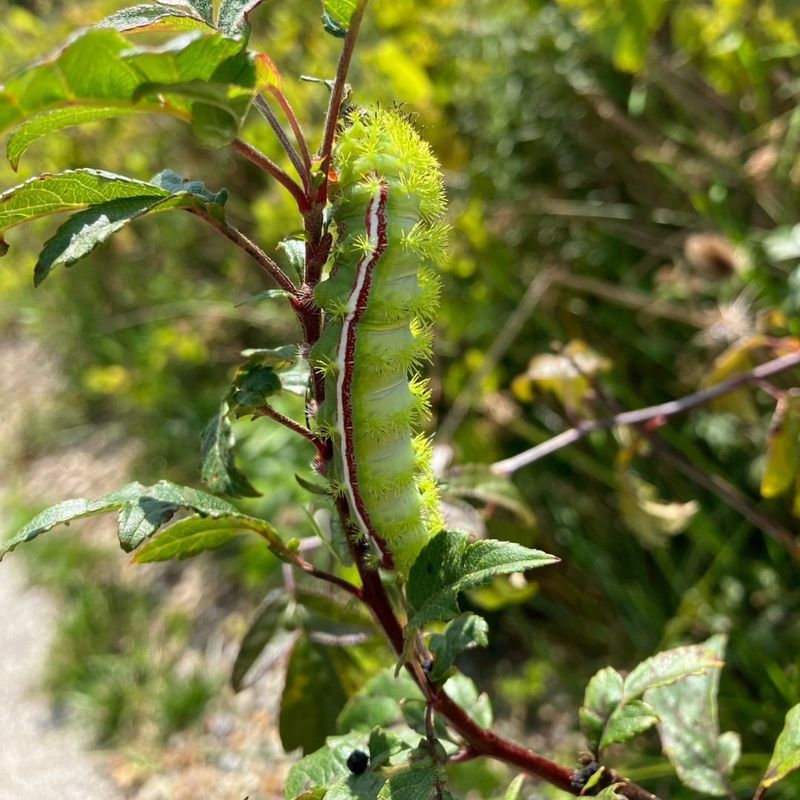
Io moth caterpillars are not picky eaters, and that makes them harder to avoid. Over 100 plant species can serve as host plants, including roses, oak trees, cherry, willow, corn, and many ornamental shrubs commonly found in home gardens.
Roses are a particularly popular feeding spot. Gardeners who tend rose beds frequently are at higher risk simply because they spend so much time working close to the foliage.
A caterpillar resting on the underside of a leaf is easy to miss until your hand is already too close.
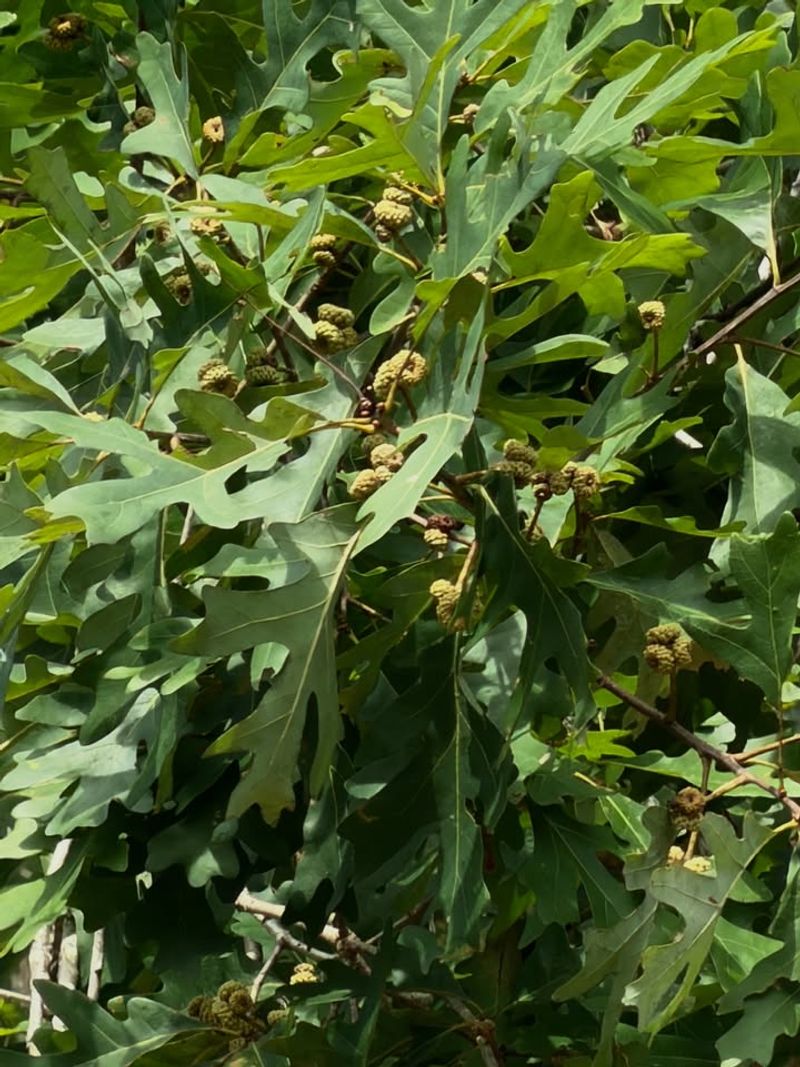
Oak trees are another common host, especially for caterpillars in their later growth stages. If you have large oaks in your yard, check branches and low-hanging leaves before raking beneath them.
Caterpillars can drop from branches and land on skin or clothing.
Fruit trees like wild cherry and plum also attract these insects. Backyard orchards in the Southeast are worth checking carefully before harvesting or pruning.
Your Georgia Garden Changes Every Week. Your Plan Should Too.
Gardening in Georgia changes quickly throughout the season. Every Friday you’ll receive a simple weekly plan showing exactly what to plant, prune, fertilize, harvest, and protect so you never miss the right timing.
A caterpillar nestled between leaves near a fruit cluster can be nearly invisible at first glance.
Corn and other garden vegetables have also been recorded as occasional host plants. Vegetable gardeners should check the undersides of leaves regularly during summer.
3. Bright Green Bodies Blend Into Garden Leaves
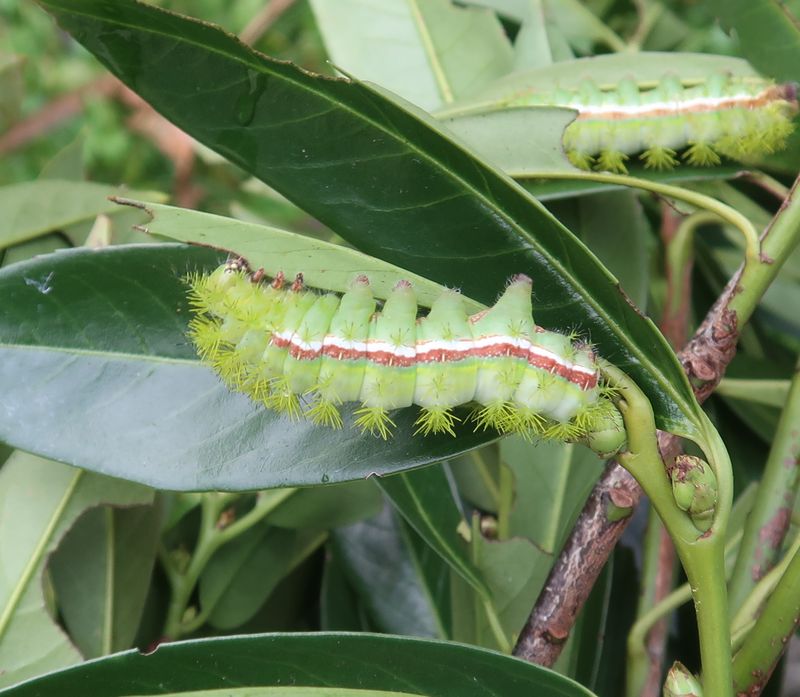
Camouflage is one of nature’s most effective tricks, and the Io moth caterpillar uses it well. Its vivid green body matches fresh leaves almost perfectly, making it genuinely difficult to spot unless you are looking carefully and slowly.
From a distance, the caterpillar can look like a rolled leaf edge, a new bud, or just part of the plant’s natural texture. Up close, the spines become visible, but by then your hand may already be inches away.
That split-second gap is where most accidental stings happen.
Lighting plays a big role in how easy it is to see them. On bright sunny days, shadows under leaves hide them even more effectively.
Overcast days with flat lighting can sometimes make them easier to spot, but not by a huge margin.
Gardeners who work quickly, especially during routine weeding or pruning sessions, are most likely to miss them. Slowing down and scanning leaves before grabbing them is a simple habit that can prevent a painful surprise.
It takes only a few extra seconds per plant.
Young caterpillars are especially hard to see because they are small and often cluster on the underside of leaves. As they grow, they become slightly more visible, but their green coloring remains effective camouflage throughout most of their larval stage.
4. Large Groups Often Feed On The Same Plant
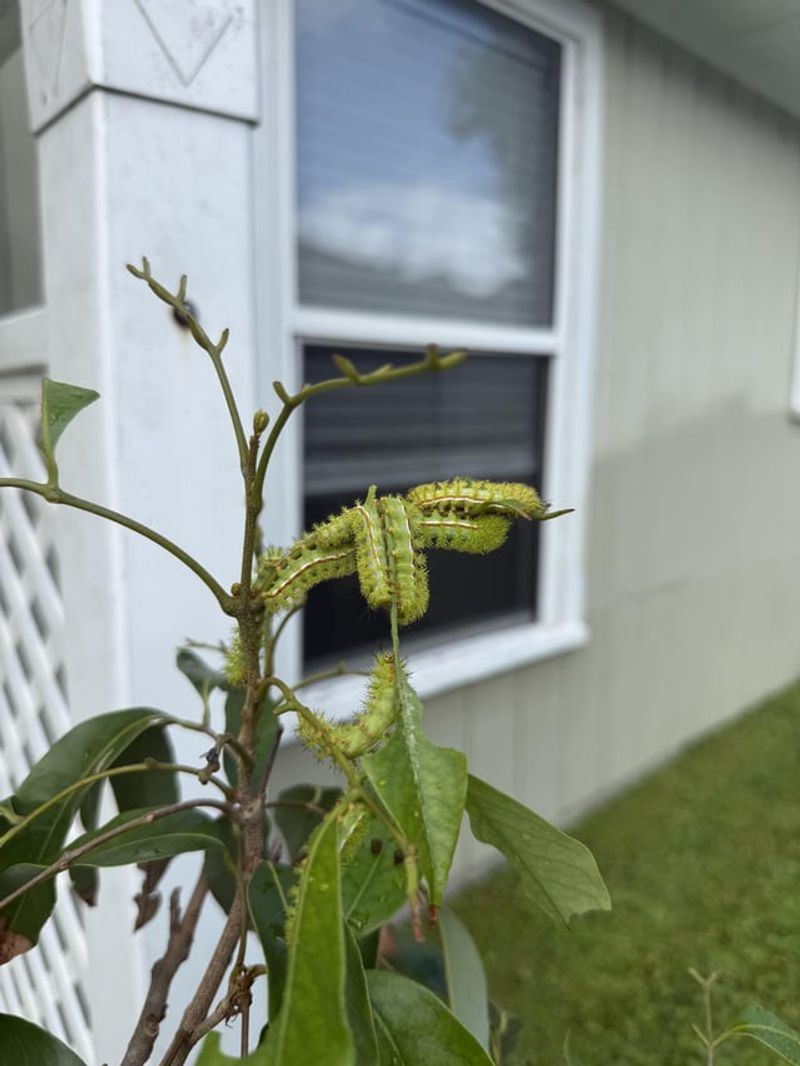
Finding one Io moth caterpillar usually means there are more nearby. Early in their larval stage, these caterpillars hatch from eggs in clusters and tend to stay together while feeding.
A single leaf can hold a dozen or more at once.
Group feeding can strip a plant’s leaves quickly, leaving behind ragged, chewed edges that signal an infestation. If you notice unusual leaf damage on your roses or shrubs, look carefully before touching anything.
What looks like simple pest damage could have a very spiny source.
Reaching into a shrub to investigate leaf damage without checking first is a common mistake. The caterpillars often rest on the undersides of leaves directly above or below the damaged area.
Your hand can contact several at once before you even realize what happened.
As the caterpillars mature, they tend to spread out and feed more independently. But during their earlier stages, the group behavior makes a single plant genuinely hazardous to handle without protection.
One infested branch can have enough spines to cause a significant reaction.
Gardeners in warm Southern states often see this clustering behavior peak in midsummer. Checking plants every few days during that period makes sense, especially if you have host plants like roses, oaks, or fruit trees in your yard.
5. Wear Gloves Before Reaching Into Foliage
Gloves are one of the simplest and most reliable ways to protect yourself while working around plants. A sturdy pair of gardening gloves creates a physical barrier between your skin and any spines you might accidentally contact.
Not all gloves offer equal protection, though.
Thin cotton or jersey gloves may not stop Io moth caterpillar spines from penetrating the fabric. Thicker leather gloves or puncture-resistant gardening gloves offer better coverage.
If you work in dense shrubs or heavily leafed plants regularly, upgrading your gloves is worth the small investment.
Long sleeves are another smart addition, especially when working near rose bushes or pruning low tree branches. Caterpillars can drop from above, and bare arms are easy targets.
Pairing gloves with a long-sleeved shirt covers most of your exposure risk during routine garden work.
Some gardeners skip gloves on quick tasks like pulling a few weeds or grabbing a single branch. That is exactly when accidental contact tends to happen.
Short tasks done without protection account for a surprising number of stings each season.
Keeping a dedicated pair of thick gloves near your garden tools means they are always easy to grab before you head outside. Building that habit takes very little effort.
6. Check Leaves Before Pruning Or Weeding
Pruning and weeding put your hands in close contact with plants for extended periods, which raises the chances of accidental contact with hidden caterpillars.
Taking a few seconds to visually scan each branch or stem before grabbing it can make a noticeable difference.
Undersides of leaves are where caterpillars spend most of their time. Flipping leaves gently with a stick or the tip of your pruning shears before reaching in gives you a clear view without risking skin contact.
It is a small step that becomes second nature quickly.
Pruning shears and garden tools can also dislodge caterpillars unexpectedly. One that falls onto your arm or into your shirt is just as problematic as one you grab directly.
Wearing close-fitting sleeves and checking your clothing after working around dense plants helps reduce that risk.
Weeding near the base of shrubs is another high-risk activity. Caterpillars sometimes rest on stems close to the ground, especially in shaded areas where the soil stays moist.
Low-growing host plants like young oak saplings or ornamental shrubs near garden borders deserve extra attention.
In Georgia, the peak season for Io moth caterpillars runs roughly from June through September. Staying alert during those months is especially practical.
7. Leave Caterpillars Undisturbed Until They Become Moths
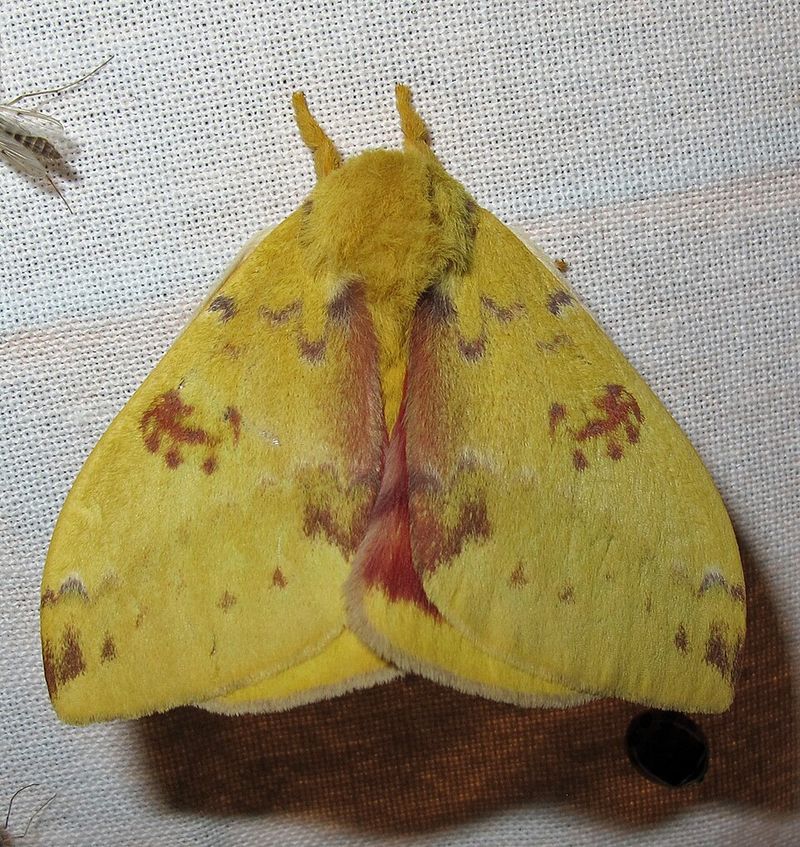
Io moth caterpillars eventually transform into genuinely beautiful moths. Adult Io moths have striking yellow wings marked with large eyespots that resemble owl eyes, a feature that helps ward off predators in the wild.
Letting the caterpillar complete its life cycle supports that outcome.
Removing or relocating caterpillars unnecessarily can be risky and is not always effective. If a caterpillar is on a plant you need to prune, use a stick or folded cardboard to gently move it rather than using bare hands.
Keep your movements slow and deliberate to avoid triggering any defensive response.
Io moths are pollinators as adults and contribute to local ecosystems in measurable ways. Leaving them alone when they are not posing an immediate risk to people is a reasonable approach.
Not every caterpillar in your yard needs to be removed or relocated.
If a plant is heavily infested and you need to address it, contacting a local extension office for guidance makes sense. They can suggest practical options that protect both your garden and local wildlife without requiring direct contact with the insects.
Watching the transformation from caterpillar to moth is one of the more rewarding parts of paying attention to your garden. Across the Southeast, these moths emerge in summer and are active at night.