Georgia Gardeners Can Plant Carolina Jessamine This Fall For Late Winter Blooms
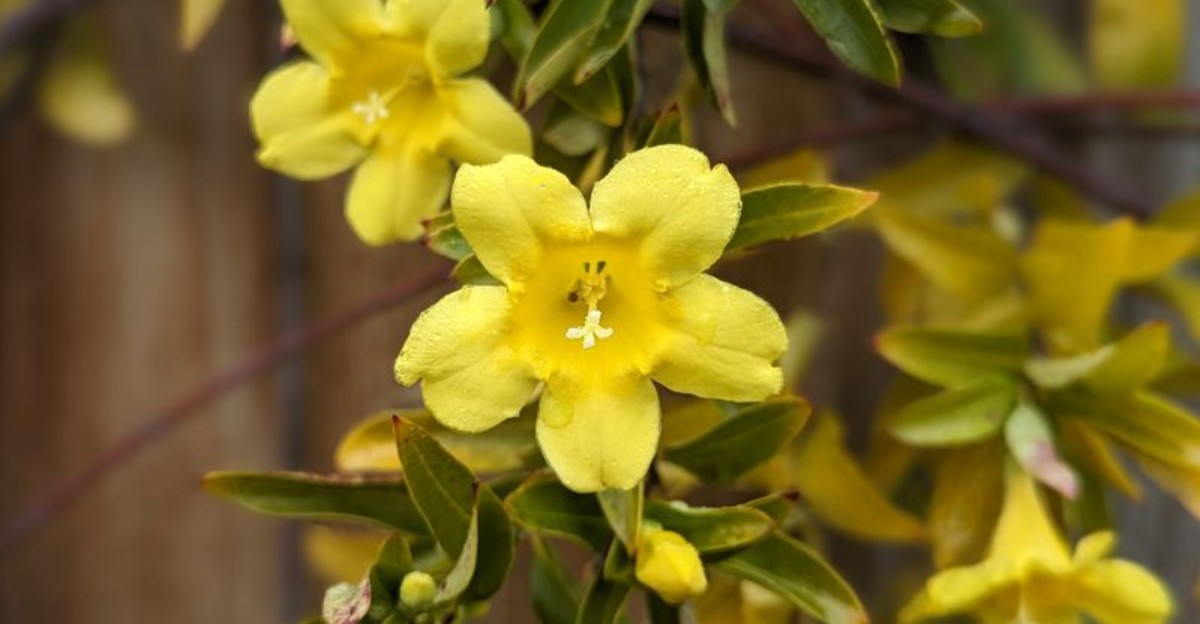
Bright yellow flowers climbing a fence in late February can stand out in a yard that has looked gray for months.
Carolina jessamine is one of the first native vines to bloom, often while most plants are still dormant. Its fragrant, trumpet-shaped flowers can cover a trellis or mailbox post.
This vine grows wild across much of Georgia, so it handles local conditions without much fuss. Fall planting gives the roots time to settle in before the vine starts flowering.
That head start can make a noticeable difference in how well it blooms its first year.
All parts of the plant are toxic if eaten, which matters if you have curious pets or children.
Find a sunny spot with something sturdy for it to climb, like a fence or arbor.
1. Bright Yellow Trumpets Can Arrive While Winter Still Lingers
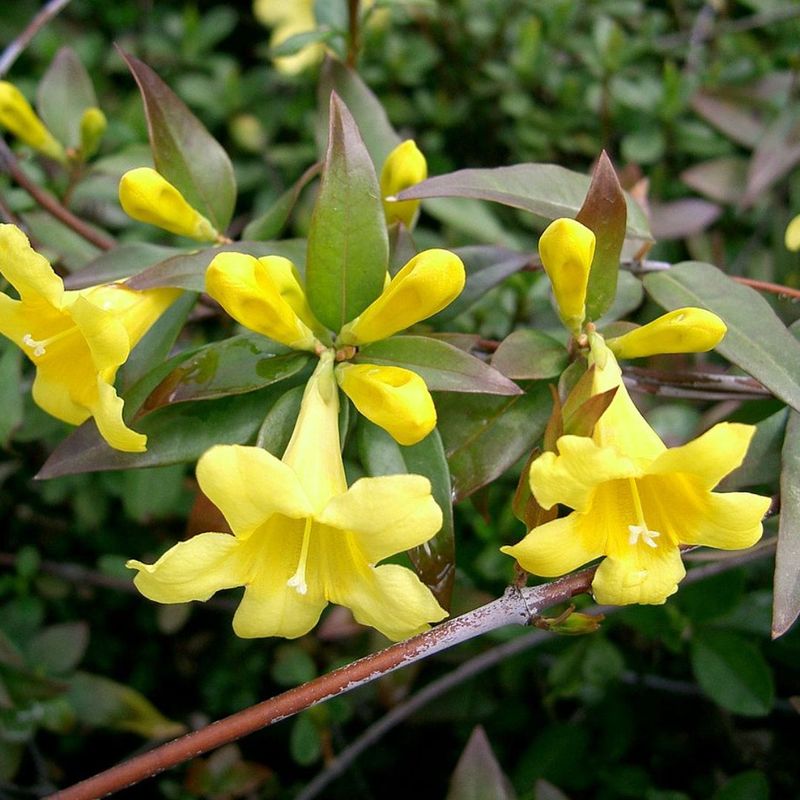
Few things beat seeing yellow flowers on a cold, gray afternoon in late winter. Carolina jessamine gives you that treat at a time when most of the garden still looks asleep.
In much of Georgia, the vine usually starts blooming somewhere between late January and March.
Timing shifts with the weather, so a warm spell can push flowers early while a hard freeze may delay them. South Georgia gardens often see blooms a bit sooner than yards up in the mountains.
Each flower is shaped like a small trumpet, about an inch or so long, with a soft, sweet scent.
Bees and other early pollinators often visit on mild days when little else is open. That makes the vine a helpful food source during a lean part of the year.
Keep in mind that a brand new plant may only give you a handful of blooms its first winter.
Fuller flowering often comes once the roots settle in and the vine gets more sun. Patience usually pays off by the second or third year.
Planting in fall gives the vine a head start toward that goal.
Gardeners who like evergreen color will also enjoy the glossy leaves, which tend to stay on the vine through winter in most areas. In colder spots, some leaves may turn bronze or drop.
2. Choose A Sunny Spot With Soil That Drains Well
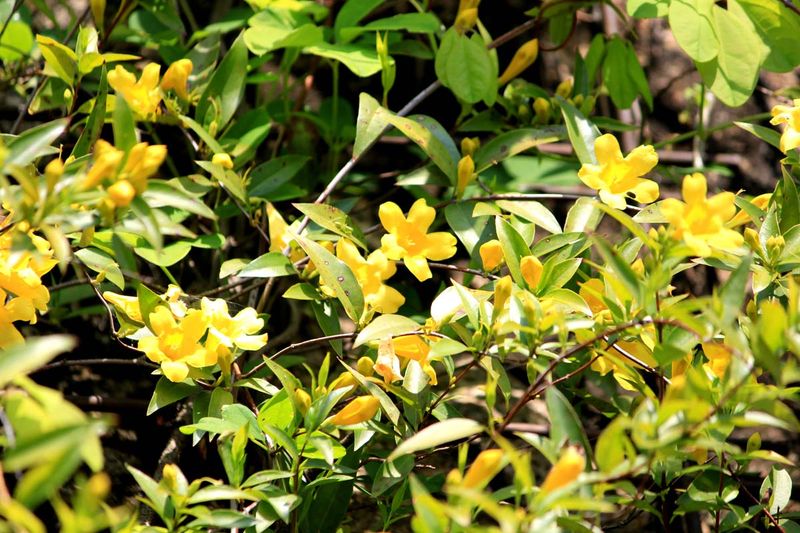
Sunlight is the fuel behind those winter flowers. Carolina jessamine can grow in partial shade, but it tends to bloom much better with six or more hours of direct sun.
A south or west facing fence, mailbox post, or porch rail can work well.
Shady spots often lead to long, thin stems with only a few flowers. You may still get a nice green screen there, just less color.
Drainage matters just as much as light.
Georgia clay can hold water for days after a heavy rain, and soggy roots can rot over winter. Watch the spot after a storm, and skip it if puddles hang around.
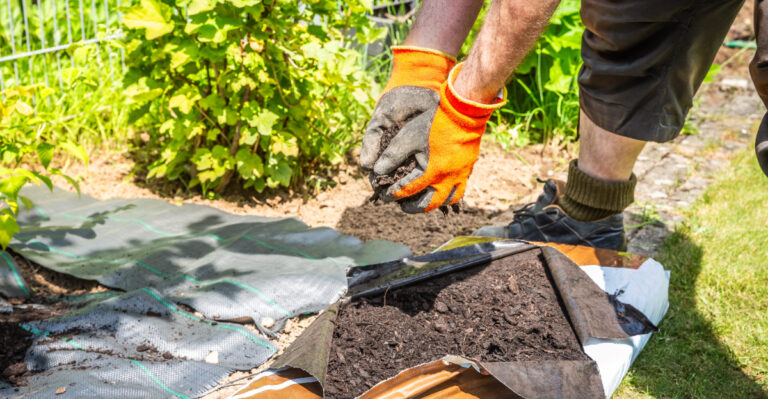
Working a few inches of compost into the area can help loosen heavy soil.
Try not to create a soft pocket of rich soil inside hard clay, though. Mixing compost across a wider area helps water move through instead of collecting in the hole.
Your Georgia Garden Changes Every Week. Your Plan Should Too.
Gardening in Georgia changes quickly throughout the season. Every Friday you’ll receive a simple weekly plan showing exactly what to plant, prune, fertilize, harvest, and protect so you never miss the right timing.
Sandy soils in the coastal plain usually drain fast, which the vine handles fine once rooted.
Leave room to grow, since a mature vine can spread ten to twenty feet over time. Placing it away from windows or doors you open often keeps trimming easier and keeps the toxic flowers away from curious kids.
3. Give The Vine A Support Before It Starts Climbing
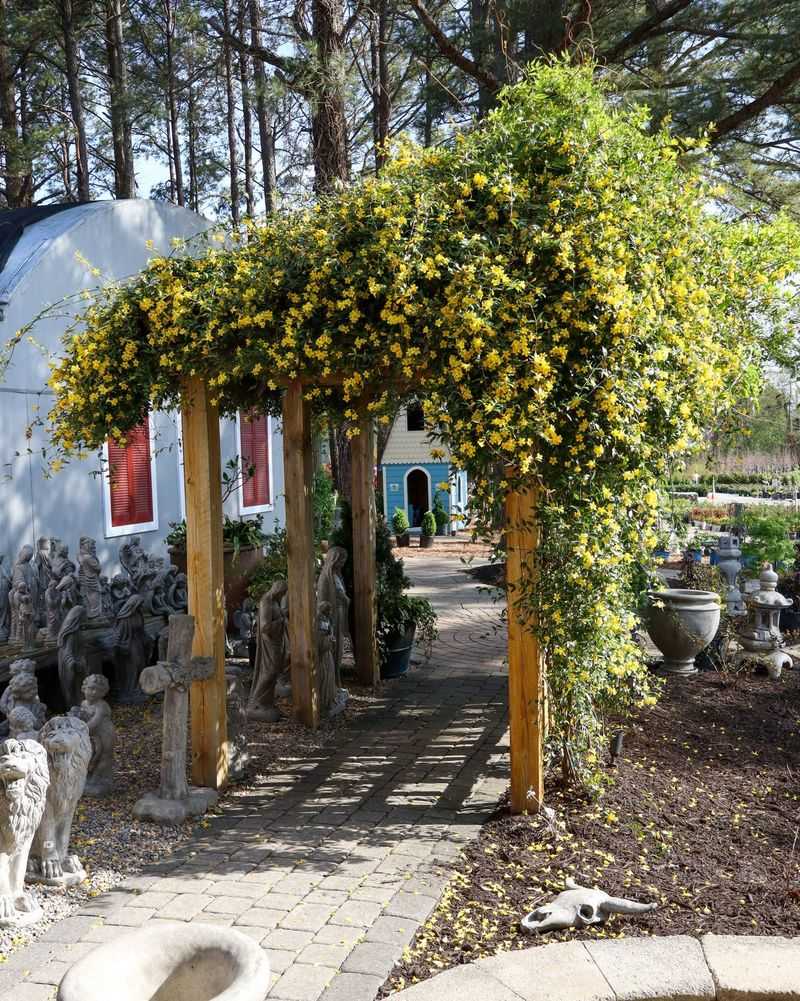
Without something to grab, this vine will sprawl across the ground like a loose garden hose. Carolina jessamine climbs by twining its stems around objects, so it needs a support it can wrap around.
Trellises, arbors, chain-link fences, and lamp posts all make good choices.
Flat walls are trickier because the vine has no suckers or rootlets to stick with. On brick or siding, you can add a trellis or wire grid a few inches out from the surface.
Install the support before planting or right at planting time.
Putting it in later can damage roots or snap young stems. Sinking posts now also lets the soil settle around everything together.
Gently guide the first few stems onto the support, using soft ties or garden twine.
Check those ties every few weeks, since tight loops can pinch stems as they thicken. Loosen or move them as needed.
Some Georgia gardeners let the vine climb into trees, and wild plants often do this along roadsides.
Just be aware that a vine high in a tree can be hard to prune or control later on. A sturdy trellis about six to eight feet tall usually keeps the flowers at eye level, where you can enjoy them most.
4. Dig The Planting Hole Wider Rather Than Deeper
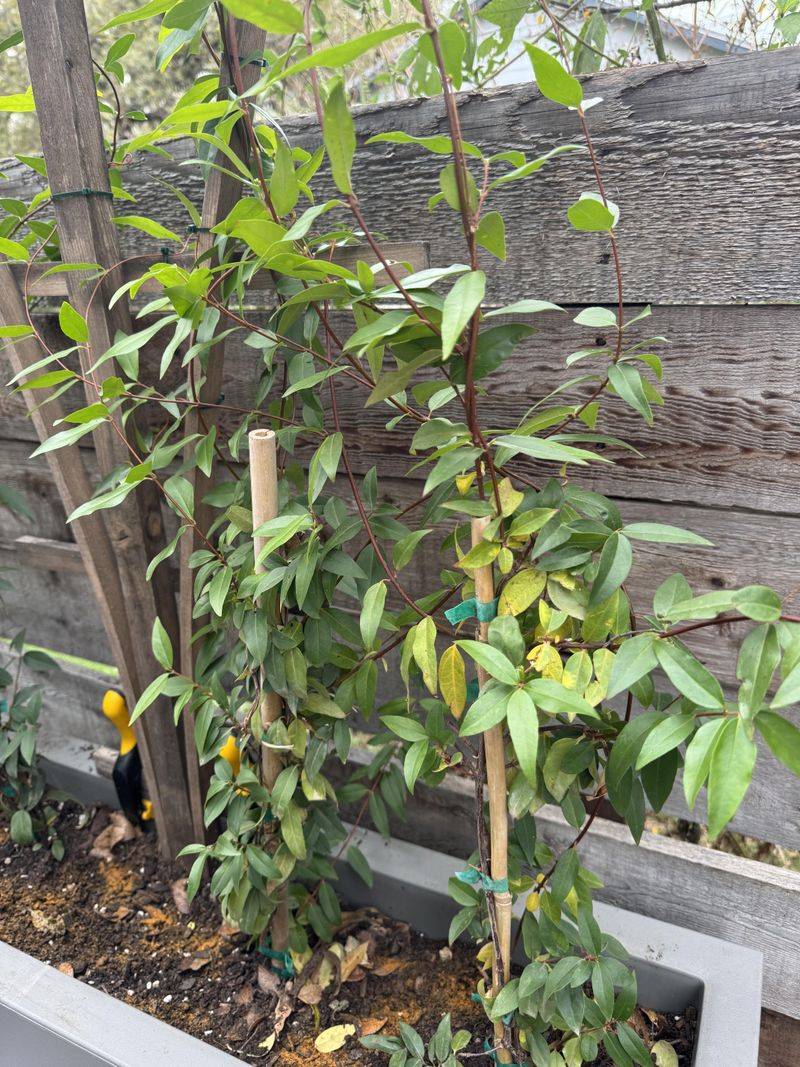
Here is a mistake that catches plenty of beginners. A deep hole feels helpful, but loose soil underneath can sink and drop the plant too low.
Aim for a hole about two to three times as wide as the root ball and roughly the same depth.
Wide digging gives new roots soft soil to spread into. In tight Georgia clay, that extra width can make a real difference during the first year.
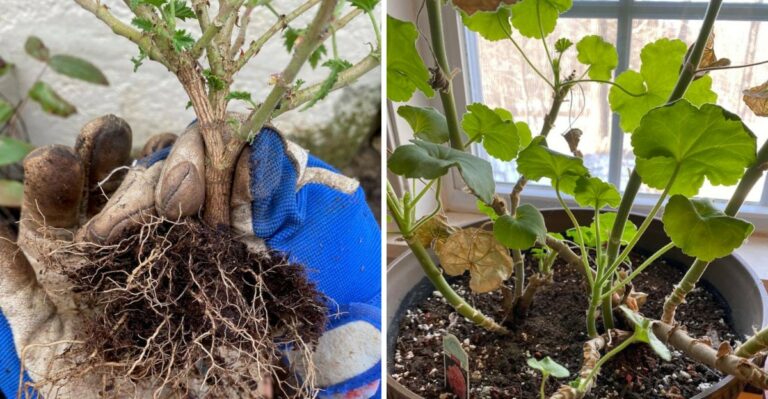
Slide the plant out of its pot and look at the roots before setting it in place.
If they circle around the bottom, gently tease them apart with your fingers. Very tangled roots can be loosened with a few shallow cuts down the sides.
Set the top of the root ball level with the surrounding ground or slightly above it.
Planting too deep can keep the stem base wet, which may lead to rot. A shovel handle laid across the hole makes a quick, easy level check.
Fill in with the soil you removed, breaking up big clods as you go.
Press it down lightly with your hands rather than stomping hard. Heavy packing squeezes out air pockets that roots need, so firm support without crushing is the goal here.
5. Water Thoroughly After Planting To Settle The Root Zone
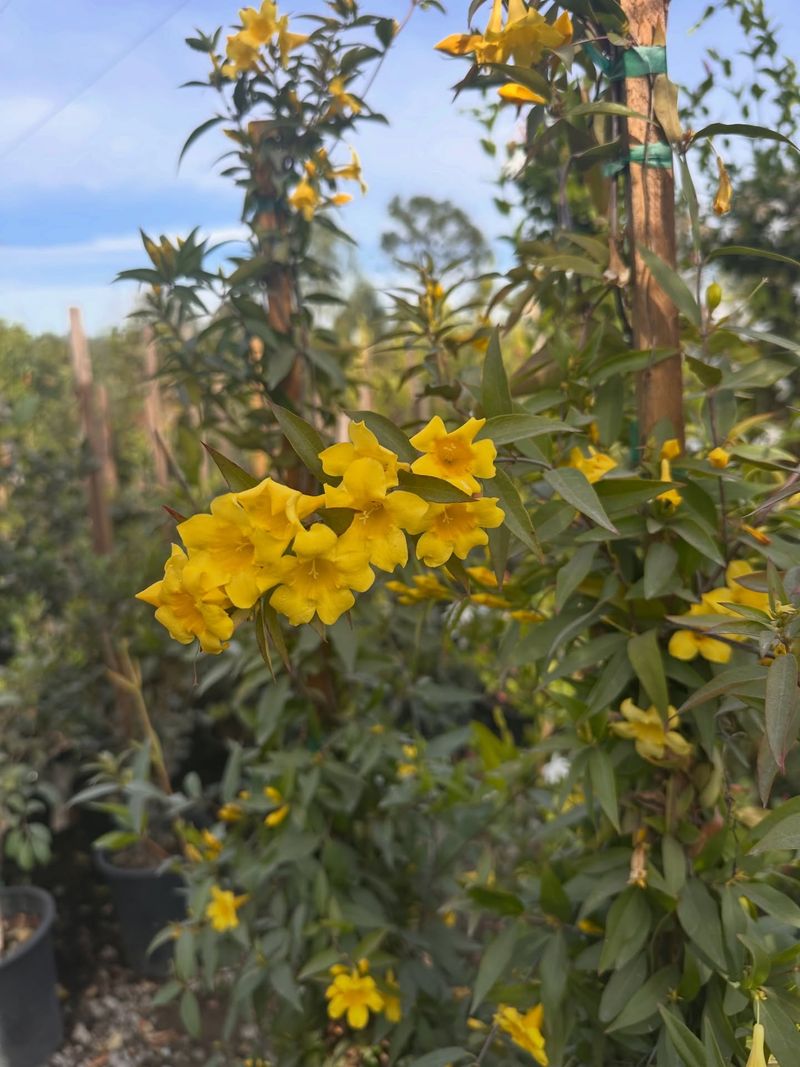
Right after planting, grab the hose before you grab anything else. A slow, deep soak helps soil settle around the roots and fills in hidden air gaps.
Let water trickle at the base until the area feels moist several inches down.
If the soil sinks after watering, add a little more to bring it back level. Then water once more to settle that new layer.
Fall weather in Georgia can swing between rainy weeks and long dry stretches.
October is often one of the drier months, so do not assume cool air means moist soil. Poke a finger a couple of inches into the ground to check.
For the first several weeks, watering about once or twice a week is a reasonable starting point if rain is scarce.
Adjust that based on your soil, since sandy ground dries faster than clay. Heavy clay may need less frequent water to avoid soggy roots.
Morning watering usually works best because the soil has time to drain before a chilly night.
Once winter arrives and growth slows, the vine typically needs much less help. Keep checking during dry spells, though, because young evergreen plants can still lose moisture through their leaves on sunny, windy days.
6. Mulch Around The Base Without Piling It Against The Stem
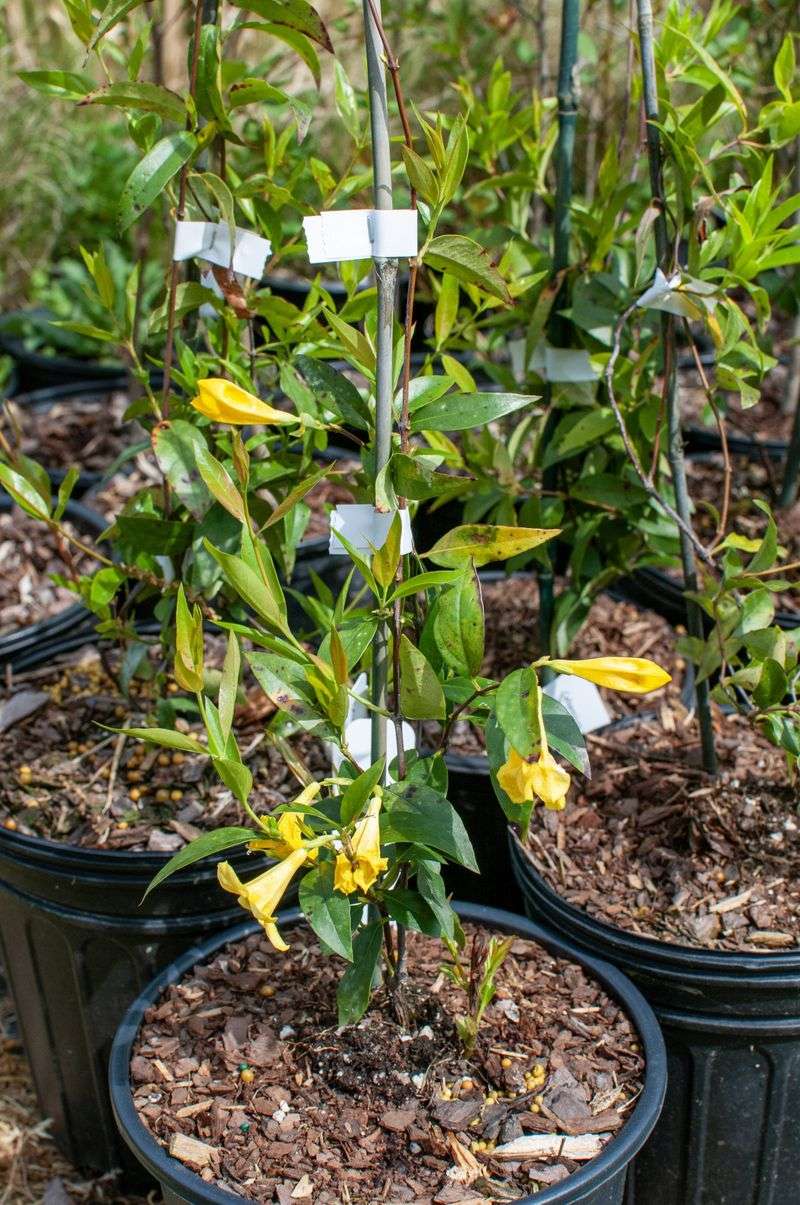
Think of mulch as a cozy blanket, not a turtleneck. Spreading it over the root area helps a lot, but stacking it against the stem can cause trouble.
Pine straw, shredded bark, or chopped leaves all work nicely around this vine.
Pine straw is easy to find across Georgia and tends to stay put on gentle slopes. It also breaks down slowly and adds organic matter over time.
A layer about two to three inches deep is usually enough.
Spread it in a circle a couple of feet wide around the plant. Then pull it back a few inches so the stem has open air around it.
Mulch pressed against bark can hold moisture and may invite rot or pests.
Mulch helps the soil stay evenly moist between waterings during dry fall weeks. It also softens sharp temperature swings, which can protect young roots during a sudden cold snap.
Weeds tend to sprout less under a good layer, too.
That means fewer plants competing with your vine for water and nutrients. Check the mulch in late winter and freshen it if it has thinned, keeping that same small gap near the base.
7. Let New Roots Settle In Before Spring Growth Takes Off
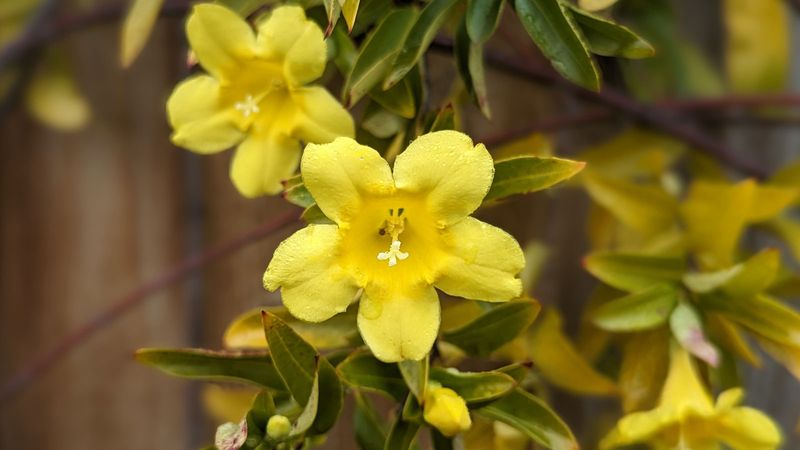
Quiet months above ground can hide busy work below it. While the vine looks still through fall and winter, its roots may keep growing whenever the soil stays mild.
Resist the urge to fertilize heavily right after planting.
Strong feeding in fall can push tender new shoots that a freeze might damage. A light spring feeding, if needed, usually makes more sense once new growth appears.
Hold off on major pruning, too.
Carolina jessamine forms flower buds on older growth, so cutting in fall or winter can remove next year’s blooms. The best time for trimming is soon after flowering ends in spring.
Expect a slower first season, especially in heavy soil or partial shade.
Some vines bloom lightly in their first winter, while others wait another year before putting on a real show. Results vary with plant size, sun, and weather.
Once spring warmth returns to Georgia, you may notice a burst of fresh shoots reaching up the support.
Guide those stems where you want them, and keep watering during dry spells through the first summer. Steady care now builds a sturdy vine that can greet many future winters with yellow flowers.