The One Reason Weed Fabric Fails In Georgia Gardens And What Actually Works Instead
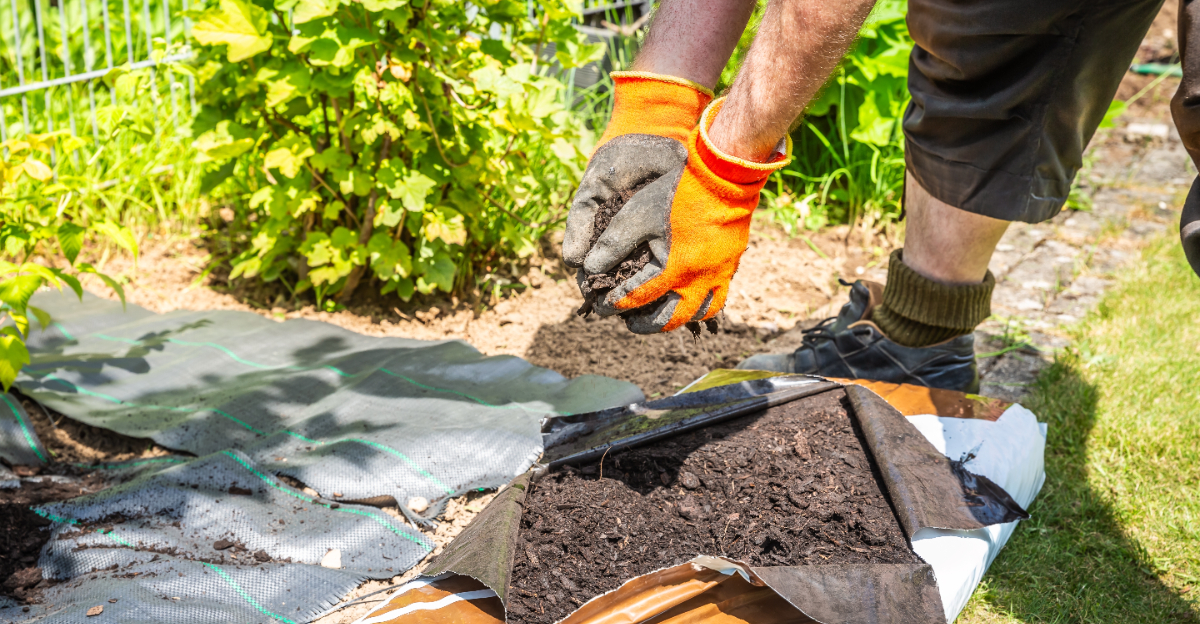
Pulling weeds is frustrating enough. Seeing them grow right through weed fabric can make the whole project feel like a waste of time.
Many gardeners install it expecting years of low maintenance, only to find themselves pulling just as many weeds a season or two later. That leaves a lot of people wondering what went wrong.
The problem is not always the installation. In many cases, weed fabric simply does not perform the way people expect once soil, mulch, and windblown weed seeds start building up on top of it.
That is a lesson many gardeners in Georgia learn after giving weed fabric a fair chance. Warm weather and regular rainfall create conditions where weeds can quickly find a way back.
Fortunately, there is a more effective approach that works with the garden instead of against it.
Once you understand why weed fabric falls short, the better solution starts making much more sense.
1. Weed Seeds Sprout On Top Of The Fabric
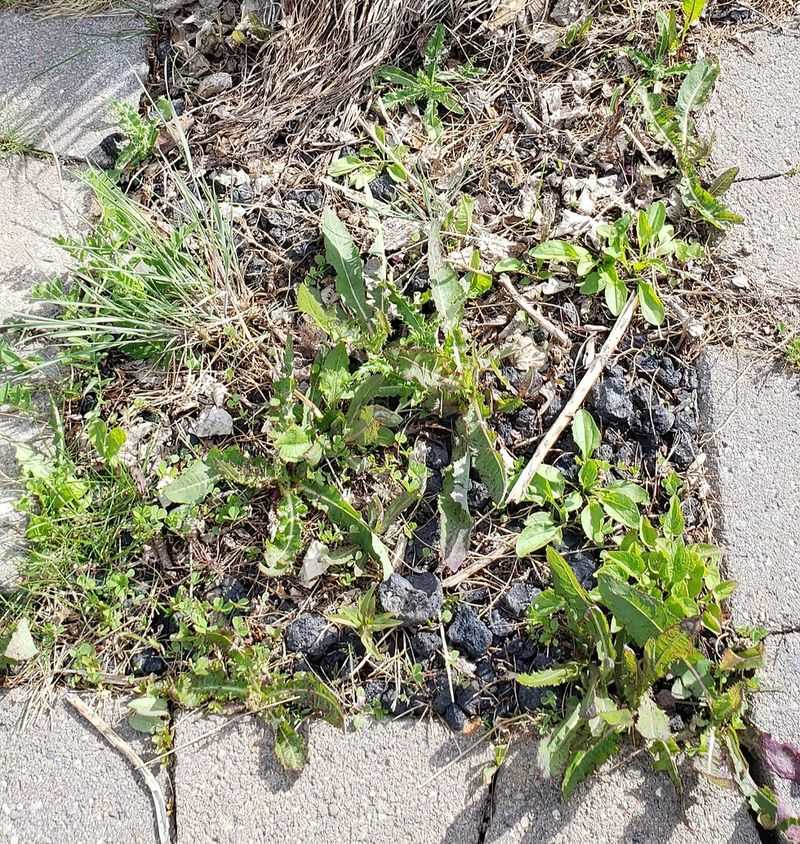
Weed fabric does not stop weeds the way people think. Seeds blow in from nearby trees, grass, and neighboring yards.
They land right on top of the fabric and root into any mulch, compost, or soil sitting above it.
You never get a sealed surface. Wind drops seeds constantly.
Birds carry them in. Even rain splashes soil particles across the fabric surface.
None of that stops just because you laid down a barrier underneath.
Once a seedling roots into the mulch layer on top, it does not need the soil below. It grows just fine above the fabric.
By midsummer in Georgia, those seedlings become full-grown weeds with strong root systems.
Removing them is harder too. Roots tangle into the fabric mesh.
Pull a weed and the fabric lifts with it. Over time, the fabric tears, bunches up, and creates even more problems.
Weed fabric also breaks down slowly. As it degrades, pieces mix into the soil.
That makes future planting and bed renovation much harder. You end up with a mess that takes real effort to clean up.
Understanding this one failure point changes everything. Weed seeds do not care what is underneath them.
They only need a surface to land on and something to root into.
2. Use A Thick Layer Of Organic Mulch Instead
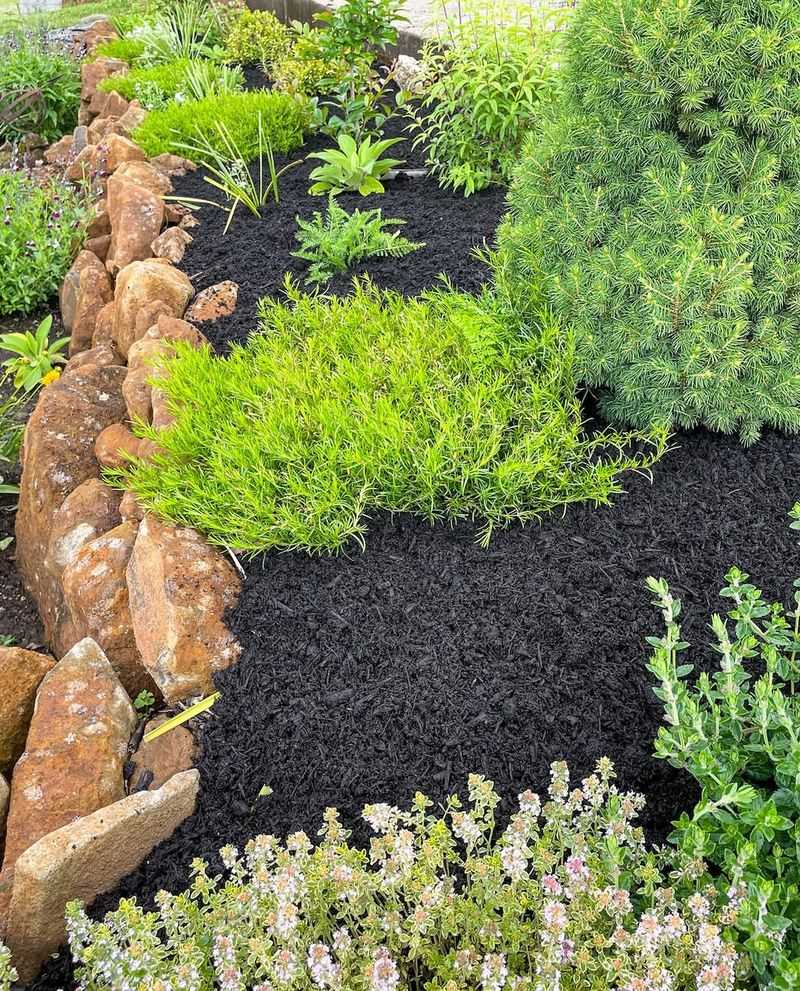
Swap the fabric for a solid four-inch layer of organic mulch and you will see a real difference. Shredded hardwood, pine bark, or wood chips work well in Southern gardens.
They block light at the soil surface, which is exactly what weed seeds need to sprout.
Without light reaching the soil, most seeds just sit there. They cannot germinate in the dark.
A thick mulch layer creates that darkness naturally, without any synthetic barrier underneath.
Organic mulch also improves your soil over time. As it breaks down, it adds nutrients and feeds the beneficial organisms living in the ground.
Weed fabric does none of that. It actually blocks water and air movement in some cases.
Pine bark nuggets are popular in the Southeast because they hold up well in heavy rains. They do not wash away as easily as finer materials.
Your Georgia Garden Changes Every Week. Your Plan Should Too.
Gardening in Georgia changes quickly throughout the season. Every Friday you’ll receive a simple weekly plan showing exactly what to plant, prune, fertilize, harvest, and protect so you never miss the right timing.
Shredded hardwood mulch packs down slightly, which helps it stay put on slopes.
Four inches sounds like a lot, but two inches compresses quickly. Start thick.
Check your beds mid-season and add more if the layer has thinned out. Keeping that depth consistent is the key to blocking weeds effectively.
One important note: keep mulch a few inches away from plant stems and tree trunks. Piling it up against stems traps moisture and can cause rot.
3. Pull Small Weeds Before They Spread
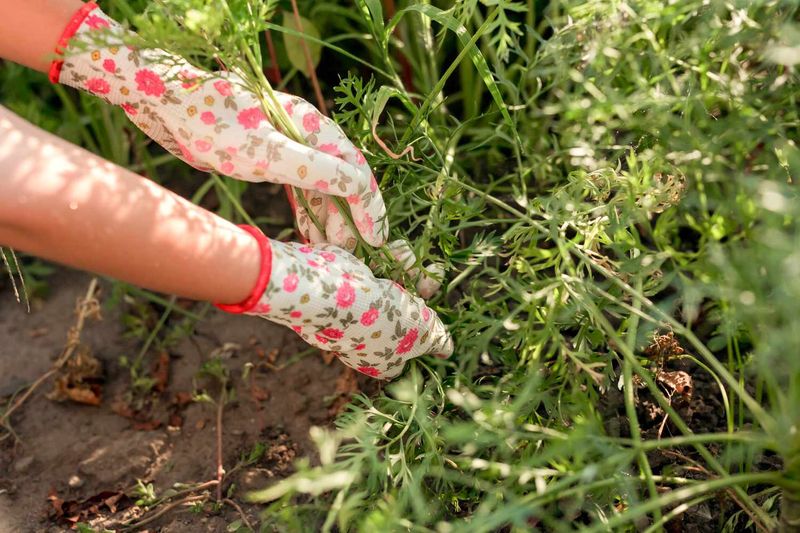
Catch weeds early and the whole job stays manageable. A tiny seedling with a shallow root takes two seconds to pull.
Wait two weeks and that same plant has a deep taproot and a seed head ready to drop hundreds of new seeds.
Walk your garden beds once a week. Make it a habit, not a chore.
A quick ten-minute check catches problems before they multiply. Bring a small bucket and pull anything that does not belong.
After rain is the best time to weed. Soil loosens up when it is wet.
Roots slide out cleanly instead of snapping off underground. Broken roots often regrow, so getting the whole root matters.
Pay attention to the edges of your beds. Grass and weeds creep in from lawn borders constantly.
A clean, defined edge between the lawn and bed makes a real difference. Use a flat spade or edging tool a couple of times each season.
Some weeds spread by runners underground, not just seeds. Bermuda grass is a classic example in Southern gardens.
Pulling the tops does not stop it. You have to trace the runners and remove as much of the root system as possible each time.
Staying ahead of weeds is genuinely easier than catching up after neglect.
4. Add Mulch Again As It Breaks Down
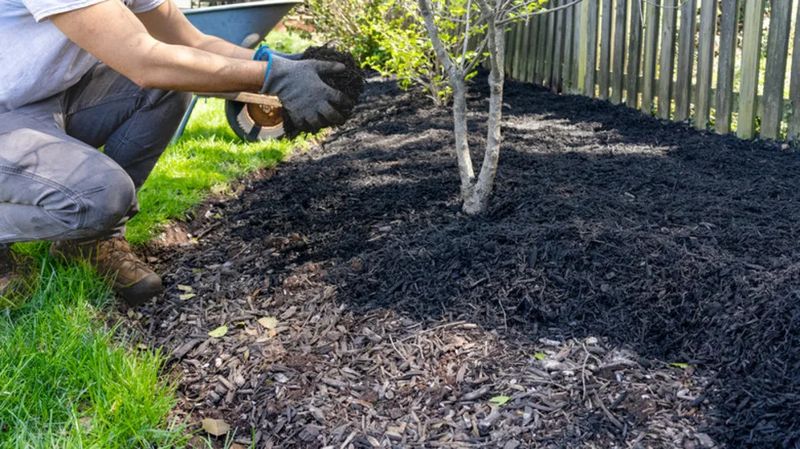
Mulch does not last forever. Organic materials break down, especially in hot and humid climates where decomposition happens fast.
What started as four inches in spring might be less than two inches by late summer.
Topping off your mulch mid-season is not extra work. It is part of the plan.
Keeping that depth consistent is what keeps the weed barrier working. A thin mulch layer lets light reach the soil and seeds start sprouting fast.
Late spring and late summer are both good times to add fresh mulch. Spring covers the soil before summer weeds get going.
A late summer refresh carries you through fall, when cool-season weeds like chickweed and henbit start appearing.
You do not always need to remove the old mulch first. As long as it has not compacted into a dense mat that blocks water, just add the new layer on top.
If it has compacted, loosen it lightly with a rake before adding fresh material.
Buying mulch in bulk from a local landscape supplier is usually much cheaper than bags from a hardware store. A cubic yard covers a surprising amount of ground at four inches deep.
For larger garden areas, bulk delivery makes sense.
5. Plant Ground Covers To Crowd Out Weeds
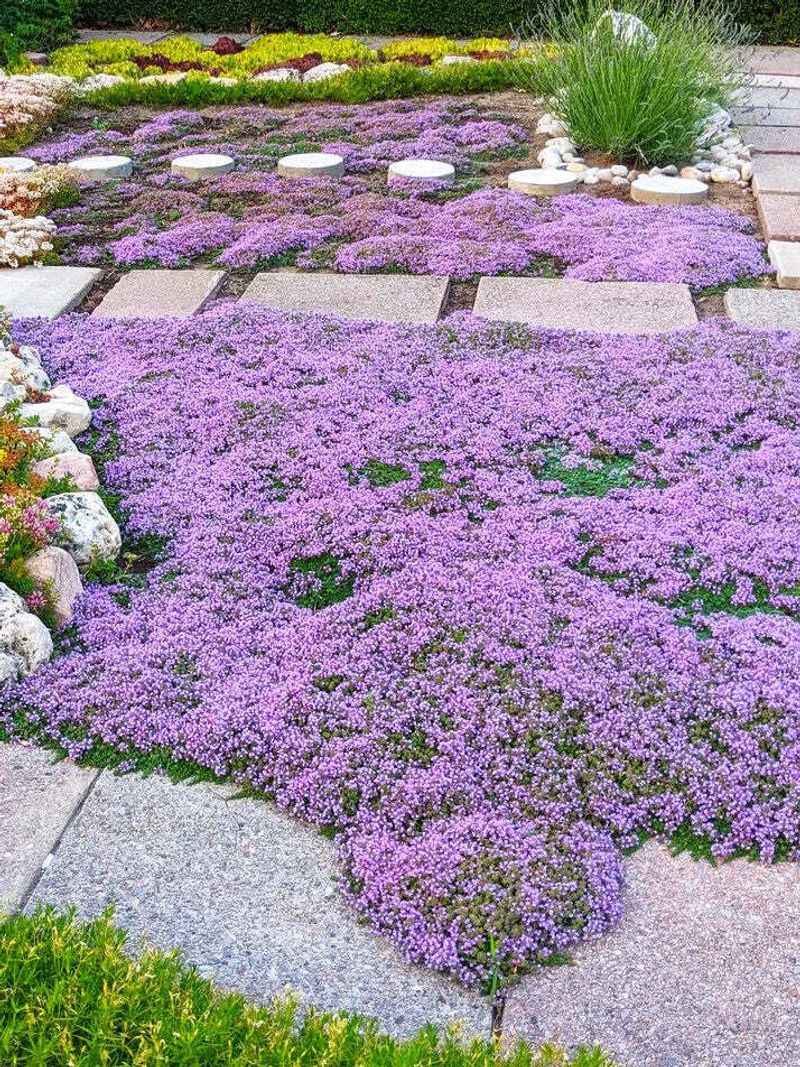
Open soil is an invitation. Bare ground does not stay bare for long, especially in warm climates where something is always ready to germinate.
Filling that open space with intentional ground cover plants is one of the smartest weed control moves you can make.
Ground covers spread and form a dense mat over time. Once established, they shade the soil surface so thoroughly that most weed seeds cannot get enough light to sprout.
You are essentially letting plants do the work for you.
Liriope is a go-to choice in the Southeast. It is tough, handles both sun and shade, and spreads reliably without becoming invasive.
Mondo grass works well in shadier spots. Creeping phlox adds color in sunny areas and stays low and dense.
Native options are worth considering too. Creeping jenny, wild ginger, and green-and-gold all perform well in Southern gardens.
Native plants tend to need less attention once they settle in because they are already suited to the local soil and rainfall patterns.
Spacing matters during planting. Set ground covers closer together than the tag suggests if you want faster coverage.
Wider spacing saves money upfront but leaves more open soil exposed for one or two seasons while plants fill in.
6. Water Only Where Plants Need It
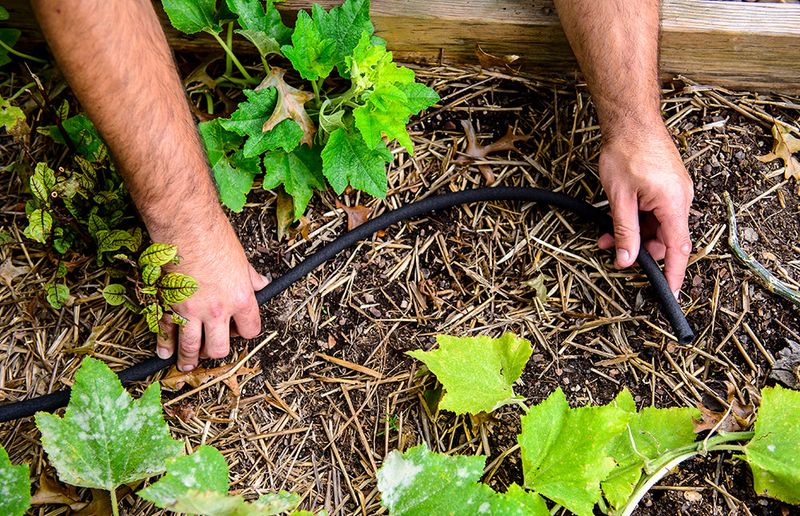
Overhead sprinklers water everything, including every weed seed sitting in your mulch. Switching to drip irrigation or soaker hoses changes the game completely.
Water goes directly to plant roots, and the surface stays dry.
Dry soil surfaces are hard for weed seeds to germinate in. Most seeds need consistent surface moisture to sprout.
When the top layer of mulch stays dry between waterings, germination rates drop noticeably.
Drip systems also reduce fungal issues in humid climates. Wet foliage and wet soil surfaces create conditions where disease spreads easily.
Keeping moisture at root level instead of on leaves and mulch helps plants stay healthier overall.
Soaker hoses are an affordable starting point. Lay them along plant rows, cover with mulch, and connect to a simple timer.
Setup takes an afternoon and the system runs itself after that. Adjustments are easy if you need to move plants around.
Hand watering with a wand works well for smaller beds. Direct the water at the base of each plant and avoid splashing across the whole bed surface.
It takes a little more time but gives you precise control over where moisture goes.
Watering habits also affect how often you need to weed. Less surface moisture means fewer sprouting seeds week to week.
7. Keep Garden Beds Free Of Bare Soil
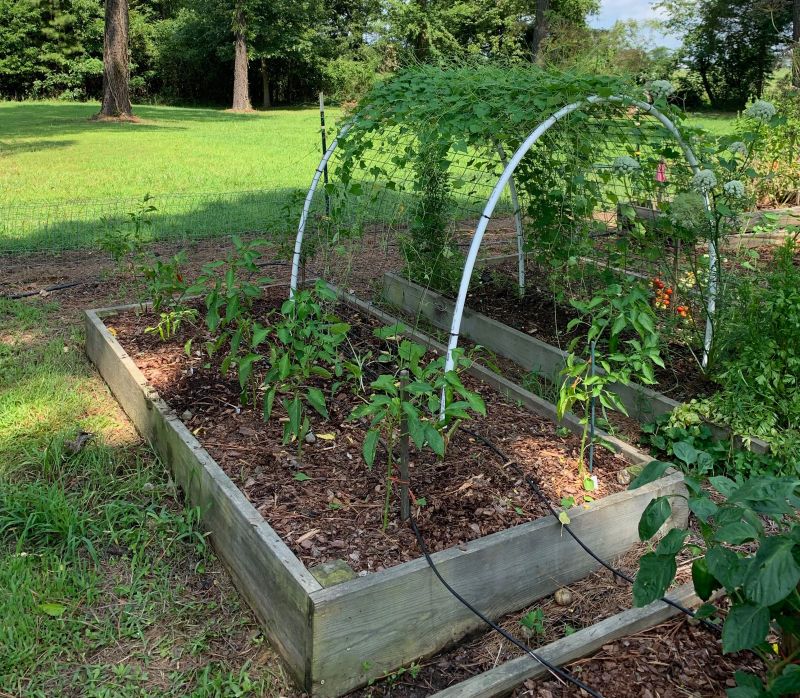
Bare soil is a weed magnet. Seeds land, moisture collects, and something sprouts almost immediately.
Keeping every inch of your garden bed covered is one of the most effective long-term strategies for reducing weed pressure.
After pulling weeds or harvesting plants, fill the gap right away. Add mulch, plant a new seedling, or tuck in a ground cover start.
Do not leave open patches sitting unprotected, even for a few days.
In vegetable gardens, succession planting helps a lot. As one crop finishes, the next one goes in.
Overlapping planting cycles keep the soil covered and productive at the same time. Gaps become opportunities rather than problems.
Cover crops work well in beds that are resting between seasons. Crimson clover and winter rye are both used regularly in Southern gardens.
They protect the soil surface, add organic matter when turned in, and outcompete weeds naturally.
Edging your beds cleanly also matters. A defined border between lawn and bed makes it much easier to spot and stop encroaching grass.
Crisp edges reduce the amount of creeping plant material that sneaks into the bed from outside.
Healthy, well-planted beds with full coverage look great and require less maintenance over time. Every bare patch you eliminate is one less place for weeds to get started.