Georgia Geraniums Can Survive Winter In A Simple Paper Bag
Brown paper bags sitting on a basement shelf might not look like much of a garden. Inside, though, they can hold the same geraniums that brightened your porch all summer.
Gardeners have used this old trick for generations to carry favorite plants through winter without pots. The plants go dormant, rest quietly, and wait for spring.
Frost can arrive in parts of Georgia within a few weeks, so the window to dig them is closing.
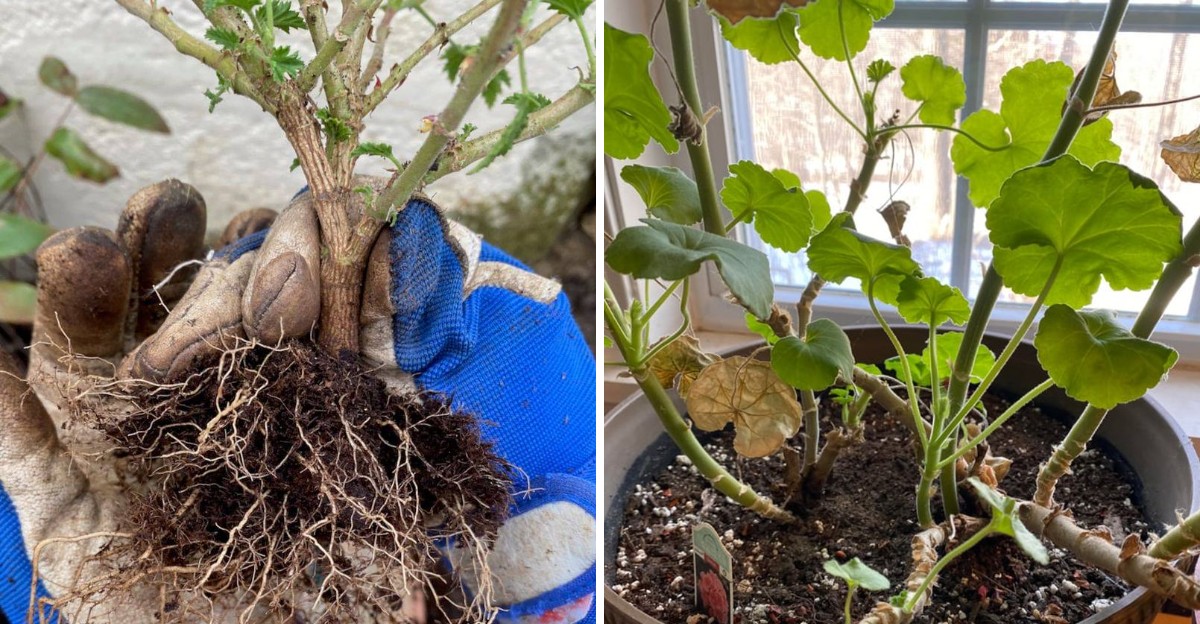
Pull them before a hard freeze damages the stems, and shake off as much soil as possible.
Paper works better than plastic because it lets extra moisture escape instead of trapping it around the roots.
With a cool, dark spot and an occasional check, many plants come back strong enough to bloom by early summer.
1. Summer Geraniums Don’t Have To End Up On The Compost Pile
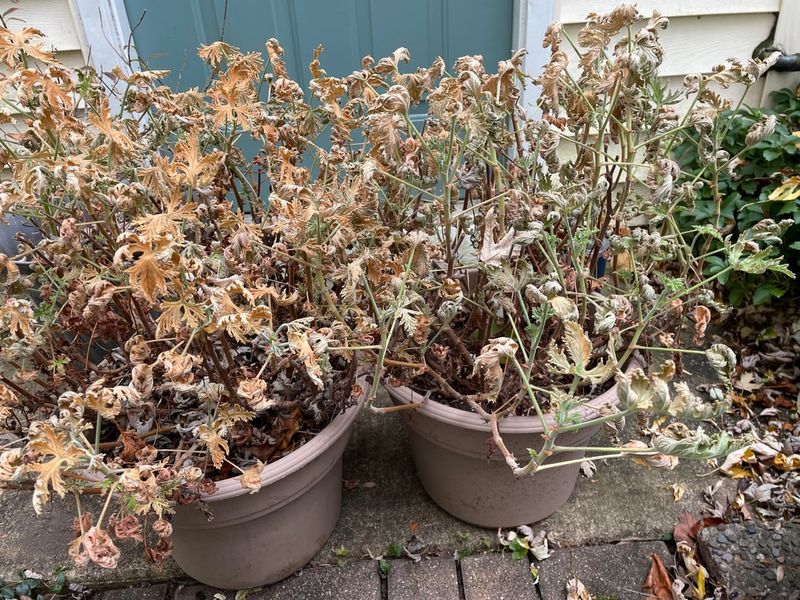
Tossing a healthy geranium in October can feel a little wasteful. After all, that plant spent months filling your porch pots with steady color.
Bare-root storage gives you a cheap way to hold onto plants you already like.
Gardeners around Georgia often treat geraniums as throwaway annuals, mostly out of habit. Yet these plants can be carried over from one year to the next with fairly simple care.
Saving money is one reason to try. A favorite color or an unusual leaf pattern is another, especially if you can’t find that variety again at the store.
Paper bag storage is only one option, so it helps to know the choices.
Some people bring whole pots indoors and grow them near a bright window. Others take cuttings in late summer and root them in small containers for winter.
Bagging bare-root plants takes up the least space and asks for the least daily effort. On the other hand, it carries more risk, since some plants may shrivel or rot before spring.
Expect a mix of results the first time you try it.
Choosing your sturdiest, most disease-free plants improves your odds. Weak or pest-covered geraniums are better off on the compost pile, where they won’t bring problems into your storage area.
2. Common Bedding Geraniums Are Actually Tender Pelargoniums
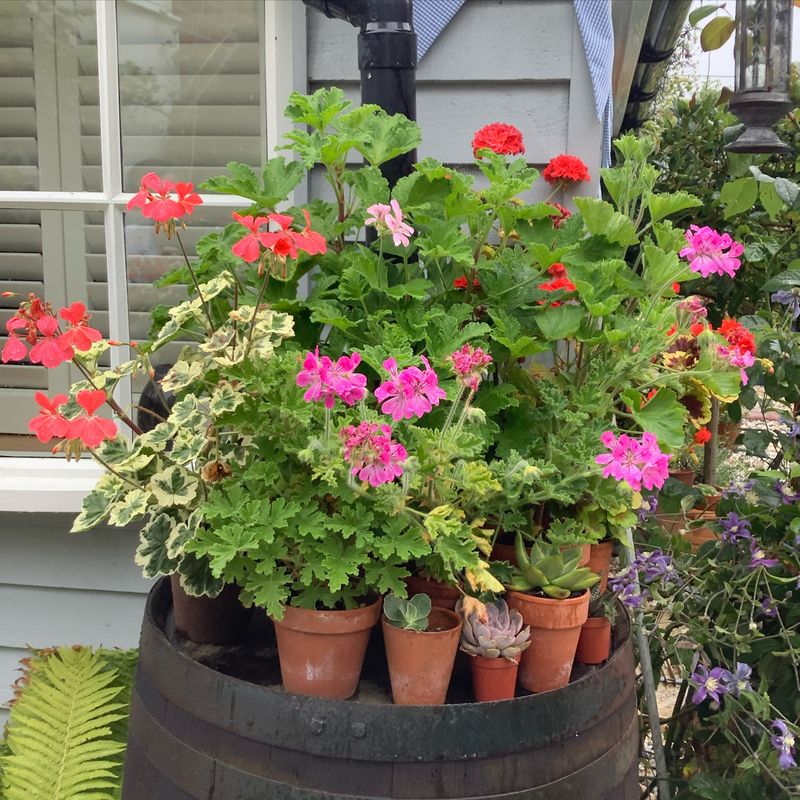
Here’s a surprise for some gardeners. Those bright porch geraniums aren’t true geraniums at all.
Botanists place them in the genus Pelargonium, which comes mainly from southern Africa.
True geraniums, often called cranesbills, are a different group. Many of them are hardy perennials that can stay in the ground through winter in much of the country.
Pelargoniums are tender, so frost can damage or destroy them. Gardeners still call them geraniums, and the common name has stuck for a very long time.
Zonal types, with their rounded leaves and dark leaf bands, are the classic bedding plants.
Ivy geraniums trail from hanging baskets, while scented-leaf types are grown more for fragrance than flowers. Regal or Martha Washington types have showy blooms and tend to prefer cooler conditions.
Zonal types are the ones most often stored bare-root, and they usually handle it fairly well. Other kinds may respond differently, so testing a single plant first is a smart move.
Your Georgia Garden Changes Every Week. Your Plan Should Too.
Gardening in Georgia changes quickly throughout the season. Every Friday you’ll receive a simple weekly plan showing exactly what to plant, prune, fertilize, harvest, and protect so you never miss the right timing.
Knowing what you actually grow helps you set fair expectations.
In south Georgia, a pelargonium in a sheltered spot sometimes makes it through a mild winter outdoors. That outcome depends heavily on the weather, though, and a hard freeze can still wipe out unprotected plants.
3. Dig Plants Up Before The First Frost Touches Them
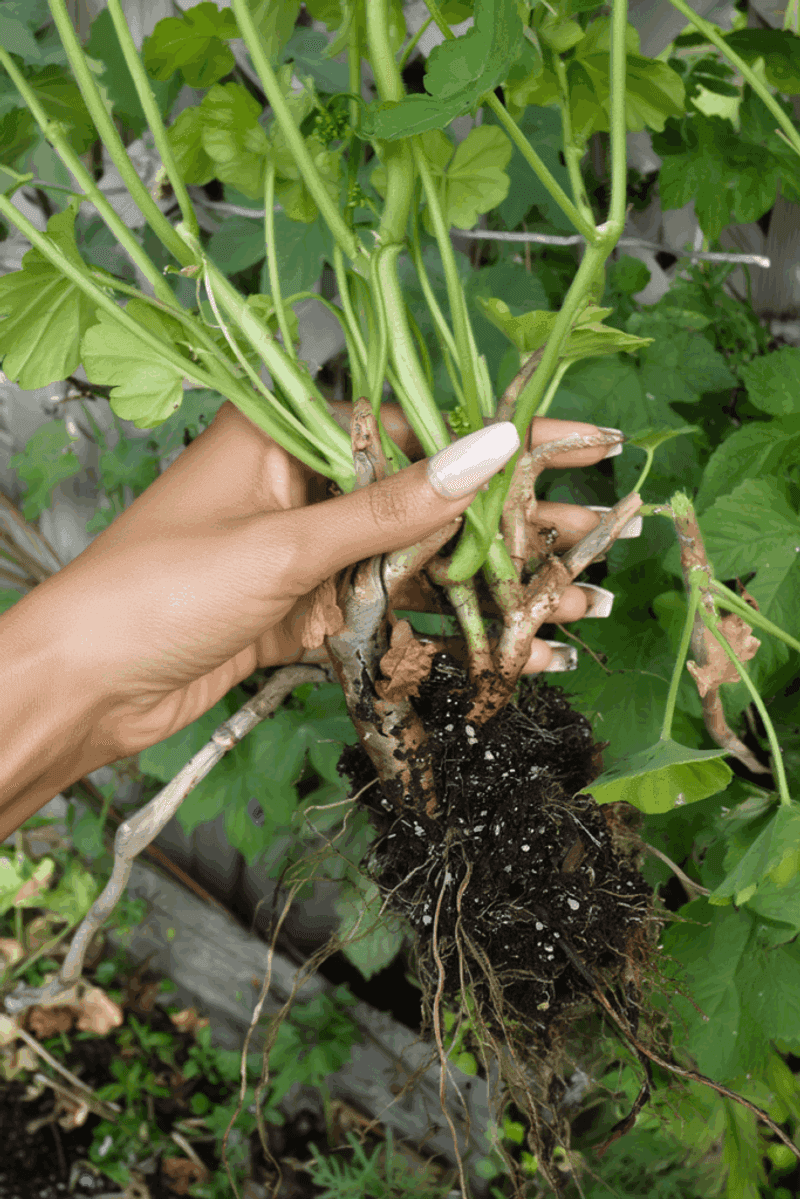
Timing matters more than technique here. A single frosty night can damage soft geranium stems before you get them out of the ground.
Aim to lift your plants while they still look healthy and green.
First frost dates shift a lot across Georgia. North Georgia mountain areas tend to see frost earlier in fall, while coastal and far southern counties usually get it later.
Your county Extension office can share typical frost dates for your area. Keep an eye on local forecasts too, since an early cold snap can arrive ahead of the average.
Pick a dry day if you can, because damp soil clings and makes cleanup harder.
Loosen the soil in a wide circle around each plant with a garden fork or trowel. Then gently lift from underneath, saving as much of the root system as possible.
Potted geraniums are easier to handle. Simply slide the plant out of its container and work from there.
Look closely for insects or spotted, mushy leaves while you work.
Plants showing signs of pests or disease are poor choices for storage. Setting them aside protects the healthy ones that will share the same bag or box all winter.
4. Shaking Off The Soil Prepares Roots For Dry Storage
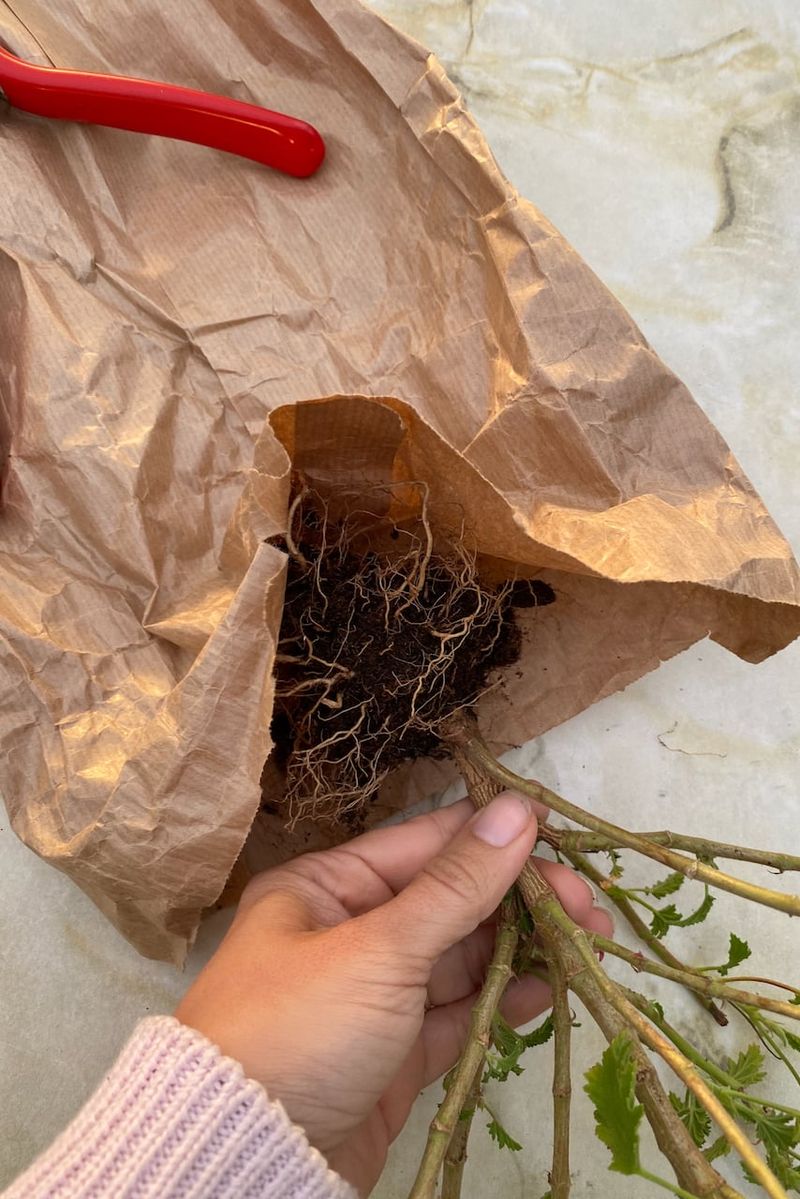
Dirt and dry storage don’t mix well. Leftover soil can hold moisture, and moisture invites mold and rot inside a closed bag.
Gently shake each plant until most of the loose soil falls away from the roots.
Clay soil is common across much of the Georgia Piedmont, and it can stick stubbornly. Knock the root ball lightly against your boot or a bucket rim rather than tugging hard at the roots.
Some gardeners rinse the roots and then let them air-dry before storing. Either way works, as long as the roots aren’t wet going into the bag.
Next, strip off most of the leaves and any flowers or buds.
Leaves left on the plant tend to yellow and decay in storage, which can spread rot. Many gardeners also trim the stems back somewhat to make plants easier to pack.
Let the cleaned plants sit in a shady, airy place for a short time so surfaces dry. After that, place one or a few plants upside down in a paper bag.
Paper matters here, since it lets air move while still blocking light.
Plastic bags trap humidity and are much more likely to cause rot. Fold the top loosely and label each bag with the plant color or variety.
5. A Cool, Dark Spot Like A Basement Keeps Plants Resting
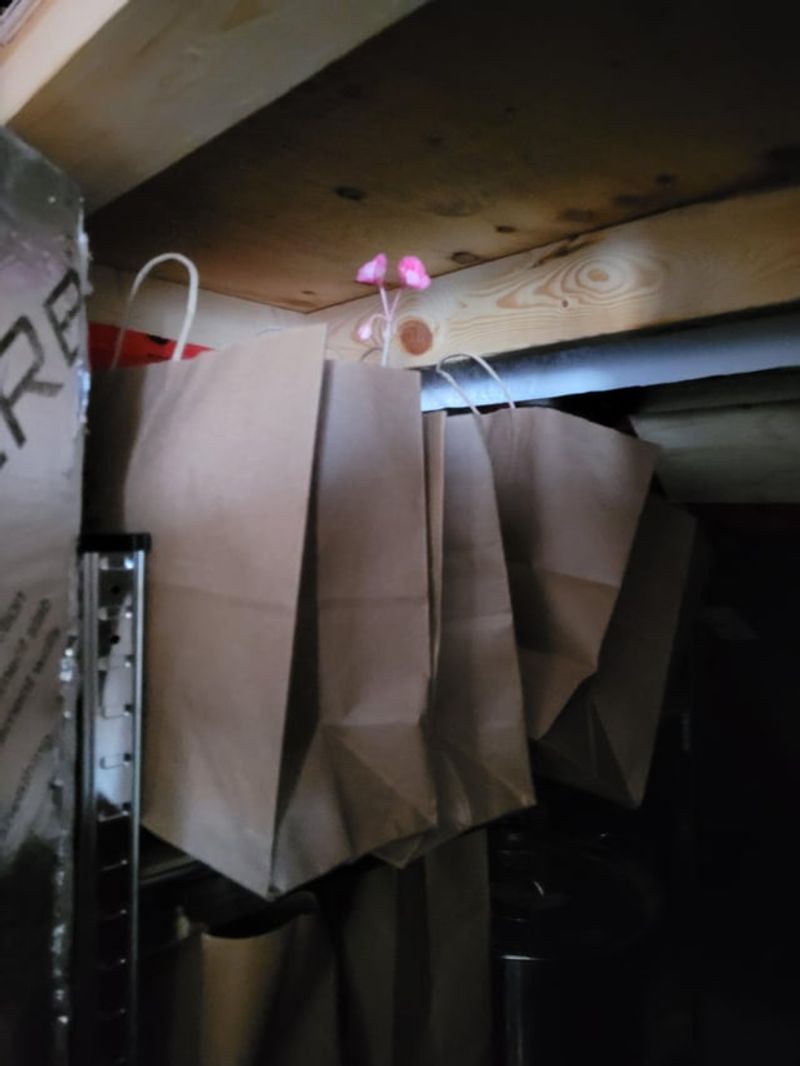
Resting plants need steady coolness, not warmth. A heated living room usually pushes stored geraniums to sprout weak, pale shoots too early.
Look for a spot that stays cool but stays above freezing all winter.
Basements are a classic choice in northern states, but plenty of Georgia homes don’t have one. An unheated closet, a cool spare room, or a crawl space may work instead.
Garages can be tricky. Some stay mild through winter, while others dip below freezing during cold snaps, especially in north Georgia.
Try placing a simple thermometer in your chosen spot for a few days before storing anything.
Darkness helps keep plants from waking up early. Light can trigger new growth, and that growth tends to be leggy and weak without proper sun.
Hang the bags from hooks or set them on a shelf with space between them. Good air movement around the bags helps reduce moisture buildup.
Avoid spots near furnaces, water heaters, or dryer vents.
Those areas often run warm and can swing in temperature from day to night. A steady, quiet corner usually gives plants the best chance of holding on until spring.
6. Check Stored Roots Periodically To Prevent Excessive Drying
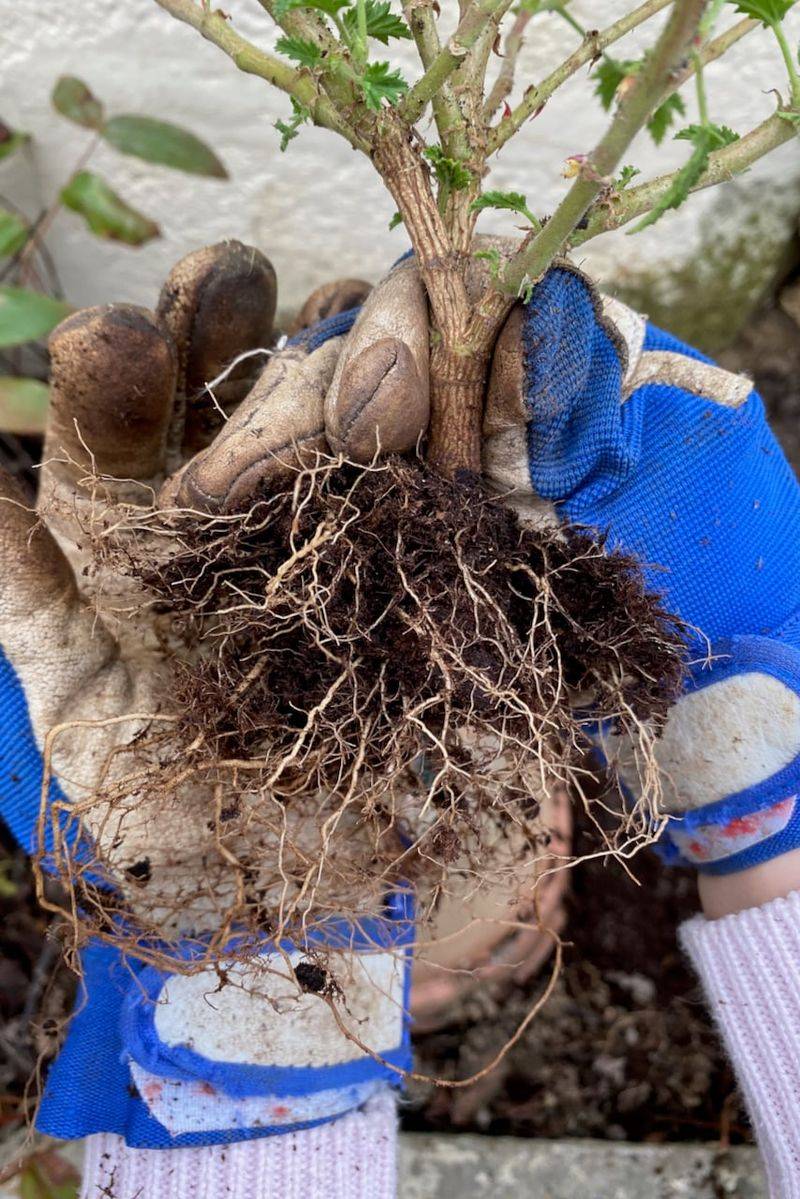
Out of sight shouldn’t mean out of mind. Plants in paper bags slowly lose moisture, and some can dry out too much before spring.
Plan to peek inside the bags every few weeks through winter.
Healthy stems should feel firm, a bit like a fresh carrot. If stems look wrinkled and roots seem shriveled, the plant likely needs a little moisture.
Gardeners handle this in different ways. One common approach is soaking the roots in water for a couple of hours, then letting them drain and dry before rebagging.
Go easy, though, since too much water brings its own trouble.
Soft, mushy, or black stems usually point to rot. Cut away damaged parts with clean pruners, and discard any plant that looks badly affected so it doesn’t spread problems.
Moldy bags should be replaced with fresh ones. Indoor humidity in Georgia can run higher than in drier states, so watch closely for dampness.
Losing a plant or two is normal with this method.
Even careful gardeners see some losses each year, and conditions in each home differ. Keeping a few notes on what worked can help you adjust your setup next winter.
7. Late Winter Pruning And Repotting Wake Them Up For Spring
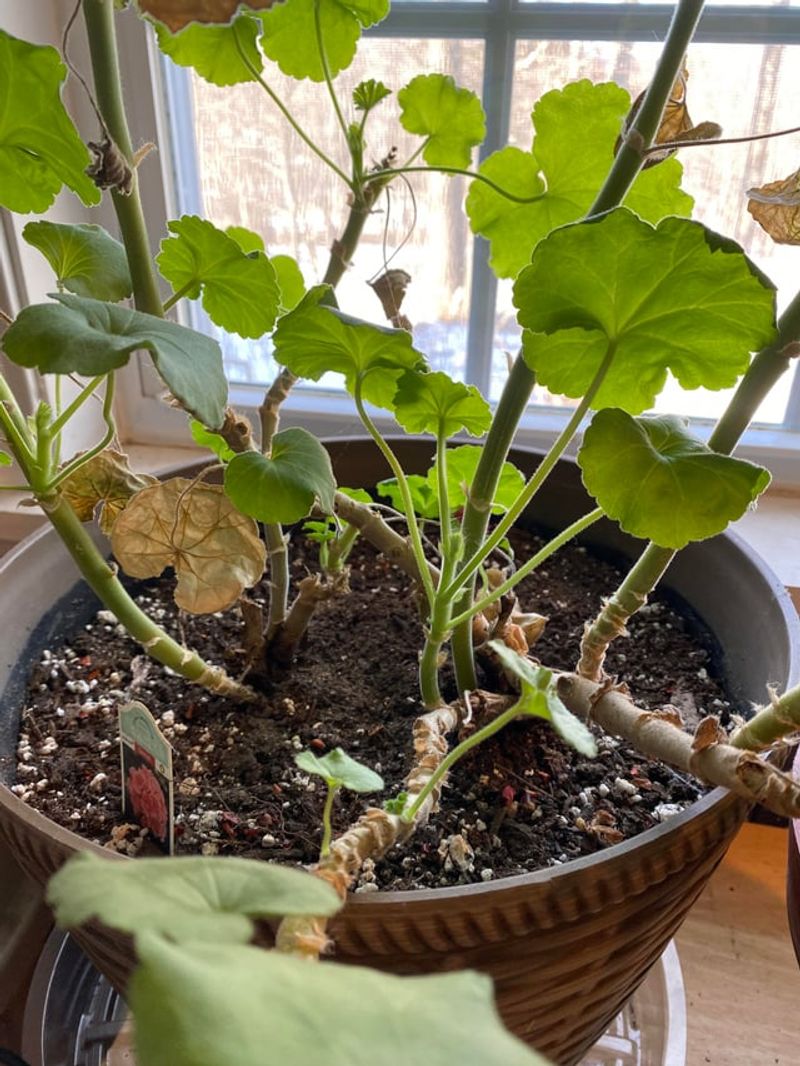
Spring prep starts indoors, weeks before planting time. Bringing stored geraniums out in late winter gives them a head start on growth.
Cut stems back to firm, healthy tissue using clean, sharp pruners.
Shorter stems tend to branch out, which leads to fuller plants later on. Trim off any dry, hollow, or soft sections you find along the way.
Pot each plant in fresh, well-draining potting mix rather than heavy garden soil. Water lightly at first, since roots need time to wake up and start working again.
A bright window or grow light helps new shoots come in sturdy.
Expect slow progress at first. Some plants push buds within a couple of weeks, while others take longer or don’t recover at all.
Once growth looks steady, a light dose of diluted fertilizer can support it. Turn pots now and then so stems don’t lean toward the light.
Wait until frost danger has passed in your area before moving plants outside.
Planting time varies across Georgia, with warmer southern areas often ready sooner than the north. Harden plants off over several days by giving them a little more outdoor time each day.