A Sonoran Desert Tortoise in Your Arizona Yard May Be a Clue to Nearby Resources
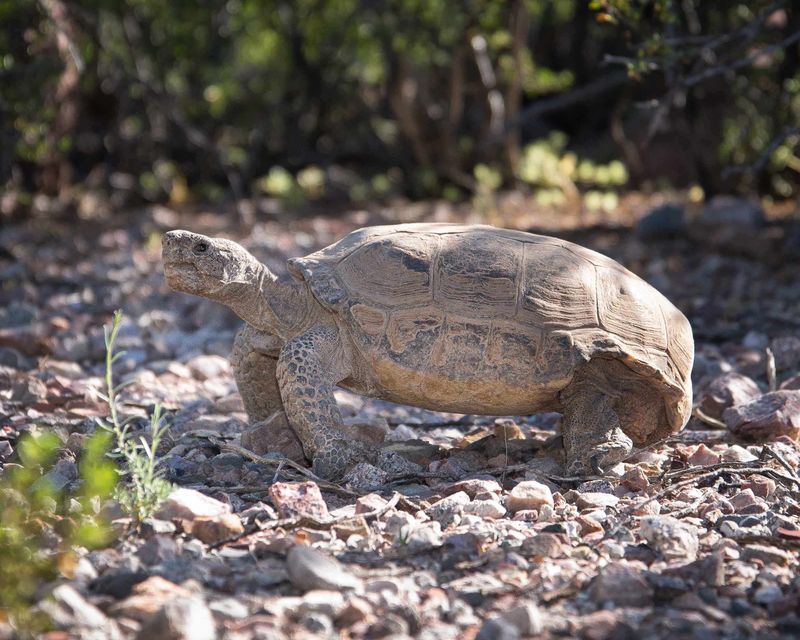
Spotting a slow, domed shell plodding across your Arizona yard can stop you in your tracks. A Sonoran desert tortoise may be passing through because food, water, or shelter is available somewhere close by.
But one visit tells us less than you might think. Here is what a sighting can hint at, and how to treat the animal well.
A yard visit is a clue, not a habitat grade
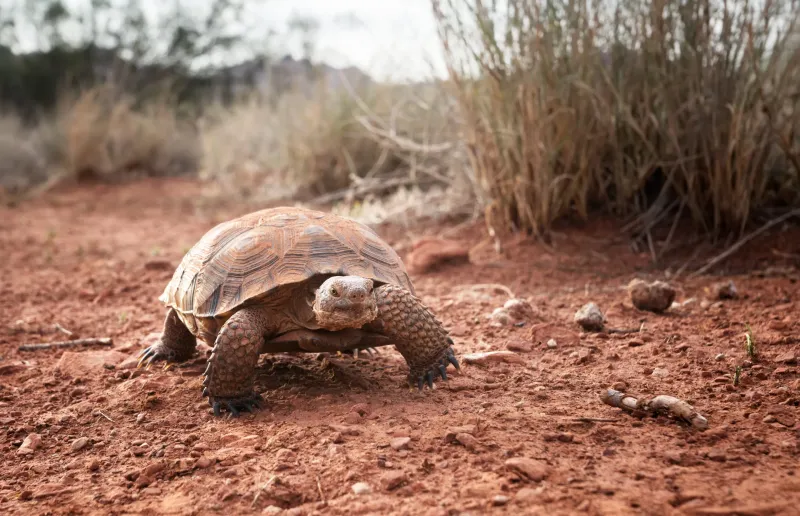
Picture a tortoise ambling past your barrel cactus. It may be using something nearby, such as a shady spot, a patch of greens, or a place to drink after rain.
That resource could be in your yard or on the lot next door.
What a single animal cannot tell you is whether your property is rare or exceptional habitat, or whether a healthy local population lives around you. Habitat is judged across many features and across wide landscapes.
Arizona Game and Fish habitat suitability modeling covers broad geographic areas, and the department cautions that a model does not prove a species is present at one particular spot. The reverse holds too: one animal cannot grade one yard.
One more caution. Arizona has two desert tortoise species, the Sonoran and the Mojave.
This article is about the Sonoran, and you should not try to identify or assess an animal from these pages alone.
Shelter shapes where tortoises can thrive
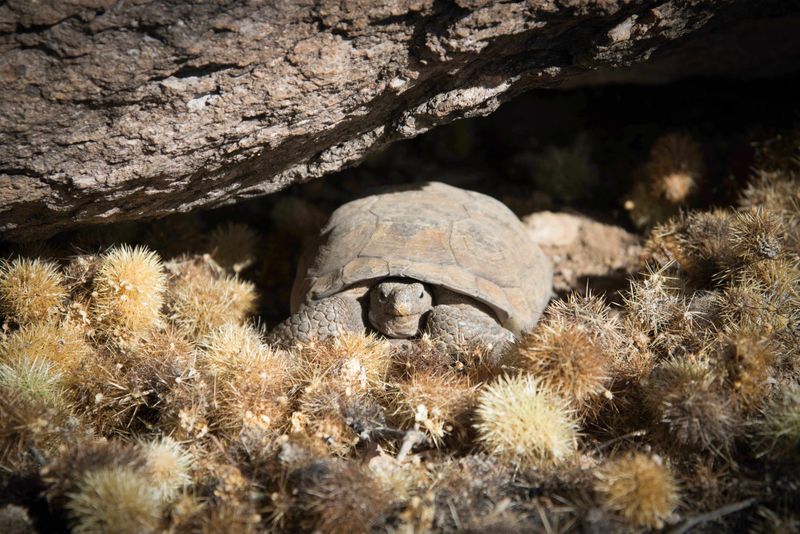
Tortoises spend much of their lives tucked out of sight. Sonoran desert tortoises live on rocky slopes, bajadas, and along washes, where they use rock shelters, burrows, and sometimes sheltered sites beneath shrubs.
Those hideaways matter. They help the animals ride out temperature extremes and avoid predators during Arizona’s brutal summer heat.
Arizona Game and Fish monitoring work links shelter availability with higher tortoise population density across study areas.
That link describes landscapes, not single lots. A boulder pile or a shrub with shaded soil beneath it in your yard may be useful to a passing tortoise, but it does not make your property a stronghold.
Think of it as one small piece of a much bigger puzzle that stretches across the neighborhood and beyond.
Food and monsoon conditions can make an area usable
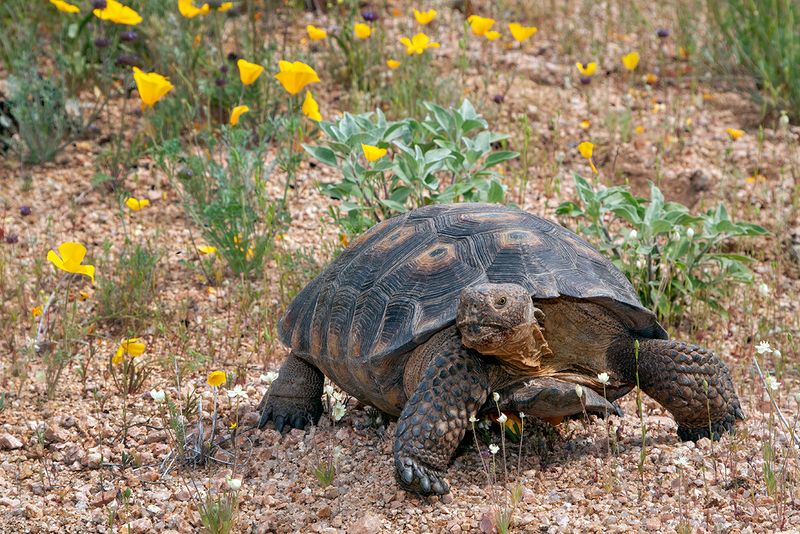
Summer storms change the menu. When monsoon rain arrives, new growth pops up and puddles form, and tortoises may become more active to drink and forage.
A wet July evening could be the reason one shows up near your wall.
Sonoran desert tortoises eat a wide mix of plants, including herbs, grasses, woody plants, and succulents. U.S.
Fish and Wildlife Service species information describes this varied diet and the link to monsoon conditions.
Still, the food that drew a visitor may be growing in a nearby wash or vacant lot, not only in your yard. Please resist the urge to set out lettuce or fruit.
Feeding a wild tortoise is not the kindly move it seems, and the animal knows how to find its own meals.
A visitor may not be a permanent resident
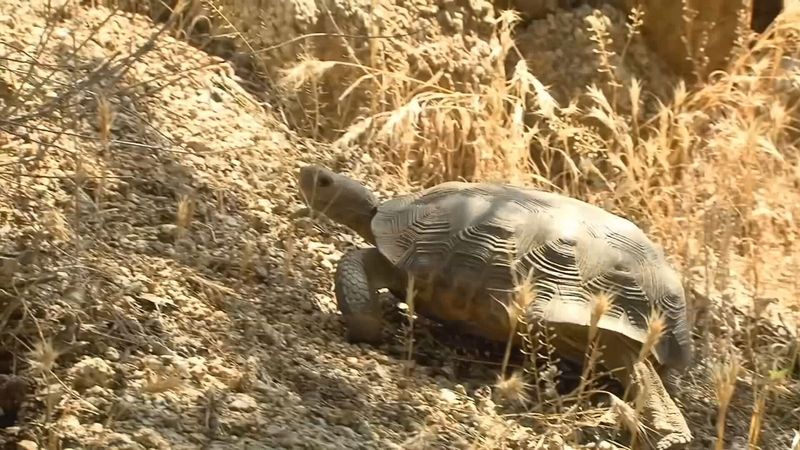
Seeing a tortoise two days in a row feels like a move-in. It might not be.
Your Arizona Garden Changes Every Week. Your Plan Should Too.
Gardening in Arizona changes quickly throughout the season. Every Friday you’ll receive a simple weekly plan showing exactly what to plant, prune, fertilize, harvest, and protect so you never miss the right timing.
Sonoran desert tortoises can wander beyond their usual home range for a while and then head back.
Details like that come from federal species information, and they are a good reason to hold your conclusions loosely.
There is another possibility in neighborhoods. A tortoise in a populated area could be an escaped or wandering pet rather than a wild animal.
You do not need to play detective. Arizona Game and Fish offers guidance on what to do when you see a desert tortoise, and the department can help sort out which situation you have.
What should a neighbor do?
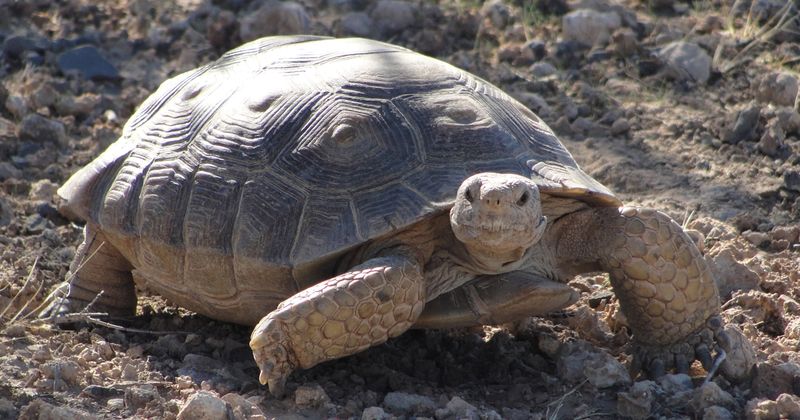
Start by doing very little. Leave a suspected wild tortoise right where it is.
Do not pick it up, carry it home, or move it somewhere you think is safer, since moving one can separate it from familiar food and shelter. Arizona rules also prohibit collecting wild tortoises, as laid out in the Arizona Administrative Code.
Bring dogs inside or keep them on a leash and well away. Curious pets can injure a tortoise quickly.
If you can snap a photo from a distance without touching the animal, do so, since it may help wildlife staff.
If the tortoise looks healthy but is in a populated area, or it appears injured, call the Arizona Game and Fish Tortoise Adoption Program at 1-844-896-5730. The department’s Keep it wild guidance explains the next steps.
Keep captive tortoises out of the wild
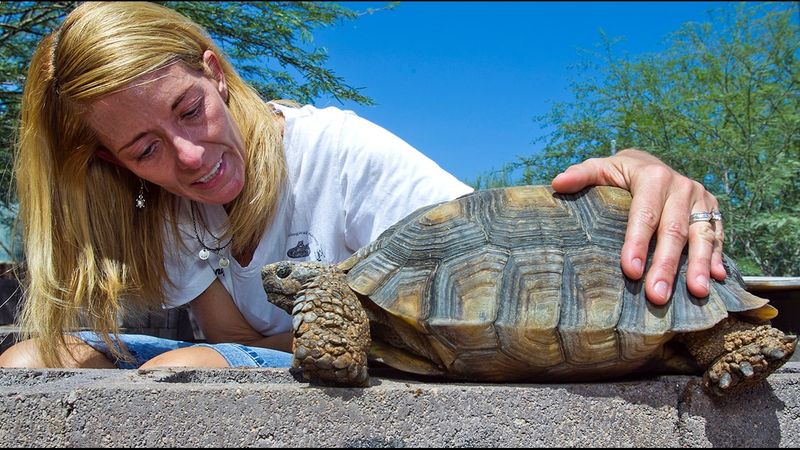
If you keep a pet tortoise, never release it into the desert. Arizona rules prohibit releasing a Sonoran desert tortoise into the wild, and Arizona Game and Fish warns that captive tortoises can spread disease to wild populations.
If a pet no longer fits your life, contact the department’s adoption program rather than opening the gate.
Back to your visitor: respect it, protect it, and give it space. One sighting is a pleasant surprise, not a grade for your land.
Sometimes the best way to be a good neighbor is simply to let a tortoise carry on with its day.