Why Old-School Lilacs And Forsythia Are Making A Comeback In New York Yards
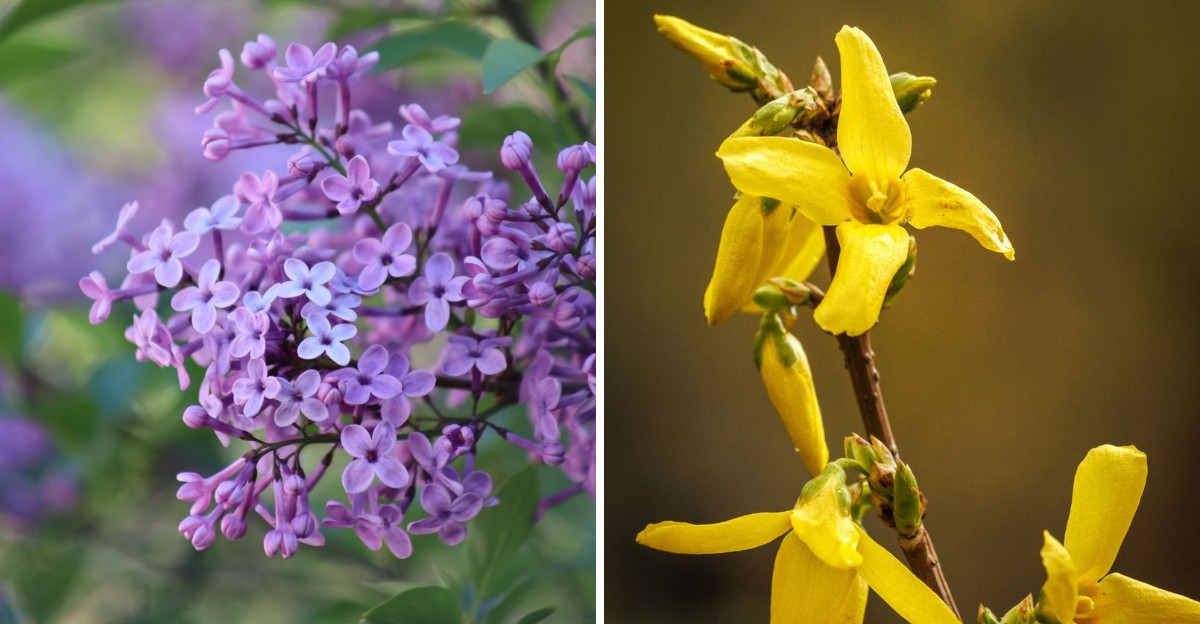
One whiff of lilacs can bring back an entire childhood spring. Then forsythia flashes bright yellow along a fence while the rest of the yard still looks sleepy.
Across New York, these old-school shrubs have earned their place in yards for generations. Their staying power goes far beyond pretty flowers.
They handle brutal winters, ask for little care, and can make even a small yard feel special. The reasons below show why both classics still deserve a spot in today’s gardens.
Lilac Fragrance Is Impossible To Forget
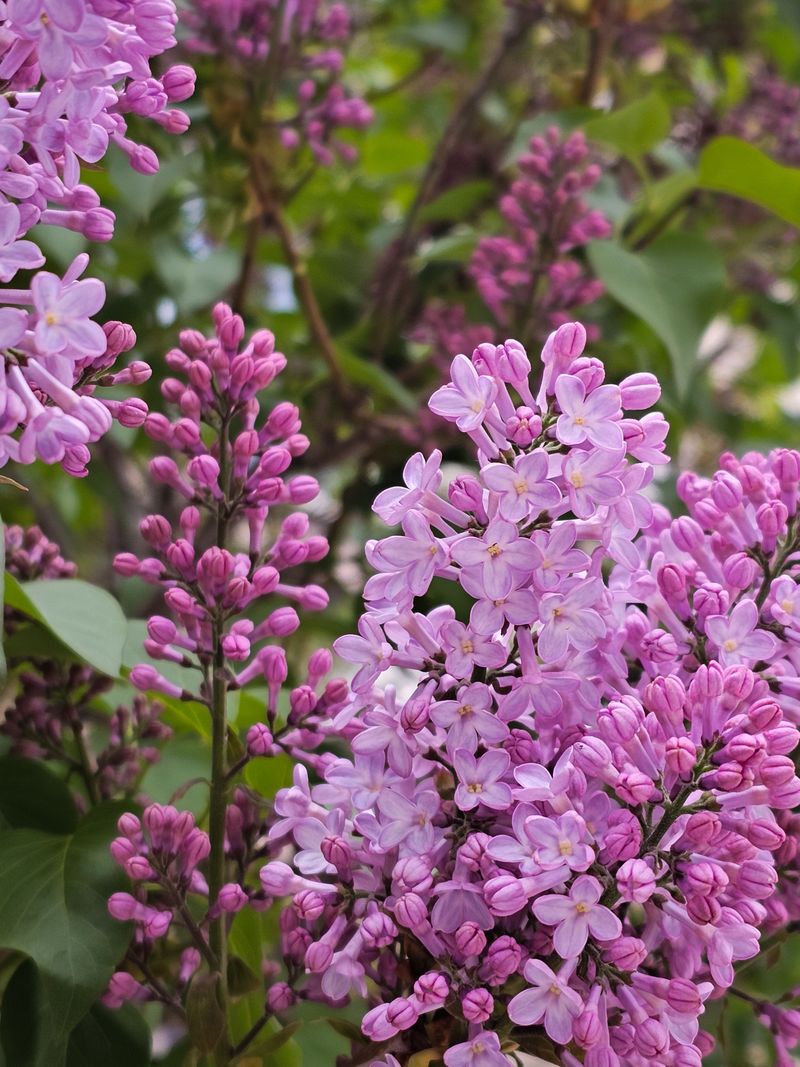
A breeze carries that sweet smell across the sidewalk, and suddenly grandma’s garden feels close again. Lilacs make an impression long before anyone studies their flowers.
Common lilac is the classic choice for that familiar perfume. Its full flower clusters can scent a porch, an open window, or a favorite garden bench.
Fragrance differs between varieties, so shop with your nose when plants are blooming. Charles Joly offers rich purple flowers, while Madame Lemoine has creamy white blooms.
Katherine Havemeyer and Beauty of Moscow are other scented choices worth asking about. A local nursery can help match a variety to your space and growing conditions.
For the strongest experience, place a lilac near a path people use. Give it room, though, rather than squeezing it against a doorway or window.
Most lilacs flower best with plenty of direct sunlight. Aim for at least six hours daily, and choose soil that drains well after rain.
Good airflow matters, too, especially where humid summers can encourage powdery mildew. Leave space around branches instead of crowding the shrub with other large plants.
New York gardeners can use fragrant lilacs to make an ordinary walk to the mailbox memorable. A few clipped flower clusters also brighten a kitchen table.
Cut stems when several flowers on each cluster have opened. Remove leaves below the waterline, then refresh the vase water regularly.
Meyer lilacs bring a sweet scent in a smaller package. Their blooms also draw visiting bees and butterflies, adding movement to the spring garden.
Remember that perfume carries differently on cool or breezy days. Try several blooming varieties nearby before choosing the scent you want at home.
That small bit of shopping homework pays off each spring. When the flowers open, the whole yard can feel like a treasured memory.
Forsythia Kicks Off Spring Before Almost Anything Else

While the lawn still looks sleepy, forsythia throws on a bright yellow outfit. Its flowers often arrive before its leaves, making the display hard to miss.
That timing gives tired winter yards a quick lift. Along a fence or driveway, even one mature shrub can announce spring from across the street.
Bloom dates depend on weather, location, and variety. In warmer spots, flowers may appear around March; colder areas may wait several more weeks.
New York has a wide range of spring conditions. A sheltered city yard can wake earlier than a windy garden farther north.
For a strong flower show, plant forsythia where it gets plenty of sun. Partial shade works, but fewer flowers may cover the branches.
Your New York Garden Changes Every Week. Your Plan Should Too.
Gardening in New York changes quickly throughout the season. Every Friday you’ll receive a simple weekly plan showing exactly what to plant, prune, fertilize, harvest, and protect so you never miss the right timing.
Check the plant tag before buying because sizes vary. Some types grow much wider than expected and can crowd a walkway or neighboring plants.
Give a new shrub enough space for its natural arching shape. Those long branches look lively when allowed to sweep outward instead of being tightly trimmed.
Forsythia’s yellow flowers also stand out against dark evergreens. Planting it near a pine or yew creates contrast without adding extra garden work.
After blooming, green leaves take over for the growing season. Think of the shrub as a spring star with a leafy summer supporting role.
A layer of mulch helps young plants hold moisture during dry spells. Keep mulch a few inches away from stems to avoid trapping dampness there.
Want a bigger burst of color? Plant several shrubs where their mature widths can meet without blocking paths or windows.
Early color feels especially welcome after a long winter. Forsythia supplies it with the cheerful confidence of a neighbor waving from the porch.
Both Shrug Off Brutal Winters
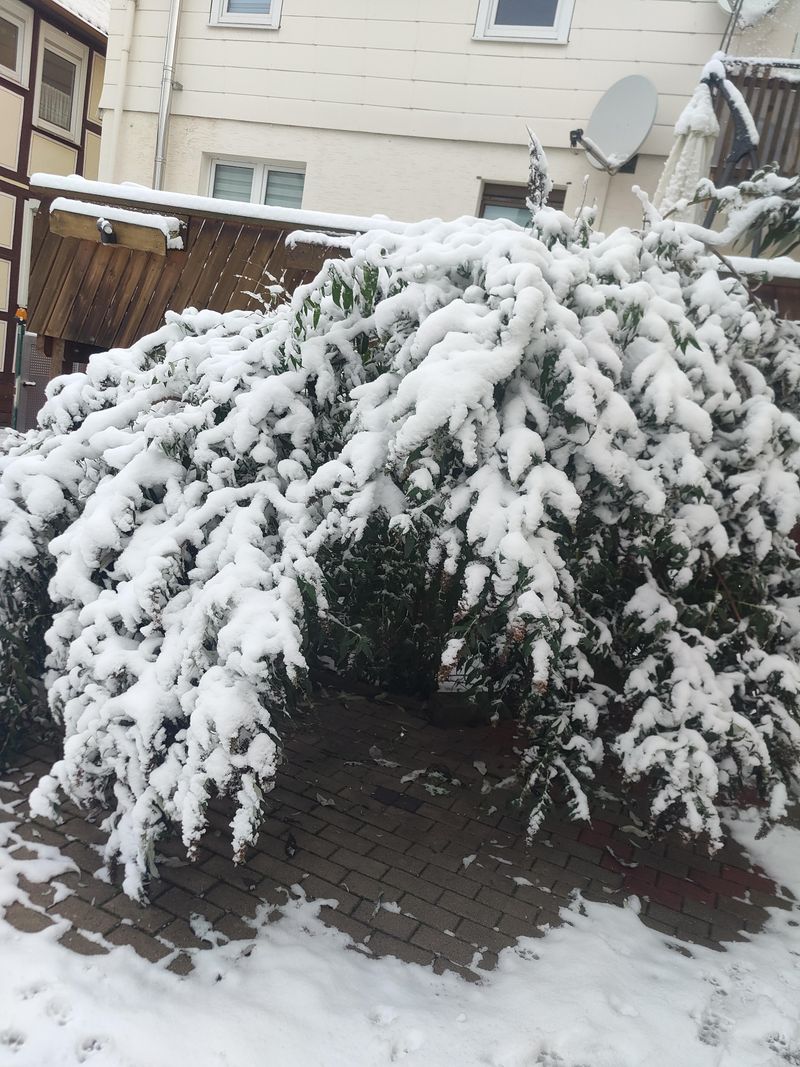
Snow piles up, sidewalks turn icy, and these shrubs wait for their moment. Cold weather is part of their normal yearly rhythm, not an unusual test.
Many common lilacs suit USDA Zones 4 through 7. Meyer lilacs handle even colder conditions in some places, making them useful farther north.
Many forsythia varieties grow well in Zones 5 through 9. However, gardeners in colder spots should look for a variety rated for their zone.
A shrub surviving winter and its flower buds surviving winter are different matters. An especially cold snap can reduce spring blossoms on less hardy forsythia varieties.
Before shopping, check your USDA hardiness zone and the plant label. New York covers several growing conditions, so advice for another county may not fit yours.
Placement helps, too. A spot protected from harsh wind can be kinder to flower buds than an exposed corner.
Drainage deserves attention before planting. Roots sitting in soggy soil face trouble, especially when wet ground freezes and thaws repeatedly.
Dig a wide planting hole, but keep the root ball near its original depth. Water thoroughly after planting and during dry periods in the first growing season.
Mulch around the base to help steady soil temperature. Leave a small gap around stems so moisture does not collect against bark.
Skip heavy fertilizer unless a soil test shows a need. Too much feeding may encourage leafy growth without improving the flower show.
Winter also gives lilacs the cold rest that helps them bloom well. That makes these familiar shrubs a sensible match for many local gardens.
Choose a suitable variety, provide good drainage, and let the seasons work. When spring returns, sturdy branches can reward your patience with color and scent.
Lilacs Can Live For Generations
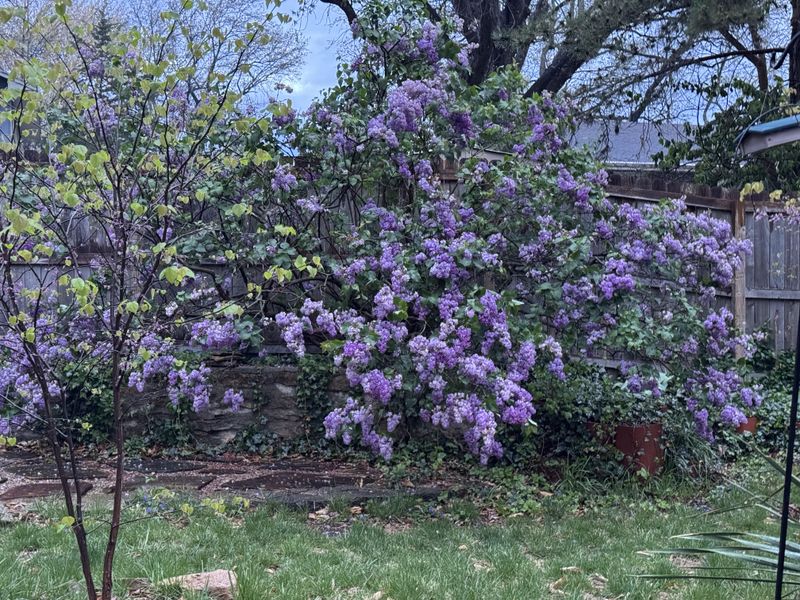
Some garden plants feel like visitors; an old lilac feels like family. Its flowers can connect a yard to stories told across generations.
Lilacs are known for staying in gardens for a remarkably long time. Historical plantings in New England show how enduring these shrubs can be.
Age does not mean a lilac can thrive without care. Sun, drainage, and occasional pruning help an established plant keep producing fresh flowering stems.
If you inherit an old shrub, resist cutting every branch at once. A gentler approach gives it time to respond with new growth.
After flowering, remove some of the oldest, thickest stems near the ground. Take no more than about one-third of them in a year.
Repeat that work over several springs if the shrub needs major renewal. Younger stems can gradually replace woody branches that flower less freely.
Look around the base before mowing or digging. Small shoots may be lilac suckers that could become a plant for another spot.
Families sometimes share those shoots with neighbors or grown children. It is an easy way to pass along a garden memory without buying another shrub.
A long-lived plant also rewards thoughtful placement. Keep it away from buried utilities, cramped foundations, and spaces too narrow for its mature size.
In New York, an older lilac can make a new house feel settled. Its familiar spring scent brings a sense of place that landscaping cannot rush.
Write down its variety if you know it. Future caretakers may appreciate learning when it was planted and how it has been tended.
Years from now, someone else might enjoy the same blossoms. That possibility makes planting a lilac feel like a kind gift to tomorrow.
Deer Usually Leave Them Alone

Deer have a talent for finding the newest garden purchase. Lilacs and forsythia offer gardeners a little breathing room because deer often pass them by.
Forsythia is considered one of the more deer-resistant flowering shrubs. Lilacs, including common lilac, also tend to be less tempting than many garden favorites.
Still, deer are unpredictable shoppers. When food is scarce, they may sample young lilacs or browse plants they usually ignore.
Think of deer resistance as a helpful advantage, not a guarantee. A newly planted shrub may need protection while it becomes established.
Temporary fencing can protect tender growth in a busy deer area. Make sure the barrier does not rub against branches when wind blows.
Repellents are another option, though rain and new growth may mean reapplying them. Follow product directions, especially around children, pets, and edible plants.
For a mixed border, place lilacs and forsythia alongside other less favored shrubs. Combining plants creates a varied look instead of a single repeated row.
Give each shrub enough sunlight and growing space first. Deer resistance will not make up for a spot that is too shady or crowded.
In New York communities near woods and fields, browsing can change from year to year. Watch your own yard to learn which plants attract attention.
Notice when deer visit most often and where they enter. Those clues can guide the placement of young shrubs and any temporary barriers.
Flowering plants that face less nibbling can save time and frustration. They also leave more blossoms for you to enjoy when spring arrives.
A little observation makes the choice smarter. Pair deer-resistant shrubs with sensible protection, and your garden has a better chance to flourish.
Forsythia Branches Force Easily Indoors In Winter

A vase of yellow blossoms in February feels like a clever little trick. The secret is simply bringing budded forsythia branches indoors before the outdoor show begins.
Wait until late winter, when flower buds look plump. Depending on the season and your location, February or March can be a good time.
Choose healthy branches about 12 to 24 inches long. Cut from different parts of the shrub so its shape stays balanced.
Look closely at the buds before clipping. Flower buds are often rounder than the narrow buds that produce leaves.
Once indoors, trim the branch ends again at an angle. Place them in a clean vase filled with warm water.
Start the vase in a cool spot away from strong sunlight. As buds swell, move it somewhere brighter and warmer to enjoy the opening flowers.
Change the water every few days. Fresh water helps the arrangement stay pleasant while you wait for the buds to open.
Blooming may take a week or several weeks, depending on how ready the buds are. Branches cut later in winter often respond faster.
In a New York home, those first yellow flowers can brighten a gray afternoon. Set the vase where everyone can see the change each day.
If you have children, let them track the buds with a simple drawing. Watching flowers open offers a small science lesson without leaving the kitchen.
Lilac branches can also be forced, though results may vary. Forsythia is a friendly place to start because its blooms are easy to spot.
Best of all, you need only a few stems. The garden keeps its spring display while your windowsill gets an early preview.
They Make Quick, Flowering Hedges

A fence can mark a property line, but a flowering hedge makes it feel welcoming. Forsythia and lilacs bring seasonal color while helping define outdoor spaces.
Forsythia grows quickly and forms long, arching branches. Planted in a row, it can create an informal screen with bright flowers each spring.
Its leaves add a fuller look after blooming. Remember that a leafy hedge offers less privacy once the branches are bare.
Lilacs can make a scented boundary or a handsome group planting. Their growth is often slower, so plan for a hedge that develops over time.
Measure the space before you shop. Plant labels give mature widths that help you choose sensible spacing for your chosen variety.
Avoid placing shrubs directly against a fence. Leave room to reach the back for pruning, cleanup, and future repairs.
For a relaxed look, let forsythia keep some of its natural curves. Tight shearing can reduce its loose beauty and remove developing flower buds.
Mixing shrubs can extend interest across the season. Forsythia shines early, while lilacs add later flowers and a sweet scent.
New York neighbors may appreciate a living border, but check local rules near sidewalks. Keep branches clear of paths, signs, and sightlines by driveways.
During the first growing season, water new hedge plants during dry stretches. Mulch helps hold moisture, provided it stays away from the stems.
Choose a hedge for your real needs, not just a spring photograph. Consider height, summer coverage, winter openness, and the time you have for trimming.
With enough space and patient care, these familiar shrubs offer more than a boundary. They give the yard a lively spring greeting.
Both Spread Easily From Suckers And Cuttings
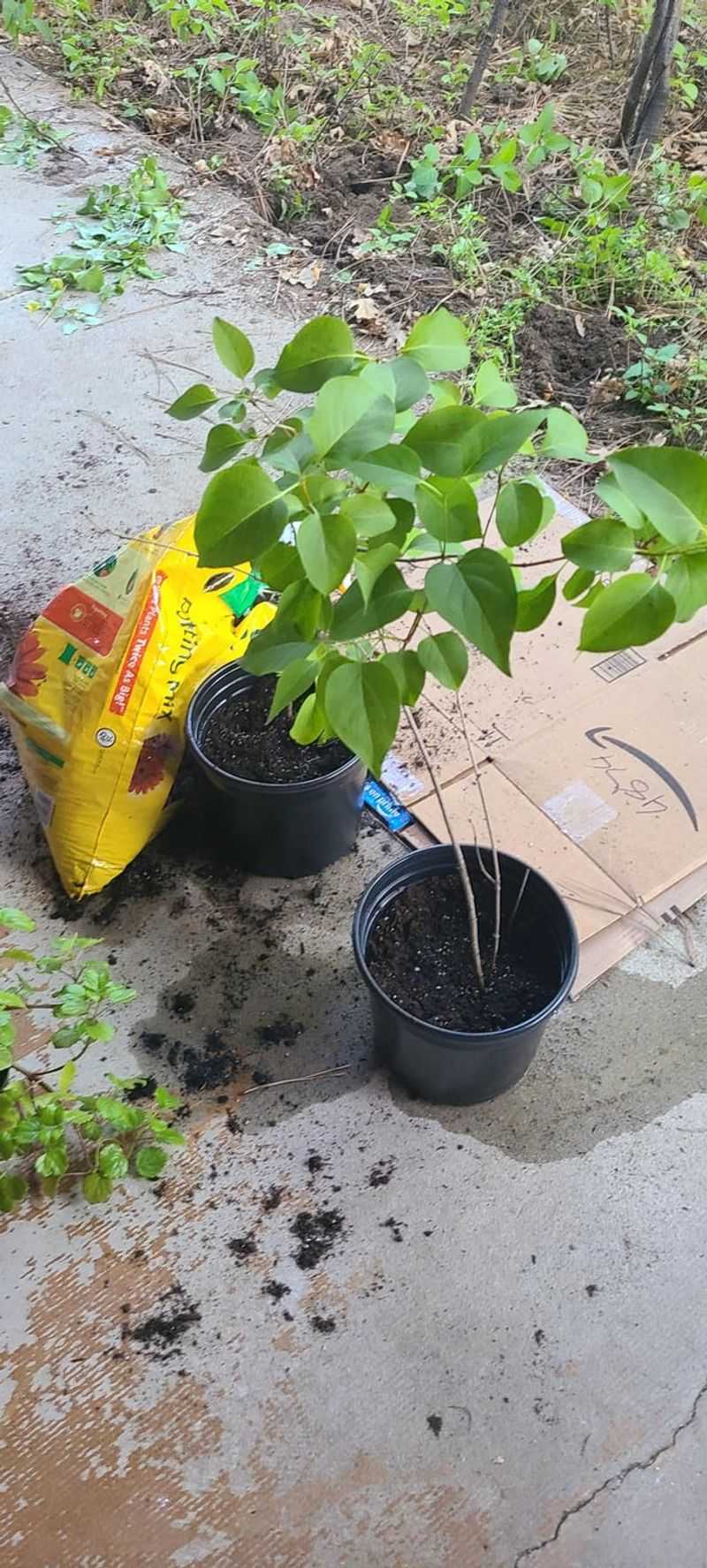
One favorite shrub can become several without another trip to the garden center. Lilacs and forsythia offer gardeners simple ways to share plants.
Lilacs often send up suckers, which are shoots growing near the parent shrub. Some have their own roots and can be moved carefully.
In early spring or fall, loosen soil around a healthy sucker. Keep as many roots attached as possible before separating it from the parent.
Plant it at the same soil depth in a prepared spot. Water well, then watch soil moisture while the small shrub settles in.
Check whether your lilac is grafted before sharing a sucker. A shoot from below a graft may grow differently from the flowering plant above.
Softwood cuttings offer another route. After spring flowering, take a flexible, healthy lilac stem around four to six inches long.
Remove its lower leaves and place the stem in moist, well-draining potting mix. Rooting hormone may help, but follow its label directions.
Forsythia cuttings can be taken after flowering once new growth has developed. Prepare short stems similarly and keep their growing medium evenly moist.
A bright spot out of harsh direct sun works well while cuttings root. Covering them loosely can help hold moisture, but allow some airflow.
Roots may develop within several weeks, though results vary. Tugging hard to check can damage delicate new roots, so be patient.
Label each pot with its plant name and cutting date. That tiny step prevents confusion when several green stems begin looking alike.
Sharing a young shrub with a neighbor gives the comeback a personal touch. A plant from your yard carries a story along with its roots.
Pruning Right After Bloom Keeps The Flowers Coming
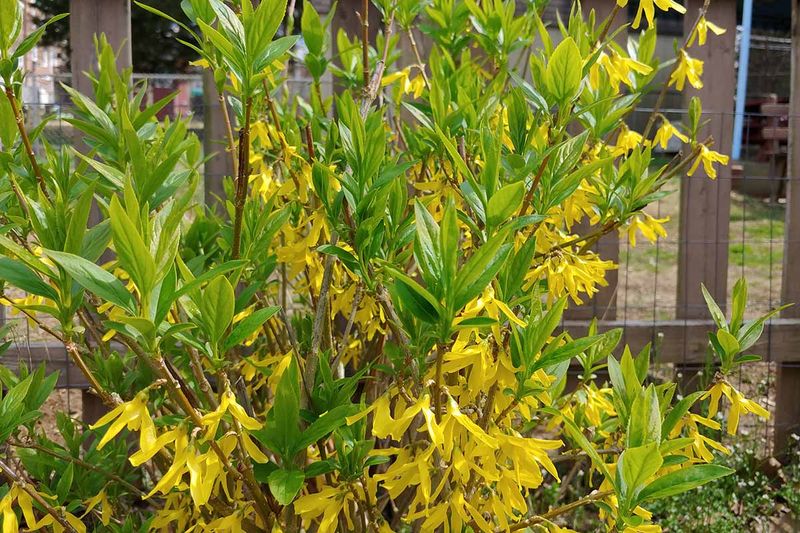
Prune at the wrong time, and next spring’s flower show may be smaller. Lilacs and forsythia reward gardeners who wait until their blossoms fade.
Both shrubs produce many flowers on older stems. They begin preparing future flower buds well before the next spring arrives.
For that reason, major trimming in fall or early spring can remove buds. Make pruning a task for shortly after flowering instead.
Start by stepping back and studying the shrub’s natural shape. Decide which crowded, crossing, or overly long branches truly need attention.
With mature lilacs, remove selected older stems at ground level. Taking up to one-third in a year encourages younger growth without stripping the whole shrub.
Forsythia benefits from a similar approach. Cut a few oldest canes near the base rather than trimming every branch to one height.
Use clean, sharp tools for smooth cuts. Thick stems may call for loppers or a pruning saw instead of hand pruners.
After each cut, step back again. The goal is an open, graceful shrub, not a stiff green ball.
Reblooming lilacs may benefit from light trimming after their first flowers. Follow the variety’s care guidance so you do not remove later buds.
In New York, forsythia pruning often falls around May or early June. Actual timing follows the flowers, which shift with the weather.
Leave enough healthy branches to feed the plant through summer. If a shrub is badly overgrown, spread bigger changes across several years.
Once the tools are put away, enjoy the tidy view. Good timing protects the blossoms that make these old-school favorites worth bringing back.