The One Thing Heavy Rain Does To North Carolina Hydrangeas And How To Fix It Immediately
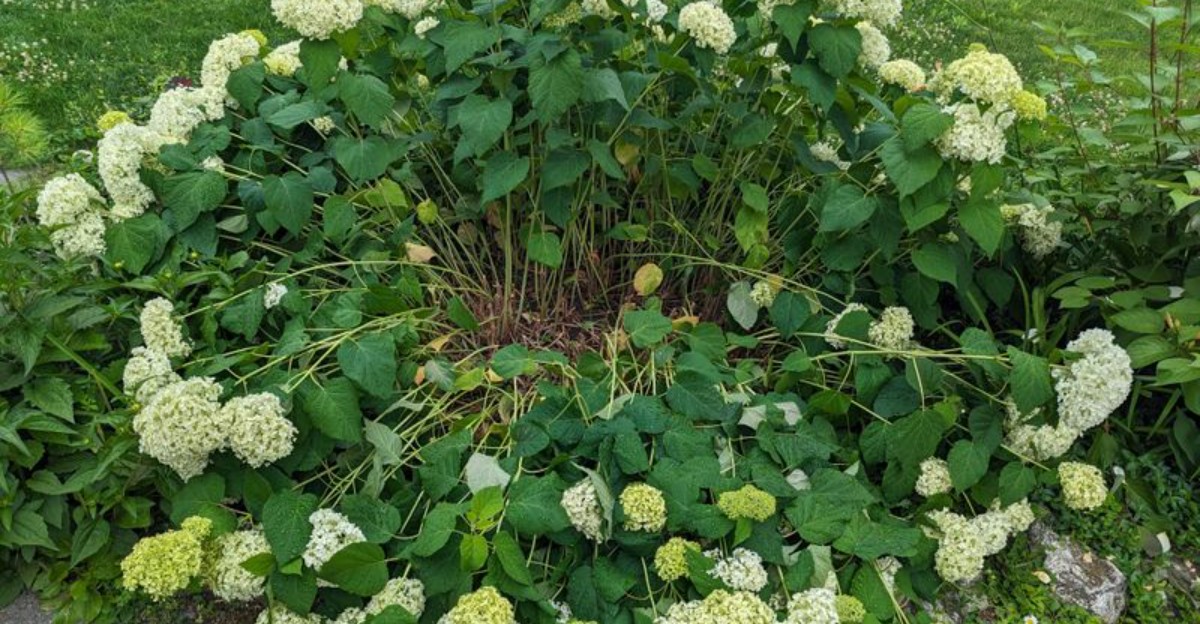
A hydrangea can look perfect on Monday and wrecked by Wednesday. Heavy rain is often the reason. Big blooms soak up water like sponges.
The extra weight bends stems until they flop over the bed. Soil splashes onto lower leaves, and roots sit in soggy ground. Many gardeners spot the leaning stems first and think the plant is finished.
Usually it isn’t. These shrubs are tougher than they look. Still, what you do in the first day or two after a storm matters a lot. A quick response can save this season’s blooms and protect the plant from bigger problems later on.
1. Know Why Hydrangeas Flop After Heavy Rain
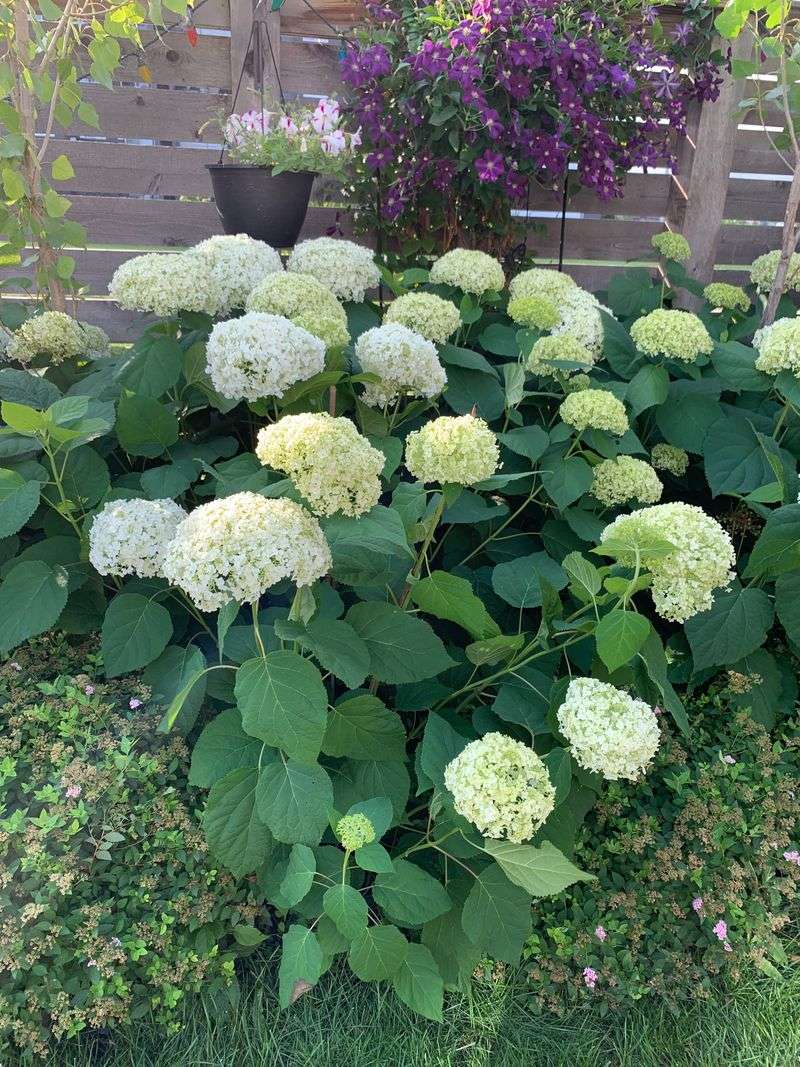
Those giant, fluffy blooms you love so much have a secret. Every one of those flower heads works like a kitchen sponge, soaking up rain and holding it tight between hundreds of tiny petals. A single bloom can get surprisingly heavy after a downpour.
All that extra water weight pulls hard on the stems below. When the stems are not strong enough to carry the load, they bend, sprawl outward, or flop all the way to the ground.
Gardeners often walk outside after a storm and find their once round shrub split open in the middle like a blooming starburst.
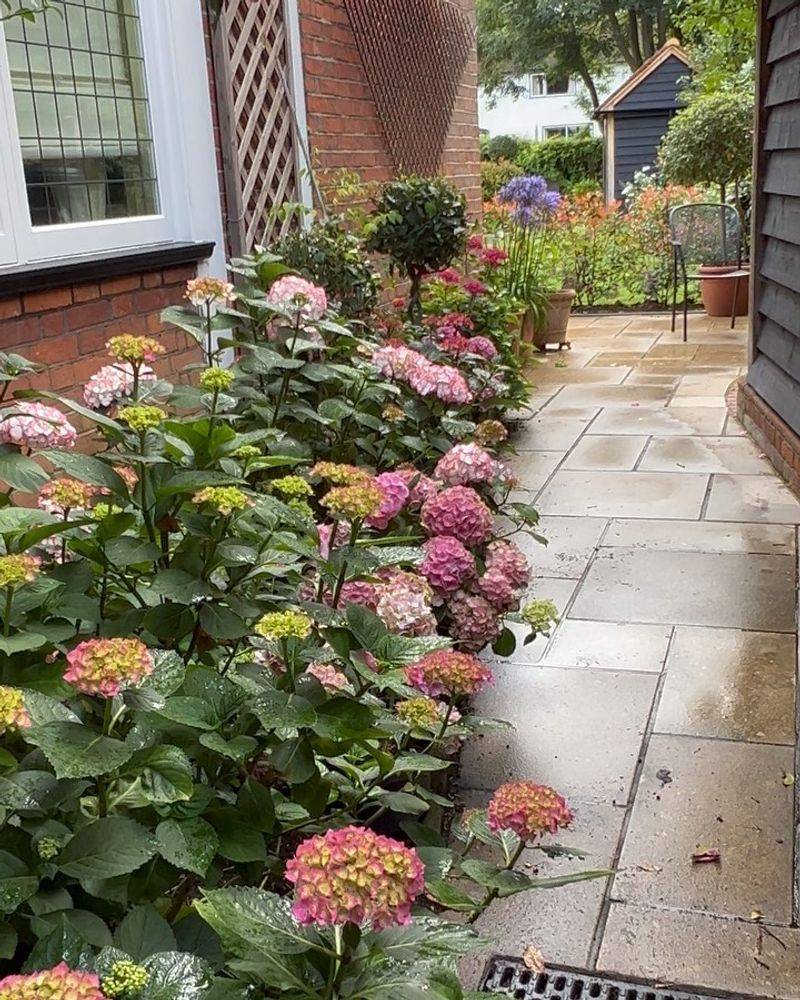
Mophead hydrangeas, with their big ball-shaped flowers, often struggle with this problem. Smooth hydrangeas take it even further. The famous Annabelle variety is well known for its huge white blooms and its habit of collapsing after a good soaking.
So what happens next? Many stems will spring back up on their own once the flowers dry out and lose that heavy water. Sun and a light breeze can work wonders in just a day or two.
Some stems, however, may stay bent for good. Others can crack or snap if the weight was simply too much for them to handle. Knowing the difference helps you decide what kind of help your plant needs.
Here in North Carolina, the problem shows up again and again. Summer thunderstorms can dump an inch or more of rain in under an hour, and tropical systems sometimes bring several inches in a single day.
Hydrangeas across the state face these soakings all season long, so understanding why they flop is the first step toward keeping them standing tall and looking their best.
2. Gently Shake Off The Water Right Away
Speed is your best friend after a storm. The sooner you lighten those soggy blooms, the better chance your stems have of standing back up before they crack or stay bent for good.
Wait until the rain has fully stopped and any lightning has passed. Then head out to the garden with nothing more than your own two hands. You do not need fancy tools for this simple rescue mission.
Start by sliding your hand under a drooping stem and lifting it slowly. Hold the stem near the base of the flower head for support. Next, give the bloom a light shake or a few gentle taps, and watch the trapped water rain down onto the soil.
Your North Carolina Garden Changes Every Week. Your Plan Should Too.
Gardening in North Carolina changes quickly throughout the season. Every Friday you’ll receive a simple weekly plan showing exactly what to plant, prune, fertilize, harvest, and protect so you never miss the right timing.
Work your way around the whole plant, one stem at a time. Be patient here, because wet stems can be a little brittle. Yanking or bending them too far can snap them, which defeats the whole purpose.
Many gardeners are amazed at how fast this works. After shaking off the water, plenty of stems start lifting themselves within an hour or two. A bloom that felt like a wet towel suddenly becomes light and airy again.
Wearing old shoes and clothes is a smart move, since you will probably get splashed. Some folks even keep a rain jacket by the back door just for this job.
North Carolina storms often pop up in the late afternoon and clear out by evening, giving you a perfect window to act.
A quick trip outside before dark can save stems that might otherwise stay flattened, and your hydrangeas will thank you with a much better look the next morning.
3. Support Stems With Stakes Or A Hoop
Sometimes a stem just refuses to stand back up, no matter how much water you shake loose. That is when a little extra backup comes in handy. Think of it as giving your hydrangea a friendly hand to lean on.
Support matters for more than looks. Flowers resting on the ground can get muddy, attract pests, and even start to rot. Lifting them up keeps blooms clean, lets air move around them, and makes the whole plant look tidy again.
One easy method uses a few sturdy stakes. Push three or four bamboo or metal stakes into the soil around the outside of the plant. Then loop soft twine or garden tape around the stakes to gently gather the stems inward, like a loose belt around a waist.
Avoid thin wire or tight knots, since those can cut into the stems. Soft materials hold things in place without causing damage.
Another great option is a round peony ring or a grow-through support. These metal hoops sit over the plant, and the stems rest inside or grow up through a grid. They blend in nicely once the leaves fill out.
For next year, plan ahead. Install your supports in early spring, when new growth is just a few inches tall. Putting them in before the plant fills out is much easier than wrestling with a full-grown shrub in July.
Gardeners in North Carolina know that one storm is rarely the last. Repeated summer downpours can knock the same plants over several times in one season, so solid support saves you from doing rescue work week after week.
4. Cut Back Broken Or Badly Damaged Stems
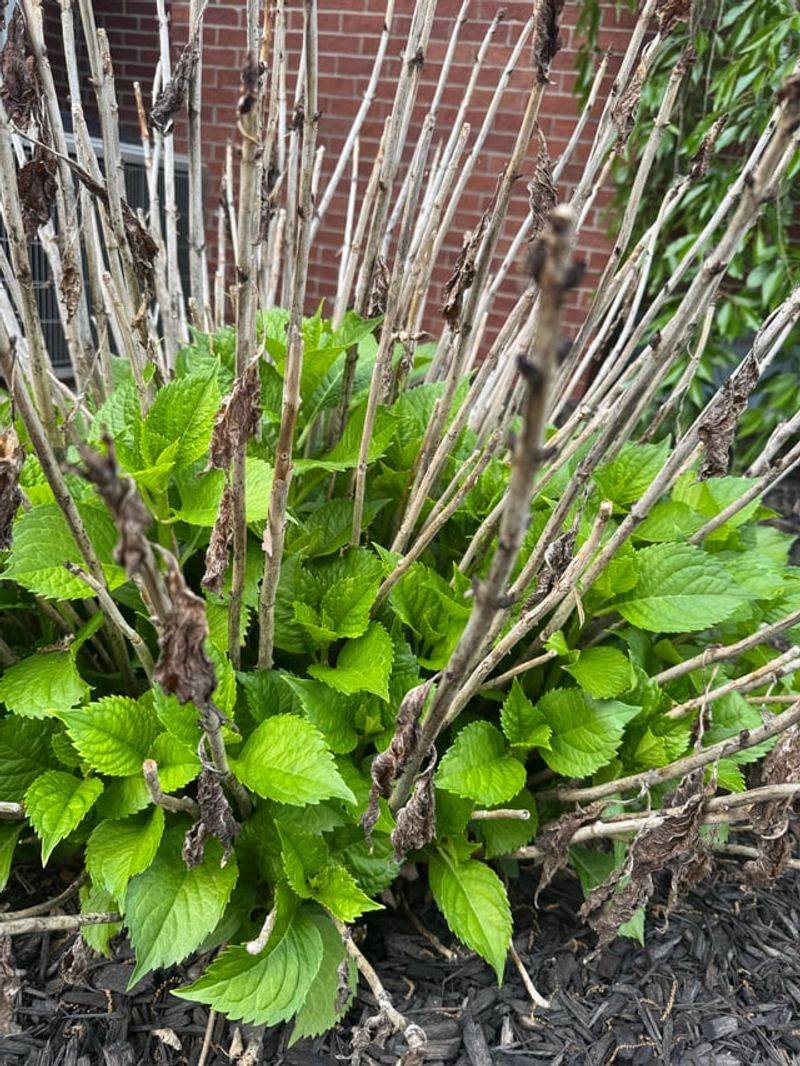
A snapped stem is a sad sight, but it is not the end of the world. Your hydrangea has plenty of other stems ready to carry the show. The key is cleaning things up the right way.
Broken stems will not heal or recover. Leaving them on the plant gives disease an easy way in, and the hanging pieces make the shrub look ragged and messy. A quick trim solves both problems at once.
Grab a pair of clean, sharp pruners before you start. Dull blades crush stems instead of cutting them neatly, and dirty tools can spread germs from one plant to another. Wiping the blades with rubbing alcohol takes only a few seconds.
Make your cut just below the break. You can also trim back to a healthy set of leaves farther down the stem. Either way, the goal is a clean cut on solid, green growth.
Bigleaf hydrangeas need a little extra care here. These plants bloom on old wood, which means next year’s flower buds form on this year’s stems during late summer and fall. Heavy pruning now would cut those buds right off.
So keep your trimming light and focused. Remove only the broken or badly damaged parts and leave the rest alone. A few missing stems will not hurt the plant, but a big haircut could mean very few flowers next summer.
Bigleaf hydrangeas are some of the most popular shrubs in North Carolina yards, from the mountains to the coast. Careful pruning after storms keeps them healthy while protecting the bright blue and pink blooms everyone looks forward to each year.
5. Check The Soil For Waterlogging
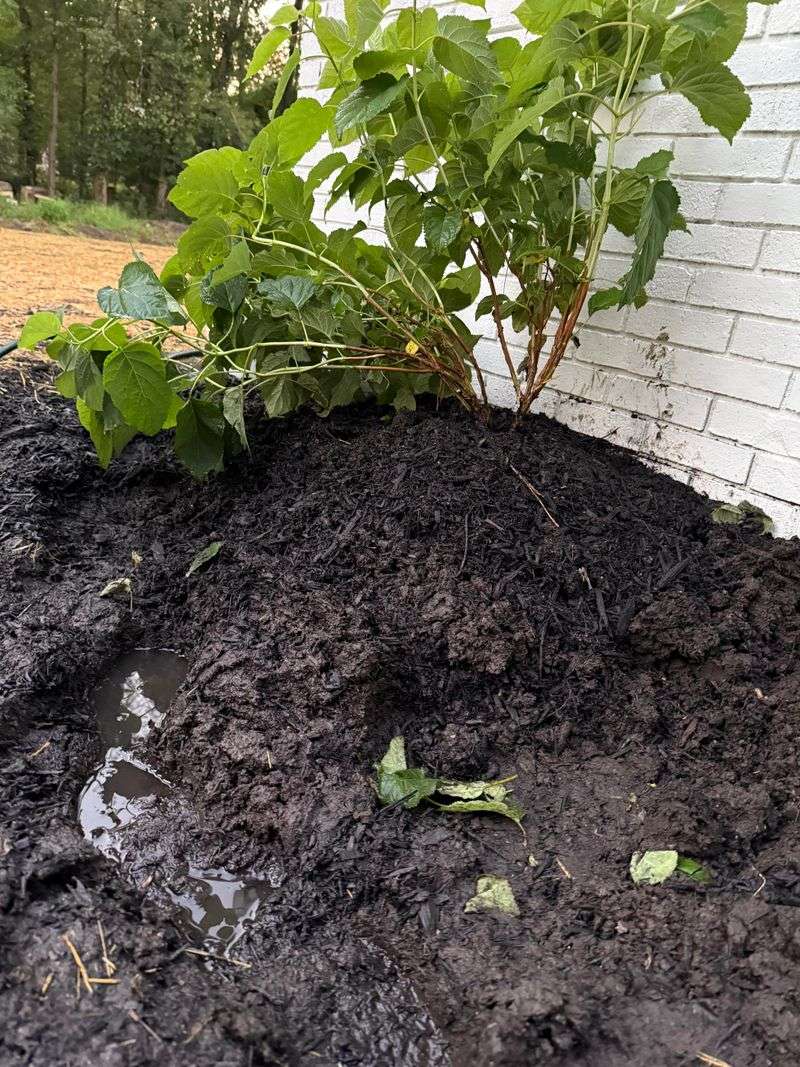
Flopping flowers get all the attention, but trouble can also hide underground. Heavy rain affects roots too, and those problems are easy to miss at first.
Hydrangeas actually love moist soil. Their name even comes from Greek words meaning water vessel. Still, there is a big difference between moist and soggy, and roots sitting in waterlogged soil for days cannot get enough oxygen.
Without air, roots start to struggle. You might notice yellowing leaves or a plant that wilts even though the ground is soaking wet. Over time, soggy conditions can lead to root rot, which is much harder to fix than a few bent stems.
Start by walking out after a storm and looking closely at the base of your plant. Is water pooling around it for hours? If so, your hydrangea may be sitting in a low spot that collects runoff.
Downspouts are a common culprit. Many gutters dump water right next to the house, exactly where hydrangeas are often planted. Adding a downspout extension or splash block can send that water somewhere safer.
Hold off on watering until the top inch or two of soil feels slightly dry. Your plant has had plenty to drink already. Extra water now only makes things worse.
For a long-term fix, work compost into the soil around the planting area. Compost loosens heavy dirt and helps water drain more easily.
This step is especially important across much of North Carolina. The Piedmont region is famous for thick red clay that drains very slowly, so water from big storms can linger around roots far longer than most plants like.
6. Choose Sturdier Varieties For Future Plantings
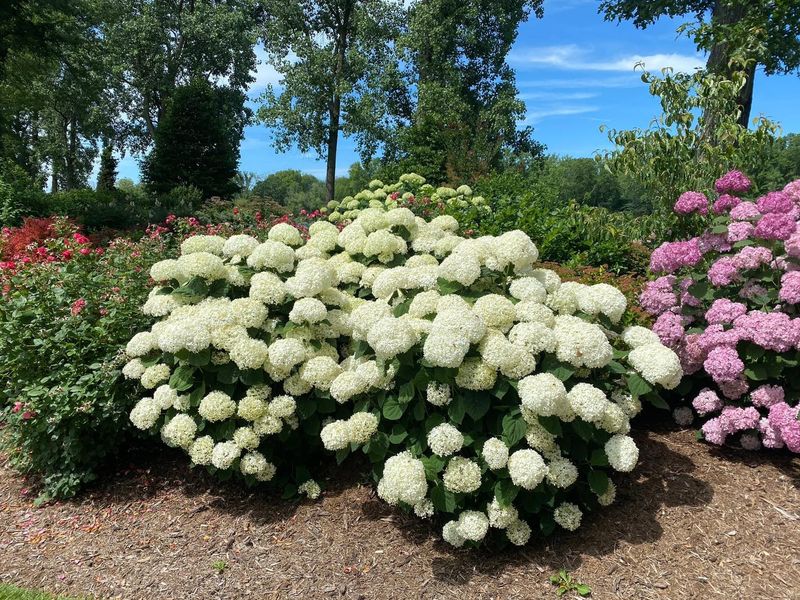
Plant breeders have been listening to frustrated gardeners. Over the years, they have worked hard to create hydrangeas that stay upright even after a good soaking. If you are tired of propping up floppy shrubs, a new variety might be the answer.
Incrediball is a great example. It is a smooth hydrangea like Annabelle, but it was bred to have thicker, stronger stems. The blooms are still huge, yet the plant holds them up much better after rain.
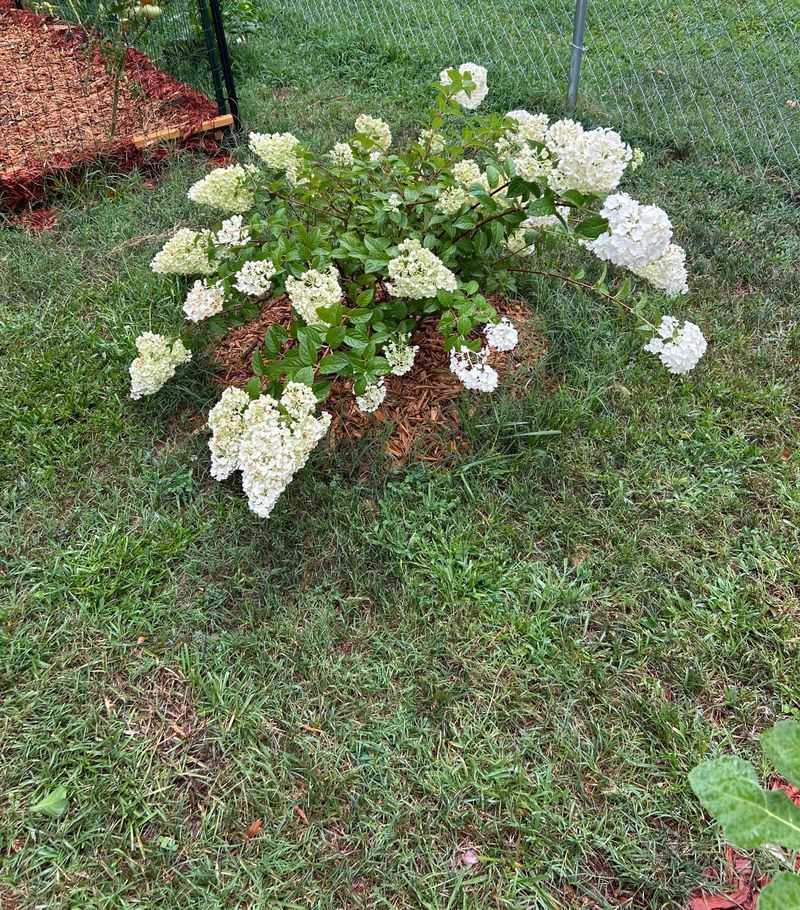
Panicle hydrangeas are another smart choice. Varieties like Limelight and Bobo grow sturdy, woody stems that keep their cone-shaped flowers pointed toward the sky.
They also handle more sun than many other types, which gives you extra planting options. When shopping, read plant tags and catalog descriptions carefully.
Words like strong stems, sturdy stems, or upright habit are good signs. Your local garden center staff can also point you toward varieties that perform well in your area.
Compact cultivars are worth a look too. Smaller plants usually carry smaller, lighter blooms, so there is less weight pulling the stems down. They fit nicely in tight spaces and containers as well.
Already in love with a floppy favorite? You do not have to give it up. Simply plant it where it can lean against a fence, a porch railing, or nearby shrubs for natural support.
North Carolina gardens see heavy rain in both summer and fall, thanks to thunderstorms and hurricane season. Picking tougher hydrangeas from the start means less cleanup after storms and more time simply enjoying your beautiful blooms.
7. Grow Stronger Stems Year Round
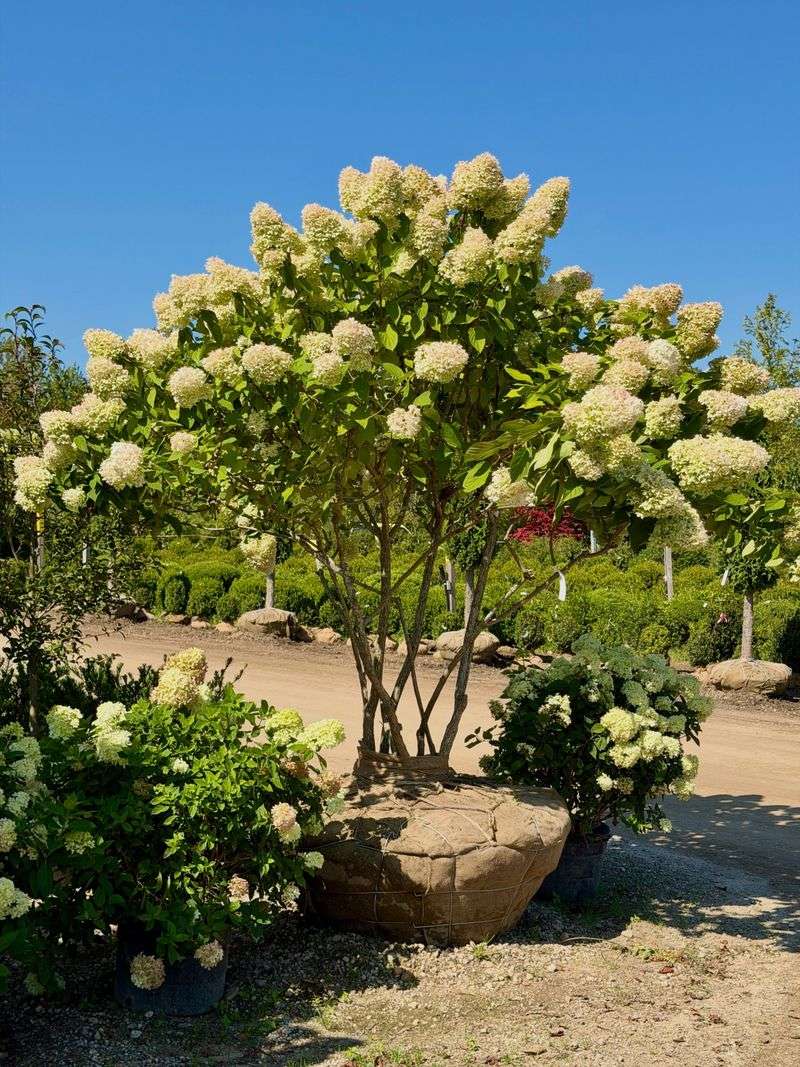
Strong stems do not happen by accident. The way you care for your hydrangeas every day makes a huge difference when the next big storm rolls in.
Weak, soft stems usually come from a few common habits. Plants grown in too much shade stretch toward the light and end up thin and floppy. Heavy doses of nitrogen fertilizer push lots of leafy growth that looks lush but bends easily.
Location is a great place to start. Most hydrangeas grow best with morning sun and afternoon shade. Gentle morning light builds sturdy stems, while afternoon shade protects the plant from harsh summer heat.
Fertilizer comes next. Skip the high-nitrogen products and choose a balanced, slow-release feed instead, or simply rely on good compost. A well-fed plant does not need to be an overfed one.
Pruning matters too, especially for smooth hydrangeas like Annabelle. Many people cut them all the way to the ground in late winter. Instead, try trimming stems back to about 18 to 24 inches tall.
Leaving that taller framework gives new growth something solid to build on. The older wood acts like a sturdy skeleton, helping the plant hold up its big summer blooms. Gardeners often see a real improvement in just one season.
North Carolina offers hydrangeas a long, warm growing season with plenty of rain. That means plants grow fast, sometimes too fast, and can become top-heavy without strong stems underneath.
Good daily habits keep your shrubs balanced, healthy, and ready to stand proud through every summer storm that comes your way.