Why New York Gardeners Are Rooting Coleus And Begonia Cuttings Instead Of Buying New
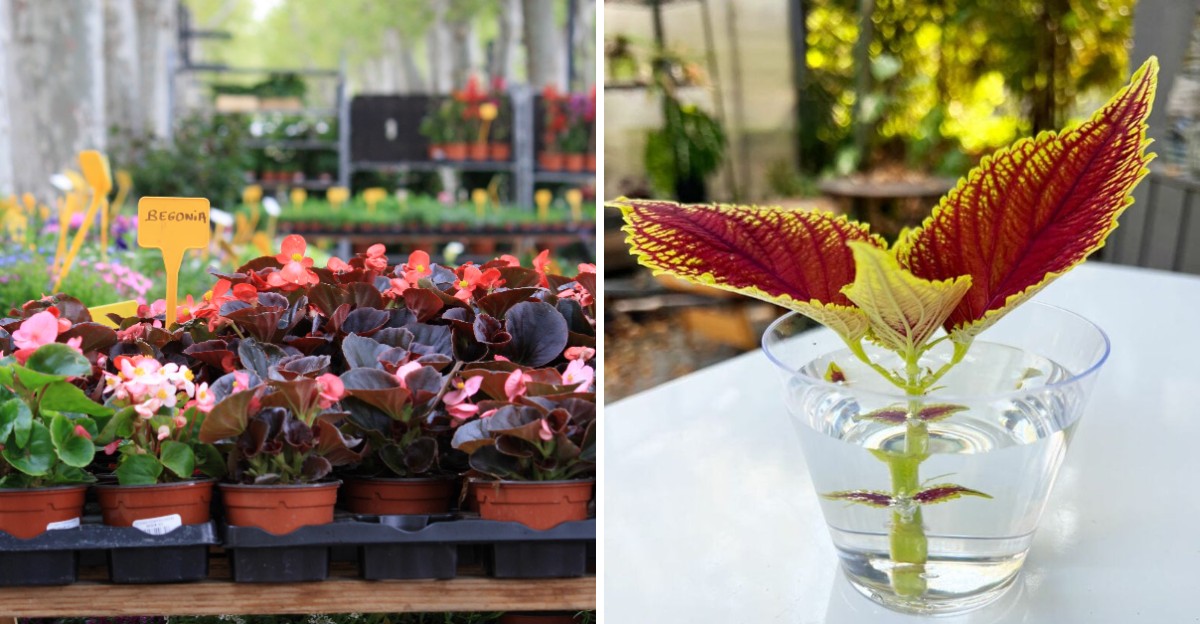
Frost can damage your tender coleus, and you can protect it this week. Grab scissors and snip stems just below a leaf node.
Strip the lower leaves so bare stem sits underwater. Tap water works fine, and a clear jar lets you spot roots forming.
You join gardeners across New York who fill windowsills with rooted begonias and coleus. Roots usually appear within a couple weeks, and white threads soon reach downward.
Pot them in fresh soil once roots reach an inch. Cats will claim the sunniest spot, so defend a corner for your cuttings.
Tender plants dislike cold nights, yet cuttings thrive indoors under your watch. Imagine a New York winter outside while your kitchen glows crimson and gold.
Spring arrives, and you hand free plants to envious neighbors. Budget stays intact because you already own all those plants.
1. Saving Big Money Before The First Frost
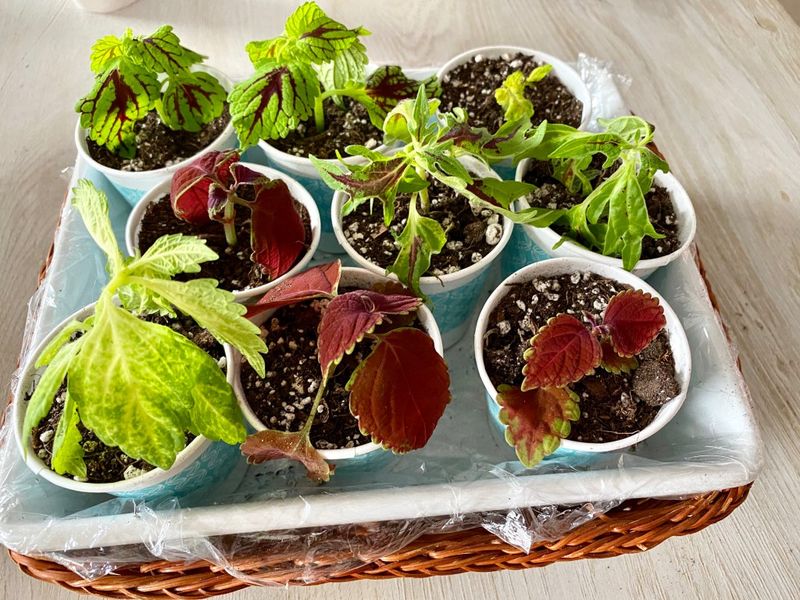
Picture a flat of coleus at a spring garden center, often priced near forty dollars or more. Now picture getting that same flat for the cost of a few paper cups.
That gap is one big reason so many New York gardeners grab their scissors in October. One healthy coleus can often give you ten or more cuttings before the cold arrives.
Begonias work the same way, especially wax and angel wing types. A single pot left on the porch can turn into a whole shelf of new plants by spring.
Supplies cost very little and you probably own most of them already. Clean scissors, small cups, potting mix, and a sunny window cover nearly everything you need.
Rooting hormone is nice to have, but coleus often roots just fine in plain water. Begonias root well in water too, though a light, airy mix works great as well.
Think about how fast the savings stack up over just a few years. Buying twenty annuals every May can cost a family about one hundred dollars or more yearly.
With cuttings, that money can go toward new pots, better soil, or a fun plant you have wanted. Check tags first, since patented varieties forbid propagation. Unpatented ones are welcome at local plant swaps.
Start now, before frost damages your containers on a cold October night. You will save real money when spring prices climb back up in May.
2. Keeping Favorite Colors Going All Winter Long
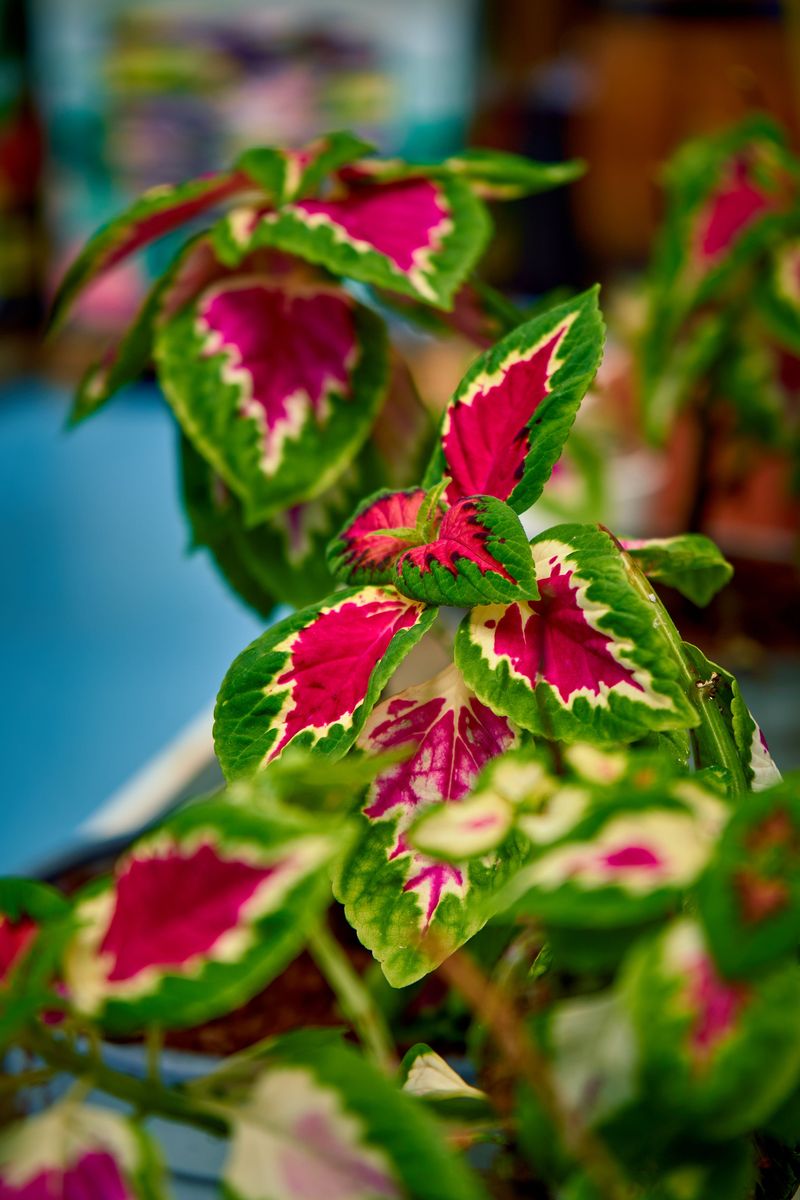
Some gardeners keep a single favorite coleus going for many years, one batch of cuttings at a time. That plant is really a long chain of cuttings, each taken in fall and rooted indoors.
Here is the charming part about rooting your own plants. You keep the exact leaf colors and patterns you fell in love with last summer.
Stores rotate their varieties every year, so that perfect coleus may not show up again. A pink and lime one you adored may simply not return to shelves next spring.
Cuttings are clones, which means each new plant matches its parent leaf for leaf. Your favorite speckled begonia stays just as speckled after it roots in your kitchen.
Your New York Garden Changes Every Week. Your Plan Should Too.
Gardening in New York changes quickly throughout the season. Every Friday you’ll receive a simple weekly plan showing exactly what to plant, prune, fertilize, harvest, and protect so you never miss the right timing.
Indoors, coleus colors can shift a bit in lower winter light. Give them a bright south or west window, and the reds and purples usually stay bold.
Pinch the tips every few weeks to keep plants bushy instead of tall and floppy. Those pinched tips can root too, so you get bonus plants without even trying.
Begonias bring something extra to the winter windowsill, because many keep blooming indoors. Wax begonias can flower through winter with bright light or grow lights.
Seeing pink flowers in January feels like a small victory against gray New York skies. Your summer garden basically moves inside and keeps the party going until spring.
3. Beating The Short New York Growing Season
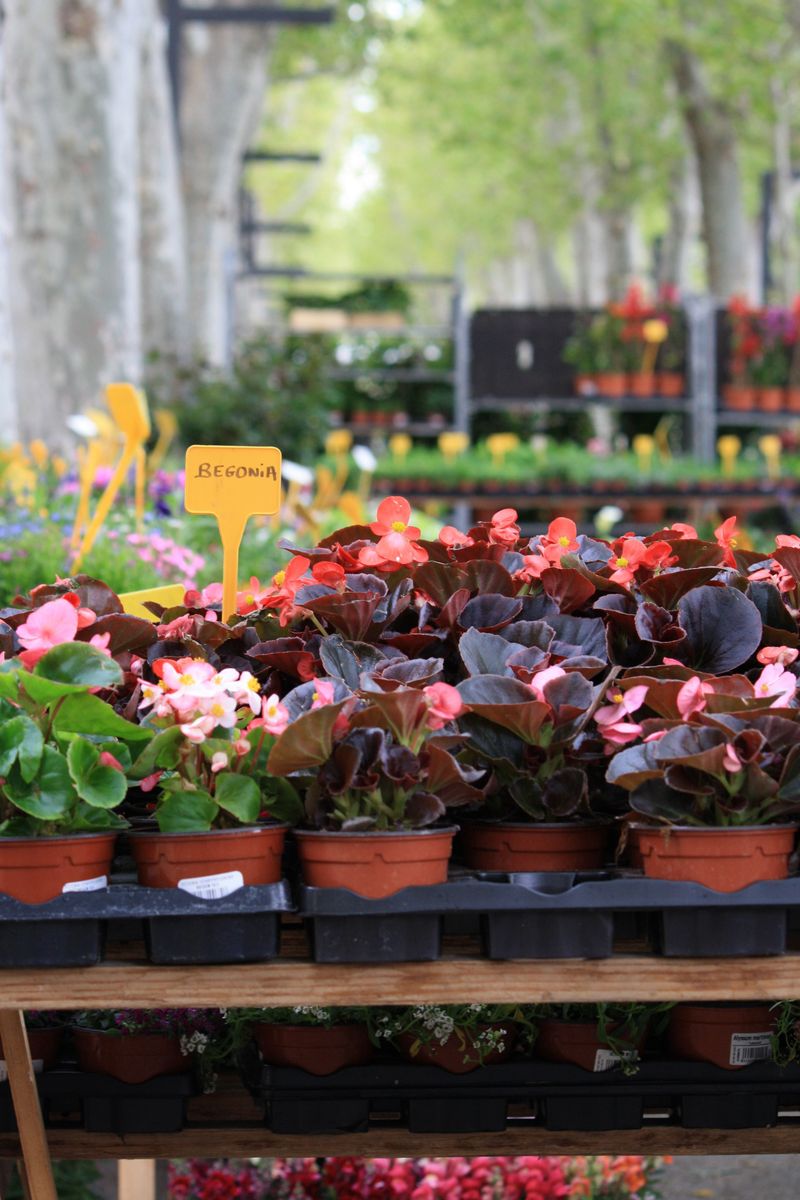
Gardening in New York comes with a short growing season, as locals know. Frost can show up in late September upstate and by late November in the city.
Spring is not much better, since many areas stay chilly until mid or late May. That leaves summer annuals only a few warm months to show off.
Rooting cuttings in fall gives you a solid head start on the next season. By May, your indoor plants are already large, leafy, and ready to go outside.
Store bought starters are often small and need weeks to fill a container. Your overwintered plants can look full and lush right after planting day.
Coleus and begonias are both sensitive to cold, so timing matters here. Take cuttings when nights start dipping below fifty degrees, not after the first freeze hits.
Cold can turn coleus leaves dark and soft within days. Begonia stems can go soft too, so do not wait for that first frosty warning.
In spring, harden off your plants before moving them outdoors for good. Set them outside a few hours a day for about a week to adjust.
Start in shade, then slowly give them more sun as the days pass. This simple step prevents leaf scorch and helps plants settle in faster.
Gardeners who try this often say their containers look noticeably fuller than their neighbors’ containers by late spring.
4. Turning One Plant Into A Whole Dozen
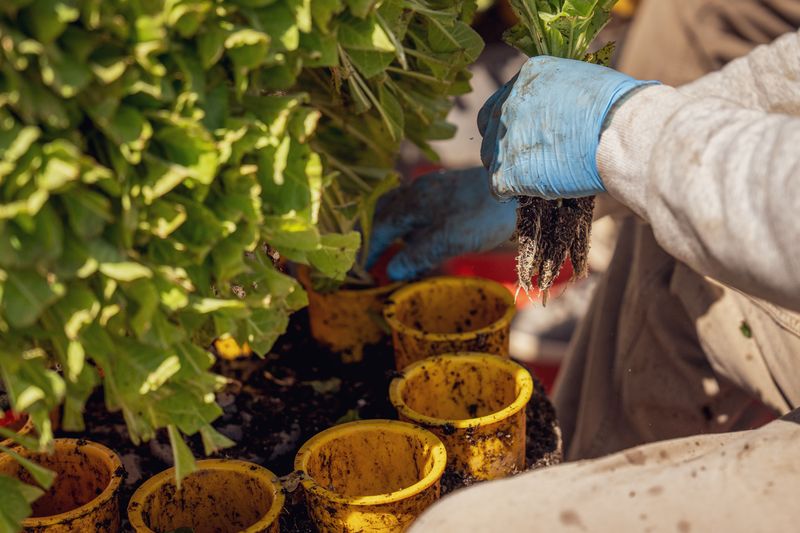
Ready for a little garden math that adds up fast? One mature coleus can often yield a dozen cuttings in one afternoon.
Each stem with a few leaf pairs can become its own plant. Snip about four to six inches long, just below a leaf node.
A node is the small bump where leaves join the stem. Roots grow best from that spot, so it is the key to success.
Remove the lower leaves so nothing sits underwater and rots. Keep two or three leaves at the top to feed the cutting while it roots.
Coleus usually shows white roots in about one to two weeks. Begonias can be a bit slower, often taking two to four weeks.
Fun fact: rex begonias can even grow from a single leaf. Gardeners nick the veins, pin the leaf on damp soil, and get babies. Angel wing begonias need stem cuttings.
Once roots reach about an inch long, move cuttings into small pots of fresh mix. Water gently and keep them out of harsh, direct afternoon sun for a few days.
After a month or two, those babies can give you even more cuttings. That means one porch plant in October can become a full shelf by March.
Plenty of gardeners laugh about running out of windowsills before running out of plants. Honestly, that is a pretty happy problem to have in the middle of winter.
5. Skipping The Crowded Spring Garden Center Rush

Anyone who has visited a garden center on Mother’s Day weekend knows the crowds. Carts bump, parking lots fill, and popular plants can sell out early.
Growing your own cuttings lets you skip those crowds this spring. Your plants are already waiting at home while everyone else hunts for parking.
Supply can also be unpredictable from year to year. Some popular coleus varieties sell out fast, and certain begonias can be hard to find.
When you root your own, you depend much less on shipping schedules or on shelf stock levels. Your favorite varieties stay in your hands year after year.
Quality is another quiet bonus that many gardeners notice. Store plants sometimes arrive stressed, rootbound, or carrying tiny pests like aphids or mealybugs.
Your homegrown cuttings come from plants you already know. You watched them grow all summer, though outdoor plants can still carry pests, so inspect them closely.
Still, check cuttings closely before bringing them inside in October. Rinse leaves under lukewarm water, then treat any infestation before bringing plants indoors.
Look under leaves for white fuzz, sticky spots, or tiny crawling dots. Catching problems early keeps your whole indoor collection healthy through winter.
Of course, visiting a garden center can still be fun. The difference is that you can browse for treats instead of rushing to replace everything.
6. Brightening Small City Apartments With Living Color
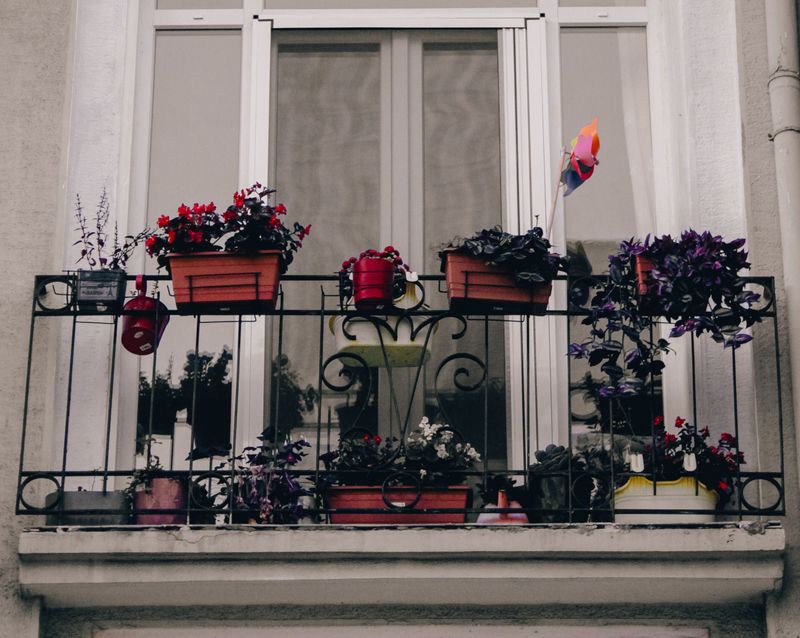
Studio apartments in Manhattan are not famous for their yards. Yet walk past a few brownstone windows in fall, and you might spot little jars of rooting stems.
City gardeners love cuttings because they take up almost no space. A row of small glasses fits on even the narrowest windowsill or radiator shelf.
Just keep cuttings off a hot radiator, since too much heat dries them fast. A nearby shelf with good light works much better for steady growth.
Coleus adds bold splashes of red, gold, and purple to plain white walls. Begonias bring glossy leaves, polka dots, and soft winter flowers to the mix.
Winter air in city apartments gets very dry once the heat clicks on. Grouping plants together helps raise humidity around their leaves a little.
A tray of pebbles and water under the pots helps slightly. Just make sure the pot bottoms sit above the water line, not in it.
Many renters say indoor plants make long, gray winters feel more cheerful. Caring for something green each morning can be a calming little habit.
Balconies in summer, sunny windowsills in winter, and repeat each year. That simple cycle lets apartment dwellers garden without owning a single patch of dirt.
Best of all, few landlords object to a handful of pretty pots. Your neighbors might even ask for a cutting of their own.
7. Sharing Rooted Cuttings With Neighbors And Friends
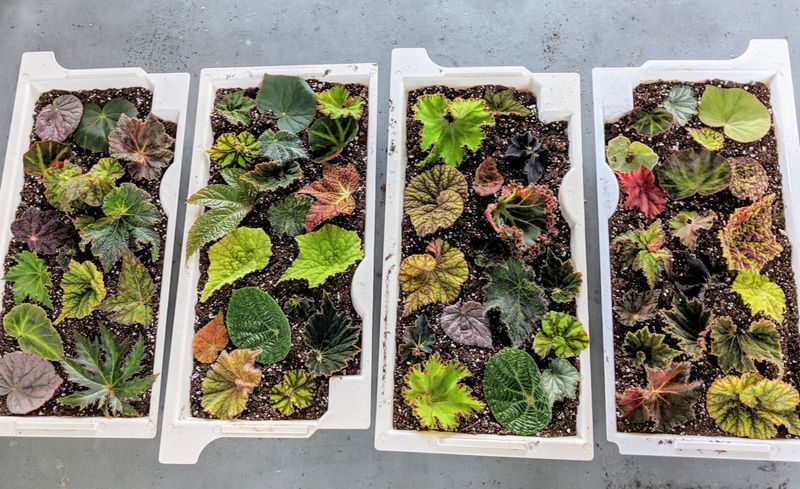
Grandmothers used to wrap begonia stems in damp newspaper and hand them out at church. That old tradition is returning in many New York communities in a new way.
Plant swaps now pop up in libraries, community gardens, and neighborhood parks. People bring extra cuttings and leave with something fresh and exciting.
Online groups make sharing even easier these days. Local gardeners post photos, set up porch pickups, and trade varieties within a few blocks.
Giving away cuttings costs you almost nothing, which makes generosity easy. A jar of rooted coleus makes a sweet hostess gift or thank you present.
Kids love joining in, too, because rooting plants feels like a science project. Watching tiny white roots appear in a glass is a genuinely rewarding moment.
Sharing also protects favorite plants from disappearing. If your own coleus fails, a friend might hand a cutting right back to you.
Many families pass down the same begonia for decades this way. One plant can carry memories of a parent, a grandparent, or an old neighbor.
Label your cuttings with the plant name and simple care tips before sharing. A small note helps beginners feel confident instead of nervous.
Every cutting you share builds a little more community on your street. Somehow, a few green stems can turn strangers into friendly neighbors.
8. Learning An Easy Skill That Keeps Paying Off
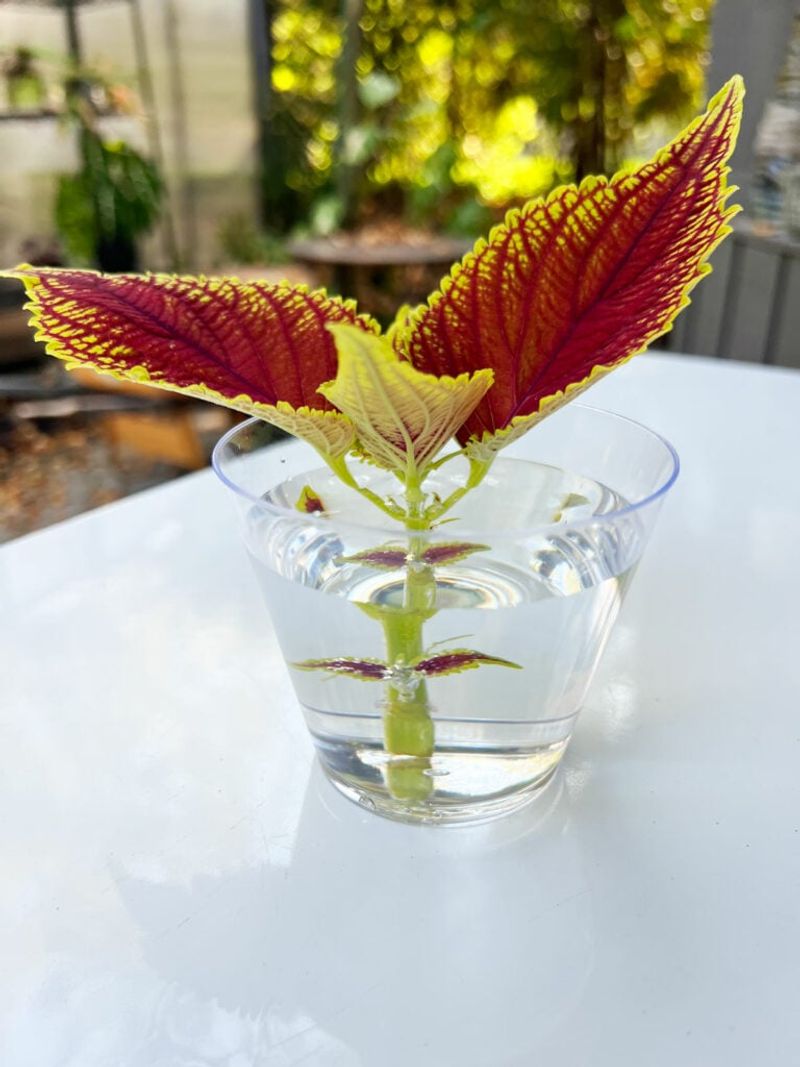
Many gardeners will happily admit that their very first cutting was a simple experiment. They snipped a stem, placed it in water, and were surprised when roots appeared.
Rooting coleus is one of the friendliest skills a beginner can learn. Success comes quickly, which keeps new gardeners excited instead of frustrated.
Begonias teach a little patience, since they move at a slower pace. Still, the reward of new roots feels extra satisfying after waiting a few weeks.
Once you understand nodes, moisture, and light, many other plants open up. Pothos, mint, and basil root in water, while geraniums usually prefer soil.
Keep your tools clean to avoid spreading problems between plants. A quick wipe with rubbing alcohol on your scissors does the job nicely.
Change the water every few days so it stays fresh and clear. Cloudy water can lead to slimy stems, so swap it out often.
If a cutting turns mushy, toss it and try another stem. Even experienced gardeners lose a few, and that is perfectly normal.
Over time, you will start spotting good cutting material everywhere. A leggy coleus stops looking messy and starts looking like free plants.
October is a good month to practice before frost arrives. Grab some jars this weekend, and let your windowsill become your new favorite classroom.