What Florida Mandevilla Needs Before The First Cool Nights
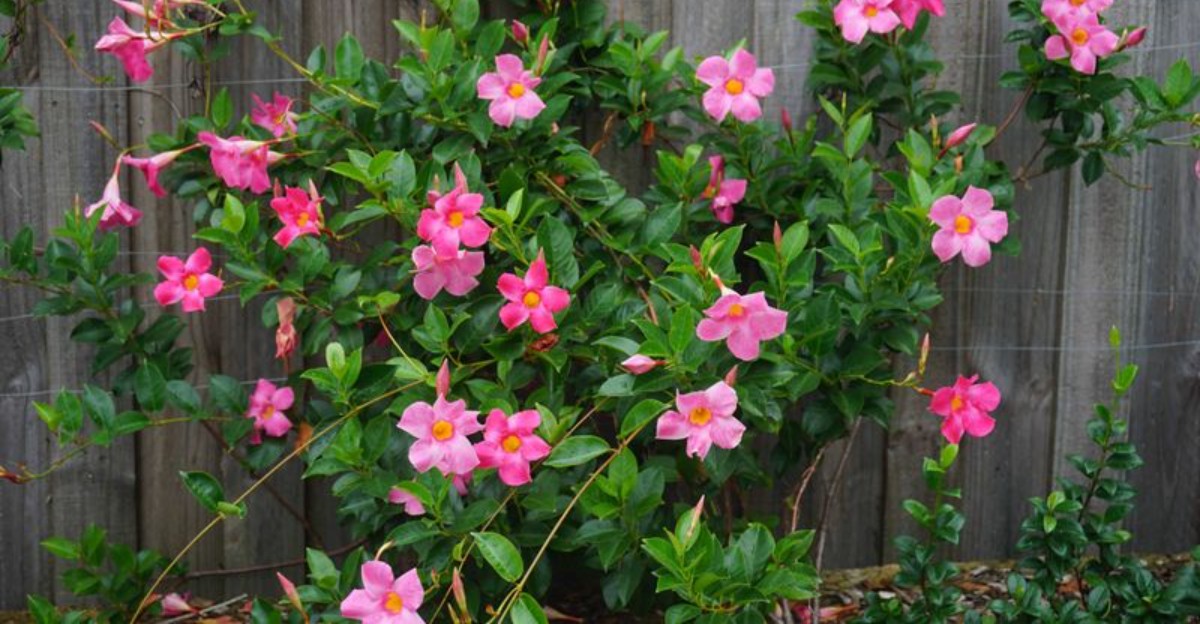
Mandevilla looks unstoppable all summer. Then one cool night arrives and the party ends fast.
Your Florida vine has bloomed hard for months, so it’s easy to assume nothing needs to change. That assumption catches plenty of gardeners flat-footed.
The plant’s needs shift well before the temperature does.
A short list of small moves separates a vine that sails into winter from one that sulks until spring. None of them take long.
All of them work best early.
Don’t wait for the forecast to force your hand. A little prep now makes those last-minute cold-night scrambles much easier.
1. Freezing Temperatures Can Strip Mandevilla Back
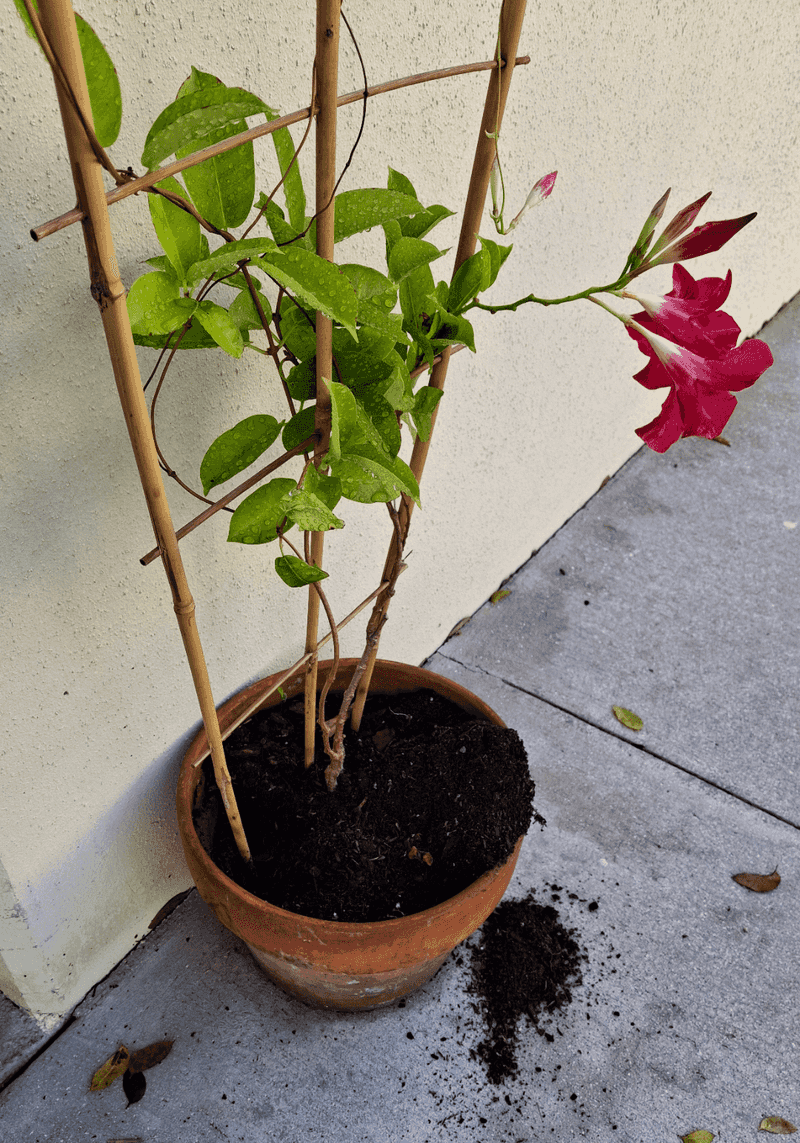
Picture a vine covered in bright pink trumpets on Monday, then slumped and blackened by Wednesday morning. That sad scene happens fast when frost sneaks into North or Central Florida.
Mandevilla comes from warm tropical forests, so its glossy leaves hold lots of water and very little cold armor. Once temperatures slip below about 60 degrees, the plant starts to sulk and slow its growth.
Nights under 50 degrees bring real stress, and you may notice yellow leaves or dropped buds. A true freeze can turn soft stems mushy and strip the whole vine right back to its roots.
The good news is that roots tucked in warm soil can sometimes push out fresh shoots in spring. Older, well-established plants in the ground have the best odds of bouncing back after a chilly spell.
Keep a weather app handy from November through February, and set an alert for lows near 40 degrees. That small habit gives you a full day to cover, move, or water your plant before trouble arrives.
Watering the soil a day ahead helps too, since moist ground holds and releases more warmth overnight than dry dirt. Think of it as tucking a warm water bottle under the vine’s feet on a cold night.
2. South Florida Vines Can Bloom Year-Round
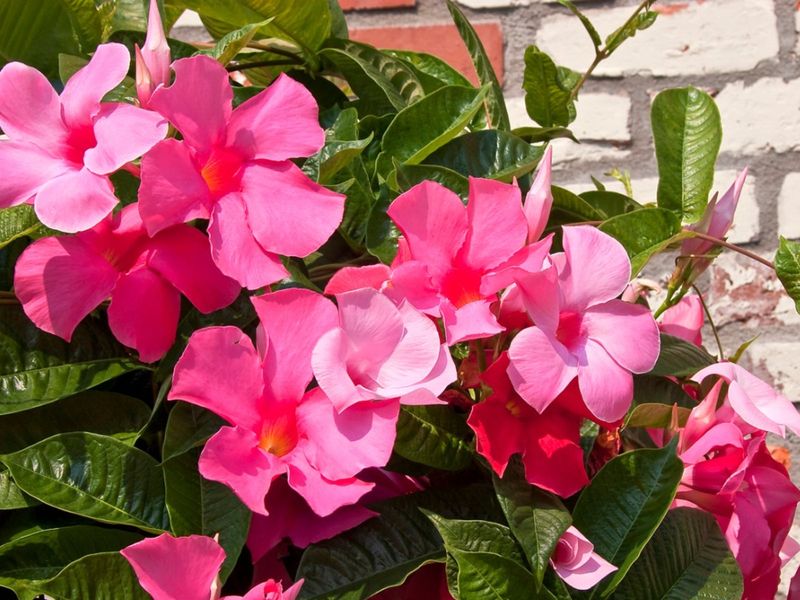
Lucky you, Miami. While friends up north are shivering in December, your mailbox vine might still be wearing a full crown of red flowers.
South Florida sits in USDA Zones 10 and 11, where frost is a rare visitor. In that steady warmth, mandevilla can keep pushing out new blooms for most of the year.
Even so, a quieter season does happen. Shorter days and slightly cooler nights can slow flowering a bit, and that is perfectly normal behavior.
Here is a fun fact for your next garden chat. Mandevilla is named after Henry Mandeville, a British diplomat who sent the plant home from Argentina in the 1800s.
To keep the show going, give your vine at least six hours of sun and steady, well-drained soil. Water when the top inch feels dry, and ease off a little during cooler, drier winter weeks.
Keep an eye on rare cold fronts, though, because South region can still dip into the 40s now and then. A light sheet tossed over the vine on those odd nights is cheap insurance for your flowers.
Your Florida Garden Changes Every Week. Your Plan Should Too.
Gardening in Florida changes quickly throughout the season. Every Friday you’ll receive a simple weekly plan showing exactly what to plant, prune, fertilize, harvest, and protect so you never miss the right timing.
Trim only stray stems that wander off the trellis. Your vine will reward that light touch with a long, cheerful parade of blossoms right through the holidays.
3. Move Potted Mandevilla Inside In Colder Areas
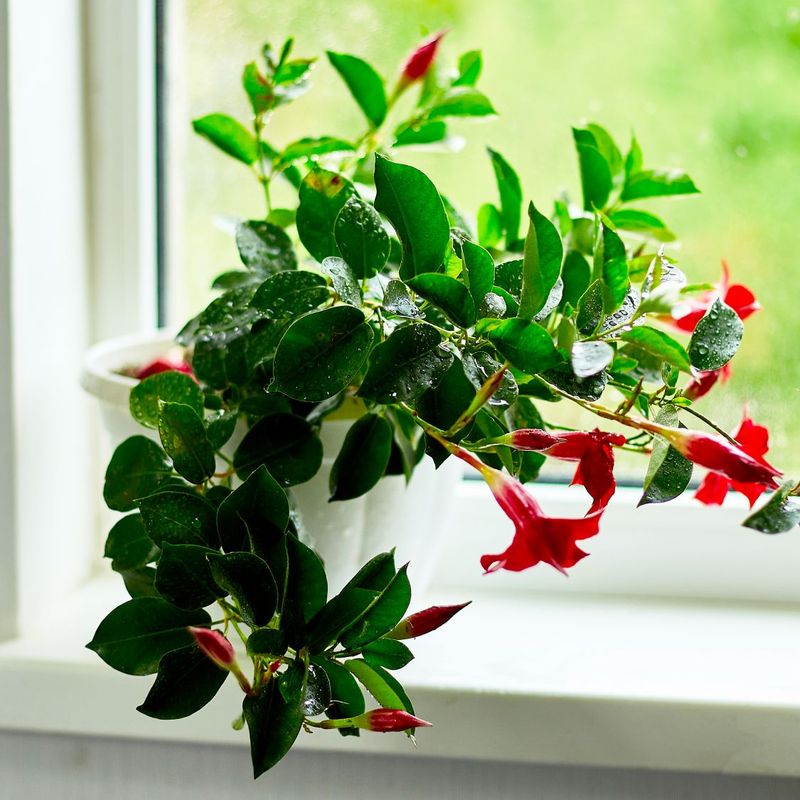
Think of it as inviting a tropical houseguest for the winter. If you garden in the Panhandle or anywhere near Zone 8, your potted mandevilla will thank you for the warm bedroom.
The best time to move it is before nights stay below 60 degrees. Waiting until the first frost often means stressed leaves and a slower recovery later.
Pick the brightest spot you have, such as a south or west window. Bright indirect light also works if a sunny window is already full of other plants.
Aim for indoor temperatures between about 60 and 70 degrees. Keep the pot away from heating vents, drafty doors, and chilly glass that can cool the leaves overnight.
Your vine will slow down indoors, so it needs much less water than it did in July. Let the top inch or two of soil dry before watering, and empty any saucer so roots stay healthy.
Some leaves may yellow and drop during the first couple of weeks. That is simply the plant adjusting to lower light, so stay patient and resist the urge to fuss.
A small tray of pebbles and water nearby adds humidity that dry indoor air lacks. Once spring warmth returns, move the pot back outside slowly over a week.
4. Treat In-Ground Vines As Annuals In Colder Areas
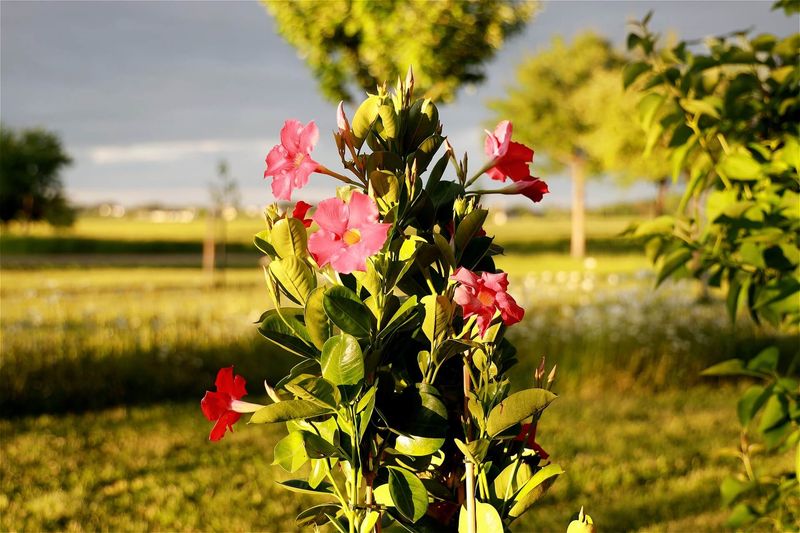
Sometimes the smartest gardening move is a little letting go. Gardeners in Tallahassee, Pensacola, and other chilly spots often enjoy mandevilla for one glorious season and then start fresh.
In areas where winter nights regularly fall below 50 degrees, in-ground vines struggle. Digging up a big, rooted vine is hard work, and many plants sulk after the move.
Treating the vine like an annual removes that stress. You get months of color from spring through fall, then simply plant a new one when warm weather returns.
Budget-friendly tip here. Smaller starter plants in spring cost far less than large trellised ones and catch up quickly once the soil warms.
If you feel adventurous, leave the roots in place and pile a thick layer of mulch over them before winter. In milder years, fresh shoots may surprise you by poking up in April.
Another clever trick is taking cuttings in late summer. Root four to six inch stem pieces in moist potting mix indoors, and you will have free plants ready by spring.
Keep notes on when frost arrived and when your new vine went in the ground. Over a few seasons, that little journal becomes your own local planting calendar.
5. Stop Fertilizing As Fall Cools Down
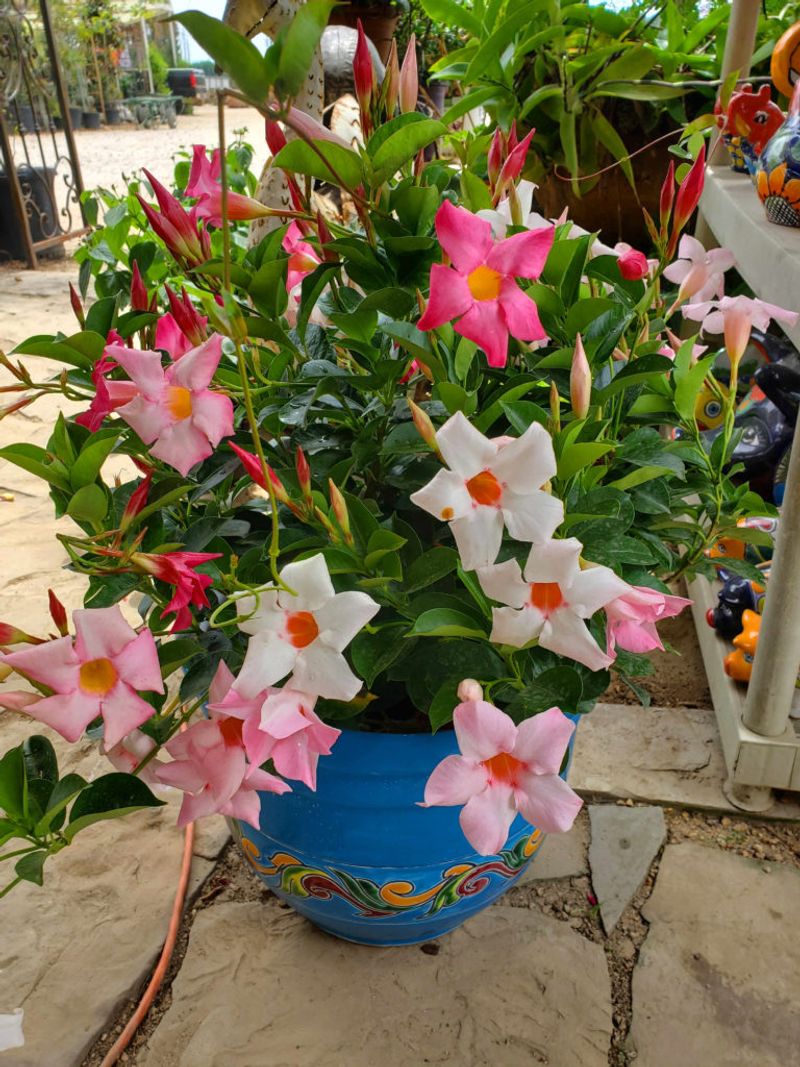
Imagine handing someone a giant energy drink right before bedtime. Feeding mandevilla in late fall works a lot like that, and the results are just as messy.
Fertilizer tells the plant to push out soft, tender new growth. Those fresh shoots are the first to suffer when cool nights roll in.
Stop feeding in early fall, around late September or October for most of Florida. If you plan to bring a pot indoors, stop in late summer so it can slow down gently.
Without that extra boost, the vine naturally firms up its existing stems. Tougher stems handle chilly air far better than floppy new tips do.
Leftover fertilizer can stay in a dry, sealed container until spring. Store it on a high shelf, away from kids, pets, and garage moisture.
Once daytime temperatures climb and new leaves appear in March or April, start feeding again. A balanced, slow-release fertilizer or a bloom booster with extra phosphorus works nicely.
South Florida gardeners can follow a lighter version of this plan. Cut feeding back by about half in winter, since growth slows even in warm areas, and save the full schedule for the long, steamy months.
6. Save Major Pruning For Spring
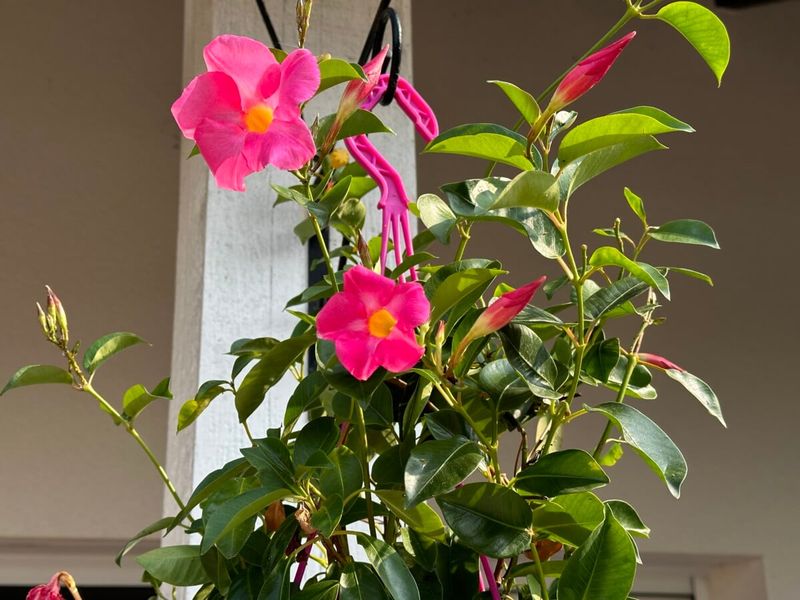
Those pruning shears can wait a few more months. It is tempting to tidy up a scraggly vine in November, but heavy cuts now can backfire.
Pruning sends a wake-up signal that encourages new shoots. Fresh growth in fall has little time to toughen before cold nights arrive.
Late winter or early spring is the sweet spot for big trims. Mandevilla blooms on new growth, so a spring haircut sets up a summer packed with flowers.
Light shaping is fine during the growing season. Snip off wandering tendrils or messy tips to keep the vine looking neat on its trellis.
Potted plants heading indoors are a slight exception. You can trim enough to fit your space, and some gardeners cut back by about half to make moving easier.
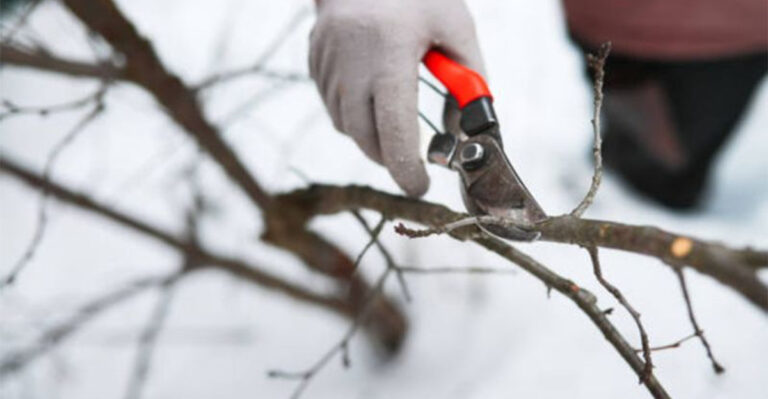
Use clean, sharp bypass pruners and cut just above a leaf node. Wear gloves too, since the milky sap can irritate skin and leave your fingers sticky.
When spring arrives, remove weak, tangled, or damaged stems first. Then shape the rest, keeping strong main stems that will carry this year’s flowers up the support with plenty of energy.
7. Group Pots Against A Sheltered Wall
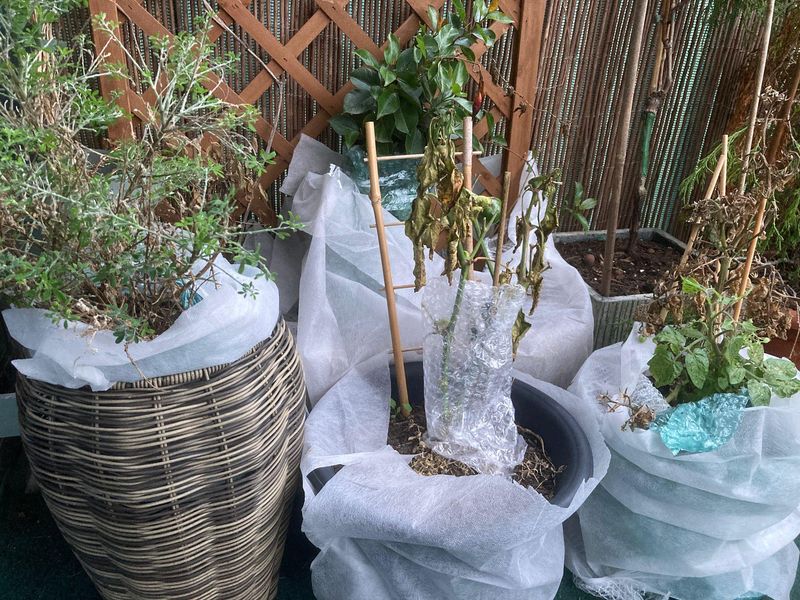
Plants, like penguins, stay warmer in a huddle. Clustering your potted mandevilla together on a cold night creates a cozy little pocket of shared warmth.
A south or west facing wall soaks up sunshine all afternoon. After sunset, that stored heat slowly radiates back out onto anything nearby.
Slide your pots right up against the wall, under an eave or porch roof if possible. Overhead cover blocks frost from settling directly onto the leaves.
Place the tallest or toughest plants on the outside of the group. Tuck the most delicate pots in the middle, where they get the best protection.
A plant dolly or wheeled caddy makes this chore far easier on your back. Big ceramic pots get heavy fast, especially after a good watering.
Water the soil earlier in the day before a cold night. Damp soil holds heat better, and a layer of mulch on top adds an extra cozy blanket.
Once warm weather returns, spread the pots back out into full sun. Crowded plants can trap humidity, and good airflow helps keep fungus and pests from moving in during long spells together.
8. Drape Covers All The Way To The Ground
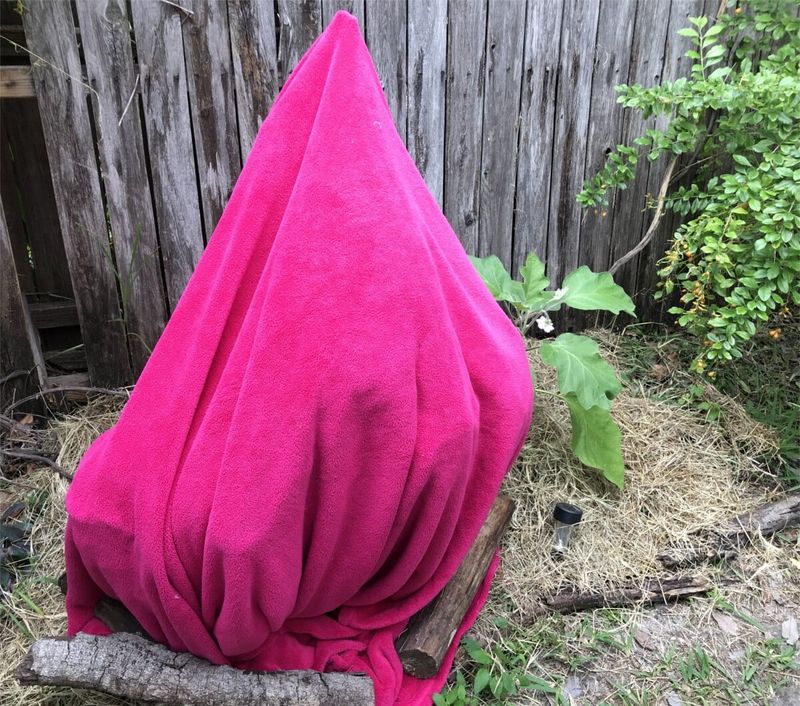
Here is the secret most people miss. A frost cover works best when it touches the ground, not when it sits on top like a hat.
The soil releases warmth overnight. A cover that reaches all the way down traps that heat around the plant like a tent.
Frost cloth, old bedsheets, or light blankets all work well. Drape them loosely over a trellis or stakes so the fabric does not crush the leaves.
Hold the edges down with bricks, rocks, or garden staples. A loose edge can flap open in the wind and let all that saved warmth escape.
Skip wrapping plants tightly in plastic, though. Plastic traps moisture against leaves and can lead to rot and mold, and it chills fast where it touches foliage.
For bonus warmth, string old-style incandescent holiday lights under the cover. Those little bulbs give off gentle heat, while newer LED lights stay too cool to help.
Remove the cover the next morning once temperatures climb above freezing. Leaving it on through a sunny day can overheat the plant and block the light it needs to recover and grow.
9. Check For Scale And Mealybugs Before Bringing It In
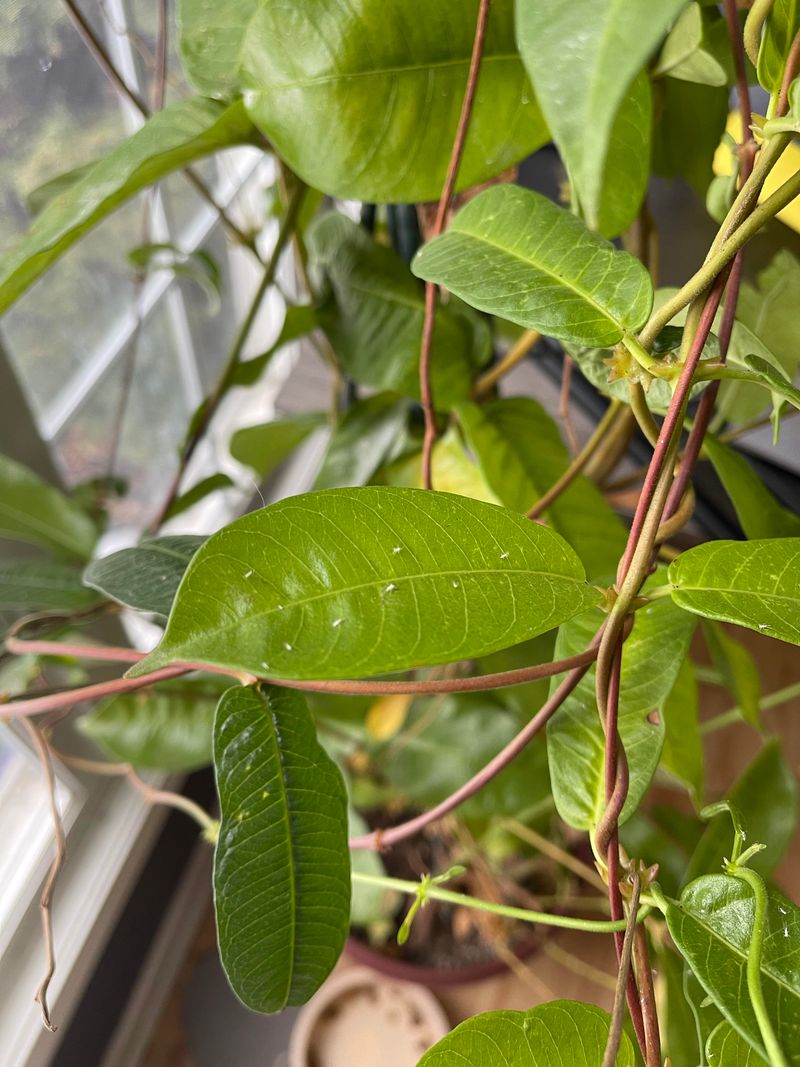
Nobody wants surprise roommates for the winter. Bugs hiding on your mandevilla can quickly spread to every houseplant you own once they get inside.
Mealybugs look like tiny bits of white cotton tucked where leaves meet stems. Scale insects appear as small brown or tan bumps that stick tightly to stems and leaf veins.
Spider mites and whiteflies are worth hunting for too. Fine webbing or clouds of tiny white flyers when you shake the vine are clear warning signs.
Grab a magnifying glass and check the undersides of leaves carefully. Sticky, shiny spots on leaves often mean sap-sucking pests are nearby.
If you find trouble, treat the plant outside first. Insecticidal soap or neem oil works well, and a cotton swab dipped in rubbing alcohol removes stubborn mealybugs.
Spray in the cooler morning or evening hours, covering both sides of the leaves. Repeat every week or so until the pests are gone, since eggs can hatch later.
A gentle shower with the hose before moving the plant also helps. Keep the pot apart from other houseplants for about two weeks so any hidden hitchhikers show themselves before they can spread.