Why Florida Gardeners Are Removing These Front Yard Plants Before Summer Hits
Summer in Florida doesn’t ease in gradually. It arrives like a sledgehammer, and your front yard takes the first hit.
Something interesting happens to certain plants once the heat and humidity team up. The ones that looked perfectly manageable all winter suddenly shift into another gear entirely.
Spreading into spaces they were never invited to. Looking worse by the week.
Demanding more water, more trimming, more patience than most homeowners actually have on a sweaty Saturday morning. What was charming in March becomes a chore by June.
Smart gardeners have started getting ahead of it, pulling those plants out before Florida summer exposes them for what they really are. Not because the plants are bad, but because the timing and the climate just don’t add up.
A little ruthlessness in May saves a lot of heartbreak in August.
1. Mexican Petunia Spreads Faster Once Summer Rain Starts
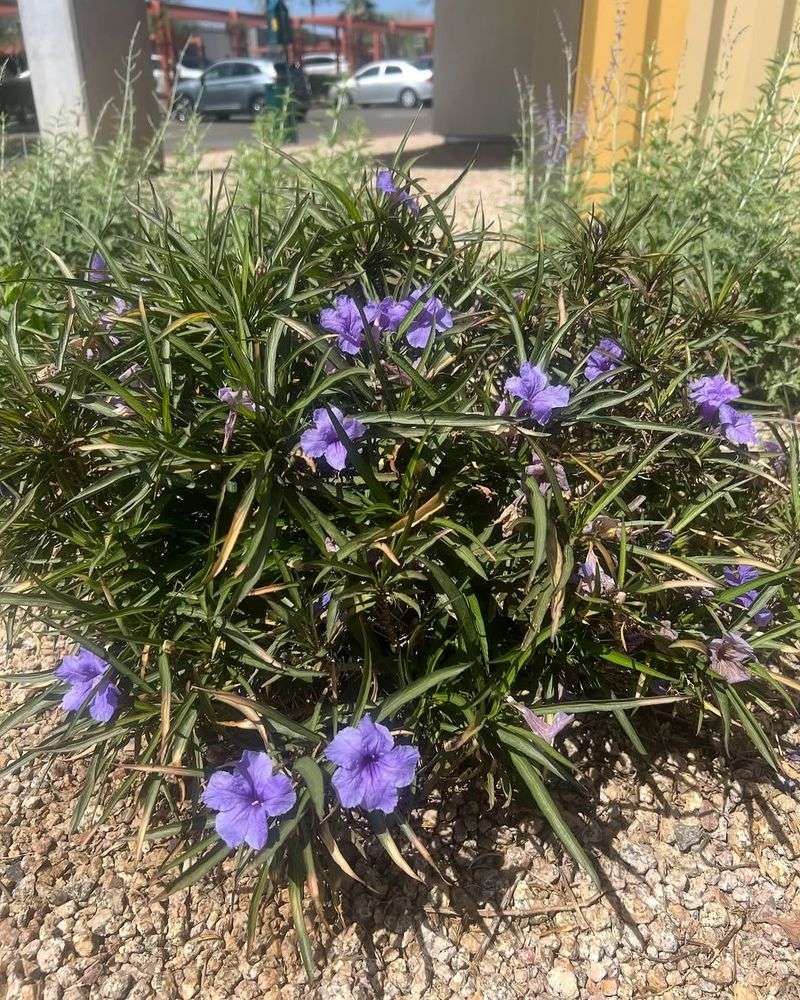
Summer rain changes everything for Mexican petunia. What looks like a manageable, colorful border plant in spring can become a sprawling problem once the rainy season kicks in.
This plant spreads through both seeds and underground rhizomes. Warm, wet conditions are exactly what it needs to move fast across a front bed, sidewalk edge, or lawn border.
The most common form, Ruellia simplex, is listed as invasive in Florida by the Florida Invasive Species Council. It has also received a high invasion risk score from the UF/IFAS Assessment of Non-Native Plants.
It has naturalized in wetlands, roadsides, and disturbed areas across much of the state. Front yards near drainage areas, retention ponds, or natural spaces carry higher risk because seeds can travel with water.
Gardeners who notice it spreading beyond intended beds are encouraged to remove it before summer growth accelerates. Removing the entire root system matters because broken rhizome pieces left in soil can resprout.
Bagging plant material rather than composting it helps prevent accidental spread.
UF/IFAS does recognize that sterile cultivars exist, including some bred to produce little or no viable seed.
If you enjoy the look and want to keep something similar, checking with your local Extension office about currently approved, lower-risk options is a reasonable step.
Not every cultivar carries the same risk, but the standard purple-flowered form sold widely at garden centers remains the problematic one.
For front beds near natural areas, replacing Mexican petunia with native or Florida-Friendly alternatives is often the most responsible long-term choice. Summer rain can make the spread much harder to manage.
2. Oyster Plant Crowds Front Beds In Warm Weather
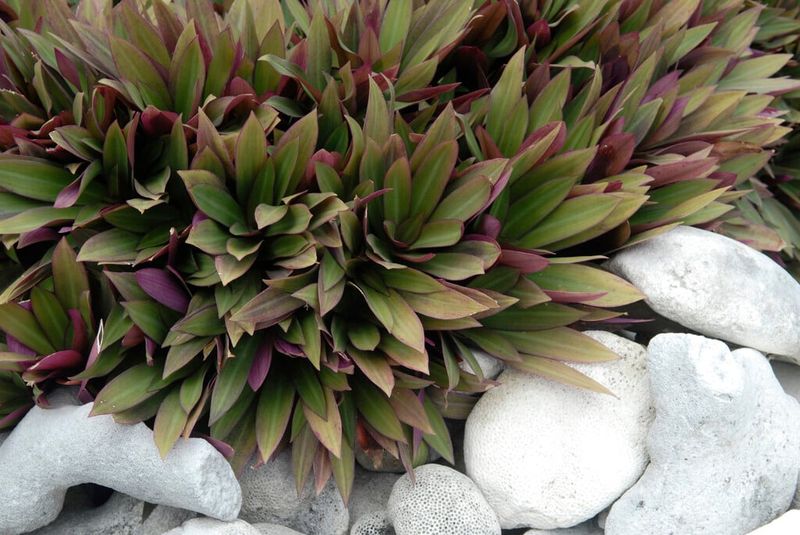
A crowded front bed can lose its shape quickly when one plant takes over, and oyster plant has a reputation for doing exactly that. Known botanically as Tradescantia spathacea, this bold, striped groundcover is a familiar sight in older landscapes.
Its purple undersides and sword-shaped leaves make it visually striking, but that appeal comes with a trade-off once temperatures rise.
Oyster plant is listed as a Category I invasive species by the Florida Invasive Species Council. That means it has been documented as disrupting native plant communities in this state.
Your Florida Garden Changes Every Week. Your Plan Should Too.
Gardening in Florida changes quickly throughout the season. Every Friday you’ll receive a simple weekly plan showing exactly what to plant, prune, fertilize, harvest, and protect so you never miss the right timing.
It spreads by stem fragments and seeds, and warm, humid conditions help it establish quickly in both cultivated beds and natural areas. Dense clumps can shade out smaller plants and creep beyond their original space with little encouragement.
Many gardeners are choosing to remove it before summer growth pushes it further into walkways, lawn edges, or neighboring plantings. The removal process itself requires some care.
Stem pieces that break off during pulling can root if left on moist soil. Collecting all plant material and bagging it for disposal is strongly recommended instead of leaving it on the ground or composting it.
If oyster plant is already well-established in a bed near a natural area, stream, or preserve, removal becomes more urgent. Its spread in those settings has documented impacts on native groundcover species.
Gardeners who like a bold, low-growing texture in their front beds have several Florida-Friendly native alternatives. These provide similar visual interest without the same risk of crowding out everything around them over a single summer.
3. Asparagus Fern Gets Harder To Remove As It Thickens
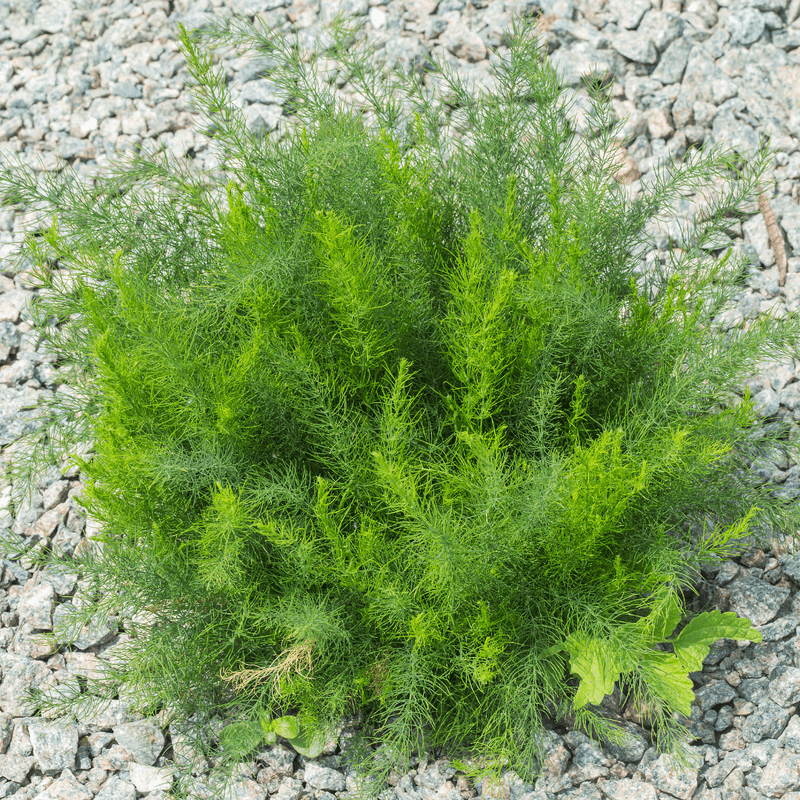
Thick roots make removal harder with time, and asparagus fern is one of the clearest examples of that in a local front yard.
What starts as a soft, feathery accent plant can develop into a dense, tangled mass with tuberous roots that grip the soil tightly.
The longer it stays in place, the more effort it takes to get out cleanly.
Asparagus aethiopicus, one of the most common ornamental forms, is listed as a Category I invasive species by the Florida Invasive Species Council.
Birds spread its bright red berries, which means new plants can appear beyond your property line with no help from you.
Warm, rainy summer conditions encourage fast growth and berry production, so waiting until after the season starts often means a bigger removal job.
Removing asparagus fern before summer arrives gives you softer soil and cooler working conditions. Digging out the tuberous roots completely is important because leaving pieces behind allows regrowth.
Wearing gloves is also worth mentioning since the small spines on the stems can scratch skin during removal.
Disposal matters as much as removal. Bagging all plant material, including berries, stems, and root pieces, and placing it in the trash rather than the compost pile helps prevent spread.
Dropping plant debris near a natural area, pond edge, or wooded lot is how many invasive plants travel beyond garden beds.
UF/IFAS Extension and Florida-Friendly Landscaping guidance both point gardeners toward native ferns and other low-growing Florida-adapted groundcovers.
These responsible replacements offer similar soft texture without the invasive risk that builds season after season.
4. Indian Hawthorn Struggles When Humidity Brings Leaf Spot
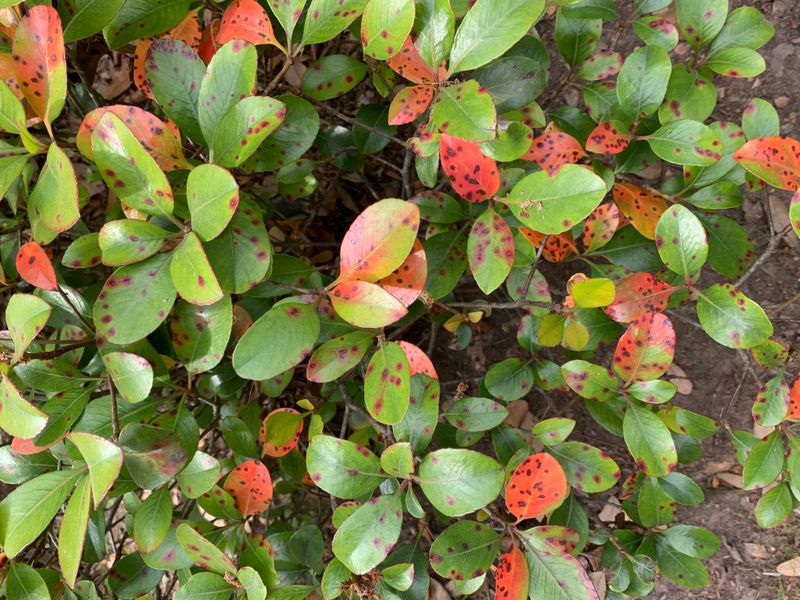
Humidity often exposes the weakest shrub in the row, and Indian hawthorn is one that shows its stress early. This compact, low-growing shrub has been a staple of foundation beds for decades.
Its tidy form and spring blooms made it popular. But its performance in humid, rainy conditions has become a real concern for many homeowners trying to keep a clean front yard.
Indian hawthorn is not invasive. It earns its place on this list entirely because of disease pressure.
Entomosporium leaf spot is a fungal disease that thrives in warm, wet weather and can cause significant defoliation in poorly placed or older plantings. Once a shrub loses enough leaves, it rarely recovers its full shape.
A row of thin, spotted Indian hawthorns along a front walkway is a tough look to maintain through a long summer.
Airflow plays a big role in how badly leaf spot hits. Shrubs planted too close together, too close to a wall, or in areas with limited air circulation tend to struggle more.
Overhead irrigation makes the problem worse. Some newer cultivars show better disease resistance, so cultivar selection matters when replanting.
Gardeners who have older, struggling plantings often choose to replace them before summer. That avoids spending the season treating a problem that humid weather will keep restarting.
Removal is straightforward since this plant is not invasive and does not require special disposal precautions.
Replacing Indian hawthorn with a more disease-tolerant native or Florida-Friendly shrub can produce a stronger front bed. Choose one suited to your specific site conditions so it holds up better through summer without repeated intervention.
5. Boxwood Needs More Care Than Many Front Yards Can Give
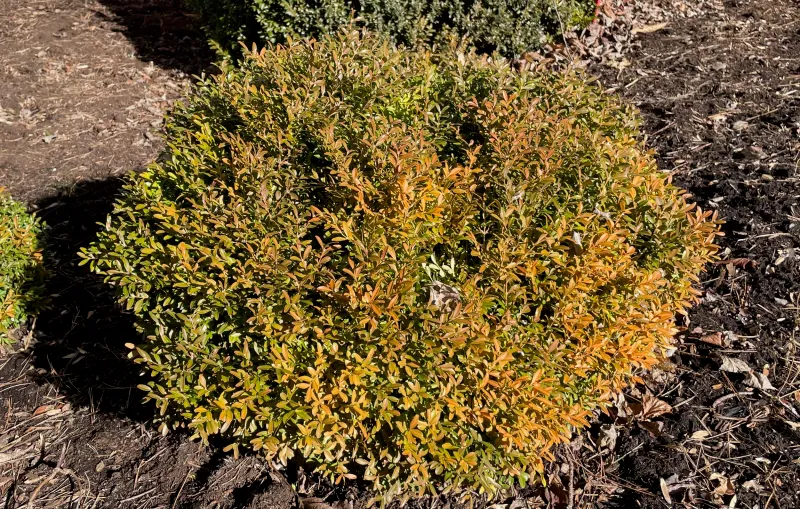
A formal plant can ask for more care than expected. In a state with long, hot, humid summers, boxwood often asks for more than a low-maintenance front yard can reasonably offer.
Boxwood has a classic look that works beautifully in cooler climates. Here, that same look requires consistent attention to stay presentable through the season.
Boxwood is not invasive in our state. The concern is purely about performance and maintenance demands.
Heat stress, humidity, poor drainage, and restricted airflow all work against it in many local front yard settings.
Boxwood prefers well-drained soil and does not tolerate wet feet, which can be a challenge during the rainy season when water sits in low spots or compacted beds.
Pest and disease pressure adds to the workload. Boxwood psyllid, boxwood leafminer, and various root rot issues can affect poorly sited plants, and managing those problems in summer heat takes real effort.
Pruning needs also add up since a formal boxwood hedge requires regular shaping to stay sharp. Skipping cuts during a busy summer can leave plants looking overgrown and uneven.
Gardeners who planted boxwood for a tidy, formal entry often find themselves spending more time maintaining it than they expected by midsummer.
Some choose to replace it with a native or adapted shrub that holds its shape with less intervention and handles the heat without needing extra attention.
The decision to keep or replace boxwood really comes down to how much time you want to invest. It also depends on whether your site gives it the drainage, airflow, and sun conditions it needs to stay healthy through a full summer.
6. Petunias Fade Fast When Summer Heat Builds
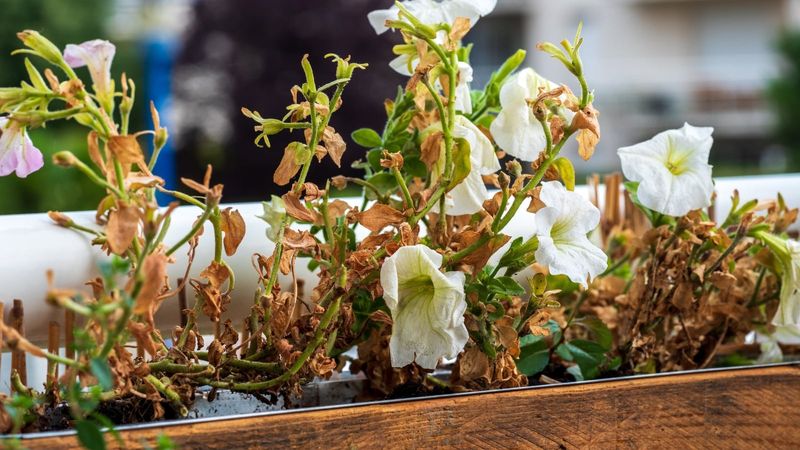
Cool-season color has a natural stopping point, and petunias reach theirs sooner than many gardeners expect in this state.
They are one of the most popular flowering annuals sold at garden centers through late winter and spring, and for good reason.
The color range is wide, the blooms are showy, and they fill a front bed quickly. But their window of peak performance is shorter here than it is in most of the country.
Petunias are not invasive and their main limitation is purely seasonal. As temperatures climb, nights stay warm, and afternoon storms become routine, petunias tend to get leggy, lose their shape, and produce fewer blooms.
High humidity can also encourage botrytis and other fungal issues that make the foliage look ragged. A petunia bed that looked full and bright in April can look thin and tired by late May without extra pinching and care.
Many gardeners prefer to pull petunias before that decline becomes obvious. Replacing them before summer arrives means the front bed looks intentional rather than neglected.
It also gives you time to plant heat-tolerant summer color that will actually thrive through the rainy season instead of just surviving it.
Portulaca, pentas, vinca, and several native wildflowers handle summer heat and humidity far better and tend to look better with less work once temperatures settle in.
Petunias can absolutely work as cool-season color from fall through spring in much of this state.
Timing the swap before summer is really just working with the season rather than against it. That tends to produce a front yard that stays attractive without constant replanting or recovery effort once the heat arrives.
7. Geraniums Stop Looking Fresh Once Nights Stay Hot
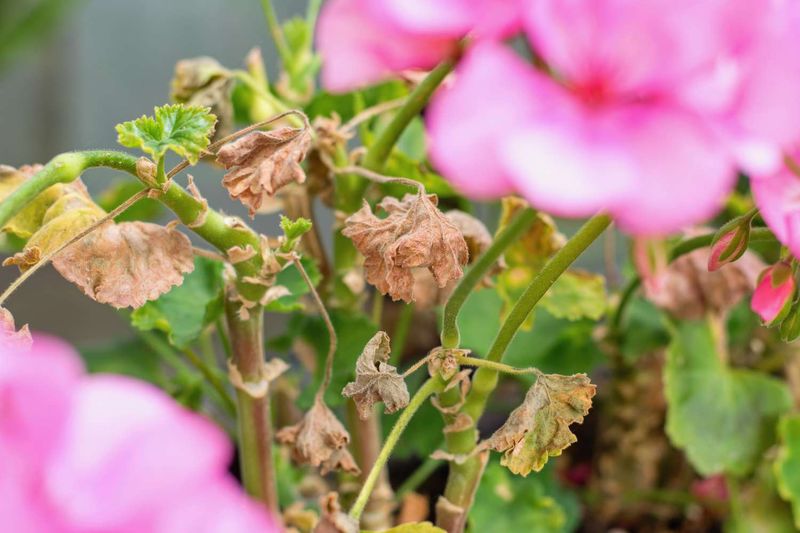
Warm nights change how some flowers perform, and common geraniums feel that shift more than most.
Pelargonium x hortorum, the standard bedding geranium seen in garden centers from winter through spring, is a reliable cool-season performer in many parts of the country.
In this state, its best months tend to fall between late fall and mid-spring, before summer heat and humidity take a firm hold.
Geraniums are not invasive here. The reason experienced gardeners move them out before summer is simple performance.
Common geraniums prefer cooler nights and lower humidity. Once nighttime temperatures stay consistently warm and afternoon rain becomes regular, they tend to stop blooming well.
They can also develop fungal issues and start looking stretched and uneven. Botrytis blight and bacterial leaf spot can both show up under warm, wet conditions.
Front beds that featured full, colorful geraniums in March can look surprisingly sparse and dull by June if the plants are left in place past their season.
Removing them before obvious decline sets in keeps the yard looking intentional and well-managed rather than forgotten.
Geraniums can still work well in containers that can be moved to a shadier, more sheltered spot during the hottest months. Some gardeners also have success with them in areas of the state where summer nights cool down more reliably.
But for most front beds in central and southern regions, they are better treated as seasonal color rather than permanent plantings.
Swapping them out for heat-tolerant summer annuals or perennials before the season peaks means less frustration. It also gives you a front yard that holds its appeal when curb appeal matters most.