8 California Native Grasses That Establish Well With Fall Planting
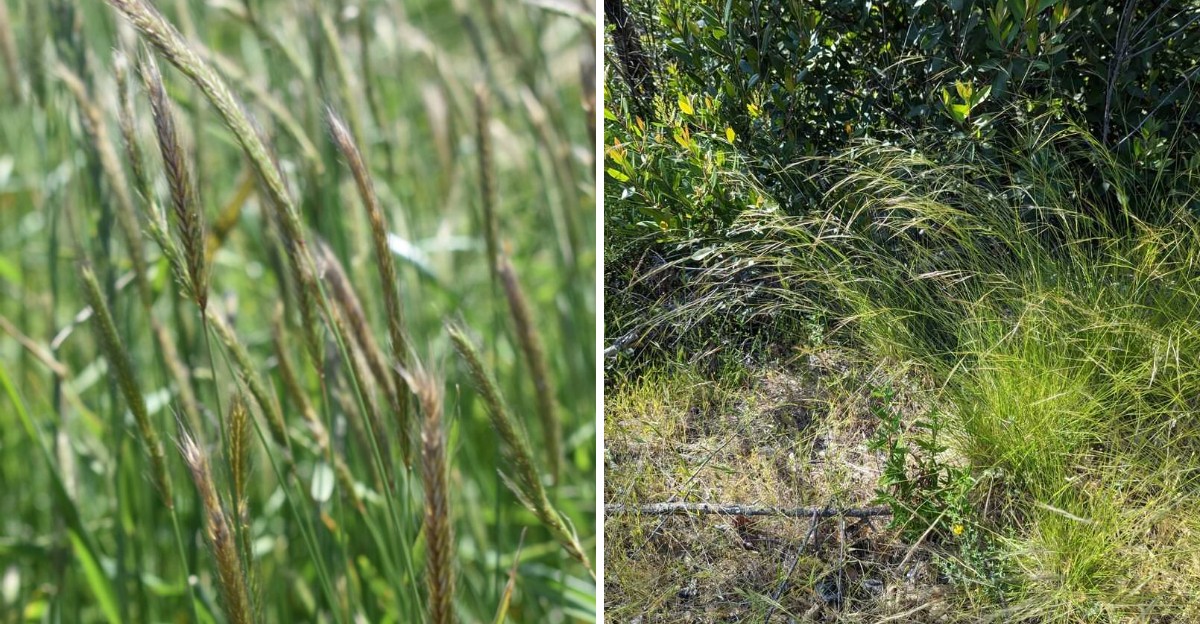
Most California native grasses share a helpful trait. They’re cool-season perennial bunchgrasses that wake up and grow when weather turns cool and wet.
That rhythm makes fall the ideal planting window. Roots spread through damp soil all winter, long before hot, dry summer weather returns.
By spring, fall-planted grasses carry a head start that summer plantings rarely match.
Fall planting still requires some care. New plants need water until steady rain arrives, and most take a full season or more to settle in.
Each species also has a favorite spot, from shady oak woodlands to foggy bluffs to dry hillsides. Eight standouts show how matching grass to place can transform a garden, slope, or meadow.
1. Deer Grass Roots In Before Winter Rain
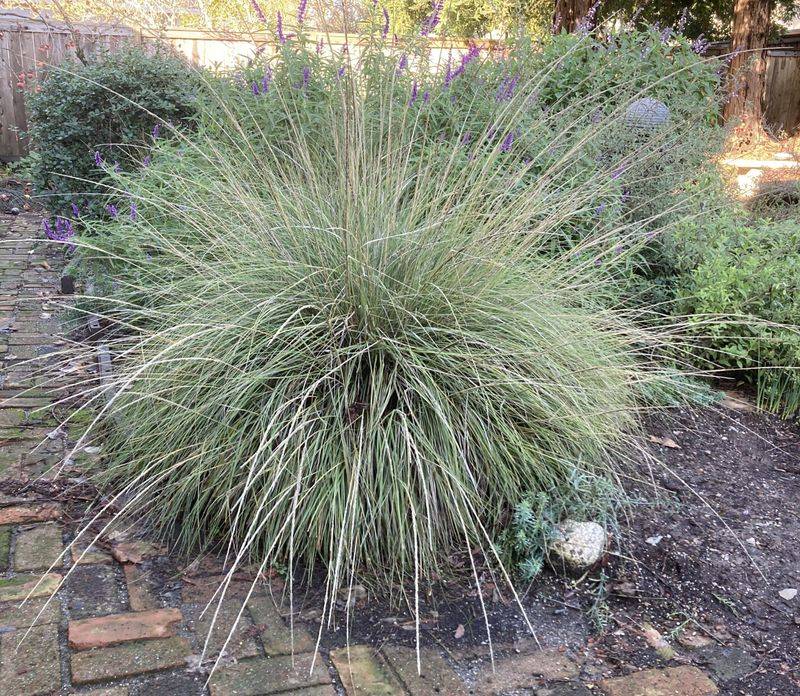
A fountain of slender green leaves topped with wand-like flower spikes catches evening light beautifully. Deer grass, or Muhlenbergia rigens, can grow into a clump four or five feet tall and just as wide.
Native to much of California, it appears along streams, canyons, and open slopes. Fall makes a smart time to tuck it into the ground.
Cooler air means less stress on young leaves, while warm soil keeps roots active. Once winter rain soaks in, roots can push deep before summer heat returns.
Deer grass grows more in warm months than many grasses here. Early fall planting gives it a strong base before spring growth kicks in.
Weekly watering until rains become reliable keeps new plants on track, since a dry October can stall progress quickly.
After the first year, it handles summer dryness well in most inland gardens, though an occasional deep soak keeps it looking fresh.
Full sun or light shade and plenty of room suit it best. Crowding it against a path leads to trimming and frustration later.
Many California Native American tribes used its flower stalks in coiled basket making. That long human history adds depth to an already handsome plant.
Patience pays off. A small plug may take a season or two to fill out into that big, showy mound.
The finished clump looks great on slopes, in borders, and anywhere a bold, deer-resistant focal point earns its keep.
2. Purple Needlegrass Honors The State Grass
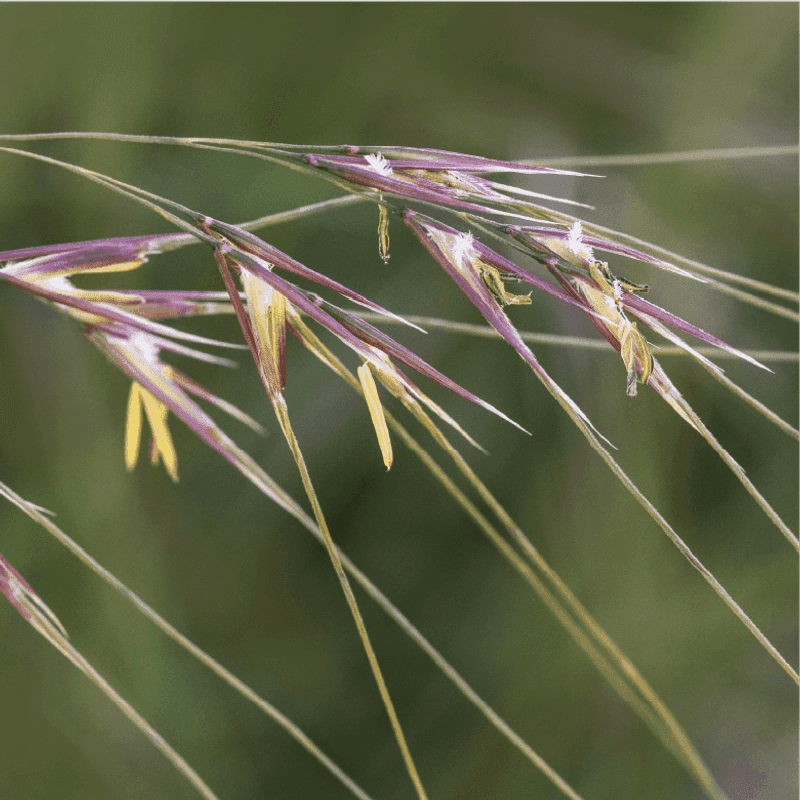
Back in 2004, California lawmakers picked an official state grass. Their choice was purple needlegrass, known to botanists as Nassella pulchra or Stipa pulchra.
It once covered huge stretches of valley grassland and oak savanna across the state. In spring, its seed heads glow with a soft, shimmering purple tint.
Each seed carries a long, twisted awn that coils and uncoils as moisture changes. That motion helps drill the seed into the soil, a clever trick for a plant without hands or feet.
Fall seeding or planting lines up with its natural rhythm. As a cool-season bunchgrass, it grows during the rainy months and goes dormant and golden tan in summer.
Seed sown just before the first storms forms roots through winter. Plugs work too, with regular water until rain reliably takes over.
Your California Garden Changes Every Week. Your Plan Should Too.
Gardening in California changes quickly throughout the season. Every Friday you’ll receive a simple weekly plan showing exactly what to plant, prune, fertilize, harvest, and protect so you never miss the right timing.
A sunny, open site with decent drainage suits it best. Purple needlegrass handles clay and poor soil better than many garden plants, though aggressive non-native annual grasses can crowd it out.
Weed control in the first year makes a real difference. Seedlings grow slowly, and a planting often looks sparse that first season, which is perfectly normal.
Over two or three years, the deep roots settle in, and individual plants can live for many decades. That long life makes it a fine legacy plant for anyone restoring a piece of native grassland.
3. California Fescue Suits Shady Spots
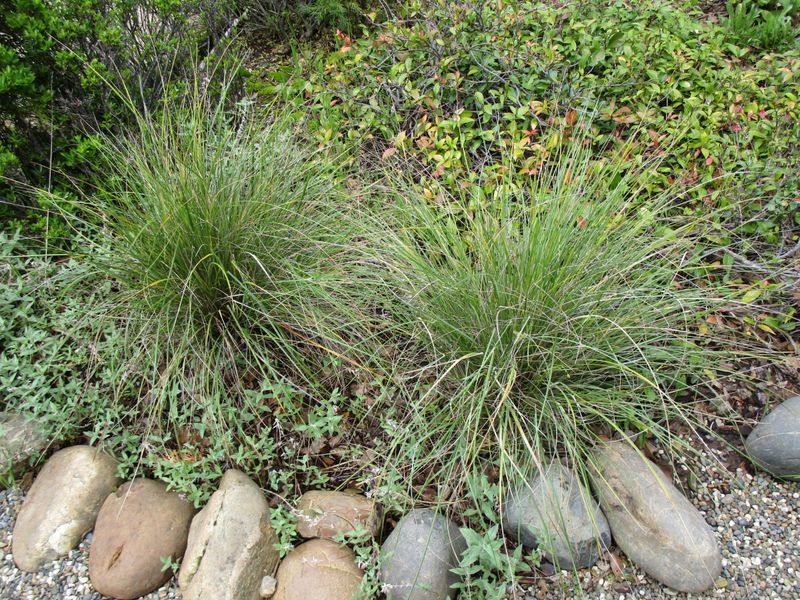
Under a big oak, most lawns give up. Bare dirt and leaf litter take over, leaving gardeners puzzled about what might grow there.
California fescue, or Festuca californica, happily fills that gap where sun-loving grasses sulk. Native to oak woodlands, forest edges, and shady slopes, it forms loose mounds of blue-green to gray-green leaves.
Clumps usually reach one to three feet tall. Airy flower stalks rise above them in late spring, adding a light, floaty look.
Shade and part shade suit it best, especially in hot inland areas, while coastal gardens can offer more sun. Fall planting lets roots grow while soil stays cool and moist, matching its natural cool-season habit.
New plugs need regular water until winter rains arrive and keep the soil damp. Once settled, California fescue tolerates summer dryness fairly well, especially in shade.
It may go partly dormant in late summer, though an occasional deep watering keeps it greener. Heavy summer irrigation under native oaks is best avoided, since it can harm the trees.
Young plants start small and gradually spread into rounded clumps over a season or more. A fall trim of old, tired leaves tidies a shaggy plant.
Paired with woodland natives like hummingbird sage or ferns, it turns a problem spot into a cool, calm retreat. That shady corner may become the favorite lounging spot in the yard.
4. Blue Wildrye Fills In Fast
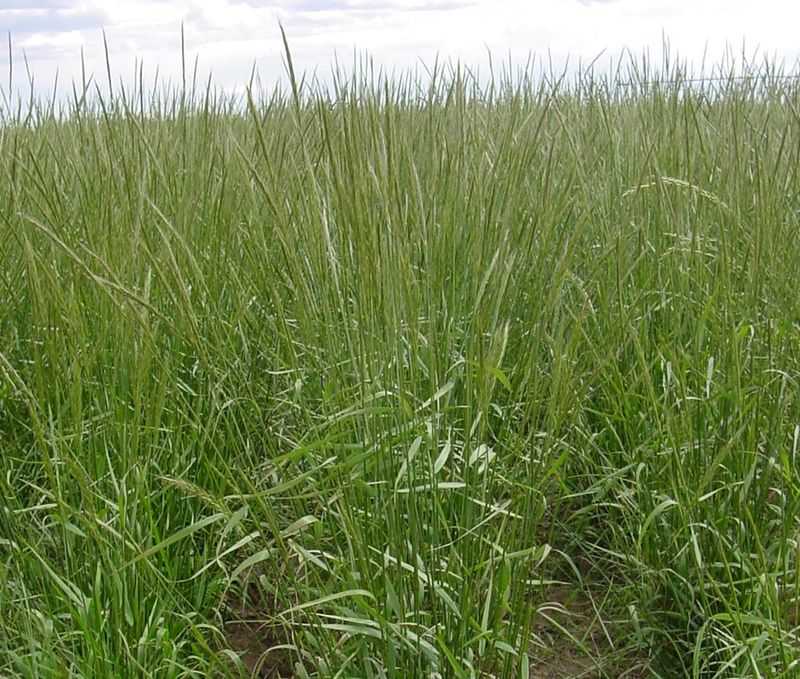
Bare ground that needs green in a hurry often gets blue wildrye. Restoration crews frequently reach for Elymus glaucus because, among California native grasses, it sprouts and grows quickly from seed.
Plants form loose, upright bunches about two to four feet tall. Leaves range from green to bluish green, and narrow seed spikes stand tall in late spring.
It grows in woodlands, meadows, and open slopes across much of the state. Fall seeding fits its cool-season growth pattern perfectly.
Seeds sown before the first rains can sprout within weeks once soil stays moist. Through winter, roots spread and help hold soil on slopes, which explains its place in many erosion control seed mixes.
A late start to fall rain calls for keeping seeded areas damp by hand. That small effort keeps young sprouts from stalling.
Quick growth doesn’t mean instant permanence, though. Blue wildrye often looks good in its first spring, but full establishment still takes about a season.
Individual plants are also fairly short-lived compared with needlegrasses. They work best as a starter grass mixed with slower, longer-lived natives.
Sun or part shade with average soil suits it, and some winter moisture helps it perform best.
A few plants left to set seed may fill gaps on their own. Blue wildrye plays the opening act, warming up the soil for the rest of the show.
5. Meadow Barley Handles Wet Winter Soil
Soggy low spots can overwhelm many plants by February. Puddles linger, clay stays wet, and roots run short on air for weeks.
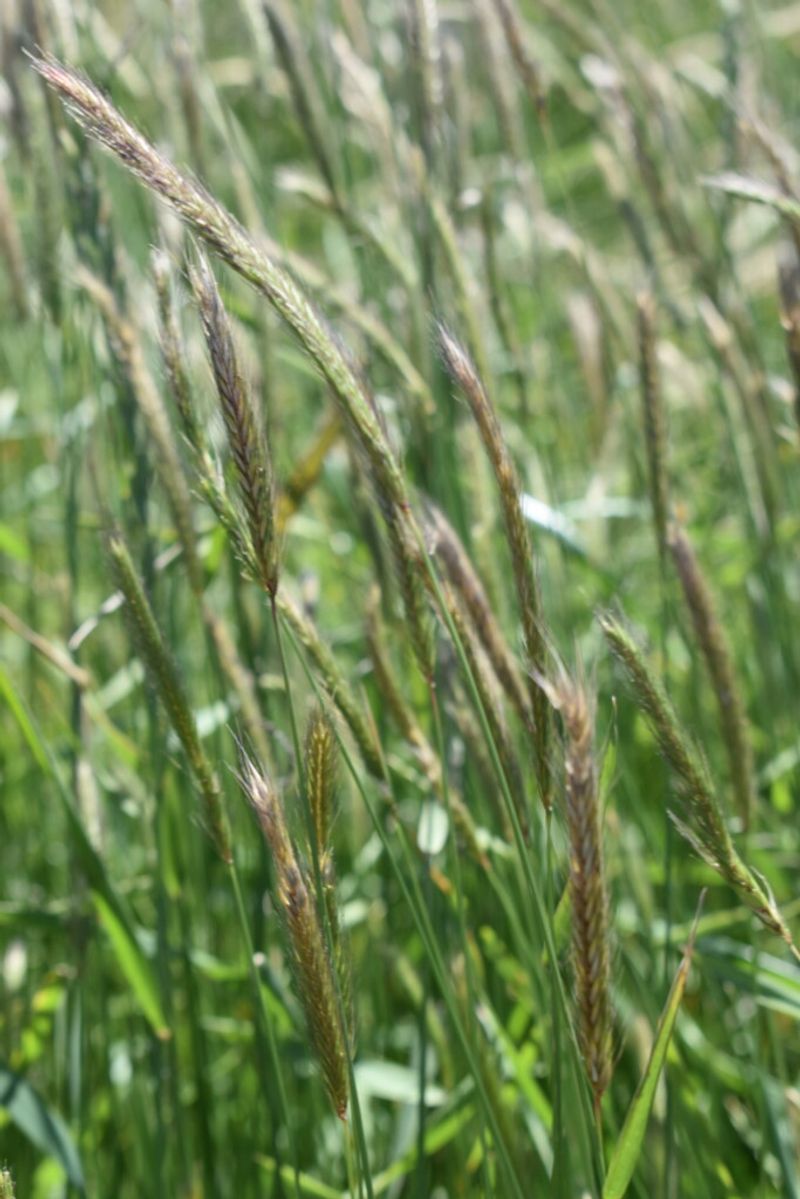
Meadow barley, Hordeum brachyantherum, actually enjoys that kind of winter mess. This native bunchgrass grows in moist meadows, seasonal wetlands, and along the edges of vernal pools and streams.
It usually stands about one to two feet tall when blooming. In spring, bristly seed heads appear, looking a bit like small wild versions of farm barley.
Fall planting matches its natural life cycle closely. Seeds sown before or with the first rains sprout as soils turn cool and damp.
Young plants build roots through winter while the ground stays wet, which suits them well. Light watering helps seeded areas when early fall stays dry, so seedlings don’t stall.
Meadow barley works nicely in rain gardens, swales, and low areas where water collects after storms. Many California restoration projects use it to cover ground in spots too wet for drier grasses.
Once established, it also handles fairly dry summers, since the plant naturally slows down in heat. A full growing season usually passes before the stand looks steady and even.
Some plants are short-lived, but they often reseed into open spots. A drainage dip that turns into a mini pond each winter can become a tidy patch of green with this grass on the job.
6. Foothill Needlegrass Fits Dry Hillsides
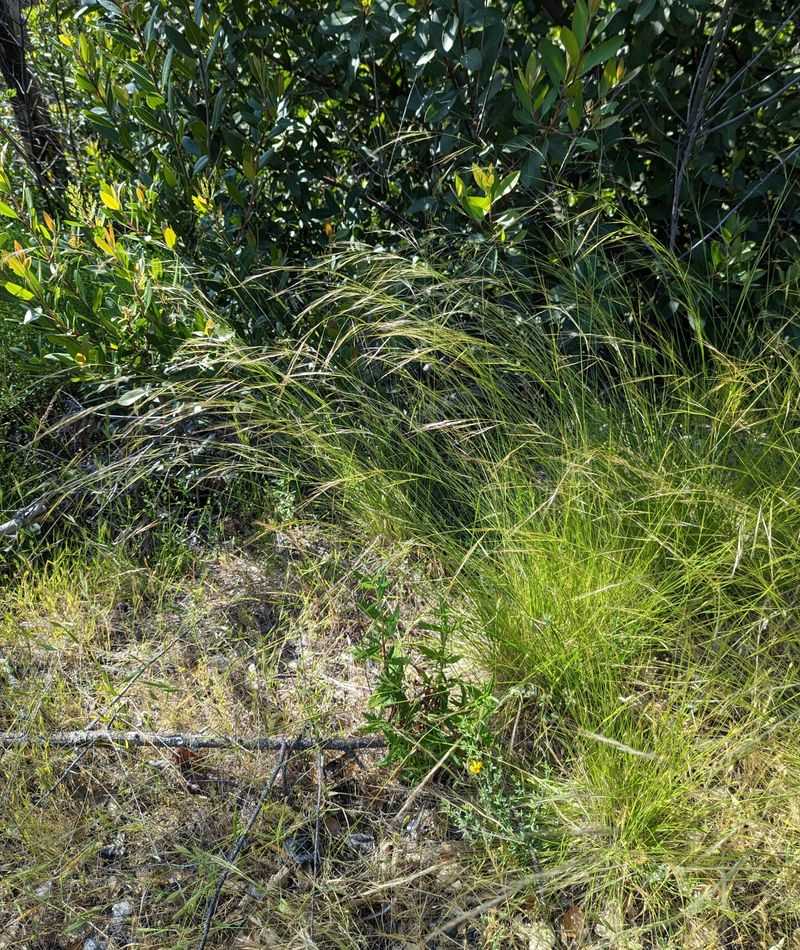
A common mistake on dry slopes involves planting thirsty shrubs that need hoses all summer. Foothill needlegrass, Nassella lepida or Stipa lepida, offers a smarter path.
It grows naturally on dry hillsides, in coastal sage scrub, chaparral openings, and grassland across much of California. Plants are fine-textured and delicate, forming small bunches often one to three feet tall.
Thin seed heads with slender awns wave in the spring breeze. The overall look stays light and wispy rather than bold.
Fall seeding or planting helps this cool-season grass use winter rain to grow roots. Those roots reach down into rocky or thin soils, helping the plant ride out long, dry summers.
Young plugs need water until the rains settle in, then little else. Too much summer water can actually weaken it.
A sunny spot with good drainage suits it best, and steep, rocky, or sandy slopes are just right. Heavy, soggy clay makes a poor home, so wet areas are better saved for grasses like meadow barley.
Matching the site matters far more than the planting method. Seedlings can look thin their first year while roots do the real work underground.
Within a season or two, plants fill in and help hold the slope. Paired with sages, buckwheat, or California poppies, foothill needlegrass gives a dusty hillside a native look that needs very little care once settled.
7. Pacific Reedgrass Thrives Near The Coast
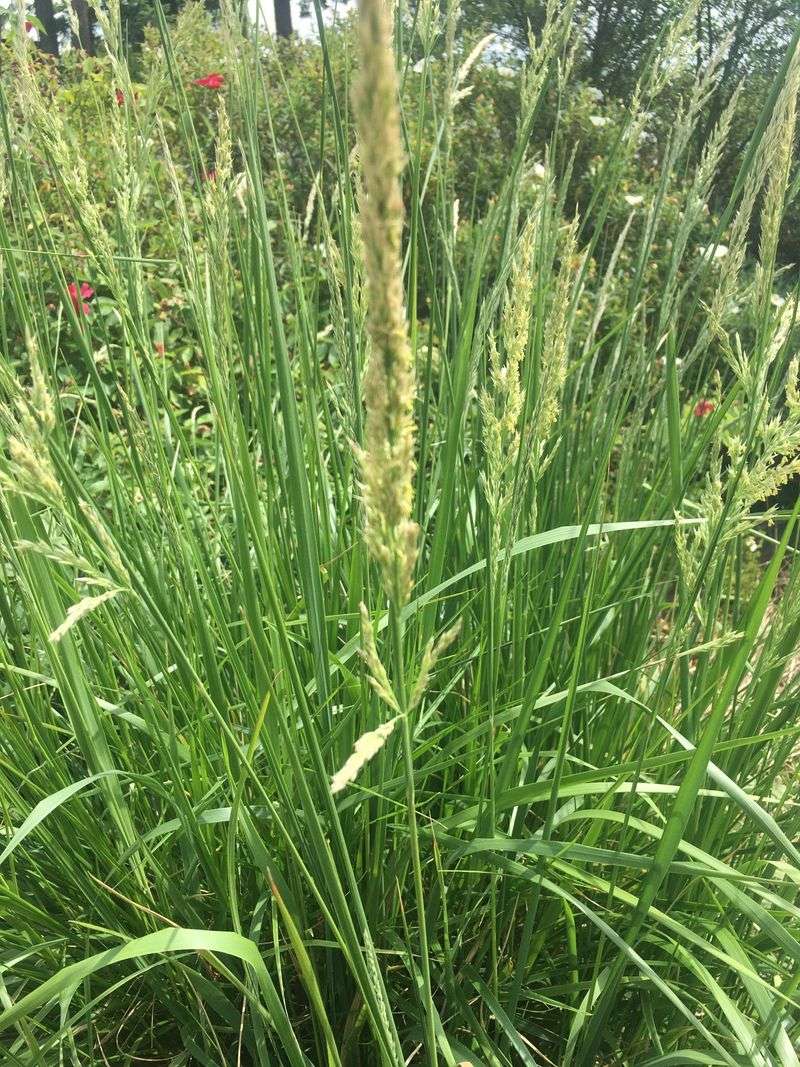
Fog rolls in over a Mendocino bluff, and big green fountains of grass shrug off the salty wind. Pacific reedgrass, Calamagrostis nutkaensis, feels right at home in that cool, damp coastal air.
Native to the coast from California northward, it grows on bluffs, in coastal prairies, near seeps, and along forest edges. Clumps reach roughly two to four feet tall with arching leaves.
Tall, slightly purplish flower spikes rise above the foliage in spring and early summer. The effect is graceful, full, and quietly elegant.
Coastal gardens suit it best by far. Inland, hot dry summers often stress it unless it gets shade and regular water.
Near the ocean, mild temperatures and fog help it stay green much longer. Fall planting lets roots grow through the rainy season while the air stays cool and moist.
New plants need steady water until winter rain becomes reliable. Pacific reedgrass prefers soil that stays somewhat moist, so a spot near a downspout or in a low area can work well.
Full sun works fine on the coast, while part shade helps a little farther inland. At least a season usually passes before clumps look settled and full, so patience pays off.
Once established, they make handsome screens, slope covers, and borders that blend nicely with coastal shrubs. For gardens that smell like sea spray, this grass is basically shore to please.
8. California Oatgrass Adds A Soft Meadow Look
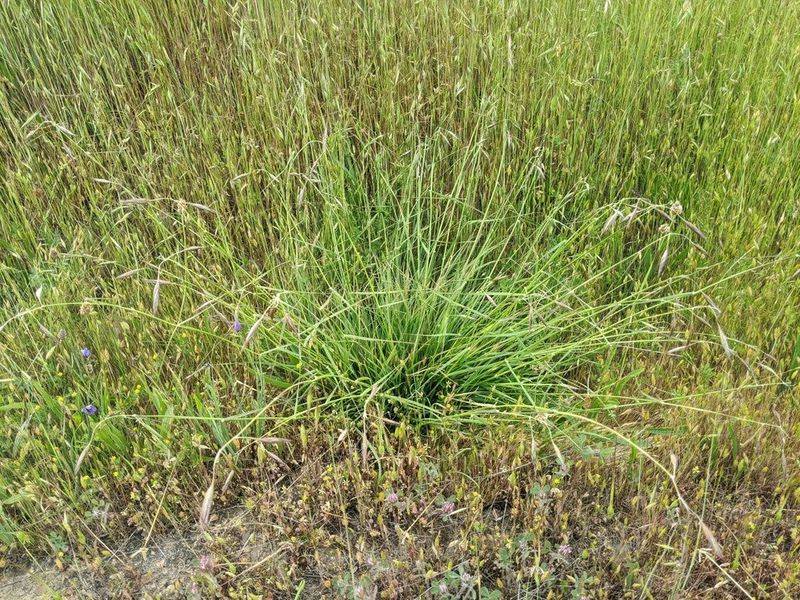
A hand brushed across a patch of California oatgrass feels a lot like a soft rug. Danthonia californica grows in low, tidy tufts, often under two feet tall when blooming, with fine leaves and small oat-like seed heads.
Native to coastal prairies, meadows, and open woodlands, it handles both moist winter soil and dry summers fairly well. Its low habit makes it a favorite for natural meadow plantings and lawn alternatives in suitable areas.
It also tolerates light foot traffic and occasional mowing better than many tall bunchgrasses. That flexibility opens up more design possibilities.
Like most grasses on this list, oatgrass is a cool-season perennial, so fall planting works well. Roots grow with winter rain and get ready before spring growth begins.
New plugs or seeded areas need water until rains become steady. Seed can be slow to sprout, so plugs often deliver quicker results.
Sun or light shade suits it, especially near the coast, while inland gardens may need some summer water to keep it green. Mixed with other low natives and spring wildflowers, it creates a true meadow feel.
All eight grasses here reward gardeners who time planting with the rainy season and stay patient for a season or more. Each has its own ideal site, from shady oaks to foggy bluffs to dry slopes.
Matching the grass to the place makes all the difference. With a fall start, winter rain handles much of the heavy lifting.