The Texas Native Shrub That Turns One Yard Into A Bird Feeding Station
Winter mornings in a Texas yard can feel almost too quiet. The garden has slowed down, the flowers are done, and there is not much happening out there.
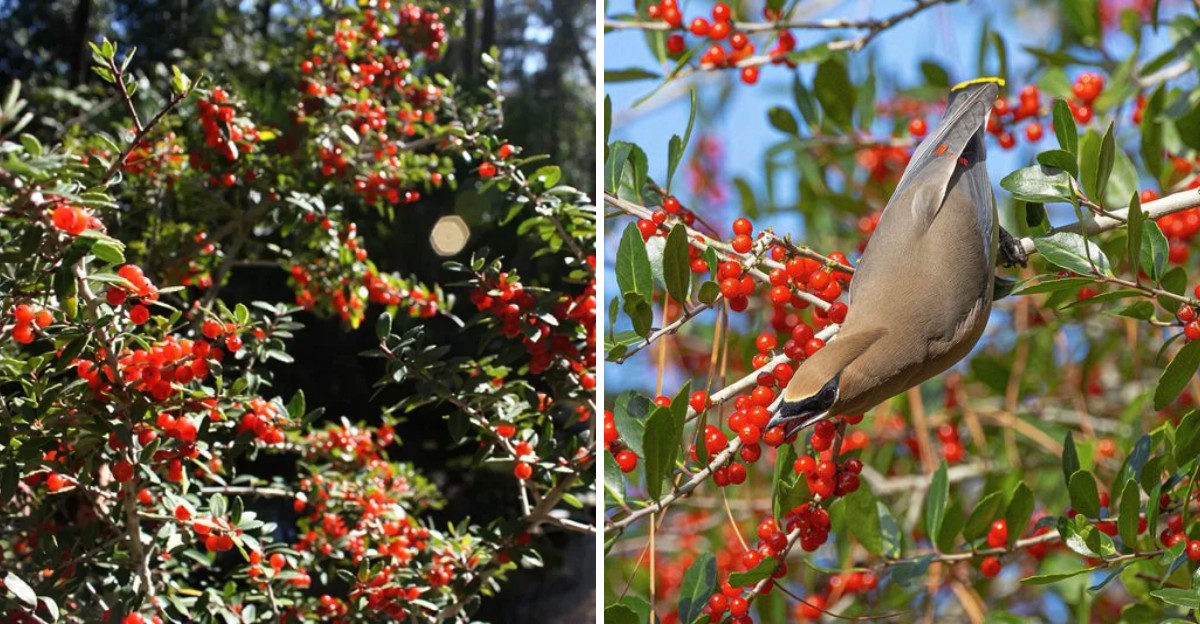
And then one shrub starts glowing with clusters of tiny red berries, and suddenly the whole yard has a completely different energy. Robins show up first, acting like they just discovered the best kept secret in the neighborhood.
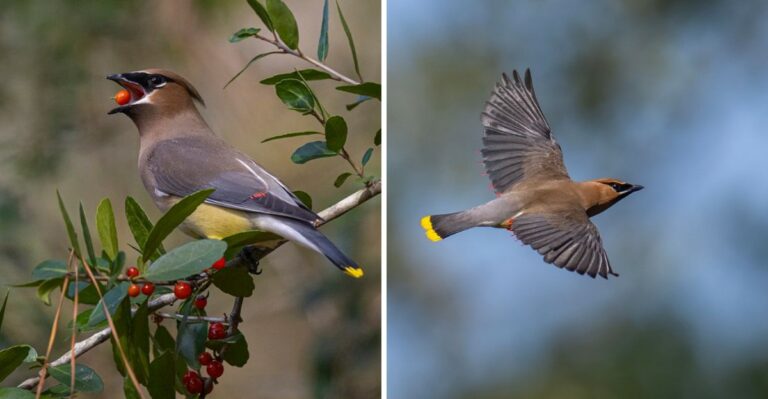
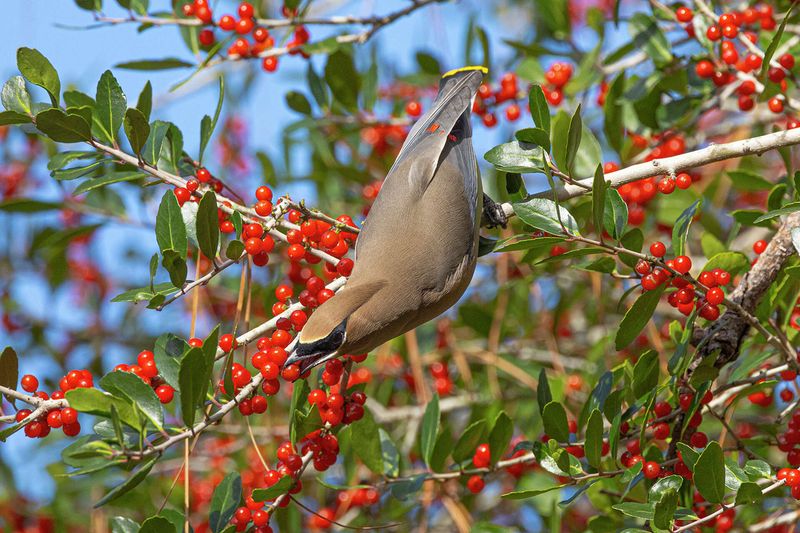
Then the cedar waxwings arrive in their sleek, masked groups, working through the berries with an efficiency that is honestly a little impressive.
The remarkable part about all of this is that the plant responsible for the whole show is one of the lowest maintenance shrubs you can put in your yard.
No fussing, no babying, no complicated care routine. Just berries, birds, and a backyard that feels genuinely alive all winter long.
1. Meet The Hardy Hero Of Texas Yards
Yaupon Holly has been growing across the Lone Star State for thousands of years. Its scientific name is Ilex vomitoria, which sounds scary but is mostly a funny history mistake.
The plant is an evergreen shrub, so it keeps its small, shiny leaves all year. Most plants grow between 10 and 20 feet tall, though dwarf types stay low and round.
Native plants like this one fit local weather like a well-worn pair of boots. They handle hot summers, surprise freezes, and long dry spells far better than many imported shrubs.
Fun fact time. Yaupon is the only plant native to North America that naturally contains caffeine, and people have brewed its leaves into tea for centuries.
For birds, though, the real treasure is the fruit. Female plants make loads of small red berries that ripen in fall and often stay on the branches well into winter.
That timing matters a lot. Bugs become scarce in the cold months, and hungry birds need quick, easy food sources close to shelter.
A single healthy yaupon can feed many visitors over a whole season. Plant a few, and your yard quickly becomes a favorite stop on the local bird map.
Gardeners also love how easy it is to find. Most nurseries sell several types, from tall tree forms to tidy little hedges, so there is a size for nearly any space.
2. Why Birds Go Wild For Yaupon Berries
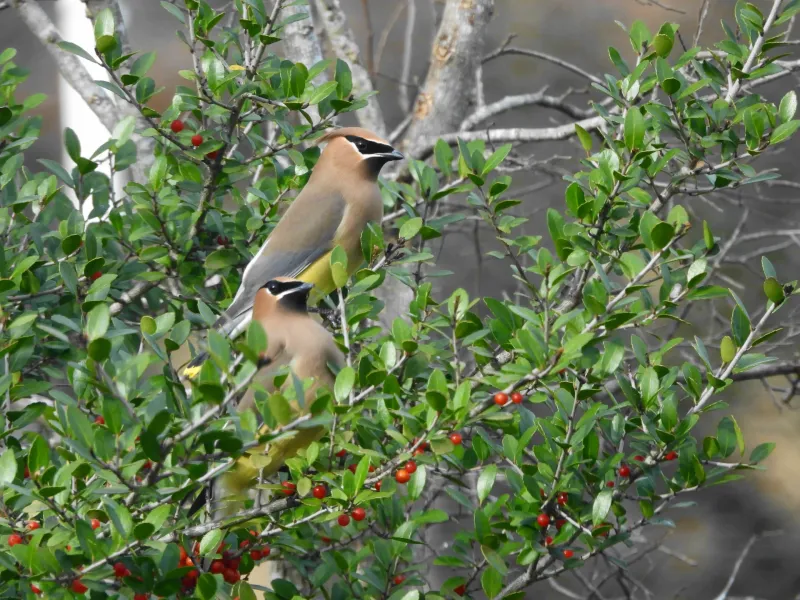
Ask any birdwatcher about a fruiting yaupon, and you might get a big grin. Those little red berries pull in a surprising crowd during the cool months in Texas.
Cedar waxwings are the star guests. They travel in flocks of 20 or more and can strip a branch in minutes, passing berries to each other like polite dinner guests.
American robins love the fruit too. So do northern mockingbirds, eastern bluebirds, hermit thrushes, and northern cardinals.
Why are the berries so popular? They are small enough to swallow whole, and they hang on the plant long after other wild foods are gone.
Many gardeners and birdwatchers have noticed increased feeding activity around yaupon after a few hard freezes, when the fruit softens and becomes easier for birds to consume. That may explain why some of the most exciting feeding frenzies happen in late January or February rather than right when the berries first appear.
Your Texas Garden Changes Every Week. Your Plan Should Too.
Gardening in Texas changes quickly throughout the season. Every Friday you’ll receive a simple weekly plan showing exactly what to plant, prune, fertilize, harvest, and protect so you never miss the right timing.
Birds give something back in return. After they eat the fruit, they spread the seeds around, helping new yaupon plants pop up in fields and woods.
Here is a handy tip for watching the action. Plant your shrub where you can see it from a kitchen or living room window, and keep a pair of binoculars nearby.
You can even keep a simple bird journal. Write down who shows up and when, and you may notice the same flocks returning year after year.
3. Picking The Right Female Plant For Texas Berries
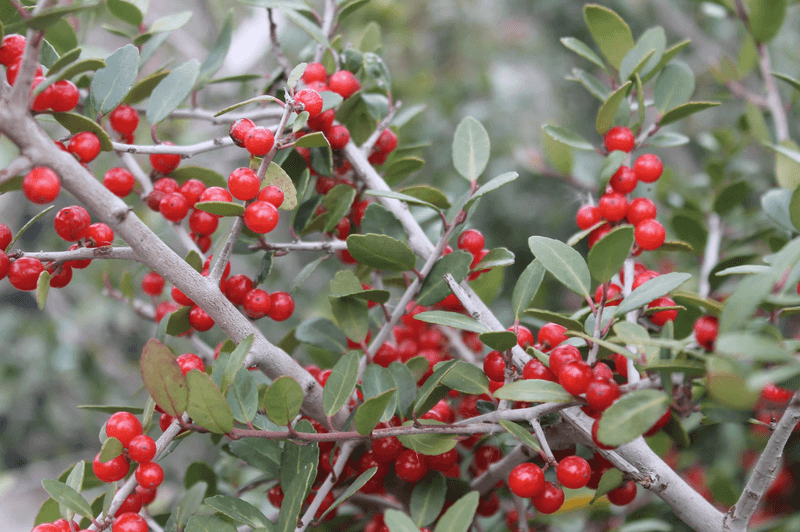
Here is a little plant secret that surprises many new gardeners. Yaupon plants come as either male or female, and only females grow berries.
Male plants still matter, since they make pollen that the females need. Luckily, wild yaupon grows so widely in eastern and central Texas that a male is usually somewhere close by.
When shopping, look for plants that already show berries. That is the easiest way to know you are bringing home a female.
Popular berry-making types include Pride of Houston, a reliable female that produces heavy crops of red berries. Nana is a dwarf cultivar that can produce berries but is primarily grown for its compact ornamental form, so check with your nursery about berry production before buying.
Will Fleming is a narrow upright form that is typically male and does not reliably produce fruit, so if berries are your goal, it is worth skipping.
Weeping yaupon is another great pick. Its drooping branches look graceful, and female weepers can hang heavy with fruit like red holiday ornaments.
Ask nursery staff questions too. A good local garden center can tell you if a plant is male or female and how big it will get.
Plan for space before you buy. A tree-form yaupon might stretch 15 feet wide, while dwarf types stay around 3 to 4 feet.
Fall is the best time to shop and plant. Cooler weather gives roots time to settle in before summer heat arrives.
4. Planting Tips That Work In Texas Soil
Good news for anyone who has fought with stubborn clay or rocky ground. Yaupon handles tough dirt better than most shrubs in Texas.
It grows in clay, sand, limestone, and even soggy spots near creeks. That flexibility makes it a smart choice from the Gulf Coast to the Hill Country.
Start by digging a hole about twice as wide as the root ball. Keep the depth the same as the pot so the plant sits level with the ground.
Skip heavy fertilizer and fancy soil mixes. Native plants usually do best when roots learn to spread into the real soil around them.
Fill the hole back in, then water slowly and deeply. Add about 2 to 3 inches of mulch around the base, keeping it a few inches away from the trunk.
Sunlight matters for berries. Full sun or part shade works, but plants with more sun tend to make more fruit.
Water once or twice a week for the first summer. After about a year, most yaupons need help only during long, dry stretches.
A simple watering trick helps a lot. Use a slow drip from a hose for 20 minutes instead of a quick spray, so water soaks down deep where roots can reach it.
5. Shelter And Nesting Spots For Songbirds
Food is only half the story for backyard birds. A safe place to hide and rest can be just as valuable.
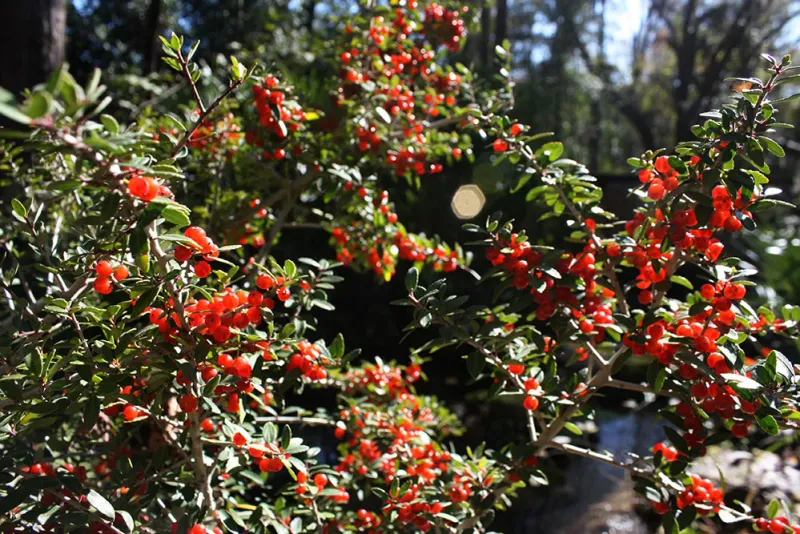
Yaupon grows thick, twiggy branches packed with small leaves. That dense cover works like a cozy hideout when hawks circle overhead or stray cats wander by.
Since the leaves stay green all year, the shelter never goes away. Birds can duck inside on chilly winter nights and during sudden spring storms.
Cardinals and mockingbirds often build nests in these shrubs. The tight branches help hold nests steady and keep eggs out of sight.
Want to make your shrub even more welcoming? Avoid heavy pruning in spring, when many birds are busy building homes and raising chicks.
Planting in small groups works wonders too. Three or more yaupons together create a mini thicket that feels like a safe neighborhood for wildlife.
You can place a birdbath a few feet away from the shrubs. Birds like having a quick escape route close to water, so they feel relaxed while drinking and splashing.
Across Texas, wild spaces keep shrinking as cities grow. Every yard that offers safe cover helps local birds find a little breathing room.
6. Surviving Texas Heat And Drought With Ease
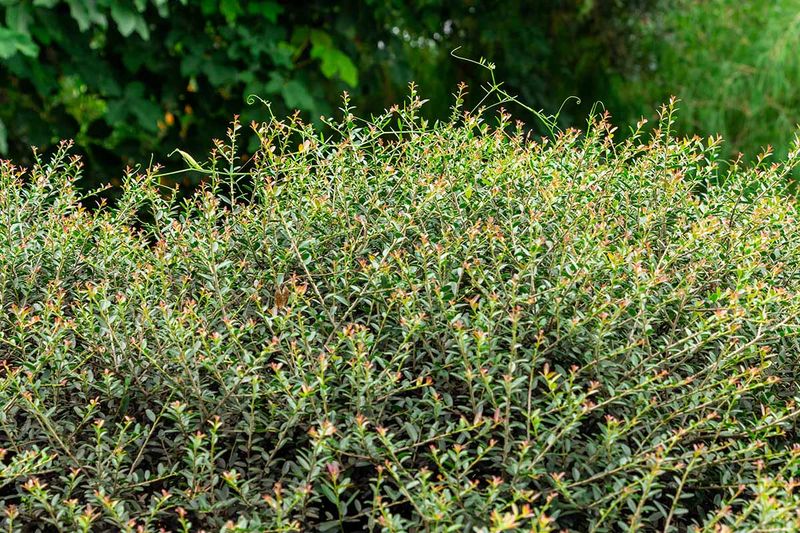
Summer can feel like living inside a toaster. Lawns turn crunchy, and many flowers start drooping by noon.
Yaupon tends to stay calm through it all. Its small, waxy leaves lose less water than big, soft leaves do, which helps the plant hold on during dry spells.
Once roots are settled, the shrub can handle weeks without rain. That means less time dragging hoses around and lower water bills.
Cities with watering limits love plants like this. Many water-saving programs list yaupon as a top choice for smart landscaping.
Cold snaps are no big problem either. Yaupon can handle temperatures well below freezing, which came in handy during recent winter storms.
A few tips keep it looking its best. Give it a long drink during extreme heat waves, and keep mulch fresh to cool the soil.
Watch for leaves turning yellow in very wet ground. That can be a sign of soggy roots, so ease up on watering if puddles hang around.
Healthy shrubs make more berries, which means more food for birds. A little care during the hottest weeks pays off with a colorful winter show and happy flocks in your yard.
7. Pruning And Shaping Yaupon
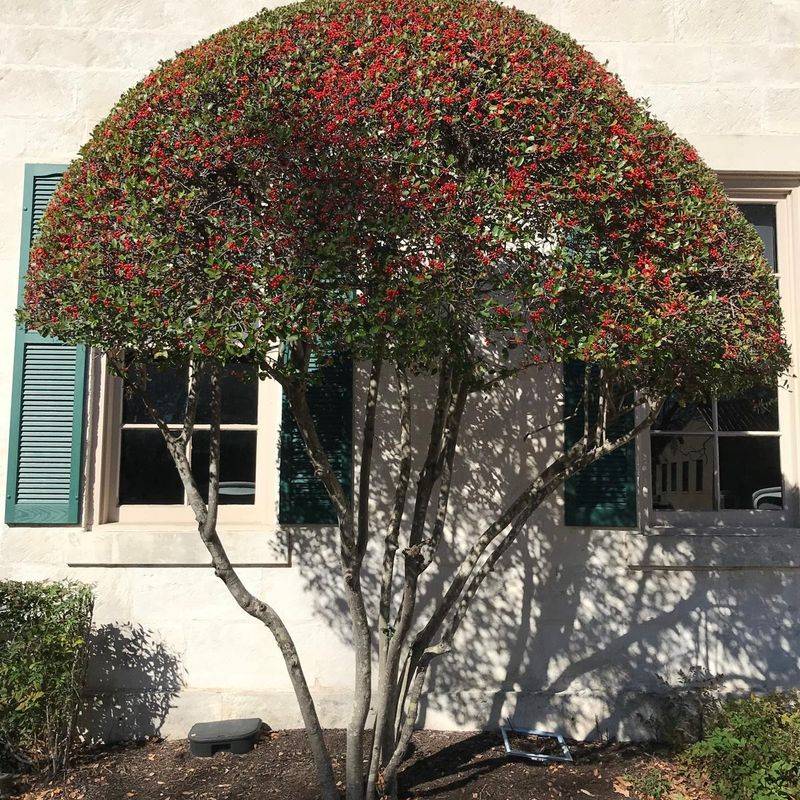
Some shrubs throw a fit when you trim them. Yaupon is the easygoing friend that bounces right back.
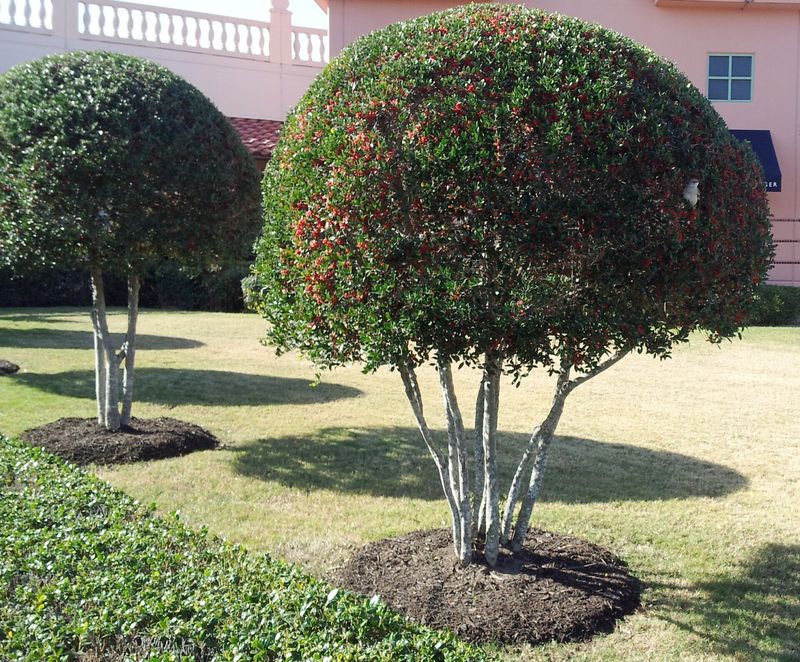
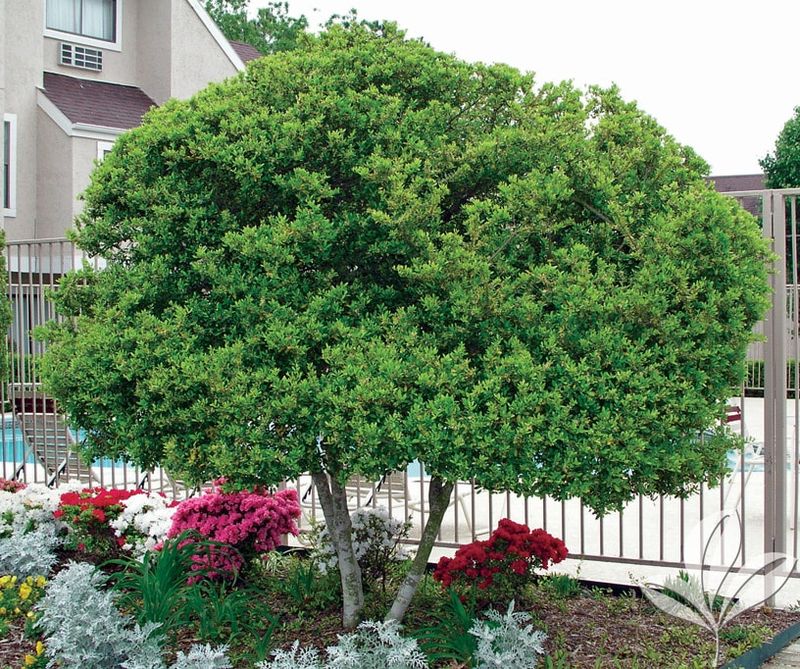
You can shape it into a tidy hedge, a rounded ball, or a small tree with a few trunks. Many Texas homeowners love the multi-trunk look, since the pale gray bark adds charm.
Timing is key if you want berries. Flowers form on last year’s growth, so heavy trimming in late winter can cut off next season’s fruit.
The best plan is light pruning right after spring blooms fade. That way, you keep the shape neat without losing much of the coming crop.
Use clean, sharp pruners for small branches. A quick wipe with rubbing alcohol between cuts helps stop the spread of plant problems.
To create a small tree form, remove lower side branches slowly over a couple of years. Keep three to five strong trunks for a natural look.
Dwarf types need almost no trimming at all. They grow slowly and keep a neat shape on their own, which suits busy families.
One more friendly reminder. Leave some messy, natural branches if you can, because birds often prefer a shrub that looks a bit wild.
8. Pollinators Love Yaupon Blooms Too
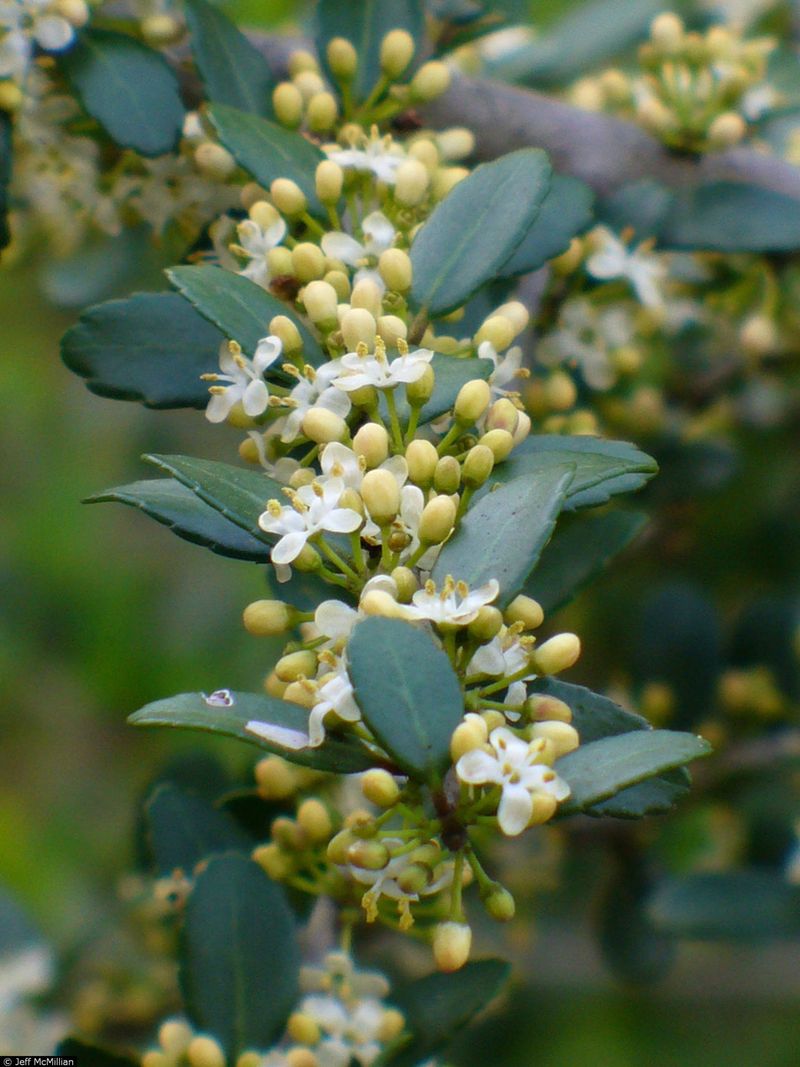
Spring brings a quieter surprise that many people miss. Tiny white flowers cover yaupon branches, and bees show up humming like a busy little factory.
The blooms are small, but there are tons of them. Honeybees, native bees, and small butterflies all stop by for nectar and pollen.
That buzzing work is what turns flowers into berries. More pollinators visiting your shrubs usually means a bigger fruit crop for birds later in the year.
Insects that gather around the plant help birds too. Many songbirds feed their babies soft bugs in spring, so a healthy shrub becomes a snack bar for chicks.
Want to boost the buzz? Skip bug sprays on and around your yaupon, since many chemicals harm helpful insects along with pests.
Plant spring wildflowers nearby as well. Bluebonnets, Indian blanket, and coneflowers bloom around the same season and draw even more pollinators across Texas yards.
Kids often enjoy watching the bees up close. Just teach them to stay calm and give the insects space, since bees busy with flowers rarely bother anyone.
By supporting pollinators, you build a whole chain of life in one spot. Flowers feed bees, bees make berries, and berries feed birds through winter.
9. Designing A Bird Friendly Yard Around Yaupon
Think of yaupon as the anchor of a backyard bird hotel. Add a few smart extras, and you will have guests checking in every season.
Start with layers, the way nature does it. Tall trees on top, yaupon in the middle, and grasses and flowers near the ground give birds many places to eat and hide.
Mix in other native plants that feed birds at different times. American beautyberry offers purple fruit in late summer, and Turk’s cap draws hummingbirds.
Fresh water is a huge draw. A shallow birdbath that you clean and refill every few days can attract more birds than a feeder.
Leave some leaves under shrubs in fall. Thrushes and towhees love scratching through leaf litter for bugs and seeds.
Group yaupons in corners or along fences. Clusters look natural and make birds feel safer moving around the yard.
Many people across Texas can register their yard as a wildlife habitat through national programs. It is a fun family project, and a sign in the yard can inspire neighbors.
Patience is part of the plan. Within a year or two, your yard may become a lively stop filled with songs, flutters, and bright red berries.