The Small Tree Texans Are Planting Now To Shade Patios Without Cracking Concrete
Your patio slab may be hosting a hidden pressure problem. You planted that towering shade tree to escape July heat. Its roots now travel toward moisture, and your concrete sits in their path.
Across Texas, you will spot patios lifted and shifted by oversized root systems. Summer sun already warms that concrete enough to soften your sandals. Smarter shade arrives in a compact package that respects your slab.
Picture bright pink, white, or purple blooms opening while neighboring plants fade. Those flowers keep arriving through August heat, when your garden needs a lift.
Roots stay slim, so your patio faces far less root pressure. Texas heat challenges plants, yet this tree flourishes while you relax.
Even your grill, weathered and tired, finally gets a shaded companion nearby. Imagine stepping outside in July and finding noticeably cooler air waiting for you.
Crape Myrtle Takes The Patio Crown
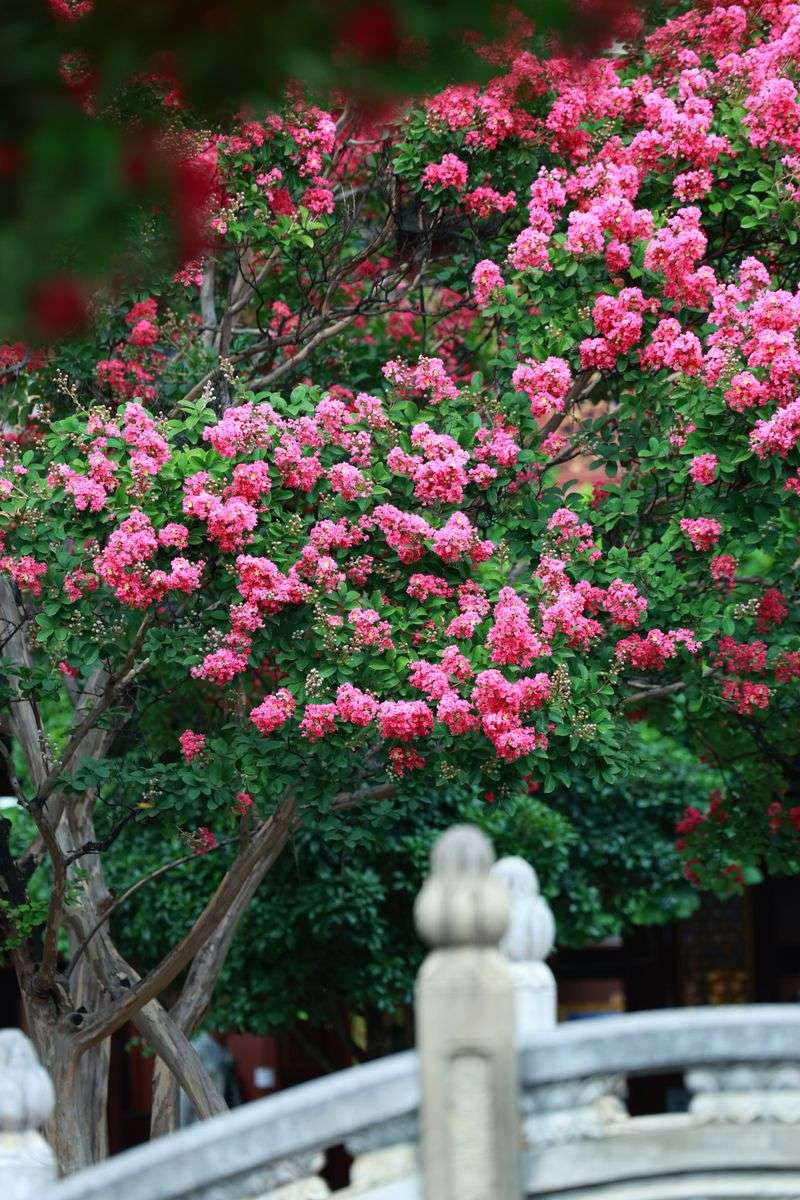
Walk through any Texas suburb in late June, and one tree seems to wave from every other yard. Crape myrtle has become the go-to pick for shading patios without wrecking them.
Its popularity makes sense once you see it bloom in a hundred-degree heat wave. Clusters of ruffled flowers cover the branches for weeks, sometimes stretching from June into September.
Size matters too, and compact cultivars stay between roughly ten and twenty feet, while taller types like Natchez can exceed thirty, so read the tag. Compact types cast useful shade over a table without towering over the house.
Drought toughness gives it another edge in a state known for long, dry summers. Once roots settle in, the tree handles heat better than most leafy neighbors.
Winter brings a different kind of beauty that surprises first-time owners. Smooth bark peels away in patches, showing cinnamon, tan, and gray colors underneath.
The tree first arrived in the United States from Asia in the late 1700s. Southern gardeners quickly embraced it, and Texans have been fans ever since.
Nurseries now sell dozens of varieties with names like Natchez, Tuscarora, and Muskogee. Each one offers a slightly different flower color, height, and bark pattern.
For a patio, a multi-trunk form creates a natural umbrella shape with plenty of character. Pick one that matches your space, and it can reward you for decades.
Homeowners also love that it drops small leaves, not giant branches, onto outdoor furniture. Falling leaves are small and easy to sweep, though a scale infestation can add a sticky residue, so choose your cultivar carefully.
The Root Habits That Spare Your Concrete
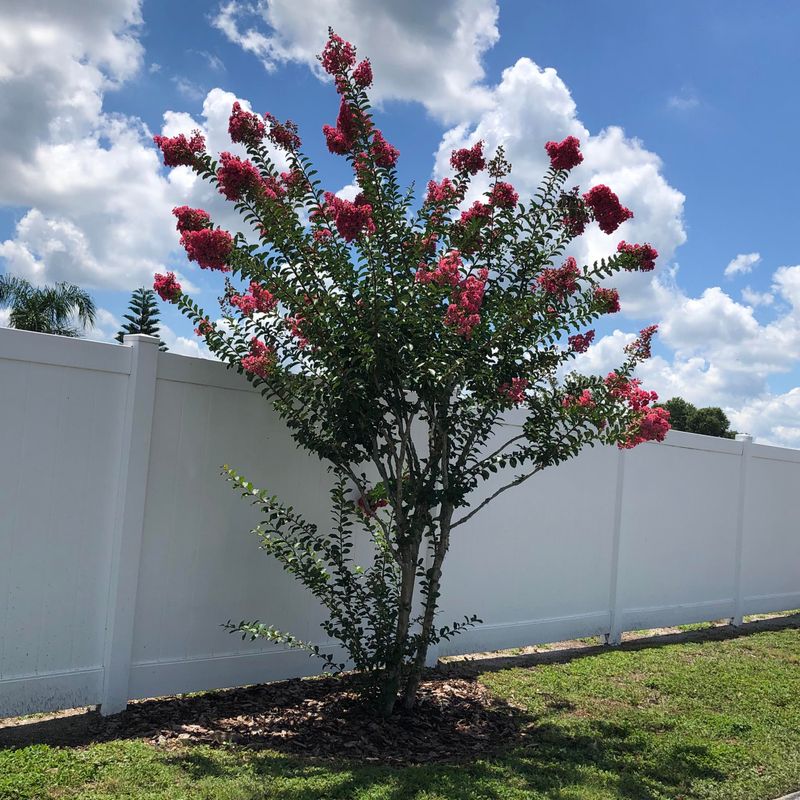
Picture a live oak root as a fire hose and a crape myrtle root as a garden hose. Both carry water, but only one has the muscle to buckle a slab.
Crape myrtle roots spread wide but stay fairly thin and fibrous near the surface. They tend to wander around obstacles rather than shove them out of the way.
Big shade trees like oaks, cottonwoods, and silver maples build thick roots that keep getting thicker. Over years, that steady growth lifts sidewalks, driveways, and patio edges.
Your Texas Garden Changes Every Week. Your Plan Should Too.
Gardening in Texas changes quickly throughout the season. Every Friday you’ll receive a simple weekly plan showing exactly what to plant, prune, fertilize, harvest, and protect so you never miss the right timing.
Texas soil adds its own drama to the story. Many areas have clay that swells when wet and shrinks when dry, which already stresses concrete.
A thirsty, oversized tree can pull extra moisture from that clay and make movement worse. A smaller tree drinks less, so the soil under your slab stays steadier.
Horticulturists generally consider crape myrtle a lower-risk choice near hardscapes than large shade trees. Still, lower risk does not mean zero risk, so keep it off the patio edge.
A good rule is to keep the trunk at least five to six feet from concrete. Larger varieties appreciate eight feet or more to stretch comfortably.
Roots usually reach about two to three times the width of the canopy over time. Planning for that spread now saves headaches and repair costs later.
Think of it as giving the tree its own room instead of a shared bunk bed. Happy roots stay calm, and your concrete stays in one piece.
The Best Season For Planting In Texas
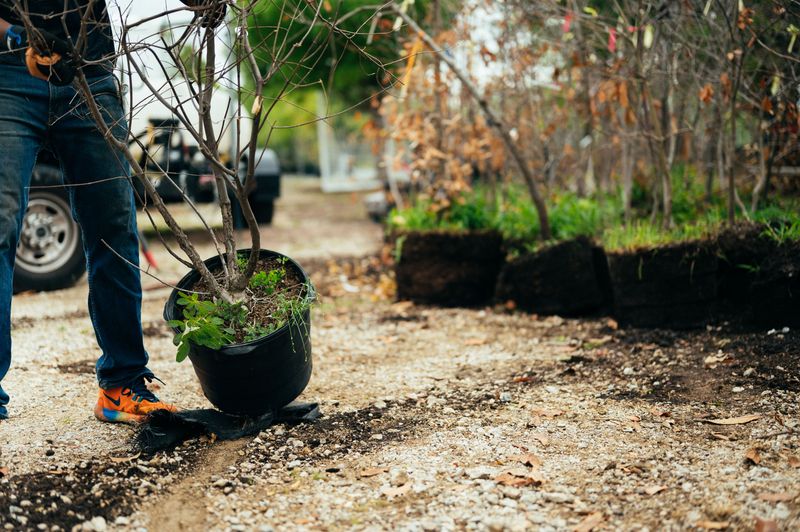
Ask a seasoned Texas nursery owner about timing, and you might hear a surprising answer. Fall is an ideal window for planting crape myrtles, though spring planting works well too.
Planting between October and early December gives roots several cool months to grow. The air is mild, but the soil still holds enough warmth for steady root action.
By the time summer heat arrives, the young tree already has a head start below ground. That stronger root system helps it handle July without constant panic watering.
Spring planting can still work, especially from February through April. Just expect to water more often during the first summer while young roots catch up.
Summer planting is the toughest option for both the tree and the gardener. Heat stress can scorch leaves and slow growth for a full season.
Buying in summer has one perk, though, since you can see flower colors in person. Some shoppers pick a tree in bloom and wait to plant it in fall.
Keep that potted tree in light shade and water it daily during hot spells. A container dries out fast, so check the soil with your finger each morning.
Regional weather matters as well across such a big state. Gardeners in the Panhandle may plant a bit earlier in fall than folks near Houston or Corpus Christi. In the Panhandle, plan for possible winter dieback and choose cold-hardy cultivars.
Watch the forecast and avoid planting right before a hard freeze or a heat wave. A calm, cool week with gentle rain in the outlook is the ideal window.
The Pruning Mistake That Ruins The Shape
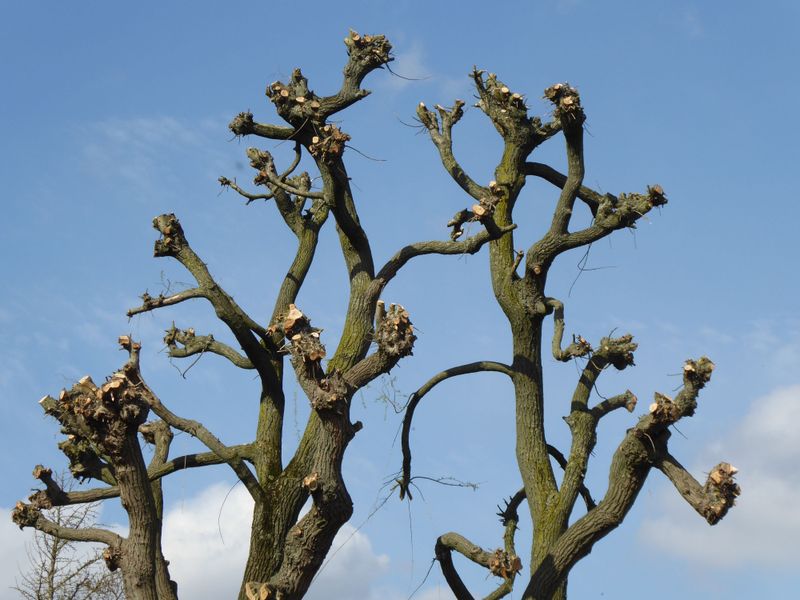
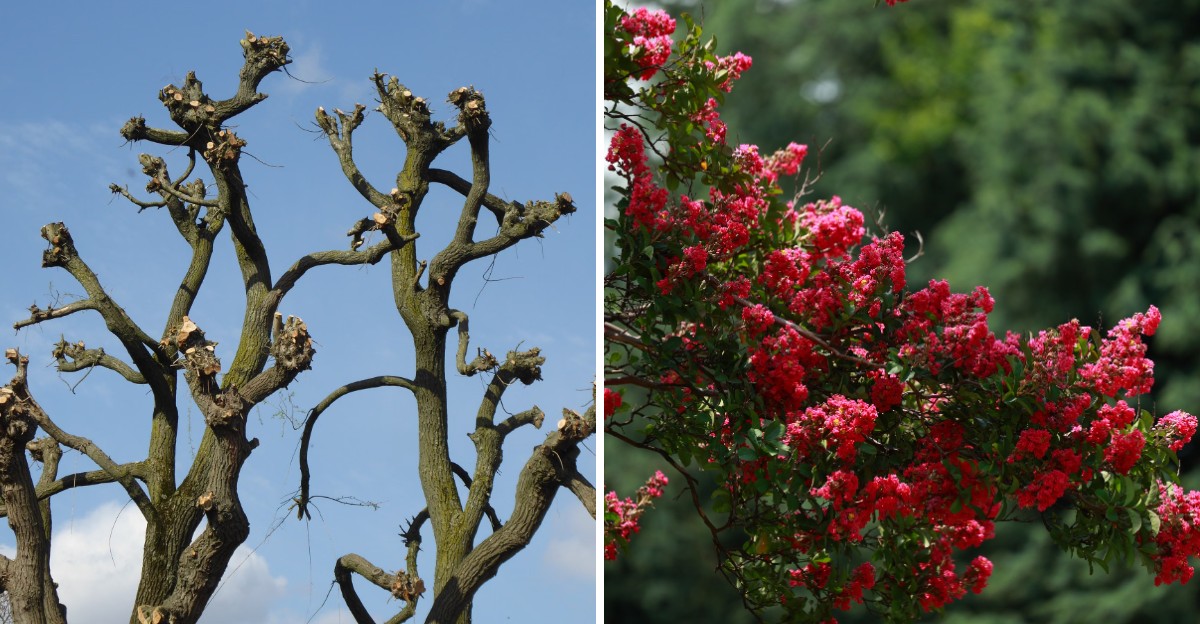
Every winter, saws buzz across Texas neighborhoods, and crape myrtles get chopped into blunt, ugly stubs. Experts call this habit topping, and it causes more harm than most people realize.
Many folks believe heavy cutting creates more flowers the next summer. In truth, it triggers a flush of skinny shoots that bend under the weight of blooms.
Those weak sprouts grow from knobby knuckles that form at every cut point. Over time, the tree looks like a row of clenched fists instead of graceful branches.
Topping also wrecks the shade you planted it for in the first place. A natural canopy spreads like an umbrella, while a chopped one looks like a broom.
Some people top trees because they planted a variety too big for the spot. Choosing the right mature size at the nursery solves that problem before it starts.
Light pruning is fine, and it can even help the tree look its best. Remove crossing branches, suckers at the base, and twigs smaller than a pencil.
Late winter, around February, is the best time for any trimming work. The bare branches make it easy to see the shape you want to keep.
To raise the canopy for patio seating, remove lower side limbs from the trunks gradually. Spreading this work over two or three years keeps the tree from getting stressed.
A little restraint goes a long way with this tree. Your neighbors may keep hacking, but your patio will enjoy the prettiest shade on the block.
Smart Spacing And Soil Prep For A Lasting Patio
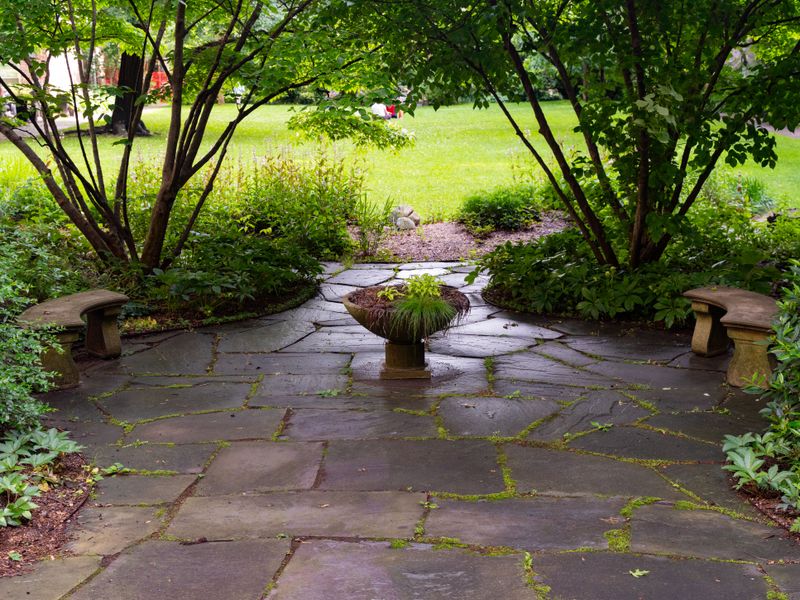
A shovel and ten minutes of planning can protect a patio for twenty years. Most concrete trouble starts with a tree placed too close or planted too deep.
Start by checking the tag for the mature height and width of your variety. A dwarf type might reach eight feet, while a tall one can hit thirty.
Place the trunk so the full canopy reaches over the patio, not the trunk itself. Shade travels farther than you think, especially from the west side in late afternoon.
Dig a hole two to three times wider than the root ball but no deeper. The top of the root ball should sit level with or slightly above the soil.
Planting too deep can smother roots and invite rot in heavy Texas clay. Loosen circling roots gently with your fingers so they spread outward instead of strangling the trunk.
Spread two to three inches of mulch in a wide ring, keeping it off the bark. Mulch holds moisture, cools the soil, and encourages roots to stay put.
Deep, slow watering once or twice a week trains roots to grow downward. Quick daily sprinkles teach them to crowd near the surface, closer to your slab.
Some homeowners add a root barrier along the patio edge for extra peace of mind. These plastic panels guide roots downward and away from concrete foundations.
Sun exposure matters, too, because crape myrtles need six or more hours of direct light. Shady spots lead to fewer flowers and more powdery mildew on the leaves.
Cool Shade And Color For Years To Come
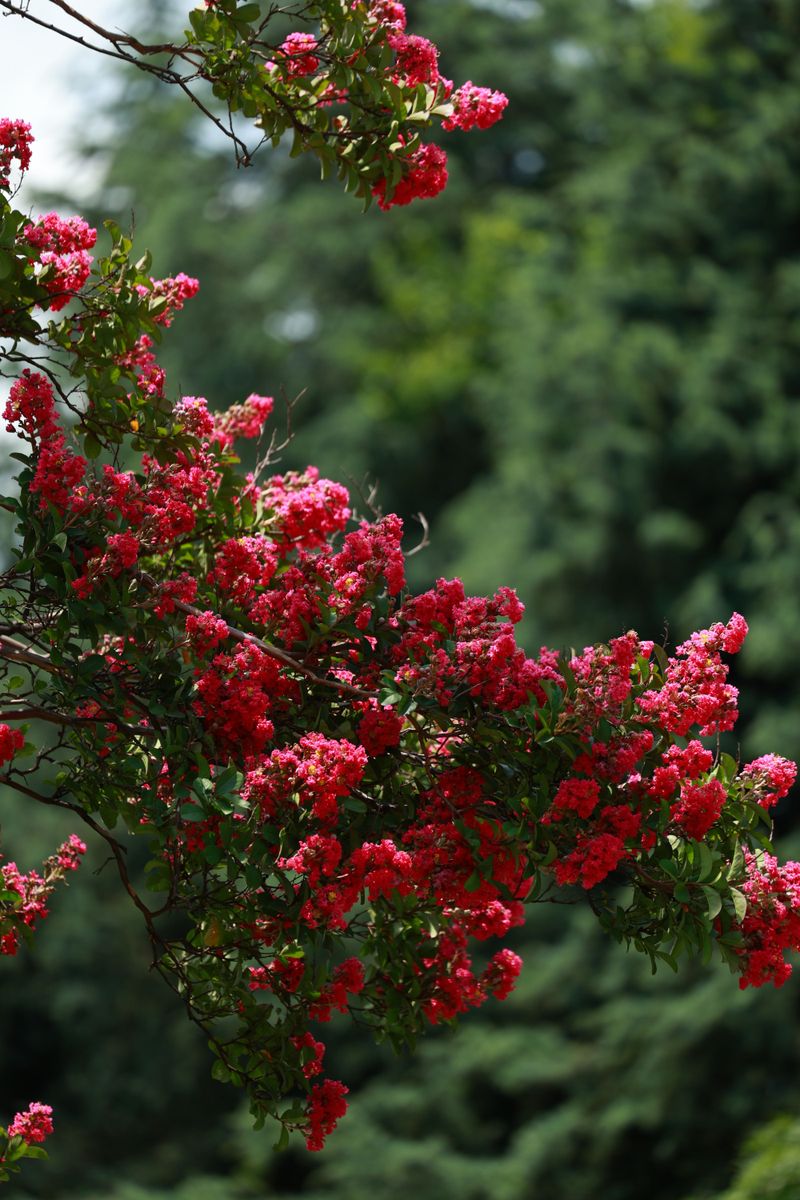
Imagine sipping lemonade on your patio in August while pink petals drift onto the table. That scene becomes real within a few seasons of planting a crape myrtle.
Most young trees grow two to three feet per year once established. In three to five years, many varieties offer real shade over a small seating area.
Shade from a tree can make a patio feel noticeably cooler than bare concrete in full sun. Some studies show shaded surfaces stay twenty degrees or more cooler at midday.
Your energy bill may thank you if the tree also shades a nearby window or wall. Less heat soaking into concrete means less heat radiating back toward the house at night.
Wildlife enjoys the upgrade as well. Bees buzz around the blooms in summer, and small birds nibble seed capsules during the colder months.
Autumn brings a bonus show many people do not expect. Leaves turn orange, red, or gold depending on the variety, adding color before winter arrives.
Care stays simple once the tree matures. A deep watering during long dry spells and a quick winter tidy-up are usually enough.
Concrete stays smooth and level, which keeps furniture steady and tripping hazards away. Kids can ride scooters across it without hitting bumpy ridges created by roots.
Many crape myrtles live fifty years or longer with decent care. That means one planting decision today can shade family cookouts for generations.
Few trees give so much while asking so little of a busy homeowner. Plant one this fall, and your future self will be grateful every steamy afternoon.