This Underrated Texas Shrub Can Replace Tired Summer Annual Beds
By fall, most Texas annual beds have given everything they’re going to give. The plants that looked full and vibrant in spring are tired, sparse, and past their best in a way that no amount of deadheading or fertilizing is going to fix.
Most homeowners either replant with fall annuals and start the cycle over, or simply clear the beds and wait for spring. There’s a better option. One that doesn’t need replacing every season.
One Texas shrub steps into this space beautifully, blooming with striking color through the fall months, handling Texas heat and drought without complaint, and returning reliably year after year with no replanting required.
It looks genuinely fresh at exactly the moment annual beds look their most defeated. Here’s the underrated Texas shrub worth putting in place of those tired annual beds this fall.
Replace Fading Annuals With Texas Sage
Picture a plant that shows up year after year without begging you to replant it. That is exactly what Texas sage offers gardeners who are worn out from the annual flower shuffle.
Known by its scientific name Leucophyllum frutescens, this shrub grows naturally across the hot, dry parts of Texas and northern Mexico.
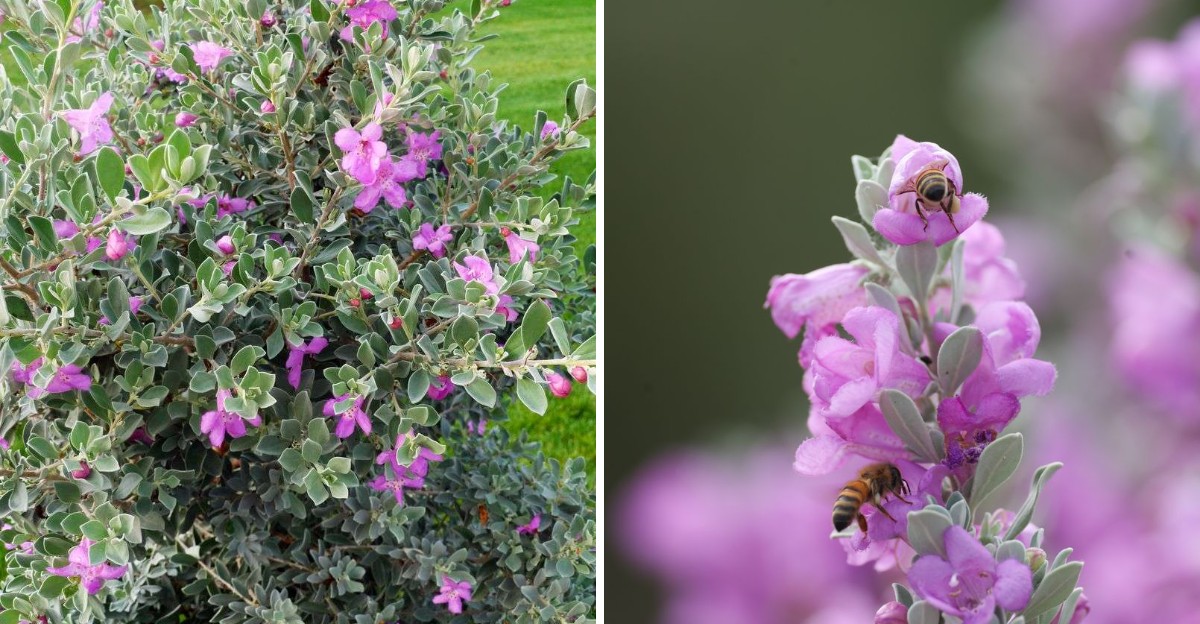
It has soft, silvery-green leaves and rounded shape that looks tidy even without flowers. Because it is a long-lived shrub, you plant it once and enjoy it for many seasons.
Most summer annuals fade quickly under the Texas sun. You buy them in spring, they look great for a few weeks, and then they fizzle out when the real heat arrives. That cycle costs money and time.
Texas sage flips the script completely. Instead of replacing wilted flowers every summer, you get a permanent plant that brings color on its own schedule. The bursts of purple blooms feel like a bonus gift each time they appear.
Gardeners love this shrub because it handles neglect with grace. It does not need constant fertilizer, fussy watering, or daily attention. Once it settles in, it mostly takes care of itself.
For anyone building a low-effort landscape, this plant is a smart starting point. It gives your beds structure, softness, and seasonal surprises all in one package.
Think of it as trading a short-term fling for a long-term friendship. Your wallet, your back, and your yard will all thank you when the temperatures climb.
Why Texas Sage Handles Texas Summers So Well
Heat that makes people run for air conditioning barely bothers this shrub. Texas sage was practically built for scorching afternoons and long stretches without rain.
Its silvery leaves are one reason it copes so well. The pale color reflects sunlight instead of soaking it all in, which helps the plant stay cooler. Tiny hairs on the leaves also trap moisture and slow water loss.
Native plants have a big advantage in tough climates. Because Texas sage evolved in this region, it already knows how to survive here. It does not need pampering to make it through a rough August.
Your Texas Garden Changes Every Week. Your Plan Should Too.
Gardening in Texas changes quickly throughout the season. Every Friday you’ll receive a simple weekly plan showing exactly what to plant, prune, fertilize, harvest, and protect so you never miss the right timing.
Once the roots are established, this shrub becomes remarkably drought-tough. It pulls moisture from deep in the soil and keeps going when thirsty annuals give up. That toughness saves you from dragging the hose out every evening.
Full sun is where this plant truly shines. Spots that bake other flowers are perfect for Texas sage. The more sunshine it gets, the healthier and fuller it tends to grow.
Poor soil is not a problem either. Rocky, sandy, or lean ground that struggles to support fancy flowers still works fine for this hardy shrub. It actually prefers conditions many plants dislike.
All of these traits add up to a plant that fits Texas life beautifully. Instead of fighting the climate, this shrub works with it.
That is why so many landscapers reach for it when they need color that can take the heat and keep on going strong through summer.
The Purple Flowers That Appear After Rain
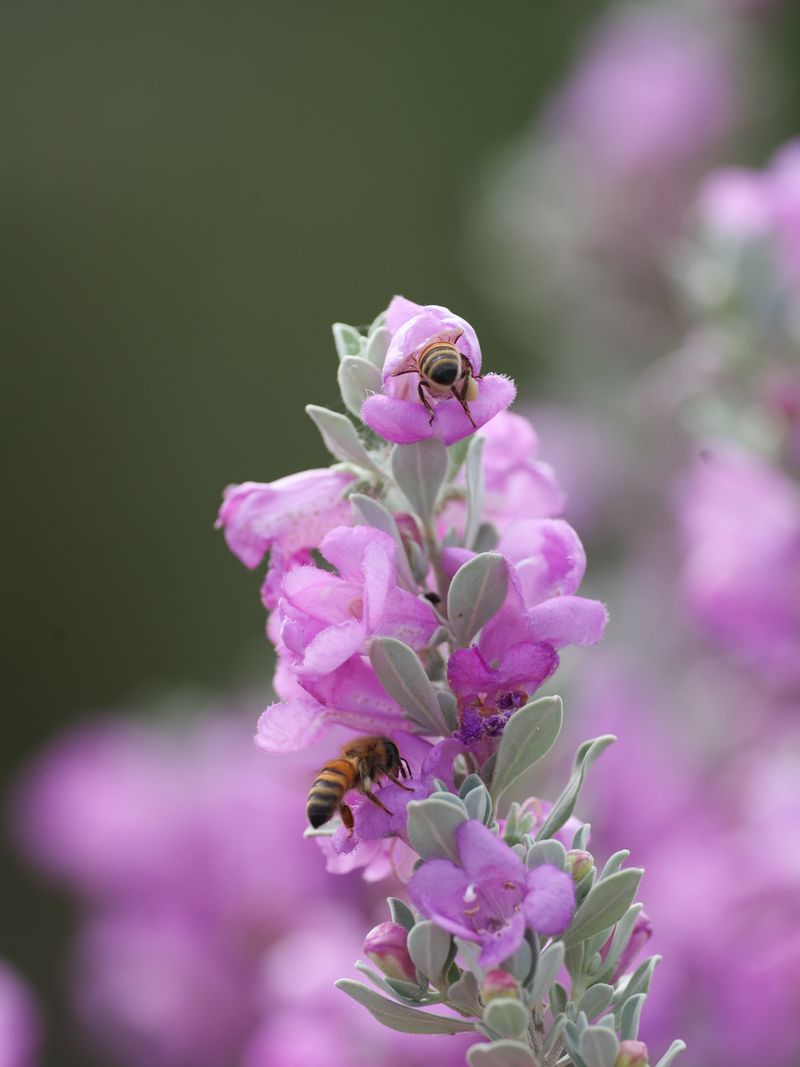
Here is the quirky part that earns Texas sage its famous nickname, the barometer bush. This shrub tends to burst into bloom shortly after rain rolls through.
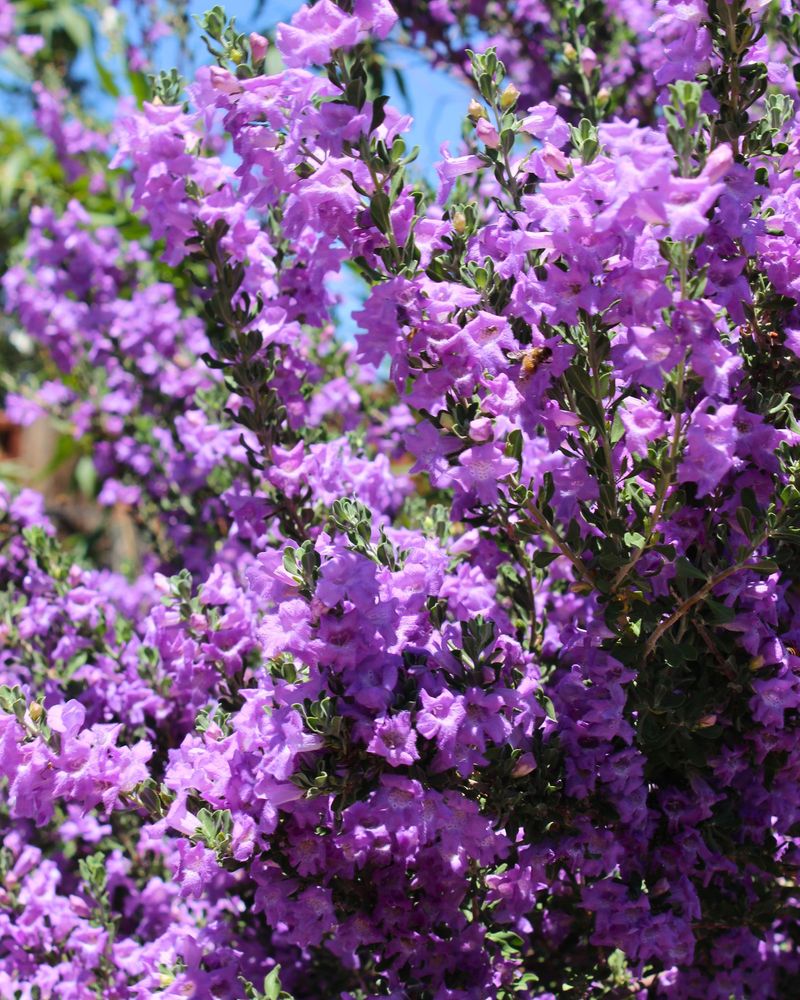
When humidity rises and moisture hits the air, the plant responds by covering itself in purple, pink, or lavender flowers. It almost seems to predict the weather, which is how it got that clever name.
The blooms do not last forever, and that is part of the charm. They come and go in waves throughout the warm months, giving you fresh color several times a season. Each flush feels like a little celebration.
Bees and butterflies love these flowers too. When the shrub blooms, it turns into a busy hangout for pollinators searching for nectar. That extra wildlife activity makes your yard feel more alive.
Unlike annuals that bloom steadily then fizzle, this shrub keeps surprising you. You never know exactly when the next big display will show up. That mystery keeps gardening interesting instead of predictable.
Rain is not the only trigger, but it is the most reliable one. A good summer storm often means a purple show within a day or two. Watching for those blooms becomes a fun little ritual.
The contrast of soft gray-green leaves against bright purple petals is genuinely striking. It stands out in any bed and photographs beautifully.
For color that feels natural and unforced, few plants match the easygoing beauty of Texas sage in full bloom after a refreshing rain.
Give Texas Sage The Right Growing Conditions
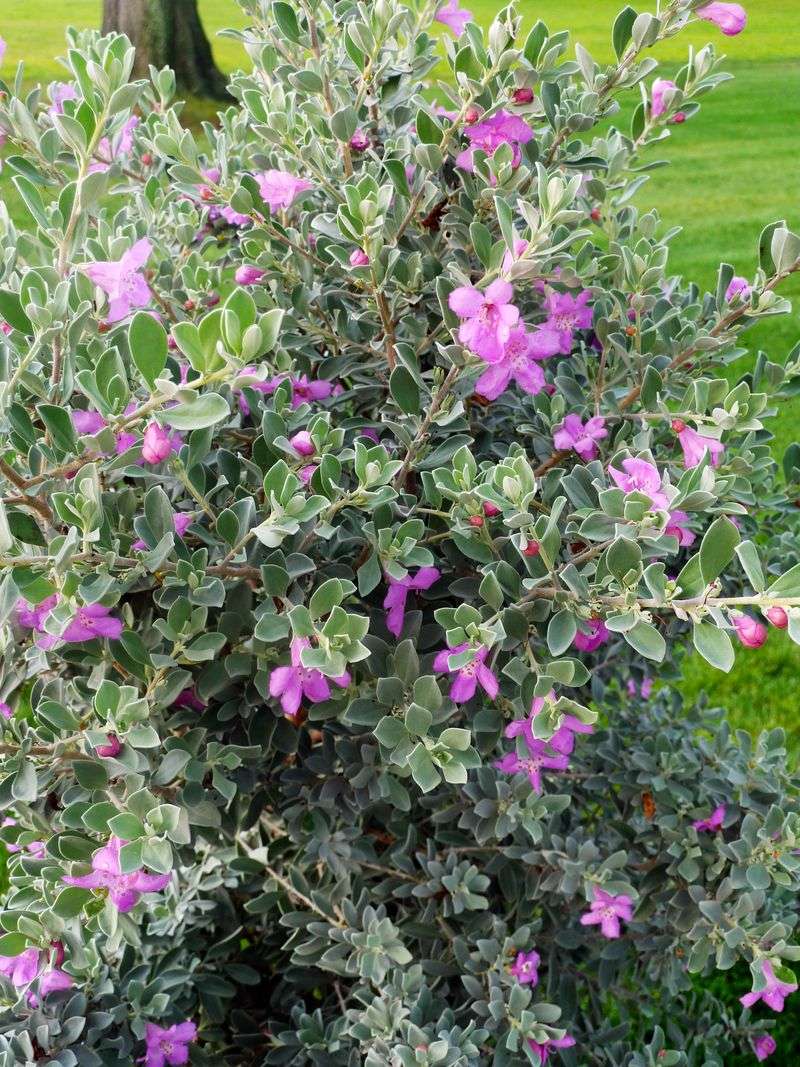
Getting a few basics right at planting time makes all the difference with this shrub. Texas sage is easy, but it does have clear preferences worth following.
Sunlight tops the list. Choose the brightest spot in your yard, ideally somewhere that gets full sun for most of the day. Shade tends to make the plant leggy and stingy with flowers.
Drainage matters just as much. This shrub hates sitting in soggy ground, so well-drained soil is a must. Sandy or rocky beds work great, while heavy clay that holds water can cause trouble.
If your soil drains slowly, you can improve it. Mixing in gravel or planting on a slight mound helps excess water move away from the roots. Raised beds are another handy fix.
Spacing is often overlooked but important. These shrubs can grow several feet wide, so give each one room to spread. Crowding leads to poor air flow and weaker plants.
Overwatering is the biggest mistake people make. Because it looks tough, folks assume it needs lots of water, but the opposite is true. Consistently wet conditions harm this plant more than dry ones do.
Skip the rich fertilizer too. Lean soil actually suits Texas sage just fine, and too many nutrients can encourage floppy growth. Simple is better here.
Set it up in a sunny, dry, well-draining spot, and you have done the hard part. From there, the shrub handles most of the work itself. A good start now means years of easy, colorful reward later on with very little fuss.
How To Use Texas Sage Instead Of Annual Beds
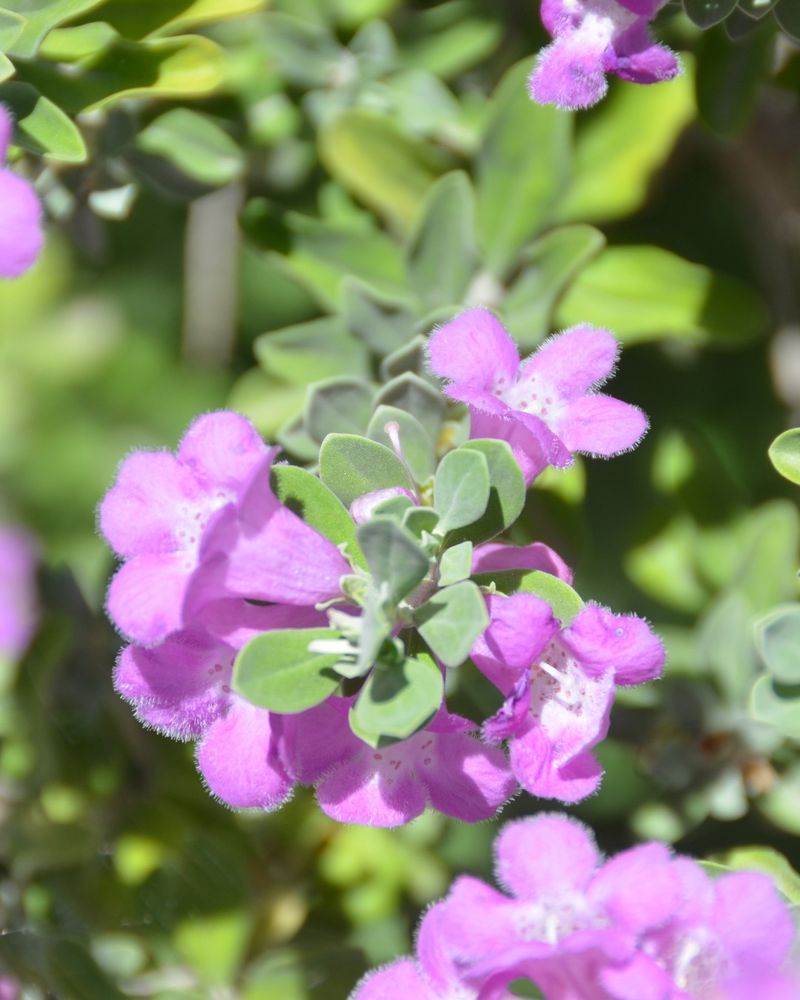
Once you see how flexible this shrub is, ideas start popping up everywhere. Texas sage fits into all sorts of spots where you might normally plant fussy annuals.
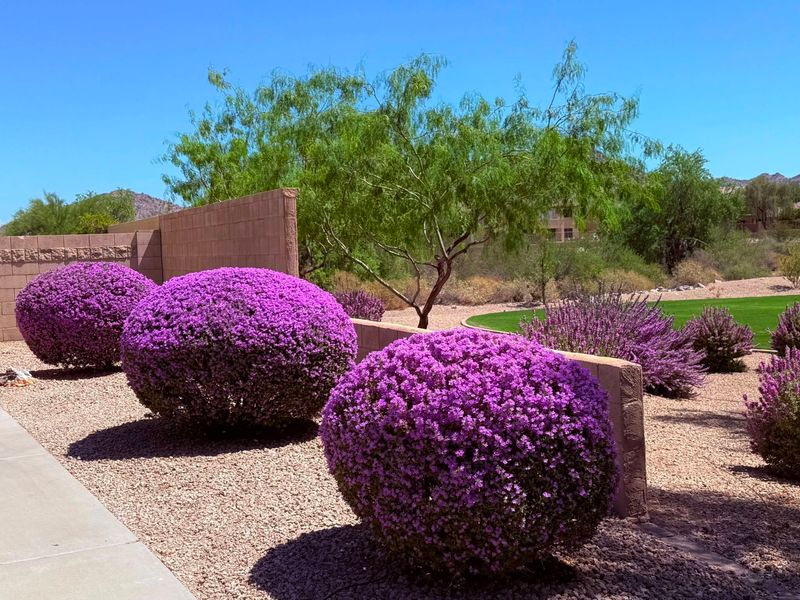
Borders are a natural fit. A row of these shrubs creates a soft, colorful edge along walkways, driveways, or property lines. The rounded shape gives beds a neat, finished look.
Foundation plantings work wonderfully too. Placed along the front of a house, Texas sage adds greenery and seasonal color without hiding your windows or growing out of control.
Xeriscapes love this plant. If you are building a water-wise landscape with gravel, native grasses, and stone, this shrub blends right in. It brings color to designs that might otherwise look plain.
You can also use it as a low informal hedge. Plant several in a line and let them fill in for privacy and structure. It softens fences and blank walls nicely.
Mixing it with other tough plants creates a lively bed. Pair it with agave, yucca, or ornamental grasses for texture and contrast. The combination looks intentional and stylish.
Slopes and hard-to-water areas become opportunities. Because the shrub tolerates dry ground, it thrives in spots where sprinklers rarely reach. Those tricky corners finally get some beauty.
The best part is permanence. Instead of digging up beds every spring, you set the plants once and enjoy lasting structure. Annuals can still play a supporting role, but Texas sage becomes the reliable backbone.
It gives your yard shape year-round while delivering those surprise bursts of color that keep the whole space feeling fresh.
Keep Texas Sage Looking Its Best
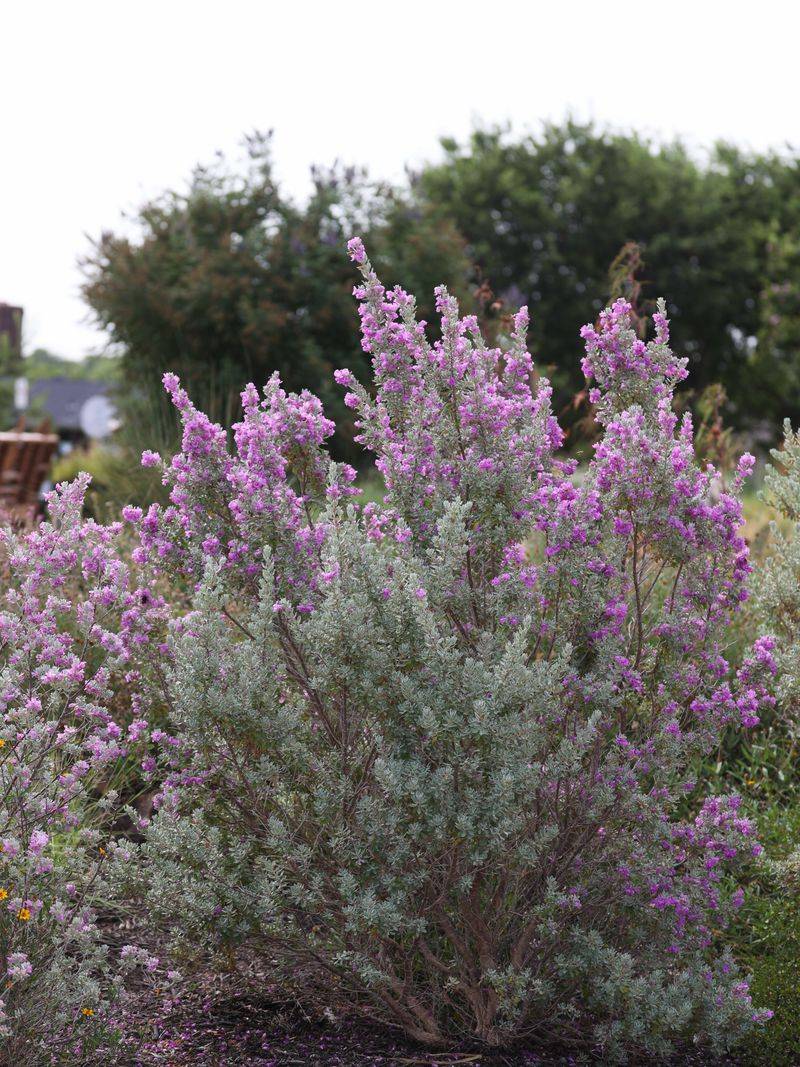
Low-maintenance does not mean no maintenance, and a little attention keeps this shrub looking sharp. The good news is that the care routine is refreshingly simple.
Watering matters most during the first season. While the roots are getting established, give the plant a deep drink every week or so. This early support helps it build a strong foundation underground.
After that first year, ease way back. An established shrub needs very little extra water, relying mostly on rainfall. Watering too often at this stage does more harm than good.
Pruning is your other main task, and it stays light. A gentle trim now and then keeps the shrub tidy and encourages fuller growth. You do not need to prune it hard or often.
Timing helps here. Shaping right after a bloom cycle works well, since you tidy up without cutting off flowers about to open. Just snip stray branches to guide the overall form.
Avoid shearing it into a stiff ball. The plant looks best with a natural, slightly loose shape. Heavy shearing can leave bare spots and reduce blooming.
Skip heavy fertilizing entirely. Extra nutrients encourage soft, floppy growth that flops over and blooms less. This shrub genuinely prefers a lean diet.
Watch drainage during rainy spells too. If water pools around the base, gently improve the soil so roots stay healthy. Standing moisture is the one thing to guard against.
Follow these easy steps and your Texas sage will reward you for years. With minimal effort, you get a handsome, colorful shrub that quietly outlasts every bed of tired summer annuals.