The One Thing You Must Do To Texas Beds Before The First Freeze
In Texas, winter rarely eases in politely. One day, you’re wearing shorts in 80-degree sunshine. The next, a blue norther blows through and temperatures plunge below freezing overnight.
Those wild swings are tough on garden beds. Many Texas plants are used to heat, not ice. When a sudden freeze hits, bare soil loses warmth fast, leaving roots exposed to the cold.
Repeated freezing and thawing can also shift the ground and stress plants that are just trying to settle in for winter.
Thankfully, one simple step can make a big difference. It protects roots, holds in moisture, and helps keep soil temperatures steady when the weather can’t make up its mind. It also takes very little time.
Get it done before that first freeze shows up on the forecast, and your plants will have a much easier winter.
Add A Fresh Layer Of Mulch
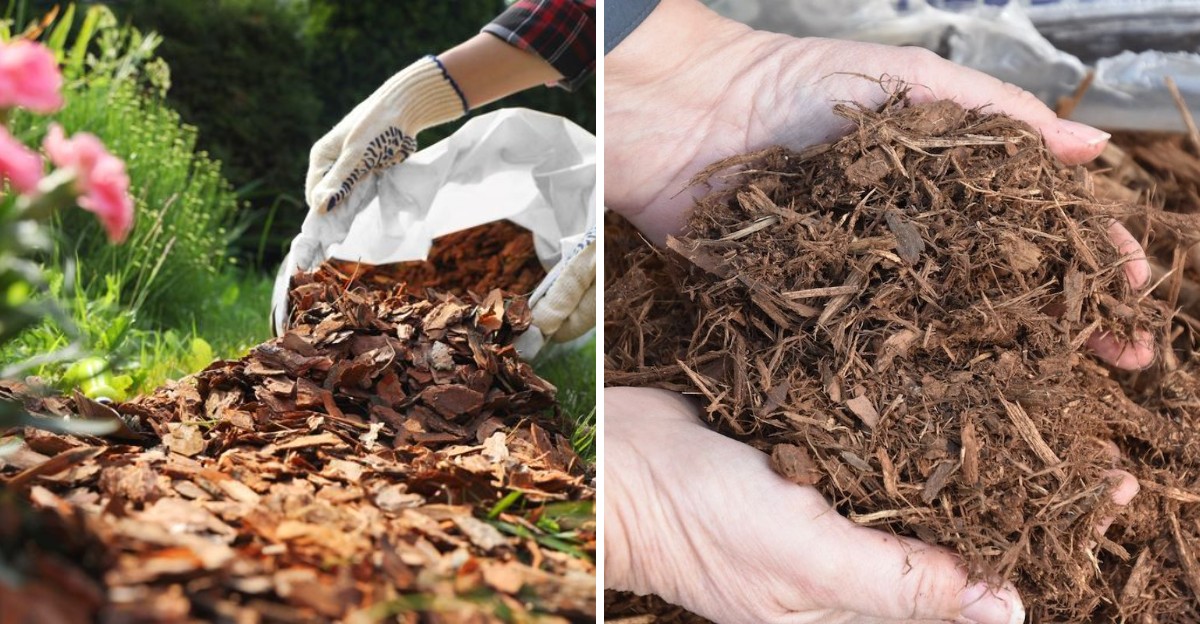
Ask any longtime Texas gardener for their best winter secret, and you will probably hear one word. Mulch. It sounds too simple to matter, but it truly does.
Here is the problem many people miss. The mulch you spread back in March has been baking in the sun all summer long. Heat, rain, and busy soil bugs have been breaking it down for months.
By October or November, that once thick layer may be thin and patchy. In some spots, you might even see bare dirt showing through. Bare soil leaves roots open to cold air, and that is risky when a freeze rolls in.
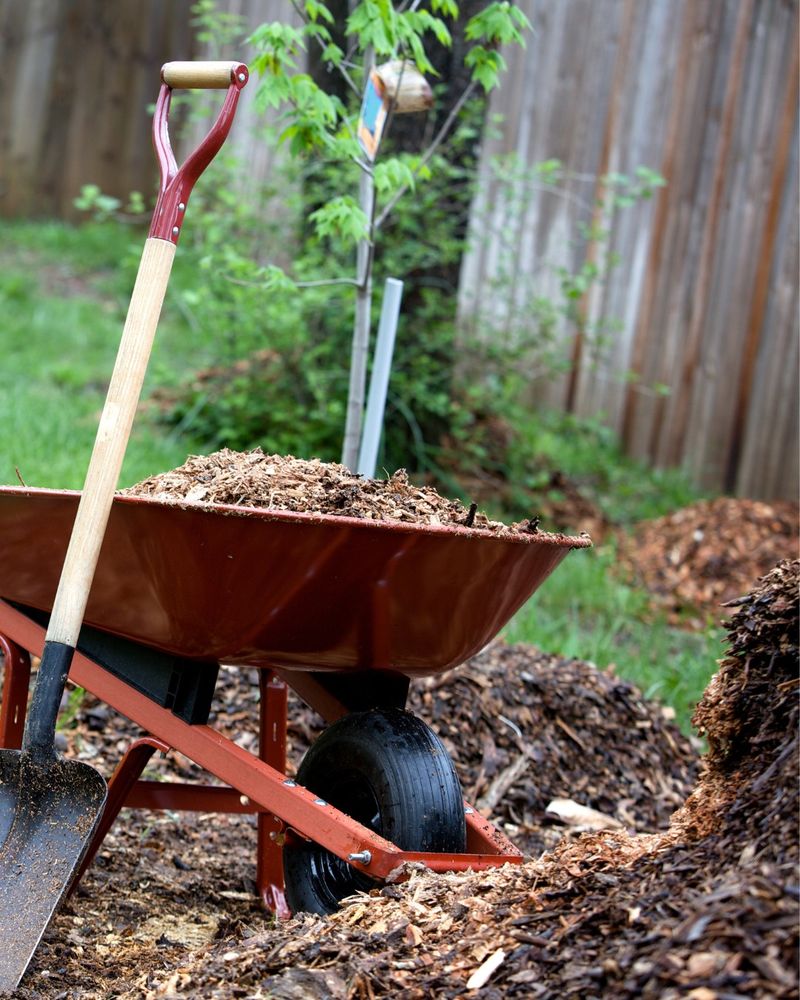
A fresh layer fixes the problem fast. You do not need to rake out the old mulch first. Just spread the new stuff right on top, and the old layer will keep breaking down underneath.
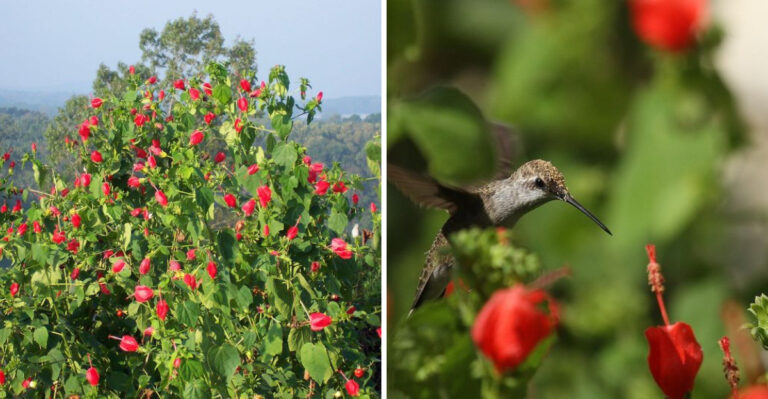
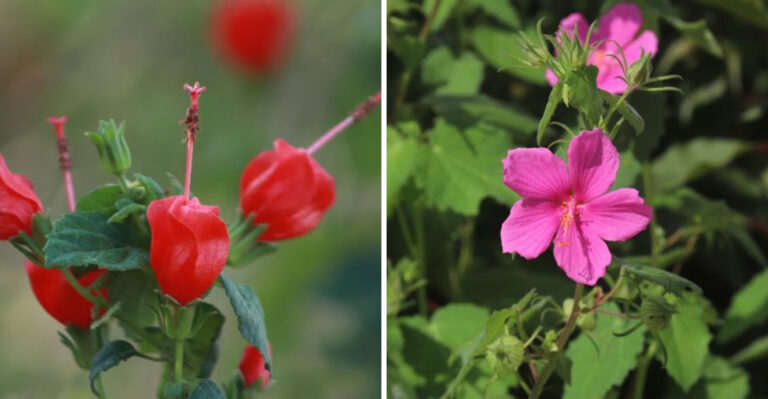
Perennials benefit the most from this step. Plants like lantana, salvia, and Turk’s cap often go dormant in winter, but their roots stay alive below ground. Keeping those roots warm means they can sprout again in spring.
Shrubs and bulbs also love the extra cover. Bulbs tucked under mulch stay at a steady temperature, so they are less likely to wake up too early during a warm spell.
Timing matters too. Try to finish the job before your area’s average first freeze date. In North Texas, that is often mid-November. Along the coast and in South Texas, it may be December or later.
Fun fact: the word mulch may come from an old English word meaning soft. That fits, since a good layer feels like a soft blanket for your soil. Spend one weekend afternoon on this task, and your garden will thank you all winter.
Why Mulch Protects Roots From Freezes
Think about how you feel on a chilly night without a blanket. You toss and turn, and you wake up cold. Plant roots go through something similar when soil is left bare.
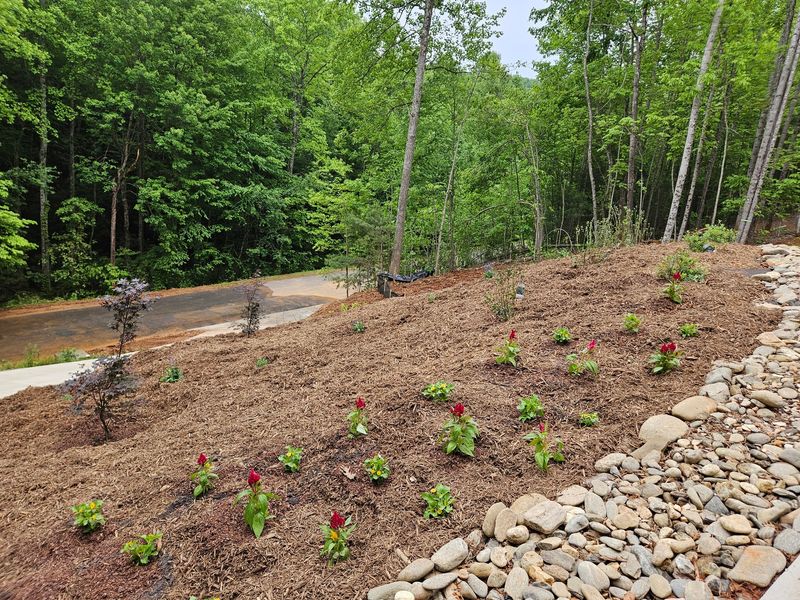
Mulch works like a quilt for your garden. Soil soaks up warmth from the sun during the day. Without cover, that heat escapes quickly once the sun goes down.
Your Texas Garden Changes Every Week. Your Plan Should Too.
Gardening in Texas changes quickly throughout the season. Every Friday you’ll receive a simple weekly plan showing exactly what to plant, prune, fertilize, harvest, and protect so you never miss the right timing.
A layer of mulch traps that warmth close to the ground. The soil underneath cools much more slowly. Even if the air drops below 32 degrees, the soil may stay several degrees warmer.
Those few degrees can be a big deal. Many roots can handle cool soil just fine. What hurts them is a fast, deep chill that freezes the tissue.
Texas has another challenge that makes mulch extra helpful. Our winters are full of wild swings. It might be 75 degrees on Tuesday and 25 degrees on Wednesday night.
Those sharp ups and downs stress plants out. Roots may start growing during a warm spell, then get shocked when the cold returns. Mulch smooths out those swings, so the soil stays more even from day to day.
There is also something called frost heave. When wet soil freezes and thaws over and over, it can push small plants right out of the ground. Their roots end up sitting in cold air. A good mulch layer helps stop that from happening.
On top of all that, mulch holds moisture in the soil. Damp ground stays warmer than dry ground, which adds even more protection.
So that humble pile of wood chips is doing several jobs at once. Not bad for something you can buy by the bag.
Choose The Right Type Of Mulch
Walk into any garden center in Texas, and you will see a whole wall of mulch bags. Red dyed chips, black chips, rubber nuggets, and more. So which one should you pick?
For winter protection, three choices stand out. Shredded hardwood, pine straw, and shredded leaves all do a great job in Texas beds.
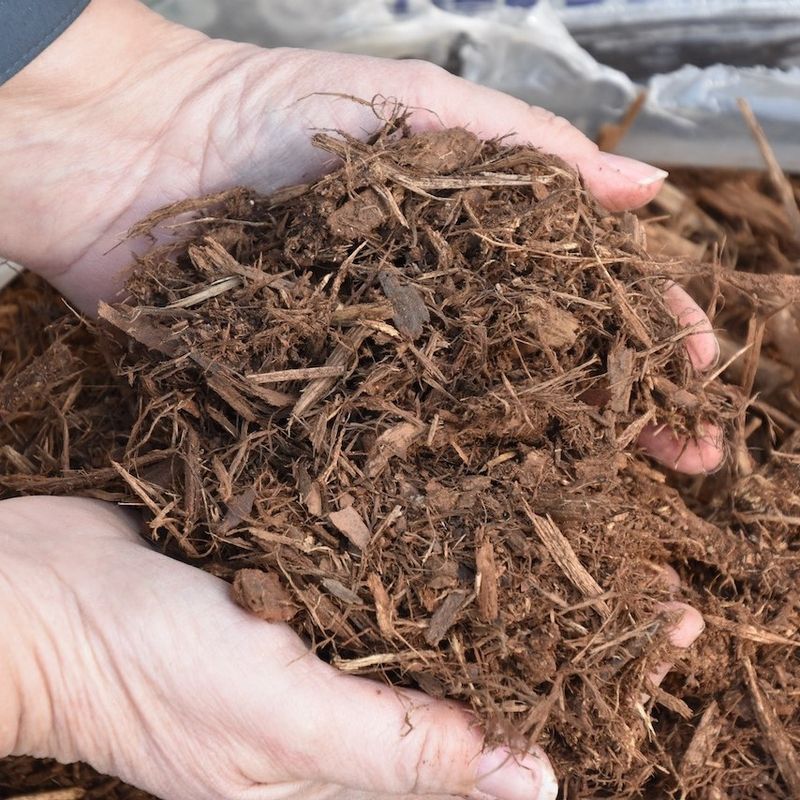
Shredded hardwood is a favorite for good reason. The pieces lock together, so they do not blow away in a blue norther. It also breaks down slowly and lasts a long time.
Pine straw is popular in East Texas, where pine trees are everywhere. It is light, easy to spread, and lets water soak through nicely. Plants that like slightly acidic soil, such as azaleas, really enjoy it.
Now for the money saver. Shredded leaves are totally free. Every fall, your oak, pecan, and elm trees drop a fresh supply right in your yard.
Do not use whole leaves, though. They can mat down into a soggy layer that blocks air and water. Run them over with a lawn mower first, or toss them in a bag and use a string trimmer to chop them up.
The best part about leaves is what happens next. Over the winter, worms and tiny soil life break them down. By spring, they have turned into rich food for your garden.
You may want to skip rubber mulch and heavily dyed chips. Rubber does not feed the soil at all, and it can get very hot in summer. Natural mulches are kinder to your plants and the earth.
Quick tip: ask your neighbors for their bagged leaves. Many folks are happy to hand them over.
Apply It At The Right Depth
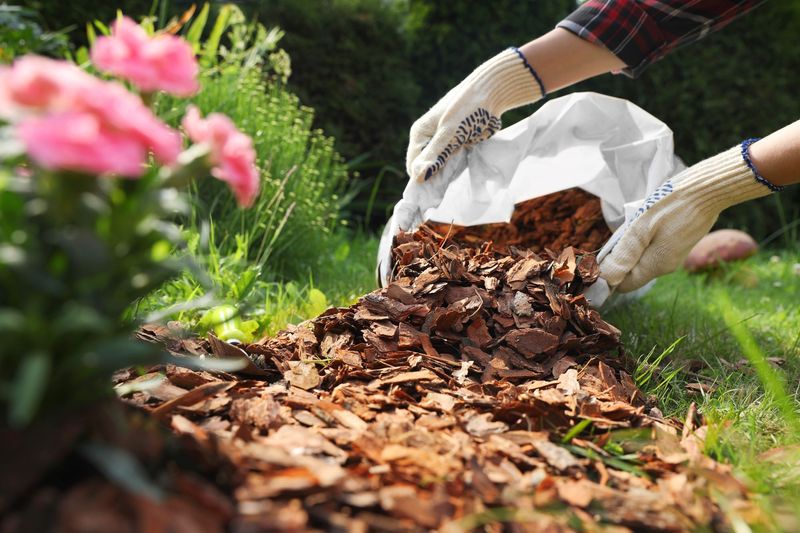
Goldilocks had the right idea. Not too little, not too much, but just right. That rule works perfectly for mulch, too.
Aim for a layer that is about 2 to 4 inches deep. Grab a ruler or just use your finger as a guide. Most adult fingers are around three inches long.
Why not pile on more? Too much mulch can actually cause trouble. A very thick layer may keep water from reaching the roots, and it can stay soggy for too long.
On the other hand, a thin sprinkle will not do much. One inch of mulch is not enough to hold warmth when a hard freeze hits.
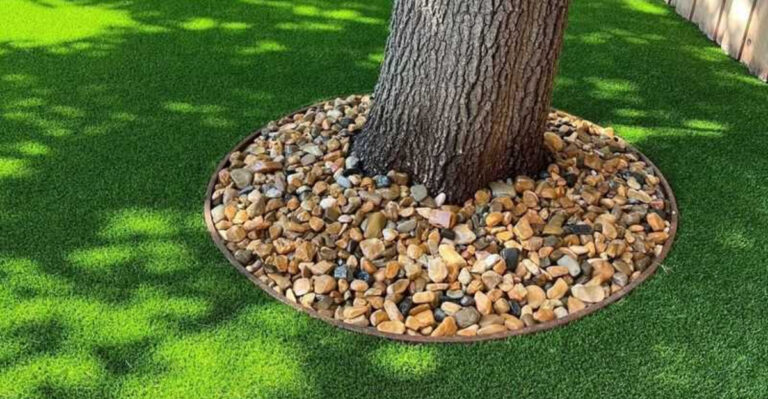
Here is a mistake many people make. They pile mulch right up against tree trunks in a tall cone. Gardeners even have a funny name for it: the mulch volcano.
Mulch volcanoes look neat, but they are bad news. Wet mulch pressed against bark can cause rot. It also gives mice, voles, and bugs a cozy hiding spot to chew on your plants.
Instead, leave a small gap around each stem or trunk. For small plants, pull mulch back about two inches. For trees, leave a ring of three to six inches of bare space. Picture a donut shape, with the plant sitting in the hole. That is the look you want.
One more tip helps a lot. Spread mulch evenly across the whole bed, not just around each plant. Roots often stretch out farther than you think.
Once you finish, give the bed a quick look from a few feet away. If it looks even and the stems can breathe, you nailed it.
Water Beds Before A Freeze
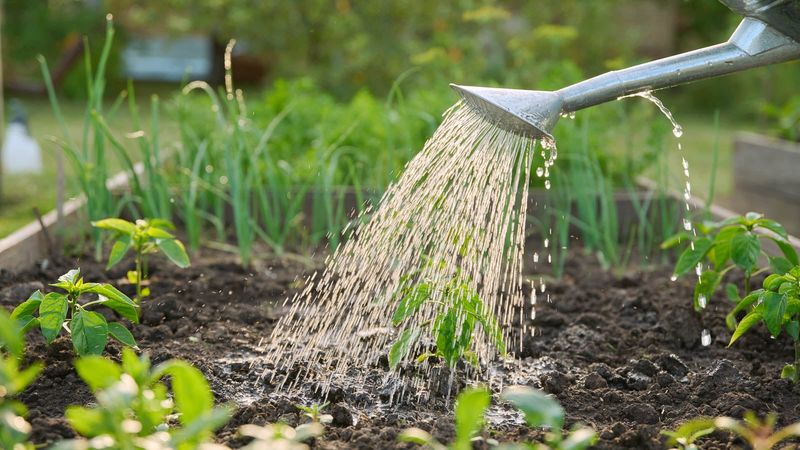
It sounds backward, right? Cold weather is coming, so why would you add water? Yet watering is one of the smartest moves you can make before a freeze.
The science is pretty cool. Wet soil holds heat much better than dry soil. Water stores warmth during the day and slowly lets it go at night.
Dry soil is full of tiny air pockets. Cold air slips into those spaces easily and chills the roots fast. Moist soil has fewer gaps, so it stays warmer longer.
Fall in Texas is often dry. Weeks can pass without a good rain. By the time a cold front shows up, many plants are already thirsty and stressed.
A stressed plant has a harder time handling cold. Leaves lose moisture in dry winter wind, and thirsty roots cannot keep up. Giving plants a good drink helps them stay strong.
Try to water a day or two before the freeze is expected. That gives the water time to soak deep into the ground. Watering at the very last minute while it is already freezing is not as helpful.
Water in the morning or early afternoon if you can. That way, leaves have time to dry before night falls. Soak the soil slowly so it sinks in instead of running off.
Mulch and water make a great team. The water warms the soil, and the mulch holds that warmth in. Together, they create a snug little shelter for the roots.
Remember one more thing after the freeze. Disconnect and drain your hoses, and cover outdoor faucets. Burst pipes are a headache nobody needs in January.
Give Tender Plants Extra Cover
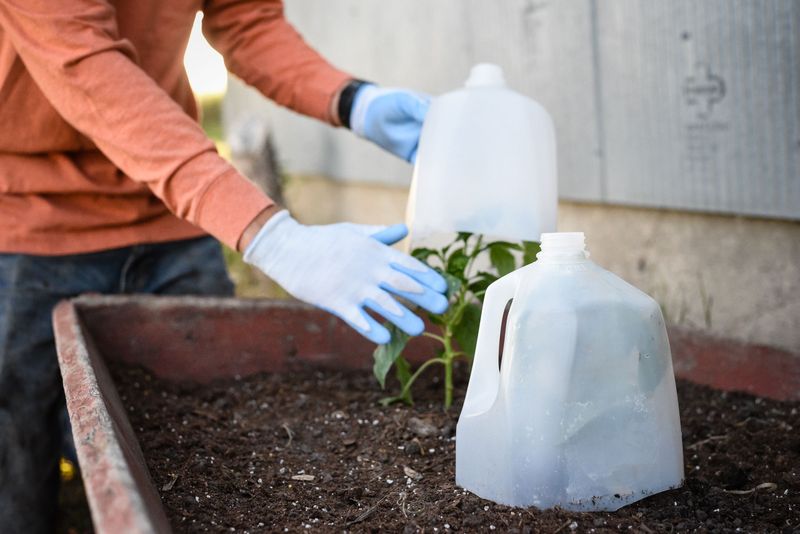
Some plants are tough as boots. Others are total softies. Plants like hibiscus, bougainvillea, citrus, and many tropical flowers fall into that second group.
For these tender plants, mulch alone may not be enough. When the forecast calls for a hard freeze, they need an extra layer on top.
Frost cloth is the best choice. It is a light fabric made just for gardens, and it lets air and some light pass through. You can find it at most garden stores for a few dollars.
No frost cloth? An old bedsheet or a light blanket works in a pinch. Plenty of Texans have raided the linen closet during a surprise cold snap.
The secret is to let the cover reach all the way to the ground. Heat rises from the soil at night. A cover that touches the ground traps that warmth around the plant like a little tent.
Hold the edges down with bricks, rocks, or garden pins. Texas winds can be fierce, and a loose sheet can blow across the yard by morning.
Be careful with plastic. If plastic touches the leaves, the cold passes right through and can damage them. If you must use it, put a sheet underneath first.
The next morning matters too. Once temperatures climb above freezing, pull the covers off. Leaving them on during a sunny day can trap too much heat and cook your plants.
Potted plants have it even easier. Just roll them into the garage or onto a covered porch for the night.
With a little planning, even your most delicate plants can make it through winter looking happy.