What It Means When You Hear Owls Calling Around Georgia Homes This Fall
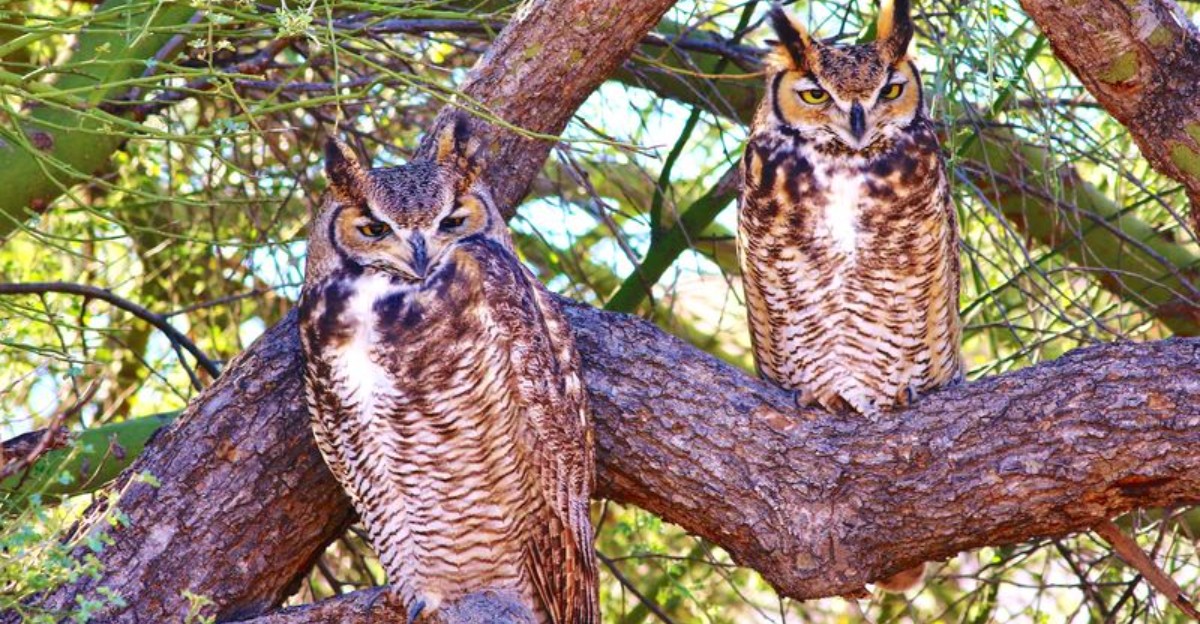
Hearing an owl hoot from the trees behind your house can feel a little eerie, especially when it goes on for a while. Some nights, a second voice seems to answer from farther away.
Those calls often pick up in fall, and there is a reason behind the extra noise.
Young owls born earlier in the year start leaving home to find territories of their own. Adults across Georgia respond by calling more often to defend the spaces they already claim.
Several species live near neighborhoods, and each has a distinct sound that tells you who is out there.
Knowing which owl you hear can explain why it keeps returning to the same trees.
Listen closely the next time one calls, and pay attention to the rhythm of the hoots.
1. Nighttime Hoots Often Pick Up As The Weather Cools
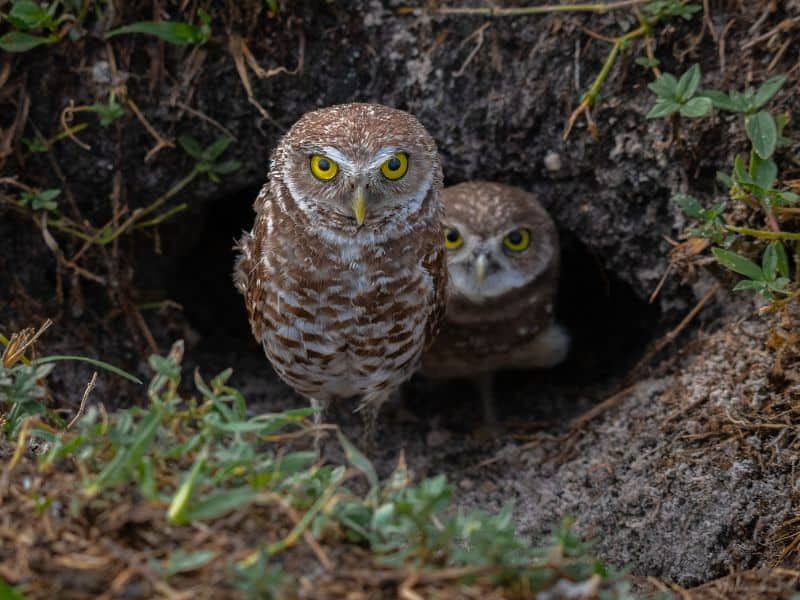
Cooler nights seem to wake up the woods. Once September heat finally breaks, many people across Georgia notice owl calls getting louder and more frequent after sunset.
Part of the reason is simple, since sound carries well through cool, still air.
Thinning leaves help as well, because fewer leaves mean fewer things soaking up sound between you and the bird. A hoot that seemed faint in July might ring clearly across the yard by November.
Owl behavior plays a role too, and it lines up with the season.
Young owls hatched in spring are now grown and looking for homes of their own. Adults respond by speaking up to defend the spaces they already hold.
Longer nights also give owls more hours of darkness to hunt and call. You may hear them earlier in the evening than you did during summer.
Want to hear more of them? Try stepping outside within an hour after sunset or in the quiet hours before dawn.
Turn off loud outdoor fans or music, and give your ears a few minutes to adjust. Activity can vary from night to night, so wind, rain, and nearby noise may quiet things down for a while.
2. That ‘Who Cooks For You’ Call Belongs To The Barred Owl
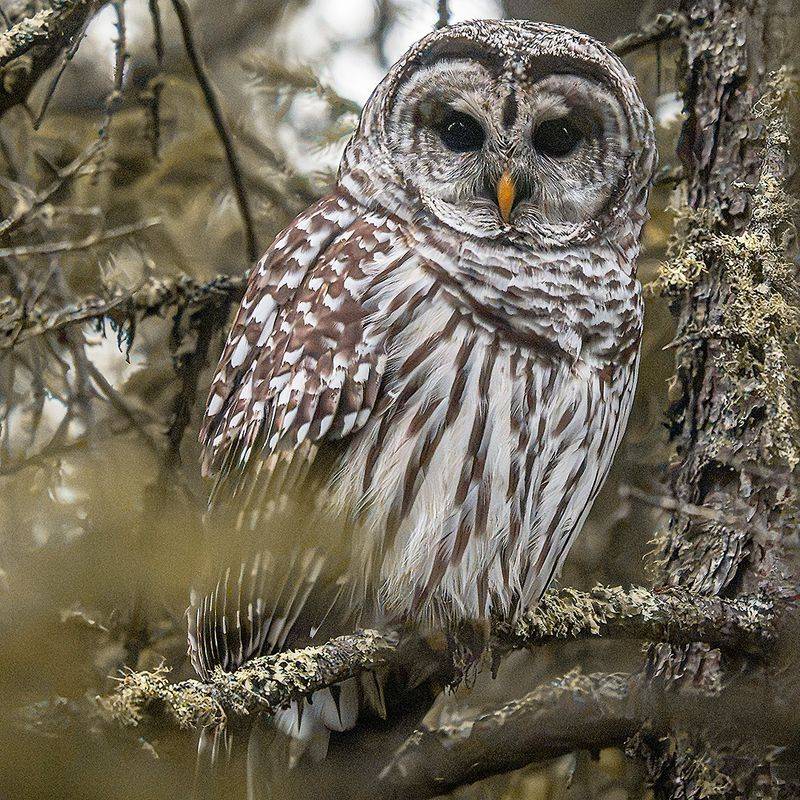
Ask a few old-timers about owls, and someone will probably start chanting “who cooks for you, who cooks for you-all.” That rhythm is the classic voice of the barred owl.
Barred owls are some of the most common owls you will hear around wooded neighborhoods in Georgia.
They like mature forests, creek bottoms, and swampy spots with big hardwood trees. If your home backs up to a stream or a patch of older oaks, you are in good barred owl country.
Listen for eight or nine hoots with a drawn-out, falling note at the end.
Things can get wild when two or more barred owls start calling together. Their cackles, hoots, and squawks can sound like a rowdy party in the trees, and it surprises plenty of first-time listeners.
Spotting one is easier than you might expect, since barred owls sometimes call during daytime, especially on cloudy afternoons.
Your Georgia Garden Changes Every Week. Your Plan Should Too.
Gardening in Georgia changes quickly throughout the season. Every Friday you’ll receive a simple weekly plan showing exactly what to plant, prune, fertilize, harvest, and protect so you never miss the right timing.
Look for a round head with no ear tufts and dark brown eyes. Gray-brown feathers with stripes running down the belly are another helpful clue.
A free birding app with sound recordings can help you compare what you hear outside, which makes learning the call quicker.
3. Deep, Rhythmic Hoots Likely Come From A Great Horned Owl
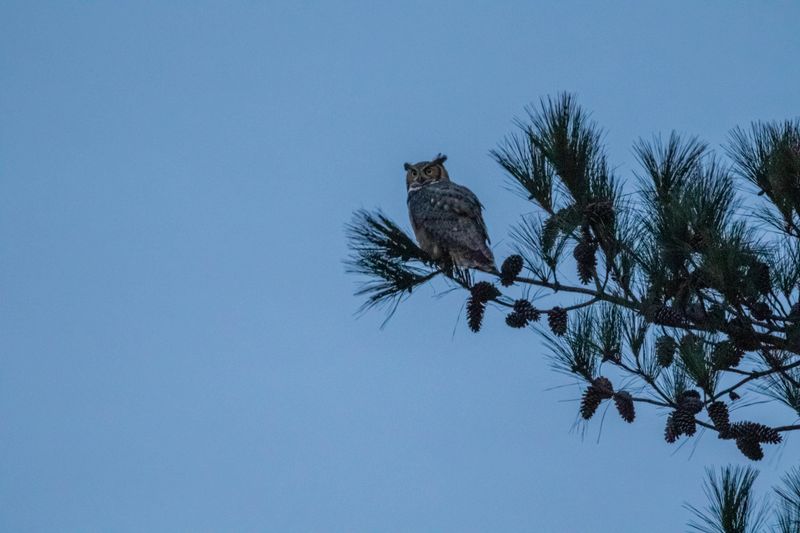
Low and steady, the great horned owl sounds like it means business. Its hoot often comes in a pattern of four or five soft notes, a bit like “hoo, h-hoo, hoo, hoo.”
Compared to the barred owl, this voice is deeper and calmer, with less of a sing-song bounce.
You can find great horned owls in nearly every kind of habitat in Georgia. Farm fields, suburbs, pine woods, and even city parks can all hold a pair.
Size sets them apart quickly if you ever catch a glimpse.
Look for a large, bulky owl with tall feather tufts that look like ears or horns. Their bright yellow eyes stand out, especially in a flashlight beam.
Fall is a great time to listen, because these owls nest earlier than most other birds. Pairs often hoot back and forth as they settle on a nest site for winter.
Small pets left outside after dark may be at some risk, since great horned owls are strong hunters.
Bringing cats and very small dogs inside at night is a sensible step. Keeping chickens in a covered coop helps too, and it protects them from other night visitors like raccoons.
4. A Soft Whinny Or Trill May Be A Tiny Screech-Owl
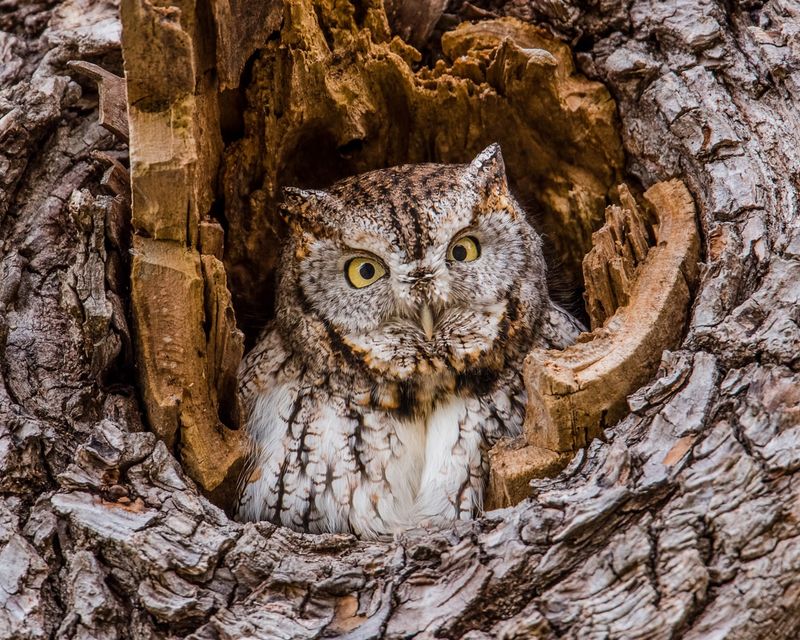
Some owl sounds are so odd that people blame them on a horse, a raccoon, or even a ghost. More often than not, the culprit is an eastern screech-owl.
Despite the name, these little owls rarely screech.
Their two main calls are a falling whinny, almost like a tiny horse, and a long, steady trill on one note. Both are soft enough that you might miss them unless the night is quiet.
An adult is only about the size of a soda can, so finding one takes patience.
Screech-owls come in gray or reddish-brown, and both colors show up in Georgia. Their bark-patterned feathers help them blend right into tree trunks.
Look for them near tree holes, old woodpecker cavities, and even nest boxes in quiet backyards. Older shade trees with natural hollows make good roosting spots for them.
A screech-owl nest box can invite one to stay, though there is no promise one will move in.
Mount the box 10 to 20 feet high on a tree trunk and add a layer of wood shavings inside. Placing it before winter gives owls time to find it before spring nesting.
5. Many Owl Calls Help Mark Territory Or Reach A Mate
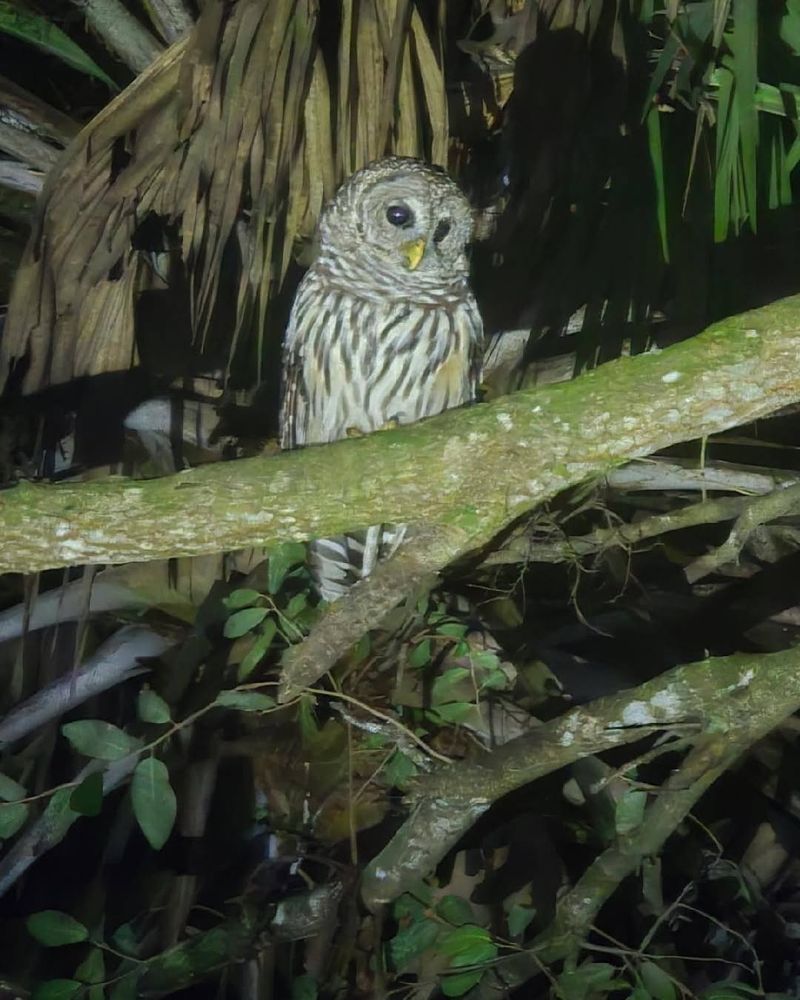
Owls are not hooting just to hear themselves. Most of their calls carry a clear message to other owls nearby.
Picture a hoot as a fence line you can hear instead of see.
Owls that live in one spot year-round, like many in Georgia, use their voices to say “this patch is taken.” Neighbors answer back, and the calls help them avoid real fights.
Calls also keep partners in touch after dark, which matters when two birds share the same hunting grounds.
Owl pairs often stay together for years. A quick exchange of hoots can help them find each other in thick woods where seeing is tough.
Young birds searching for a home add to the noise in fall. They test out empty spaces and listen for whether a resident owl pushes back.
Hearing more calls than usual does not mean anything is wrong in your neighborhood.
It usually means owls are going about normal business. Some folks worry that owls bring bad luck, but those beliefs come from old stories rather than anything owls actually do.
Try keeping a simple notebook of dates, times, and call types you hear. Over a few weeks, you may start to notice patterns in your own yard.
6. Some Pairs Begin Courting Duets By Late Fall
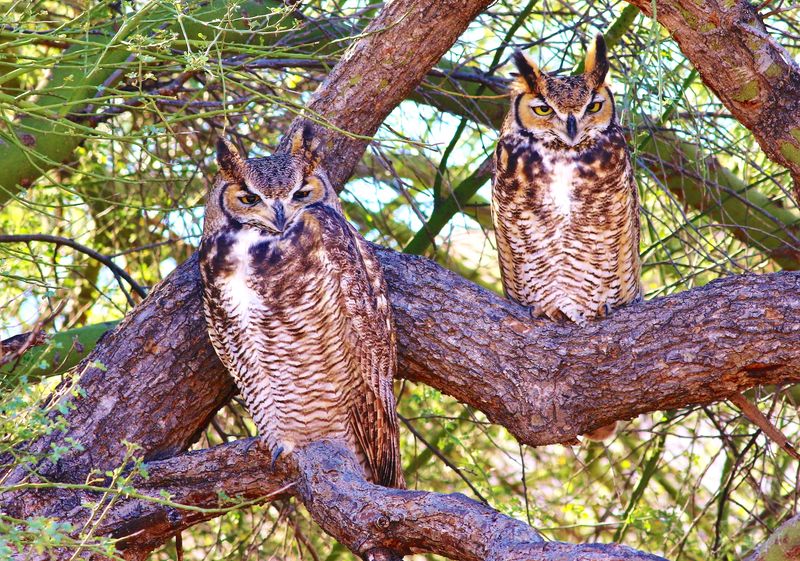
Romance arrives early for some owls. While most backyard birds wait for spring, great horned owls in Georgia may start courting as soon as late fall.
Listen closely, and you might hear two voices trading hoots, one slightly higher than the other.
Female great horned owls are larger, yet their hoots usually sound a bit higher. When a pair calls back and forth, it can sound like a slow, gentle conversation across the treetops.
Barred owls join in as well, though their courting tends to build more toward winter.
Their duets can get loud and silly, with hoots blending into cackles and caws. People sometimes mistake them for monkeys, which is a fair guess if you have never heard one before.
Timing can shift from year to year depending on weather and food supply. A mild fall may bring earlier duets, while a cold snap could quiet things briefly.
Enjoy the show from a distance, and keep bright lights pointed away from trees where you hear calling.
Owls may use old hawk nests, tree cavities, or broken treetops for nesting. Leaving large, safe snags standing at the back of a property can give them more choices.
7. Skipping Rat Poison Protects The Owls Hunting Your Rodents
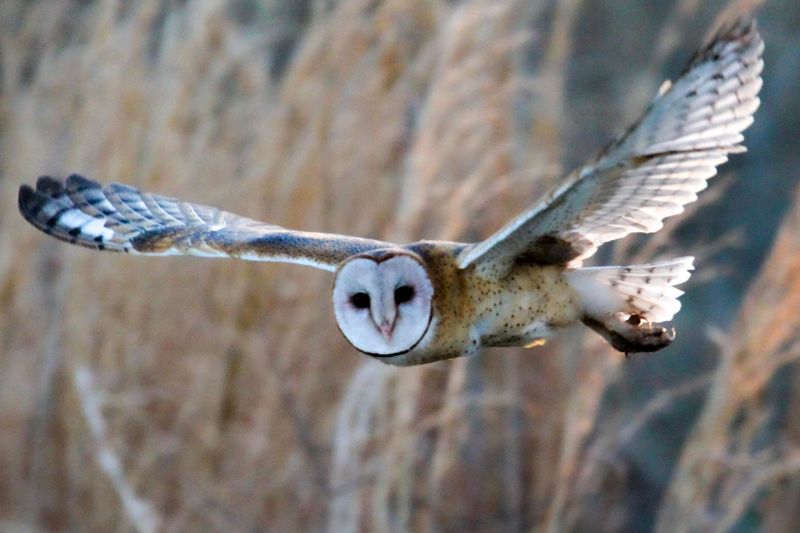
Free pest control might be flying over your roof every night. A single owl family can catch a large number of mice and rats over a season.
Rodent poison puts that help at risk in a quiet but serious way.
When a mouse eats bait, it may stay alive for days and become slow and easy to catch. An owl that eats it can take in the poison too, and repeated meals can make the bird very sick.
Wildlife rehab centers in Georgia regularly treat owls and hawks that show signs of poisoning.
Safer choices exist, and most are simple. Snap traps placed inside covered boxes or in garages can handle problems without spreading toxins outdoors.
Sealing gaps around foundations, vents, and doors helps keep rodents out to begin with.
Store birdseed, pet food, and grain in metal cans with tight lids. Cleaning up fallen fruit and keeping woodpiles away from the house removes easy hiding spots too.
Results depend on how many rodents you have and how much shelter your yard offers. Bigger problems may still call for a licensed pest pro, so ask about owl-friendly methods.
Small steps like these let owls keep doing what they do best right in your backyard.