What To Do If A Black Widow Bites You In Your New York Yard
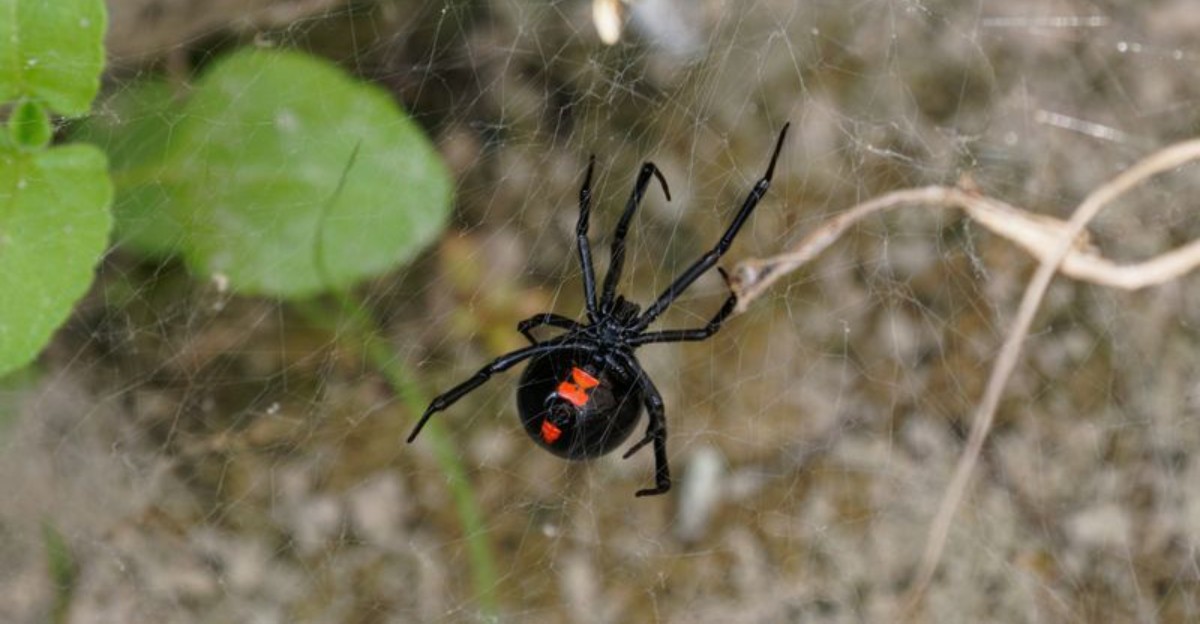
One quick pinch while pulling weeds, and suddenly your peaceful afternoon feels a lot less relaxing. Black widow spiders do live in New York, tucked inside woodpiles, sheds, and shady corners under garden rocks.
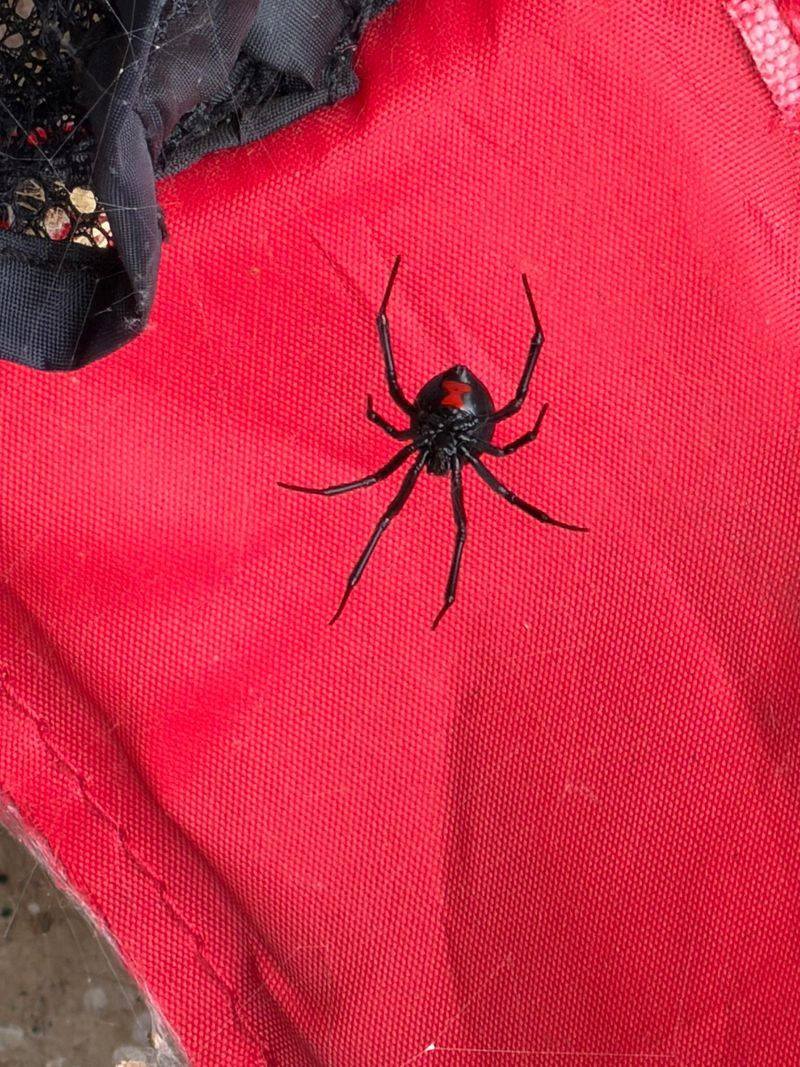
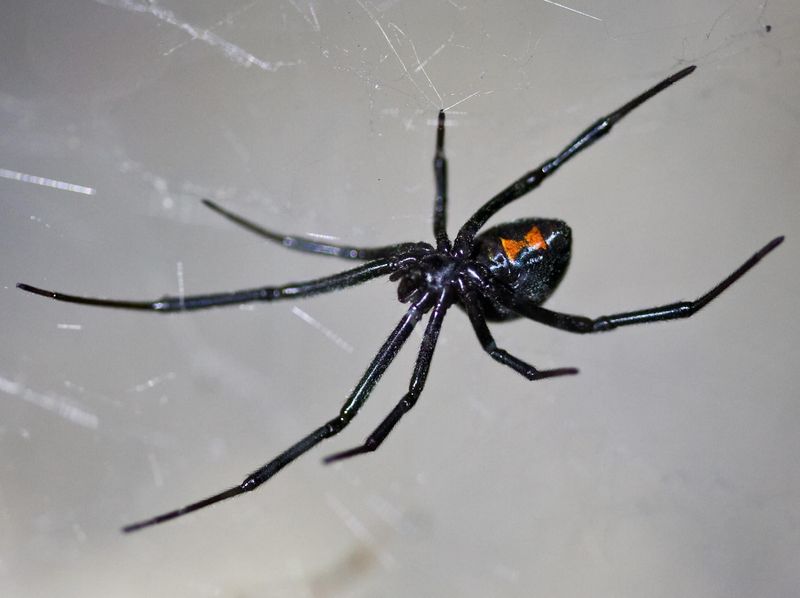
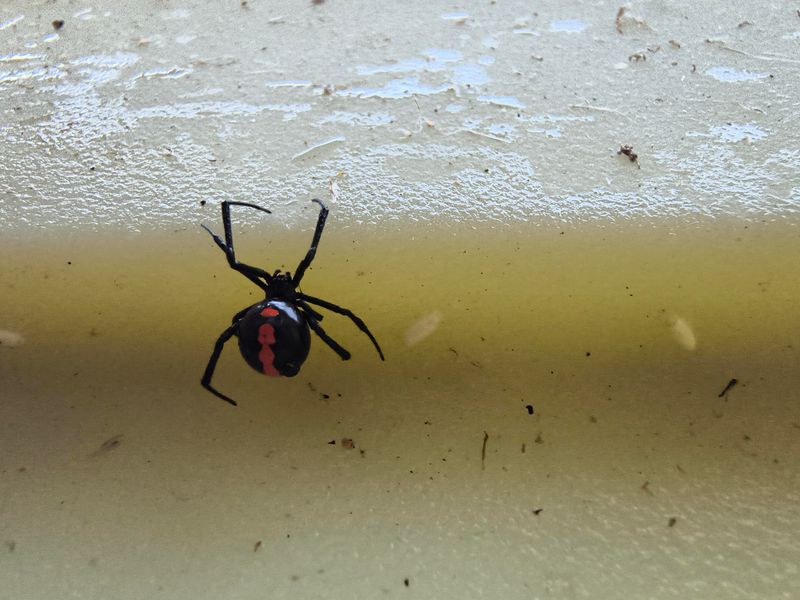
The females are the real concern, with shiny black bodies and a red hourglass that’s often split into two pieces on northern species. They rarely bite unless their webs get disturbed or they’re pressed against skin.
Their venom affects the nervous system, so a small prick can lead to painful cramps within hours. Serious outcomes are rare, and most people recover fully with prompt care.
What you do in the first few minutes matters more than you might think. Knowing the right steps ahead of time can turn panic into a plan.
1. Move Away From The Spider And Stay Calm
Picture yourself reaching into a stack of clay pots and feeling a sudden sting. Your first job is simple: step back and get away from the spider.
Black widows rarely chase people, but a second bite is possible if your hand stays near the web. Put a few feet between you and that dark corner before anything else.
Next comes the hard part, which is keeping your cool. Panic makes your heart race, and a faster pulse can push venom through your body more quickly.
Running around the yard or rushing up the stairs also speeds things up. Moving slowly and steadily helps keep the venom closer to the bite site.
Try taking a few slow, deep breaths right where you stand. Counting to four on each breath in and out can settle your nerves fast.
Most bites from black widows are not life threatening for healthy adults. Reminding yourself of that fact can help you think clearly about the next steps.
If someone else is nearby, call them over to help you. A neighbor or family member can grab supplies, make phone calls, or drive if needed.
Gardeners often work alone in backyards or community plots. Keeping your phone in a pocket while you garden is a smart habit for moments like this.
Fun fact: the female black widow is roughly twice the size of the male. Her bold red hourglass is a warning sign that nature designed for good reason.
Once you feel steady and safe, you can move on to caring for the bite itself. Calm hands make better decisions every single time.
2. Wash The Bite With Soap And Water
Garden hands carry a lot of hidden grime, from potting soil to compost bits. A fresh bite on dirty skin can easily become infected if you skip cleaning.
Head to the nearest sink or outdoor spigot as soon as you can. Use mild soap and cool or lukewarm water to wash the area gently.
Skip the scrub brush and rough washcloths for now. Rubbing too hard can irritate the skin and make the bite feel even worse.
Lather the soap with your fingertips and let it sit for a few seconds. Then rinse well until all the bubbles and dirt are gone.
Your New York Garden Changes Every Week. Your Plan Should Too.
Gardening in New York changes quickly throughout the season. Every Friday you’ll receive a simple weekly plan showing exactly what to plant, prune, fertilize, harvest, and protect so you never miss the right timing.
Pat the area dry with a clean paper towel or soft cloth. Avoid using the old rag you keep in your tool bucket.
You might be tempted to pour hydrogen peroxide or rubbing alcohol on the bite. Many health experts say these can slow healing, so plain soap is the better choice.
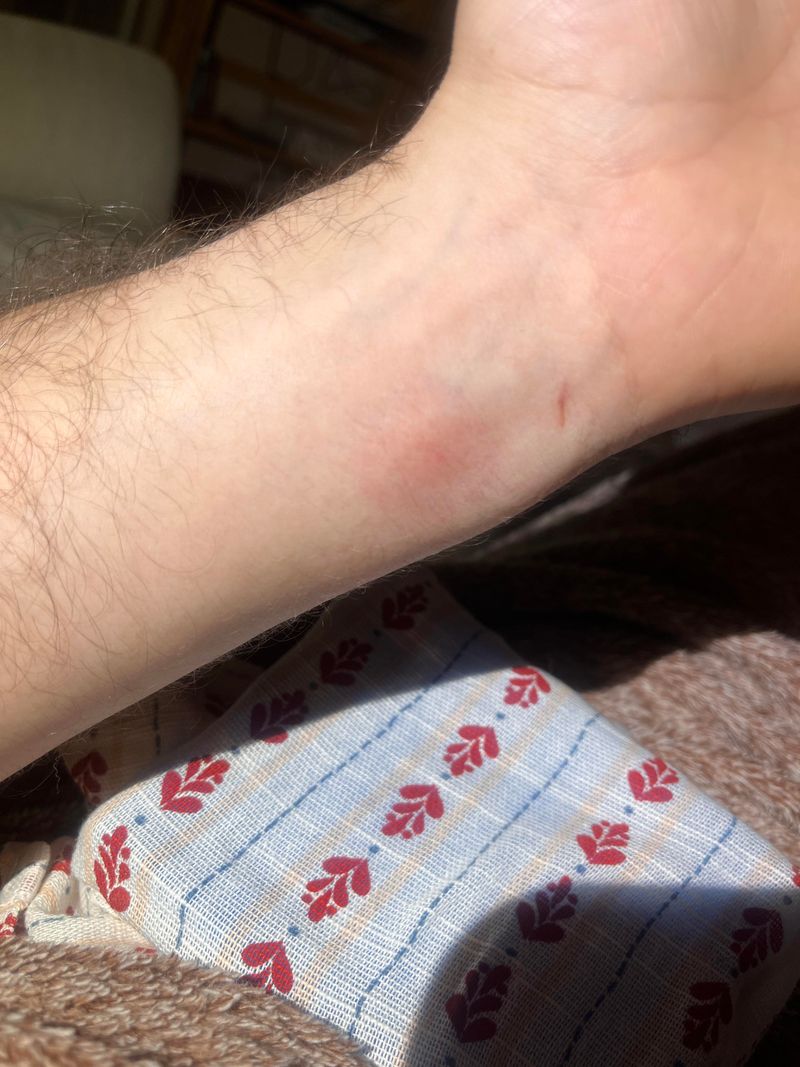
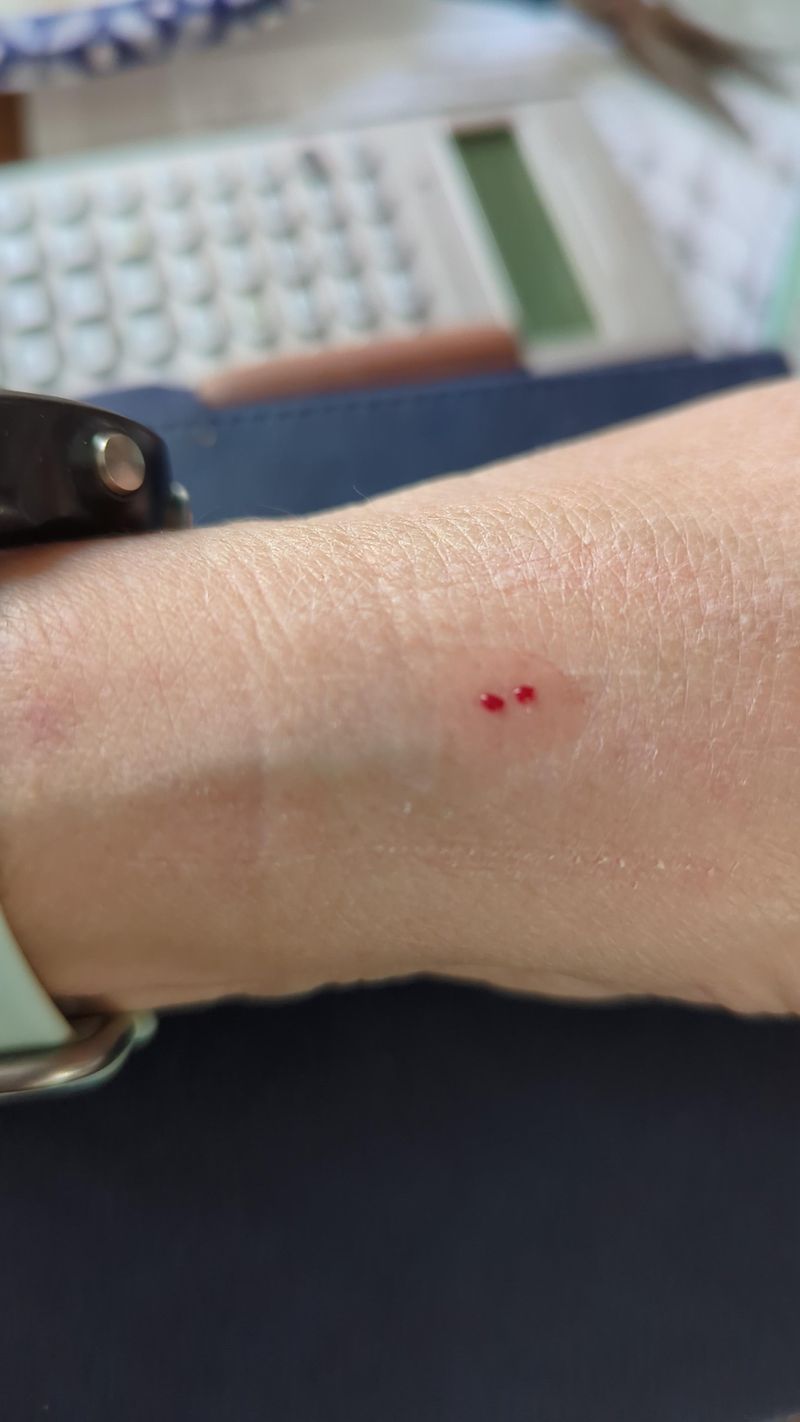
Look closely at the bite while it is clean. You may see two tiny red fang marks, though sometimes there is barely anything visible.
Many people describe the first feeling as a small pinprick. Some folks do not even notice the bite until symptoms show up later.
Keep a small bottle of gentle soap in your garden shed or tool caddy. Having it ready saves precious time when every minute counts.
A clean wound is a happier wound. Washing won’t remove the venom, but it does protect you from extra problems down the road.
3. Apply A Cool Compress To Ease Pain
Ah, the soothing power of something cold. A cool compress is one of the easiest ways to calm the sting of a black widow bite.
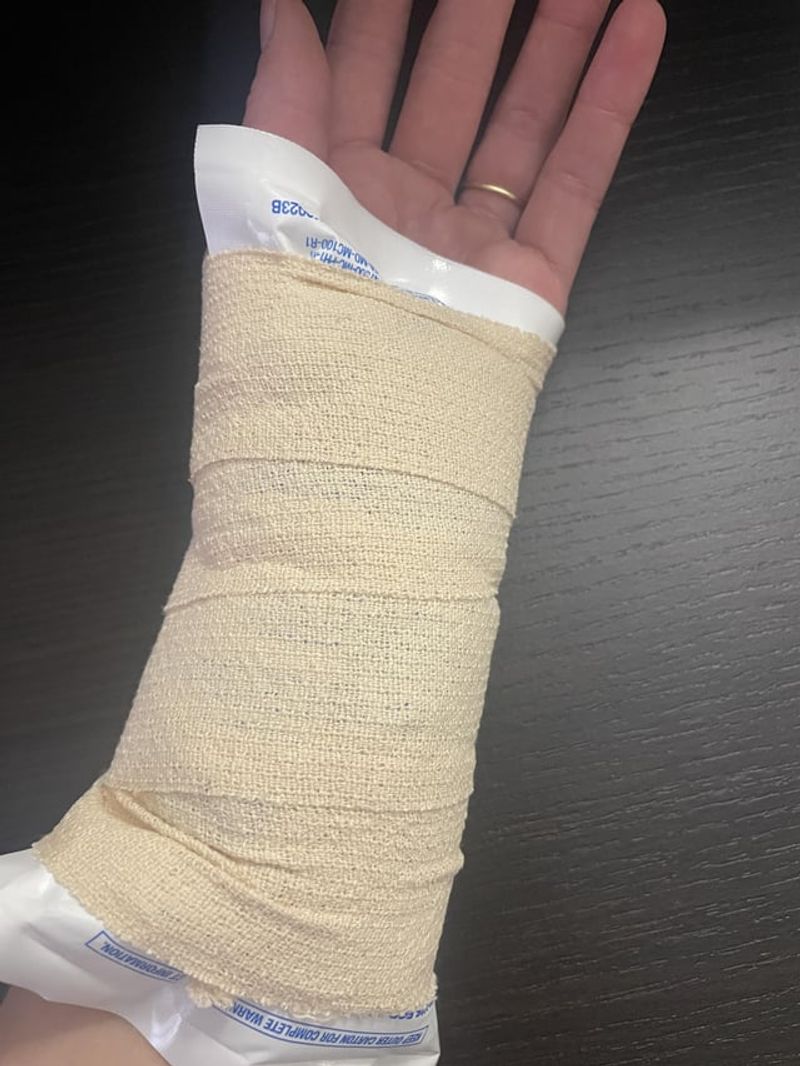
Grab a clean cloth and soak it in cold water. Wring it out and rest it gently over the bite for about ten minutes.
An ice pack works well too, but wrap it first. A thin dish towel or pillowcase keeps the ice from touching your bare skin.
Putting ice straight on skin can cause cold damage, which adds a new problem. Nobody wants frostbite on top of a spider bite.
Try a pattern of ten minutes on and ten minutes off. Giving your skin short breaks keeps it comfortable and protected.
Cold helps shrink swelling and dulls the nerve pain around the bite. Many people notice relief within the first few rounds.
No ice pack in the freezer? A bag of frozen peas or corn wrapped in a towel works like a charm.
Summer days can get hot and sticky, which may make the bite feel worse. Sitting in the shade while you cool the area adds extra comfort.
Keep in mind that a compress eases symptoms but does not cure the bite. You still need to follow the other steps, especially calling for expert advice.
If pain keeps climbing even with cold therapy, take that seriously. Worsening pain is a signal your body needs more help than a towel can give.
4. Keep The Bitten Arm Or Leg Still
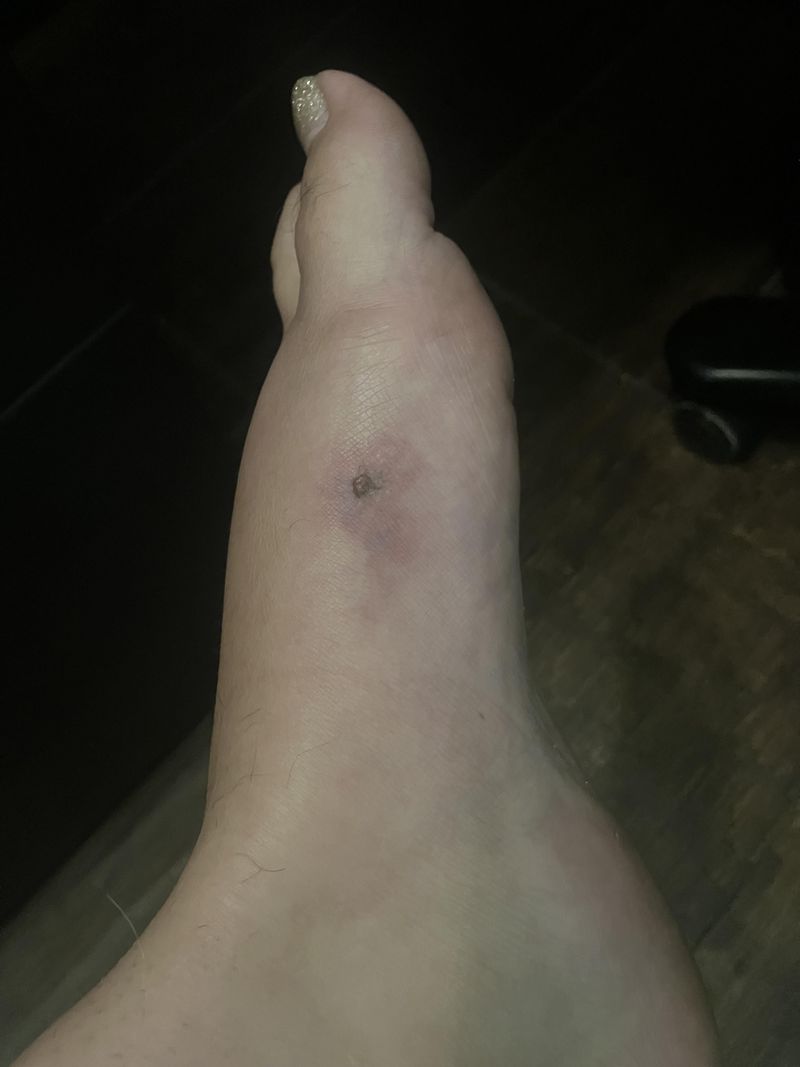
Here is a step that sounds almost too easy. Staying still can make a real difference in how the venom behaves.
Every time you move a muscle, blood flows a little faster. Faster blood flow can carry venom away from the bite and into more of your body.
Find a comfortable spot to sit or lie down. A porch chair, garden bench, or couch indoors all work nicely.
If the bite is on an arm or leg, raise it slightly. Prop it on a pillow, folded blanket, or even a sturdy cooler.
Many guides suggest keeping the limb around heart level. Going much higher is not needed, and comfort matters most here.
Resist the urge to finish planting those tomatoes first. The garden will still be there tomorrow, waiting patiently for you.
A simple sling made from a scarf or towel can help steady a bitten arm. Gentle support keeps you from using it without thinking.
Remove rings, watches, or bracelets near the bite right away. Swelling can make jewelry tight and painful later on.
Loosen snug socks or pant cuffs if the bite is on your leg. You want blood moving normally, just not racing around.
Gardeners in upstate New York often have long walks back from distant plots. If possible, ask someone to bring the car closer instead of hiking back yourself.
Rest is your quiet helper during this whole process. Think of it as giving your body a fair chance to handle things.
5. Call Poison Control Right Away
One phone number deserves a spot in every gardener’s contacts list. Poison Control can be reached at 1-800-222-1222, any hour of the day or night.
Calling is free and private, so there is no reason to hesitate. Trained experts answer and give advice based on your exact situation.
Be ready to share a few simple details. They may ask your age, weight, when the bite happened, and how you feel now.
Mention any health conditions or medicines you take. Heart problems or high blood pressure can change what the experts recommend.
Many bites can be watched safely at home with their guidance. Other cases need a doctor, and the specialist will tell you clearly which path fits.
Here is a helpful bonus most people miss. You do not need an emergency to call, since they happily answer questions too.
Not sure if the spider was really a black widow? Ask them anyway, because they hear questions like yours every day.
Calls from New York reach regional poison centers staffed by nurses, pharmacists, and doctors. These folks know local spiders and common garden hazards well.
Write the number on a sticky note inside your shed door. Phones can lose battery, but a paper reminder stays put.
If breathing becomes hard or chest pain hits, skip this step. Call 911 instead, since those signs need help immediately.
Picking up the phone early can save you worry, time, and maybe an unneeded hospital trip.
6. Watch For Muscle Cramps And Stomach Pain
Black widow venom is sneaky because its effects often build slowly. A bite that seemed minor at lunchtime can feel very different by dinner.
The venom is a neurotoxin, meaning it targets your nerves. That is why muscle trouble tends to be one of the main signs.
Cramps often begin close to the bite and then spread outward. Within a few hours, they can creep into larger muscles.
Stomach pain is another classic clue that surprises many people. The belly can feel tight and rigid, almost like a bad case of food poisoning.
Some folks also feel aches in their back or chest. Others notice heavy sweating, headaches, nausea, or vomiting.
Keep a simple log on your phone or a notepad. Jot down the time and each new symptom as it shows up.
Doctors find these notes super useful if you need care later. A clear timeline helps them decide on the right treatment quickly.
Ask a family member to check on you every so often. Sometimes a second pair of eyes notices changes you might brush off.
Did you know? Doctors sometimes mistake black widow belly pain for appendicitis because the signs look so similar.
Plenty of gardeners only feel mild soreness after a bite. Still, staying alert for the first day is a wise move.
Trust your gut, quite literally here. Rising discomfort is worth a call to your doctor or Poison Control.
7. Head To The ER If Symptoms Spread
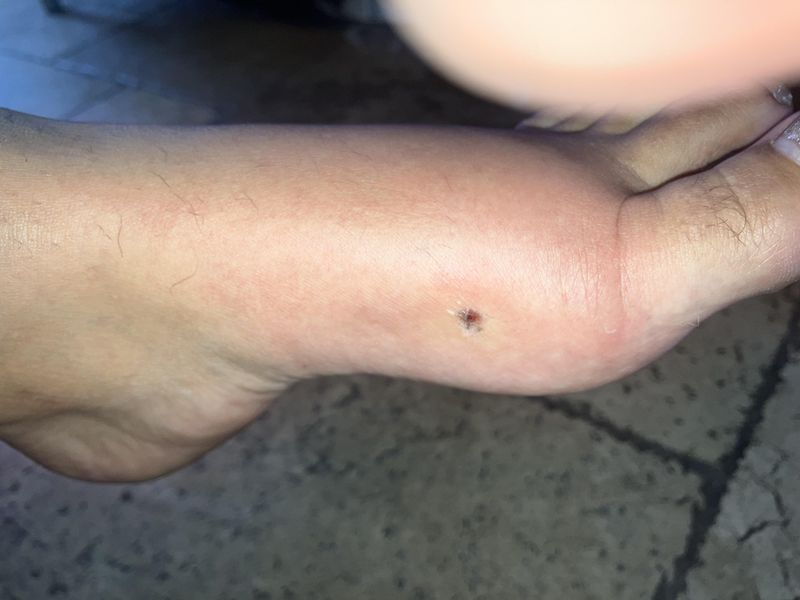
Sometimes home care simply is not enough, and that is okay. Knowing when to go to the emergency room is one of the smartest skills you can have.
Spreading muscle pain is a big warning sign. If cramps move from your arm into your chest or belly, it is time to go.
Pain that won’t ease with over-the-counter medicine also deserves attention. Doctors have stronger options that work much better.
Trouble breathing should send you straight to help. Call 911 rather than driving yourself in that situation.
Watch for a pounding heart, very high blood pressure, or dizziness. These serious signs point to the venom affecting your whole system.
Hospitals can give pain relief, muscle relaxers, and fluids. In severe cases, doctors may offer antivenom to fight the venom directly.
Bring a list of your medicines and that symptom log you started. Quick facts help the medical team get to work faster.
Already visited the ER and went home? Return if you develop a rash, joint pain, or new breathing trouble afterward.
New York has many emergency departments, from busy city hospitals to smaller rural centers. Know which one sits closest to your garden before you ever need it.
Do not worry about overreacting or wasting anyone’s time. ER staff would much rather check you than see you arrive too late.
Getting care promptly often means a shorter, easier recovery overall.
8. Children And Older Adults Need Faster Care
Grandkids love digging in the dirt, and grandparents love sharing the fun. Both groups, however, face bigger risks from black widow bites.
Kids have smaller bodies, so the same amount of venom hits them harder. Their symptoms can grow stronger and faster than in a healthy adult.
If a child gets bitten, head to the emergency room right away. Waiting at home to see what happens is not the best plan here.
Older adults often have heart issues or high blood pressure already. Venom can put extra strain on those systems quickly.
Some people in these groups may need a hospital stay. Doctors watch for breathing problems and help control intense pain.
Pregnant people and anyone with a weak immune system should also act fast. A quick call to a doctor brings peace of mind.
Teach children what a black widow looks like using pictures. Shiny black body plus red hourglass equals hands off.
Give little gardeners gloves that actually fit their hands. Loose gloves slip off easily and leave fingers exposed.
Many New York families share community garden plots with relatives of all ages. Talk about spider safety together before the planting season starts.
Keep young kids away from woodpiles, rock walls, and storage bins. Those dark spots are favorite hiding places for these spiders.
A little extra caution protects the people you love most. Quick action matters even more when the patient is very young or older.
9. Snap A Photo Of The Spider If It’s Safe
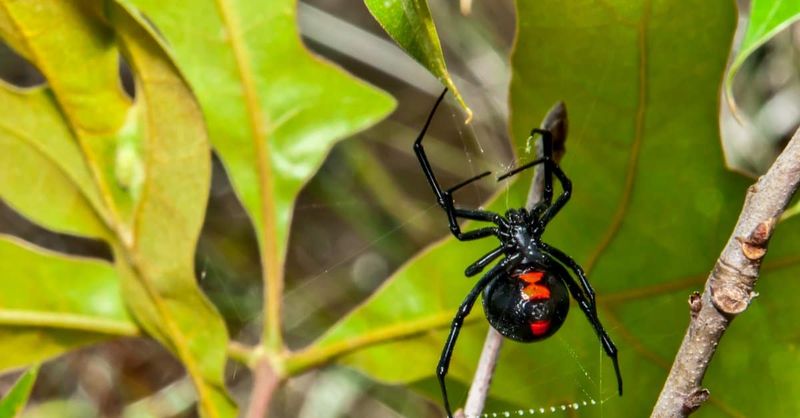
Your phone camera might be the most useful first aid tool you own. A clear picture of the spider can help doctors confirm what bit you.
Lots of harmless spiders get blamed for bites they never made. A photo helps sort the real culprit from innocent garden helpers.
Only take a picture if you can stay at a safe distance. Getting bitten a second time would make things much worse.
Use your zoom feature instead of leaning in close. Even a slightly blurry shot is better than none at all.
Try to capture the belly if the spider is hanging upside down. The red hourglass shape is the classic giveaway.
Some people trap the spider in a jar with a lid. Do that only if you can manage it easily without touching it.
A squished spider in a plastic bag can still help with identification. Just never use bare hands to handle it.
Black widows in New York are mostly the northern type. Their hourglass often looks split into two red spots instead of one solid shape.
Fun fact: black widow webs are messy and tangled, not neat like a circular orb web. Spotting that messy web is another helpful clue.
Show the photo to Poison Control staff or your doctor. They can match the details to your symptoms quickly.
Remember that your safety comes first. If the spider has vanished, skip the photo and focus on care.
10. Skip Home Remedies Like Cutting The Wound
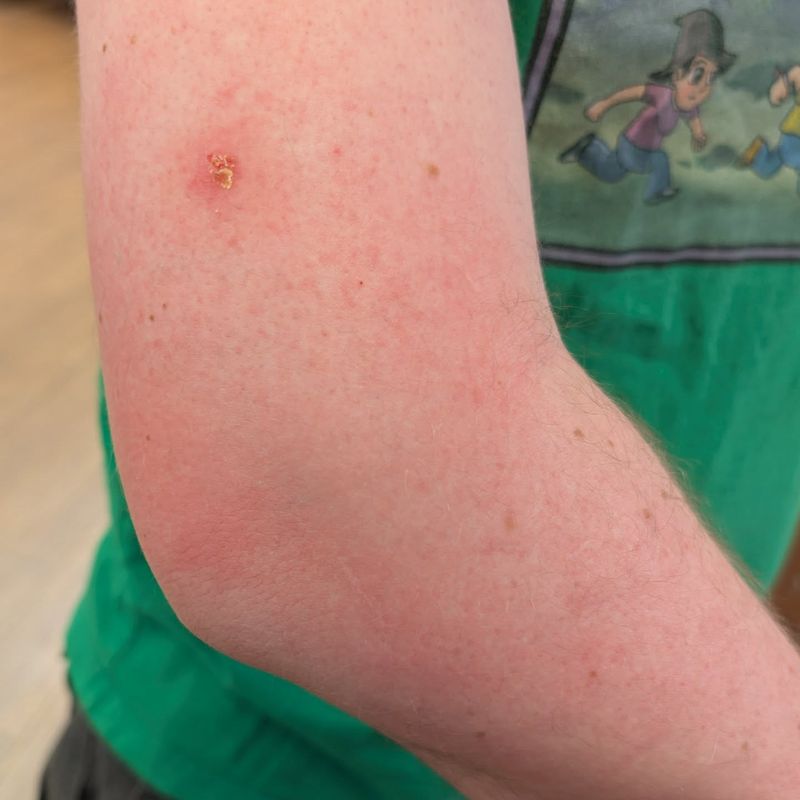
Old Western movies made cutting a bite and sucking out venom look heroic. In real life, that trick does far more harm than good.
Slicing the skin opens a doorway for bacteria. You could end up with a nasty infection on top of the bite.
Sucking on the wound does not pull venom out either. The venom spreads into tissue quickly, beyond the reach of your mouth.
Tourniquets are another myth worth dropping. Tying something tight around a limb can cut off blood flow and damage tissue.
Skip the ice cube pressed straight onto skin as well. Cold works best when wrapped in a thin cloth first.
Hydrogen peroxide and rubbing alcohol may sting and slow healing. Gentle soap and water remain the better choice.
You may hear about baking soda pastes, essential oils, or herbal poultices. None of them neutralize black widow venom, so save them for other uses.
Friends sometimes share well-meaning advice online or over the fence. Politely thank them, then stick with tips from doctors and Poison Control.
Gardeners around the state swap plenty of great tips about soil and seeds. Bite treatment, though, belongs in the hands of medical experts.
Keep a basic first aid kit in your shed with soap, clean cloths, and an ice pack. Simple supplies beat risky shortcuts every time.
Smart, simple care keeps you safe and helps you return to your garden sooner.