The One Thing You Must Do For Tender Perennials In North Carolina Before First Frost
Tender perennials are the plants that look like permanent residents until one cold night proves otherwise. They survive mild winters, but a hard frost can change everything. Many North Carolina gardeners wait until the forecast turns scary.
By then it is often too late to do the job well. A little preparation beforehand can protect plants you spent all summer growing. Some need one step, and some need another.
Either way, timing matters more than effort. Acting before the first frost, not after, gives these plants their best chance of returning next year.
Start now and you won’t be scrambling at sunset with a frost warning on your phone. One simple task covers most of them, and it is easy to do.
1. Know Which Plants Are Truly Tender Where You Live
Every smart frost plan begins with a simple list. Before you grab a shovel or haul pots around, you need to know which plants in your yard can handle winter outside and which ones cannot.
Some plants are tender no matter where you garden in North Carolina. Tropical hibiscus, mandevilla, and caladiums get hurt by frost in every corner of the state, from Boone to Wilmington. Others sit on the fence.
Lantana, cannas, and elephant ears often bounce back in milder areas, yet they may not return in colder spots.
That difference comes from hardiness zones. North Carolina stretches across a surprising range, from chilly zone 5 and 6 in the high Mountains to warmer zone 8 along much of the Coastal Plain. A canna that survives easily near the coast could struggle in Asheville.
Start by looking up your own zone using the USDA map online. Next, check each plant tag or do a quick search to find the coldest zone that plant can handle. Compare the two numbers, and the answer becomes clear.
Once you know, sort your plants into three groups. The first group comes inside, like potted tropicals. The second group gets dug up and stored, such as dahlias and caladiums.
The third group stays in the ground with extra protection, like mulched lantana. Writing this list on paper or in your phone saves a lot of guesswork later.
When a cold snap shows up on the forecast, you will already know exactly what to do with each plant. That calm, ready feeling is the real gift of a good plan, and it makes the rest of fall much easier.
2. Move Potted Tropicals Inside Before Nights Turn Cold
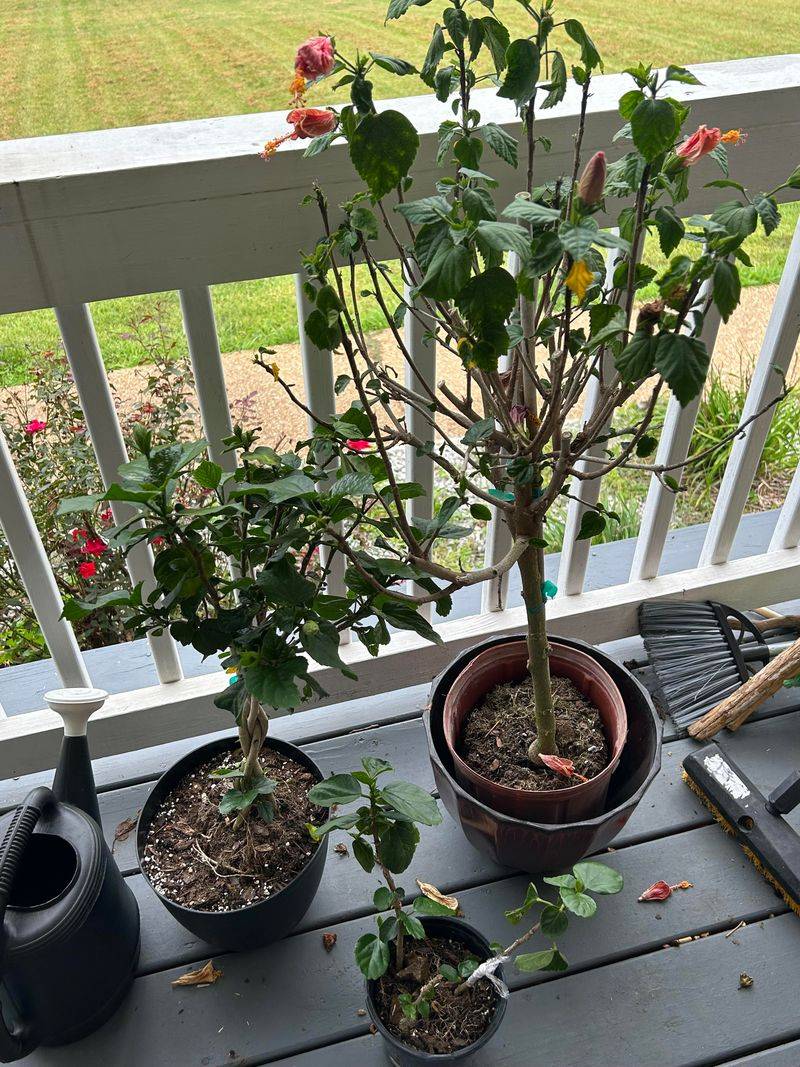
Frost is not the only thing your tropical plants fear. Many of them start to struggle long before the first icy morning, simply because the nights get too chilly for their warm-weather roots.
Plants like tropical hibiscus, mandevilla, bougainvillea, and many tender salvias come from places where it rarely gets cold.
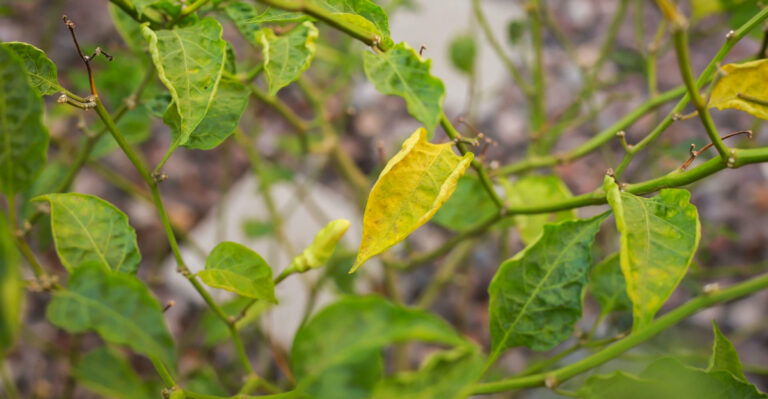
When temperatures slip below about 50°F, their leaves can yellow, drop, or show damage. You might not see frost on the lawn, yet your hibiscus could already be unhappy.
The best timing is simple. Once nights are regularly dipping into the low 50s, it is time to carry those pots indoors. Waiting for frost is waiting too long.
Your North Carolina Garden Changes Every Week. Your Plan Should Too.
Gardening in North Carolina changes quickly throughout the season. Every Friday you’ll receive a simple weekly plan showing exactly what to plant, prune, fertilize, harvest, and protect so you never miss the right timing.
Inside, light matters most. Place your plants in the brightest window you have, ideally one facing south or west. A sunroom or a spot near a glass door works nicely too. Some leaf drop is normal as plants adjust, so try not to panic.
Water needs change as well. Indoor plants grow much slower in winter, so they drink far less than they did in July. Let the top inch of soil dry out before watering again, since soggy soil can cause root rot.
Skip the fertilizer until spring. Feeding a resting plant pushes weak, stretchy growth that does not help it at all.
Here in North Carolina, cool nights can sneak in weeks ahead of frost, especially in the Mountains and Piedmont.
Mountain gardeners may need to move pots in September, while folks closer to the coast often have a little more time. Keep an eye on those nighttime lows, and your tropicals will thank you.
3. Dig Dahlias, Caladiums, And Other Tender Bulbs
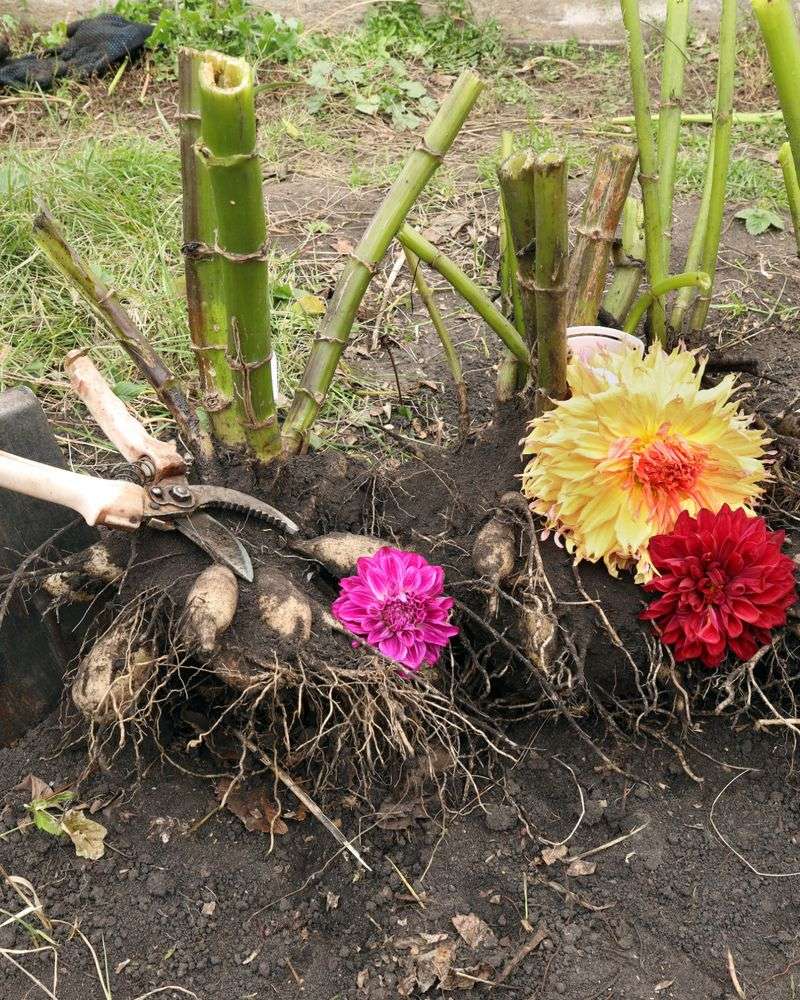
Those big, cheerful dahlia blooms and colorful caladium leaves come from underground storage organs that hate cold, soggy soil. Leave them in the wrong spot over winter, and they may simply rot away before spring.
Caladiums are the most sensitive of the bunch. They prefer warm soil, and once the ground cools down, the bulbs can suffer quickly.
That means you should dig them earlier than most other plants, usually when nights start dropping into the 50s and well before any frost.
After digging caladiums, gently shake off the soil and let them dry in a shady, airy spot for about a week. Then store them in a box or mesh bag somewhere that stays around 50 to 60°F, like a closet or warm basement.
Dahlias follow a different schedule. Wait until the first frost blackens the leaves, then cut the stems down to a few inches and carefully lift the tubers with a garden fork. Brush off loose dirt and let them dry for a day or so.
Store dahlia tubers in slightly damp peat moss or vermiculite, kept cool at about 40 to 50°F. Check them every few weeks. If they look shriveled, mist the packing lightly, and if any feel mushy, toss them out.
Labels are your best friend here. Write each variety name on the tuber with a marker or on a tag, because they all look alike by spring.
Across North Carolina, needs vary. Dahlias usually need digging in the Mountains and Piedmont, while some gardeners in the Coastal Plain have luck leaving them in well-drained beds.
4. Mulch Borderline Perennials Left In The Ground
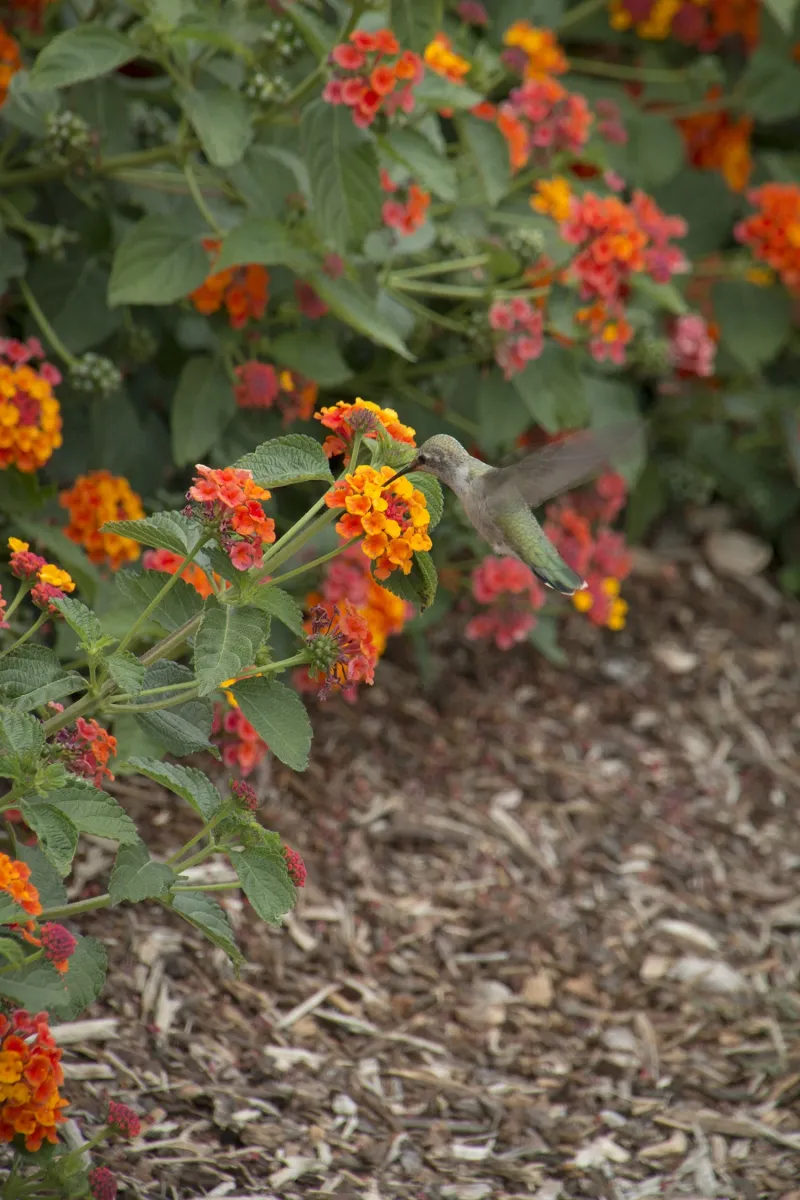
Think of mulch as a cozy winter blanket for your garden. A thick layer can be the difference between a lantana that pops back up in May and one that never returns.
Here is how it works. The crown, which is the spot where stems meet roots, holds the energy a plant needs to regrow. Mulch shields that crown from deep cold and from the constant freezing and thawing that can heave roots out of the soil.
Plants like lantana, cannas, elephant ears, and some salvias often rebound from the base when protected this way.
Timing is easy to remember. Wait until after the first frost, when the plants have slowed down. Then pile 4 to 6 inches of pine straw, shredded leaves, or bark over the crown.
Resist the urge to tidy up. Leave the old stems standing until spring, since they trap leaves and add another layer of protection. Hollow stems on cannas and lantana can also let water in if cut too low, so leaving them longer helps.
Drainage deserves special attention. Wet soil actually causes more winter losses than cold does, because soggy roots rot. If a bed stays muddy after rain, consider moving those plants to a raised spot next year.
For North Carolina gardeners, success depends on location. This method works well in the Coastal Plain and across much of the Piedmont, where winters stay fairly mild.
In the Mountains, results are less reliable, so dig or pot up any plant you truly cannot live without. Pine straw is plentiful and cheap across the state, which makes it a handy local choice.
5. Take Cuttings As A Backup
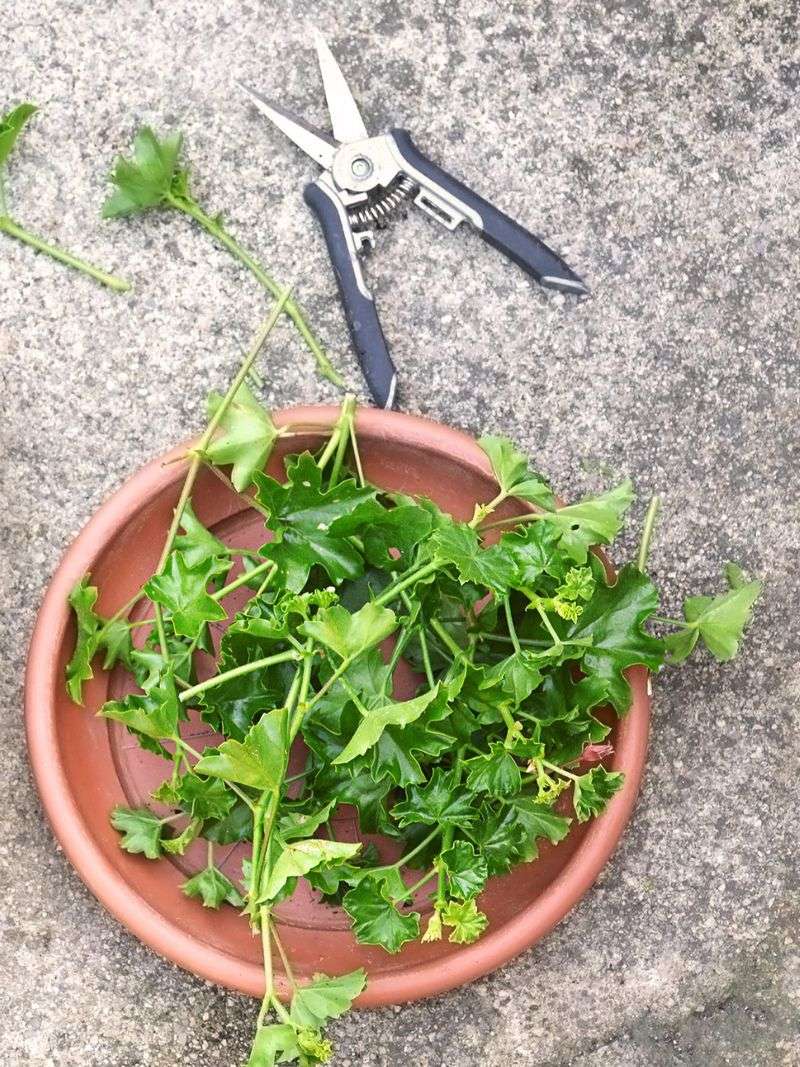
Not every plant needs to come inside at full size. Sometimes a few snips of stem are all it takes to carry a favorite variety safely through winter, and they fit neatly on a windowsill.
Many tender plants root with almost no effort. Coleus, geraniums, and tender salvias are some of the easiest, often growing roots in just a couple of weeks. Instead of hauling a giant pot through the door, you can keep a row of small jars by the kitchen sink.
Start by picking healthy stems with no flowers or pests. Cut pieces about 4 to 6 inches long, just below a leaf joint. Pull off the lower leaves so only a few remain at the top.
You have two simple choices for rooting. Drop the stems into a jar of water, or poke them into small pots of moist potting mix. Both work well, though coleus is especially quick in water and geraniums often prefer soil.
Place your cuttings in bright, indirect light, away from harsh afternoon sun. Change the water every few days if you use jars. Once roots reach about an inch long, move each cutting into its own pot with fresh potting mix.
From there, let them grow on a sunny windowsill through the winter. Pinch the tips now and then to keep them bushy instead of tall and floppy.
For North Carolina gardeners, this trick saves real money. Rather than buying new plants every spring, you can set your rooted cuttings outside after the last frost, usually in April or May depending on your region.
6. Check For Pests Before Bringing Anything Inside
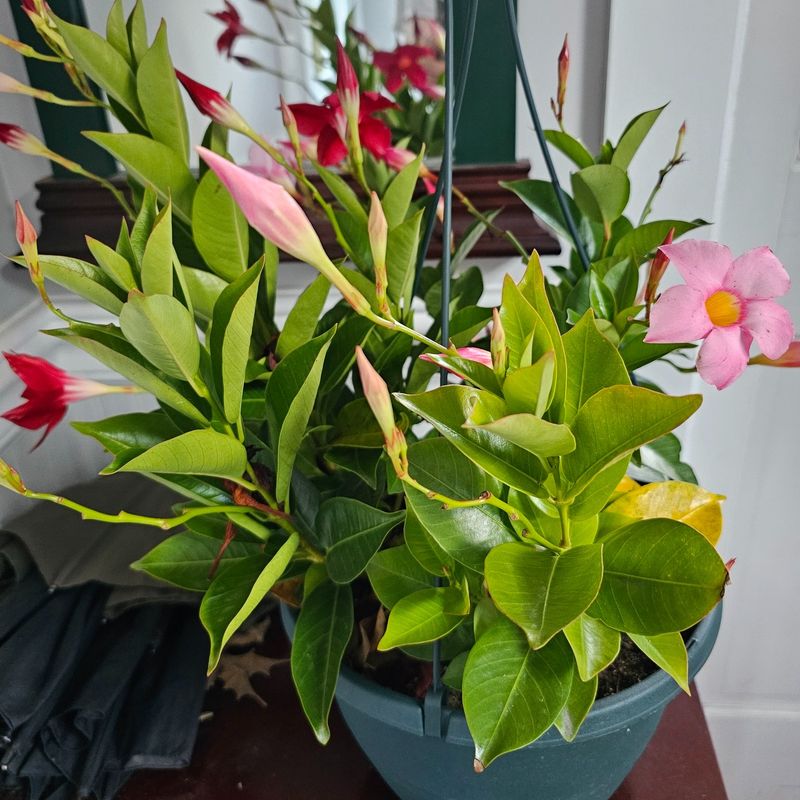
Nobody wants surprise houseguests, especially the six-legged kind. Yet plants that spent all summer outdoors often bring tiny hitchhikers with them when they move inside.
Spider mites, mealybugs, aphids, whiteflies, and even slugs love to hide on outdoor plants. Outside, birds, ladybugs, and other helpful creatures keep them in check.
Indoors, those natural helpers are gone, so pest numbers can explode in a few short weeks and spread to your houseplants.
A careful inspection comes first. Flip the leaves over and look closely at the undersides, where most pests hang out. Check stems, leaf joints, and new growth for sticky spots, fine webbing, white cottony clumps, or tiny moving dots.
Next, give each plant a gentle shower outdoors with the garden hose. A soft spray knocks off many bugs before they ever cross your doorstep. Let the plant drip dry in the shade.
If you still spot trouble, treat with insecticidal soap or horticultural oil, following the label carefully. Coat the leaf undersides well, since that is where pests gather.
Soil can hide pests too. Soak each pot in a tub of water for about 15 minutes, which pushes slugs, earwigs, and other critters up to the surface.
Once inside, keep these plants apart from your houseplants for two or three weeks. That short waiting period lets you catch any problems early.
North Carolina summers are long and warm, often lasting from April into October. All that time gives pests plenty of chances to build big populations, so a thorough check is well worth the effort.
7. Watch The Forecast And Act Early
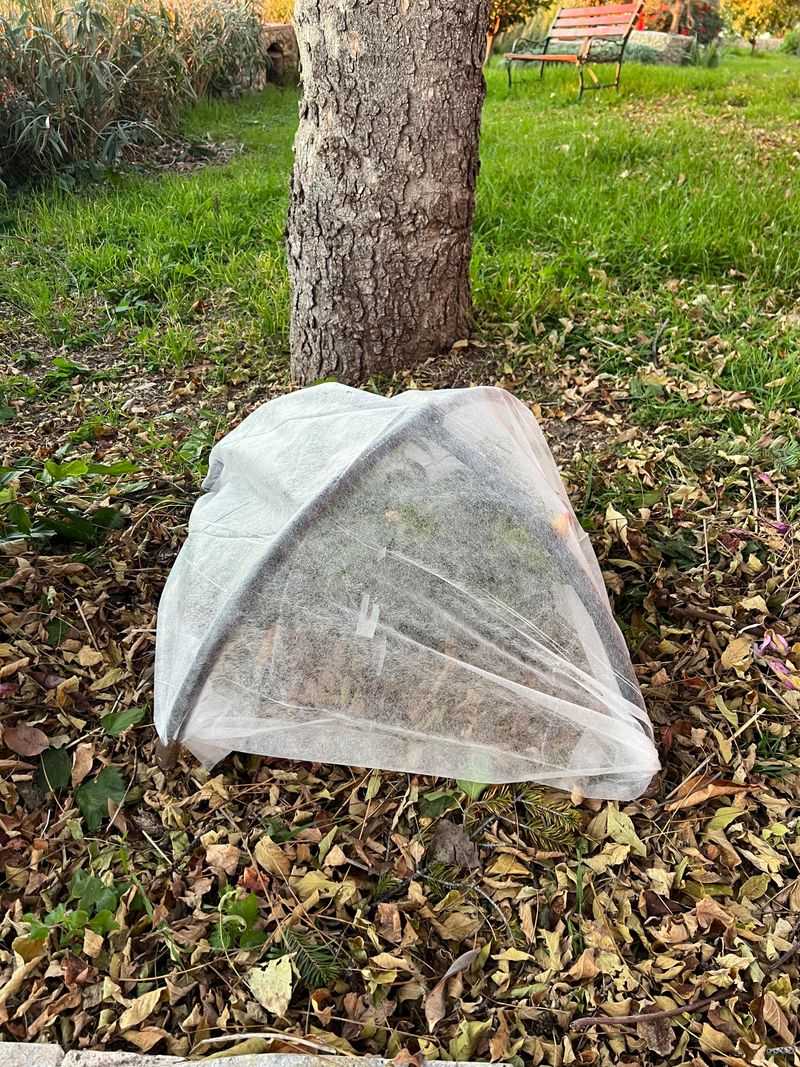
Frost has a sneaky habit of showing up a little earlier than expected. One clear, calm night is all it takes to turn healthy green leaves into limp, blackened ones by morning.
Timing truly makes or breaks your plan. Plants that get moved, dug, or mulched before the cold arrives handle the change much better than ones rushed indoors at the last second. A calm, early start also means less stress for you.
Begin by finding the average first frost date for your town. The NC State Extension website and many online frost date tools make this easy. Write the date on your calendar, then circle another date one to two weeks earlier.
That earlier date is your real goal. Aim to finish bringing in pots, digging bulbs, and taking cuttings by then, leaving a cushion for surprises.
Starting in early fall, check the weather forecast every day or two. Clear skies, light wind, and lows in the mid 30s are classic frost warnings, even if the forecast does not say freezing.
Keep frost cloth, old bedsheets, or lightweight blankets handy in the garage. On a surprise cold night, drape them over plants all the way to the ground, then remove them the next morning once the sun warms things up.
Skip plastic, since it can trap cold against leaves. Across North Carolina, first frost arrives on different schedules.
Mountain gardens usually see it in October, the Piedmont from late October to early November, and the Coastal Plain often in November. Knowing your timeline turns a scary cold snap into just another easy fall chore.