Why Your New York Citrus Leaves Start Curling In Early Fall
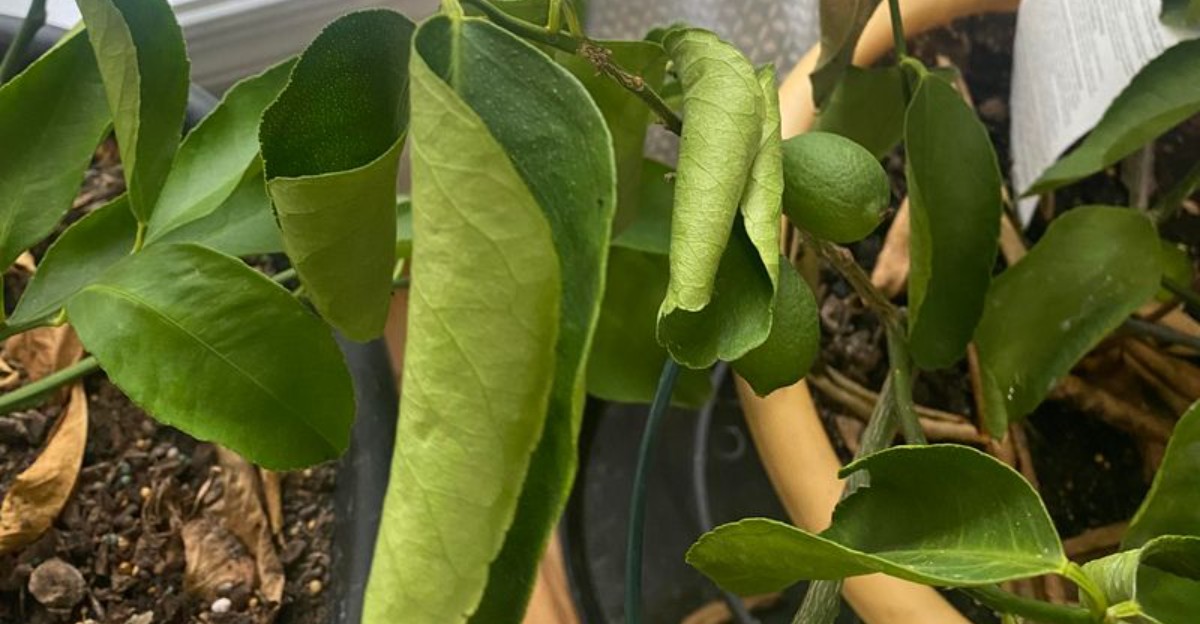
Your lemon tree looked glossy all summer, and now its leaves are rolling up like tiny cigars. Early fall in New York may feel crisp and lovely, but your citrus doesn’t agree.
Those curled leaves are its quiet way of saying something feels off. Cool nights, dry radiator heat, or a sneaky pest hiding under a leaf could all be to blame.
Luckily, curling leaves are usually a warning sign rather than a final farewell. Most causes are easy to spot once you know where to look.
A little detective work now can save your tree and keep it on track for fragrant blossoms later. Often, the fix takes just a few minutes.
1. The Move Indoors Is Stressing It
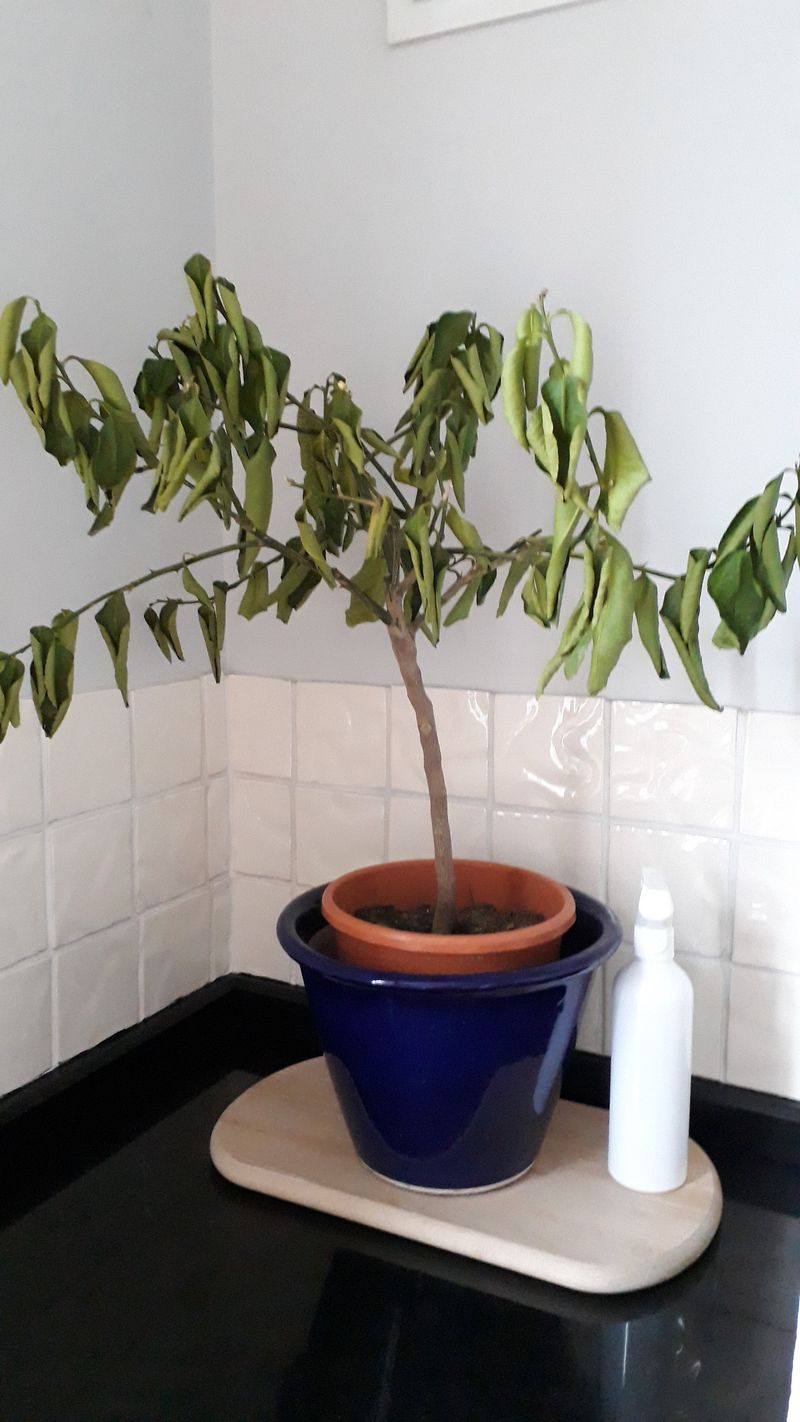
Picture yourself moving from a beach house into a dim basement overnight. Your citrus tree feels that same jolt when it leaves the patio for the living room.
Outdoors, it soaked up strong sun, fresh breezes, and steady humidity. Inside, the light is weaker, the air is drier, and temperatures stay oddly flat.
Leaves often curl as the tree scrambles to adjust. Some trees even drop a handful of leaves within the first two weeks.
Gradual moves work far better than sudden ones. Many New York growers start the switch in early September, before the first cold snap arrives.
Begin by bringing the pot inside for a few hours each night. Return it outdoors during warm, sunny days for about one week.
Next, shift it to a shady porch or a bright garage corner. Slowly increase the indoor time until the tree stays inside full time.
Placement matters once the move is finished. Pick a bright spot away from heating vents, drafty doors, and busy hallways.
Try not to move the pot around once it settles in. Each new location forces the tree to adjust all over again.
Patience pays off here more than any product. A stressed tree usually recovers within a few weeks if conditions stay steady.
Fun fact: citrus trees can sense changes in light direction. Rotating the pot a quarter turn each week keeps growth even without causing extra stress.
Watch for fresh, flat leaves at the branch tips. Those new leaves tell you the tree has accepted its winter home.
2. Dry Soil Left It Thirsty
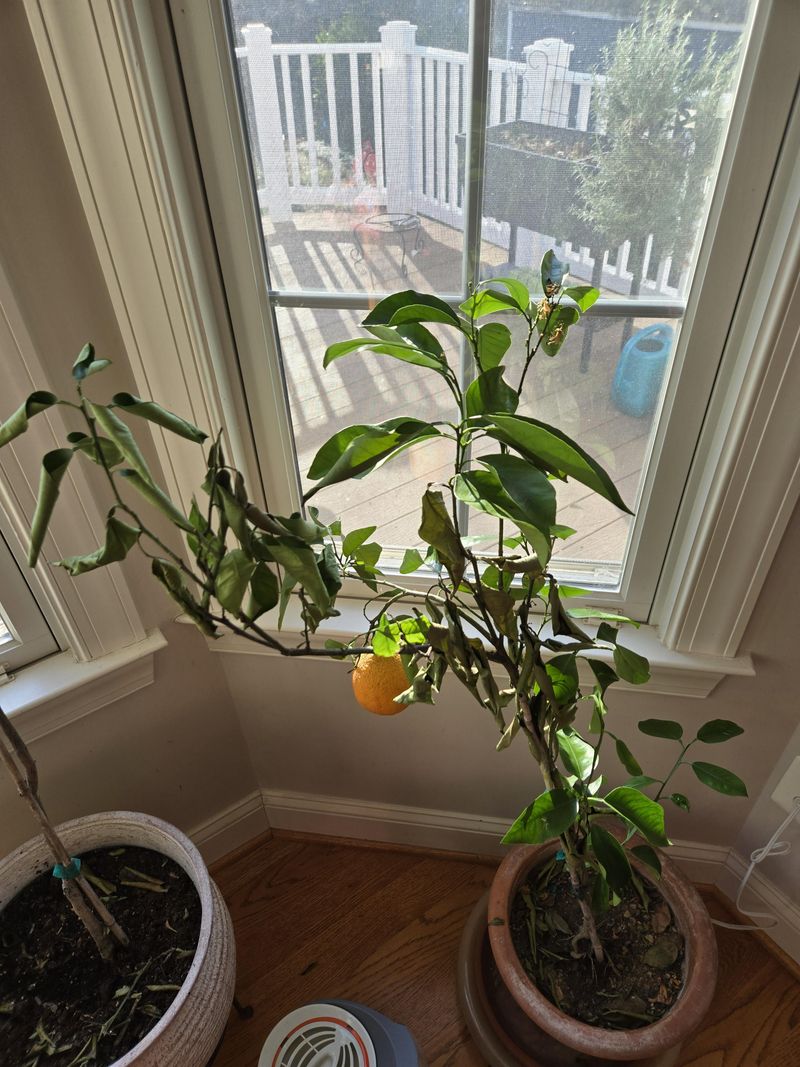
Thirst ranks among the top reasons citrus leaves roll inward. Curling shrinks the leaf surface, so less water escapes into the air.
Early fall can trick you into watering less. Cooler days feel gentle, yet a sunny breeze still dries small pots quickly.
Look closely at the soil line first. Dry soil often shrinks and pulls away from the edges of the pot.
Lift the container if you can manage it. A light pot usually means the root zone has run dry.
Drooping stems and dull, papery leaves are other clues. Leaves may also feel thin instead of thick and leathery.
Here is a handy trick for checking moisture. Push your finger about two inches into the soil before you water.
Your New York Garden Changes Every Week. Your Plan Should Too.
Gardening in New York changes quickly throughout the season. Every Friday you’ll receive a simple weekly plan showing exactly what to plant, prune, fertilize, harvest, and protect so you never miss the right timing.
Bone-dry soil sometimes repels water instead of soaking it up. The water races down the sides and pours out the bottom too fast.
Fix that by watering slowly in several small rounds. Another option is setting the pot in a tub of water for twenty minutes.
After soaking, let the extra water drain away fully. Never leave the pot sitting in a full saucer for days.
Leaves often flatten again within a day or two after a good drink. Badly crisped leaves may stay curled, but fresh growth will look healthier.
Many New York gardeners set phone reminders to check soil twice a week. Small habits like that keep thirst from sneaking up again.
3. Soggy Roots Can’t Take Up Water
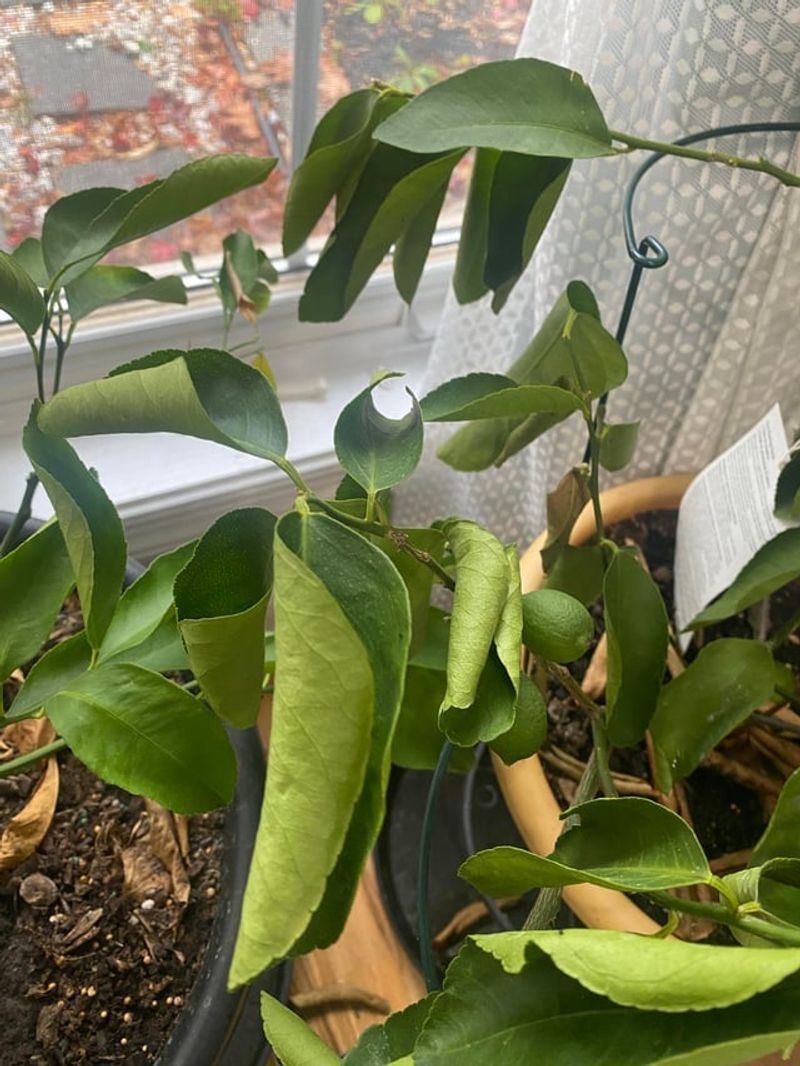
Here is a twist that surprises plenty of plant lovers. Too much water can make leaves curl just like too little.
Roots need air as much as moisture. Soggy soil fills every tiny air pocket, so roots slowly suffocate.
Damaged roots can no longer move water up to the leaves. The tree ends up thirsty while sitting in a puddle.
Overwatered leaves often curl downward and look limp. Some turn yellow, starting with older leaves near the base.
Sniff the soil if you feel suspicious. A sour or swampy smell can point to root rot setting in.
Other warning signs include a muddy surface and fungus gnats buzzing around. Soil that stays wet for a week is a red flag.
Drainage holes are the first line of defense. Decorative pots without holes trap water at the bottom where roots sit.
Empty saucers about thirty minutes after watering. Raising the pot on small feet also helps water escape freely.
Choose a fast-draining citrus or cactus mix rather than heavy garden soil. Gritty soil dries more evenly and keeps roots breathing.
Cut back on watering as days shorten in fall. Trees use far less water in cool, dim weather.
If rot looks serious, slide the tree out and inspect the roots. Healthy roots look firm and pale, while mushy brown ones should be trimmed away.
4. Chilly Nights Shocked The Leaves
One September evening it is sweater weather, and the next morning frost sparkles on the grass. New York falls love to pull that trick.
Citrus trees come from warm regions and dislike sudden cold. A quick drop below 50 degrees can make leaves curl in self-defense.
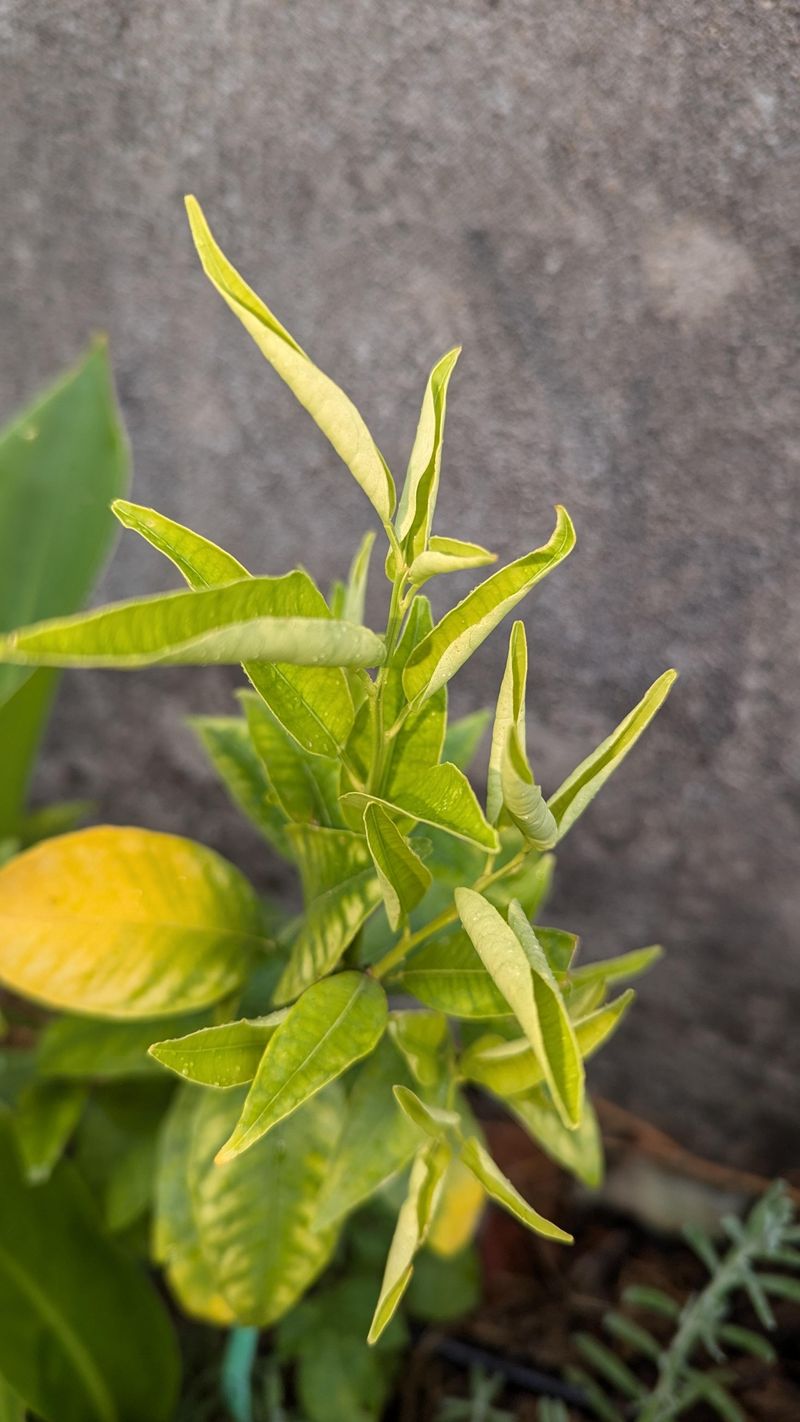
Light frost causes even more trouble. Damaged leaves may look water-soaked at first, then turn dark brown or black.
Young growth suffers the most because it is soft and tender. Older, tougher leaves usually handle a chilly night a bit better.
Keep an eye on the forecast every evening in September. When lows dip near 45 degrees, it is time to bring pots inside.
Caught off guard by a surprise cold snap? Cover the tree with an old sheet or frost cloth overnight.
Skip plastic sheeting, since it touches leaves and transfers cold. Fabric traps warmth from the ground much more effectively.
Hold off on pruning damaged leaves right away. Those leaves still shield inner branches from more cold.
Wait until new growth appears before trimming anything. Then cut back only the brown, brittle parts.
Indoor cold spots can cause the same shock. Drafty windows and doors that open often during winter can chill nearby leaves.
Did you know some citrus, like kumquats, handle cold better than lemons? Even so, a hardy tree prefers a slow cooldown over a sudden icy surprise.
5. Spider Mites Or Aphids Are Feeding Underneath
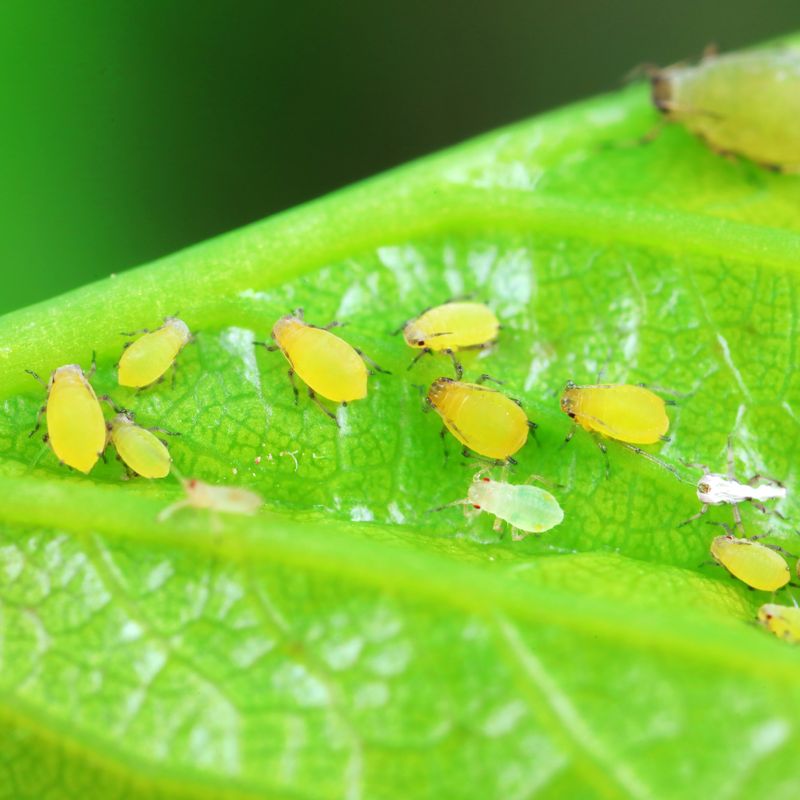
Flip a curled leaf over, and you might find a tiny dinner party. Spider mites and aphids love feasting on citrus sap.
Both pests target soft, new leaves. Their feeding twists the leaf as it grows, leaving it cupped or crinkled.
Aphids are easier to spot because they gather in clusters. You may see green, black, or brown bodies crowded along stems and leaf undersides.
They also leave behind sticky honeydew. Shiny, tacky leaves or black sooty mold are strong aphid clues.
Spider mites are much sneakier and almost too small to see. Look for pale speckles on leaves and fine webbing near the tips.
Try the white paper test. Tap a branch over paper and watch for tiny moving dots.
Mites thrive in warm, dry indoor air. Problems often explode once the heat turns on.
Start with a strong spray of water in the shower or sink. Rinsing knocks many pests loose without any chemicals.
Follow up with insecticidal soap or neem oil every five to seven days. Coat the leaf undersides well, since that is where pests hide.
Inspect your tree before bringing it indoors in fall. Hitchhiking pests can spread to houseplants quickly.
Ladybugs devour aphids outdoors, which is a handy bonus. A single ladybug can eat dozens of aphids in one day.
6. Leafminers Tunneled Through New Growth
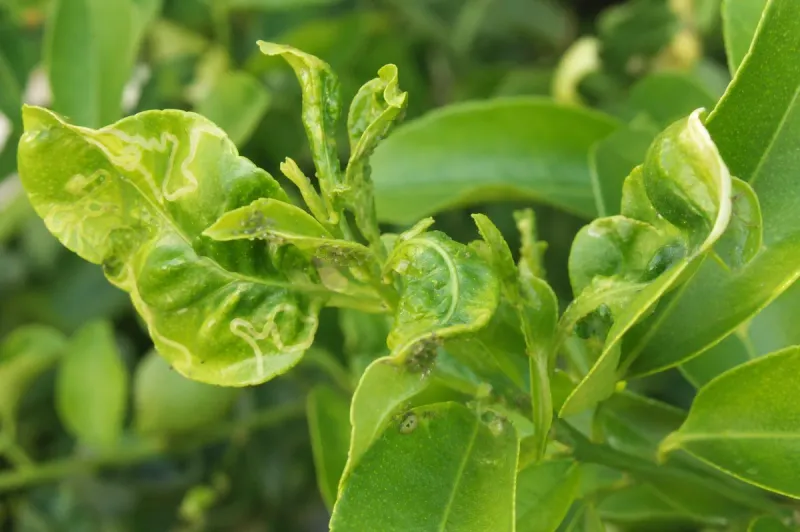
Squiggly silver lines on your citrus leaves can look like someone doodled with glitter. Sadly, the artist is a tiny caterpillar called the citrus leafminer.
Leafminers are moth larvae that live inside the leaf. They tunnel just beneath the surface, eating as they go.
Their winding trails are easy to recognize once you know them. Leaves often curl, twist, or fold as the tunnels spread.
These pests target fresh, tender growth only. Older, hardened leaves are too tough for them to tunnel through.
Early fall often brings a new flush of leaves. That flush gives leafminers a perfect buffet before cold weather arrives.
Pick off badly damaged leaves when the problem is light. Toss them in the trash rather than a compost pile.
Sprays struggle to reach larvae hidden inside leaves. Spinosad or horticultural oil can help protect new growth before eggs hatch.
Timing makes all the difference with these treatments. Apply them when new leaves are just emerging and still small.
Mature trees usually shrug off moderate leafminer damage. The tree keeps photosynthesizing through the tunnels, so harvests rarely suffer.
Young trees deserve a closer watch, though. Heavy damage can slow their growth noticeably.
Here is some good news for New York growers. Citrus leafminer is mainly a warm-climate pest, so local trees usually only get it from infested nursery plants.
7. Dry Indoor Air Is Pulling Moisture From The Leaves
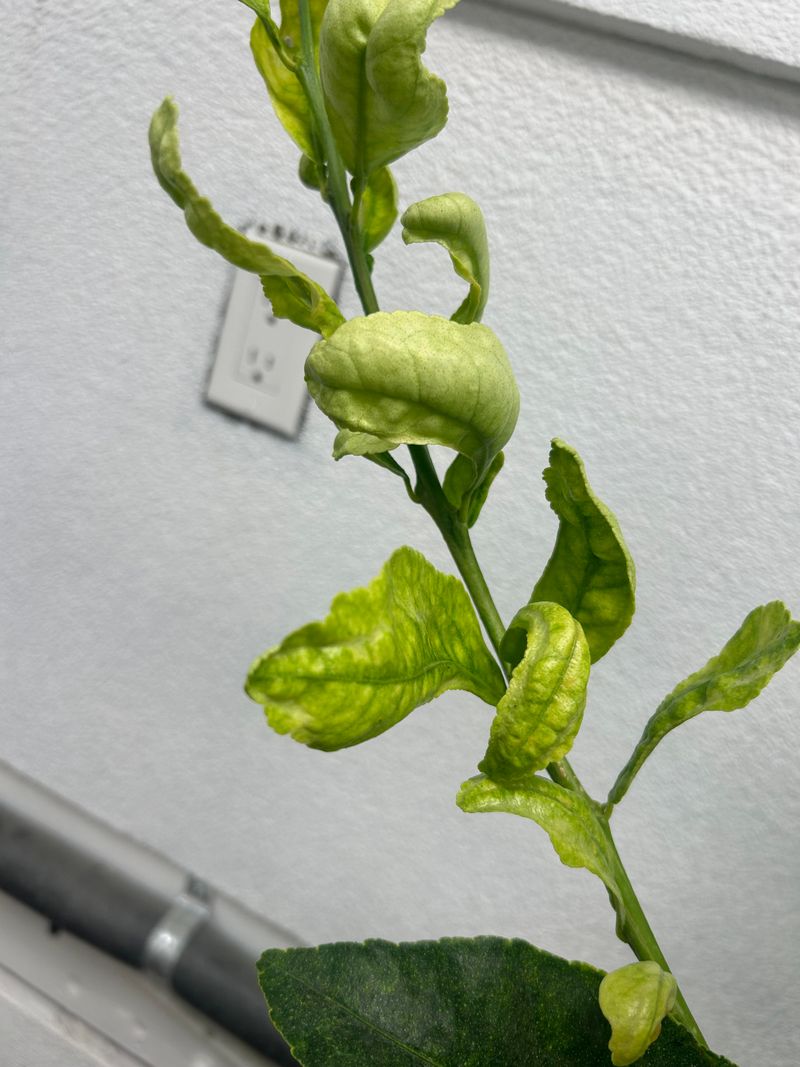
Ever wake up in October with chapped lips and staticky hair? Your citrus tree feels that dry air too.
Heating systems click on across the state as nights cool down. Radiators and furnaces can drop indoor humidity below 30 percent.
Citrus trees prefer humidity between 40 and 60 percent. When the air gets too dry, leaves curl inward to hold onto water.
Crispy brown edges often follow. Dry air also invites spider mites, which love those desert-like conditions.
A cheap hygrometer takes the guesswork out. These small gauges show exactly how moist your room really is.
Running a humidifier nearby makes the biggest difference. Even a small tabletop model can help one or two plants.
Pebble trays offer an easy, low-cost boost. Fill a tray with pebbles and water, then set the pot on top.
Keep the pot above the waterline so roots stay dry. Moisture rises gently from the tray as it evaporates.
Grouping plants together helps as well. Leaves release moisture, creating a tiny humid pocket around the group.
Misting feels helpful but fades within minutes. It works best as a bonus, not your main solution.
Move trees away from radiators and heating vents. Hot, blowing air can dry leaves in a single afternoon.
8. Low Light Is Slowing It Down
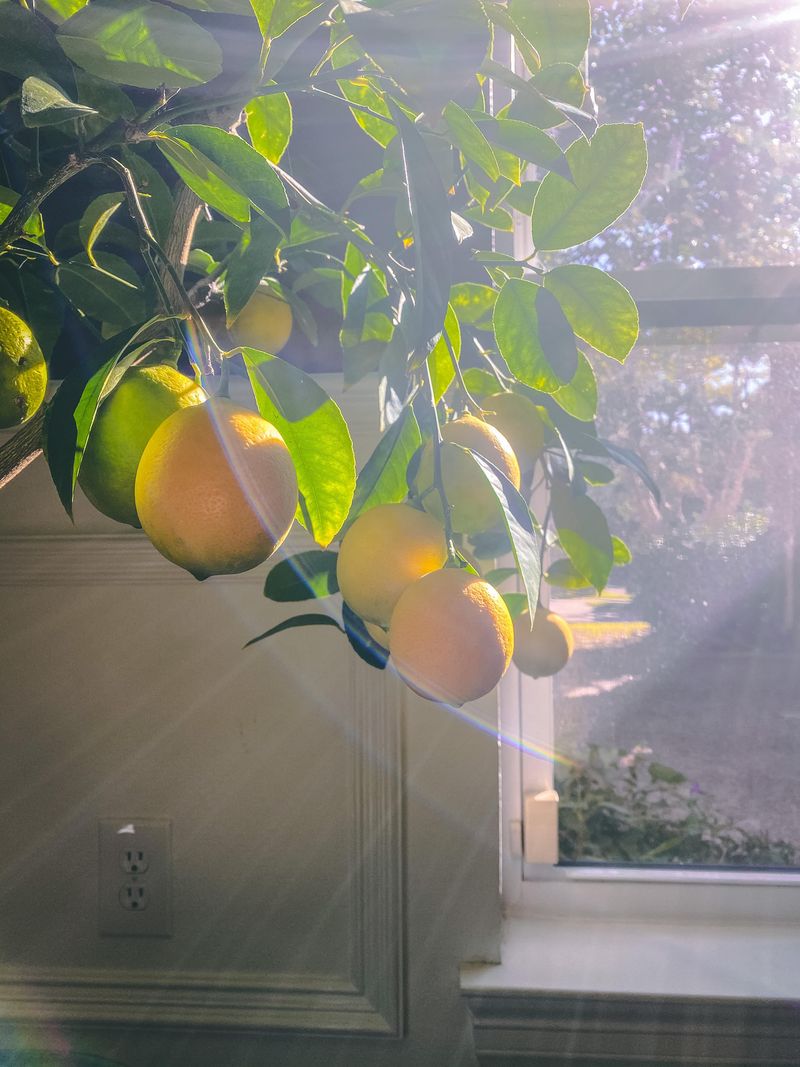
Sunshine is basically breakfast, lunch, and dinner for citrus. Most trees want eight to twelve hours of bright light every day.
Fall days shrink fast in New York. By late October, daylight drops to around ten hours, and indoor light is weaker still.
Less light means less energy for the tree. Growth slows, and the plant drifts into a semi-resting state.
Leaves may curl, pale, or drop as the tree cuts back. Older leaves near the center often go first.
A south-facing window is the best natural spot. West-facing windows come in a close second for afternoon sun.
Wipe the glass clean, since dusty windows block light. Open curtains fully during the day to let every ray reach the leaves.
Grow lights can fill the gap nicely. A full-spectrum LED placed a foot or two above the tree works well.
Set a timer for about twelve hours each day. Steady, predictable light helps the tree settle into its winter rhythm.
Low light also changes how you water. A slow tree drinks less, so soggy soil becomes a bigger risk.
Fun fact: citrus trees in Victorian times lived in fancy glass rooms called orangeries. Wealthy families built them so their trees could catch winter sunshine.
9. The Roots Have Outgrown The Pot
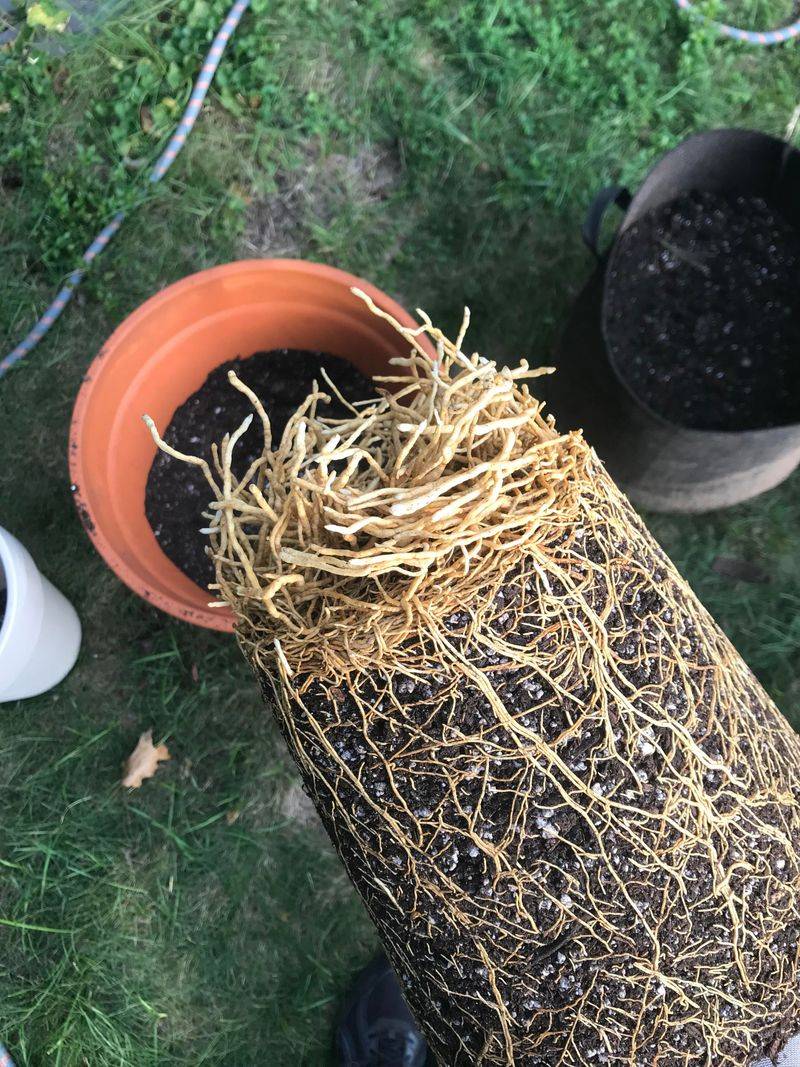
Imagine wearing shoes two sizes too small all day. Root-bound citrus trees deal with something similar underground.
Over time, roots fill every inch of the pot. Eventually they start circling the walls in tight loops.
Crowded roots struggle to absorb water and nutrients. The tree may show curled leaves even when you water and feed it well.
Watch for roots poking out of drainage holes. Water that rushes straight through the pot is another clue.
Gently slide the tree out to take a look. A solid mat of circling roots means it needs more room.
Choose a new pot only two to four inches wider. A huge pot holds too much wet soil, which can lead to rot.
Spring is the ideal time for repotting citrus. Fresh growth helps the tree recover from the move quickly.
Fall repotting carries more risk. The tree is heading into a slower season with less energy to heal.
Need a quick fix before spring? Loosen the top inch of soil and add a fresh layer of citrus mix.
When repotting time comes, tease circling roots outward with your fingers. Trim any mushy or badly tangled sections with clean shears.
Many growers repot every two to three years. Regular checks keep roots happy and leaves flat.
10. It’s Running Low On Nutrients
Citrus trees are hungry plants with big appetites. Potted trees run out of food faster because their soil is limited.
Every watering rinses a few nutrients out the bottom. By fall, the soil may be nearly empty.
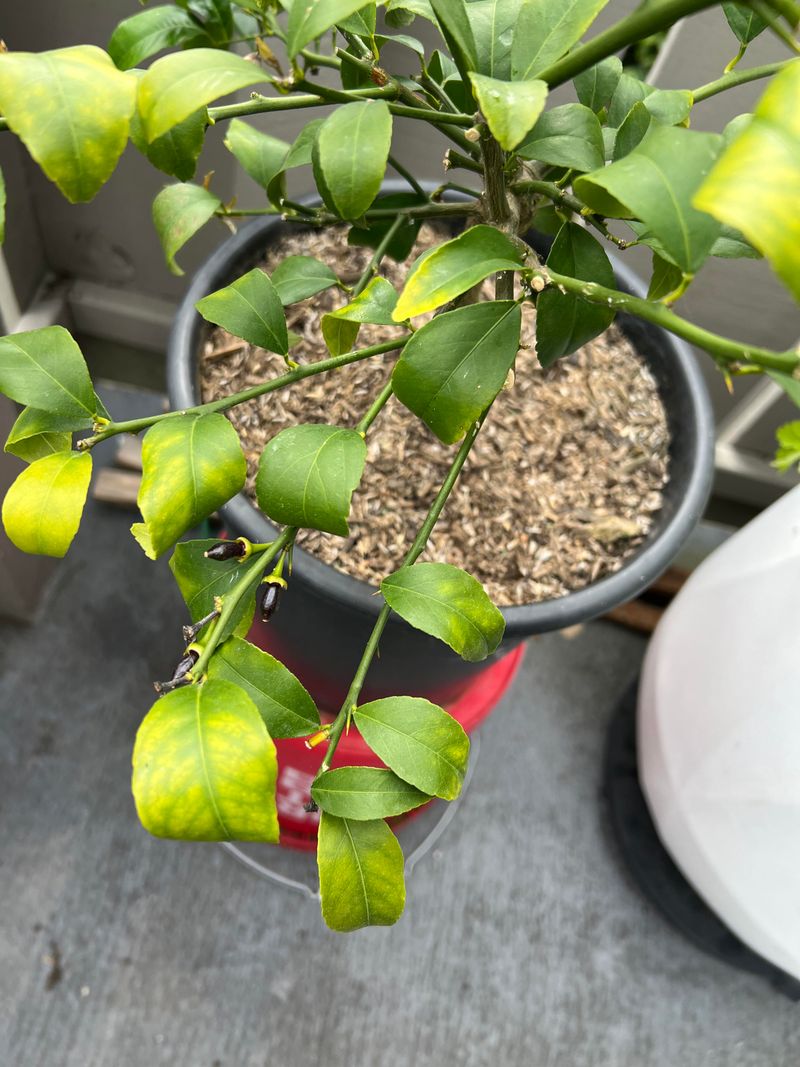
Hungry trees often show curled or discolored leaves. Different shortages leave different clues behind.
Nitrogen shortages turn older leaves pale yellow all over. Magnesium shortages cause yellow patches between green veins, often starting at the edges.
Iron, manganese, and zinc shortages usually affect newer leaves. You may notice small, mottled, or yellowish growth at the tips.
A citrus-specific fertilizer covers most of these needs. Look for one that includes micronutrients, not just the big three.
Timing matters as fall arrives. Ease off fertilizing in early fall as growth slows for winter.
Feeding heavily now can push weak, tender leaves. Those leaves become easy targets for pests and cold damage.
A light dose of Epsom salt can help magnesium issues. Mix about one teaspoon per gallon of water, used sparingly.
Resume regular feeding in late winter or early spring. Brighter days signal the tree to grow again.
Here is a closing thought for citrus lovers. Healthy feeding, steady care, and a little patience will have your tree glossy and fragrant again before you know it.