The Most Underrated Pennsylvania Native That Deer Refuse To Touch All Winter

Pennsylvania deer will eat just about anything when winter gets tough. Shrubs, perennials, young trees, even plants that are supposed to be “deer resistant” can end up chewed to the ground by February.
So when a plant stays green and untouched all winter long, that says a lot. This native grows wild in woodlands across Pennsylvania, where its glossy, leathery leaves stay fresh even under a layer of snow.
It doesn’t bloom, but it doesn’t need to. Its graceful, arching shape adds texture to shady corners, slopes, and woodland gardens all year.
It also helps hold soil in place and asks for almost nothing once it’s settled in. Best of all, deer pass it by again and again.
For a plant this tough and this useful, it gets surprisingly little attention. It’s time that changed.
The Evergreen Deer Rarely Bother
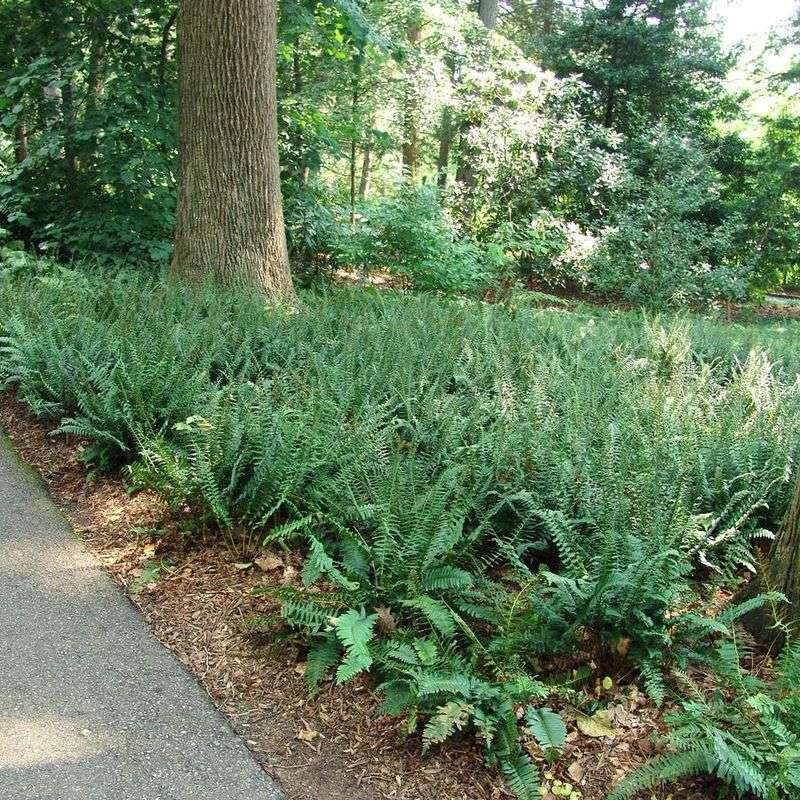
Deer have plenty of favorite snacks, but Christmas fern is not on the menu. Gardeners across Pennsylvania have watched deer munch hostas and azaleas while leaving these ferns alone. That simple fact makes it one of the most useful natives you can plant.
Christmas fern, known to scientists as Polystichum acrostichoides, grows wild in forests from Maine down to Florida. You can find it on shady hillsides in nearly every Pennsylvania county. It has lived here far longer than any of our gardens, so it fits right in.
So why do deer skip it? The fronds are tough and leathery, almost like thin plastic. They also feel a bit rough and have tiny bristly edges. Deer prefer soft, juicy leaves, so they usually move on to something tastier.
Rabbits tend to avoid it too. That is great news if your yard gets visits from both kinds of nibblers. You can plant it near the edge of the woods without worrying about it vanishing overnight.
No plant is totally deer-proof, of course. In a very harsh winter, a starving deer might take a bite of almost anything. Still, Christmas fern ranks among the safest picks you can make.
Here is a handy tip. Try planting a border of Christmas fern in front of plants deer love. The ferns will not repel deer, but they can make the area look less inviting.
Pairing them with other tough natives like wild ginger or white wood aster adds even more protection.
Local native plant nurseries often sell it in small pots. Buying nursery-grown plants is better than digging them from the wild. That keeps natural forests healthy for wildlife and future hikers.
Green Through The Coldest Months
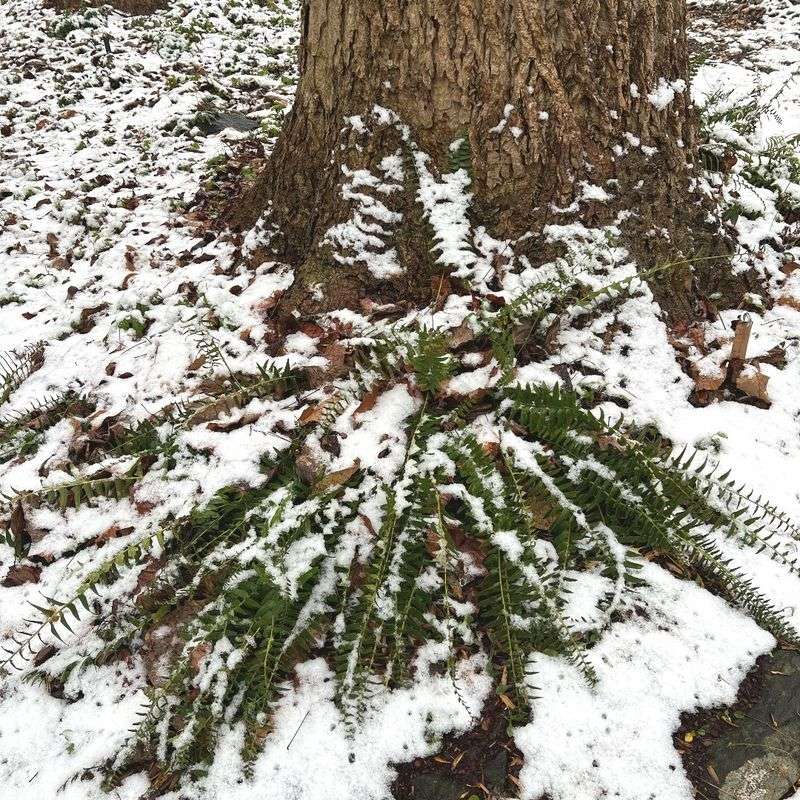
Walk through a Pennsylvania forest in January and most of the ground looks brown. Then you spot a flash of bright green poking out of the snow. Chances are, you just found a Christmas fern.
Most native ferns are only summer guests. Ostrich ferns, cinnamon ferns, and hay-scented ferns all turn tan and collapse after the first hard frost. Christmas fern refuses to quit. Its glossy fronds stay green all season long.
Your Pennsylvania Garden Changes Every Week. Your Plan Should Too.
Gardening in Pennsylvania changes quickly throughout the season. Every Friday you’ll receive a simple weekly plan showing exactly what to plant, prune, fertilize, harvest, and protect so you never miss the right timing.
As winter goes on, something interesting happens. The fronds slowly bend down and lie flat on the ground. Snow often covers them like a blanket. When the snow melts, you can find them still green underneath.
Why does that matter for your yard? Winter gardens can look bare and gloomy. A few clumps of green bring life to shady corners when nothing else is growing. They look lovely next to gray rocks, tree trunks, and fallen logs.
The fern also helps wildlife. Its flat winter fronds give small creatures like salamanders, beetles, and ground-feeding birds a little shelter.
Insects hide under the leaves to stay safe from wind and ice. Your yard becomes a small refuge for nature.
Fun fact time. Botanists call ferns like this one wintergreen, because they stay green through the cold season. It is the same idea behind the wintergreen plant that flavors gum and candy.
To enjoy the full show, plant your ferns where you can see them from a window. Near a back porch or beside a walkway works well. On a snowy morning, those green fronds feel like a small promise that spring is coming.
How It Got Its Name
Long before plastic garlands filled store shelves, families decorated with whatever stayed green outside. In the eastern woods, one of the easiest finds in December was a lush green fern. People started calling it the Christmas fern, and the name stuck.
Early settlers and rural families gathered the fronds for holiday wreaths, table decorations, and mantel displays.
Since the plant kept its color through the holidays, it was perfect for festive trimmings. Fresh fronds could last a long time indoors before fading.
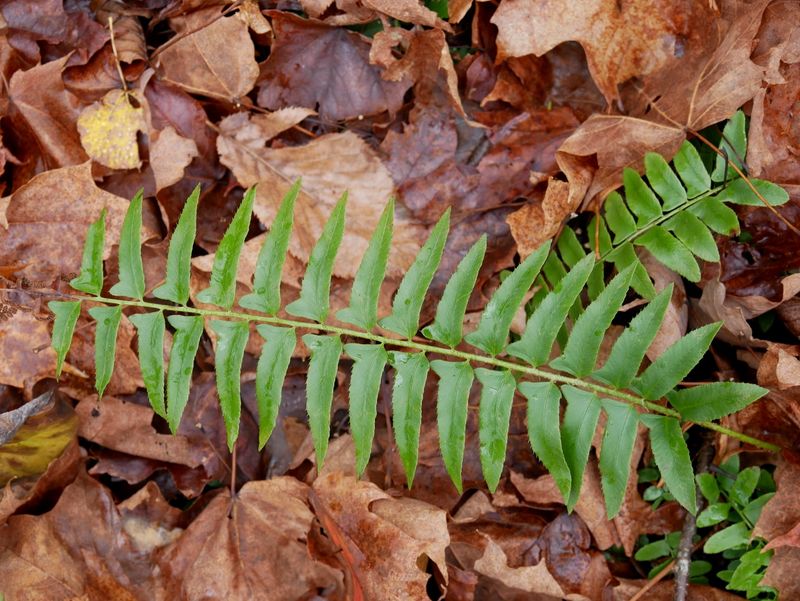
There is another fun story behind the name. Look closely at one leaflet on a frond. Each tiny piece has a small bump near its base, sort of like a heel. Many people think each leaflet looks like a little Christmas stocking.
Try it yourself next time you see one. Hold a frond up and count the stockings. Kids especially love this little game, and it makes a great nature lesson on a winter walk.
The scientific name has a story too. Polystichum means many rows, which describes the neat lines of spore dots under the leaves. Those dots are how ferns make new plants, since ferns have no flowers or seeds.
Want to use the fronds for decorating today? Snip only a few from each plant you grow. Never strip wild plants in parks or forests, since many areas protect native species.
A small bundle of fronds tied with red ribbon makes a sweet, simple gift. It adds a touch of old-fashioned charm to your holidays. Plus, you get to share a bit of Pennsylvania history with friends.
Thrives In Tough, Shady Spots
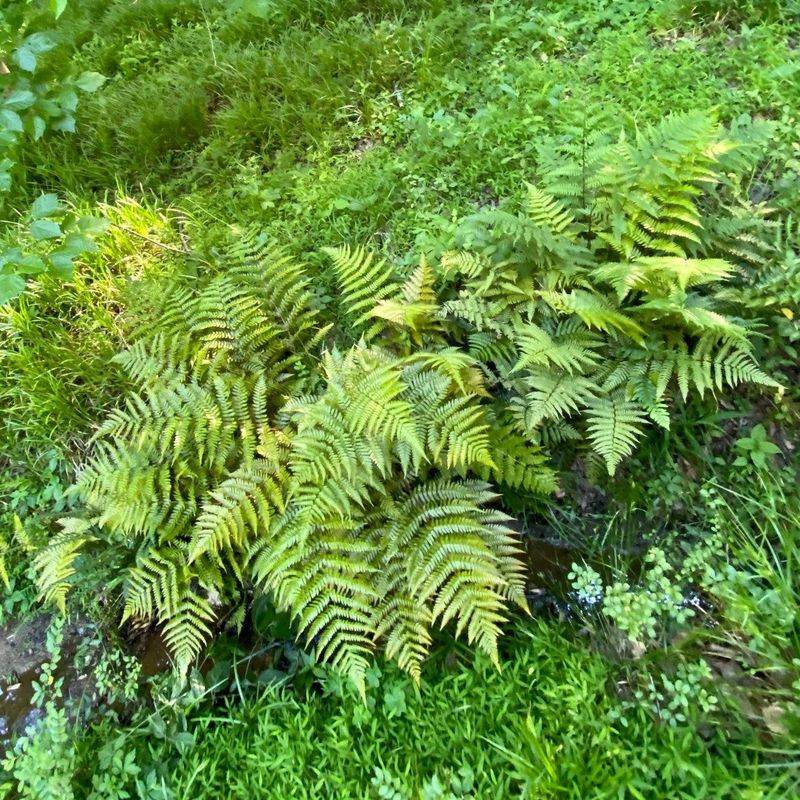
Every yard seems to have that one problem spot. Maybe it sits under a big maple where grass keeps thinning out. Maybe it is a steep slope where rain washes the dirt away. Christmas fern loves those places.
Shade is where this fern really shines. It grows well in full shade and part shade, especially under tall trees. Bright afternoon sun can scorch its leaves, so keep it out of open, baking spots.
Soil is not much of a worry either. Christmas fern handles dry soil, moist soil, and everything in between.
It even grows on rocky ground where many plants struggle to get started. Just avoid places that stay soggy for long periods.
Here is where it becomes a real helper. The fern grows thick, fibrous roots that grab onto soil. On shady hillsides, those roots act like a net that holds the ground in place.
Fewer bare patches means less mud sliding into your driveway after storms. Planting on a slope is simple.
Dig small pockets in a zigzag pattern across the hill. Space the ferns about 18 inches to 2 feet apart. Over a few years, they will fill in and knit the soil together.
Water new plants regularly during their first summer. A layer of shredded leaves around them helps hold in moisture. After the first year, the ferns can usually handle dry spells on their own.
Pennsylvania has lots of wooded lots, steep backyards, and shady city gardens. For any of those places, Christmas fern is a smart, low-stress fix that works with nature instead of against it.
Neat, Well-Behaved Clumps
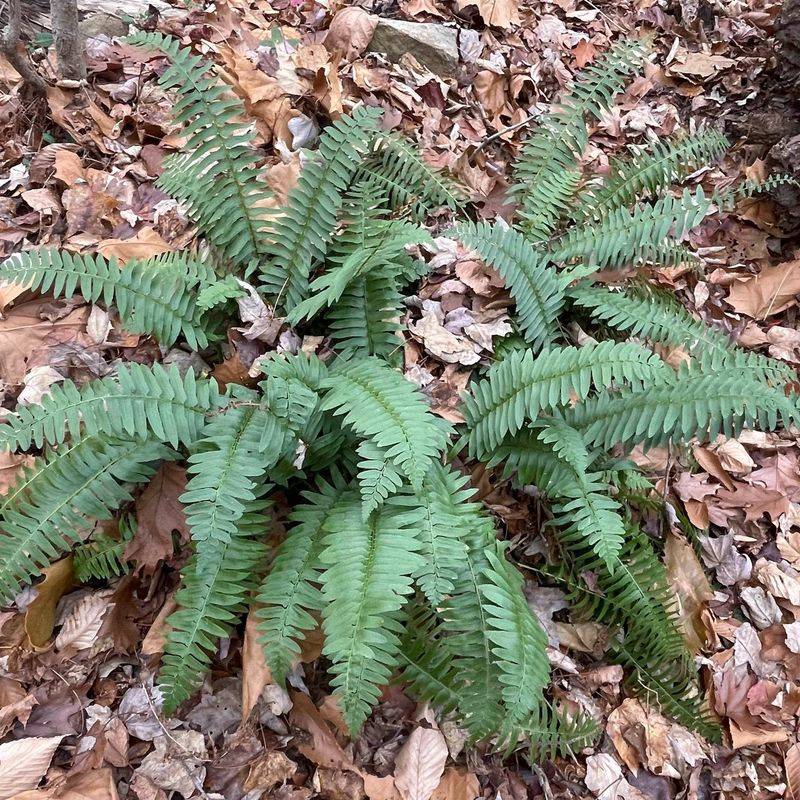
Some ferns are like party guests who never leave. Hay-scented fern and ostrich fern can spread fast and take over whole garden beds. Christmas fern, thankfully, has much better manners.
Instead of running underground, it grows in tidy clumps from a central crown. The fronds rise up in a graceful fountain shape. Most plants reach about 1 to 2 feet tall and spread about as wide.
Over time, each clump slowly gets a little bigger. It will not march across your lawn or crowd out your other plants. You stay in charge of how your garden looks, which is a big relief.
That neat habit makes it super easy to design with. Line a shady path with a row of ferns for a soft, welcoming edge.
Tuck them along the north side of your house to hide a plain foundation. Use them to frame a woodland border or a shady patio.
Christmas fern also plays nicely with neighbors. Try pairing it with spring bloomers like Virginia bluebells, trilliums, or foamflower.
The fern hides fading spring foliage later in the season. Its deep green makes nearby flowers pop.
Want more plants without buying more? You can divide an older clump in early spring. Gently dig it up and split the crown into sections with a sharp spade. Replant each piece and water it well.
Spacing matters for a clean look. Plant them 18 to 24 inches apart if you want a full, filled-in effect. Give them a little more room if you like each clump to stand out on its own.
Simple Spring Care
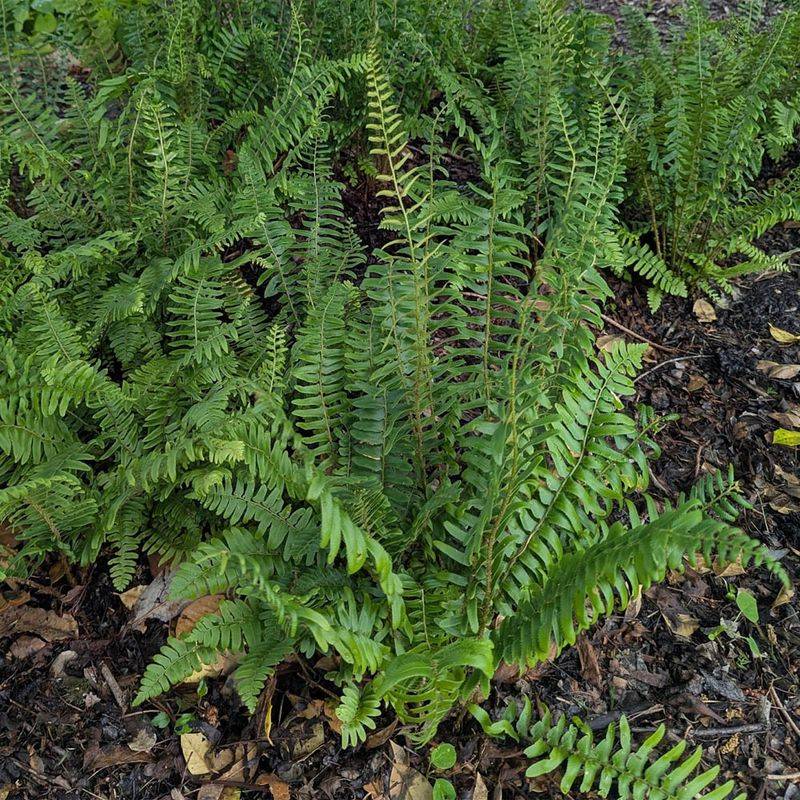
Good news for busy gardeners. Christmas fern might be the easiest plant you ever grow. Once it settles in, your yearly to-do list is about five minutes long.
The main job happens in early spring. By late March or April, last year’s fronds look tired and worn after a long winter. They may be torn, faded, or flattened from snow. That is your signal to tidy up.
Watch for the new fiddleheads first. These are the curled-up baby fronds that pop up from the center of the plant. On Christmas fern, they look silvery and fuzzy, almost like tiny scrolls wrapped in felt.
As soon as those fiddleheads start to unroll, grab your pruners. Snip the old fronds near the base.
Be careful not to cut the new growth by accident. Leaving the old fronds until then protects the crown during cold snaps.
Toss the trimmed fronds into your compost pile or leave them under nearby shrubs. They break down and feed the soil. Nothing goes to waste.
After that, the fern pretty much takes care of itself. It does not need fertilizer. Fallen leaves in autumn act as natural mulch, so let some stay around the plants.
Water only during long dry spells, especially in the first year. Pests and diseases rarely cause trouble either. You will not find much bothering it at all, from insects to deer.
A little effort each spring brings years of green beauty. For a plant that works so hard in winter, that seems like a pretty fair deal. Your shady corners will thank you.