Here’s When To Stop Moving Your Virginia Lawn In Fall
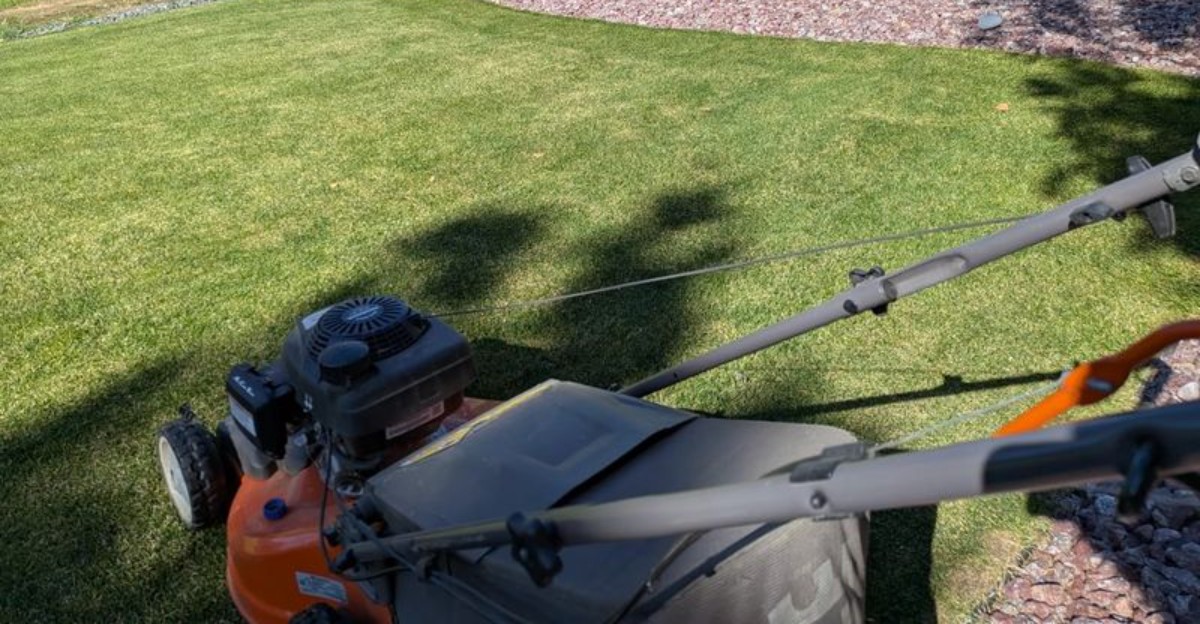
The mower sits by the shed, smelling of cut grass and old gas, and you start to wonder if its job is done. Fall brings a lawn that seems to grow at its own lazy pace.
Across Virginia, some neighbors park their mowers early, while others keep going into the holidays. The answer depends on your grass, the weather, and a few simple signs.
Stop too soon, and shaggy grass can mat down and invite disease over winter. Keep going too long, and you might stress a lawn that only wants to rest.
Luckily, your lawn drops plenty of hints if you know where to look. Tall fescue and Bermudagrass send very different signals this time of year.
The clues below tell you exactly when to make that final pass. Follow them, and your lawn will head into winter in great shape.
1. Keep Mowing As Long As The Grass Keeps Growing
Picture a calendar that ignores the date and only watches your lawn. Your grass works the same way, so let its growth set the schedule.
Across Virginia, plenty of lawns keep growing well past September. Some landscape crews even mow into early December during mild years.
Here is a handy rule to remember. Cool-season grass slows down once daytime highs stay below about 50 degrees.
Until then, your yard may need a trim every week or two. Skipping cuts lets blades get tall, floppy, and harder to manage later.
Want an easy test? Mow a stripe, then check that spot again in seven days.
If the stripe looks taller, the grass is still active. When it barely changes after two weeks, growth is winding down for the year.
Weather swings can fool you a bit. A warm week in late October may spark a sudden growth spurt.
Keep the mower fueled and ready during those surprise warm spells. A quick pass prevents the lawn from getting shaggy right before cold weather arrives.
Tracking growth also helps you plan other fall chores. Fertilizing and overseeding work best while roots are still busy.
A simple notebook or phone note can help a lot. Jot down each mowing date and how much the grass grew between cuts.
Over a few seasons, patterns start to appear. You will learn roughly when your own yard tends to slow down each fall.
Patience is the real secret here. Let the grass tell you when it is finished, not the first chilly morning.
2. Tall Fescue Often Grows Into November
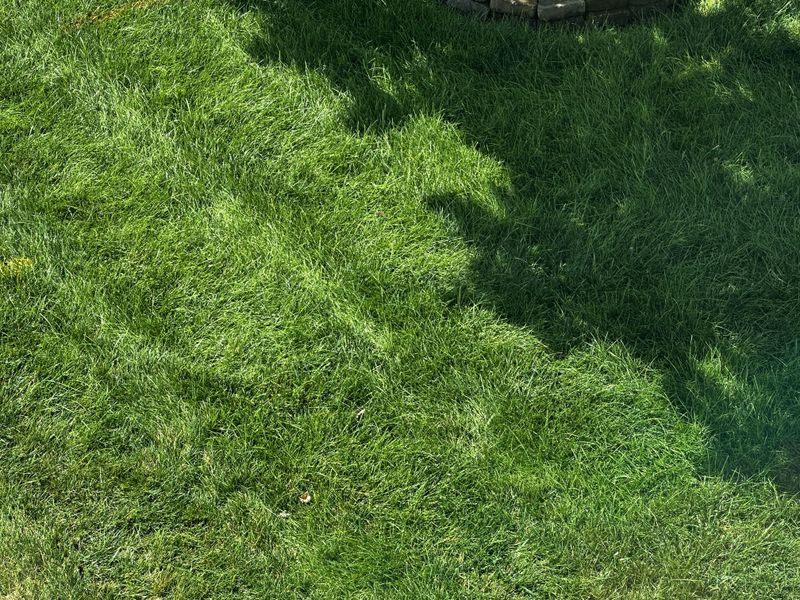
Tall fescue is basically the overachiever of Virginia lawns. While other plants slow down, it seems to wake up and get busy.
As a cool-season grass, fescue loves fall temperatures. Warm days and cool nights give it perfect conditions for strong growth.
Many homeowners are surprised to mow fescue in mid-November. In the Piedmont and Tidewater areas, it can grow even later.
Fall is when fescue builds thick roots and fills in thin spots. Regular mowing at the right height actually encourages that thicker turf.
Your Virginia Garden Changes Every Week. Your Plan Should Too.
Gardening in Virginia changes quickly throughout the season. Every Friday you’ll receive a simple weekly plan showing exactly what to plant, prune, fertilize, harvest, and protect so you never miss the right timing.
Fun fact: tall fescue is the most common lawn grass in Virginia. Its deep roots help it handle both summer heat and winter cold.
Fescue blades can look bright green even after the trees go bare. That color is a good sign the plant is still making food.
Keep mowing every seven to ten days during this stretch. Cutting too rarely can leave long blades that flop over and trap moisture.
Watch your local forecast as November rolls on. Once highs settle into the 40s, fescue growth drops off quickly.
Mountain areas like the Shenandoah Valley usually cool down first. Lawns there may finish weeks earlier than yards near the coast.
Feeding fescue in fall also pays off. A light fertilizer in September and November supports strong roots for spring.
Enjoy this cozy season with your fescue lawn. Those late cuts are a small chore that sets up a greener yard next year.
3. Warm-Season Lawns Slow Down After First Frost
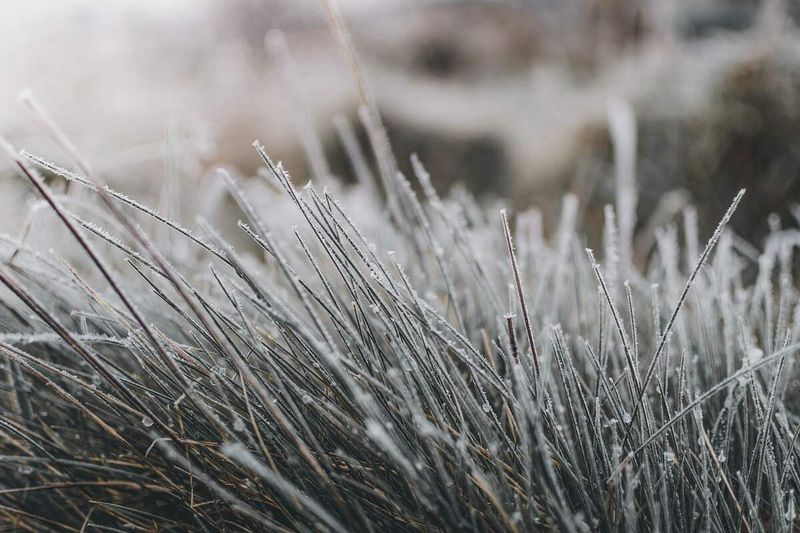
Bermuda and zoysia lawns are sun lovers at heart. Summer heat makes them thrive, but fall chill sends them toward a long nap.
You will spot these grasses in many southern and eastern Virginia yards. Hampton Roads and Southside areas grow them often.
Once nights cool down, warm-season grass begins to slow. The first frost usually marks the real turning point.
Across the state, average first frost lands around late October. Your own date may vary by several weeks depending on elevation.
After frost, the blades start fading from green to tan. Growth slows to a crawl, and mowing needs drop sharply.
Plan one or two final cuts before frost if growth continues. Afterward, you can usually put the mower away for these grasses.
Curious about your local frost date? Check the National Weather Service or your county extension office for estimates.
Zoysia tends to brown a little earlier than Bermuda. Both bounce back once soil warms again in late spring.
Avoid heavy nitrogen fertilizer on these lawns in fall. Feeding them late can push tender growth that cold weather may damage.
Some folks dislike the tan winter look. A layer of ryegrass seed in early fall can add green color through the cold months.
Keep in mind that overseeded ryegrass will need mowing in winter. If you prefer a quiet mower, simply enjoy the golden view instead.
4. Dormant Grass Means It’s Time To Park The Mower
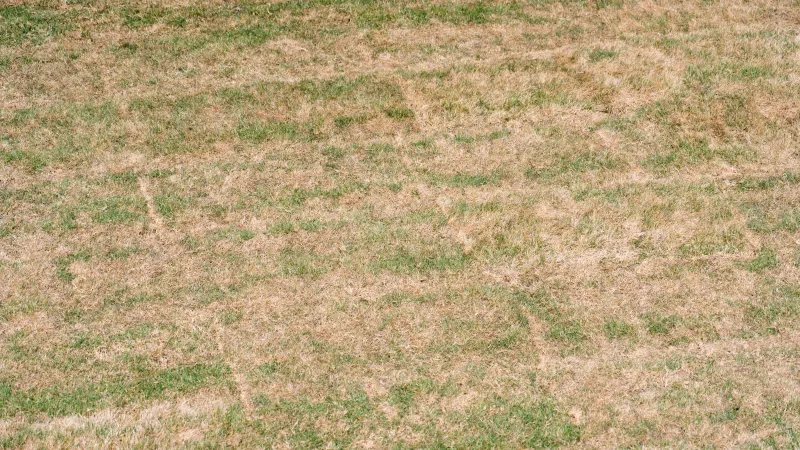
Golden, crunchy, and quiet, a dormant lawn looks a bit like a sleeping cat. It is resting, not failing, and it wants to be left alone.
Dormancy is a natural survival trick. Grass slows its activity to protect itself during cold months.
So how do you know it has happened? Look for an even tan or straw color across the whole yard.
Give a few blades a gentle tug. Dormant grass stays firmly rooted, even though the tips feel dry.
Patchy brown spots mixed with green may point to another issue. Grubs, disease, or poor drainage can cause uneven color.
Once the lawn is truly dormant, mowing does more harm than good. The blades are not growing, so there is nothing useful to cut.
Worse, mower wheels and blades can bruise the crown. That small base near the soil holds the grass’s power to regrow.
Heavy foot traffic matters during this time too. Try to keep walking paths and play areas from wearing down sleeping turf.
Many homeowners feel itchy without weekend mowing. Use that free time to clean beds, rake gutters, or plan spring projects.
Dormant grass still needs a little water during dry winters. A good soaking every few weeks helps if rain stays scarce.
Spring warmth will wake the lawn on its own schedule. Until then, roll the mower into the garage and give it a well-earned break.
5. Stick To The Recommended Height Until The End

Grab a ruler and head outside for a quick lawn checkup. A few inches can make a big difference in how your grass handles winter.
For cool-season lawns in Virginia, aim for three to four inches in fall. Taller blades shade the soil and help roots stay strong.
Your very last cut can be a bit lower. Somewhere between two and a half and three and a half inches works well.
Why drop it slightly? Shorter grass resists matting under leaves or snow, which lowers the risk of fungus.
Snow mold is one problem that loves long, flattened blades. It shows up as gray or pink patches when spring arrives.
Warm-season grasses follow different numbers. Bermuda and zoysia do fine at about one and a half to two inches.
Here is the golden guideline every mower should follow. Remove no more than one-third of the blade in a single cut.
Cutting too much at once shocks the plant. It can weaken roots right when the lawn should be storing energy.
Need to lower the height a lot? Do it slowly over two or three mowings instead of one big chop.
Check your mower deck settings before each cut. Bumpy ground can make the actual height differ from the number on the lever.
Measuring a few spots with a ruler takes only minutes. That small habit keeps your lawn healthy until the mowing season wraps up.
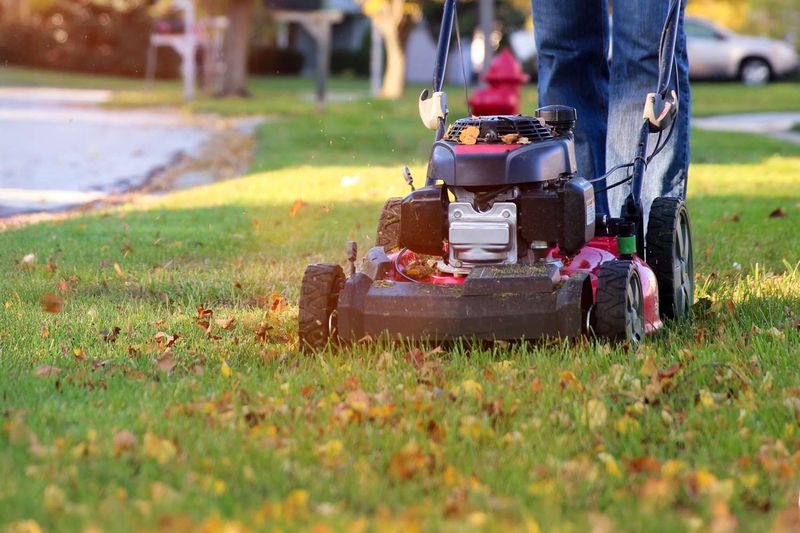
6. Mulch Fallen Leaves As You Mow
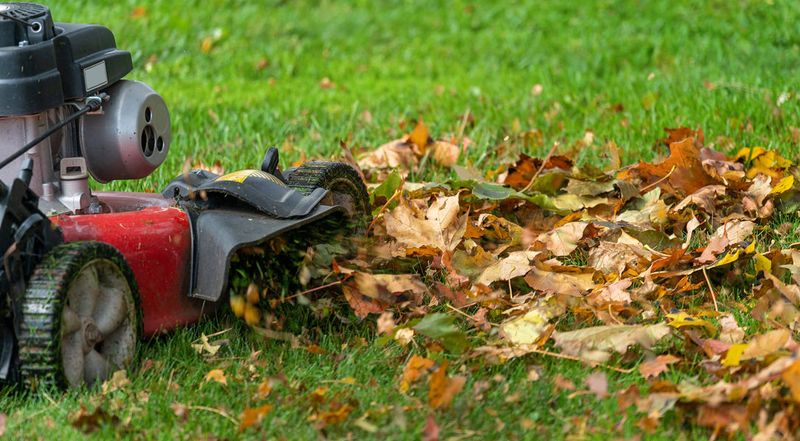
Raking leaves for hours can feel like a punishment. Luckily, your mower can turn that chore into free plant food.
Most modern mowers offer a mulching setting or blade. It chops leaves into tiny pieces that drop right into the turf.
Those shredded bits break down over winter. As they rot, they feed nutrients and organic matter back into soil.
Studies at several universities found mulched leaves can even reduce some weeds. Dandelions and crabgrass seem to struggle with the extra cover.
For best results, mow when leaves are dry. Wet leaves clump together and can clog your mower deck.
Make overlapping passes across the yard. You may need to go over thick spots twice to get fine pieces.
Keep an eye on how much remains. About half an inch of grass should still show through the leaf layer.
If leaves pile up too thick, bag some of them. Heavy layers can smother grass and block sunlight it still needs.
Bagged leaves have uses too. Spread them in flower beds or toss them in a compost bin for rich soil next year.
Oak leaves take longer to break down than maple leaves. Chopping them extra small helps them disappear faster.
Neighbors may wonder why your yard looks so neat with less effort. Just smile and let your mower handle the autumn mess.
7. Newly Seeded Lawns Need A Careful First Cut
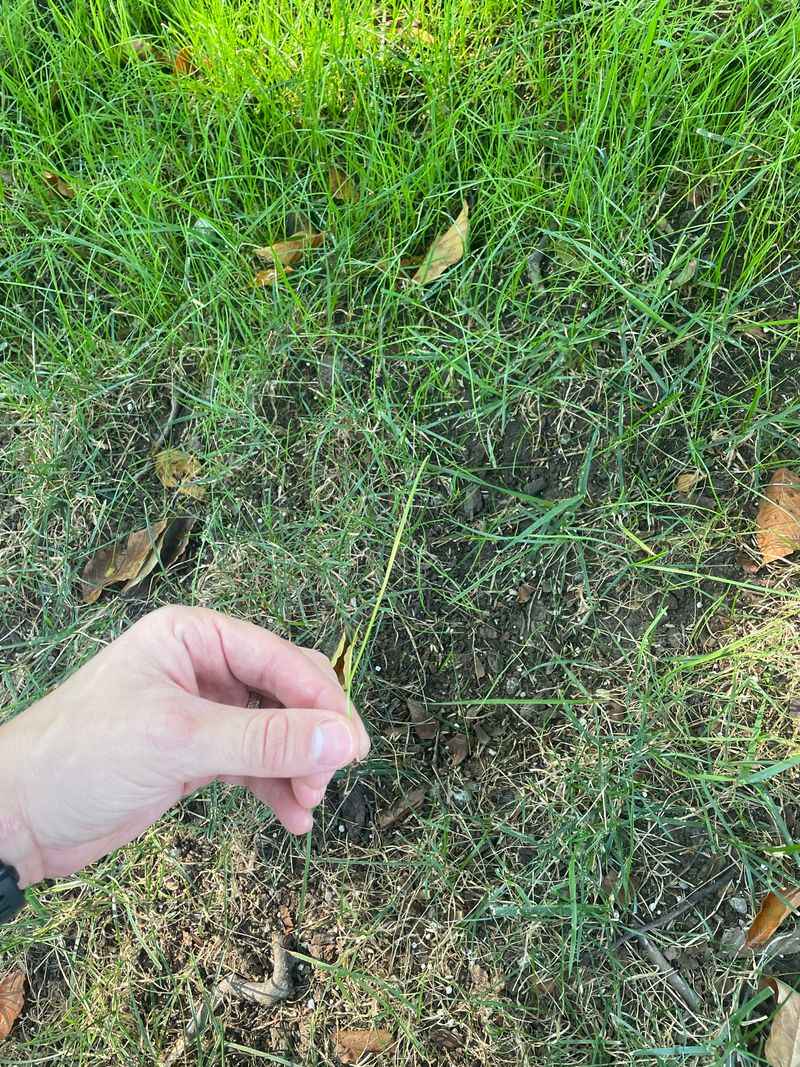
Watching new grass sprout feels like seeing a baby take first steps. Exciting, sure, but you want to handle things gently.
Fall is prime seeding time in Virginia, especially for fescue. That means many yards hold tender young grass in October.
Hold off on the first mow until blades reach three to four inches. Cutting earlier can stress shallow roots that are still forming.
Usually, that height arrives about a month after seeding. Warm weather may speed things up a little.
Remove only the top third during this first cut. For four-inch grass, trim it to around two and a half or three inches.
Soil conditions matter a lot here. Wait until the ground feels firm and dry so wheels do not sink or rip seedlings.
A sharp blade is a must for baby grass. Dull blades can yank whole seedlings right out of the soil.
Try to avoid sharp turns on new turf. Wide, gentle loops keep wheels from scuffing the fragile surface.
A lighter push mower is often kinder than a heavy rider. Less weight means less pressure on soft, young roots.
Keep watering lightly after mowing if rain stays scarce. New grass needs steady moisture to settle in before winter.
Treat those first few cuts with patience. A careful start helps your new lawn grow thick and handsome by next spring.
8. Skip Mowing Frosty Or Soggy Grass
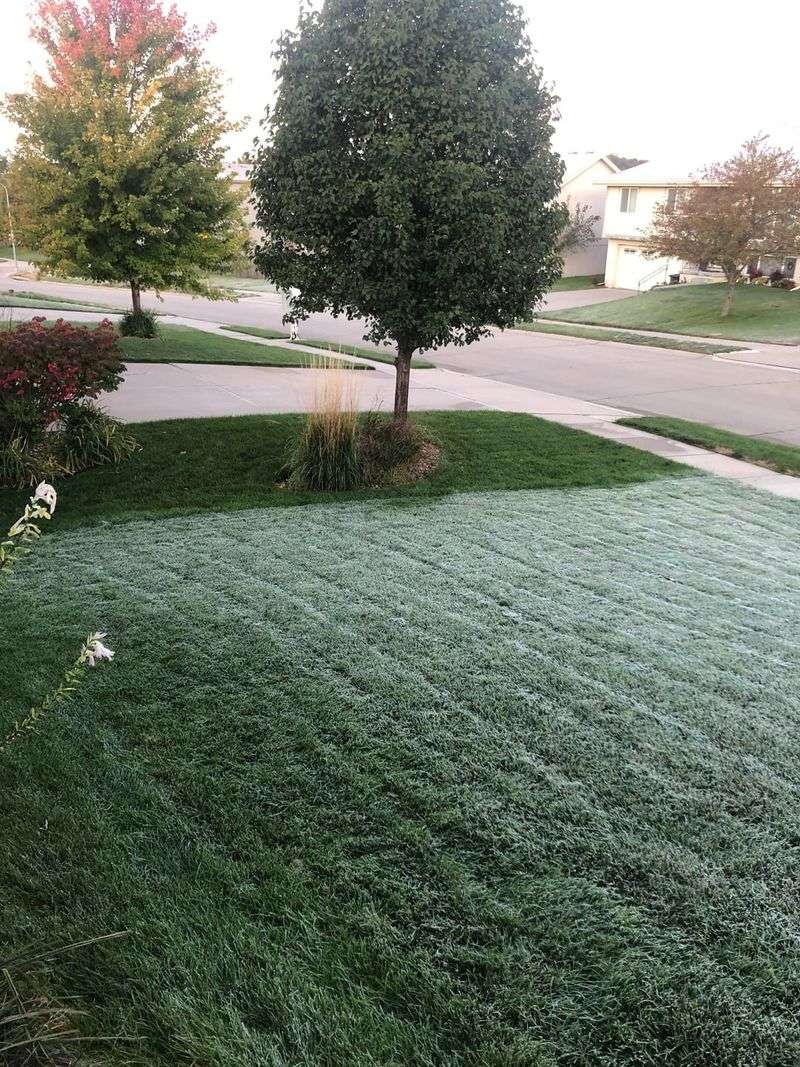
Ever walked across a frosty lawn and seen your footprints later turn brown? Those marks show how fragile frozen grass can be.
Ice crystals make blades stiff and brittle. Mower wheels and blades can crush or snap the frozen tissue.
Damage from frosty mowing often shows up days later. You might spot brown tracks or patches across the yard.
Fall mornings often start with a silver coat of frost. Wait until midday when the sun has melted it away.
Soggy grass brings its own set of problems. Wet blades tear instead of slicing, leaving ragged, brown tips.
Moist clippings also clump into heavy piles. Those mats can smother grass and invite fungus to move in.
Mowing wet ground may cause ruts too. Soft soil squishes under wheels, leaving dents that stay all winter.
Wet conditions can spread lawn diseases as well. Spores catch rides on wheels and blades as you move.
Not sure if the grass is dry enough? Brush your shoe across it, and if it comes up soaked, wait a few hours.
Safety counts as well. Slippery slopes can cause falls, and wet grass may clog the deck and stall the engine.
Patience pays off with fall mowing. A short wait for dry, thawed grass gives a cleaner cut and a happier lawn.
9. Sharpen The Blade For The Final Cuts
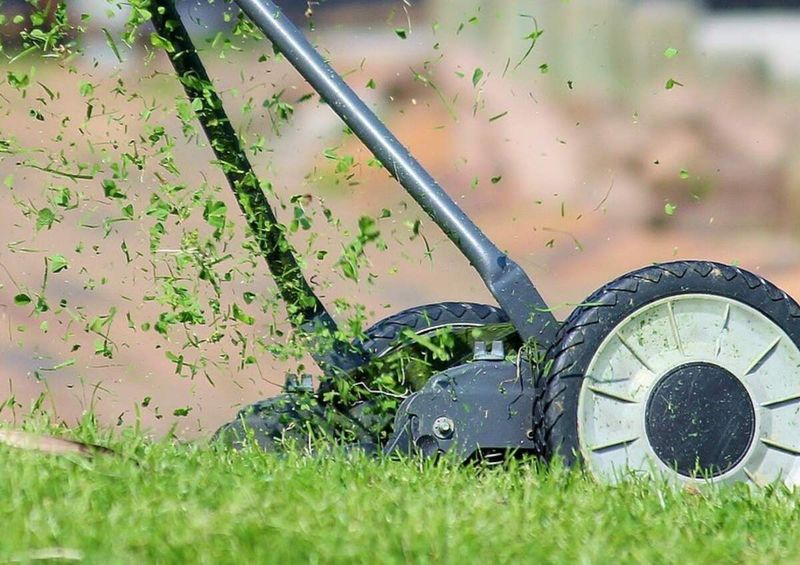
A dull blade is like trying to cut steak with a butter knife. It tears and mashes instead of slicing cleanly.
Torn grass tips turn brown and frayed. Those ragged edges lose more moisture and invite disease into the plant.
Fall cuts deserve the same care as summer ones. Clean wounds help grass heal before cold weather settles in.
Most experts suggest sharpening after about 20 to 25 hours of use. For many homeowners, that means once or twice per season.
Not sure if yours needs attention? Look closely at freshly cut blades for white, shredded tips.
Sharpening at home is doable with a file or grinder. Disconnect the spark plug first so the engine cannot start by accident.
Mark the blade’s bottom side before removing it. That trick helps you put it back on the right way.
Balance matters as much as sharpness. Hang the blade on a nail to see if one side dips lower.
An unbalanced blade can shake the mower and wear out parts. File a bit more off the heavy side to even it out.
Prefer not to do it yourself? Many hardware stores and repair shops sharpen blades for a small fee.
A sharp blade also makes mowing easier. The engine works less, and you may even save a bit of fuel along the way.
10. Winterize The Mower After The Last Pass
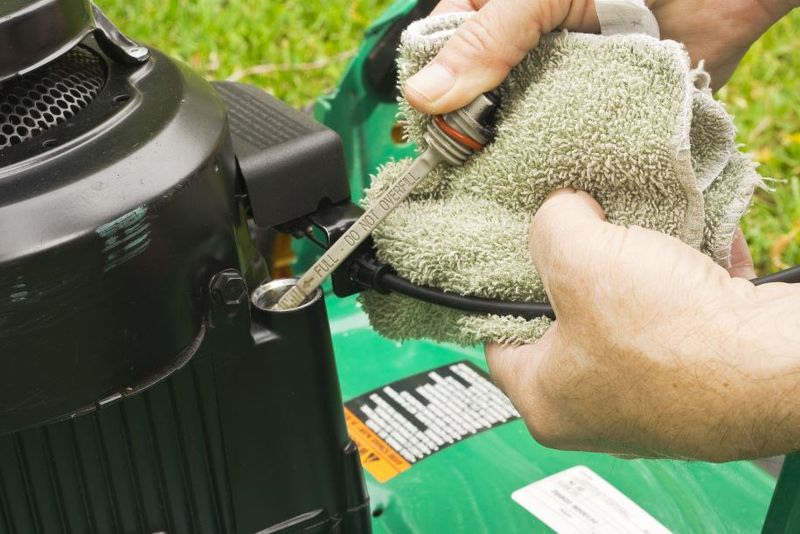
Nothing spoils a spring Saturday like a mower that refuses to start. A little care after the last cut helps avoid that headache.
Begin with a good cleaning. Scrape packed grass and leaves from under the deck to prevent rust.
Disconnect the spark plug wire before working underneath. That simple step keeps your hands safe.
Fuel comes next on the list. Old gas can gum up the carburetor during months of storage.
Add fuel stabilizer to a full tank, then run the engine briefly. Another option is running the tank dry before storing.
Change the engine oil while it is still a bit warm. Fresh oil protects parts from sludge and corrosion over winter.
Check the air filter and spark plug too. Replacing them now means your mower is ready the moment grass starts growing.
Battery-powered or electric start mowers need extra care. Remove the battery and store it somewhere cool and dry, away from freezing temps.
Find a sheltered spot for the mower itself. A garage or shed keeps it safe from winter rain and occasional snow.
Cover it with a breathable tarp if dust is a concern. Plastic sheets can trap moisture, so choose fabric when possible.
Spend an hour on these steps, and spring will thank you. Your mower should fire right up when the first green blades appear.