How To Save Your Virginia Geraniums Before First Frost Hits
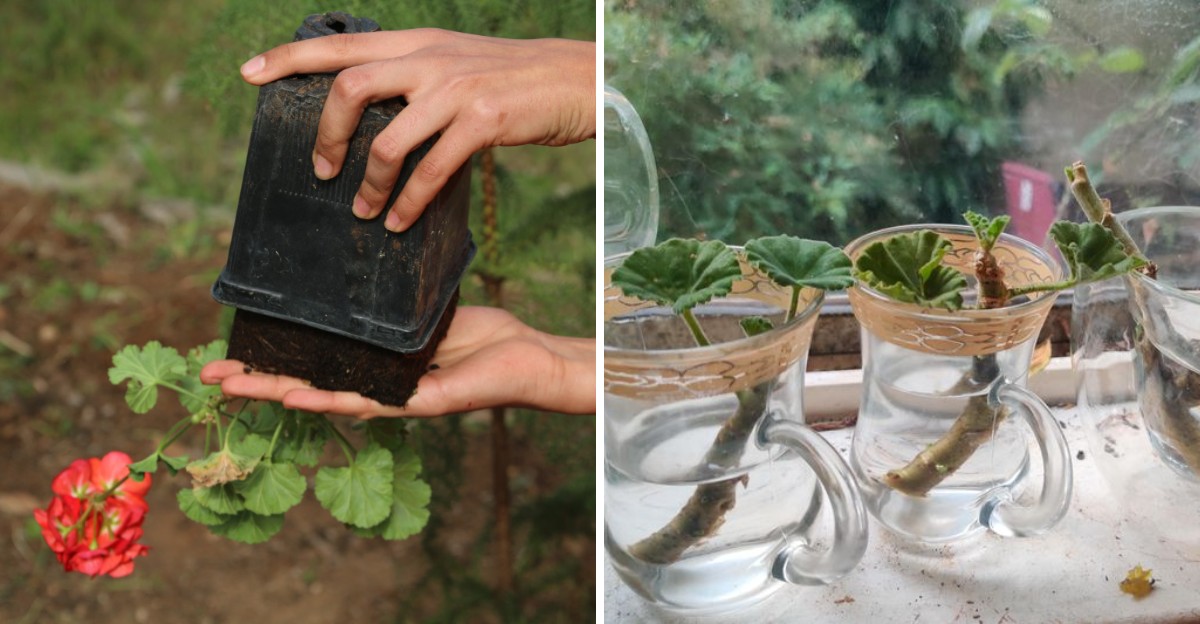
Frost does not announce itself in Virginia. Overnight, a clear sky can drop temperatures low enough to blacken your geraniums by sunrise. This guide covers tender zonal geraniums, also called Pelargonium, not hardy cranesbill.
Mountain counties face that threat early, while Tidewater gardeners gain extra weeks. Tender plants such as coleus, begonias, and geraniums cannot handle that chill.
Watch your forecast and move pots indoors once nights turn truly chilly. Inspect each leaf for aphids and whiteflies, because pests hitchhike inside.
Spray the undersides with insecticidal soap, then let the foliage dry. Shake soil from geranium roots, then bag or hang the plants in a cool basement.
Coleus roots in plain water, so snip stems and park them on a bright windowsill. Virginia winters reward gardeners who move early, and you can join them.
Your cat will protest, yet you will protect those plants. Spring will return those blooms to your porch.
1. Watch The Forecast For The First Frost Date
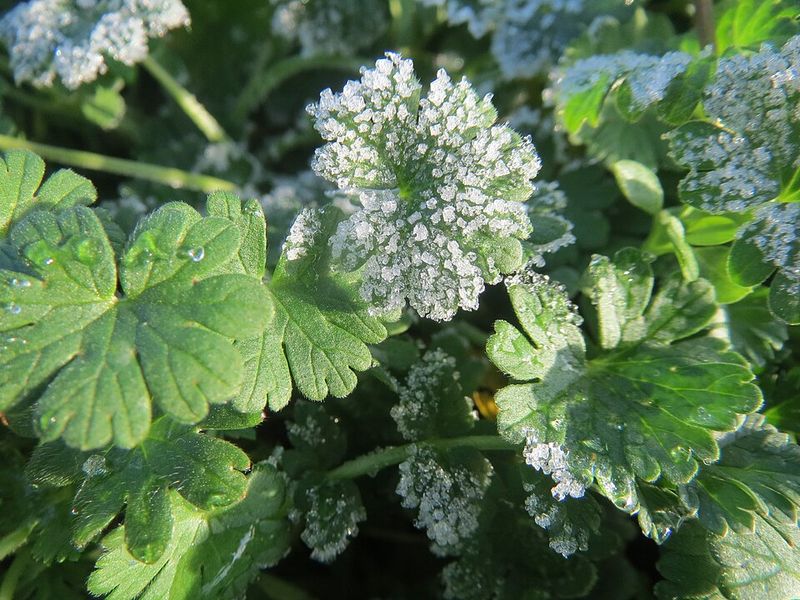
Old-timers in the Shenandoah Valley say they can sense frost coming on a crisp October evening. Your phone is more precise, so check the forecast daily this month.
In most parts of Virginia, the first frost usually lands between mid-October and mid-November. Mountain areas near Blacksburg often see it first, while Virginia Beach may wait until early or mid-November.
Geraniums handle cool nights just fine, but temperatures near 32 degrees will badly damage their soft, juicy stems. Aim to act once nighttime lows start dipping into the low 40s.
A cheap outdoor thermometer near your plants gives a more local reading than a general forecast. Low spots in your yard can easily run five degrees colder than the sheltered porch.
Write your plan on a calendar so you are not scrambling at midnight with a flashlight. Pick a weekend soon to gather pots, soil, and supplies ahead of time.
Clear skies and calm winds are a common combination that tends to bring the heaviest frost. Cloudy, breezy nights usually stay a little warmer, even when the numbers look scary.
Check your county’s forecast for frost advisories, or use a weather app that sends alerts. Frost advisories and freeze warnings pop up a day or two ahead, giving you time to move your plants.
Think of this step as your early warning system for everything else on this list. A few minutes of watching now can save your plants later in the season.
2. Bring Potted Plants Indoors To A Sunny Window
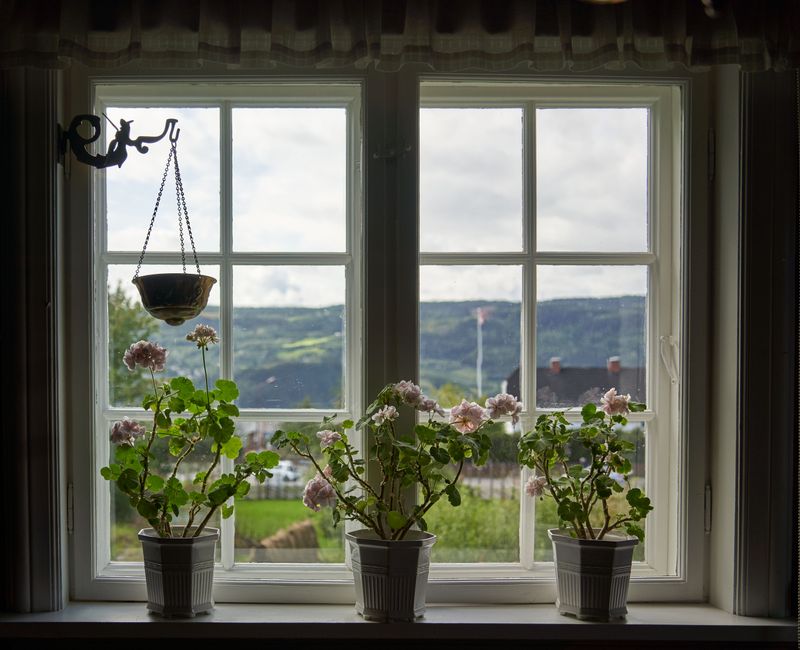
Picture your geraniums sipping sunshine through a south-facing window while sleet taps on the glass outside. That cozy scene is straightforward to set up.
Potted geraniums are the simplest to save because they already live in movable homes. Give each pot a quick rinse with the hose to wash off dirt and stowaway bugs.
Trim leggy stems back by about one-third before you carry them inside the house. A tidier plant fits better on a windowsill and pushes out fresh, bushy growth.
Your Virginia Garden Changes Every Week. Your Plan Should Too.
Gardening in Virginia changes quickly throughout the season. Every Friday you’ll receive a simple weekly plan showing exactly what to plant, prune, fertilize, harvest, and protect so you never miss the right timing.
Geraniums crave at least six hours of bright light each day indoors. South or west windows work best, especially during those short, gloomy Virginia winter days.
Keep pots away from heating vents, which push out dry air and stress the leaves. Cold, drafty doors are just as troublesome, so find a happy middle spot.
Move plants inside gradually if you have time, starting with a few hours on a shady porch. Sudden changes in light can cause yellow leaves to drop within the first week.
Some leaf drop is normal, so do not panic if a few turn yellow. Plants are simply adjusting to their new indoor neighborhood and lower light.
Set a saucer under each pot to protect floors and furniture from drips. Your windowsill garden might even keep blooming through December with a little luck.
A mirror or white board behind the plants can bounce extra light around. Simple tricks like that can still help.
3. Dig Up Garden Plants And Pot Them Up
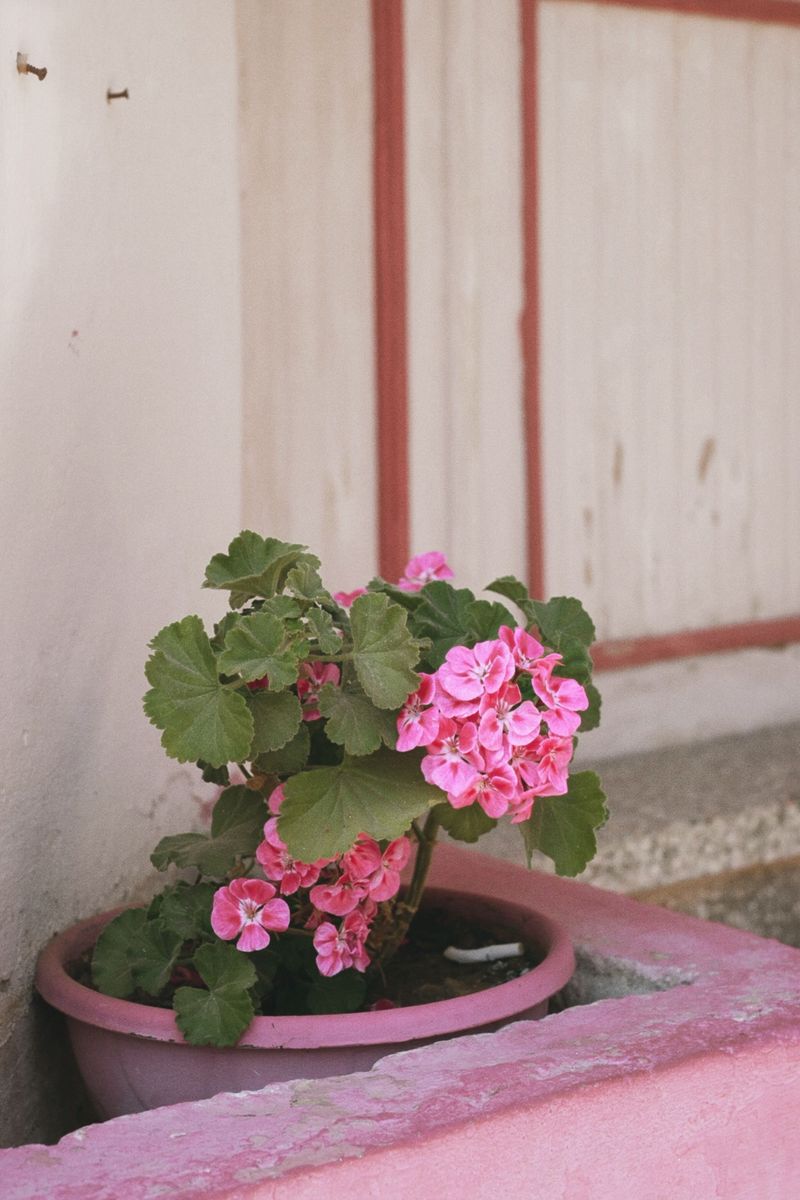
Garden beds full of tender geraniums can seem hard to save once the cold arrives. Hardy cranesbill geraniums can stay in the ground. Grab a shovel, though, because those tender plants can easily move indoors with you.
Water the bed well the day before digging so the soil holds together around roots. Moist soil also makes the shovel slide in with far less effort.
Dig a circle about six inches out from the main stem. Lift gently from underneath to keep as many roots attached as you can.
Choose a pot just slightly bigger than the root ball, with good drainage holes. Oversized pots hold too much water, and waterlogged roots are prone to rot.
Fill around the roots with fresh potting mix instead of heavy garden soil. Heavy soil, such as red clay, packs down in containers and restricts drainage and airflow.
Cut the stems back by about half after potting to reduce stress, since digging damages roots. Fewer leaves mean the roots have less work to do while they recover.
Let the new pots rest in a shady outdoor spot for about a week, as long as no frost is forecast. That breathing room helps plants settle before facing indoor life.
Check under leaves and along stems for hitchhikers before bringing anything inside. A garden spider is fine outdoors but less charming on your kitchen counter.
Gardeners who try this often find their geraniums can grow larger by next spring. Older plants develop thick, woody stems that look almost like tiny trees.
Label each pot with its color so spring planting feels like a happy reunion. Masking tape and a marker do the job just fine.
4. Check Every Leaf For Hidden Pests
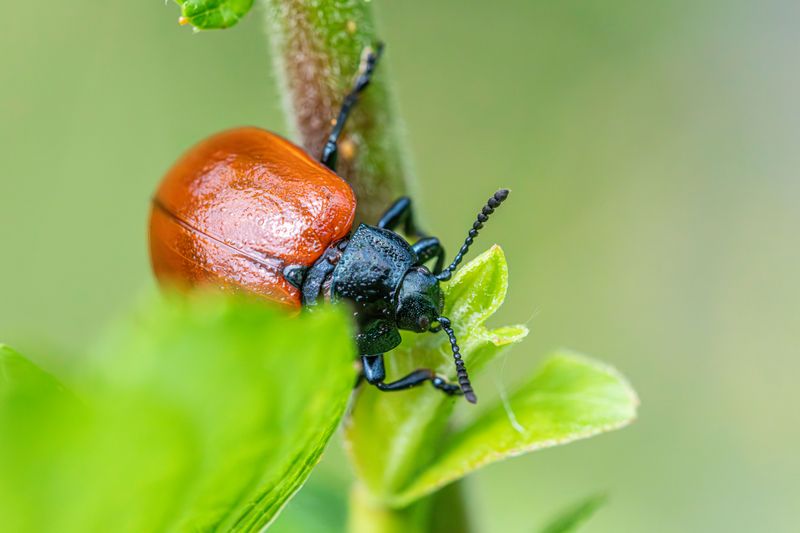
Whiteflies are tiny and travel indoors easily on plants. Once inside, they multiply fast in warm rooms with no natural predators to keep them in check.
Spend a few minutes inspecting each geranium under bright daylight. Flip each leaf over, since most pests hide on the undersides, away from casual glances.
Aphids look like little green or black specks clustered on new growth and tender buds. Spider mites leave fine webbing and speckled, dusty-looking leaves behind.
Mealybugs resemble small tufts of cotton tucked into leaf joints. Gently shaking the plant over white paper can reveal tiny crawling critters.
A strong spray from the hose knocks off many bugs right away. Follow up with insecticidal soap, covering both sides of every leaf.
Neem oil is another gentle option many Virginia gardeners keep on the shelf. Test it on one leaf first and wait a day for any reaction.
Pull off yellow or spotted leaves, since they can carry disease indoors. Clean up fallen debris from the soil surface while you are at it.
Keep newly moved plants apart from your other houseplants for about two weeks. Think of it as a short quarantine that protects your whole indoor collection.
Yellow sticky traps near the pots catch any flying pests that slipped through. Checking those traps weekly tells you early if trouble is brewing.
A little inspection now beats fighting a heavy infestation by midwinter. Your other houseplants stay protected too.
5. Take Cuttings To Grow New Plants
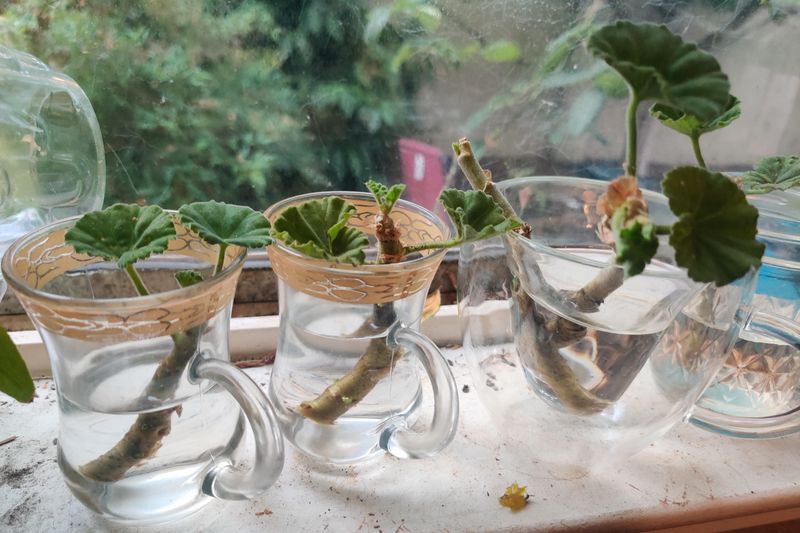
Gardeners have long shared geranium cuttings, passing favorite colors between friends and family. You can borrow that old habit to save plants without hauling big pots inside.
Cuttings take up little room and grow into fresh, compact plants by spring. They are perfect for apartment dwellers or anyone short on sunny windows.
Snip healthy stem tips about four to six inches long, just below a leaf node. Nodes are the little bumps where leaves join the stem, and roots sprout there.
Remove all leaves except the top two or three. Pinch off any flower buds so energy goes into growing roots.
Let cuttings sit out for a few hours to dry the cut ends slightly. Dip them in rooting hormone if you have some, though geraniums often root fine without it.
Stick each cutting into a small pot of damp seed-starting mix or perlite. Skip the plastic bag cover, since geraniums rot easily in steamy air.
Place pots in bright, indirect light and keep the mix lightly moist. Roots usually form within three to six weeks.
A gentle tug that meets resistance means roots have taken hold. At that point, move them to a sunny window and water a bit less.
Cuttings from one plant can become many new plants for next year’s garden, though not every cutting will root. That is a lot of free color for the price of a little patience.
Extras make sweet spring gifts for neighbors who admired your porch all summer. Check the plant tag first, since propagating patented cultivars may be restricted.
6. Store Bare-Root Plants In Paper Bags
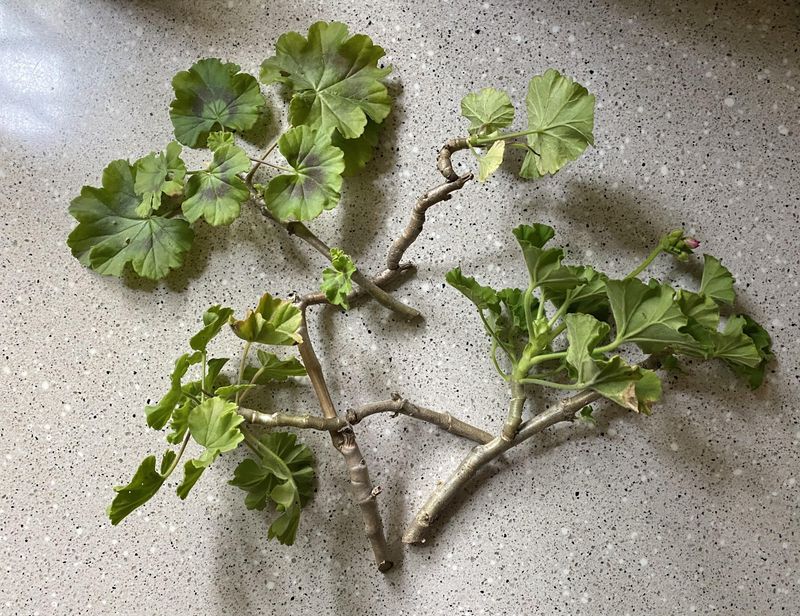
Hanging geraniums upside down in a basement sounds like a witch’s spell, but many gardeners use it successfully. Gardeners have relied on this old method for generations.
Dormant storage suits folks with no spare windows but a cool, dark corner. The plants sleep through winter instead of trying to grow.
Dig up plants before frost and gently shake off most of the soil. Let the roots air dry for a day in a garage or shed.
Place one or two plants in a paper grocery bag, or hang them upside down by the roots. Fold the top loosely so air can still move around inside.
Store plants somewhere cool, ideally between 45 and 50 degrees. An unheated Virginia basement or attached garage often fits the bill quite nicely for this job.
Once a month, soak the roots in water for an hour or two. Let them drain, then tuck them back into their bags.
Leaves will shrivel and drop, which looks alarming but is part of the plan. Firm, green stems mean the plant is resting, not giving up.
Mushy or black stems signal rot, so trim those parts away quickly. Good airflow helps prevent that problem from spreading to the rest of your stored plants.
In late March, pot the plants up and give them a good drink. Bright light will wake them, and new green shoots should appear within weeks.
Old farmhouse basements once held rows of plants hanging from the rafters. Your own basement can join that quirky tradition this winter.
7. Cover Outdoor Beds On Chilly Nights
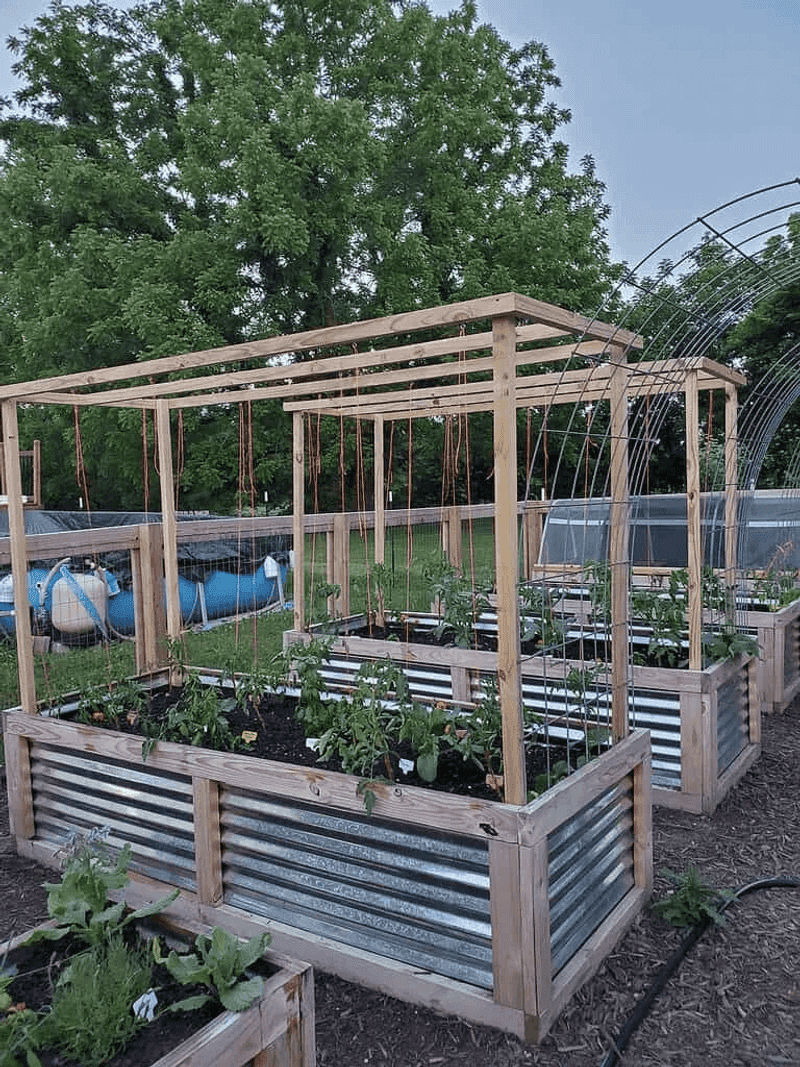
Sometimes the first frost shows up early, then October turns warm and sunny again for weeks. Covering plants on those surprise nights can buy extra weeks of blooms when the cold snap is brief.
Old bedsheets, light blankets, and cardboard boxes all make handy frost covers. Garden centers also sell frost cloth, which lets light and air pass through.
Drape covers loosely so they reach all the way to the ground. Warmth rises from the soil at night, and the cover traps that heat around plants.
Avoid plastic sheeting touching leaves, since cold passes right through and can freeze them. If plastic is all you have, prop it up with stakes first.
Put covers on in late afternoon, before the sun goes down. Weigh the edges with bricks or rocks so wind cannot steal them.
Remove covers the next morning once temperatures climb above freezing. Plants need sunlight during the day, and trapped heat can overheat them.
Watering the soil the afternoon before a frost helps more than you might guess. Moist ground holds heat better than dry dirt and releases it slowly overnight.
Grouping pots close together against a house wall adds another layer of protection. Brick and stone soak up daytime heat and give some back after dark.
Covering works for light frost but cannot beat a hard freeze in the 20s. Treat it as a short-term fix while you prepare indoor space.
Some Virginia gardeners stretch blooms into November with this simple bedsheet routine. Your neighbors may tease your ghostly yard, but your flowers will win the argument.
8. Care For Winter Plants With Less Water
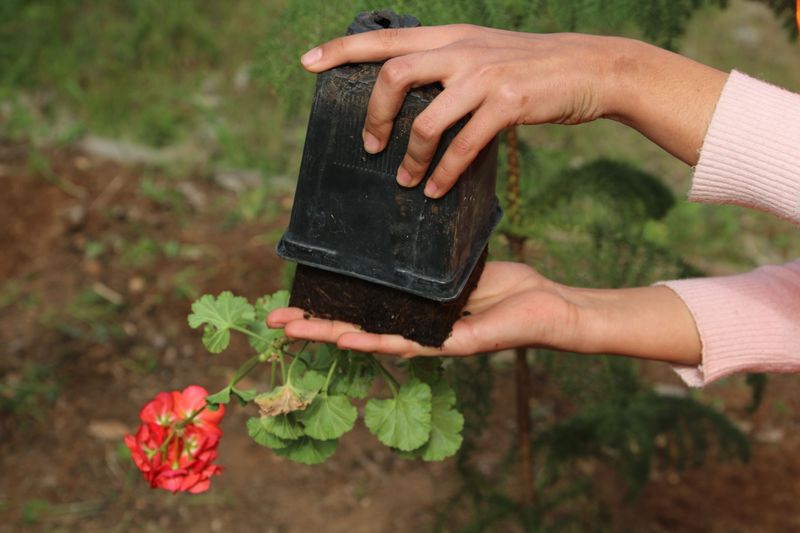
Overwatering is one of the most common winter problems for indoor geraniums.
Indoor plants grow slowly in winter because days are short and light is weak. Slower growth means roots drink far less than they did in July.
Stick a finger an inch into the soil before watering. If it feels dry, water deeply until it drains from the bottom.
Empty saucers after about fifteen minutes so roots do not sit in puddles. Soggy soil invites root rot and fungus gnats, both unwelcome houseguests.
Skip fertilizer from November through February while plants rest. Feeding them now pushes weak, stretched stems that flop over.
Turn pots a quarter turn each week so stems grow straight. Otherwise, plants lean toward the window like curious kids at a parade.
Pinch back leggy growth in late winter to encourage bushier shapes. Those trimmings can even become new cuttings if you feel adventurous.
Cool rooms around 60 to 65 degrees keep geraniums sturdy and compact. Warmer spots work too, though plants may stretch a bit more.
Start feeding again in March, when brighter days wake the plants up. A balanced, diluted fertilizer every two weeks helps them bulk up for spring.
After the last frost in spring, harden them off outdoors over a week. Watching them bloom again is deeply rewarding.
Virginia’s last frost varies by region, from early April near the coast to May in the mountains. Mark your local date now, and spring will feel a little closer.