Arizona Scorpions Head Indoors As October Nights Cool, So Seal These Spots Now
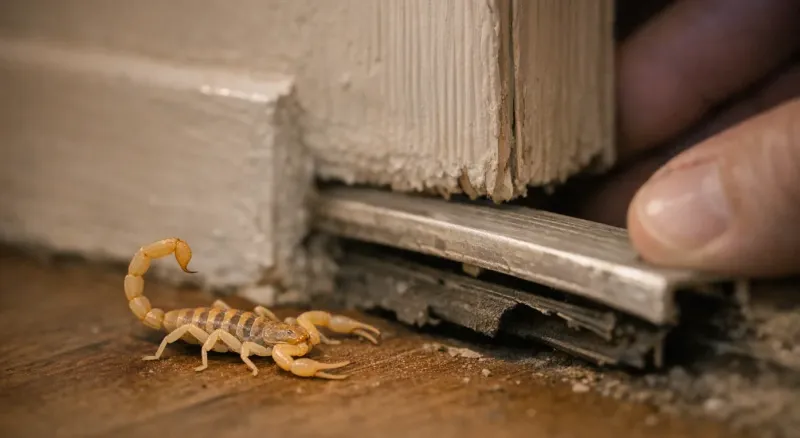
October in Arizona feels like a gift after a long, blazing summer, but scorpions notice the change too. As nights cool down, bark scorpions start hunting for warm, sheltered places, and your house looks like a cozy option.
Many of them can slip through a gap as thin as a credit card, so tiny cracks matter more than you might think. Sealing a few key spots now can help you avoid a surprise in your shoe, sink, or bed this fall.
1. Foundation Cracks and Slab Joints
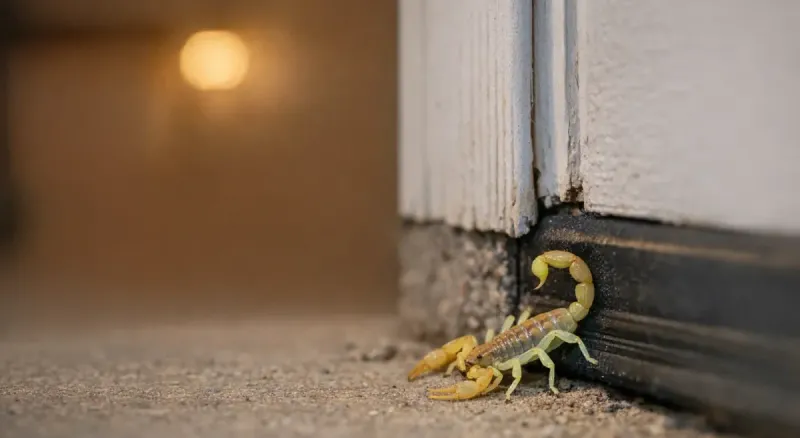
Picture a scorpion strolling along the base of your house at dusk, feeling for the faintest seam. Where the slab meets the patio or sidewalk, it often finds one.
Those expansion joints and hairline foundation cracks are some of the most overlooked doorways in Phoenix and Tucson homes.
Arizona bark scorpions can flatten themselves to squeeze through openings around 1/16 of an inch wide. Caliche soils shift, summer heat bakes concrete, and monsoon rains wash out fill, so small gaps appear year after year.
A quick walk around the perimeter with a flashlight can reveal more than you expect.
For narrow cracks, a quality exterior silicone or polyurethane sealant works well. Deeper gaps benefit from a foam backer rod pushed in first, then sealant on top, which saves material and creates a firmer barrier.
Smooth it with a gloved finger so there are no pinholes left behind.
Plan this job for a cool morning, since sealants cure better when concrete is not scorching. Check the work again in spring, because ground movement can reopen seams.
Keeping this lowest line of defense tight may help reduce the number of visitors that make it inside once October nights settle in.
2. Door Sweeps and Thresholds
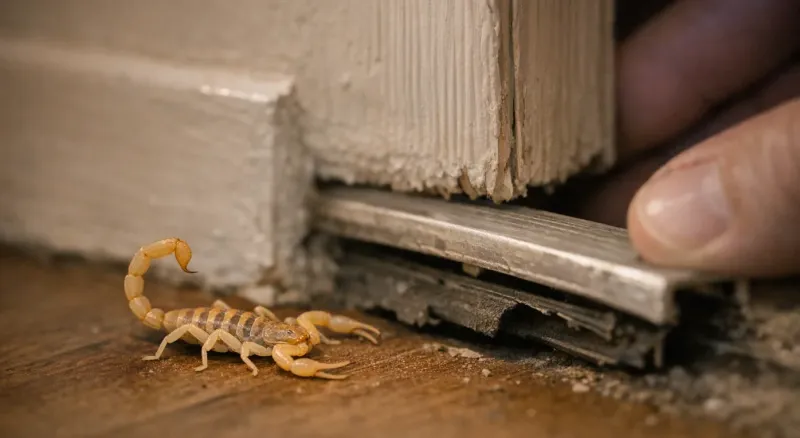
Here is a simple test that takes ten seconds. Turn off the lights inside at night, have someone shine a flashlight at the bottom of an exterior door from outside, and look for a glow.
If you see light, a scorpion sees an open invitation.
Doors get opened dozens of times a day, and the rubber or brush sweeps along the bottom wear out faster than most people realize. Arizona heat makes rubber stiff and cracked, especially on west-facing doors that roast every afternoon.
A worn sweep can leave a gap far wider than a scorpion needs.
Replacing a sweep is usually an easy weekend fix with a screwdriver and a tape measure. Choose a heavy-duty model that presses snugly against the threshold without dragging too hard.
Do not forget the garage side door, the laundry door, and the door from the garage into the house.
Thresholds themselves can also loosen over time, leaving gaps at the corners where the frame meets the floor. A dab of sealant in those corners closes the last little pocket.
Few upgrades cost so little while delivering such a noticeable boost in peace of mind during fall scorpion season.
3. Window Frames and Worn Weatherstripping
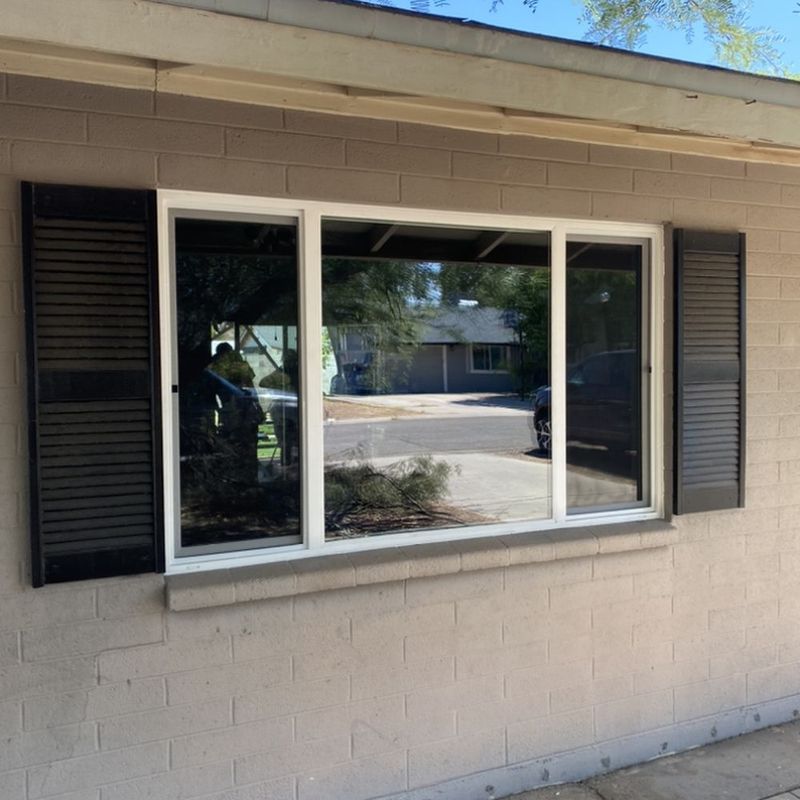
Windows seem sealed shut, right? Look closer at the edges and you may spot cracked caulk, gaps where stucco pulled away, or weatherstripping that has turned brittle and chalky under years of desert sun.
Your Arizona Garden Changes Every Week. Your Plan Should Too.
Gardening in Arizona changes quickly throughout the season. Every Friday you’ll receive a simple weekly plan showing exactly what to plant, prune, fertilize, harvest, and protect so you never miss the right timing.
Bark scorpions are strong climbers, so they do not need to stay at ground level. They can scale rough stucco walls with ease and explore every window ledge along the way.
Sliding windows are a common weak point, since the tracks often have drainage slots and gaps at the corners.
Start outside by running a bead of exterior-grade silicone where the window frame meets the wall. Inside, peel away any weatherstripping that crumbles when you touch it and replace it with fresh foam or vinyl strips.
Check that window screens fit tightly with no torn mesh or bent frames.
A fun bit of trivia keeps this task interesting. Scorpions glow a bright blue-green under ultraviolet light, so a cheap UV flashlight on an October evening can show you exactly which windows they are visiting.
Spotting a few near one frame is a strong hint about where your sealing efforts should start first.
4. Utility Pipes and Wire Penetrations
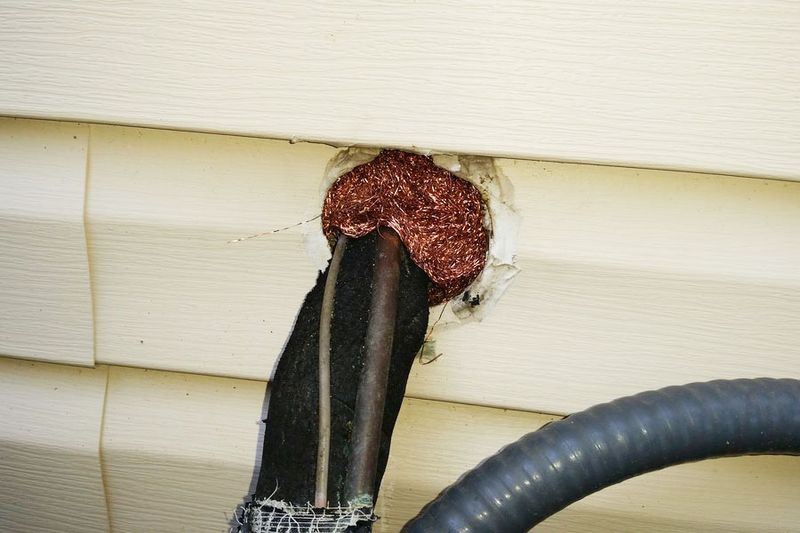
Every house has holes on purpose. Water lines, gas pipes, cable wires, air conditioning lines, and electrical conduit all have to get inside somehow, and the openings cut for them are rarely trimmed to a perfect fit.
Those rough gaps behind the hose bib or beside the AC line set make ideal scorpion highways. They also tend to be shaded and slightly damp, which draws crickets and roaches, the very snacks scorpions hunt.
Under kitchen and bathroom sinks, the same gaps show up where pipes pass through the cabinet wall.
Copper mesh is a favorite fix here because it is tough to chew through, does not rust, and molds easily around odd shapes. Stuff it firmly into the gap, then cover it with silicone caulk to lock it in place.
Expanding foam alone can work for big holes, but pairing it with mesh makes a more reliable barrier.
Remember to check both sides of the wall. Seal the outside entry point and the indoor escutcheon plates around pipes under sinks.
Scorpions that sneak into wall voids often pop out right there, so double coverage can reduce those startling kitchen surprises.
5. Weep Holes in Block Walls
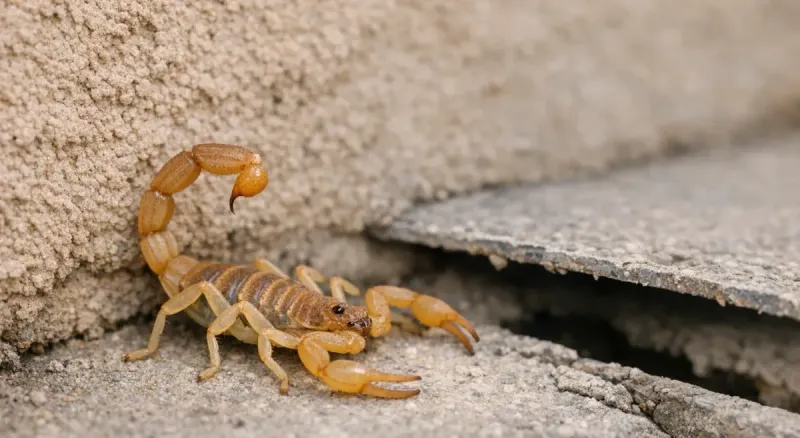
Those little rectangular openings at the bottom of your block wall are not mistakes. Builders leave weep holes so monsoon water can drain out instead of pooling behind the wall.
Unfortunately, scorpions treat them like ready-made tunnels.
Inside a block wall, it stays cool, dark, and sheltered, which is exactly the kind of hideout a bark scorpion loves. Walls attached to the house or running close to it can act as staging areas, letting scorpions travel long distances unseen before slipping into your yard or garage.
You should never fill weep holes completely, since that defeats their drainage job and can damage the wall. The smart move is to cover them with fine mesh, such as 1/8-inch hardware cloth or copper mesh, secured with a little construction adhesive or sealant around the edges.
Water still flows out while crawling visitors stay put.
While you are at it, peek at the cap blocks on top of the wall. Cracked mortar or loose caps leave gaps for climbers too.
A Saturday morning with a bucket of mesh squares can handle most suburban walls, and the payoff may last for several seasons with minimal upkeep.
6. Wall and Attic Vents
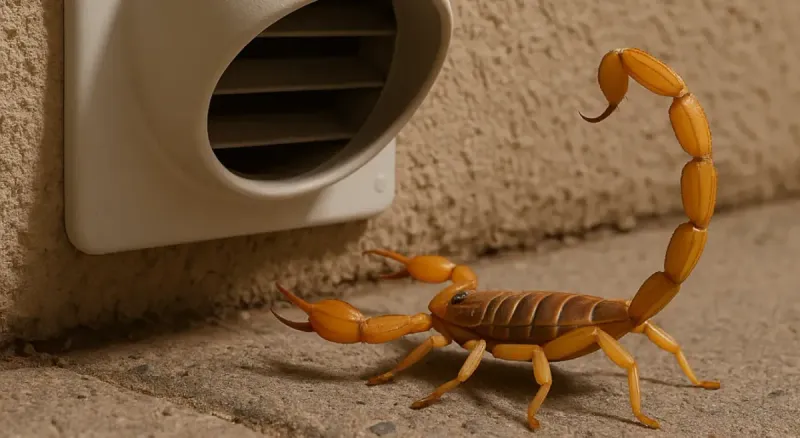
Ever heard rustling in the attic and blamed the wind? In Arizona, a scorpion or two could be part of the story.
Attic vents, gable vents, dryer vents, and wall vents all need airflow, but the screens covering them are often too coarse or torn.
Bark scorpions are among the best climbers in the scorpion world. They can walk straight up stucco and slip under roof tiles, then follow the roofline to the nearest vent.
Once in the attic, they may drop through gaps around light fixtures or ceiling fans.
Inspect each vent with binoculars from the ground or carefully from a ladder. Replace damaged screens with fine mesh around 1/8 inch, which blocks most crawlers while keeping your attic ventilated during those lingering warm days.
Dryer vents do best with a flap-style cover that closes snugly when not in use.
Indoors, a quick bead of caulk around recessed lights and ceiling vents gives one more layer of protection. That way, even if a determined scorpion finds its way into the attic, it has a much harder time dropping into your living room on a quiet October evening.
7. Garage Doors and Pet Doors
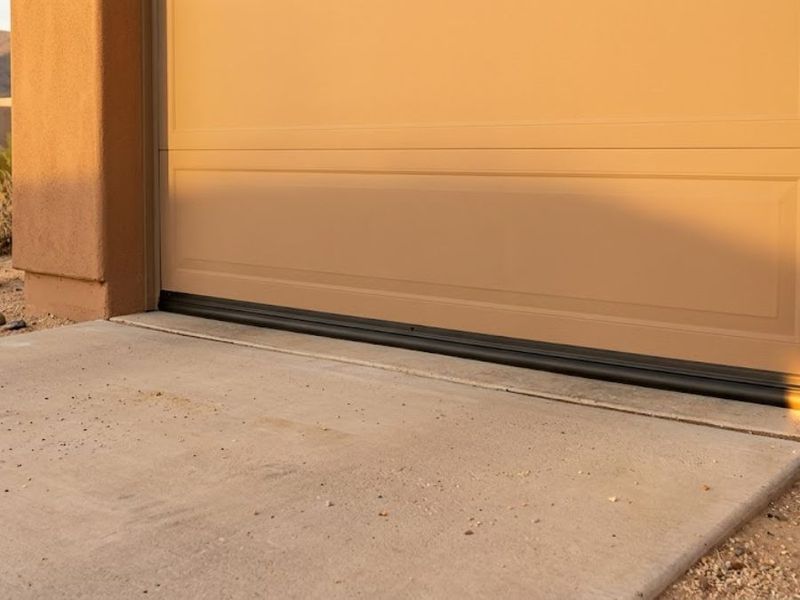
Garages are scorpion magnets, plain and simple. Cardboard boxes, stacked clutter, and the occasional leaky water heater create a dream setup, and the big rolling door rarely seals as well as people assume.
Look at the rubber seal along the bottom of the garage door. Uneven slabs often leave gaps at one corner, and summer heat cracks the rubber over time.
Side weatherstripping along the door frame wears out too. Replacing both is affordable and makes a real difference in how easily critters wander in.
Pet doors are the sneaky culprit many homeowners forget. Your dog may love that flap, but scorpions can slip under or around a loose one, especially at night.
Choose a pet door with a tight magnetic seal and brush edges, or lock it after your pets come in for the evening.
Inside the garage, swap cardboard storage for sealed plastic bins and keep items off the floor on shelves. That removes hiding spots and makes it easier to spot visitors.
Arizona families who tidy up this one space often notice fewer surprises in the rooms right next to it.
8. Overhanging Branches and Shrubs Against Walls
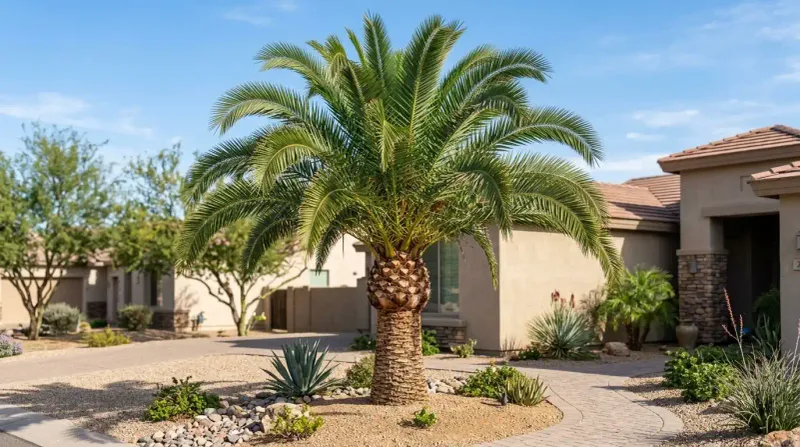
Think of a mesquite branch brushing your roof as a tiny bridge. For a bark scorpion, that is exactly what it is.
Trees and shrubs touching walls or the roofline give climbers a direct path to vents, eaves, and window ledges.
Native trees like mesquite, palo verde, and desert willow are fantastic for shade and wildlife, so there is no need to remove them. Just keep branches trimmed back at least a few feet from the house.
October and November are mild months in the low desert, making this a comfortable time for pruning.
Shrubs planted tight against the foundation create shaded, damp pockets where scorpions and their prey hide. Try spacing plants farther out and using gravel as a buffer strip along the walls.
Rough, dry gravel tends to be less inviting than mulch or leaf litter.
Desert-adapted picks such as penstemon, brittlebush, and agave do well with spacing and need little water, which helps keep the soil near your walls drier. Your yard still feeds hummingbirds and pollinators, while the strip next to the house becomes a far less welcoming hangout for scorpions.
9. Leaky Faucets and Irrigation Drips
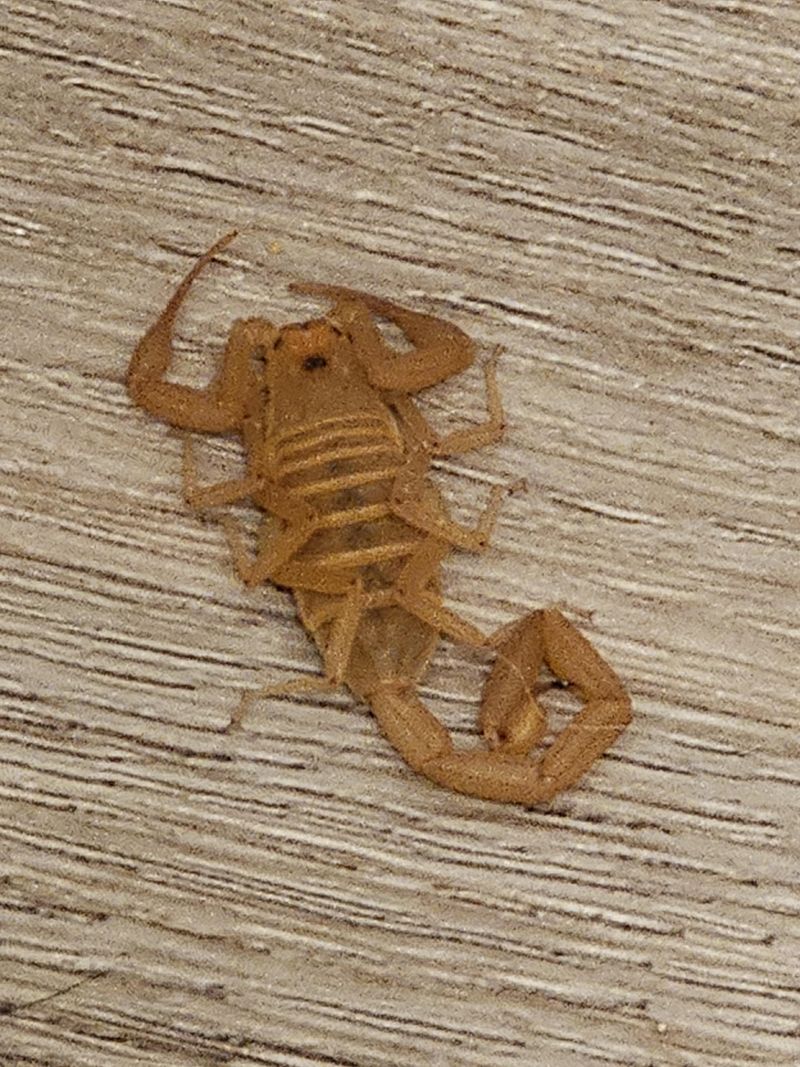
Water is the hidden reason many scorpions hang around your house. In a dry land like Arizona, any steady drip becomes a little oasis that pulls in crickets, roaches, and the scorpions that follow them.
Walk your property and look for damp spots near hose bibs, AC condensate lines, pool equipment, and drip irrigation emitters. A slow leak near the foundation can keep soil moist for days.
That moisture also softens soil and can widen cracks over time, giving scorpions both a reason and a route to come closer.
Fixing a dripping faucet often only needs a new washer, while broken emitters can be capped or replaced cheaply. Redirect AC drain lines so they empty into a planting bed several feet from the house.
Adjust irrigation timers now that cooler weather means native plants need less water.
There is a bonus here that Arizona homeowners love. Cutting leaks lowers your water bill and helps drought-tolerant landscaping thrive the way it should.
Drier ground near the walls, healthier plants, and a smaller bill make this one of the most rewarding fixes on the list.
10. Bright Porch Lights and Yard Debris
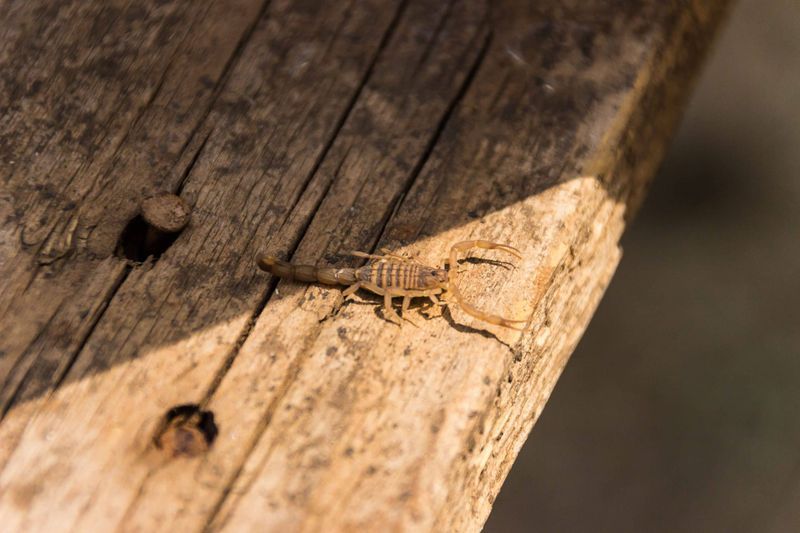
Moths circling a porch light might look harmless, but they are setting a dinner table. Bright white bulbs draw flying insects, and scorpions often wait nearby on walls to snag an easy meal.
Swapping to yellow bug lights or warm sodium-style bulbs can make your entryway less appealing to insects. Fewer bugs at the door usually means fewer hunters lingering there too.
Motion-sensor fixtures help even more, keeping lights off until someone actually needs them.
Next, take a look around the yard for clutter. Woodpiles, stacked pavers, loose rocks, old boards, and piles of palm fronds all make perfect daytime hiding spots.
Move firewood well away from the house and lift it off the ground on a rack. If you grow citrus, pick up fallen fruit quickly, since it attracts the insects scorpions eat.
Here is a nice side benefit for nature lovers. A tidier yard with fewer hiding spots still leaves room for native plants that welcome roadrunners and lizards, both of which may snack on scorpions.
Pairing smart lighting with a clean, habitat-friendly yard rounds out your fall plan nicely.