Arizona’s Texas Mountain Laurel Has Poisonous Seeds in Its Pods, But Does It Drop Them All Winter?
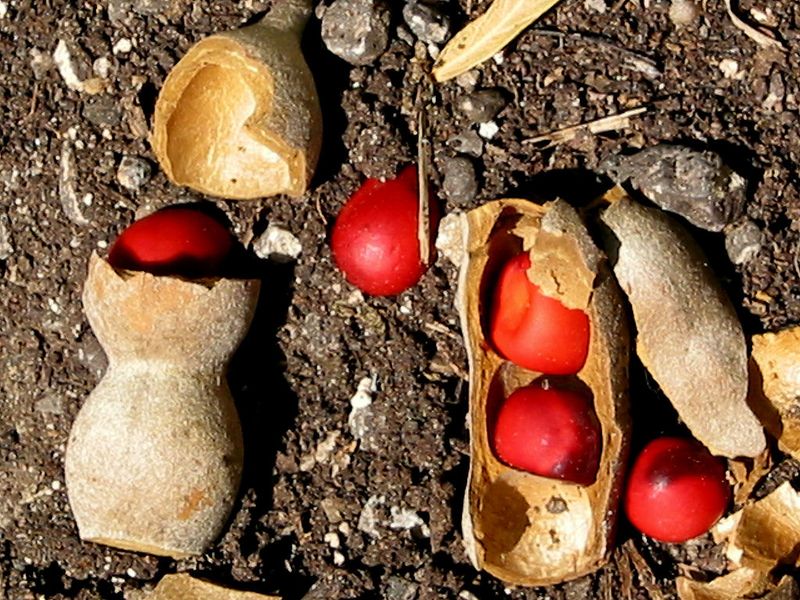
Some Arizona yards have a leafy evergreen with fuzzy gray pods that split open to show bright red seeds. Those seeds look like candy to a curious child or a hungry dog.
The plant is often called Texas mountain laurel, and the seeds are known to be poisonous. Here is how to spot it, what is known about its pods, and what to do if someone may have eaten part of it.
Texas mountain laurel is a plausible match
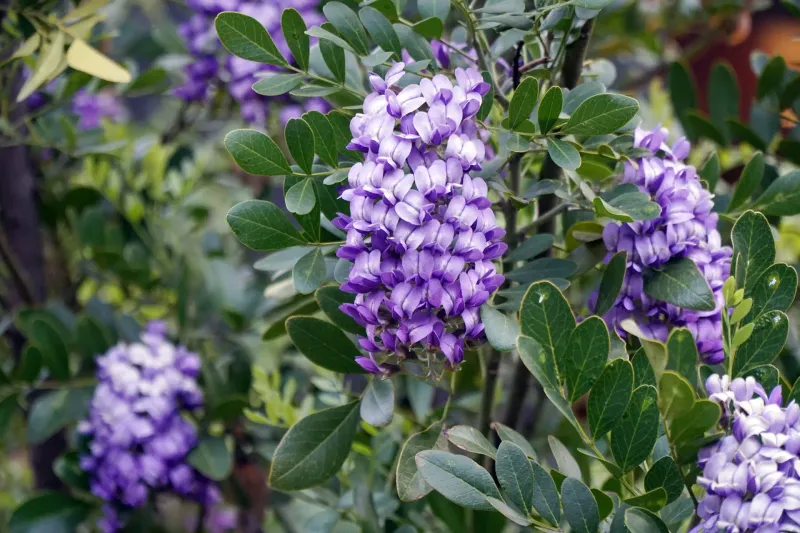
If you have an evergreen plant with glossy leaves and seed pods in a desert yard, Texas mountain laurel is the strongest match. Its scientific names are Dermatophyllum secundiflorum and Sophora secundiflora, and you may see either one on plant tags and in older guides.
Arizona sources differ a little on what to call its form. Arizona Cooperative Extension calls it a large shrub, while a University of Arizona Arboretum guide describes a small tree that can be pruned into tree form.
So the word tree fits, but only with a little shaping.
An article cannot confirm a plant you have not shown to an expert. If you are unsure, take a leaf and a pod to a local nursery or your county Extension office before you decide what you have.
The pods contain poisonous red seeds
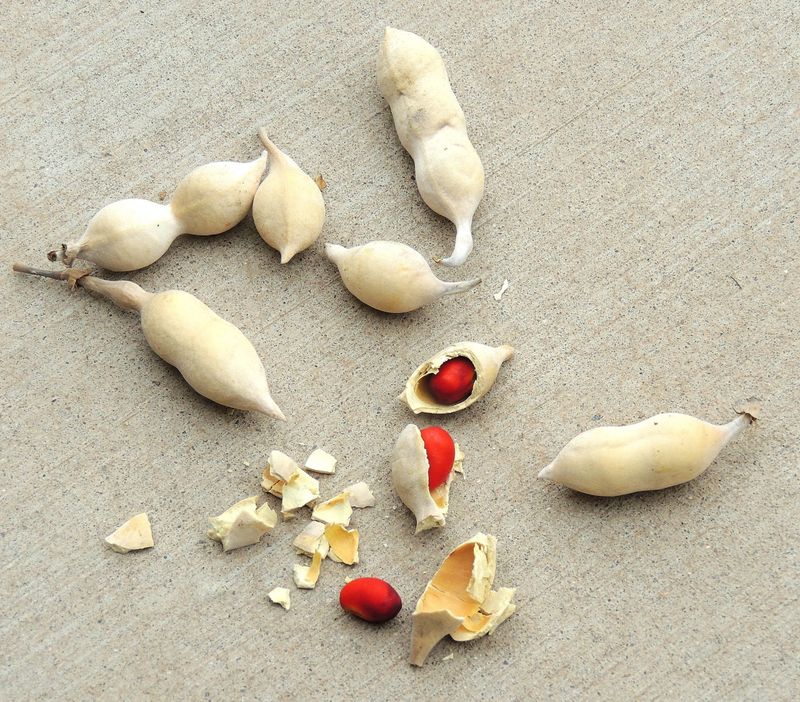
Look for pods that hang in clusters and turn brownish-gray as they mature. Inside are hard, bright red seeds.
That color is what draws attention, and it is the clue most readers will remember.
The sources point to the seeds as the poisonous part. Extension guidance warns that the shrub and its seeds are poisonous, and the Arboretum guide says the seeds are poisonous to people and animals.
The reviewed sources do not say the pod walls carry the same risk as the seeds, so the careful wording is pods that contain poisonous seeds.
The practical takeaway is simple. Keep both pods and seeds out of reach of children and pets, since a loose seed is easy to pick up and put in a mouth.
The sources do not verify an all-winter pod drop
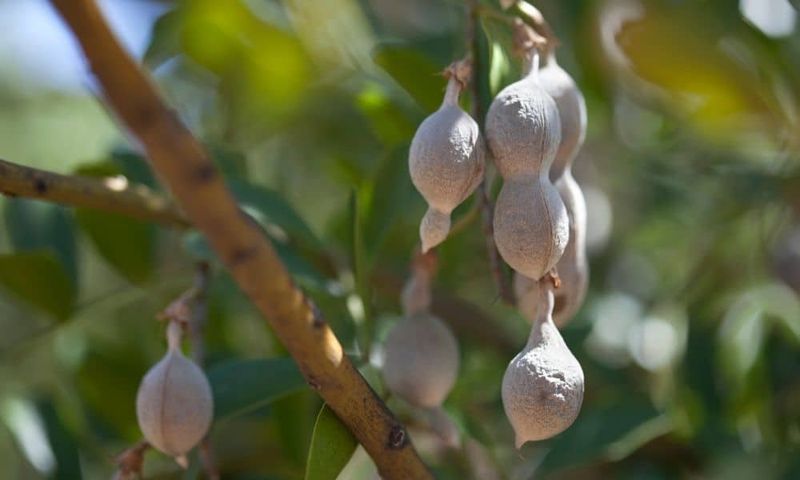
The original title claimed this tree drops toxic pods all winter. The Arizona sources reviewed do not back that up, so the claim has been dropped from the headline.
What they do give is a harvest window. The University of Arizona guide lists July through October as the seed-harvest season and says to wait until pods are dry.
That tells growers when seeds are ready to collect.
It does not tell you when pods fall in a typical yard. Pods might drop in winter, or at other times, depending on the plant and the year.
The safest habit is to check beneath the plant regularly in any season and not to count on a calendar.
A low-water shrub or small tree with a slow pace
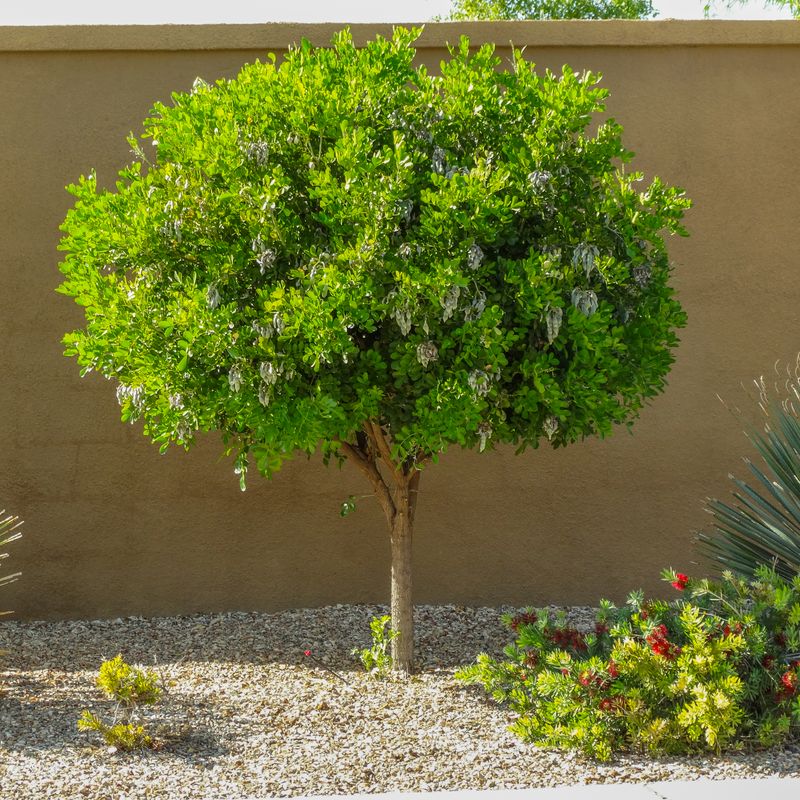
Heat is not a problem for this plant. Extension describes it as an evergreen, heat-loving, slow-growing plant that can reach roughly 10 to 25 feet.
Your Arizona Garden Changes Every Week. Your Plan Should Too.
Gardening in Arizona changes quickly throughout the season. Every Friday you’ll receive a simple weekly plan showing exactly what to plant, prune, fertilize, harvest, and protect so you never miss the right timing.
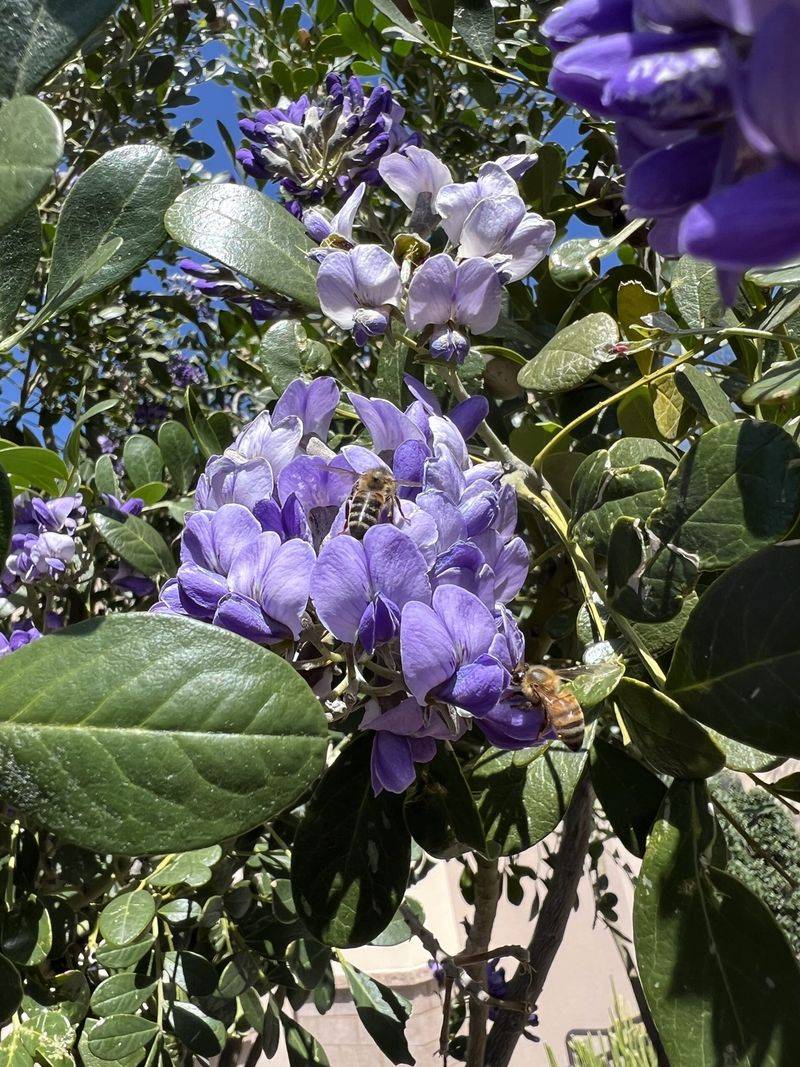
In the Phoenix area it flowers in late February to early March, and it needs little pruning.
With the right shaping it can serve as a small patio tree. Texas mountain laurel is also a Texas and Mexico plant, not an Arizona native, and Texas A&M lists it as a drought-tolerant small tree with toxic seeds.
Do not expect fast shade. Growth is slow, so a young plant will not cool a patio any time soon.
It also may not suit every yard, especially one where small children or pets play right beneath the branches.
Keep pods and seeds out of reach
Prevention here comes down to one idea: keep pods and seeds away from children and pets. The Arboretum guide gives this exact advice for the seeds.
A few easy habits fit that goal. Teach kids that bright red seeds from any plant are not food.
Watch dogs that chew or carry things from the yard. Think about where the plant sits compared with play areas, and look beneath it now and then.
Touching a pod is not the same as swallowing a seed. The concern is ingestion, and the sources do not give a risk for simple contact.
Extension also calls the shrub poisonous overall, so treat the whole plant with respect.
Call Poison Control if ingestion may have occurred
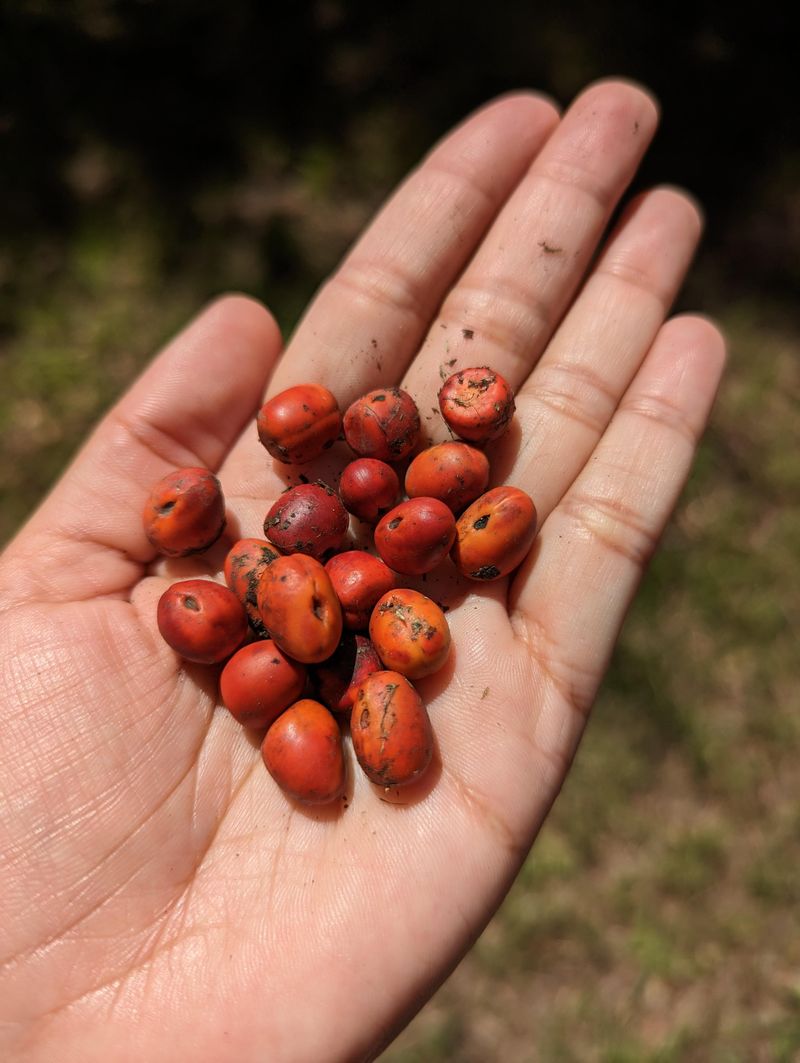
If someone may have eaten part of this plant or any suspected poisonous plant, call Poison Control right away at 1-800-222-1222. The Arizona Poison and Drug Information Center says not to wait for symptoms before calling.
Save a sample of the plant so it can be identified. A pod, leaf, or a few seeds in a bag or a photo can help the specialist you speak with.
Do not try to make the person vomit. Follow the directions the poison specialists give you for that exact situation.
They can judge what to do based on who ate what, and how much, which no article can do.
A calm phone call costs very little, and it is better than guessing.