Arizona’s Cat’s-Claw Vine Has Yellow Flowers and Sharp, Hooked Tendrils
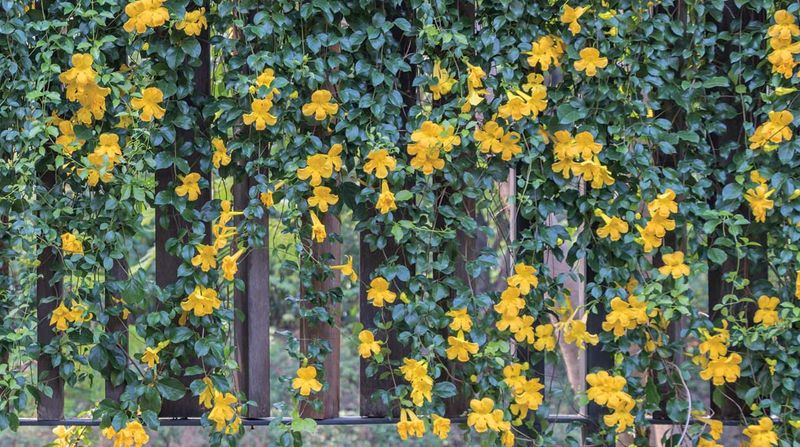
A vine with bright yellow spring flowers can look like a bargain on a blank wall. Cat’s-claw vine also climbs with sharp little hooks that grab onto almost anything.
Before it goes into an Arizona yard, it helps to know how big it gets and what it needs. A little planning now can save a lot of trimming later.
Yellow spring flowers make the vine easy to recognize
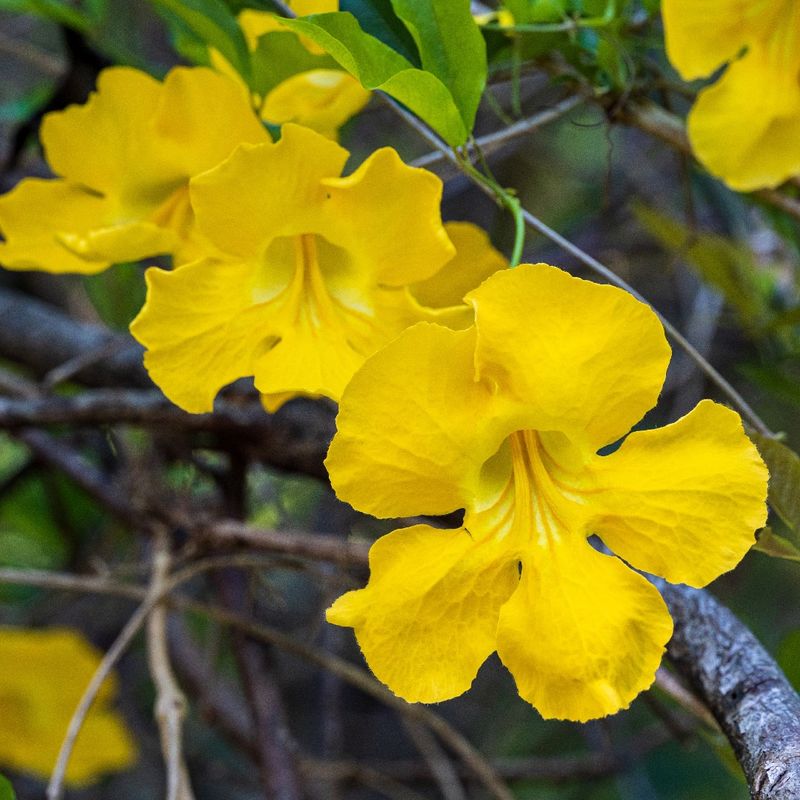
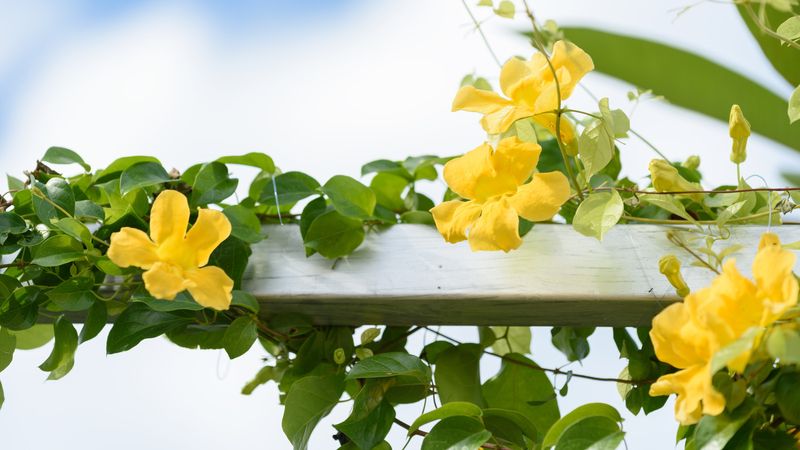
Cat’s-claw vine goes by Dolichandra unguis-cati, and older plant labels often list it as Macfadyena unguis-cati. In spring, it produces showy yellow, trumpet-shaped flowers that stand out against its green foliage.
Picture a wall or sturdy structure draped in glossy leaves, then dotted with golden blooms that open wide at the end. That color is the main reason homeowners notice it, and it is a different look from the magenta, orange, and red shades people often associate with bougainvillea.
The flowers are only part of the story, though. The same plant is a vigorous climber, and Florida extension guidance describes its growth as strong enough to cover nearby plants.
The rest of this article looks at how it climbs, how large it can get, and where it fits.
Its sharp hooks are tendrils, not true spines
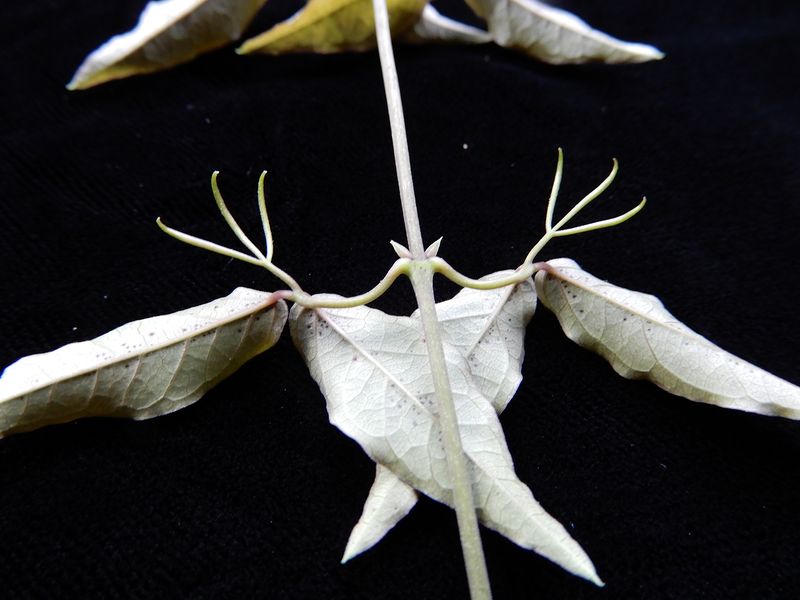
Look closely at a leaf stem and you will see two leaflets with a three-parted tendril between them. According to UF/IFAS, the tips of those tendrils are stiff, curved, and very sharp, which lets the vine hook onto surfaces as it climbs.
That means the headline idea of hidden spines is not quite right. The sharp parts are claw-like climbing tendrils, not thorns growing along the stem.
The University of Arizona arboretum listing describes the same tendril-based climbing habit.
Do not mix it up with native catclaw acacia, Senegalia greggii. That plant is a shrub or small tree with actual curved stem spines.
If a plant tag says catclaw, check the scientific name before buying.
Plan for a vine that can spread well beyond a small trellis
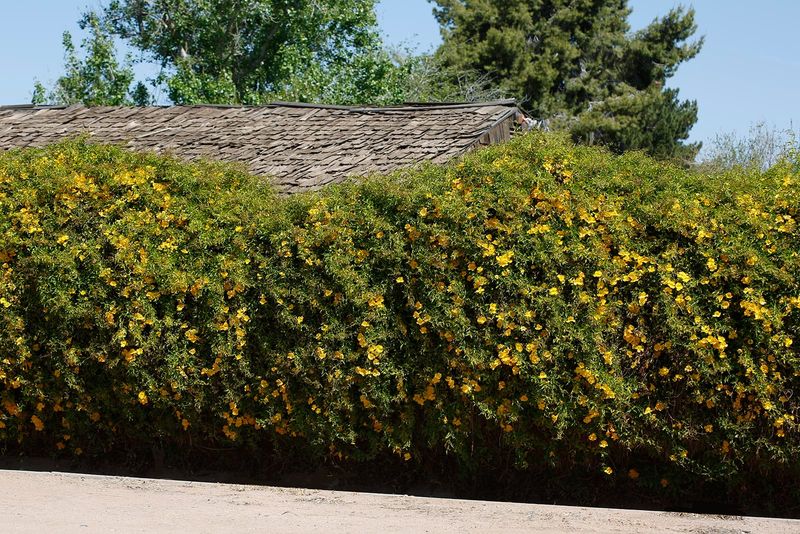
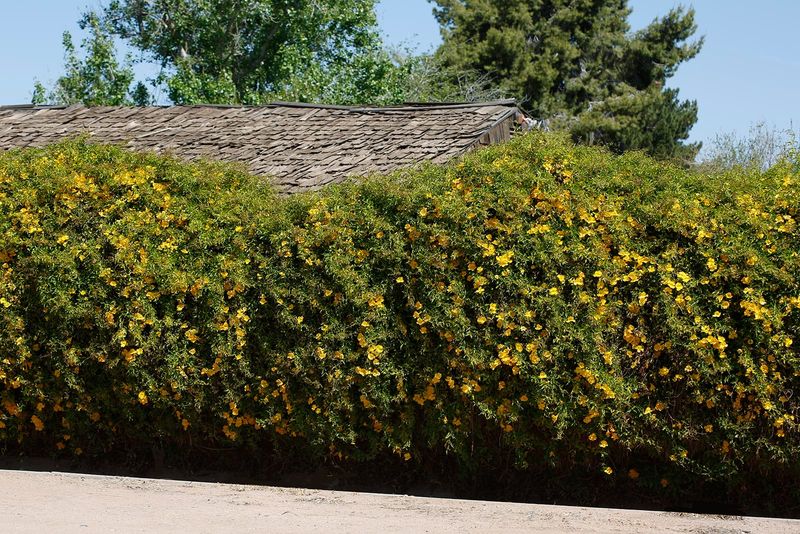
Size is where this vine deserves a hard look. The University of Arizona arboretum lists it as fast-growing and spreading, reaching 20 to 50 feet tall and 11 to 15 feet wide.
Those numbers are far beyond what a patio trellis can handle. A separate University of Arizona landscape article, Backyards and Beyond, calls the vine very aggressive and warns that it can outcompete other plants or damage nearby structures.
Those are cautions, not certain outcomes. Still, they are good reasons to walk your site first.
Check what sits within reach: young shrubs, wooden trim, screens, or a neighbor’s fence. The more vulnerable items nearby, the stronger the case for choosing another spot or another plant.
Choose a sturdy support and allow room around it
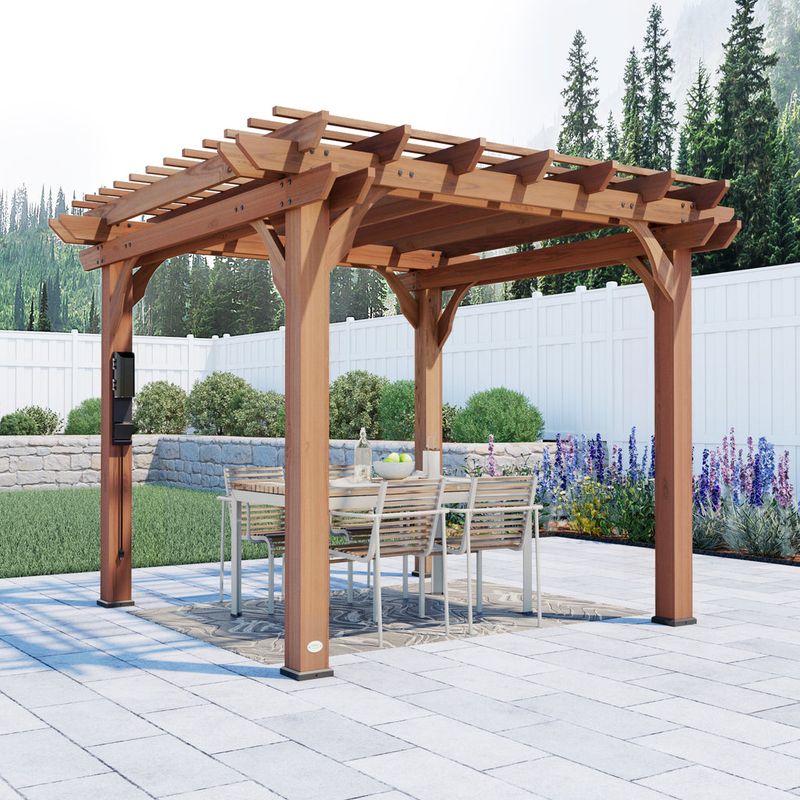
Because the vine is vigorous, the support matters as much as the plant. UF/IFAS recommends a sturdy trellis and notes that growth can blanket shrubs and other plants.
In practice, think of a strong freestanding structure with open space on all sides, rather than a small panel set against a garden bed. A thin fence is a poor bet if you expect it to stay put under years of growth.
Your Arizona Garden Changes Every Week. Your Plan Should Too.
Gardening in Arizona changes quickly throughout the season. Every Friday you’ll receive a simple weekly plan showing exactly what to plant, prune, fertilize, harvest, and protect so you never miss the right timing.
Southern Arizona guidance in Landscape Vines for Southern Arizona says to pick a vine to suit the structure and support it will climb. A good next step is to measure the open area, then compare it with the listed 20 to 50 foot height.
Handle and prune with its sharp tendrils in mind
Those tendril tips are made to grab, and they do not distinguish between bark, stucco, and a sleeve. UF/IFAS describes them as stiff, curved, and very sharp, so they can snag skin or fabric.
That is worth keeping in mind on trimming day. Move slowly, and expect the vine to catch on clothing or on you when you reach into a tangle.
One more clue helps with planning: a vine that sits beside a walkway or doorway will be touched more often than one in the back corner. Placing it where people rarely brush past makes everyday contact less likely.
Arizona sources disagree about its water use
If you are hoping for a low-water vine, the sources do not line up. The University of Arizona arboretum rates its water use as moderate.
An older Arizona landscape article, Backyards and Beyond, calls it low-water. Those two labels point in different directions.
Given the mismatch, it is safer not to count on this vine as a low-water choice. Treat water use as an open question, and if saving water is a top goal for your yard, weigh that before planting a plant that can grow to 50 feet.
Consider Arizona passionflower if you want a native vine
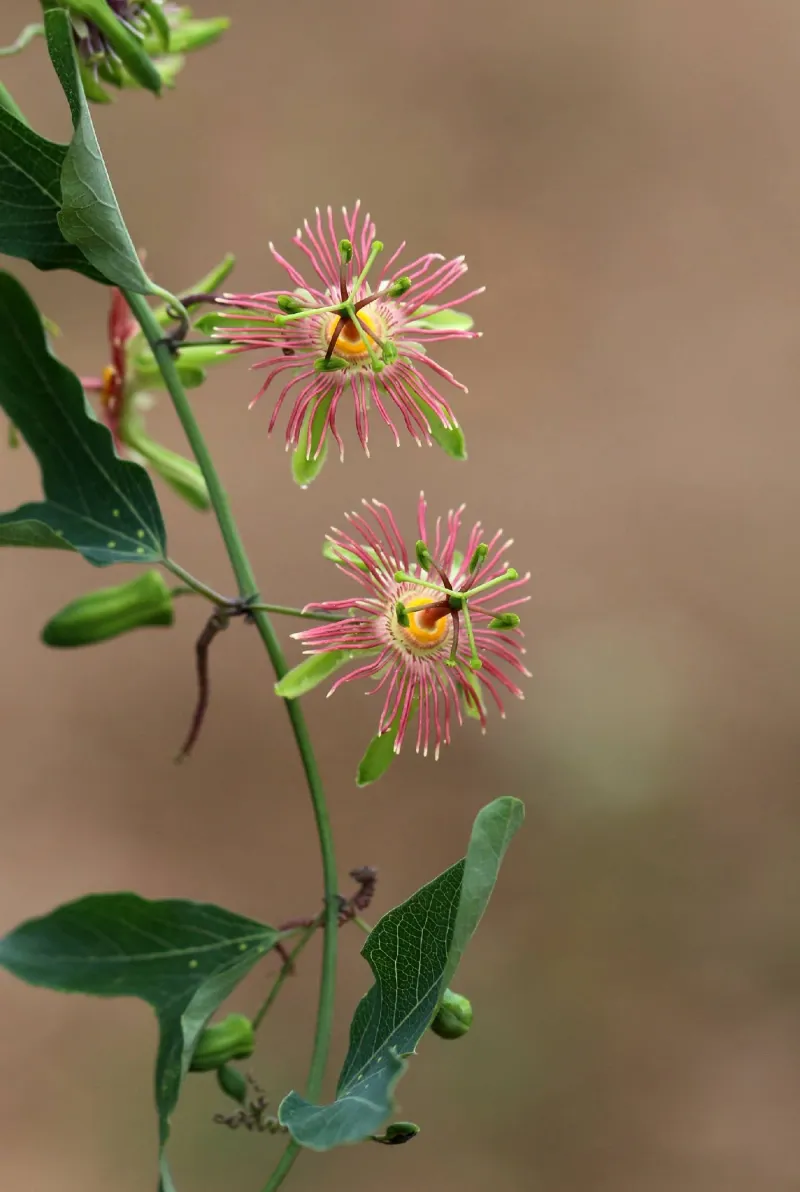
For gardeners who prefer native plants, Arizona passionflower (Passiflora arizonica) is listed by the University of Arizona arboretum as a climbing vine. A garden-tour plant list gives it low water use.
It is a different plant, not a stand-in. Its flowers do not match the yellow of cat’s-claw vine, and its growth habit is not the same, so expect a different look on the same support.
A simple rule can guide the choice. If you have plenty of room, a sturdy structure, and want yellow spring color, cat’s-claw vine may fit.
If you want a native climber, start with passionflower.
Either way, match the vine to the structure, as the Southern Arizona guidance advises.