What It Means When Wolf Spiders Show Up Inside Arizona Homes
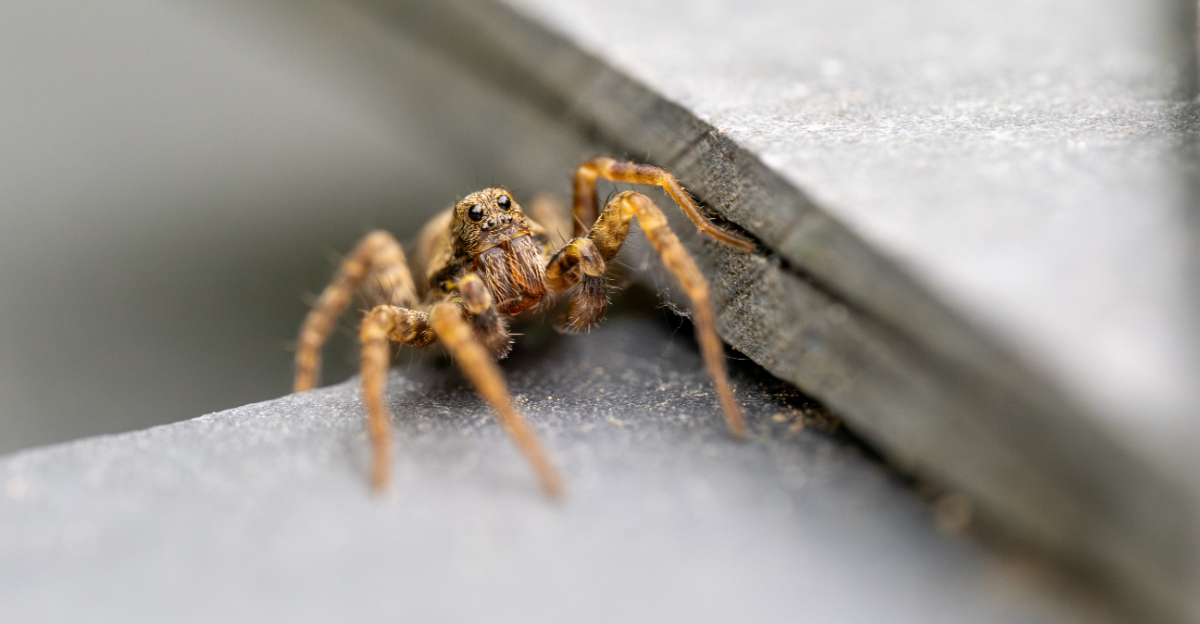
Few things grab your attention faster than a large spider racing across the floor. Wolf spiders can seem especially alarming because they move quickly instead of waiting quietly in webs.
Finding one indoors does not automatically point to a growing spider problem.
In Arizona, these active hunters sometimes enter homes while searching for shelter or prey. Openings around doors and other small gaps can give them an easy route inside.
Look at where the spider appeared before assuming it prefers living in your home.
Your first reaction may be to focus entirely on removing the visitor. Checking how it entered can be much more useful if you want to prevent another surprise.
Understanding why wolf spiders wander indoors can make the next steps clearer and help you keep future encounters outside instead.
1. That Large Spider Probably Wandered In From Outside
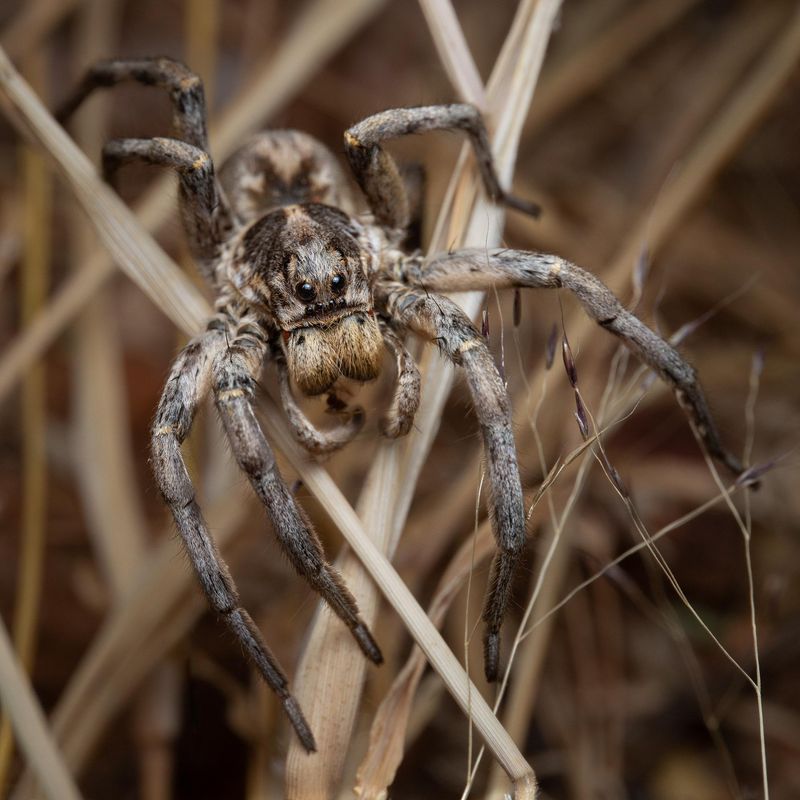
Wolf spiders are natural wanderers. Unlike many other spiders, they do not build webs and wait for food to come to them.
Instead, they roam across the ground, moving through yards, gardens, rock piles, and open desert areas in search of prey.
Arizona’s warm climate and dry landscape create ideal outdoor conditions for wolf spiders year-round. They live under rocks, in leaf litter, and along the edges of structures.
Spending most of their lives outside, they cover a lot of ground during their daily activity.
When one shows up inside your home or garage, it almost certainly wandered in by accident. Wolf spiders are not drawn to human living spaces by design.
A spider moving along a wall or across an open floor is simply doing what it does naturally outdoors, just in an unexpected location.
Seeing one does not signal a problem with your home’s cleanliness or structure. Accidental entry happens to even the most well-maintained properties.
Wolf spiders are opportunistic movers, not targeted invaders looking to set up permanent residence inside your walls.
Remaining calm is a reasonable response. A wandering wolf spider is not on a mission.
Most indoor sightings involve a single spider that found itself inside through no particular intention of its own.
2. Wolf Spiders Hunt Instead Of Building Prey-Catching Webs
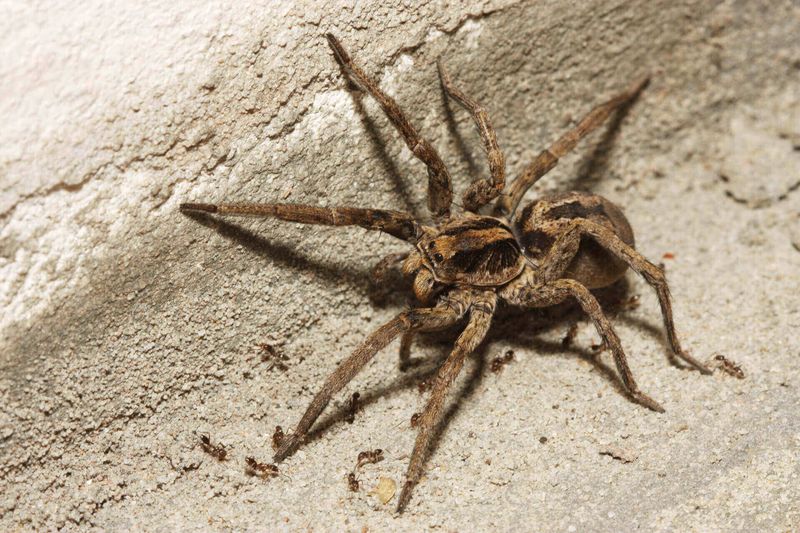
Wolf spiders are active hunters, and that sets them apart from most spiders people are familiar with. No sticky web.
No waiting in a corner for something to fly in. These spiders move, search, and chase their prey directly.
Seeing one moving quickly across your floor is completely normal wolf spider behavior. Speed and agility are their primary tools for catching prey.
They rely on sharp eyesight, which is unusually good compared to other spider species.
Wolf spiders have eight eyes arranged in three rows. The large pair in the middle gives them strong forward vision, which helps them spot and track moving prey.
At night, their eyes can reflect light, which sometimes causes them to appear to glow briefly when a flashlight catches them just right.
Because they hunt on the move, wolf spiders often cover significant ground in a short period. Indoors, this movement across open floors or along baseboards is not erratic or panicked behavior.
Your Arizona Garden Changes Every Week. Your Plan Should Too.
Gardening in Arizona changes quickly throughout the season. Every Friday you’ll receive a simple weekly plan showing exactly what to plant, prune, fertilize, harvest, and protect so you never miss the right timing.
That is simply how they operate during an active hunt.
No web means no obvious sign of their presence until you actually see them moving. A wolf spider crossing a room is not lost or confused.
3. Indoor Insects Can Give Them A Reason To Stick Around
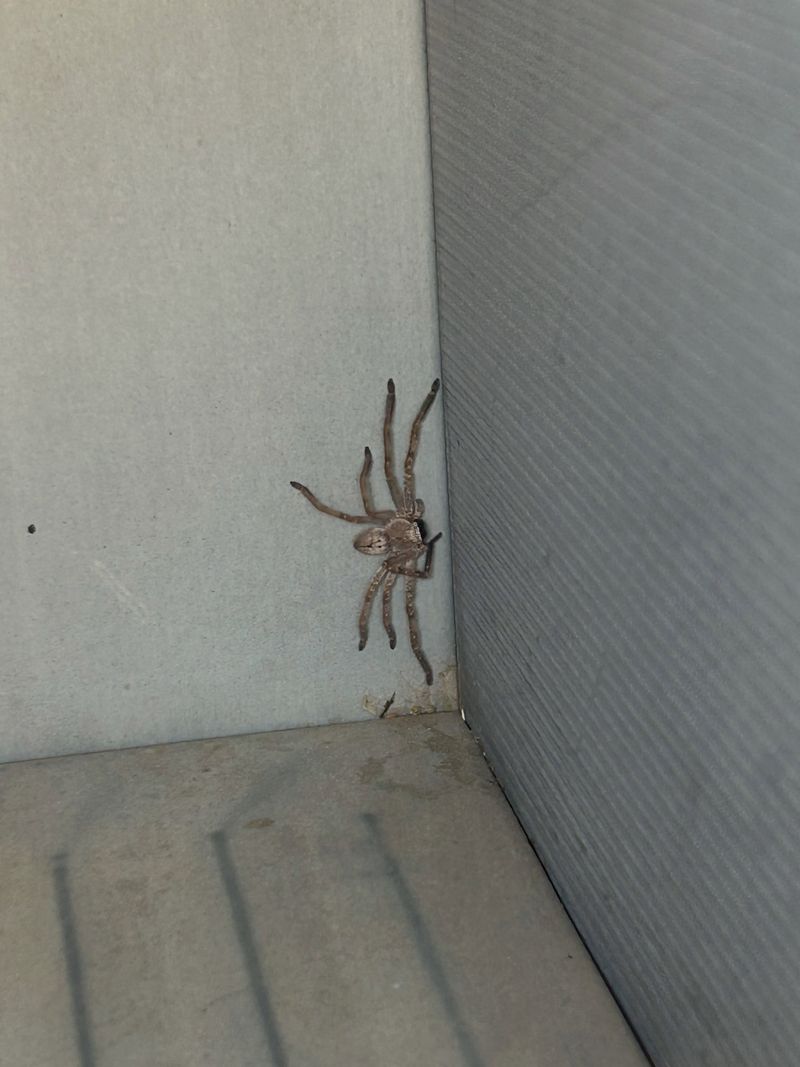
Wolf spiders follow food. If a home has a steady supply of insects or other small arthropods, a wandering wolf spider may linger rather than move back outside.
Food availability plays a direct role in whether a spider stays or keeps moving.
Common indoor prey includes crickets, cockroaches, earwigs, and small beetles. Homes near desert landscapes in Arizona often see higher insect activity, especially during warmer months and after monsoon rains.
More insects indoors can mean more reason for a predator like a wolf spider to remain.
One wolf spider inside does not automatically mean an infestation is forming. A single spider feeding on a few insects is not evidence of a colony or a hidden population.
Wolf spiders are largely solitary, and they do not live in groups.
If sightings happen repeatedly over time, that pattern is worth paying attention to. Repeated appearances may suggest a consistent food source is available indoors.
Addressing the insect population is often a more effective long-term step than focusing on the spider alone.
Keeping food stored properly, reducing moisture, and addressing any existing insect issues can make the indoor environment less supportive of spider activity.
4. Small Gaps Can Give Wandering Spiders A Way Inside
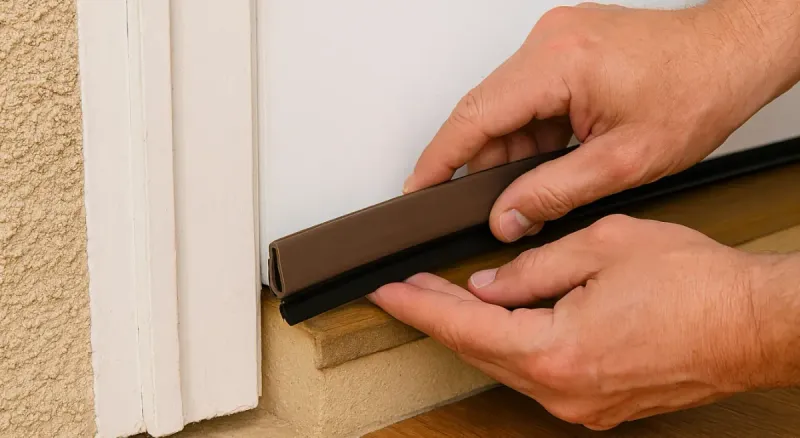
Wolf spiders do not squeeze through walls or chew through materials. They use existing openings.
Gaps that seem minor to a person are more than large enough for a spider to pass through without any trouble.
Door gaps are among the most common entry points. A door without a proper sweep at the bottom leaves a space that spiders, insects, and other small creatures can use freely.
Sliding glass doors and garage doors are frequent problem areas.
Damaged or torn window screens create another easy path indoors. Even a small tear near the corner of a screen is enough for a spider to pass through.
Screens that do not fit tightly in their frames can also leave gaps along the edges.
Cracks in exterior walls, around pipe penetrations, and along the foundation are worth inspecting. Older homes may have settled over time, creating separation in areas that were once sealed.
Arizona’s heat cycles can also cause materials to expand and contract, gradually opening small gaps.
Gaps around utility lines, cable entries, and HVAC components are often overlooked during routine home inspections. Spiders do not need a large opening.
A gap the width of a pencil can be enough for many species to enter without resistance.
5. One Sighting Does Not Automatically Mean An Infestation
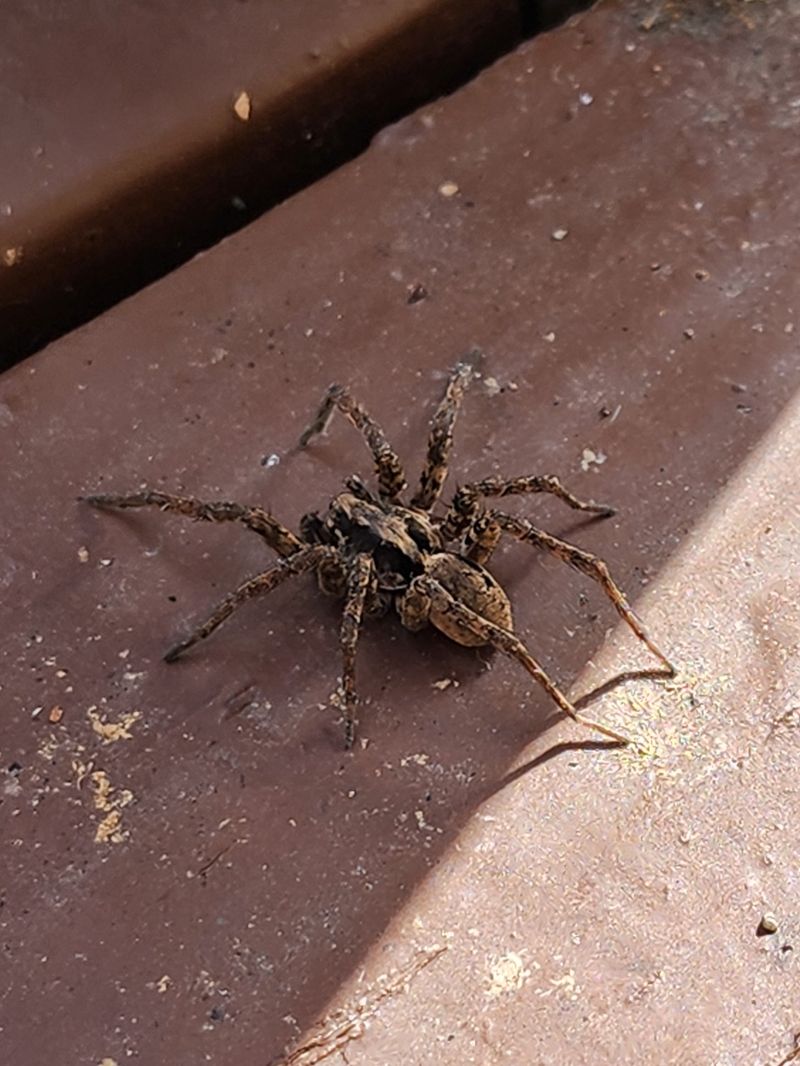
Panic is a natural first reaction when you spot a large spider moving across your floor. But one sighting rarely tells the whole story, and jumping to conclusions about an infestation can lead to unnecessary stress and expense.
Wolf spiders are solitary. They do not form colonies, build communal webs, or gather in groups.
Finding one spider indoors does not mean dozens more are hiding nearby. Each spider operates on its own and covers its own territory.
Accidental entry is the most common explanation for a single indoor sighting. A spider that wandered through an open door, an unscreened vent, or a gap along the foundation may simply be moving through with no intention of staying.
Repeated sightings over a short period are a more meaningful signal. If you see multiple spiders across several days or in different rooms, that pattern is worth investigating further.
A single spider on a single occasion is a much lower-concern situation.
Wolf spiders spotted during certain times of year, such as late summer and fall in Arizona, may simply be more active outdoors and more likely to cross paths with homes.
Seasonal movement is a recognized pattern and does not indicate a structural or sanitation problem with your home.
6. Sealing Entry Points Can Reduce Future Visitors

Reducing how often spiders enter starts with closing the gaps they use to get inside. Physical barriers are straightforward and do not require chemicals or professional equipment to put in place.
Door sweeps are one of the most effective first steps. Installing a rubber or brush-style sweep along the bottom of exterior doors blocks a common entry path for spiders and insects alike.
Garage doors benefit from perimeter seals that close the gap between the door and the ground.
Weatherstripping around door frames and windows can degrade over time. Replacing worn or cracked weatherstripping restores a tighter seal and reduces the gaps that allow small creatures to pass through.
This is a low-cost fix that makes a noticeable difference.
Window and door screens should be inspected for tears, holes, or poor-fitting frames. A screen that does not sit flush in its frame leaves an edge gap that spiders can use.
Replacing damaged screens and using screen repair tape for small holes are both practical options.
Exterior cracks along the foundation, around pipes, and near utility entries can be filled with caulk or foam sealant. Focus on the areas where different materials meet, such as where the foundation meets the siding, or where pipes pass through walls.
7. Reducing Indoor Prey Makes The Home Less Inviting
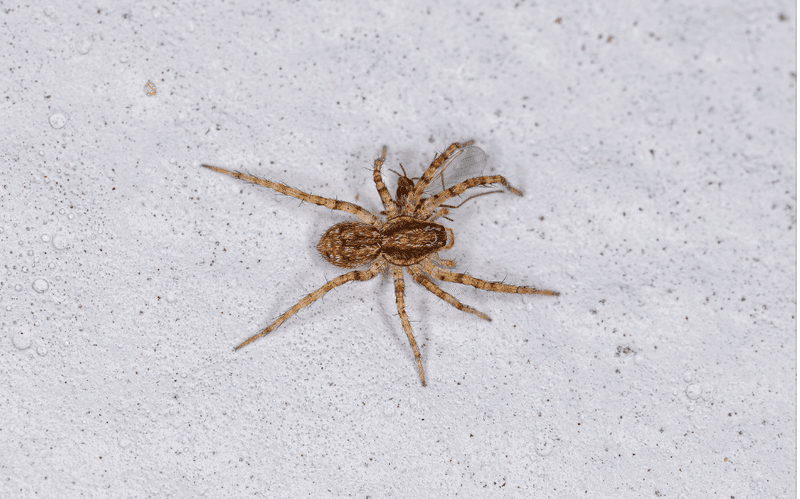
A wolf spider that finds food inside a home has a reason to stay. Removing that food source is one of the most effective long-term strategies for discouraging spider activity indoors.
Insects are the primary prey for wolf spiders. Crickets, cockroaches, earwigs, ants, and small beetles are all part of their diet.
Reducing these insects indoors takes away the resource that keeps a hunting spider interested in your living space.
Moisture is a major factor in attracting insects. Leaking pipes, humid bathrooms, and standing water near the home create conditions where insects breed and gather.
Fixing leaks and improving ventilation in damp areas reduces insect populations over time.
Food storage habits matter more than most people realize. Crumbs, unsealed pantry items, and uncovered garbage attract insects that then attract spiders.
Keeping food in sealed containers and taking out trash regularly are simple habits with a meaningful impact.
Outdoor lighting near entry points can draw insects toward your home at night, which in turn can draw predators like wolf spiders closer to doors and windows. Switching to yellow or amber bulbs near entries attracts fewer insects than standard white bulbs.
Managing the insect population inside and around your Arizona home reduces the conditions that make the space appealing to wolf spiders.