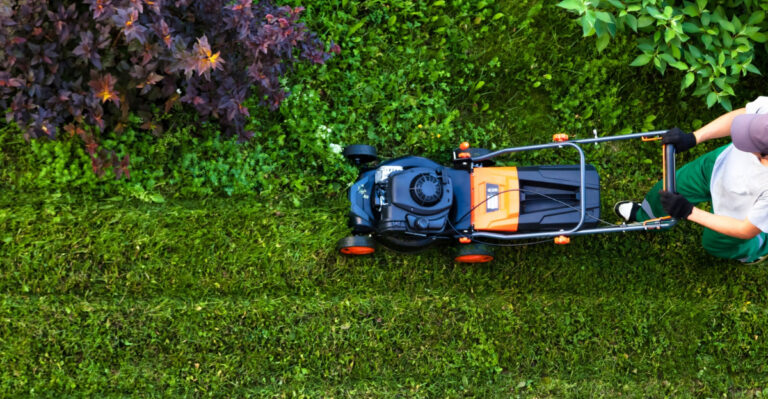
Why October Is The Best Month To Wipe Out Creeping Charlie In Virginia Lawns
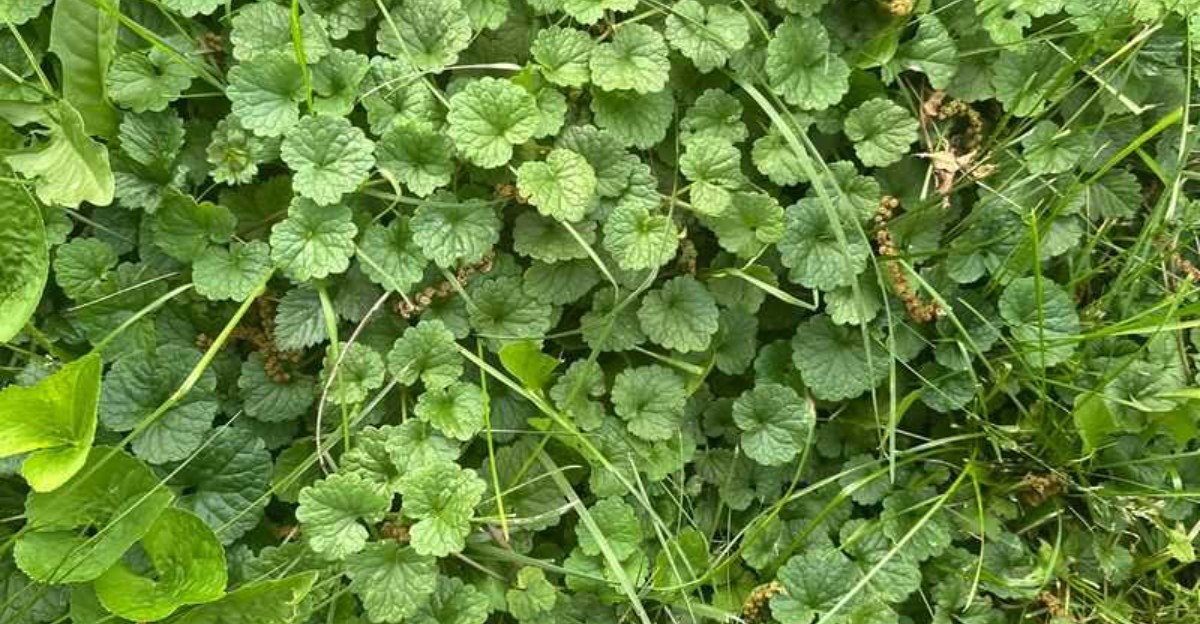
Crush a leaf of Creeping Charlie, and you’ll catch a whiff of mint, a sneaky trick from such a pushy weed. This low-growing invader sprawls across lawns, rooting wherever its stems touch the ground.
Plenty of Virginia homeowners fight it all summer, only to watch it creep right back. The secret isn’t working harder, but working smarter with the calendar.
When October brings crisp mornings and cooler afternoons, something quiet happens inside this weed. Its own survival habits start working against it.
At the same time, cool-season lawns get a fresh burst of energy that helps them fight back. That combination can turn a frustrating battle into a real win.
The guide below explains why fall gives you the upper hand and which mistakes to skip. It also shows how to keep this minty menace from staging a comeback next year.
The Plant Is Pulling Energy Down Into Its Roots
Picture a squirrel stuffing acorns into a hollow tree before winter. Creeping Charlie does something surprisingly similar every fall, just underground.
As days shorten in October, the plant senses winter coming. It starts moving sugars and stored energy from its leaves down into its roots.
Scientists call these stored sugars carbohydrates. They act like a packed lunch the plant saves for chilly months ahead.
Here is where you gain an edge. Anything that enters the leaves now gets carried downward with that flow of food.
During spring, the opposite happens in the plant. Energy rushes upward to build fresh leaves, stems, and tiny purple flowers.
Spraying in spring often harms only the top growth. The roots shrug it off and push out new runners a few weeks later.
Fall flips the script in your favor. A treatment applied now rides the downward current straight to the root system.
Across Virginia, this shift usually peaks from early to late October. Weather varies, so watch for cooler nights rather than a fixed date.
One quick test helps you know the plant is ready. Healthy green leaves with no summer wilting mean it is actively storing energy.
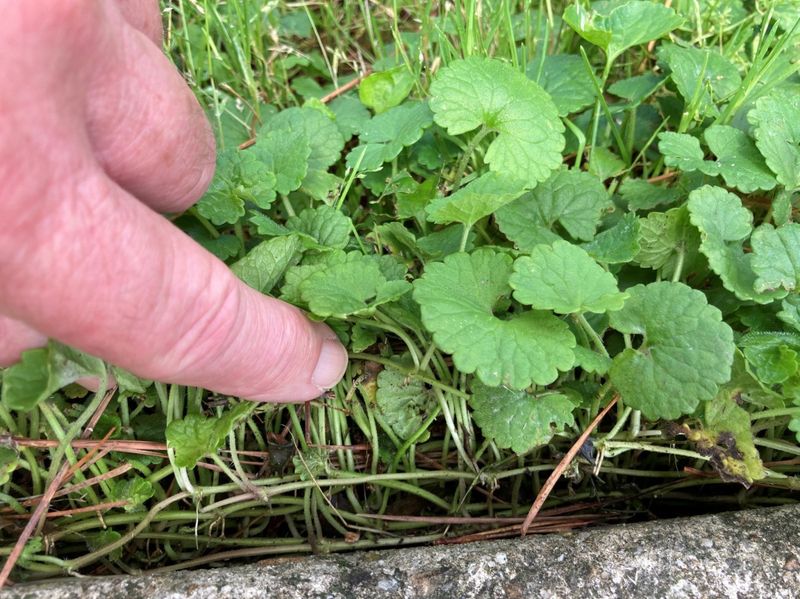
Remember that Creeping Charlie belongs to the mint family. Square stems and scalloped, kidney-shaped leaves make it easy to spot.
Mark your calendar now for a mid-October check. A short walk around the yard can reveal where the weed is hiding.
Nature hands you a narrow window each autumn. Using it wisely means fewer battles when warm weather returns next year.
Herbicides Travel Deeper As Sap Moves Down
Think of the plant’s veins as a tiny highway system. In October, most of the traffic heads south toward the roots.
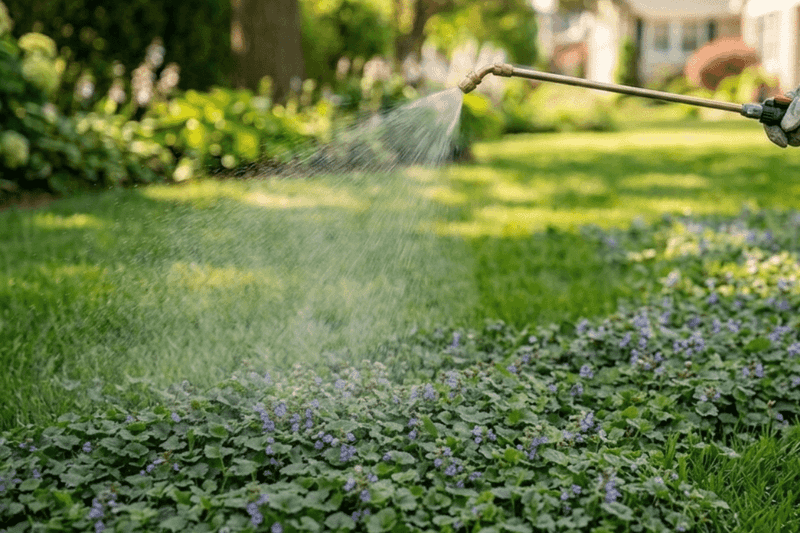
Systemic herbicides take advantage of that traffic pattern. They soak into leaves, then travel inside the plant along with its food.
Contact sprays work differently and only scorch what they touch. For a tough spreader like Creeping Charlie, that rarely goes deep enough.
Look for broadleaf products listing triclopyr, dicamba, or 2,4-D on the label. Triclopyr has a strong track record against ground ivy.
Your Virginia Garden Changes Every Week. Your Plan Should Too.
Gardening in Virginia changes quickly throughout the season. Every Friday you’ll receive a simple weekly plan showing exactly what to plant, prune, fertilize, harvest, and protect so you never miss the right timing.
Many lawn experts suggest products made for cool-season turf. They target broadleaf weeds while leaving your fescue mostly unharmed.
Read every label carefully before mixing anything. Rates, waiting periods, and safety gear matter more than people expect.
Spot-spraying beats blanket spraying in most yards. You use less product and protect nearby flowers, shrubs, and garden beds.
Skip mowing for a couple of days before treatment. More leaf surface means more herbicide gets absorbed and carried downward.
After spraying, wait about two days before mowing again. That pause gives the chemical time to move through the whole plant.
Rain can wash away your work if it arrives too soon. Check the forecast and pick a dry stretch of at least a day.
Patience pays off with this method. Leaves may take one to three weeks to yellow and fade.
Deep root control means fewer runners popping up later. Your lawn finally gets breathing room to spread and recover.
Cooler Weather Reduces Drift And Damage
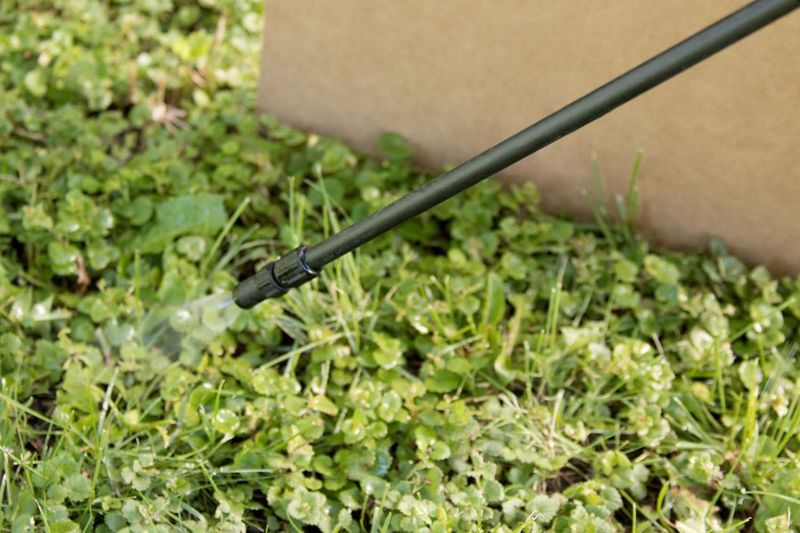
Ever tried spraying on a breezy July afternoon? Half the mist ends up on your tomatoes, your shoes, or the neighbor’s roses.
October in Virginia offers a much friendlier setup. Temperatures often settle between 50 and 85 degrees, the sweet spot for most herbicides.
Mild days keep weeds actively growing and drinking in treatment. Your grass also feels less stress than during summer heat waves.
Heat causes another sneaky problem called vapor drift. Some chemicals turn into gas when hot and float onto plants you love.
Cooler air helps those products stay put. Less vapor means less risk to flower beds, vegetable gardens, and young trees.
Wind matters just as much as temperature. Aim for speeds between 3 and 10 miles per hour, ideally under 6.
Completely still air is not perfect either. It can trap fine droplets in a hanging cloud that settles unevenly.
Early mornings usually bring the calmest conditions. Wait until dew dries a bit so droplets cling instead of rolling off.
A simple ribbon tied to a stake works as a homemade wind gauge. If it flaps hard, put the sprayer away.
Choose a coarse spray setting on your nozzle when possible. Bigger droplets fall faster and wander less.
Fall weather basically gives you a helping hand. Fewer accidents mean safer gardens and happier neighbors.
Plan two or three backup days in your schedule. Autumn weather shifts quickly, so flexibility keeps you on track.
Your Fescue Is Growing Strong Enough To Fill Gaps
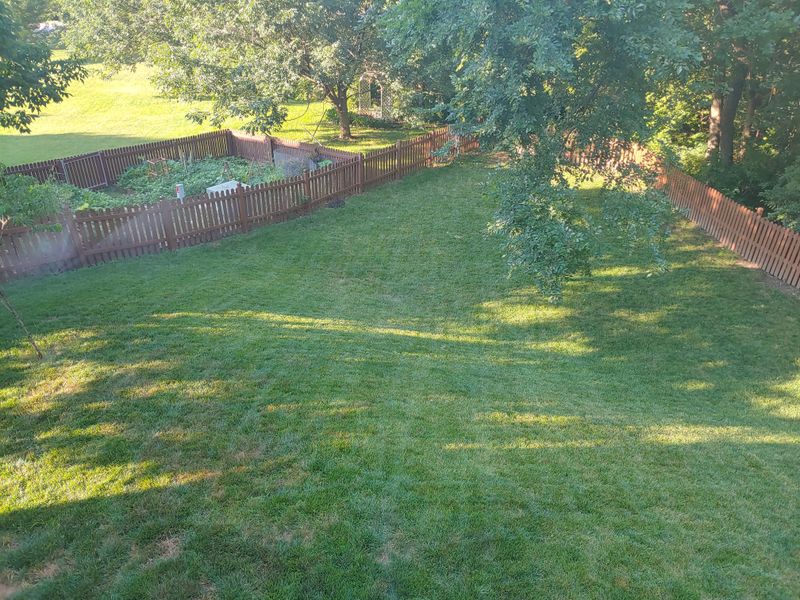
Tall fescue is the hometown hero of many Virginia yards. In October, this grass wakes up from summer stress and starts flexing.
Cool-season grasses grow fastest in spring and fall. Fall often wins because warm soil and cool air boost strong root growth.
Here is why timing matters so much. When Creeping Charlie fades, it leaves bare patches behind.
Empty soil invites trouble. If grass does not fill it quickly, new weeds happily move into the vacancy.
Fescue growing at full speed can claim those spots before weeds do. That makes October treatments work twice as hard for you.
Virginia Tech experts recommend seeding from mid-August through mid-September, stretching to mid-October in a warm fall. New seedlings need several weeks to settle in before steady frosts arrive.
Timing seed and herbicide together takes some planning. Many weed products require a waiting period before seeding, so check the label.
One common approach works well for busy homeowners. Treat in early fall, wait the listed time, then overseed bare spots.
Fall is also the most important feeding season for fescue. A balanced fertilizer helps build thick roots and denser blades.
Rake away fallen leaves often during this season. Heavy leaf piles block sunlight that young grass badly needs.
Keep new seed moist with light, frequent watering. Dry seed simply sits there and becomes bird food.
By late fall, you should see a fuller carpet of green. Every inch of grass is an inch Creeping Charlie cannot take.
Treat After A Light Frost, Not A Hard Freeze
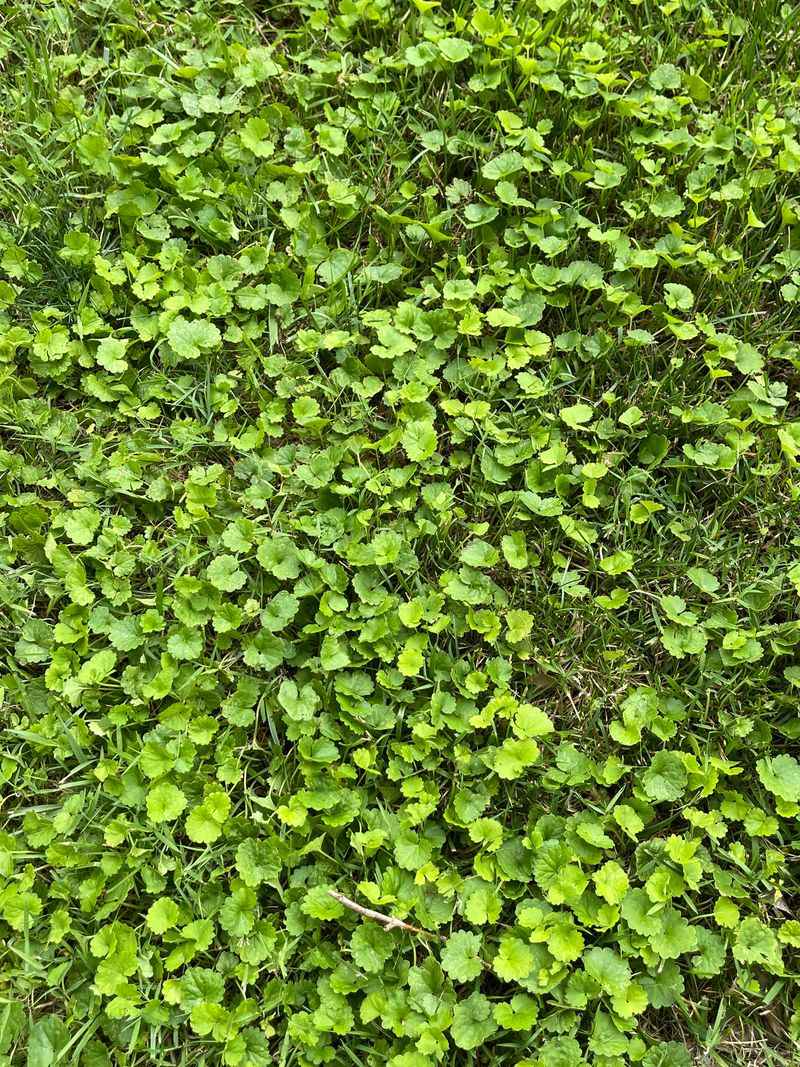
Here is a fun bit of plant science. A light frost can actually help your weed treatment work better.
Creeping Charlie leaves wear a waxy coating called a cuticle. It acts like a raincoat that sheds water and sprays.
A gentle frost creates tiny cracks in that coating. Herbicide can then slip inside the leaf more easily.
Many gardeners wait for that first frosty morning on purpose. They treat a day or two later, once the leaves warm up.
There is a catch, though. Several hard freezes in a row can badly damage the plant’s tissue.
Frozen, damaged leaves stop working well. They cannot move herbicide down to the roots, so your effort goes to waste.
The plant needs healthy, green foliage to absorb treatment. Brown, mushy leaves mean you probably waited too long.
In northern Virginia, the first light frost often arrives in mid to late October. Southern and coastal areas may see it later.
Watching local weather reports helps a lot here. A low around 30 to 32 degrees counts as a light frost.
Temperatures in the low twenties usually signal a harder freeze. That is your cue to rethink the plan.
Aim to spray when afternoon temperatures climb back above 50. Plants absorb treatment best when they are active.
Think of it like catching a door before it shuts. Act soon after that first frost and you slip right in.
Hand-Pulling Works Best In Moist Fall Soil

My neighbor swears by a rainy-day ritual. She grabs gloves, a bucket, and pulls Creeping Charlie while the ground is soft.
Her method makes real sense. Moist soil lets roots slide out whole instead of snapping off.
Leftover bits cause most of the trouble. Even small stem fragments can root again and start a fresh patch.
October rains create perfect pulling conditions. You can also water deeply the day before if skies stay dry.
Start at the edge of a patch and work inward. Lift each runner gently and follow it back to its rooted nodes.
A hand weeder or garden fork helps loosen stubborn clumps. Slide it under the roots rather than yanking straight up.
Wear gloves for comfort and protection. Some people get mild skin irritation from handling this plant.
Bag pulled weeds instead of tossing them in compost. Stems left on damp ground can root right where they land.
Hand-pulling works best for small patches. Large invasions usually need a combined plan with spot treatments.
Come back a week later and check again. You will likely spot a few sneaky sprouts you missed.
Fill pulled areas with a little topsoil and grass seed. Bare ground left open just invites the weed back.
Quiet, steady work like this can feel strangely relaxing. A cup of coffee and a soft fall morning make it even better.
Shady, Damp Spots Are Where It Thrives
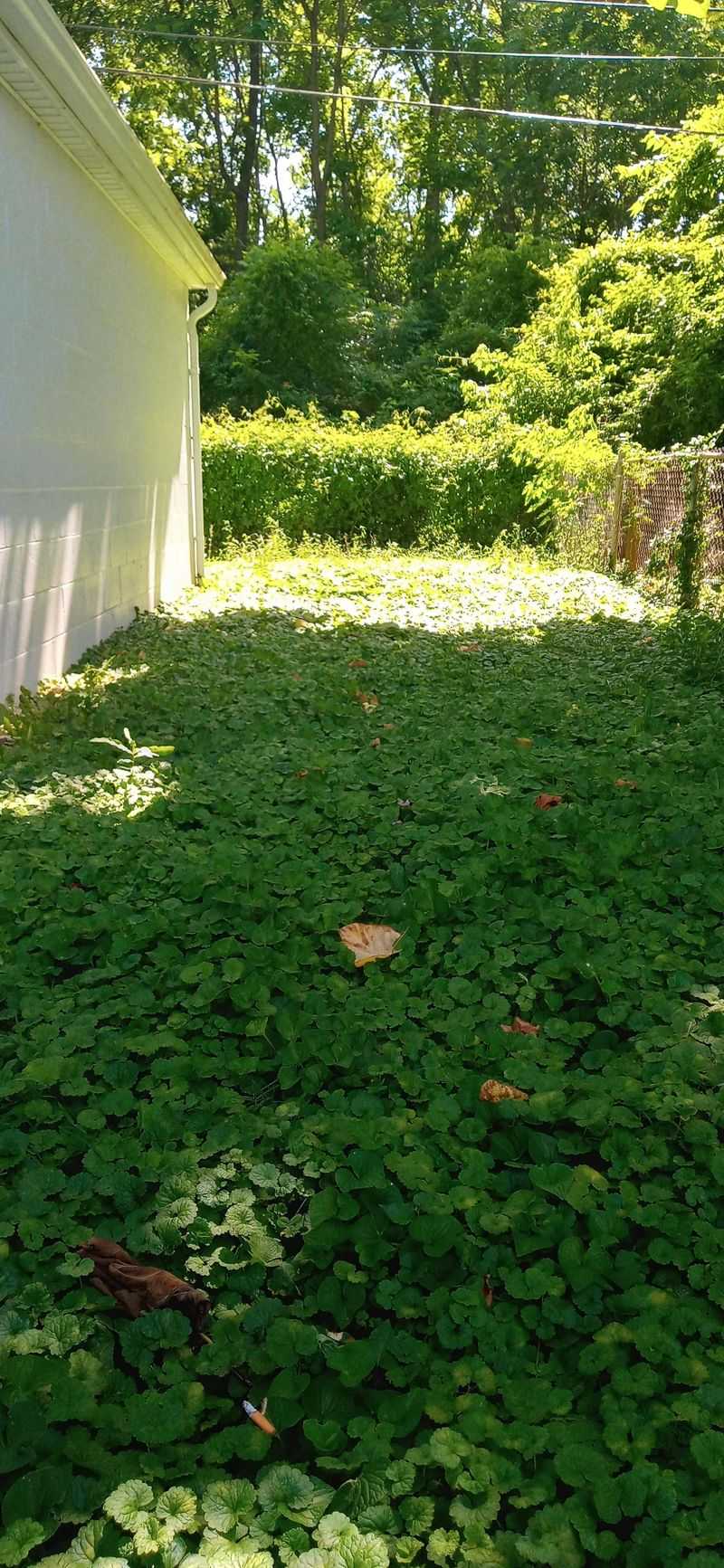
Walk under your biggest tree and look down. Chances are good you will find a thick mat of Creeping Charlie there.
Shady, damp corners are this weed’s favorite hangout. Grass struggles in low light, while ground ivy barely notices.
Compacted soil makes things worse. Hard ground holds water near the surface and squeezes out grass roots.
Low spots that stay soggy after rain also attract it. So do areas near downspouts and leaky outdoor faucets.
Fall is a great time to fix these trouble zones. Cooler weather makes yard projects far more pleasant.
Try thinning lower tree branches to let in more sunlight. Even a little extra light helps grass compete.
Core aeration loosens packed soil and improves drainage. Many lawn pros offer this service every fall.
Redirect downspouts away from the lawn with simple extensions. Small changes can dry out a soggy patch quickly.
For deep shade, consider shade-tolerant fescue blends. Fine fescues handle dim spots better than many other grasses.
Some spots will stay too shady for grass no matter what. Mulch beds or shade plants like hostas can be smarter choices.
Do not assume sunny areas are safe, though. Creeping Charlie adapts and can march into brighter spaces too.
Fixing the conditions it loves cuts off its comfort zone. Treatments last longer when the weed has fewer cozy places to hide.
Thicker Turf Blocks Its Return
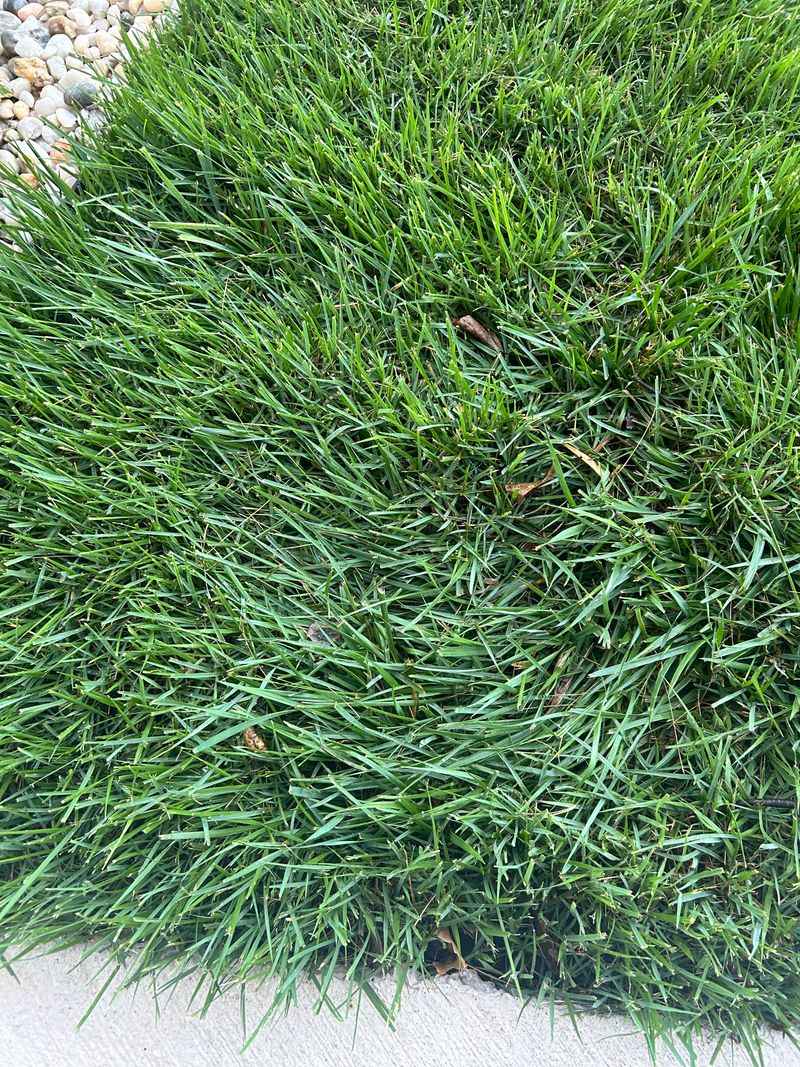
A crowded bus has no empty seats for latecomers. A dense lawn works the same way against creeping weeds.
Thick grass shades the soil and hogs water and nutrients. Creeping Charlie struggles to find room when every space is taken.
Mowing height plays a bigger role than most people think. Keep fescue between 3 and 4 inches tall.
Taller blades shade the ground and grow deeper roots. Scalping the lawn short invites weeds to sneak in.
Sharpen your mower blade at least once a season. Clean cuts help grass heal faster and stay healthier.
Feeding matters too, especially in fall. Virginia Cooperative Extension often suggests most fescue fertilizer go down between September and November.
A soil test takes the guesswork out of feeding. Your local extension office can process samples for a small fee.
Overseed thin areas each fall to keep the turf full. Grass naturally thins over time, so refreshing it helps.
Water deeply but less often during dry spells. About one inch per week encourages roots to grow down.
Shallow daily watering keeps the surface damp. Ground ivy loves that, so skip the quick sprinkles.
Leave grass clippings on the lawn when possible. They break down and return nutrients to the soil.
Healthy turf is the best long-term defense you can build. Treatments clear the weed, but thick grass keeps it gone.
A Spring Follow-Up Catches Survivors
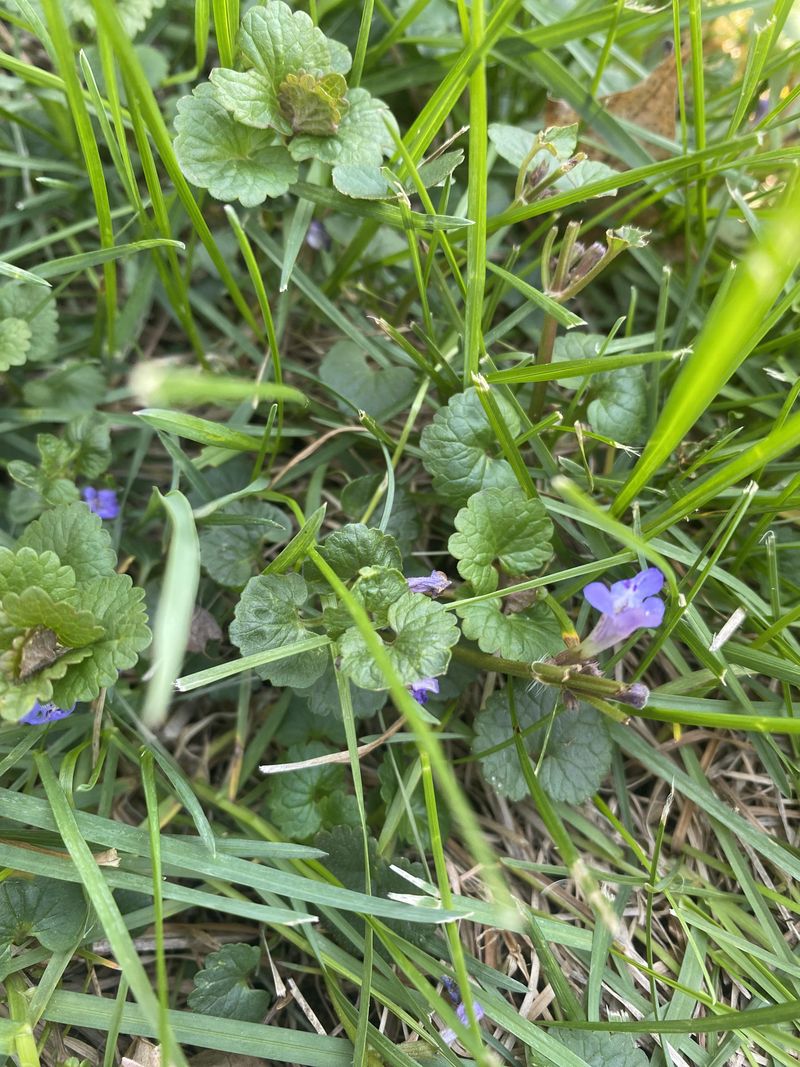
Even after a great fall treatment, a few stubborn plants may hang on. Creeping Charlie is famous for its persistence.
Spring gives you a second shot. April and May bring tiny purple flowers that make survivors easy to spot.
Walk your lawn once things green up. Flag any patches with small stakes or colored golf tees.
Flowering plants are actively growing, so spot treatments can still work. Just expect results to be a bit less thorough than fall.
Spring sprays mostly hit top growth. That still helps slow spreading before summer gets underway.
Use the same weather rules you followed in October. Pick calm, mild days and avoid treating before heavy rain.
Hand-pulling small sprouts works nicely in spring too. Soft soil after April showers makes the job easier.
Hold off on overseeding fescue in spring if you can. Young grass often struggles through hot summers.
Patch small bare spots instead with a bit of seed and topsoil. Keep them watered so they root before summer.
Keep a simple notebook or phone note of treated spots. Patterns help you plan next fall’s attack.
Most lawns need two or three rounds over a year or more. Steady effort beats one giant cleanup weekend.
Think of spring as a quick touch-up, not a full repeat. October still does the heavy lifting.
The Old Borax Remedy Can Harm Your Lawn
Grandma’s laundry booster as a weed fix? That old borax trick has floated around for decades.
The idea sounds simple enough. Mix borax with water, sprinkle it on, and watch ground ivy fade.
Borax contains boron, a nutrient plants need in tiny amounts. Too much, though, becomes toxic.
Here is the tricky part. The gap between a dose that hurts the weed and one that harms grass is very small.
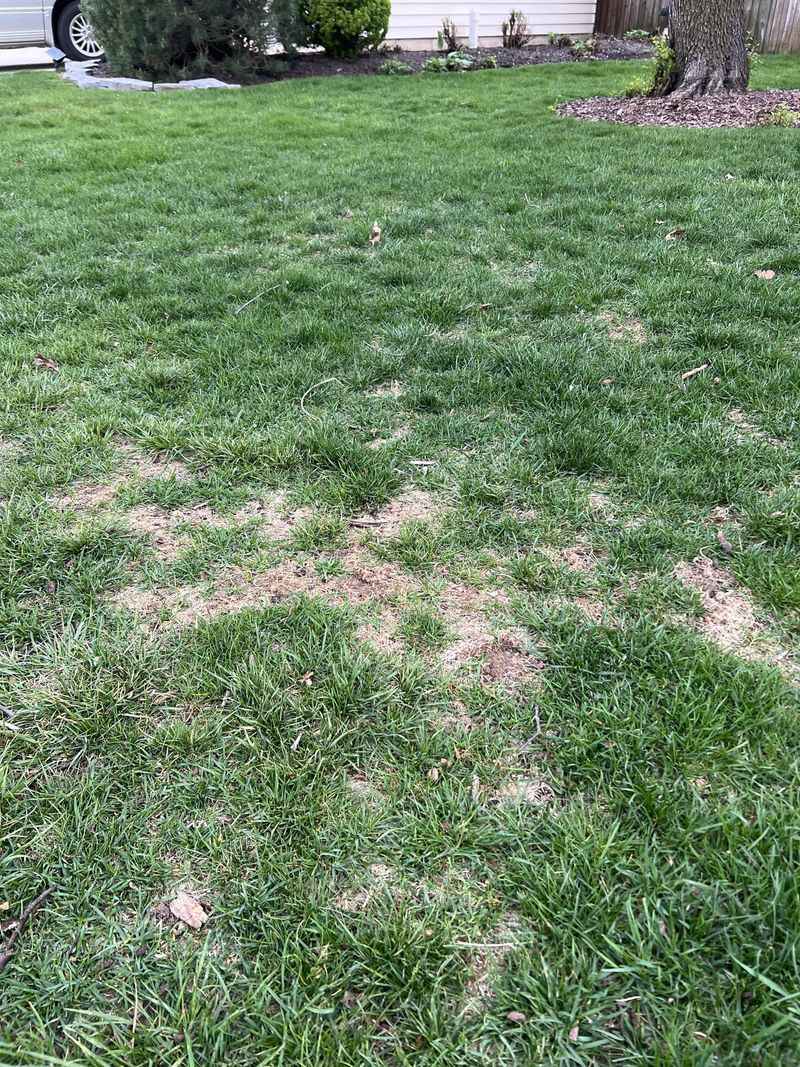
Mix it a little too strong and your fescue suffers. You could end up with yellow, bare patches.
Boron also builds up in the soil over time. Repeated use can create barren spots where little grows for a long while.
Research results have been mixed at best. Some studies showed slight weed reduction, while others found no real effect.
Many university extension services advise against this method. Iowa State and others point to the risk outweighing the reward.
Nearby shrubs, flowers, and vegetables can be affected too. Runoff carries boron where you never meant it to go.
If you want a gentler route, stick with hand-pulling and thick turf. Those methods carry far less risk.
For Virginia lawns, October herbicide timing plus good care beats kitchen experiments. Your grass will thank you next spring.