These Cool-Season Greens Can Still Be Planted In Georgia Before Frost
Cooler days do not mean your vegetable beds have to sit empty while you wait for another planting season.
Several leafy greens actually prefer the milder temperatures that arrive in fall. You may still have time to get another crop started before colder weather settles in.
In Georgia, planting dates vary by location, so check your expected first frost before choosing what goes into the ground.
Collards, spinach, lettuce, and other cool-season favorites can handle conditions that would slow many warm-season vegetables. Some even tolerate light frost once established.
Look at how much growing time remains instead of assuming the garden is finished for the year.
Choosing greens that mature quickly can help you use those remaining weeks wisely. With good timing, your fall beds can stay productive well beyond the main summer harvest.
1. Collards Handle Chilly Weather And Keep Producing Tender Leaves
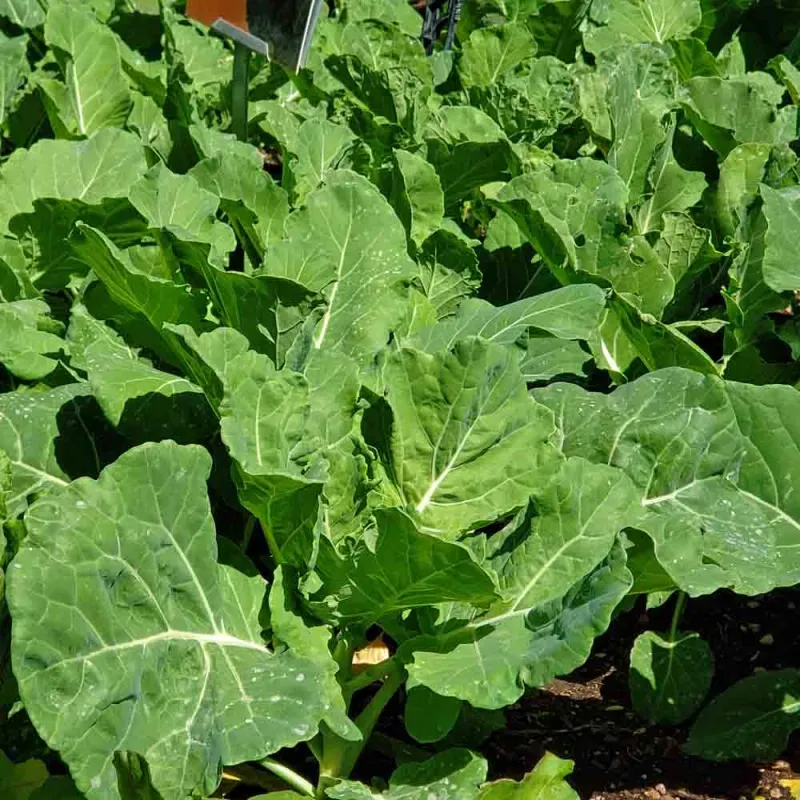
Ask any longtime Southern gardener which green earns its keep in winter, and collards usually top the list. They are about as tough as leafy crops get in a home garden.
Established collards can often handle temperatures into the low 20s, though a sudden hard freeze may still damage young or tender plants.
Timing matters more than anything else with this crop. Transplants set out in early fall usually have the best chance, since seeds sown late may not size up before short days slow growth.
In middle and south Georgia, gardeners can often plant transplants into October and still get a decent harvest.
Give each plant about 18 inches of space so air moves freely between the leaves. Crowded plants tend to stay smaller and may have more trouble with pests like aphids.
Harvest from the bottom up, picking the larger outer leaves first.
That approach lets the center keep growing, so one plant can supply greens for weeks. Many cooks also notice a milder, slightly sweeter flavor after a light frost passes through.
Watch for cabbage worms on the undersides of leaves, especially during warm spells.
Hand-picking them works fine in a small bed. If they get out of hand, a Bt-based spray labeled for vegetables is a common option worth checking at your local garden center.
2. Kale Turns Sweeter As Cool Fall Temperatures Settle In
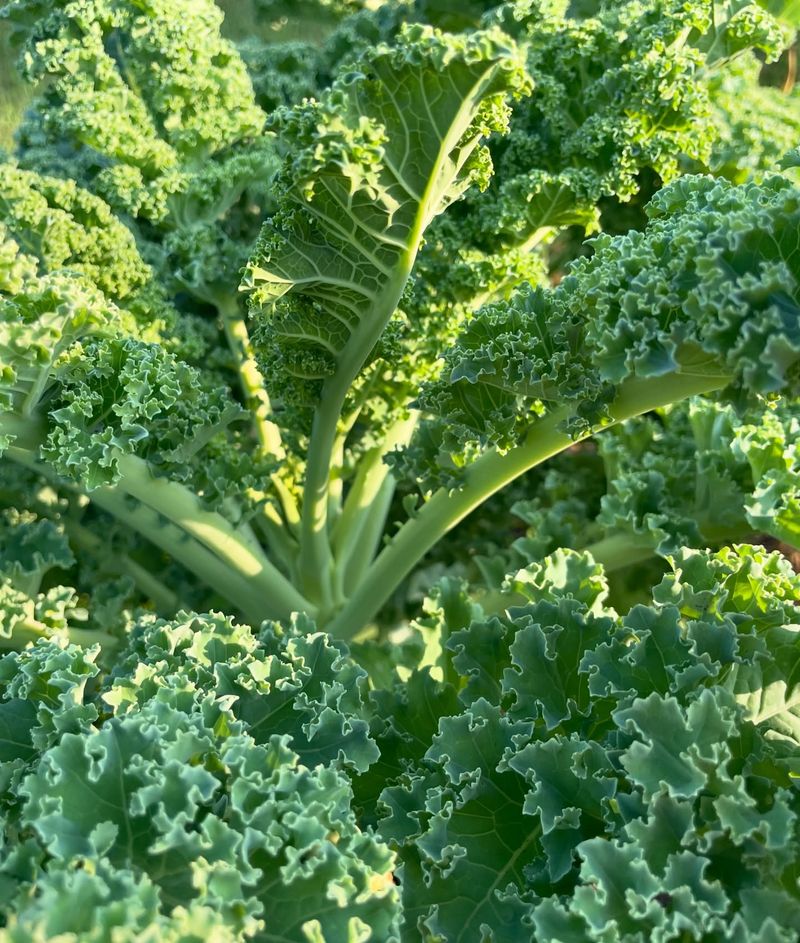
Frost-kissed kale tastes different, and you can usually tell with the first bite. Cold nights encourage the plant to store more sugars in its leaves, which can soften that bitter edge.
That sweetness shift is one big reason gardeners wait until fall to grow it.
Curly types like Winterbor tend to hold up well in cold snaps. Lacinato, often called dinosaur kale, has flat, bumpy leaves and is usually a bit less cold hardy, though it still handles light frosts nicely.
Small transplants give you a head start when the calendar feels tight.
Seeds can work too, but they need roughly 50 to 65 days to reach full harvest size, depending on variety and weather. Baby leaves can be picked sooner if you sow thickly and thin as you go.
Your Georgia Garden Changes Every Week. Your Plan Should Too.
Gardening in Georgia changes quickly throughout the season. Every Friday you’ll receive a simple weekly plan showing exactly what to plant, prune, fertilize, harvest, and protect so you never miss the right timing.
In north Georgia, earlier planting is wise because frost often arrives weeks ahead of the southern counties.
Kale likes soil that drains well and has some compost mixed in. A light side-dressing of nitrogen fertilizer a few weeks after planting can help push steady leaf growth.
Pick the lower leaves when they are about the size of your hand.
Leave the top cluster alone so the plant keeps making new growth. With mild weather and a little luck, one planting may keep you supplied well into winter.
3. Mustard Greens Grow Quickly Enough For Late Fall Plantings
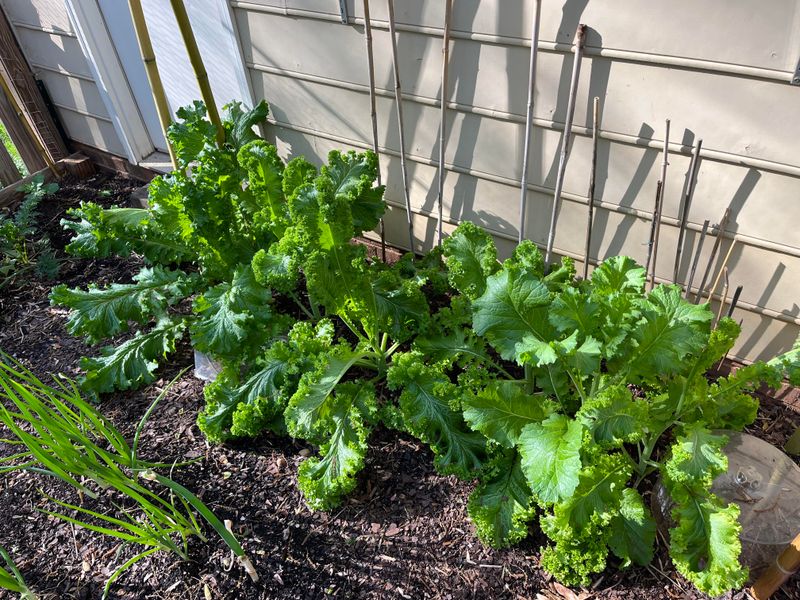
Running behind on fall planting? Mustard greens might be your best friend right now.
Most varieties reach baby-leaf size in about three to four weeks, and full-size leaves often show up within 40 to 50 days. That speed makes them handy when frost is closer than you would like.
Scatter seeds directly in the bed about a quarter inch deep and keep the soil evenly moist until sprouts appear.
Germination is usually quick in cool soil, often within a week. Once seedlings show a few true leaves, thin them to about four to six inches apart for full-size plants.
Flavor runs from mild to sharp, depending on the variety you choose.
Southern Giant Curled is a classic in Georgia gardens, with ruffled leaves and a spicy kick. Red Giant adds deep purple color and tastes bold, especially when the leaves get large.
Hot weather can make mustard bolt and turn bitter, so fall really suits it.
A light frost tends to mellow the bite, but a hard freeze can damage the leaves. Covering plants with frost cloth on very cold nights is an easy way to stretch the season.
Young leaves work raw in salads, while older ones shine when braised with onions.
4. Turnip Greens Give You Tender Tops With Roots As A Bonus
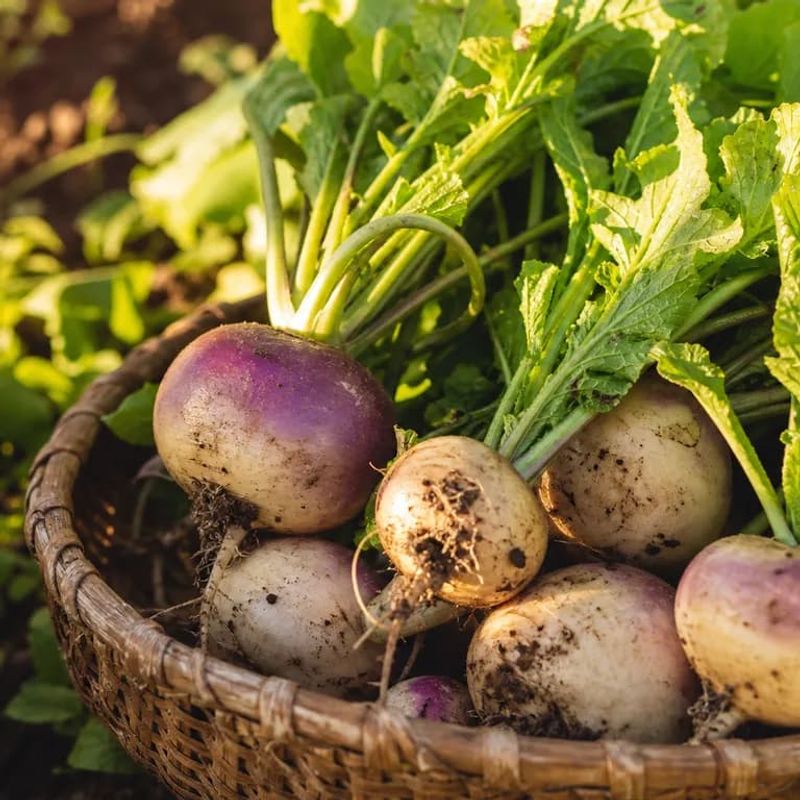
Two crops from one seed packet is hard to beat. Turnips feed you leaves first, then roots later if you leave some plants in the ground.
Gardeners who mostly want greens often grow varieties bred for leaves, like Seven Top, which makes plenty of foliage but little root.
Purple Top White Globe is the better pick if you want both. Its leaves are tasty when young, and the roots typically size up in around 50 to 60 days under good conditions.
Direct seeding works best here, since turnips do not love being moved.
Sow seeds thinly in loose soil, then thin seedlings to about three or four inches apart. Crowded turnips usually make small, misshapen roots, though the thinnings make a nice early meal.
Across much of Georgia, September and October plantings tend to do well.
Southern counties with later frost dates can often push sowing a bit further. Still, results depend on how warm or cold that particular fall turns out to be.
Try not to strip every leaf from a plant you hope will form a root.
Taking a few leaves at a time keeps the plant strong enough to keep growing underground. Consistent watering also helps prevent roots from cracking or turning woody.
5. Spinach Thrives Once Hot Weather Gives Way To Cool Days
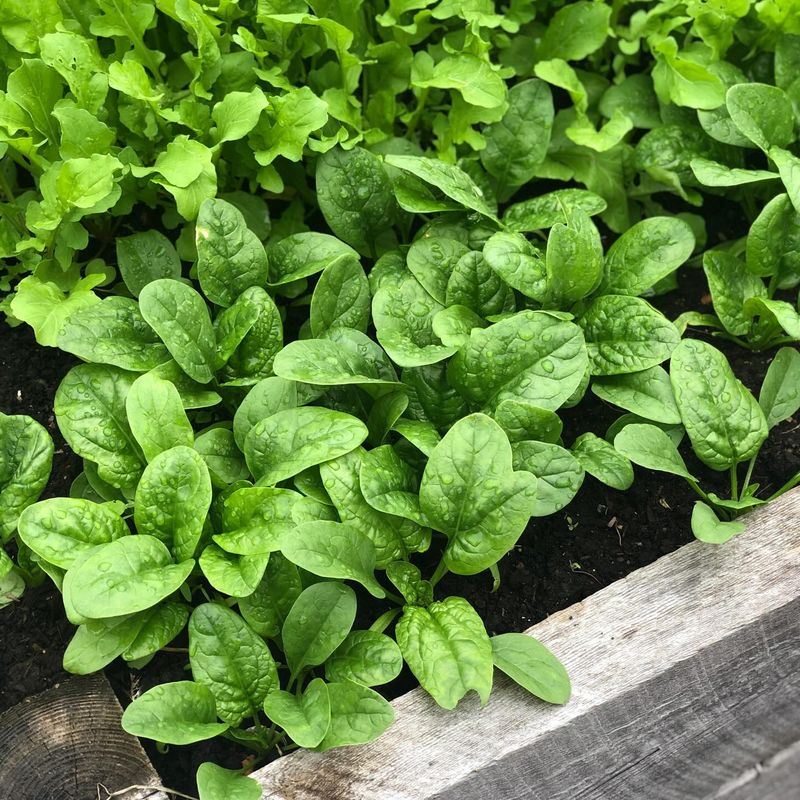
Summer heat and spinach simply do not get along. Once soil temperatures drop, though, this picky green finally gets comfortable.
Seeds sprout poorly in warm soil, so waiting until days cool down usually pays off.
Soak seeds for a few hours before planting to help them along. Sow them about half an inch deep, and expect sprouts in roughly one to two weeks depending on soil warmth.
Spinach prefers soil that is close to neutral, around a pH of 6.5 to 7.
Plenty of Georgia soils lean acidic, so a soil test through your county Extension office can be helpful. Adding lime based on those results may improve growth noticeably.
Savoy types with crinkled leaves tend to handle cold well, while smooth-leaf types are easier to wash.
Bloomsdale is a popular savoy option for fall beds. Baby leaves can be ready in about a month, and full leaves often take 40 to 50 days.
Mature plants can usually take frost, and some even survive temperatures in the teens with protection.
A layer of straw mulch helps keep soil moisture steady. It also keeps splashing dirt off the leaves, which makes cleanup in the kitchen a lot easier.
6. Leaf Lettuce Produces Quickly Without Waiting For Full Heads
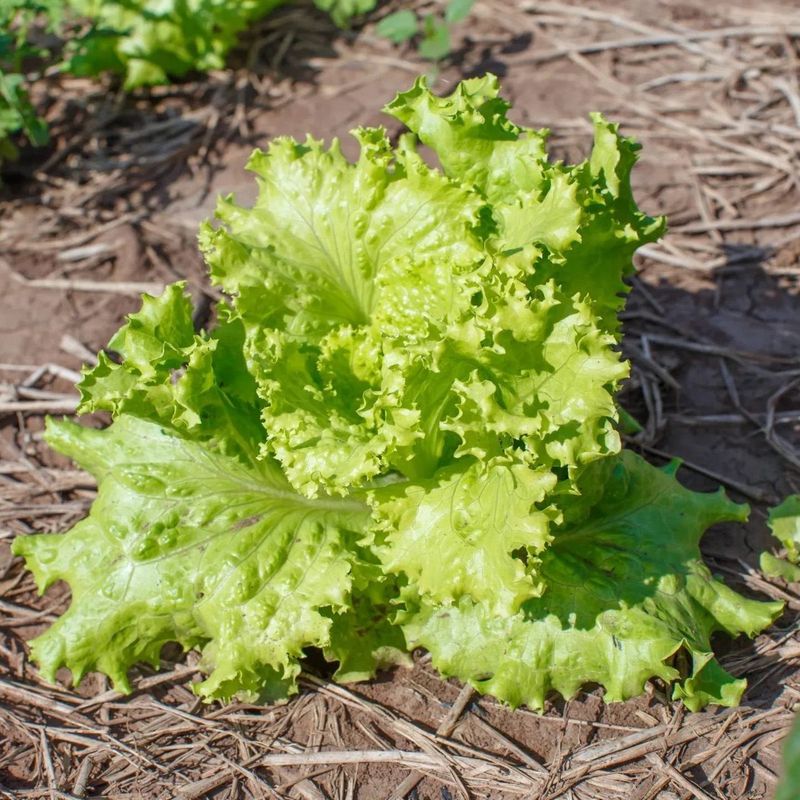
Forget waiting months for a tight head of lettuce. Loose-leaf types let you start snipping salad in about 30 days.
That fast pace is why leaf lettuce fits so well into a short fall window.
Varieties like Black Seeded Simpson, Red Sails, and Salad Bowl are dependable choices for home gardens. Each grows loose rosettes instead of dense heads, so you can harvest leaves a few at a time.
Seeds are tiny and need light to sprout well, so barely cover them with soil.
Keep the surface moist with gentle watering until seedlings appear. A quick sprinkle in the morning is usually enough during cool weather.
Planting small batches every two weeks keeps fresh leaves coming instead of all at once.
Lettuce is less frost tolerant than collards or kale. Light frosts are often fine, but temperatures in the mid-20s can damage leaves, so frost cloth is worth keeping nearby.
In coastal Georgia, lettuce may grow through much of the winter when the weather stays mild.
Cut outer leaves with clean scissors, leaving the center to keep growing. Harvesting in the cool morning tends to give you crisper, sweeter leaves for the table.
7. Arugula Brings Peppery Leaves To The Garden In Cool Weather
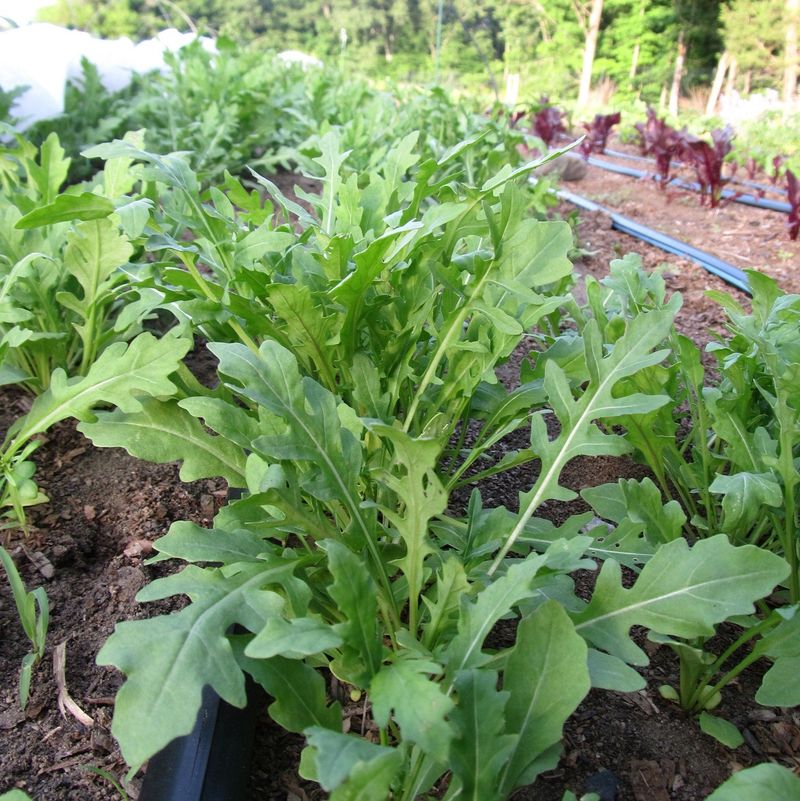
Bold, nutty, and a little spicy, arugula wakes up a plain salad fast. It also happens to be one of the quickest greens you can grow.
Baby leaves are often ready in about three weeks after sowing.
Cool temperatures keep the flavor balanced. When grown in heat, arugula tends to bolt quickly and turn sharply bitter, so fall gives it a much better shot.
Sow seeds thickly in a short row or even a wide pot on the patio.
Containers are handy because you can move them to a sheltered spot on frosty nights. Just make sure the pot drains well and gets at least four to six hours of sun.
Harvest by cutting leaves an inch or two above the soil.
Plants often regrow for a second or third cutting if conditions stay favorable. Sowing fresh seed every couple of weeks helps fill gaps as older plants slow down.
Arugula can usually handle light frosts, though hard freezes may burn tender leaves. A simple row cover helps soften the blow and can keep flea beetles off too.
Small holes in the leaves often point to those beetles.
Toss leaves onto pizza right after baking, or mix them with milder lettuce. Its peppery taste goes a long way in the kitchen.
8. Swiss Chard Keeps Producing Leaves Through Mild Fall Weather
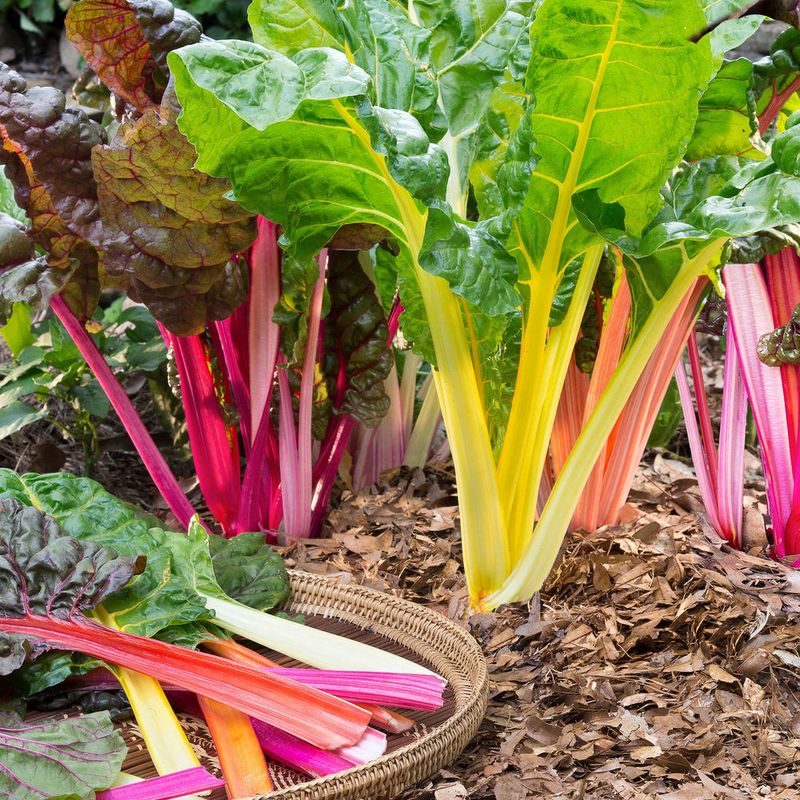
Bright red, yellow, and pink stems make Swiss chard the showoff of the fall bed. Beyond looks, it is a steady producer that rewards regular picking.
Chard is related to beets, and it handles a wider range of temperatures than spinach.
That flexibility helps in a state where fall can swing from warm afternoons to chilly nights. Gardeners around Atlanta and Macon often find it keeps growing well into late fall.
Each wrinkled seed is actually a cluster that can sprout several plants.
Thin seedlings to about eight to twelve inches apart once they get a few inches tall. Transplants are also easy to find and save a few weeks of waiting.
Bright Lights and Fordhook Giant are two reliable varieties.
Bright Lights brings the colorful stems, while Fordhook Giant tends to be a bit sturdier in cold weather. Both can be harvested as baby greens in about a month or as full leaves in roughly 50 to 60 days.
Light frost is usually fine, but a hard freeze can knock plants back.
Mulching around the base may help roots survive and regrow when warmer days return. Pick outer stalks by twisting them off near the base, and the center will keep sending up fresh leaves.
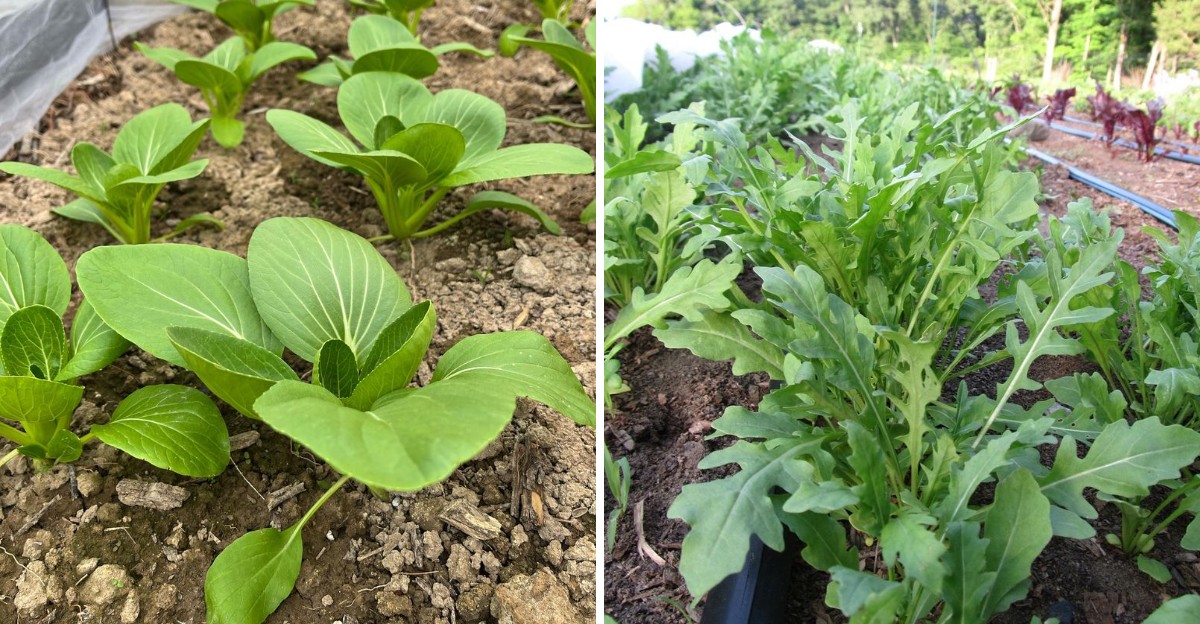
9. Bok Choy Fits Easily Into A Cool-Season Vegetable Bed
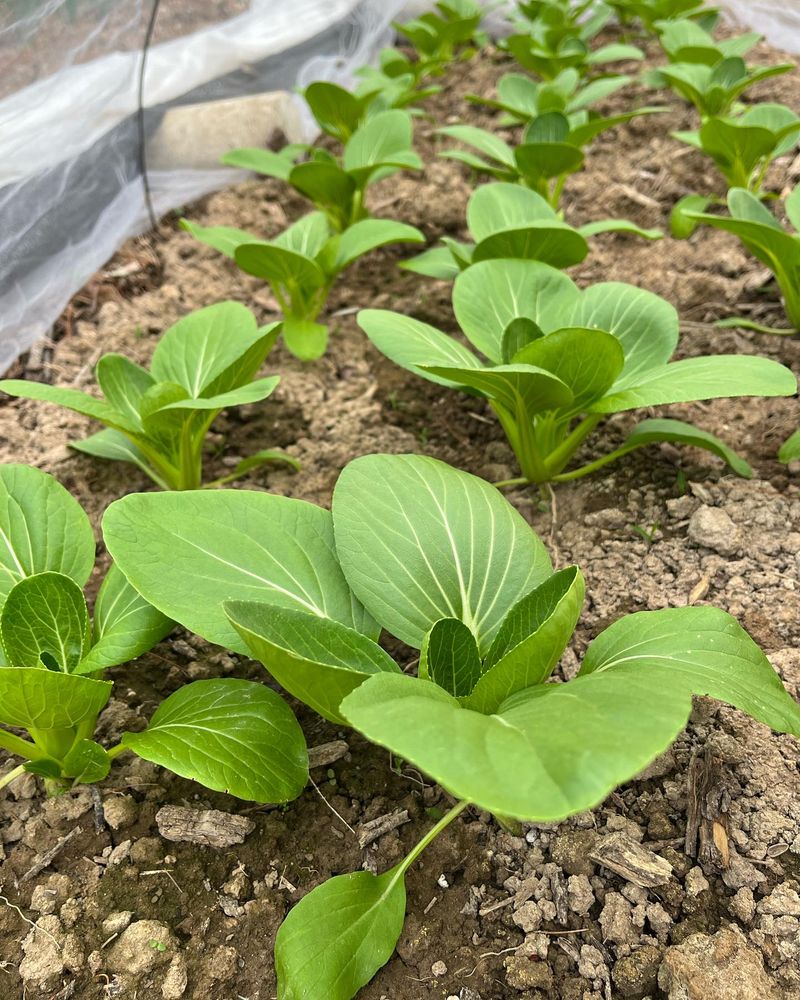
Small space, short season, big payoff. Bok choy checks all three boxes for fall gardeners who want something a little different.
Baby varieties can be ready in about 30 to 45 days, which makes them a smart late addition.
Plants stay compact, with crisp white or pale green stalks and smooth dark leaves. You can tuck them between slower crops like collards and harvest them long before space gets tight.
Warm weather tends to trigger flowering, so cooler weeks give bok choy its best chance.
Planting after the worst heat has passed helps keep plants from bolting early. In south Georgia, gardeners can often sow later into fall than folks farther north.
Space baby types about six inches apart and larger types closer to ten inches.
Keep the soil evenly moist, since dry spells can make the stalks tough or stringy. A light layer of mulch helps hold moisture without much extra effort.
Flea beetles and cabbage worms both like bok choy as much as we do.
Row covers placed right after planting can keep many of them away. Harvest whole heads by cutting at the base, or pick outer leaves for a longer harvest.
Quick stir-fries with garlic are a tasty way to use them.