The Virginia Yard Shrub That’s Quieter Than A Copperhead But Just As Risky To Handle
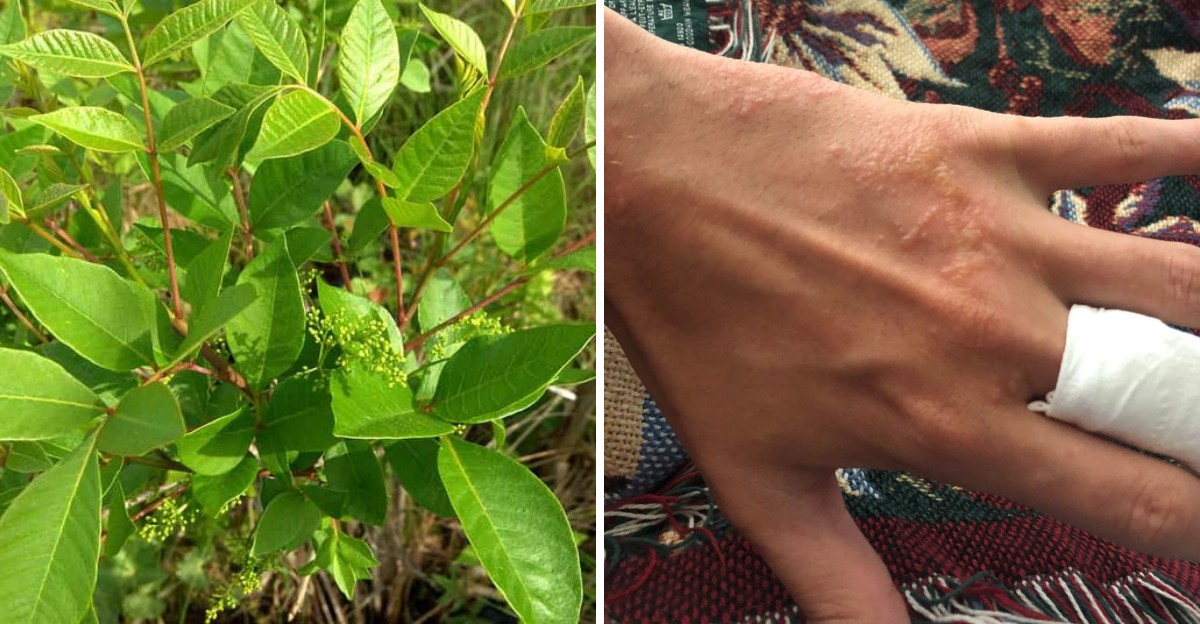
Copperheads get all the attention, but a silent Virginia shrub can leave you just as miserable. It doesn’t hiss, rattle, or strike, yet one brush against it can make your skin burn and blister for weeks.
It often grows along soggy creek banks, with pretty red stems and clusters of pale berries swaying in the breeze. Everything looks peaceful until the itching starts.
This plant loves the wet corners of yards, trails, and wooded edges. That habit lets it hide in plain sight, right where people least expect trouble.
Fall makes it even trickier, since its leaves turn a stunning orange and red. Plenty of people reach for a branch simply because it looks so beautiful.
The guide below explains where it grows, how to spot it, and what to do if you touch it by mistake. A few minutes of learning now can save you weeks of discomfort later.
Poison Sumac Is The Shrub To Know
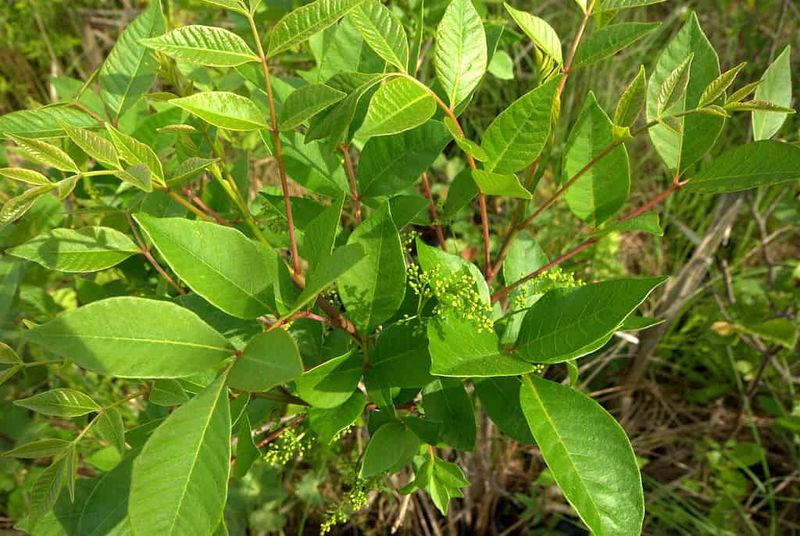
Picture a shrub that looks harmless enough to lean against during a nature walk. Poison sumac is that plant, and many Virginia folks walk past it without a second glance.
Scientists call it Toxicodendron vernix, and it belongs to the same family as poison ivy. Unlike its vine cousin, it grows upright as a woody shrub or small tree.
Most plants reach between five and twenty feet tall. Some older ones stretch even higher, looking more like a skinny tree than a bush.
Here is the tricky part for homeowners. It has no thorns, no strong smell, and no warning colors to scare you away.
Many experts say it is the most irritating of the poison plant trio. Poison ivy and poison oak are troublesome, but sumac often causes a stronger reaction.
Fun fact: the plant is native to the eastern United States. Birds eat its berries in winter and spread the seeds across marshes and yards.
Knowing its name is your first line of defense. Once you can picture it clearly, you will notice it in places you never expected.
Try this simple habit before yard work near damp areas. Scan the shrubs first, and look closely at anything with reddish stems and paired leaflets.
Teach older kids to recognize it, too. A quick lesson in the backyard can spare them a week of itchy, sleepless nights.
Good awareness does not mean fear. It just means you respect the plant and give it plenty of space.
Its Oil Triggers Severe, Blistering Rashes

Ask anyone who has tangled with poison sumac, and they will likely wince at the memory. The culprit is a sticky oil called urushiol, found in nearly every part of the plant.
Leaves, stems, roots, and berries all carry the oil. Only the pollen is free of it, which is small comfort for gardeners.
When urushiol touches skin, your body treats it like an intruder. The immune system reacts, causing redness, swelling, and intense itching.
Blisters often follow within a day or two. Some people see streaks or lines where a leaf brushed across their skin.
Your Virginia Garden Changes Every Week. Your Plan Should Too.
Gardening in Virginia changes quickly throughout the season. Every Friday you’ll receive a simple weekly plan showing exactly what to plant, prune, fertilize, harvest, and protect so you never miss the right timing.
Doctors call this reaction contact dermatitis. For many people, the rash can linger for two or three weeks.
Here is a surprising detail: the fluid inside blisters does not spread the rash. New spots usually appear because oil lingered on skin, clothing, or fingernails.
Resist the urge to scratch, even when it feels unbearable. Scratching can break the skin and invite a bacterial infection.
Cool compresses, oatmeal baths, and calamine lotion can calm the itch. Over-the-counter hydrocortisone cream may help with milder cases.
Call a doctor if the rash covers a large area or reaches your face. Swelling near the eyes or trouble breathing needs quick medical care.
Sensitivity can also change over time. Someone who felt fine once may react strongly after later contact, so caution pays off every time.
It Hides In Wet, Swampy Ground
Soggy boots are often the first clue you have wandered into poison sumac territory. Unlike many shrubs, it craves wet feet and acidic soil.
Bogs, marshes, and swamps are its favorite hangouts. Riverbanks and pond edges also make comfortable homes for this plant.
In Virginia, poison sumac is uncommon and sticks mostly to bogs and swampy wetlands. A soggy, acidic corner near that kind of habitat is the spot to check.
Sunlight matters, too. The shrub thrives in full sun or partial shade, so open wet areas suit it well.
You are less likely to find it on dry hillsides or upland woods. That preference helps you narrow your search when scouting a property.
Think about where water collects after a heavy storm. Those damp pockets deserve a closer look before you start clearing brush.
Hikers in the Great Dismal Swamp region should stay alert, too. Boardwalks help, but branches can reach over railings and brush your legs.
Wear long pants and tall rubber boots in wet areas. Tuck pant legs into socks for extra protection around ankles.
Kayakers and anglers face a sneaky risk as well. Reaching for a branch to steady a boat could mean a handful of oil.
Mark any known patches on your property with a flag or stake. Family members and lawn crews will thank you for the heads-up.
Look For 7 To 13 Smooth-Edged Leaflets
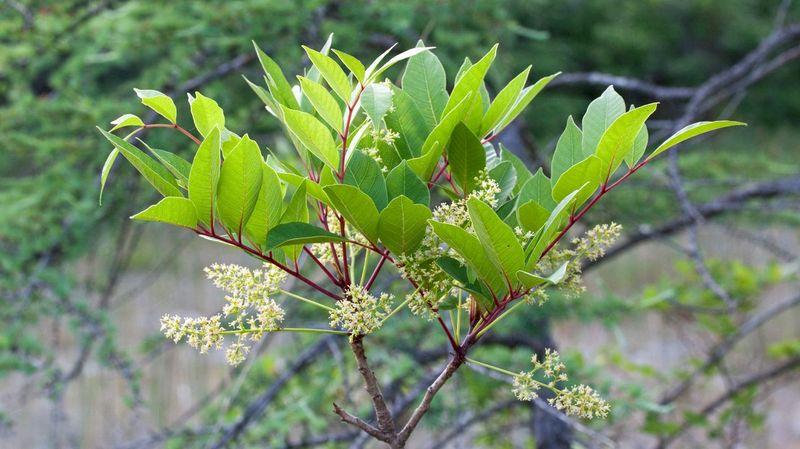
Counting leaves might feel like a school science project, but it truly works here. Poison sumac leaves are compound, with many leaflets forming one big leaf.
Each leaf usually holds seven to thirteen leaflets. They line up in pairs along a central stem, with one single leaflet at the tip.
The leaflets are oval with a pointed end. Their edges are smooth, without teeth or jagged notches.
That smooth edge is a big clue. Harmless sumacs, like staghorn and smooth sumac, often have toothed or saw-like edges.
Leaflets tend to be two to four inches long. The surface looks glossy or slightly shiny in bright summer light.
Here is a memory trick: smooth edges, stay away. It is short, simple, and easy for kids to remember.
Look at several leaves before deciding. One damaged leaf could fool you, but a group tells the true story.
Snap a phone photo from a safe distance. Plant ID apps or your local extension office can help confirm what you found.
Avoid touching the leaves to count them. Use a stick or simply lean in close with your eyes, not your fingers.
Once you train your eyes, spotting the pattern gets easier. Soon you may notice it while driving past wet roadside ditches.
Red Stems Are A Telltale Clue
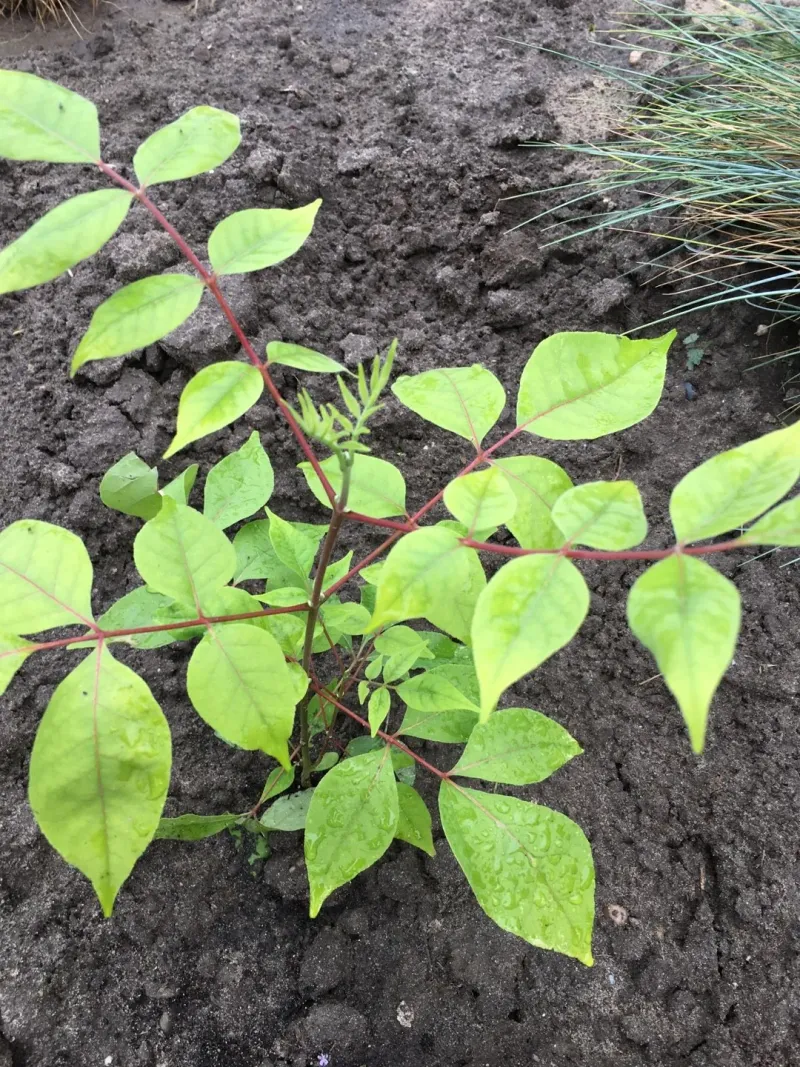
Bright red stems can look cheerful, like ribbons on a gift. On poison sumac, though, that color works more like a warning flag.
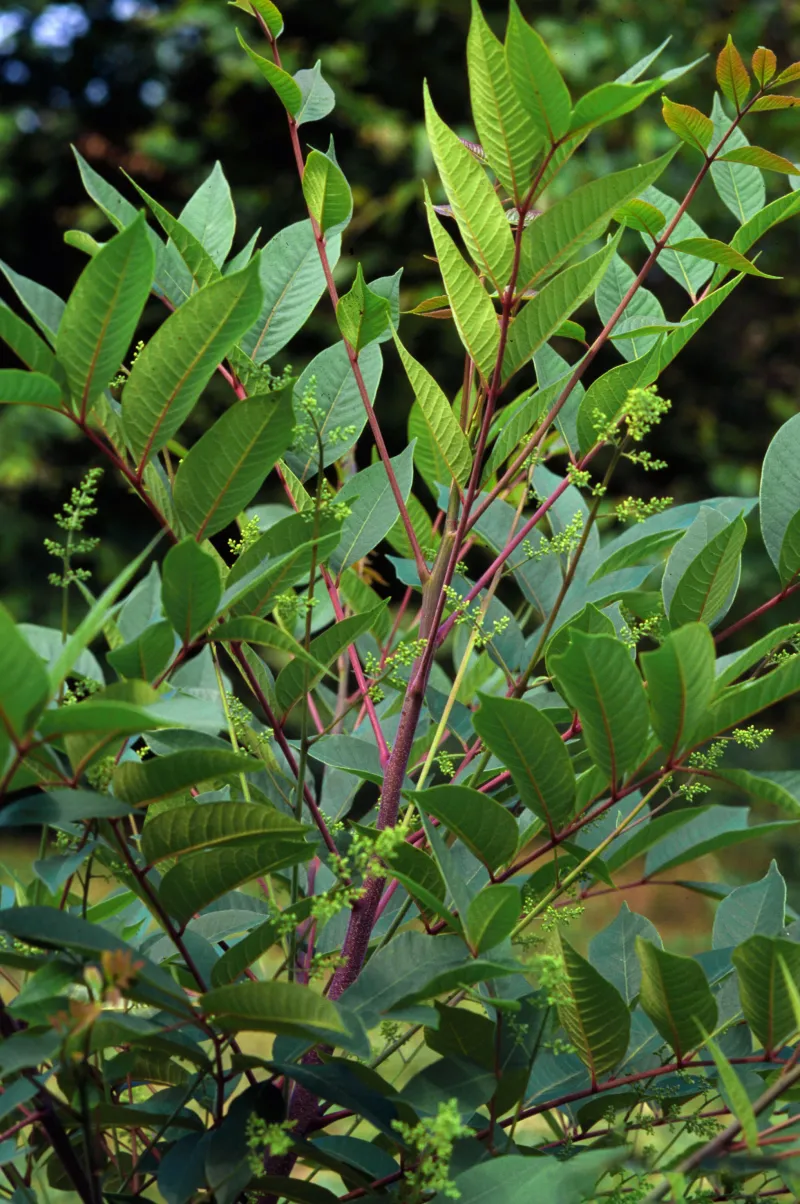
The central stem holding the leaflets is called the rachis. On this plant, it is often a vivid red, especially in spring.
Young shoots show the brightest color. Older branches may fade to a gray or brownish tone over time.
Harmless sumac relatives usually lack that bold red rachis. Some have fuzzy stems, while others show a winged green edge.
Pair the red stem clue with the smooth leaflets. Together, those two signs make identification much more reliable.
Did you know? Some Native American communities avoided the plant carefully, while using safe sumac species for drinks and dyes.
Early spring is a great time to scout. New red stems stand out clearly against fresh green growth around wetlands.
Take a slow walk along damp property lines. Look for flashes of red among the shrubs, then check leaf shape from a distance.
Remember that other plants have red stems, too. Dogwoods and some maples share this trait, so confirm with more than one clue.
If you feel unsure, treat the plant as risky. Guessing wrong on the cautious side costs nothing but a little patience.
Whitish Berries Hang In Loose, Drooping Clusters
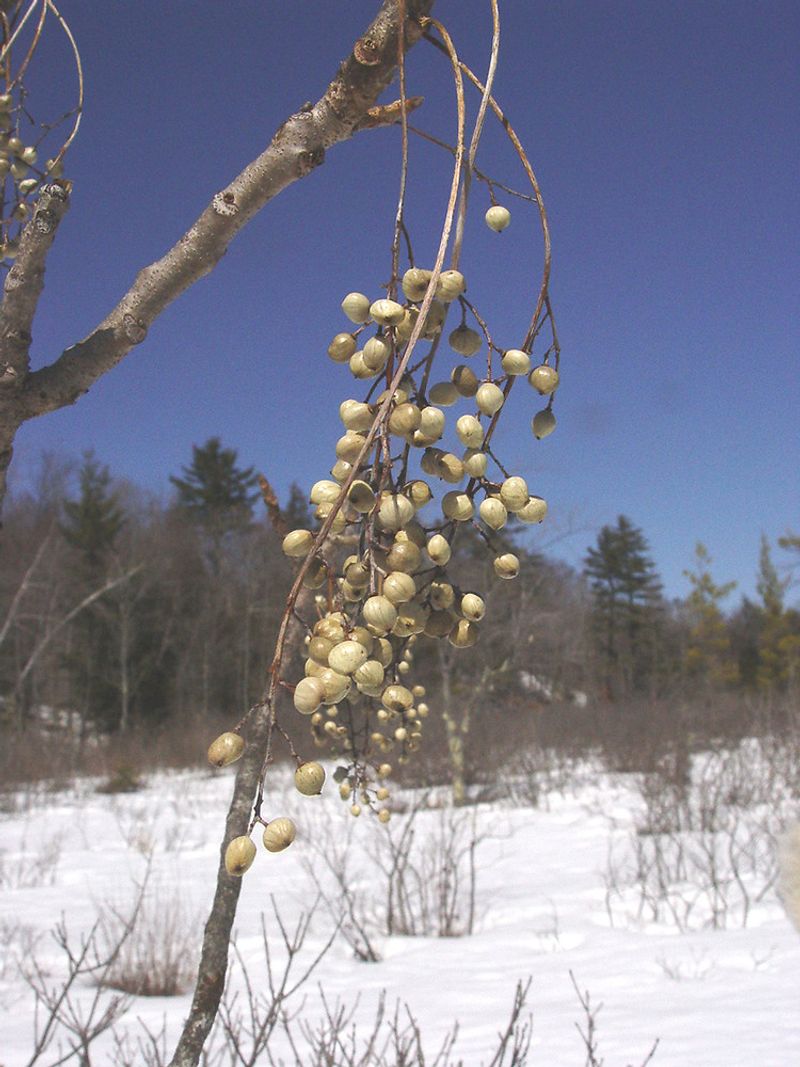
Berries give away plenty of secrets if you know what to watch for. Poison sumac produces small, round fruits that ripen to a pale yellow or whitish color.
These berries hang down in loose, drooping clusters. They dangle from where the leaves meet the branch.
Harmless sumacs look very different. Their berries are red and fuzzy, growing in upright, cone-shaped clusters at branch tips.
A simple rhyme helps here: red and up, you’re in luck. White and down, don’t hang around.
The berries often stay on through winter. After leaves drop, those pale clusters can be your best identification clue.
Birds love these fruits during cold months. Thrushes, bluebirds, and other species snack on them without any harm.
That means seeds get scattered widely. New plants can pop up near bird feeders or fence lines in wet spots.
Never collect these berries for crafts or wreaths. Holiday decorators sometimes grab them by mistake, thinking they look pretty.
Also keep curious toddlers away from the clusters. The oil is a serious hazard for sensitive young skin and mouths.
Check wreath materials before bringing them indoors. A quick look at berry color can prevent a surprise rash during the holidays.
Fall Color Makes It Deceptively Beautiful
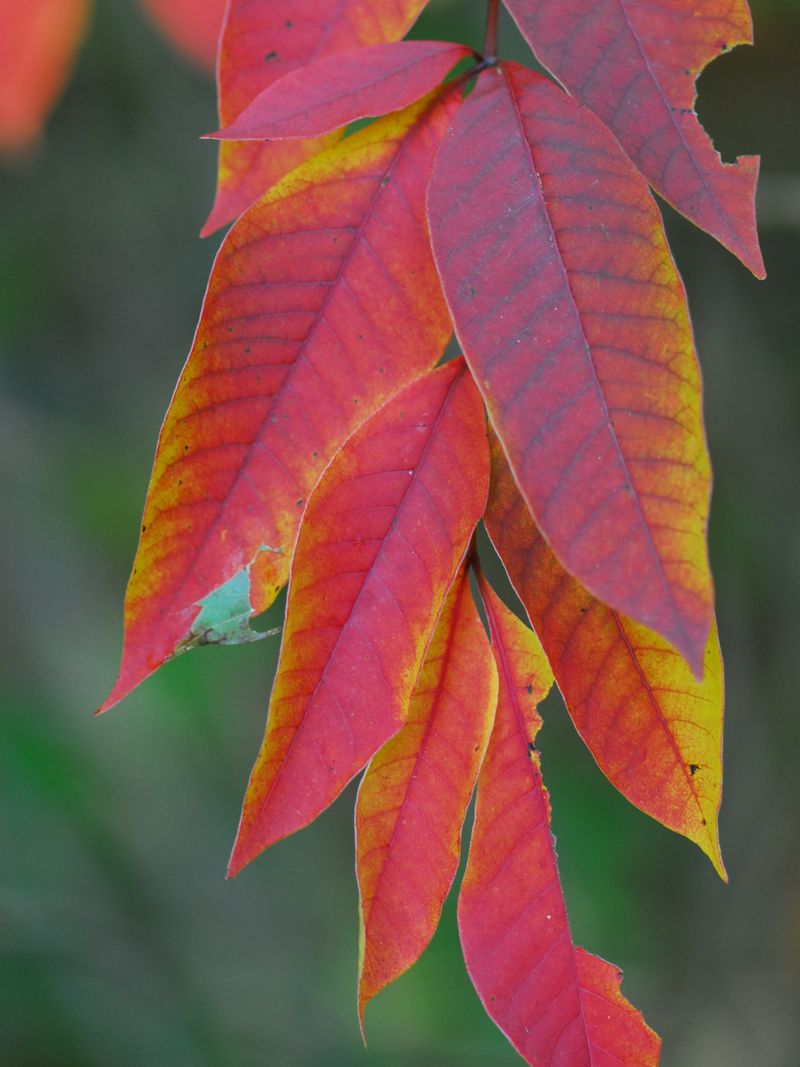
Autumn in Virginia paints the landscape in fiery shades, and poison sumac joins the show. Its leaves turn brilliant red, orange, and golden yellow.
Honestly, the plant looks stunning in October. Photographers and leaf lovers often stop to admire its glowing branches.
That beauty creates a real problem. People reach out to grab colorful branches for bouquets or table decorations.
Many rash cases happen during fall for this very reason. The plant feels less threatening when it looks like a postcard.
Remember that the oil stays active as leaves change. Even fallen, crispy leaves can still carry urushiol.
Raking wet areas deserves extra care this time of year. Wear gloves and long sleeves when clearing leaves near soggy spots.
Here is a smart habit for fall outings. Admire colorful shrubs with your eyes, and bring home photos instead of branches.
Teach children the same rule. Pretty leaves on trails are for looking, not collecting, unless an adult confirms they are safe.
Maples, sweetgums, and dogwoods offer safer fall color. Choose those for crafts and centerpieces instead.
Enjoy the season fully while staying alert. A little knowledge keeps your autumn memories warm and itch-free.
Burning It Can Send Oil Into Your Lungs
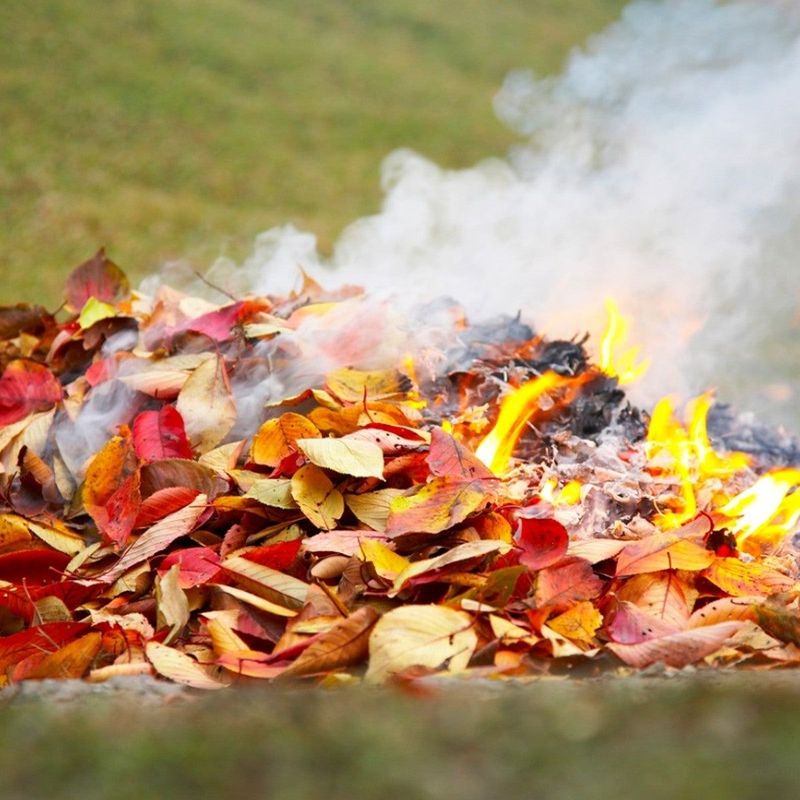
Tossing unwanted shrubs onto a brush pile and lighting a match seems easy. With poison sumac, that shortcut can turn dangerous fast.
Fire does not destroy urushiol right away. Instead, tiny oil particles ride along in the smoke.
Breathing that smoke can irritate your nose, throat, and lungs. Severe reactions may cause swelling and serious breathing trouble.
Firefighters know this risk well. Wildfire crews sometimes get hurt from smoke carrying urushiol from burning brush.
Skin and eyes suffer, too. Smoke can cause rashes on your face and neck, even without touching the plant.
Get emergency help if anyone struggles to breathe after smoke exposure. Wheezing or chest tightness needs quick attention.
So what should you do instead? Pull or cut the plants while wearing heavy gloves and long sleeves.
Bag the plant pieces in thick trash bags. Check local rules for yard waste disposal before setting them out.
Avoid composting the clippings. The oil can survive in the pile and spread when you use that compost later.
Large infestations may call for a professional. Many landscapers have safe methods and proper gear for the job.
Tools, Gloves, And Pets Can Carry The Oil
Your dog comes home from a romp in the creek, tail wagging and fur damp. Hours later, you have a rash and no idea why.
Pets do not usually react to urushiol because fur protects their skin. Still, the oil clings to their coats and transfers to you.
Tools hold oil, too. Pruners, shovels, and mower handles can stay contaminated for months or even years.
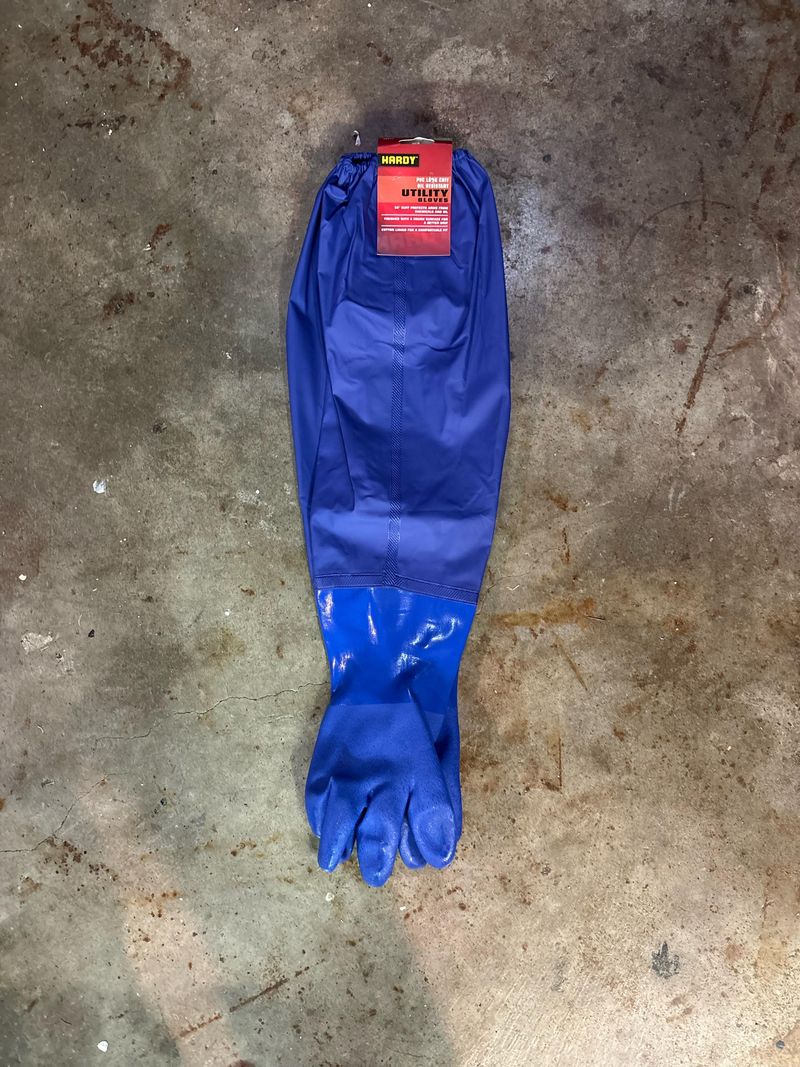
Gloves are another sneaky source. Cloth gloves soak up oil and pass it along each time you wear them.
Choose heavy vinyl or nitrile gloves for this job. Toss disposable pairs right after use.
Clean tools with rubbing alcohol or a degreasing dish soap. Wipe handles and blades carefully while wearing fresh gloves.
Bathe pets using a pet shampoo and plenty of water. Wear gloves yourself while scrubbing their fur.
Wash clothes separately in hot water with regular detergent. Shoes and boot laces need a good scrub as well.
Car seats and door handles can pick up oil, too. Wipe them down if you drove home in contaminated gear.
Many gardeners forget these hidden spots. A quick cleanup routine can stop repeat rashes that seem to come from nowhere.