Your Virginia Lavender Is Going Woody. These Steps Can Slow It Down
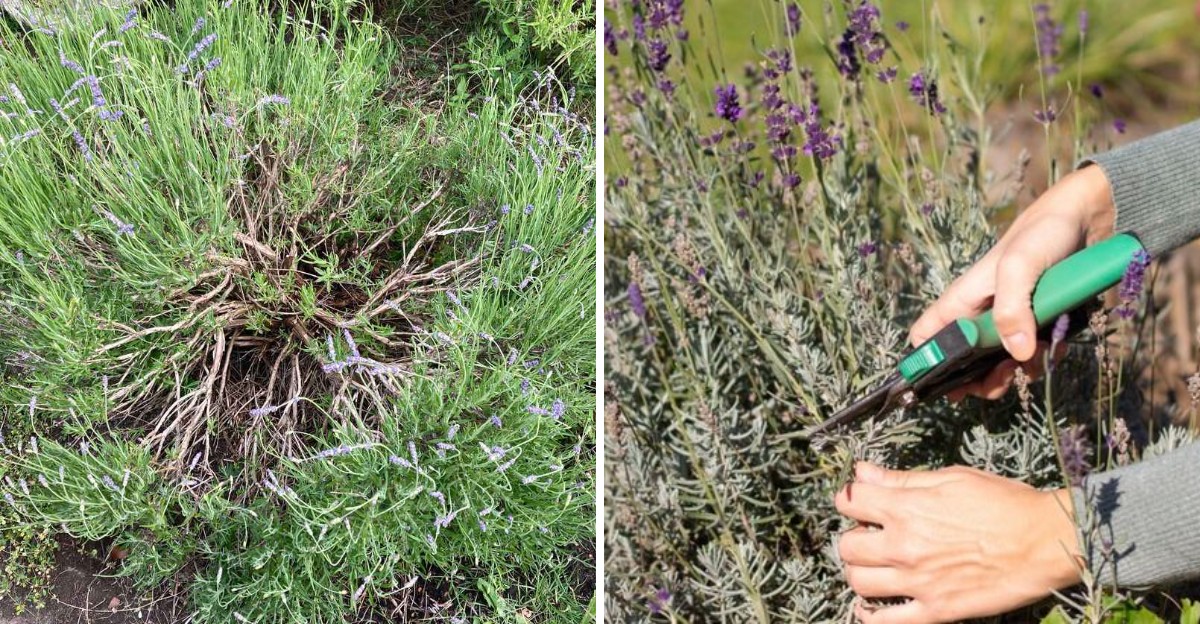
Your lavender used to look like a soft purple cloud. Now it resembles a pile of twigs with a few leaves on top.
Plenty of gardeners watch their fragrant shrubs turn brown and stiff at the base, with fewer blooms each summer. Woody lavender isn’t a sign you’ve failed, though.
It’s simply how this Mediterranean herb grows as it ages. How and when you prune, and where your plant sits, can speed things up or slow them down.
Humid summers and heavy clay soil across Virginia can make the problem worse than you’d expect. A few smart habits can keep plants fuller, greener, and more fragrant for years.
Some fixes are simple snips with your shears, while others mean rethinking the ground beneath your feet. Timing matters too, since the wrong cut at the wrong moment can backfire.
Lavender Naturally Gets Woody With Age
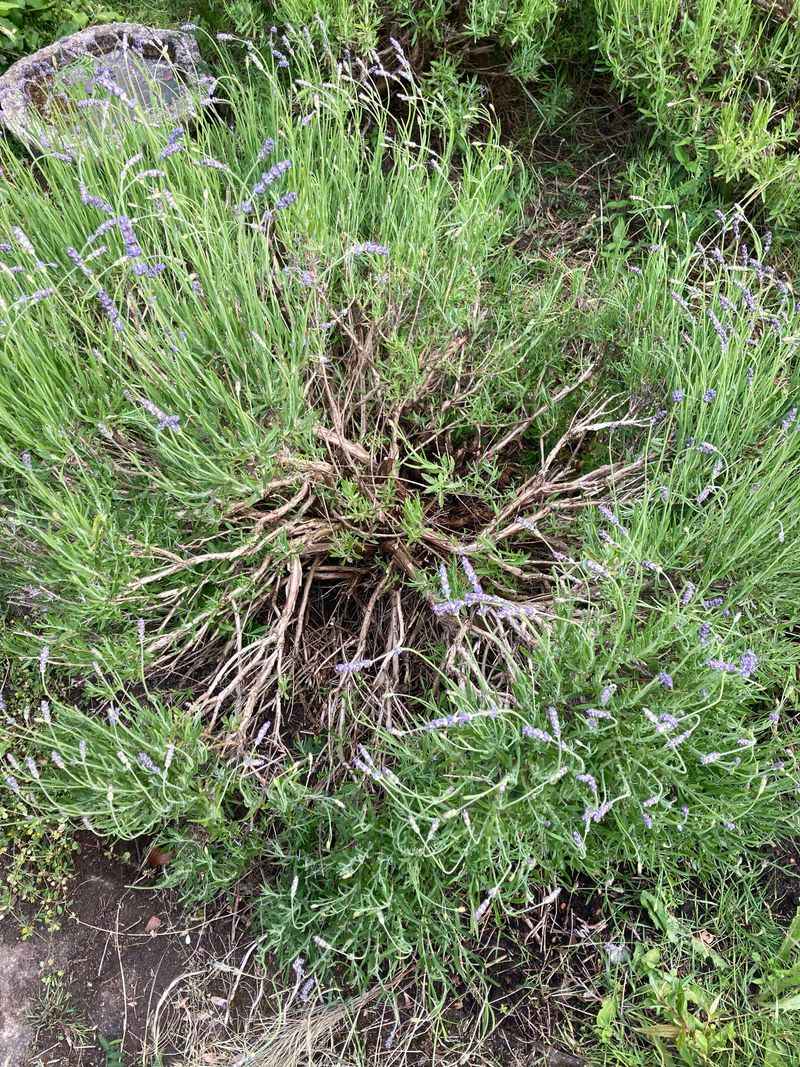
Picture a grandparent with gnarled hands still tending a garden. Old lavender looks a bit like that, with twisted brown stems below and soft green growth up top.
Lavender is a semi-woody shrub, not a soft perennial like hostas. Its lower stems slowly harden into bark as each year passes.
Woodiness by itself is normal and expected. The trouble starts when the woody part grows larger and the leafy part shrinks.
Older stems produce fewer new shoots over time. That means fewer flower spikes and more open, bare gaps in the center.
Virginia adds an extra twist to the story. Our hot, humid summers can wear lavender out faster than the dry hills of southern France.
Many local growers find their plants need replacing after five or six years. Plants in drier climates sometimes last much longer with good care.
Here is a fun fact worth sharing. The name lavender likely traces back to the Latin word lavare, meaning to wash.
Romans reportedly used it to scent their baths and laundry. People have loved this fragrant herb for thousands of years.
So how can you tell if your plant is aging too fast? Look for a split center, sprawling stems, and leaves only at the tips.
Spotting these signs early gives you time to act. The steps ahead will help you slow the woody creep and keep blooms coming.
Prune Every Year To Keep Plants Compact
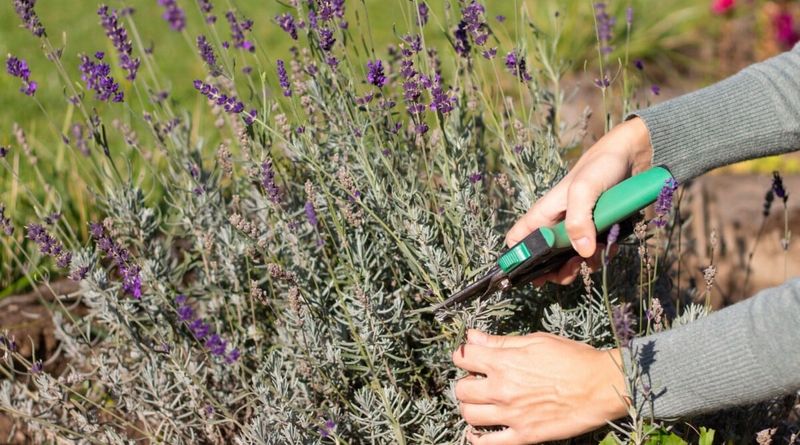
Skip one year of pruning and your lavender might forgive you. Skip three years, and you will likely see a floppy, leggy mess.
Yearly trimming is the single best habit for slowing woodiness. Each cut pushes the plant to send out fresh side shoots near the base.
Those new shoots fill in the shape and keep the plant dense. A dense plant also holds up better during heavy summer storms.
Think of pruning like a haircut that keeps things tidy. Regular trims prevent the shaggy, split look that unpruned plants develop.
Aim for a rounded mound, a bit like a soft dome. Rounded shapes shed rain better and resist splitting open in the middle.
Your Virginia Garden Changes Every Week. Your Plan Should Too.
Gardening in Virginia changes quickly throughout the season. Every Friday you’ll receive a simple weekly plan showing exactly what to plant, prune, fertilize, harvest, and protect so you never miss the right timing.
Many experienced growers trim about one third of the green growth each year. That amount encourages fullness without stressing the plant too much.
Sharp, clean tools make the job faster and healthier. Dull blades crush stems and can invite disease into fresh wounds.
Wipe your shears with rubbing alcohol between plants. It takes seconds and helps stop fungal problems from spreading through your bed.
Start pruning young plants during their very first year. Early shaping trains them into compact forms before woody stems take over.
Gardeners who stay consistent often enjoy bushier plants with far more flowers. Put a reminder on your calendar so this task does not slip away.
Never Cut Into Bare, Leafless Wood
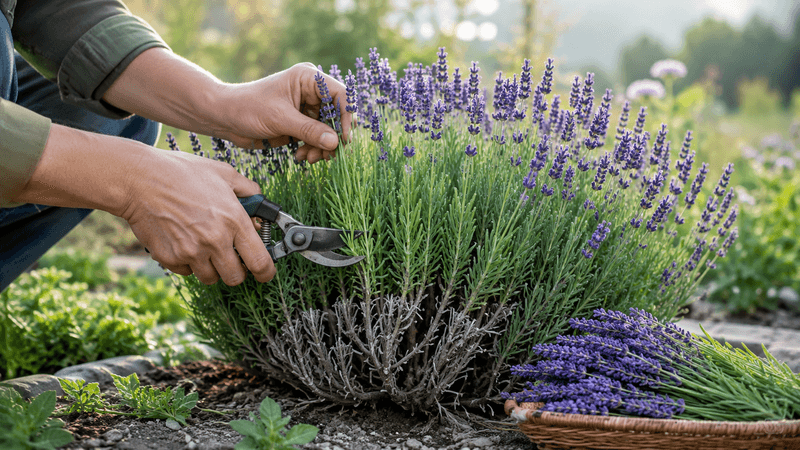
Here is the golden rule of lavender care, and it deserves a spot on your garden shed wall. Stay above the green when you cut.
Lavender struggles to sprout new growth from old, bare wood. Cut below the leafy section, and that stem may simply stay brown.
Many gardeners learn this lesson the hard way. They prune hard hoping for a fresh start and end up with sticks.
Lavandula x intermedia types, often called lavandin, are especially stubborn about this. Popular picks like Grosso and Provence rarely regrow from bare stems.
Before each cut, look closely at the stem. Find a spot with at least a few sets of green leaves or tiny buds below.
Leave about one to two inches of green growth on each stem. Those leaves act as tiny engines for new shoots.
What if your plant is already mostly woody? Try cutting back a little at a time over several seasons instead of all at once.
Patience pays off with this approach. Small, careful cuts can coax new growth without shocking the plant.
A handy trick is to gently bend a stem before cutting. Green stems feel flexible, while old wood feels stiff and brittle.
Taking an extra minute to check can save your whole plant. Slow and careful beats fast and sorry every single time.
Do Main Pruning In Spring
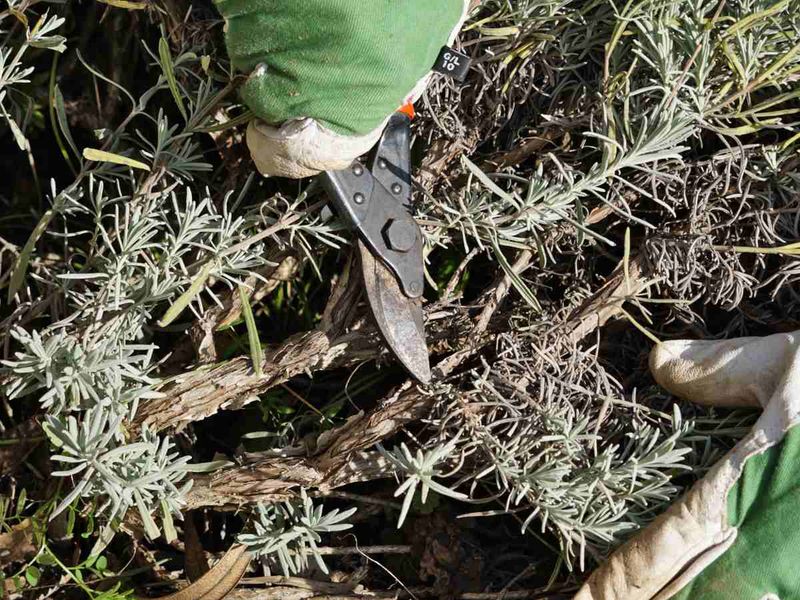
Spring in Virginia brings dogwood blossoms, pollen everywhere, and the perfect moment to grab your pruners. Lavender is ready for its main trim right then.
Watch for fresh, silvery green shoots along the stems. That new growth signals the plant has woken up from winter rest.
In much of the state, this happens from late March to mid April. Mountain gardens may run a few weeks later than coastal ones.
Pruning at this stage gives the plant a full season to bounce back. Energy flows right into new leaves and future flower buds.
Spring trimming also lets you clean up winter damage. Cold snaps can brown some tips, and those spots are easy to spot now.
Cut away the damaged parts first, then shape the rest. Remember to keep plenty of green leaves on every stem.
Wait until hard frosts are mostly behind you. Fresh cuts followed by a sudden freeze can harm tender new growth.
Some gardeners prefer pruning in late summer after flowering instead. That works too, as long as plants have weeks to harden before winter.
Avoid heavy pruning in late fall, though. Tender shoots that sprout then often get zapped by the first cold nights.
Keep a simple garden journal noting your pruning dates. Over a few years, you will learn exactly what timing suits your yard best.
Light Shaping After Bloom Helps Too
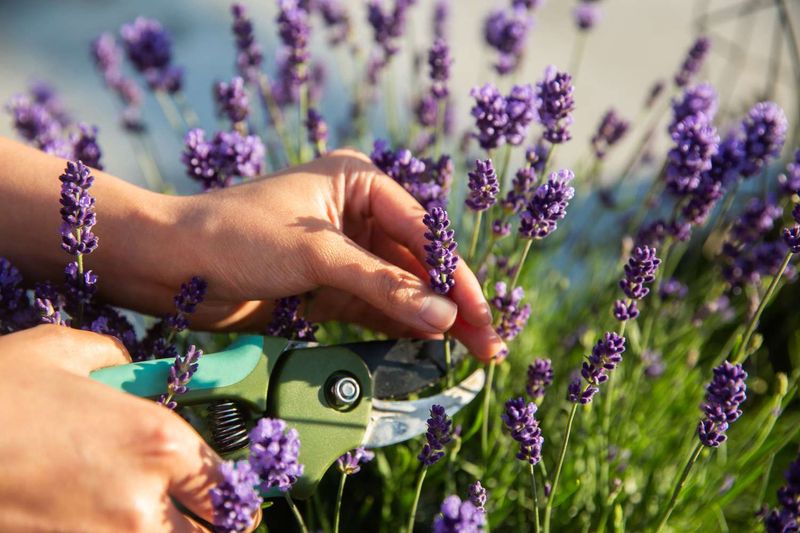
Once the bees finish their summer feast, your lavender deserves a little grooming. A quick post-bloom trim keeps the plant looking neat and full.
Faded flower spikes do not add much once their color fades. Snipping them off redirects energy back into healthy leaves.
A simple method works well for most gardeners. Grab a handful of stems and cut them back by about half their length.
Bonus perk, you get a bundle of fragrant stems to enjoy. Hang them upside down in a dry spot to make sachets or wreaths.
Some varieties, like Hidcote and Munstead, may even rebloom after this trim. A second, smaller flush of flowers is a sweet late-summer treat.
Throughout the season, you can also pinch soft tips. Pinching encourages extra branching and makes the plant bushier.
Keep these summer cuts light and gentle. Heavy pruning belongs to spring, not the heat of July or August.
As with every trim, avoid the brown woody parts. Stick to the soft green growth near the top.
Try to finish this shaping by late August. Later trims may spark tender growth that struggles when cold weather arrives.
Choose a dry morning for this task. Wet foliage and fresh cuts can invite fungus during our sticky, humid summers.
Heavy Clay And Wet Soil Speed Decline
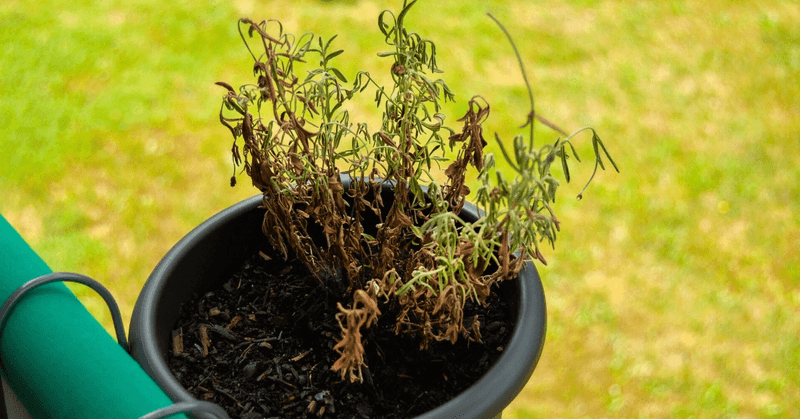
Lavender hails from rocky Mediterranean hillsides where rain drains away quickly. Now picture it sitting in sticky Virginia red clay after a week of storms.
That mismatch causes a lot of trouble. Wet roots weaken the plant and can lead to root rot.
Gardeners often call this problem wet feet. Roots sitting in soggy soil cannot breathe properly and begin to fail.
A weak plant puts out fewer new shoots each year. As a result, woody stems take over faster and blooms fade sooner.
Watch for warning signs like yellow lower leaves or gray, wilting stems. Sometimes whole branches collapse even when the soil feels damp.
Try a simple drainage test before planting. Dig a hole a foot deep, fill it with water, and time how long it drains.
If water still sits there after several hours, your soil needs help. Lavender prefers ground that empties within an hour or so.
Mixing in coarse sand, pea gravel, or small crushed stone can loosen clay. Skip heavy compost, since rich soil holds extra moisture.
Go easy on watering once plants are established. Mature lavender often needs extra water only during long dry spells.
Also skip thick wood mulch around the base. It traps humidity and dampness right where lavender dislikes it most.
Raised Beds Improve Drainage In Virginia
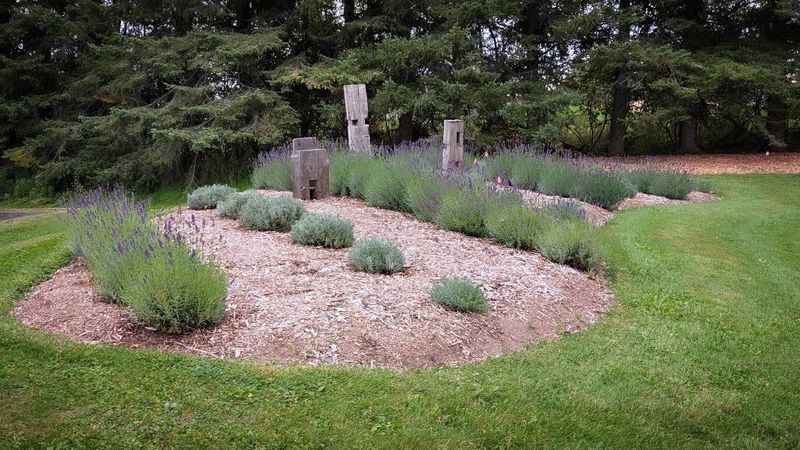
Ask a few seasoned Virginia lavender growers for their secret, and many will point to raised beds. Lifting plants above the native soil changes everything.
Raised beds let extra water drain away quickly. Roots stay drier, even after a soaking summer thunderstorm.
A bed height of 8 to 12 inches works well for most yards. Taller beds can help even more on very heavy clay.
Fill your bed with a gritty, fast-draining mix. Many growers blend garden soil with coarse sand and small gravel.
Not ready to build a wooden frame? Simple mounded rows or berms also lift roots above soggy ground.
Gravel mulch is another handy trick for humid areas. A light layer of pea gravel reflects heat and keeps the plant crown drier.
Some lavender farms use white gravel or crushed oyster shells. These materials brighten the area and help airflow around the leaves.
Spacing matters too in sticky summers. Leave about two to three feet between plants so breezes can move through.
Good airflow helps foliage dry quickly after rain or dew. Drier leaves mean fewer fungal problems and healthier stems.
Pick the sunniest spot you have, with at least six to eight hours of light. Sun plus drainage gives lavender its best shot at a long life.
Replace Very Old Plants With Fresh Cuttings
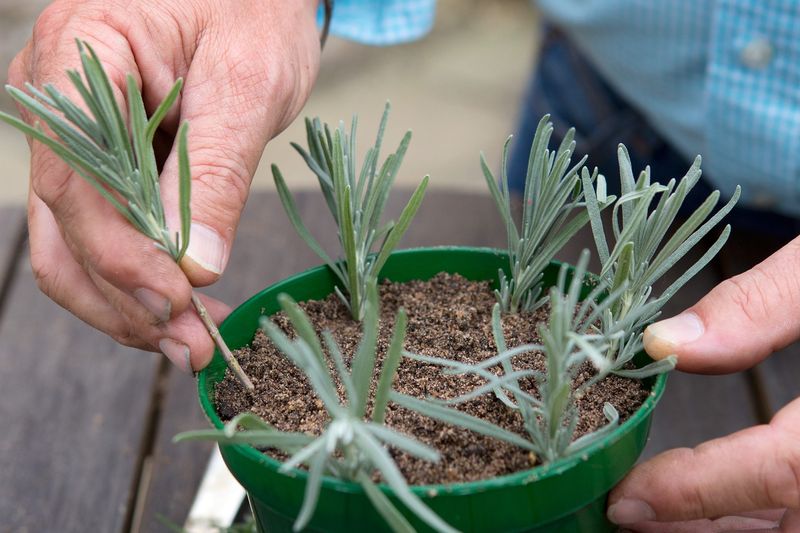
Every lavender plant eventually reaches retirement age. Instead of mourning, you can clone your favorite and start fresh for free.
Lifespans vary quite a bit by type. English lavender may last 10 to 15 years in ideal spots, while others average 3 to 7.
In humid Virginia, five or six good years is fairly common. When a plant becomes mostly wood with few blooms, it is time to plan ahead.
Taking cuttings is easier than many people think. Snip 3 to 4 inch pieces of soft, non-flowering green growth in late spring or early summer.
Strip the lower leaves and dip the ends in rooting hormone if you have it. Then tuck them into a gritty mix of potting soil and perlite.
Keep the cuttings lightly moist, not soggy. Place them in bright, indirect light while roots develop.
Roots usually form within three to six weeks. A gentle tug that meets resistance means your new plants are ready to grow on.
Move them into bigger pots before planting outdoors. Fall or spring planting gives young roots time to settle in.
Here is a sweet bonus of this method. Your new plants share the exact color and scent of the parent you already love.
Start a few extra cuttings each year as backups. That way, your garden stays fragrant and purple long after the original plant fades.