What To Do If A Bat Ends Up Inside A Georgia Home This Fall
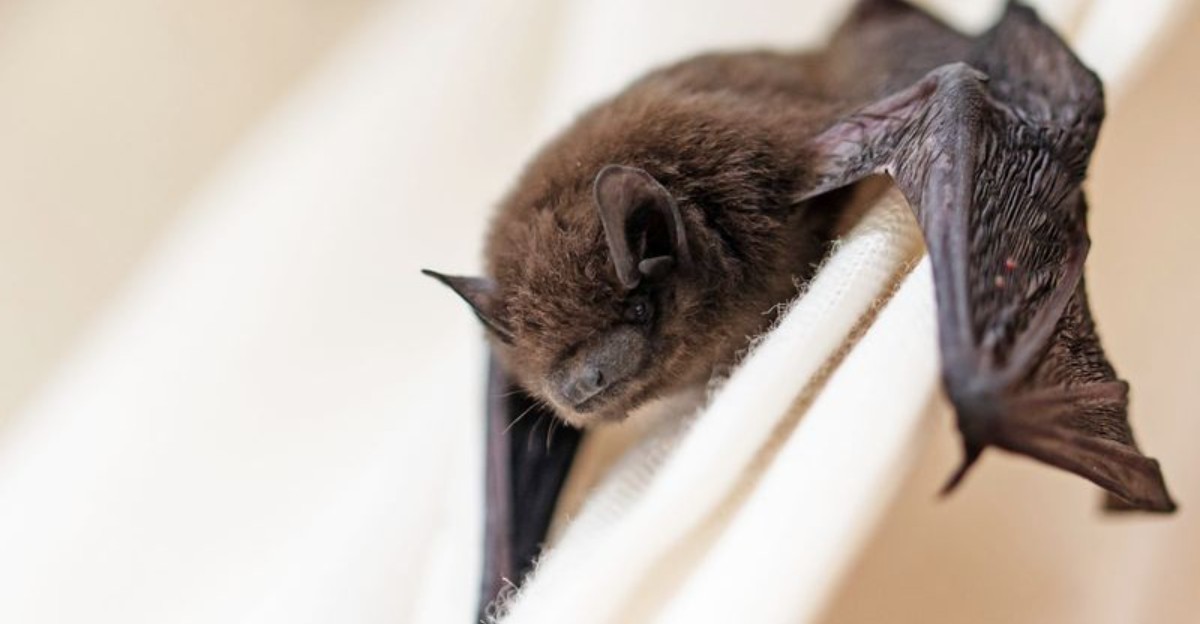
A bat circling your living room can turn a quiet evening into a stressful situation before you know what to do.
The first instinct may be to chase it toward a door, but rushing around can make things harder. Give yourself room to respond calmly instead.
Bats occasionally enter Georgia homes through small openings, especially when moving between seasonal roosts or searching for shelter.
What happens next depends on where the bat is and whether anyone may have had direct contact. That distinction matters before you try getting it outside.
Keep children and pets away while you figure out the safest next move.
With the room under control, you can focus on handling the situation without creating extra confusion. A careful response also protects both your household and the bat.
1. Close Interior Doors And Keep The Bat In One Room
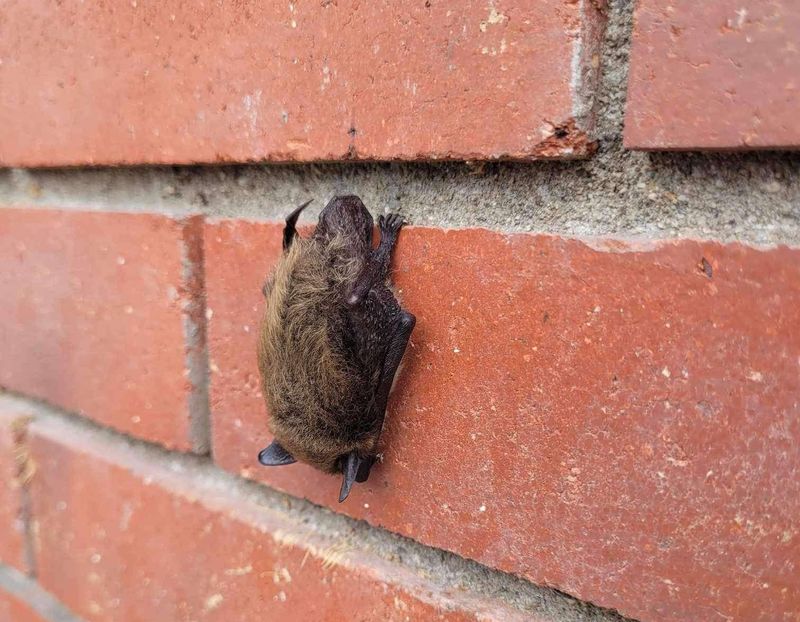
Panic spreads a bat around the house faster than anything else. If the bat is still flying, your first job is to shrink its world down to a single room.
Quietly step out and shut the door behind you, then close any other interior doors nearby.
Keeping it contained makes the next steps much easier. A bat loose in one bedroom is a simple problem, while a bat hiding somewhere in a whole house is a frustrating one.
Before you shut that door, take a quick look to be sure no children or pets are still inside.
Dogs and cats tend to chase moving things, and a curious pet could get scratched or bitten. Bring them to another room and keep them there until the bat is gone.
Stuffing a towel along the gap under the door can help, since bats can squeeze through surprisingly narrow spaces.
Older Georgia homes sometimes have loose door frames or drafty gaps, so take a second to look around the edges. A rolled blanket or draft stopper works just as well as a towel.
Once the room is sealed off, give yourself a moment to breathe.
A contained bat is usually not in a hurry to go anywhere, and you now have time to think through a calm exit plan. Rushing back in with a broom usually makes the bat fly more erratically.
2. Give It A Clear Exit Through An Exterior Door Or Window
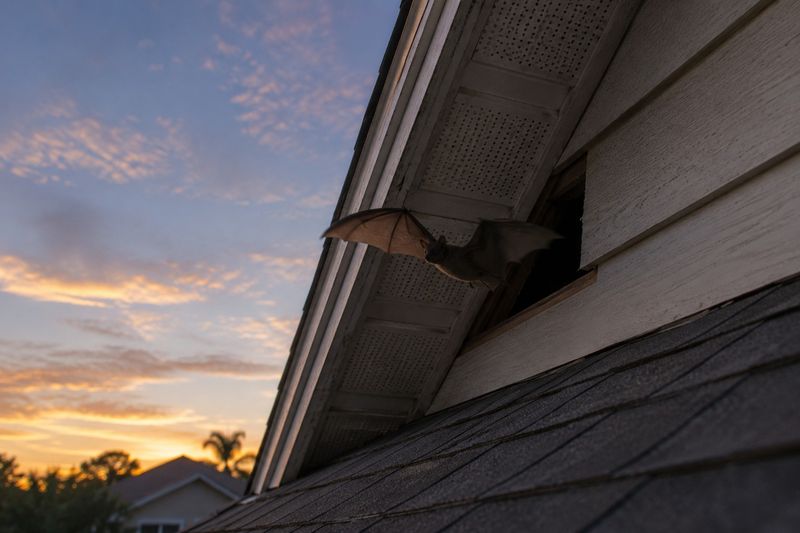
Open the right window, and a bat can often find its own way home. Bats navigate using echolocation, and they tend to notice the flow of fresh outdoor air.
Pick a window or exterior door in the room where the bat is contained, and open it as wide as you can.
Screens matter more than people expect. Removing the screen gives the bat a real opening instead of a mesh wall it cannot pass through.
After that, step out of the room and close the interior door again.
Standing in the middle of the room waving your arms tends to confuse the bat. Giving it space and quiet usually works better than trying to guide it out.
Your Georgia Garden Changes Every Week. Your Plan Should Too.
Gardening in Georgia changes quickly throughout the season. Every Friday you’ll receive a simple weekly plan showing exactly what to plant, prune, fertilize, harvest, and protect so you never miss the right timing.
Check back after twenty to thirty minutes, though timing can vary from bat to bat.
Some fly out within minutes, while others land on a curtain or high wall and rest a while first. Georgia fall evenings are often mild, which makes leaving a window open for a bit fairly comfortable.
If the bat lands and will not move, a small box and a piece of cardboard can help once you have thick gloves on.
Gently cover it with the box, slide the cardboard underneath, and release it outdoors near a tree trunk or wall. Avoid this step if there is any chance of contact, which changes the plan entirely.
3. Never Try To Grab A Bat With Bare Hands
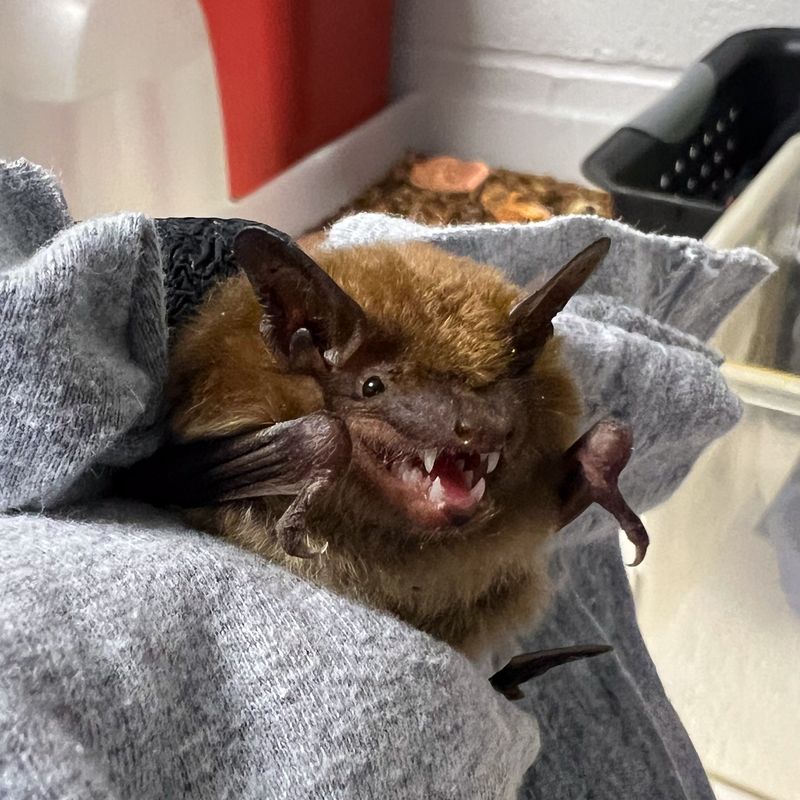
Bare skin and bats are a bad mix, no matter how small or sleepy the bat looks.
Bat teeth are tiny and sharp, and a bite or scratch can be so small that you might not notice it at all. That is a real concern, because rabies is a serious illness that spreads through bites and saliva.
Thin garden gloves, dish gloves, or a folded paper towel will not offer enough protection. Even a frightened bat that seems calm can twist around and nip through soft material.
Picking up a bat on the floor during the day may feel like a kind thing to do.
Still, a bat that is grounded or easy to approach may be sick, and those are exactly the bats most likely to carry disease. Keep children away and remind them that wild animals are for looking at, not touching.
Across Georgia, rabies is found in wildlife such as raccoons, foxes, and bats, so caution makes sense.
If the bat cannot be contained without direct handling, close the room and call a wildlife removal service or local animal control.
4. Possible Contact Changes What You Should Do Next
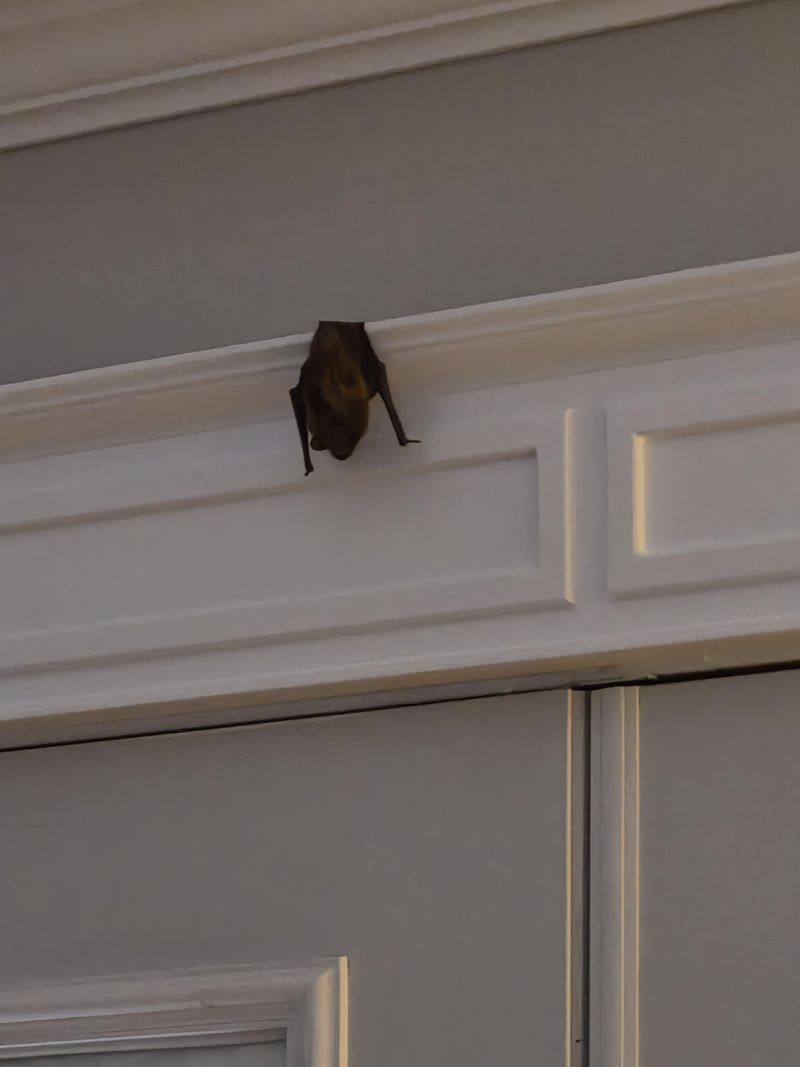
Here is the part people skip, and it matters most. If there is any chance someone touched the bat or was bitten, do not simply let it fly away.
Health officials generally want the bat safely captured so it can be tested for rabies.
Possible contact covers more than an obvious bite. A bat found in a room with a sleeping person, a young child, or someone who cannot reliably say what happened may count as an exposure.
Wash any bite or scratch right away with soap and plenty of water.
After that, call your doctor and your county health department, since Georgia handles rabies guidance through local public health offices. They can tell you whether testing or preventive shots are recommended.
Keep the bat contained, using gloves and a container only if it can be done safely.
Avoid crushing or damaging the bat, because testing requires the brain to be intact. If you cannot capture it safely, call animal control instead of taking risks.
Pets need attention too.
If a dog or cat may have tangled with the bat, contact your veterinarian, even if the pet is vaccinated. Rabies treatment for people works well when started promptly, so a quick phone call is far better than waiting and wondering.
5. Turn Off Indoor Lights While Leaving The Exit Clear
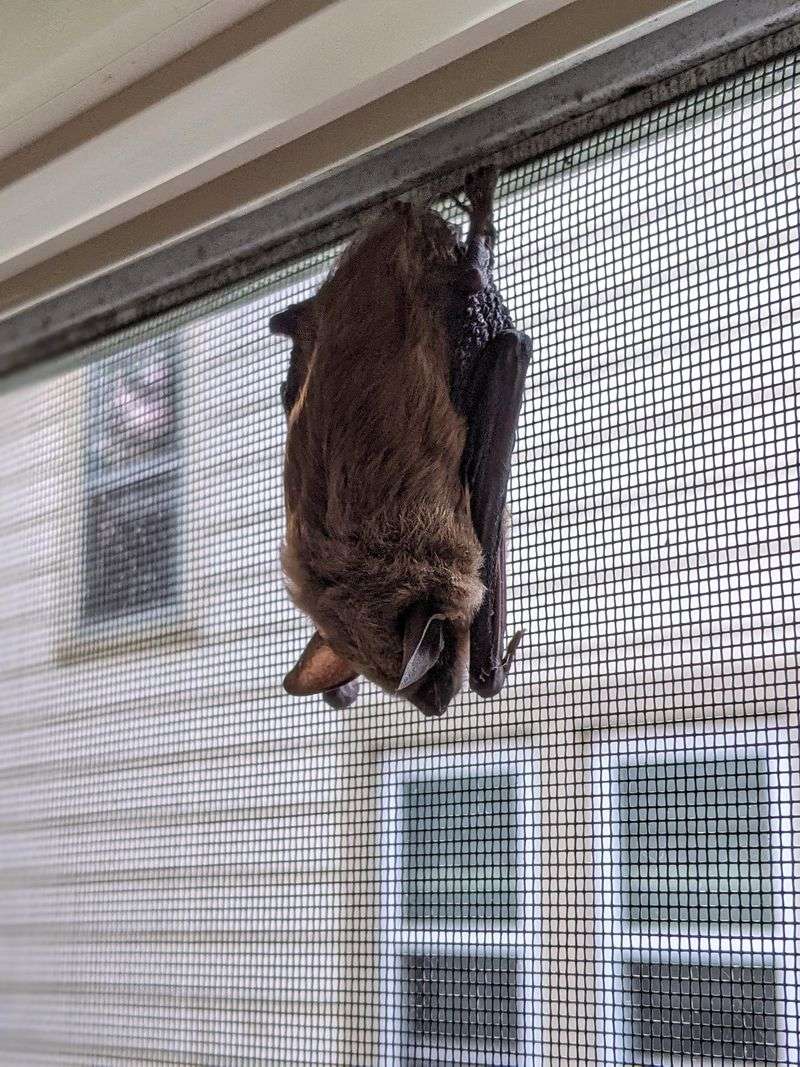
Darkness inside and open sky outside can make the exit easier to find. Bats are active at night and are comfortable moving in low light.
Switch off the lamps and overhead lights in the room once the window or door is open.
Some people find the outdoors looks slightly brighter than the room when the indoor lights are off. That difference may help the bat notice the opening, though results vary depending on streetlights and moonlight.
Keep the exit path free of clutter like tall coat racks, hanging plants, or a ceiling fan that is running.
Turning off ceiling fans is a smart move, because spinning blades can injure a bat flying in tight circles. Pull curtains to the side so they do not block the opening or give the bat a spot to cling.
Porch lights near the exit are worth a second thought.
Bright outdoor bulbs attract moths and other insects, and some bats feed near those lights. In many Georgia neighborhoods, fall evenings still bring plenty of bugs buzzing around porches.
Watching quietly from a doorway with a small flashlight pointed at the floor is fine.
Just avoid shining the beam directly at the bat, which may make it land and hide instead of leaving.
6. Repeated Indoor Visitors Can Point To An Entry Gap
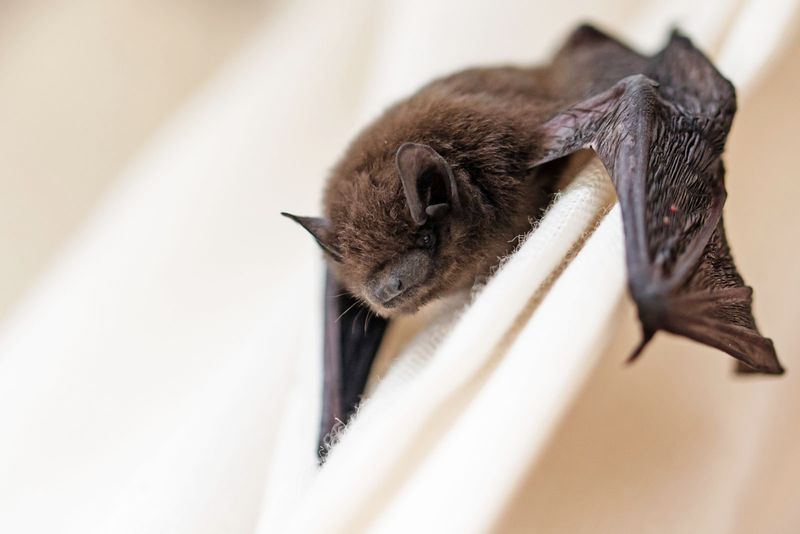
One bat might be bad luck. Two or three in a single season usually means something about the house is letting them in.
Bats can slip through openings roughly the width of your thumb, so small gaps are easy to miss.
Start by walking around the outside of your home at dusk and watching the roofline. If bats are coming and going from a particular spot, you have likely found the entry.
Common trouble spots include loose soffits, gaps around chimneys, attic vents with torn screens, and spaces where siding meets the roof.
Inside, check for gaps around attic doors, recessed lights, and plumbing or wiring openings. Small dark droppings that crumble easily can also hint that bats have been using a space.
Humid Georgia weather can soften wood trim over time, which sometimes opens new gaps that were not there before.
Fixing these spots may seem simple, but timing and method matter a great deal. Sealing an opening while bats are still inside can trap them in the walls or push them deeper into living spaces.
A licensed wildlife control operator can help confirm whether bats are roosting and suggest the right approach.
Ask whether they use one-way exclusion devices, which let bats leave but not return.
7. Fall Is A Better Time To Address An Established Roost
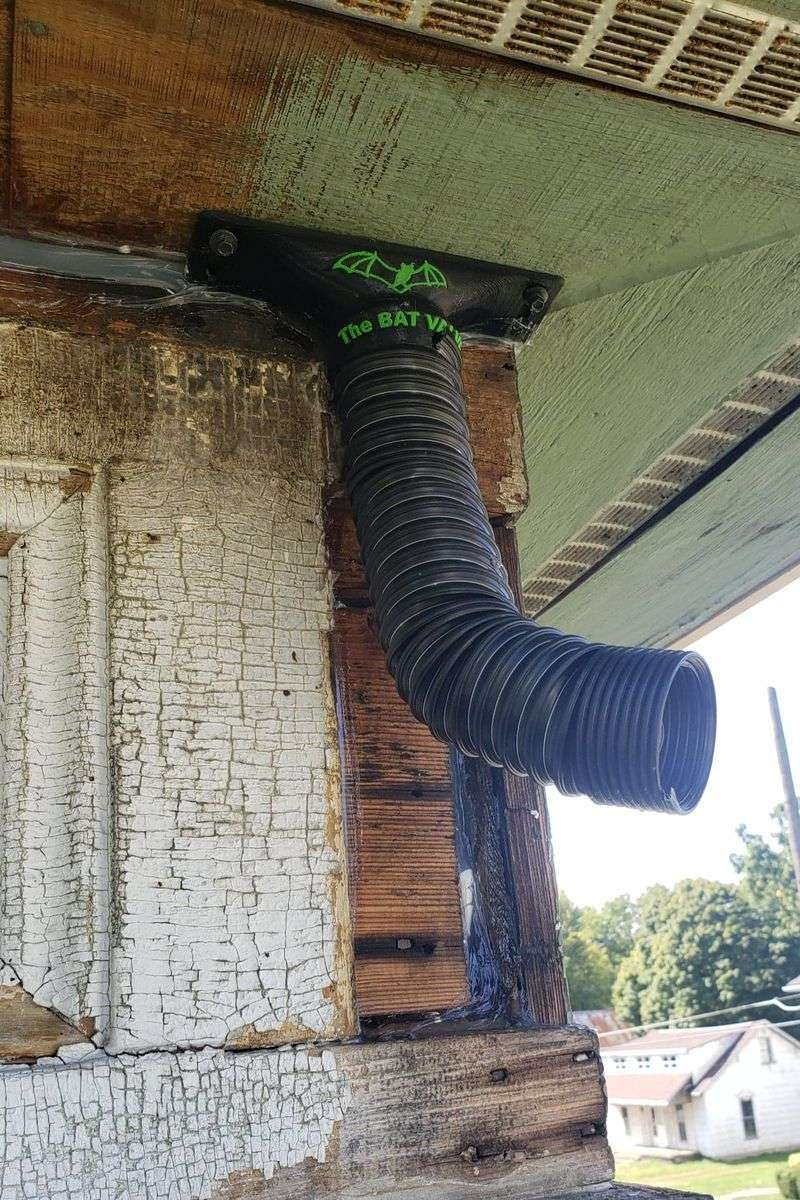
Timing can make or break a bat exclusion project. Summer is pup season, when young bats often cannot fly yet and depend on their mothers in the roost.
Excluding bats during that window can leave flightless pups stranded inside your attic or walls.
By early fall, most young bats are flying on their own. That shift is why many wildlife experts recommend late summer into fall as a more suitable time for exclusion work.
Exact timing can vary by species, local weather, and where you live in Georgia, so ask a professional before scheduling anything.
Wildlife agencies and bat groups commonly suggest avoiding exclusion from late spring through mid-summer. Cold snaps later in the season can also affect how active bats are, which may push work to a warmer stretch.
Once the bats have left through one-way devices, permanent sealing comes next.
Caulk, mesh, and repaired trim close the openings so the colony is less likely to return. Leaving the devices up for several nights helps make sure stragglers have a chance to exit.
Cleaning up droppings is worth doing carefully.
Wear a quality mask and gloves, or hire a cleanup service, since old guano can stir up dust. Taking these steps in fall can leave your home better protected before next spring arrives.