The Simple October Trick That Gives Florida Camellias Bigger Blooms
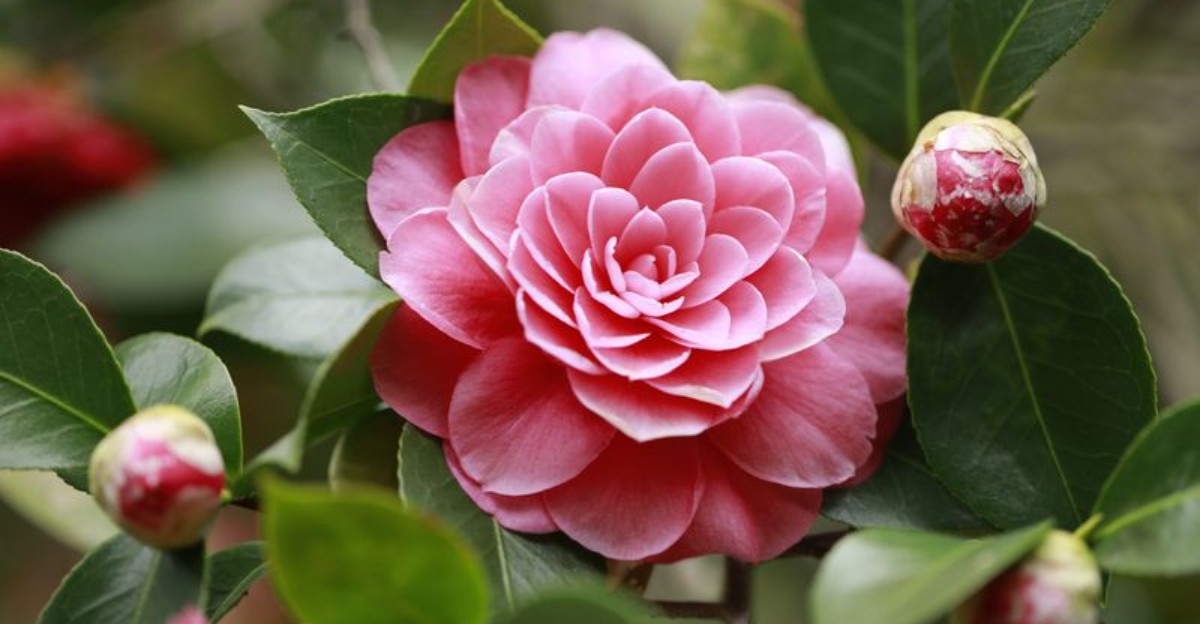
Bigger camellia blooms don’t come from fertilizer, fancy sprays, or luck. They come from a small decision you make in October.
Florida gardeners spend months fussing over their camellias, then wonder why the flowers still come out average. The plant has already set its buds by now, which means the real work is happening on a timeline most people never learn.
One quick trick tips the scale. It takes minutes, costs next to nothing, and sounds almost too simple to matter.
Try it this month, while the buds are still forming. Wait until they open, and you’ve missed your only shot at bigger flowers.
1. Camellias Set More Buds Than They Can Open
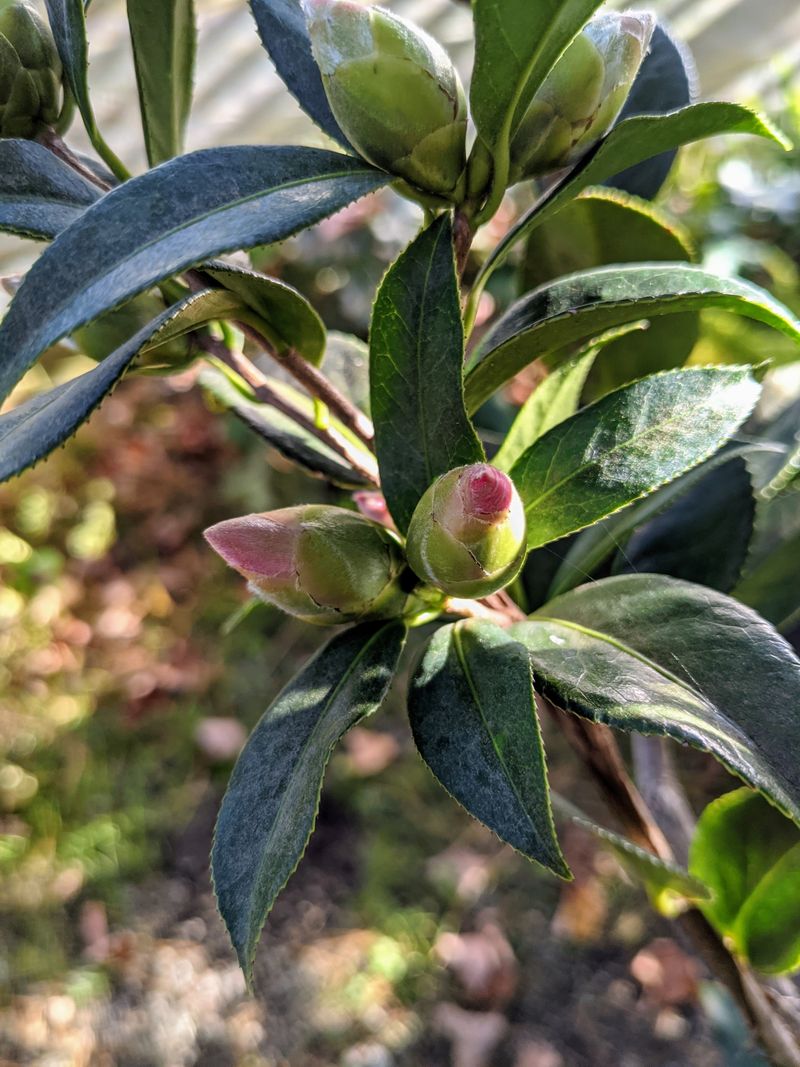
Run your fingers along a healthy camellia branch in early fall, and you might count a dozen round buds packed together. It looks like a promise of endless flowers, but nature has other plans.
Camellias are generous to a fault. A vigorous shrub often sets far more buds than it can carry all the way to full bloom.
Clusters of three, four, or even more buds can crowd the tip of a single stem. They sit shoulder to shoulder, each one competing for the same water and food.
When the plant cannot support them all, it starts dropping some on its own. You may find small green or brown buds scattered on the mulch under your shrub.
That sight can worry new gardeners, but it is usually just the plant editing itself. Think of a kid who piles too much food on a plate and leaves half behind.
The trouble is that the plant does not pick the best buds to keep. It may hold onto weak ones and shed the strongest by accident.
So take a slow walk around your camellias this month and look closely at the branch tips. Notice where buds are bunched up tightly together.
Spotting those crowded clusters is the first step toward bigger flowers. Once you see them, the rest of the trick starts to make perfect sense.
2. Too Many Buds Can Drain The Plant’s Reserves
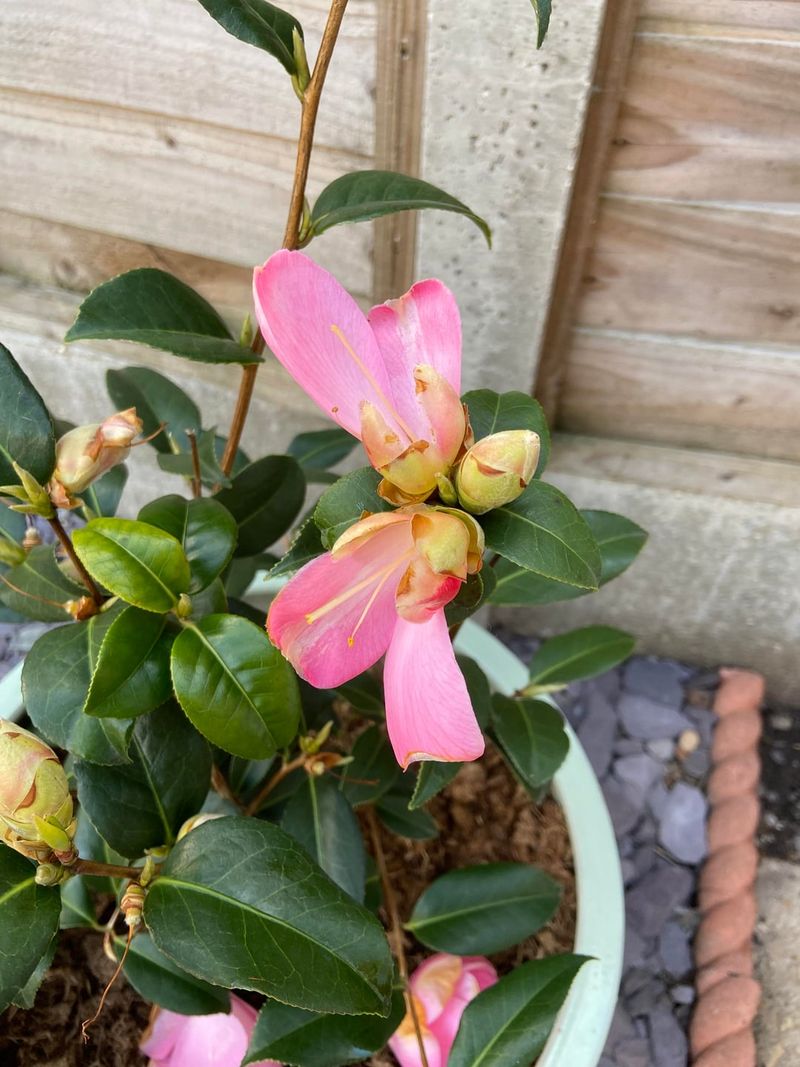
Imagine trying to charge ten phones from one small battery. Every phone gets a little juice, but none of them reaches a full charge.
A camellia loaded with buds faces the same problem. Each bud needs sugar, water, and minerals to swell and open into a flower.
The shrub stores these supplies in its roots, stems, and leaves. When dozens of buds pull from that storage at once, the reserves run low fast.
Dry Florida autumns make things harder. If the soil lacks moisture or nutrients, the plant may struggle to feed every bud it started.
In response, the camellia may abort some buds to protect itself. Others may open, but the flowers come out smaller, thinner, or a bit lopsided.
Leaves can show the strain too. A tired shrub might look pale or grow slowly the following spring.
Did you know that flowering is one of the most energy-hungry jobs a plant does? Building petals, color, and nectar takes far more fuel than growing a plain leaf.
Your Florida Garden Changes Every Week. Your Plan Should Too.
Gardening in Florida changes quickly throughout the season. Every Friday you’ll receive a simple weekly plan showing exactly what to plant, prune, fertilize, harvest, and protect so you never miss the right timing.
Lightening the load helps the shrub stay strong year after year. Fewer buds means each one gets a bigger share of the plant’s hard-earned savings.
A light feeding with a camellia or azalea fertilizer in spring also refills the tank. Healthy reserves set the stage for next year’s show.
3. Show Growers Remove Competing Buds For Bigger Blooms
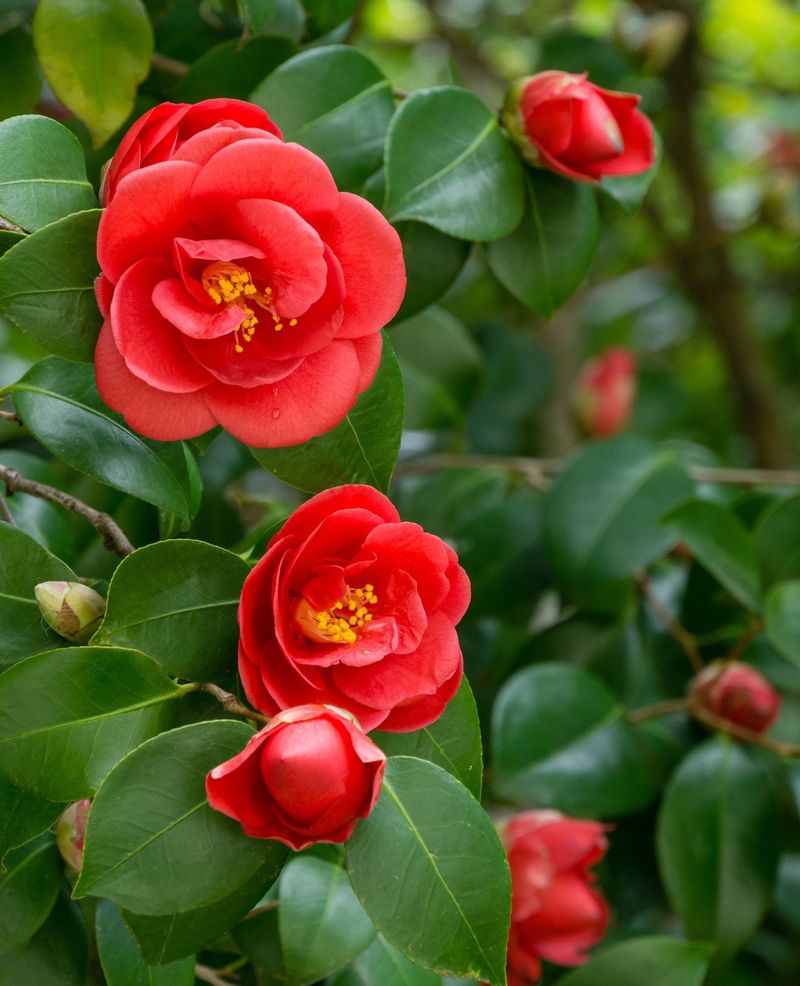
Walk into any camellia show in the South, and you will see flowers as wide as a saucer. Those blooms did not get that big by luck.
Exhibition growers rely on a simple practice called disbudding. It means pinching off extra buds so the plant focuses on just a few.
October is a great time to try it in Florida. Buds are large enough to tell apart from leaf buds, yet still have weeks to grow.
Flower buds are round and plump, like small marbles. Leaf buds are slim and pointed, so leave those alone.
At each branch tip, choose the fattest, healthiest flower bud and keep it. Gently twist off the others with your fingers, or snap them sideways.
Show growers often leave only one bud at the end of each branch. For a fuller garden look, you can keep one bud every few inches along the stem.
Spacing matters more than you might think. Buds that sit too close can open into each other, squishing petals and ruining their shape.
The reward comes a few months later. Your shrub will carry fewer flowers, but each one will look like it belongs on a blue-ribbon table.
4. Japonica Types Produce The Most Spectacular Flowers
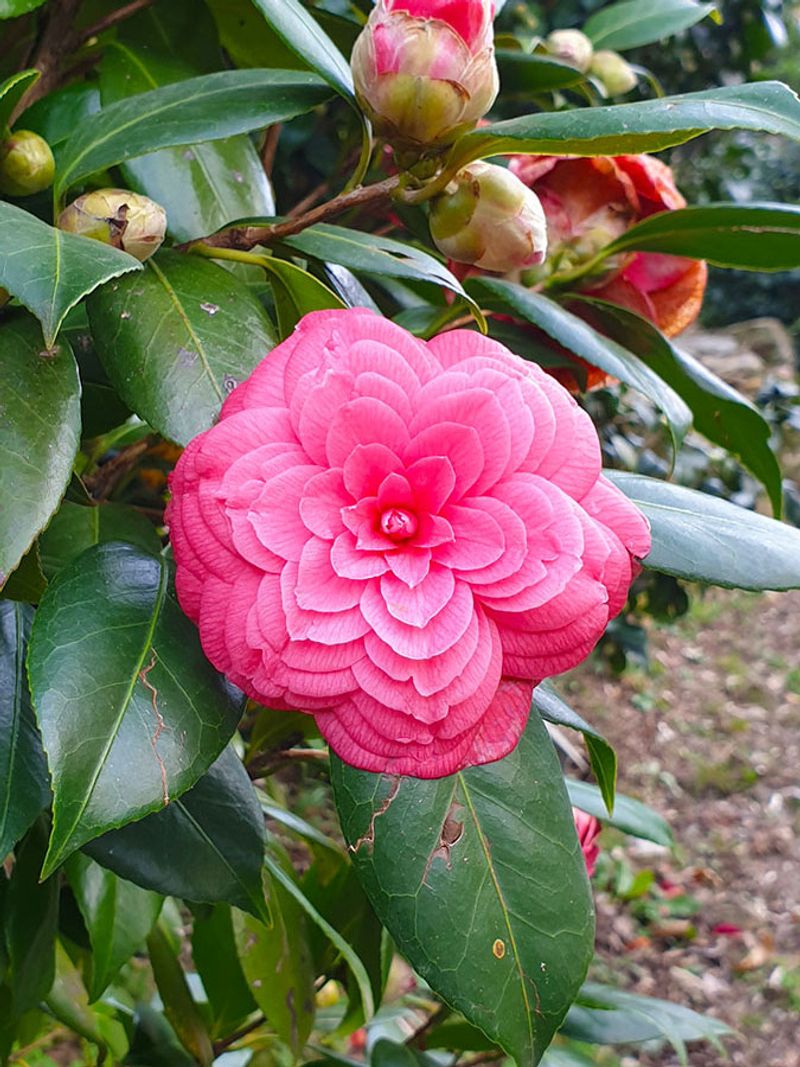
If camellias had a royal family, Camellia japonica would wear the crown. Gardeners have adored these flowers for centuries, first in Asia and later across the American South.
Japonicas produce some of the largest, showiest blooms of any camellia. Some varieties reach five inches across or more.
They also offer the widest mix of flower forms. You can find simple singles, frilly peony types, rose-shaped beauties, and perfectly stacked formal doubles.
Colors run from snowy white to soft pink, deep red, and striped patterns. A few even show speckles that look hand-painted.
Because their flowers are already big, japonicas respond beautifully to bud thinning. Removing extra buds can push a large bloom into truly jaw-dropping territory.
Popular picks for our state include ‘Pink Perfection’, ‘Professor Charles S. Sargent’, and ‘Kramer’s Supreme’.
Ask a local nursery which varieties handle your area’s heat best.
Japonicas grow happily in North and Central Florida with some afternoon shade. Dappled light under tall pines suits them nicely.
Here is a fun bit of history. Camellias are close cousins of the tea plant, so these shrubs feel right at home in Southern gardens with a glass of sweet tea nearby.
5. Sasanquas Bloom From October Through December
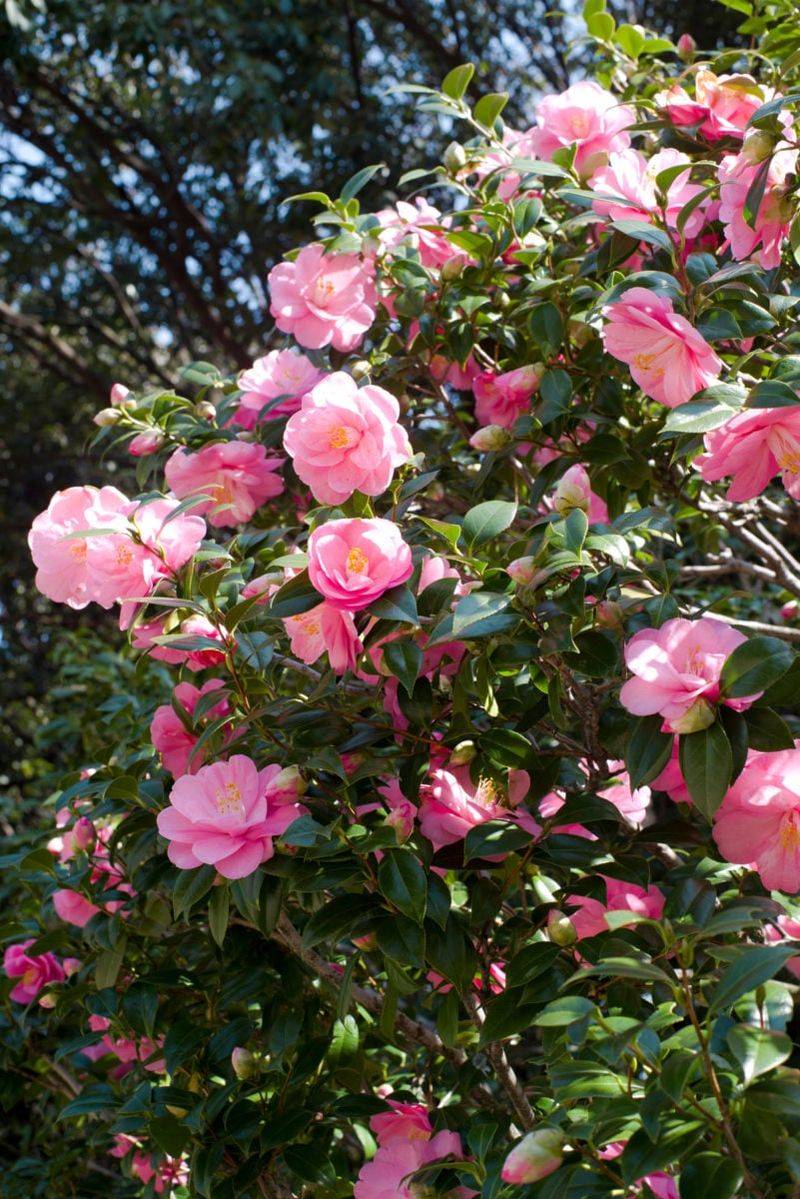
Just when summer gardens start to look tired, sasanquas burst onto the scene. They kick off camellia season in the state, often opening their first flowers in October or November.
Their show can keep going through December and sometimes into January. That makes them a cheerful bridge between fall and winter.
Sasanqua flowers are smaller than japonicas, usually two to three inches wide. What they lack in size, they make up for in sheer numbers.
A mature shrub can be covered in blooms, with petals drifting down like confetti. Many varieties also carry a light, sweet scent.
Because they bloom so early, sasanquas need a different approach to bud thinning. By October, many buds are already showing color and getting ready to open.
Light thinning still helps, especially on crowded tips. Just focus on removing tiny or damaged buds rather than stripping branches bare.
Sasanquas handle sun and heat better than japonicas. That toughness makes them a smart choice for hedges, screens, or sunny corners of the yard.
Try ‘Shishi Gashira’ for a compact, rosy-pink option. ‘Yuletide’ offers bright red flowers with golden centers, perfect for holiday cheer.
Planting both types gives you months of color. Sasanquas open the curtain, and the big stars follow soon after.
6. Japonicas Take Over From December Through March
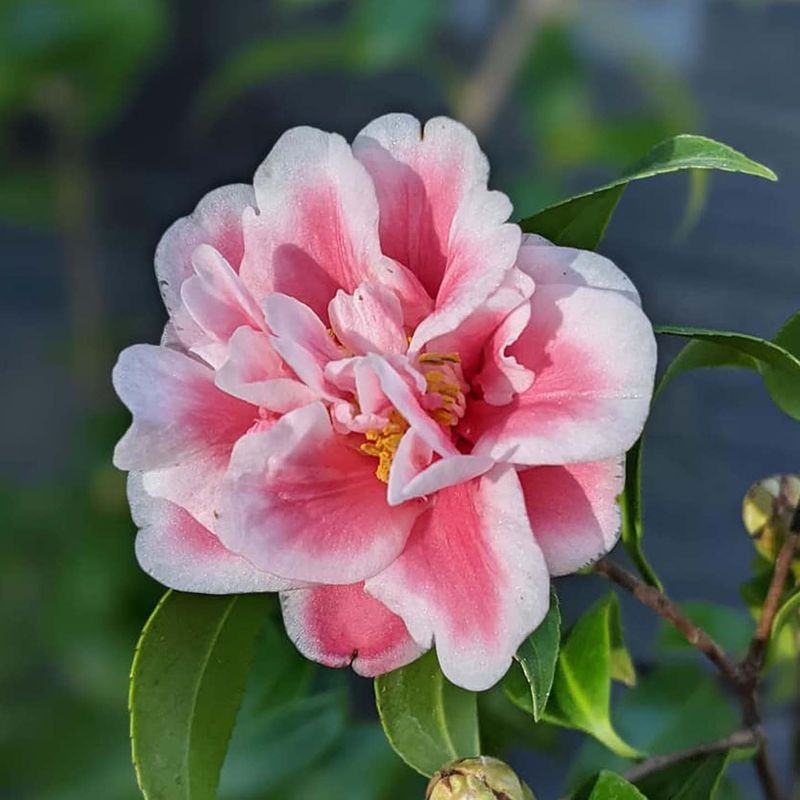
As the last sasanqua petals fall, a new wave of color starts building. Japonicas usually take the stage from December through March in the state.
Some early varieties open in late fall, while late types can hold out until April. Planting a mix of early, mid, and late bloomers stretches the season wonderfully.
This timing explains why October is perfect for thinning japonica buds. The buds are well formed by then, but they still have two or more months to grow.
Every bud you remove now sends extra energy to the ones that remain. By the time they open in midwinter, the difference in size can be striking.
Picture testing this on just one side of a shrub. By February, the thinned side could show flowers noticeably wider than the untouched side.
Winter blooms also face occasional cold snaps in North Florida. A light frost cloth draped over the shrub on chilly nights can protect open flowers.
Watch for petal blight in wet weather, which causes brown blotches on blooms. Picking up fallen flowers helps keep the problem in check.
Few things beat a bowl of floating japonica blooms on a kitchen table in January. Your October effort pays off right when the rest of the garden is resting.
7. Put Away The Pruners Or You’ll Cut Off Buds
Here is a mistake that catches plenty of tidy gardeners every fall. They grab the pruners to shape a shaggy camellia and accidentally snip off next winter’s flowers.
Camellias form their flower buds on growth from the previous season. By late summer and fall, those buds are already sitting at the branch tips.
Cutting back stems after June can remove a big chunk of your future blooms. One quick trim can wipe out months of hidden progress.
Bud thinning is different from pruning. You are using your fingers to remove select buds, not cutting away branches.
So let the shrub look a little wild for now. A few stray stems are a small price for a closet full of flowers later.
The best time to prune is right after flowering ends, usually in spring. That gives the plant plenty of time to grow new stems and set fresh buds.
When you do prune, keep it light. Remove crossing branches, thin the inside for airflow, and trim any broken or diseased wood.
If a branch blocks a walkway, a single careful cut is fine. Just accept that you may lose a few flowers on that stem.
Want a handy memory trick? Think bloom, then groom, and your camellias will thank you with a fuller show next year.
8. Keep Buds Watered Through Dry Spells
Florida’s fall can trick you. The air feels cooler, but October and November are often some of the driest months of the year.
Camellia buds need steady moisture to swell and open. When the soil dries out, buds may stall, turn brown, or drop before showing any color.
Aim for about an inch of water every 10 to 14 days during dry spells. Once flowers start opening, bump that up to roughly an inch per week.
A rain gauge or an empty tuna can makes measuring easy. Set it near the shrub while you water and stop when it holds about an inch.
Consistency matters more than volume. Swinging between soggy and bone-dry stresses the plant and can make buds fall.
A two to three inch layer of pine straw or bark mulch helps hold moisture in. Keep it a few inches away from the trunk to prevent rot.
Potted camellias dry out much faster than those in the ground. Check them every few days by poking a finger into the soil.
Water deeply at the base rather than spraying the leaves. Morning watering gives foliage time to dry and helps limit fungal problems.
Thinned buds paired with steady water make a winning team. Together, they give each flower the fuel it needs to open big and bold.
9. Warm Fall Weather Can Keep Early Bloomers From Opening
Ever notice a camellia bud that looks ready to pop but just sits there for weeks? Warm fall weather may be the culprit.
Early bloomers in Florida sometimes hit a stretch of summer-like heat in October or November. That heat can confuse the buds and keep them from opening properly.
Gardeners call one version of this problem bullnosing. Flowers open only partway, look misshapen, or drop off while still tight.
Japonicas are especially sensitive to big temperature swings. A hot week followed by a sudden cool snap can throw their timing off.
You cannot control the weather, but you can tilt the odds in your favor. Planting camellias where they get morning sun and afternoon shade keeps them cooler.
Steady watering helps buds handle heat stress. Thinning also lightens the plant’s workload, so it has more energy to push through tough conditions.
If you live in South or Central Florida, choose varieties known to bloom later in the season. Midseason and late japonicas tend to open during cooler weeks.
Fun fact: camellias seem to enjoy a little chill before blooming. A few crisp nights can wake up stalled buds almost overnight.
So be patient with slow starters. With a little care and a friendly cool front, those stubborn buds may still surprise you.