What To Do If You’re Bitten By A Black Widow In Your Georgia Garden
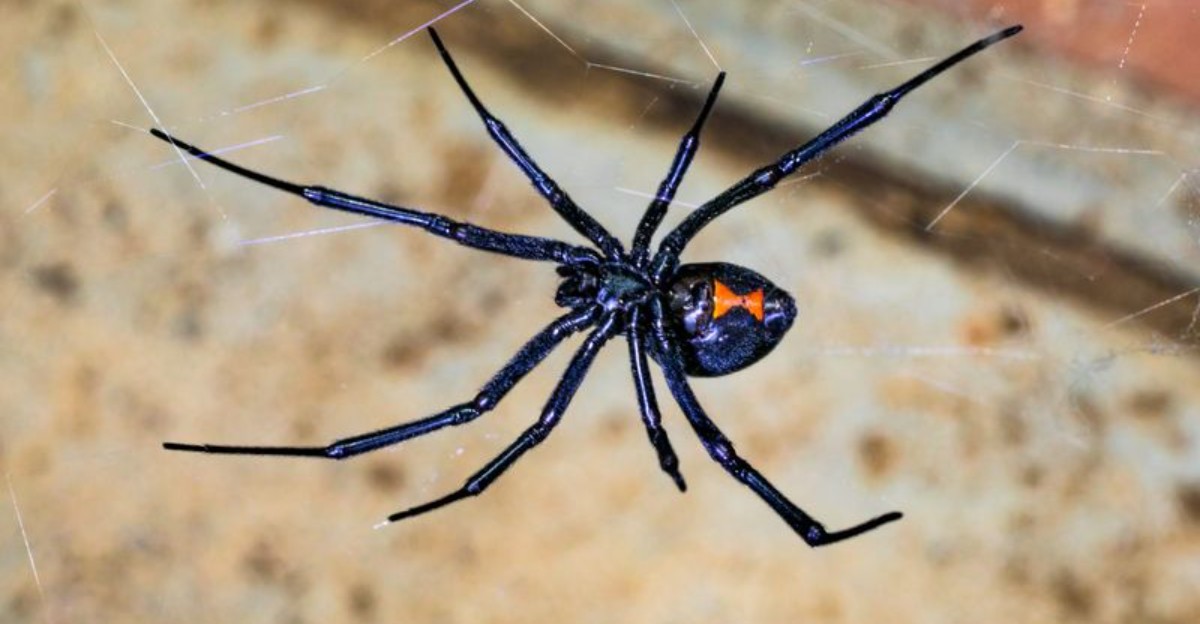
Finding a black widow on your arm after a sudden sting can make it difficult to think clearly about what should happen next.
Move away from the area first and avoid handling the spider. Then wash the bite gently with soap and water.
Black widow bites can cause more serious symptoms than bites from many other spiders.
If this happens while you are working in a Georgia garden, contact Poison Control promptly for guidance.
Use a wrapped cold pack on the area while you wait for further instructions.
Do not cut the bite, apply questionable home remedies, or try to remove venom yourself. Knowing the right first steps can help you respond safely without making the situation harder.
1. Move Away From The Area And Avoid Another Bite
Your first move matters more than naming the spider perfectly. If something pinches your hand while you pull weeds, step back from that spot before doing anything else.
Black widows usually bite when they get pressed against skin, so putting some distance between you lowers the chance of a second bite.
Shake out your glove or sleeve over open ground instead of over your lap. A spider caught in fabric can still be clinging there after you stand up.
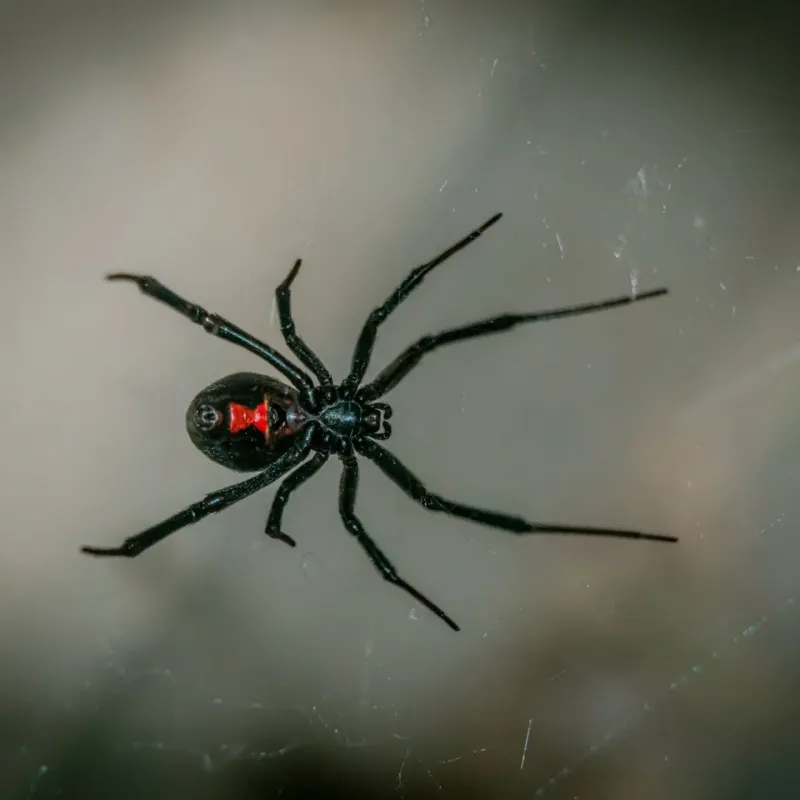
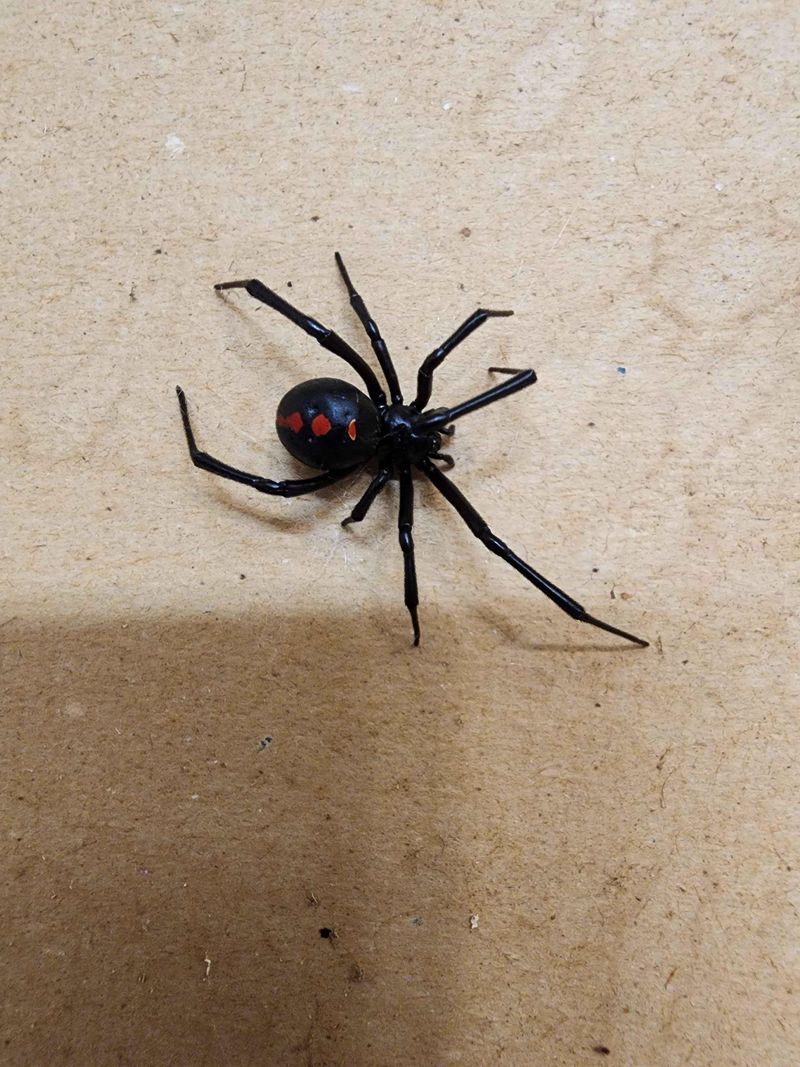
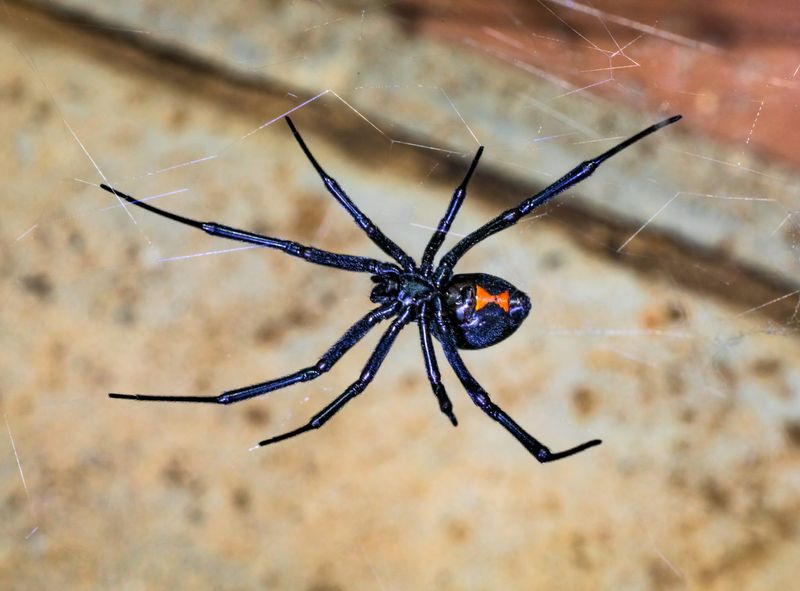
Look for a glossy black spider with a red hourglass mark on its belly, but only if you can do it safely from a distance.
Snapping a quick phone photo can help a doctor or poison specialist later. Trying to catch the spider with bare hands is a poor trade and puts you right back at risk.
In Georgia, the southern black widow is the species gardeners run into most often around sheds, water meters, and raised beds.
Kids and pets should move away too, since the spider may still be hiding in the same pot or board. Leave the area alone until you can come back later with gloves and a flashlight.
Once you are clear, sit down somewhere calm and jot down the time of the bite so you can share it when you call for help.
2. Wash The Bite Site Gently With Soap And Water
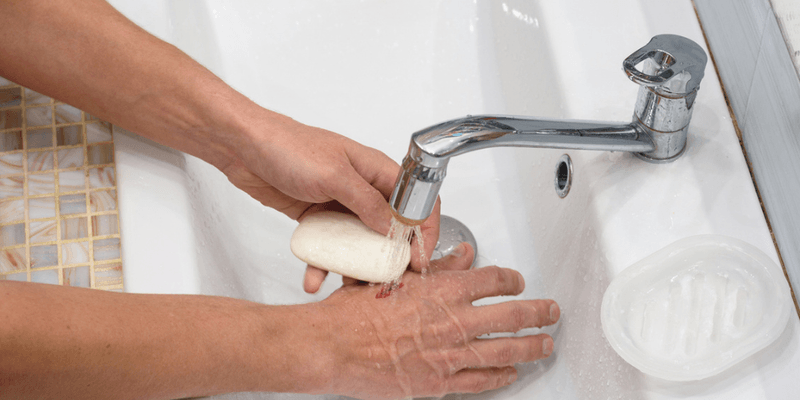
Soap and water sound almost too simple, yet they are a solid first step. Cleaning the skin lowers the chance of germs from soil and mulch getting into the tiny wound.
Head to the nearest sink or garden spigot and use plain soap with cool or lukewarm water.
Rub gently with your fingertips rather than a scrub brush or rough towel. Scrubbing hard can irritate the skin and make the spot harder to watch later.
Rinse well and pat the area dry with a clean cloth or paper towel.
Garden soil in Georgia is often damp and full of bacteria during the warm months. A quick wash helps keep a small bite from turning into an infected one on top of everything else.
Skip home tricks like cutting the skin or trying to suck out venom, since those steps can cause more harm than help.
Your Georgia Garden Changes Every Week. Your Plan Should Too.
Gardening in Georgia changes quickly throughout the season. Every Friday you’ll receive a simple weekly plan showing exactly what to plant, prune, fertilize, harvest, and protect so you never miss the right timing.
After washing, take off rings, bracelets, or a watch near the bite. Swelling can show up over time, and tight jewelry gets uncomfortable fast.
Keep an eye on the spot, because black widow bites may look like two faint dots or barely anything at all, even when you feel strong pain.
3. Apply A Cold Pack To Help With Pain And Swelling
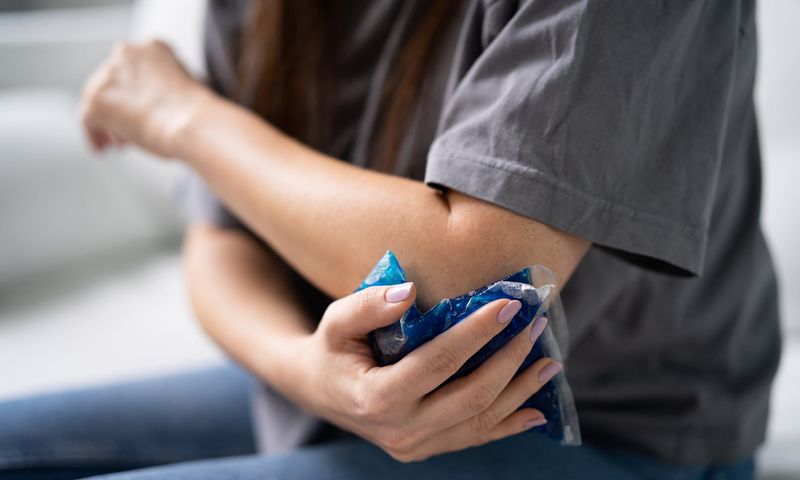
Cold can take the edge off that sharp, burning ache. A cold pack slows swelling and may ease pain near the bite for a while.
Wrap ice or a frozen gel pack in a thin towel before it touches your skin.
Hold it on the area for about ten minutes, then take it off for about ten minutes. Repeating that cycle helps protect your skin from cold injury.
A bag of frozen peas works nicely if you do not keep an ice pack in the freezer.
Try to keep the bitten arm or leg still and at a comfortable level while you rest. Moving around a lot will not help, and resting gives you a better sense of how you feel.
Hot Georgia afternoons can make you sweaty and flushed, so move indoors or into the shade while you cool the spot.
Cold packs help with comfort, but they do not treat venom. If cramping spreads into your belly, back, or chest, that is a sign to get medical help instead of waiting it out.
Over-the-counter pain relievers may help some people, though it makes sense to ask Poison Control or your doctor which option suits you.
4. Call Poison Control For Guidance Right Away
Picking up the phone is one of the smartest things you can do. Poison Control experts handle spider bite calls all the time, and the service is free and confidential.
In the United States, you can reach Poison Control at 1-800-222-1222 from almost anywhere.
Calls from Georgia connect to the Georgia Poison Center, which is staffed day and night. You will talk with trained specialists, not a recording that reads general tips.
Have a few details ready, like your age, weight, the time of the bite, and what the spider looked like.
Mention any health issues, such as heart trouble, high blood pressure, or pregnancy. Those details help the specialist decide whether you can stay home or should be seen.
Children and older adults may react more strongly, so be sure to share their age if they were the ones bitten.
Saving the number in your phone before garden season starts is an easy habit. A magnet on the fridge or a note in the shed works well too.
If someone has trouble breathing, faints, or has a seizure, skip the wait and call 911 instead.
5. Follow Poison Control Guidance Rather Than Treating It On Your Own
Online advice is everywhere, but your situation is personal. A specialist who hears your exact symptoms can give you advice that a random video cannot.
Some people only get mild pain and redness, and they can often watch things at home with clear instructions.
Others develop strong muscle cramps, sweating, nausea, or a racing heart within a few hours. Those symptoms usually need care at an urgent care center or emergency room.
If you are told to get checked, go even if the pain seems to be easing.
Doctors can give stronger pain medicine and muscle relaxers when needed. In rare, serious cases, they may also use antivenom, which is decided case by case.
Bring the spider photo with you if you took one, along with a list of medicines you take.
Herbal pastes, tight bandages, and tourniquets are not recommended for black widow bites. They can hide symptoms or cause new problems, so stick with what the experts tell you.
Rural parts of Georgia can mean a longer drive to a hospital, so ask someone else to drive if you feel shaky or dizzy.
Most people improve within a few days with proper care, though soreness can linger longer.
6. Gloves Add Protection When Reaching Into Hidden Garden Spaces
Bare hands are the easiest target in any garden. Most black widow bites happen when fingers press against a spider tucked in a dark, quiet spot.
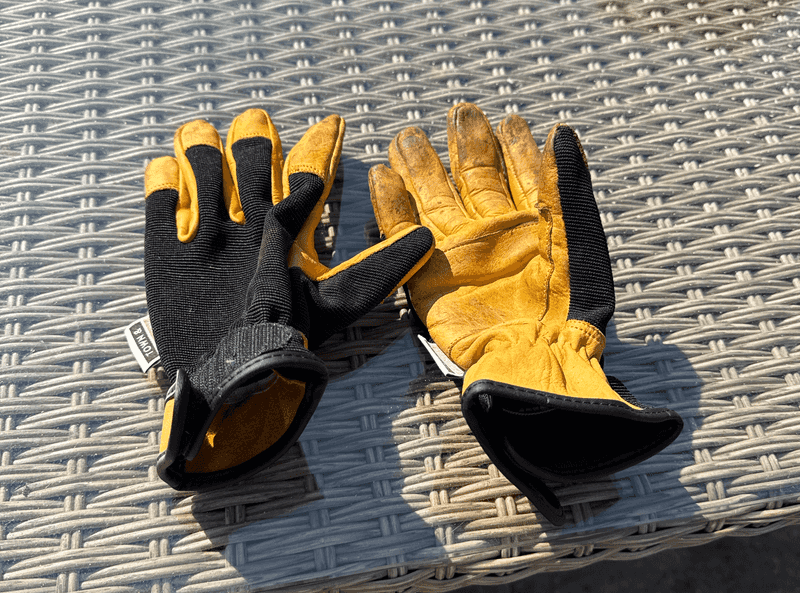
Sturdy gloves create a barrier that can make a bite less likely, though no glove offers perfect protection.
Leather or thick, coated gloves tend to hold up better than thin cotton pairs. Look for a snug fit at the wrist so nothing crawls inside while you work.
Wear them when you lift boards, move bricks, pull weeds near fences, or reach behind the shed.
Gardeners in Georgia deal with warm weather for much of the year, so spiders stay active through a long stretch of the season. Keeping gloves by the back door makes it easier to grab them every time you head out.
Shake each glove out and tap it against your leg before slipping your hand inside.
Gloves left outside overnight can turn into cozy hiding spots for spiders and other bugs. Storing them indoors or in a sealed bin cuts down on that surprise.
Long sleeves add another layer when you are clearing brush or digging around old flower beds.
7. Check Pots, Woodpiles, And Clutter Before Working Nearby
Clutter is basically an invitation for black widows. They like dry, sheltered spots with little foot traffic, and a busy garden has plenty of those.
Upside-down pots, firewood stacks, old tires, and piles of empty trays are common hiding places.
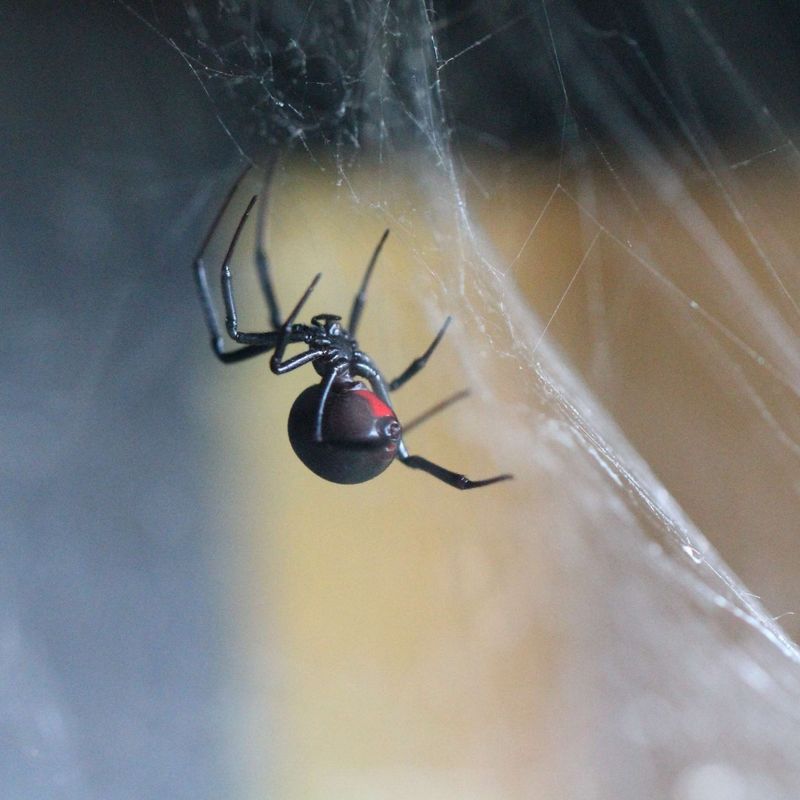
Before you lift or move anything, take a quick look with a flashlight. Black widow webs often look messy and tangled, and they tend to sit low near the ground.
Tipping items toward you with a stick or tool keeps your hands farther from any spider underneath.
Storing firewood off the ground and away from the house can help reduce hiding spots. Clearing leaf piles and unused pots from corners of the yard helps too.
Water meter boxes and outdoor faucets in Georgia yards are well-known spots for these spiders, so open those covers carefully.
Results can vary depending on your yard, nearby woods, and the season, so a tidy garden lowers risk without removing it entirely. Regular checks still matter even after a cleanup.
Kids helping in the garden should learn to look first and touch second, since that small habit can keep their fingers safe.