What To Do With Ornamental Sweet Potato Vine Before Georgia Frost
Your sweet potato vine feels the chill long before the thermometer reaches freezing. Cool nights curl those chartreuse and purple leaves well ahead of visible ice.
You have poured months of water, fertilizer, and careful pinching into those containers. In north Georgia, you can see frost arrive by mid-October. September hands you the advantage.
Now is your moment to take cuttings, lift tubers, and scout for hidden pests. Beneath the soil, your vines have formed plump tubers you can store.
Snipped stems root in plain water on your windowsill surprisingly fast. Whiteflies and spider mites hide on leaf undersides, waiting to move indoors.
Inspect each plant before it crosses your threshold. Across Georgia, you save money by bringing favorites back instead of rebuying.
Come spring, stored tubers sprout fresh slips for free. Here is how you protect them before frost.
Watch The Forecast For Georgia’s First Frost
Georgia is a long state, and frost does not arrive everywhere on the same day. Mountain towns like Blairsville can see frost by mid-October, while Valdosta may wait until late November.
Atlanta usually lands somewhere in between, with a first frost around mid-November, though suburbs often frost a week or more earlier. Knowing your local average gives you a clear target date to work backward from.
Here is the tricky part that catches plenty of Georgia gardeners by surprise each fall. Sweet potato vines start sulking long before frost, once nights slip below about 50 degrees.
Cool nights can make the leaves curl, fade, or darken. You may notice growth slowing down to a crawl in the weeks before any frost shows up.
A free weather app with hourly lows is your best friend this time of year. Set an alert for temperatures in the 30s so a cold snap does not sneak up on you.
Low spots in your yard can frost first because cold air sinks and pools there. A pot on a covered porch may stay several degrees warmer than one near the driveway.
The University of Georgia Extension shares frost date information for regions across the state. Jot your date on a calendar and plan your vine rescue about two weeks ahead.
That two-week cushion gives you plenty of time for cuttings, digging, and cleanup without rushing. Your future self will thank you when the first chilly morning finally rolls in.
Inspect Every Plant For Pests And Hitchhikers
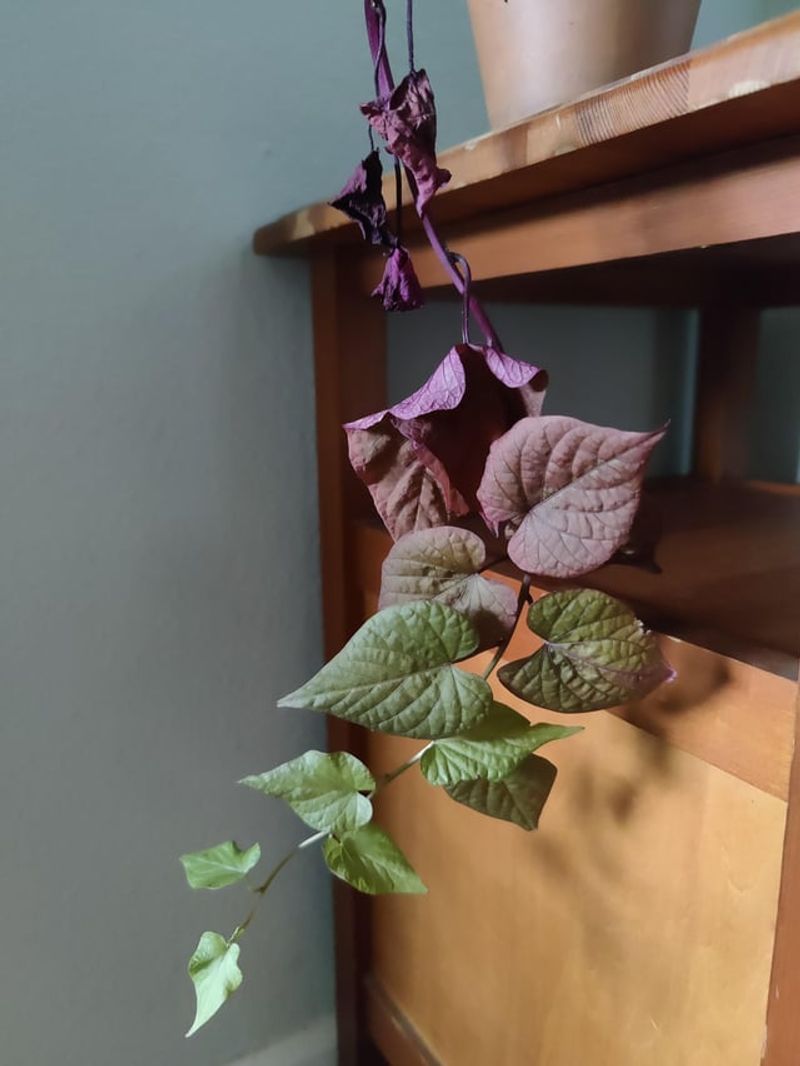
Picture this: you bring your vine inside, and a week later tiny white bugs flutter out. Whiteflies, aphids, and spider mites love to hitch a ride on outdoor plants.
Put on your detective hat before anything green crosses the threshold. A careful search now saves your other houseplants from a nasty surprise later.
Flip over leaves and look closely at the undersides, where most pests like to hide. Sticky spots, fine webbing, or clusters of tiny dots are all warning signs.
Georgia gardens also host golden tortoise beetles, which chew round holes in sweet potato leaves. Pick off any beetles you spot and drop them into soapy water.
Your Georgia Garden Changes Every Week. Your Plan Should Too.
Gardening in Georgia changes quickly throughout the season. Every Friday you’ll receive a simple weekly plan showing exactly what to plant, prune, fertilize, harvest, and protect so you never miss the right timing.
Give the whole plant a good shower with the garden hose to knock off loose critters. Let it drip dry in the shade before moving on to the next step.
Spray leaves and stems with insecticidal soap or neem oil, following the label and avoiding direct sun. Cover the tops and bottoms of leaves, since pests hide on both sides.
Check the soil too, because fungus gnats and ants sometimes nest in outdoor pots. Repotting with fresh, bagged potting mix is a simple way to start with a clean slate.
Cuttings and stored tubers deserve the same quick inspection before coming indoors. Rinse cuttings well and brush soil off tubers so no eggs sneak along.
Keep new arrivals apart from your other houseplants for about two weeks. Consider it a quarantine room where any sneaky bugs can reveal themselves.
Move A Potted Vine To A Sunny Window
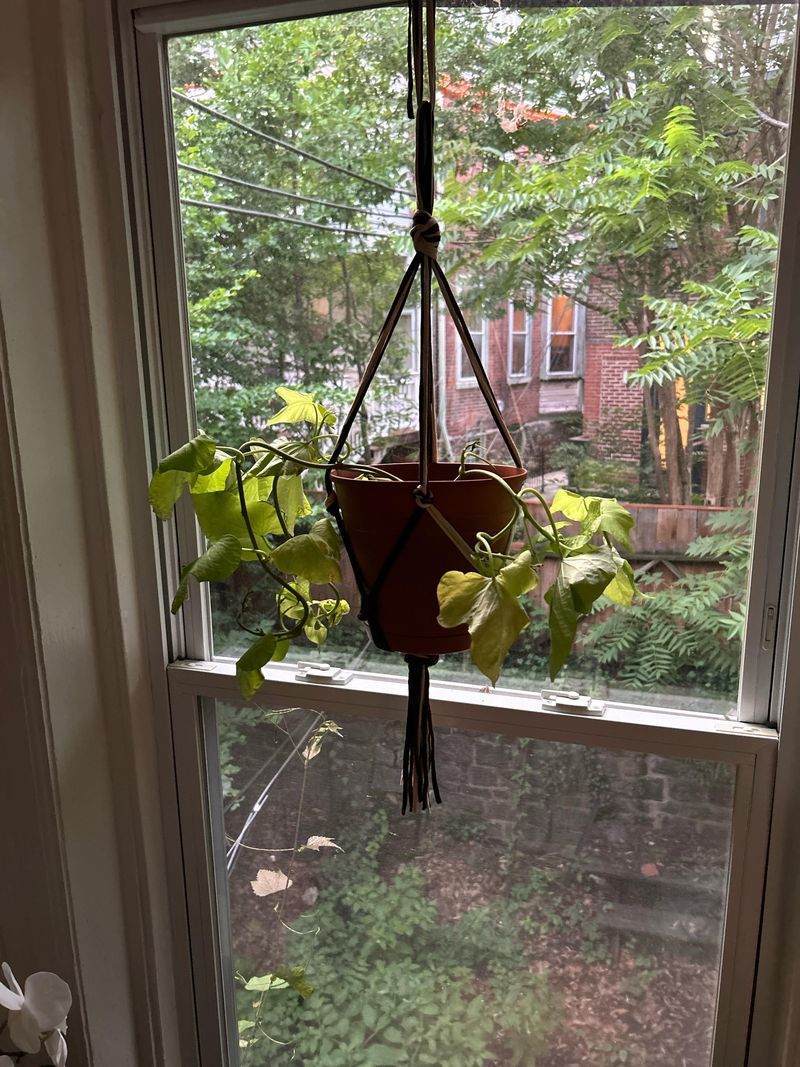
Maybe you cannot bear to say goodbye to that gorgeous hanging basket just yet. Good news, because a whole sweet potato vine can move indoors and live as a houseplant.
Think of it as a summer guest who shows up with a lot of luggage. You will want to trim it down before it takes over the living room.
Cut the vines back by about half, leaving several healthy leaves on each stem. A smaller plant adjusts faster and needs less light to stay happy.
Bring the pot inside while nights are still above 55 degrees, usually in late September. The sudden move from porch to parlor is less shocking when temperatures are similar.
A south or west window gives the brightest winter light in most Georgia homes. Without enough sun, the vine grows long, pale, and floppy, like it forgot its manners.
Water only when the top inch of soil feels dry to the touch. Indoor plants drink far less in winter, and soggy soil leads to rot.
Keep it away from heating vents, which blow dry air across the leaves. A small grow light can help if your home runs on the dim side.
Hold off on fertilizer until spring, since the plant is resting and growing slowly. Feeding it now mostly encourages weak, stretchy stems.
Expect a few yellow leaves during the first couple of weeks indoors. Once it settles, your vine will add a cheerful splash of color to gray winter days.
Dig Up The Tubers Before The Soil Cools
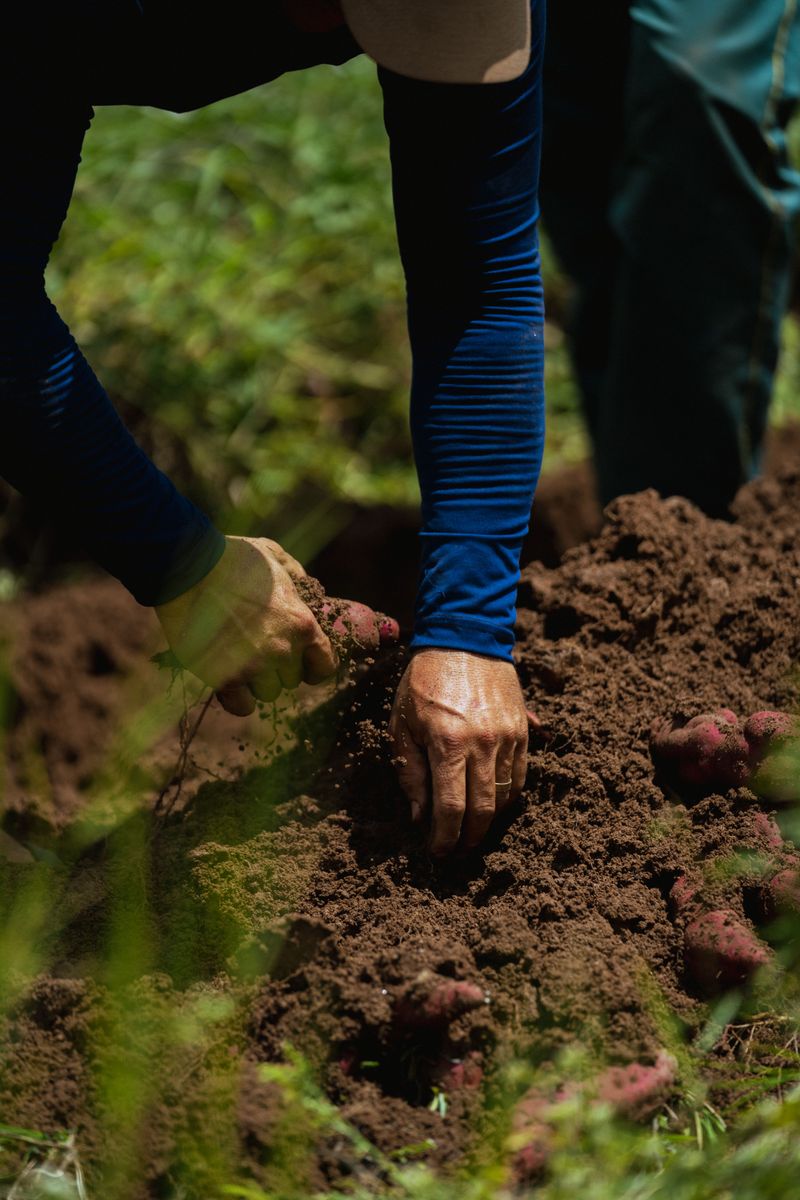
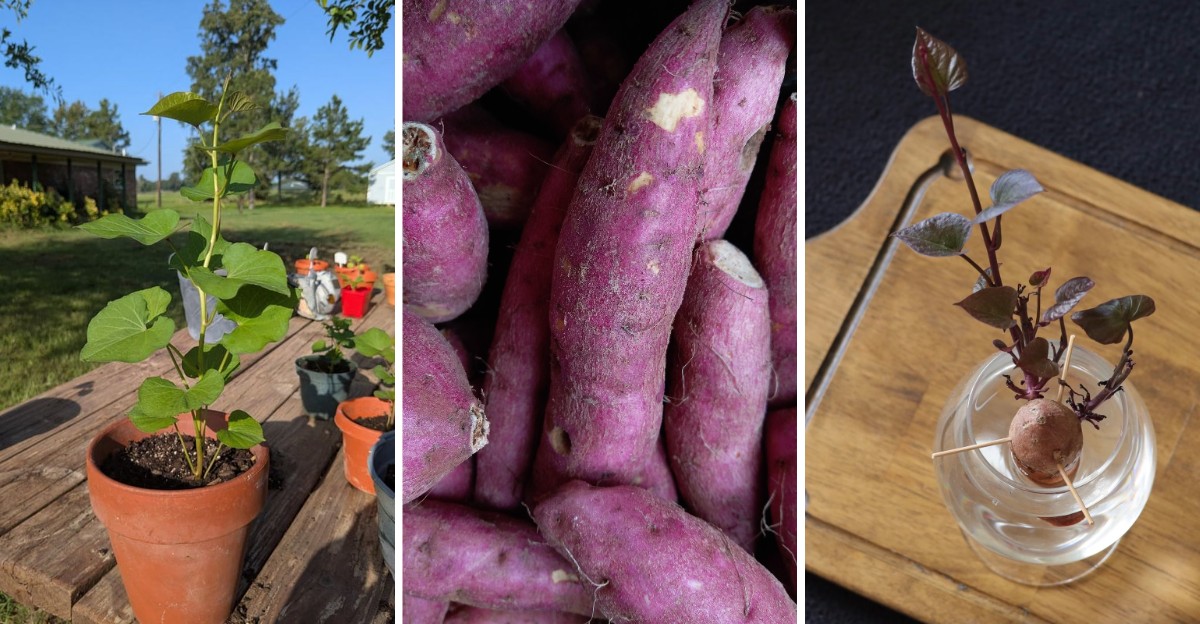
Somewhere under all those leaves, a buried treasure has been growing all summer. Ornamental sweet potato vines form knobby tubers that look a lot like the ones in grocery stores.
Those tubers hold stored energy the plant can use to sprout again next spring. Saving them gives you a second way to keep your favorite varieties going.
Timing matters, because tubers can rot or get damaged once the ground turns cold. Aim to dig in early to mid-October in north Georgia and a bit later farther south.
Start by cutting back the vines so you can see the soil clearly. Then use a garden fork, not a shovel, and push it in about a foot from the stem.
Gently lift the soil and wiggle the fork back and forth. A sharp shovel blade can slice right through tubers, and cuts invite rot during storage.
Container plants are even easier to harvest than ones growing in the ground. Just tip the pot onto a tarp and sift through the soil with your hands.
Brush off loose dirt, but do not wash the tubers with water yet. Moisture on the skin can lead to mold before they have a chance to dry.
These tubers belong to the same species as regular sweet potatoes. They are generally reported to taste bland, and nursery plants may carry pesticides not meant for food crops, so save them for planting.
Label each batch by color if you grow more than one kind. Tubers from different varieties can be hard to tell apart once they leave the dirt.
Snip Healthy Cuttings For Indoor Rooting
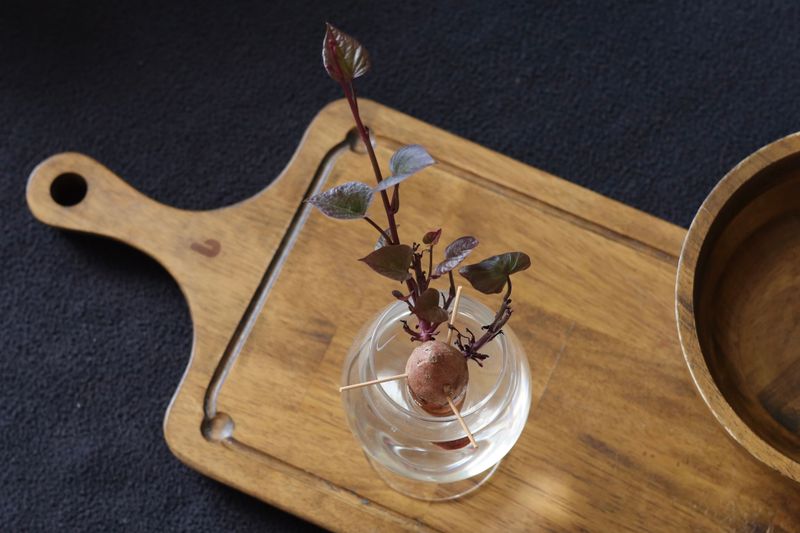
Few plants are as eager to make babies as a sweet potato vine. Snip off a piece, drop it in water, and roots often appear within a week or two.
Taking cuttings in September is the easiest way to carry your favorite colors into next year. It costs nothing, and you skip buying new plants at the garden center in April.
Choose stems that look plump, bright, and free of holes or spots. Cut pieces about four to six inches long, just below a leaf node.
A node is the little bump where a leaf joins the stem, and roots love to sprout there. Pull off the lower leaves so nothing sits underwater and rots.
Pop the stems into a clear glass jar filled with room-temperature water. Set the jar on a bright windowsill, but keep it out of harsh afternoon sun.
Change the water every few days so it stays fresh and clear. Cloudy water invites bacteria, and slimy stems are a sign to start over.
Once roots reach about two inches, move each cutting into a small pot of light potting mix. Keep the soil lightly moist while the young plant settles into its new home.
Take a few extra cuttings, since not every stem will root. Sharing spares with neighbors is a sweet way to spread some Georgia garden cheer.
Kids and curious adults both get a kick out of this project. Watching white roots curl through a jar is like a tiny science fair on your counter.
Dry And Store The Tubers For Spring
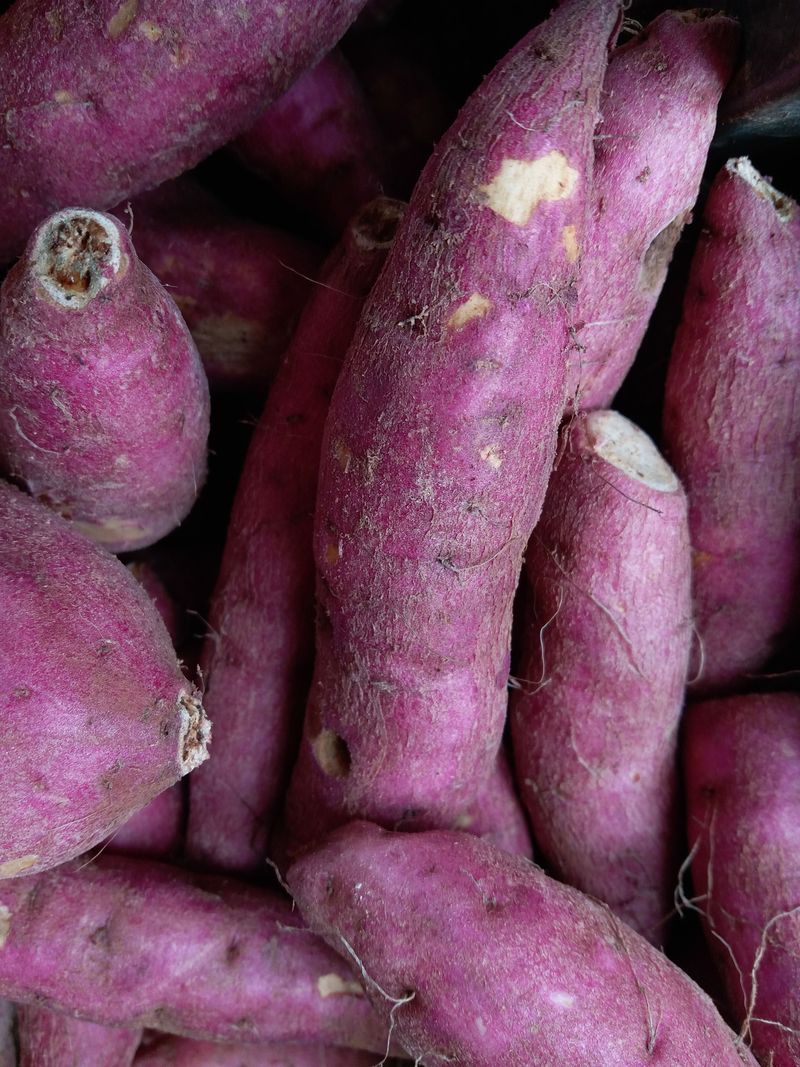
Grandparents across rural Georgia once kept sweet potatoes in cool barns and earthen storage banks all winter. Your ornamental tubers need a similar setup, just on a smaller scale.
First, let the freshly dug tubers dry in a shady, airy spot for a few days. A garage shelf or covered porch works well if rain stays away.
Drying toughens the skin and helps small scratches heal over. Tubers with tougher skins hold up much better during the long, quiet winter months ahead.
Next, grab a cardboard box or plastic bin and a bag of peat moss, sawdust, or dry sand. Nestle the tubers inside so they do not touch each other.
If one starts to rot, the spacing keeps trouble from spreading to its neighbors. Poke a few air holes in plastic bins so moisture can escape.
Store the container somewhere between 50 and 60 degrees, like a basement or an interior closet. Skip the refrigerator, because cold temperatures spoil sweet potatoes, causing hard cores, decay, and poor sprouting.
Check on your stash once a month, like peeking at presents before a holiday. Toss any tubers that feel soft, smell sour, or show fuzzy mold.
Shriveled ones may just need a light mist of water on the packing material. Healthy tubers should stay firm, a little like a fresh potato from the market.
Write the variety name and storage date right on the box with a marker. Come spring, you will know exactly which color is waiting inside.
Protect Outdoor Vines With Covers, Plus Mulch On The Coast
Georgia loves to tease gardeners with one chilly night followed by two more weeks of warm sunshine. Covering your vines during that first cold snap can stretch the show a little longer.
Old bedsheets, lightweight blankets, or frost cloth from the hardware store all work nicely. Drape them over the plants in the late afternoon while the ground still holds warmth.
Let the fabric reach all the way to the soil, like a tent. Heat rises from the earth overnight, and the cover traps it around the leaves.
Avoid plastic sheeting, because it can freeze to the leaves and cause more harm than good. Remove covers the next morning once temperatures climb back above freezing.
Pots are simpler to protect than garden beds. Roll them into a garage or under a porch roof whenever the forecast dips into the 30s.
Grouping containers together against a warm brick wall also helps on borderline nights. The wall soaks up daytime heat and releases it slowly after sunset.
Folks along the coast near Savannah or Brunswick sit closer to zone 9 conditions. In those milder spots, tubers left in the ground sometimes survive winter under thick mulch.
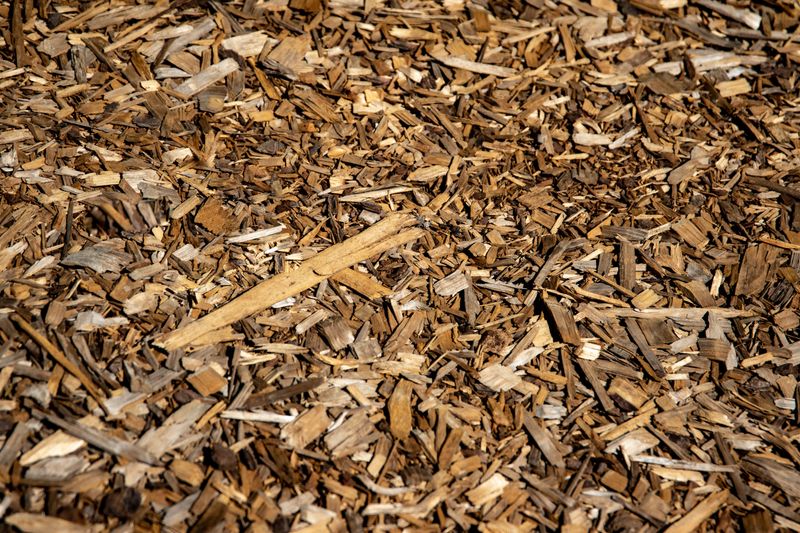
Pile three to four inches of pine straw or shredded leaves over the root area. The top growth will fade after frost, but fresh shoots may pop up in spring.
Treat this as a bonus experiment rather than your only backup plan. Pair it with a few cuttings indoors, and you win either way.
Plan Your Spring Replanting Around Warm Soil
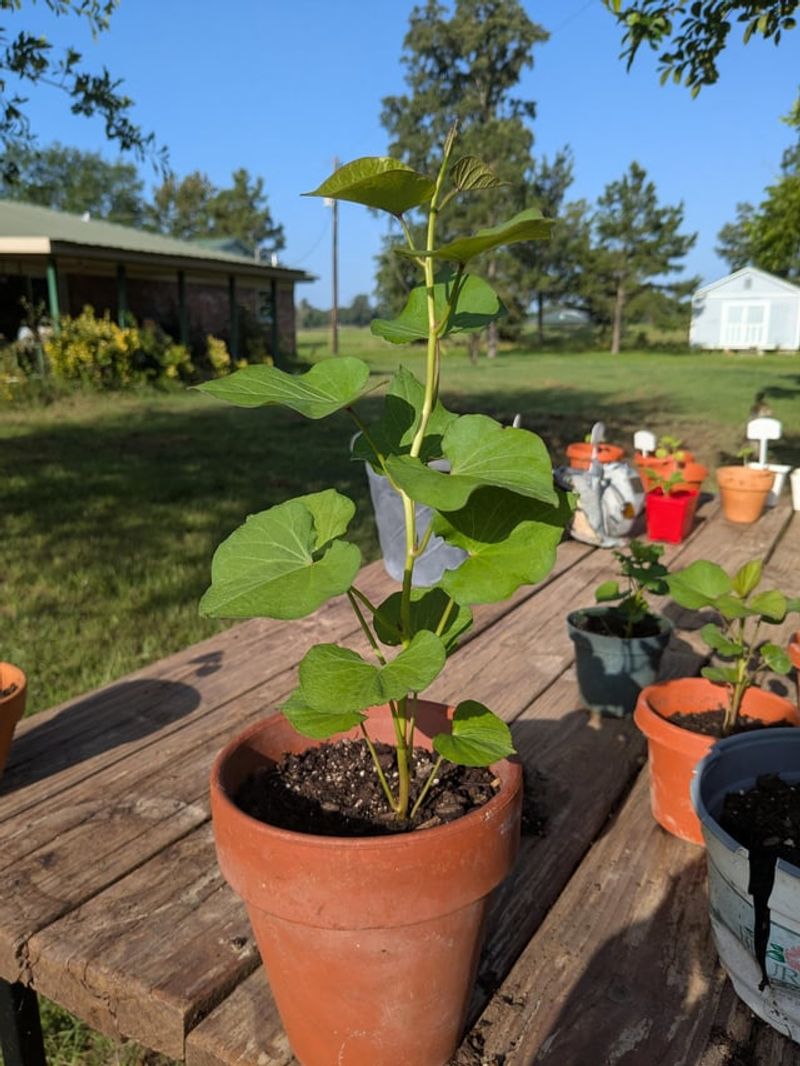
What if the best part of saying goodbye this fall is the fresh start waiting in spring? A little planning now makes next year’s containers even more stunning.
Grab a notebook and jot down which spots and pots did well this summer. Note where the vines looked scorched, leggy, or crowded out by bigger neighbors.
Sweet potato vines are tropical at heart and pout in cold soil. In Georgia, wait to plant outside until soil warms to about 65 degrees.
That usually means late April around Atlanta and mid-April in warmer South Georgia towns. Mountain gardeners in places like Blue Ridge may need to hold off until early May.
Around March, pull your stored tubers out and set them in a shallow tray of moist soil. Within a few weeks, they sprout leafy shoots called slips.
Snap off the slips once they reach six inches and root them just like fall cuttings. One tuber can produce a dozen or more new plants.
Your indoor vines and rooted cuttings will need a gentle adjustment period too. Set them outside in shade for a few hours each day, slowly adding more sun.
Rotate planting spots if weevils or leaf spots caused trouble this year. Fresh soil in a new location gives the next crop a healthier head start.
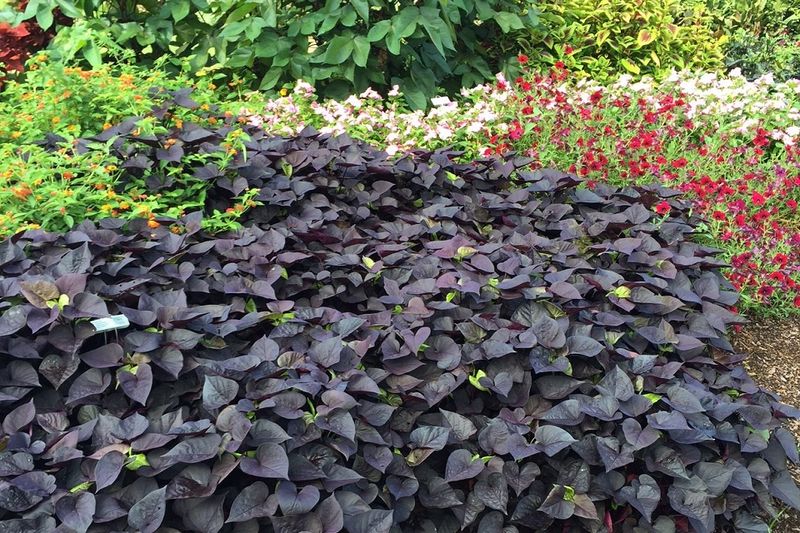
Try pairing chartreuse vines with purple petunias or red coleus for bold summer contrast. With free plants on hand, you can splurge on fun new flowers instead.