Why Tree Frogs Start Hiding Around Georgia Homes As Fall Gets Cooler
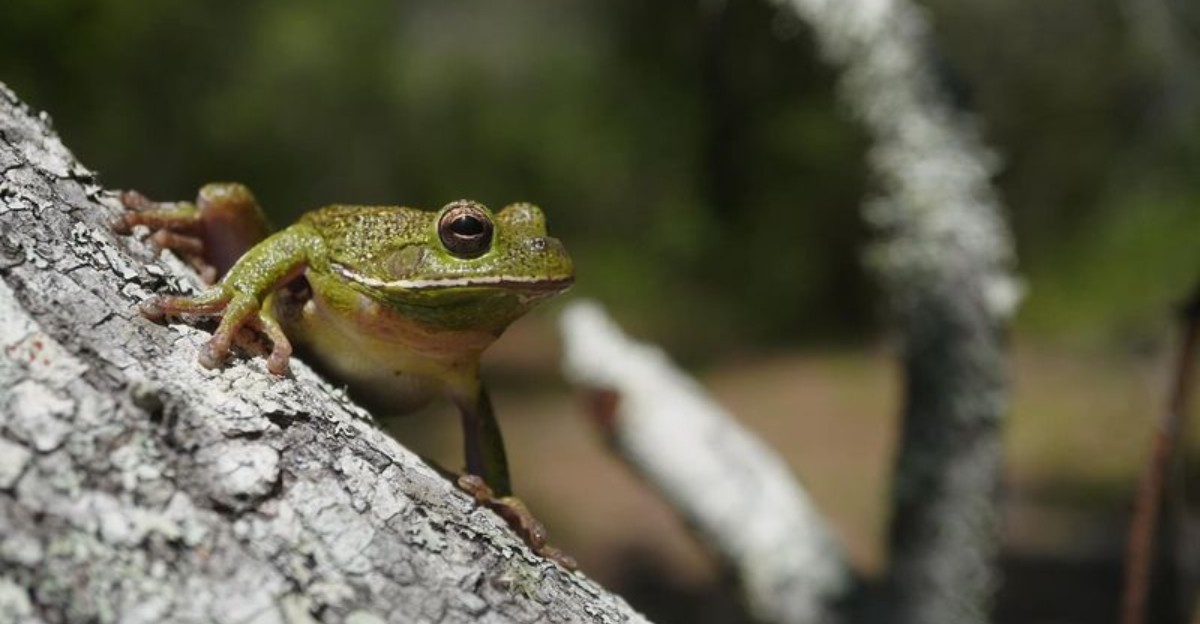
Cool fall mornings sometimes reveal tiny tree frogs tucked into shutters, porch corners, downspouts, and other protected spaces around the house.
Those hiding places offer shelter as temperatures begin changing. Frogs naturally look for protected areas where they can avoid exposure to colder conditions.
Around Georgia homes, that can bring them surprisingly close to doors, siding, and outdoor furniture.
Check sheltered spaces carefully before moving stored items or opening shutters. If you find a frog, avoid handling it unless moving it becomes necessary.
Its presence does not automatically point to a problem with your home.
Changing temperatures simply influence where these small animals seek cover. Knowing that can help you understand why frogs suddenly seem more noticeable around the house during fall.
1. Cooler Nights Send Tree Frogs Looking For Protected Places
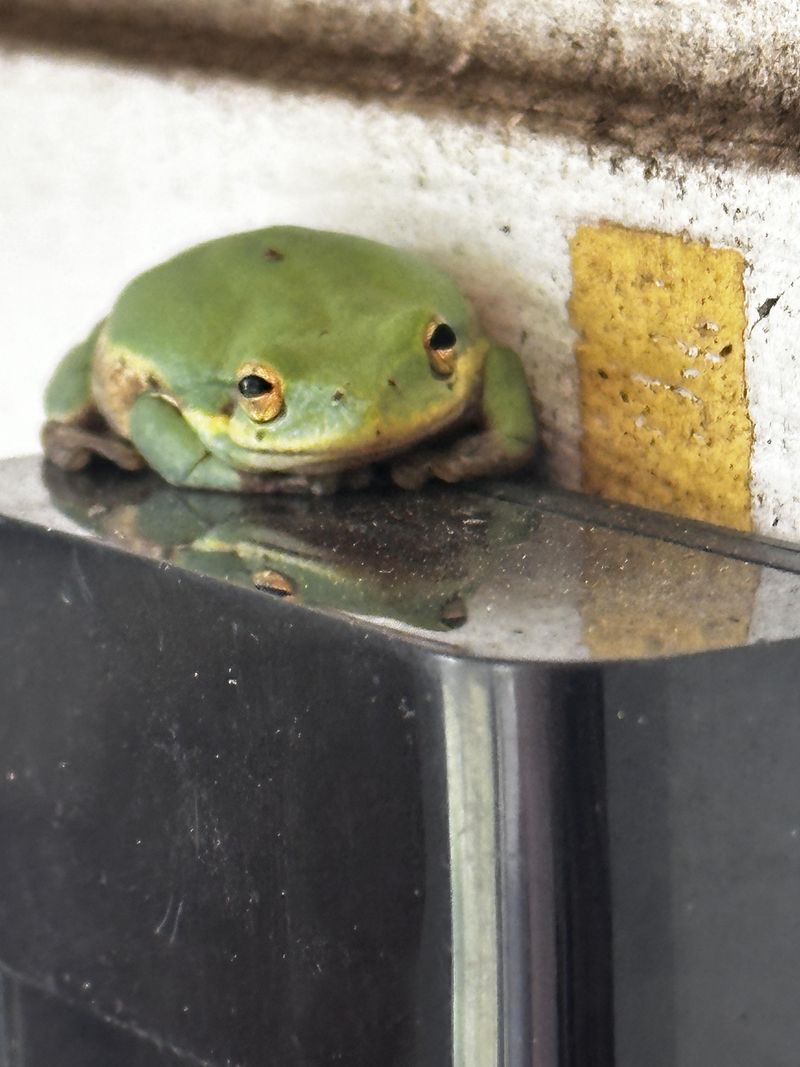
Cold snaps change frog behavior fast. Once fall evenings in Georgia slip into the 50s, tree frogs start hunting for spots that hold a little warmth.
Frogs cannot make their own body heat, so the air around them controls how active they feel.
On a mild afternoon, you might still hear a few calls from the shrubs. After sunset, though, those same frogs often go quiet and tuck themselves away.
Walls, window frames, and door trim soak up sun during the day and release it slowly at night.
That small bit of stored warmth can make a house feel like a better shelter than an open leaf. It also blocks the wind, which dries out a frog’s thin skin.
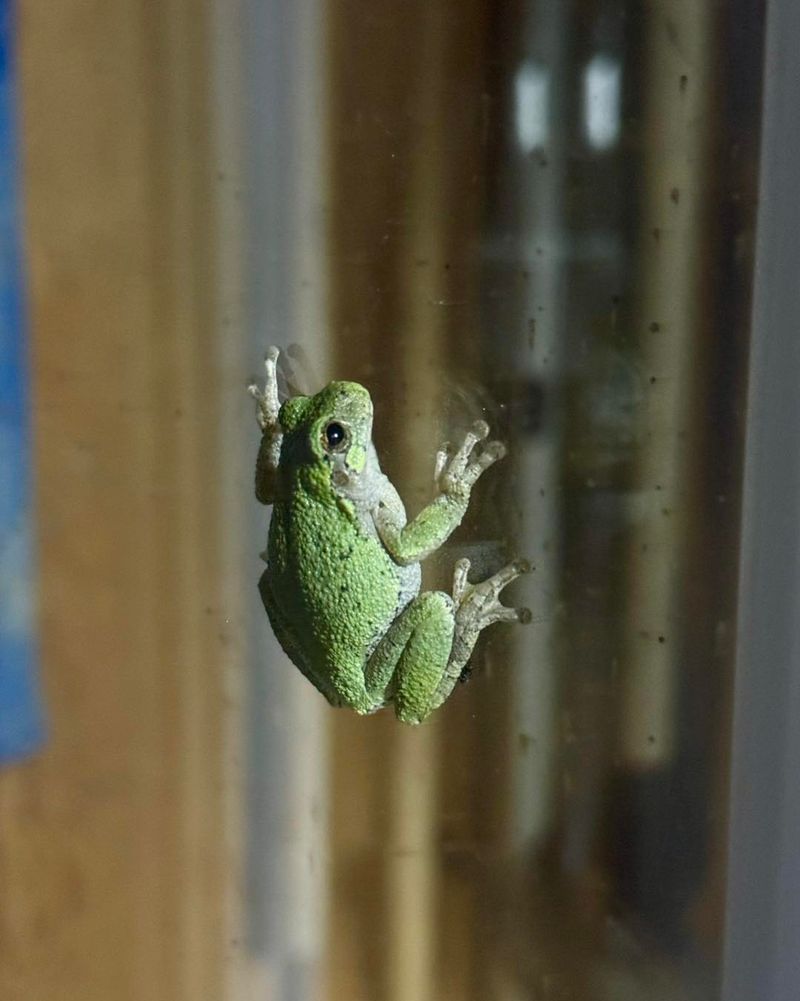
Gray tree frogs are especially good at handling chilly weather and may stay active later into the season than you expect.
Green tree frogs tend to slow down sooner when temperatures drop. How early they settle in depends on your area, since north Georgia usually cools weeks before the coast.
If you spot a frog resting on your siding in the morning, it is usually fine to leave it alone.
Most will move on once the day warms up. Handling them can stress them, so watching from a distance is the kinder choice.
2. Porches And Siding Offer Plenty Of Small Sheltered Spaces
Your porch is basically a frog apartment building. Every gap under the siding, every hollow in a column, and every shady corner gives them a place to wedge in.
Tree frogs like tight spaces where their bodies touch surfaces on several sides.
Vinyl siding often has small channels and overlaps that stay shaded and a bit humid. Shutters, mailbox posts, and potted plants can work the same way.
Covered porches are common on homes across Georgia, and they block rain while keeping out harsh wind.
Flip over a flowerpot saucer in October, and you might find a frog pressed against the rim. Folded patio umbrellas and grill covers are other favorite spots worth checking before you use them.
Shaking out cushions and gently opening covers gives any hidden frog a chance to hop away on its own.
If you need to move one, a damp hand or a small cup works better than grabbing. Set it on a nearby shrub or tree trunk rather than tossing it into the open yard.
Your Georgia Garden Changes Every Week. Your Plan Should Too.
Gardening in Georgia changes quickly throughout the season. Every Friday you’ll receive a simple weekly plan showing exactly what to plant, prune, fertilize, harvest, and protect so you never miss the right timing.
Leaving a few planters or a stack of clay pots in a quiet corner can give frogs a spot that keeps them away from doors.
3. Outdoor Lights Can Keep Insect Prey Close To The House
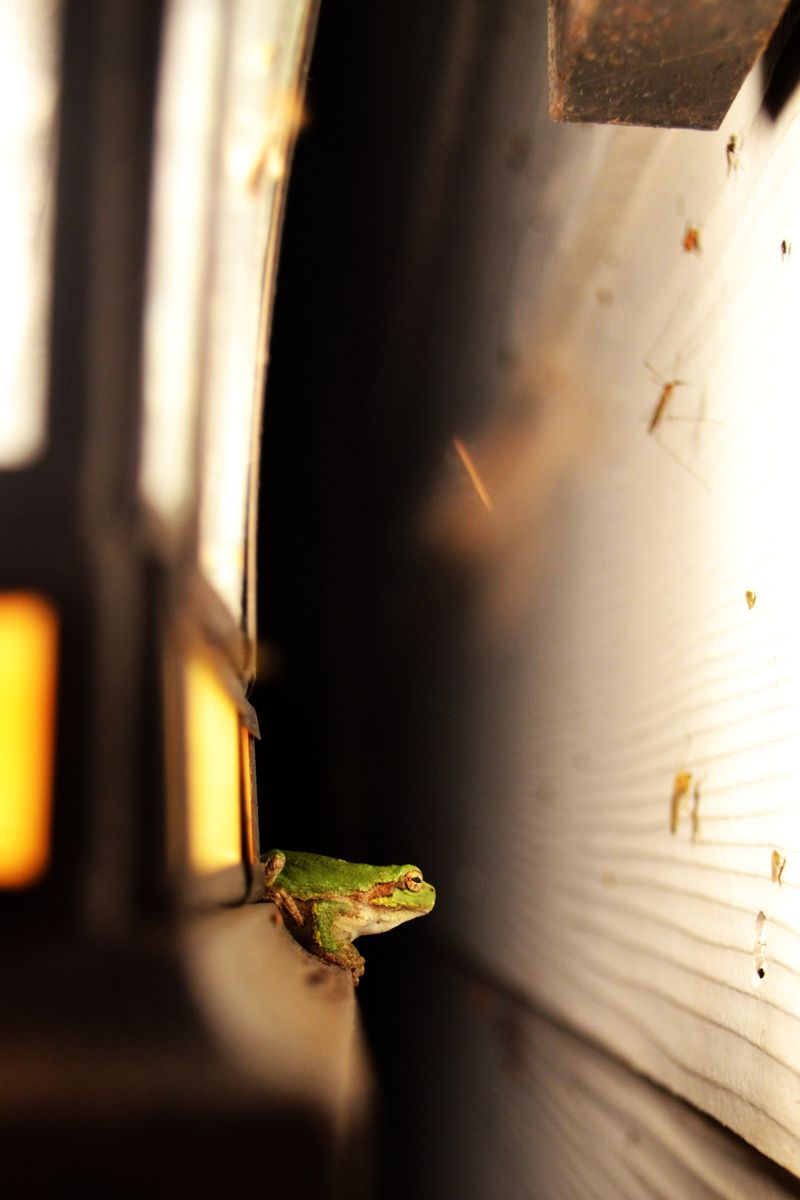
Bugs fly to the light, and frogs follow the bugs. Anyone who has left a porch light on in a Georgia fall has probably seen this little food chain at work.
Moths, gnats, and beetles often circle bright bulbs after dark, especially on warmer fall evenings.
Tree frogs figure out quickly that a lit window or door frame means easy meals. You may notice the same frog showing up night after night in nearly the same spot.
Green tree frogs are well known for parking right beside lights and waiting.
Fewer insects fly as the weather cools, so a reliable feeding spot matters more to a frog late in the season. That pull keeps them near your walls longer than they might stay otherwise.
Want fewer frogs by the door? Try switching bright white bulbs to yellow or warm-toned LEDs, which tend to attract fewer flying insects.
Motion-sensor lights also help since they stay off most of the night. Results vary by yard, but many homeowners notice fewer bugs and frogs within a week or two.
Moving a light away from the entry door shifts the action somewhere less likely to cause indoor surprises.
4. Downspouts And Damp Corners Add Another Appealing Hideout
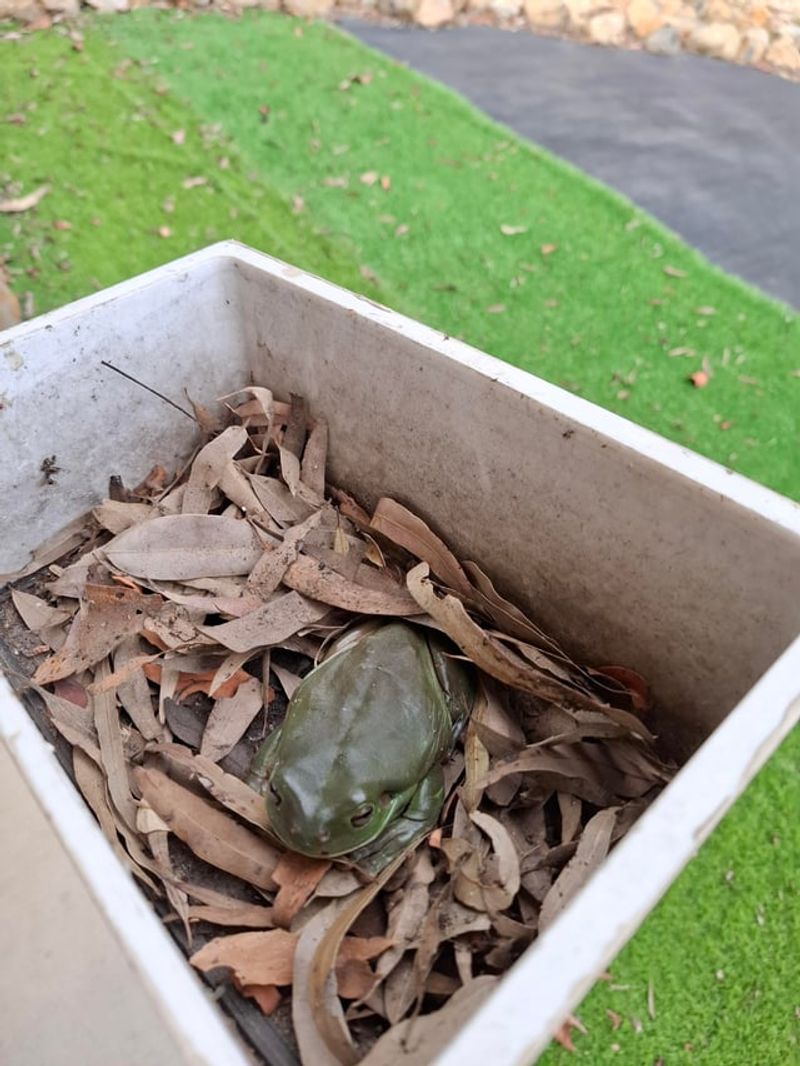
Moisture is a big deal for a frog. Their skin needs to stay damp, so wet spots around your house can draw them in like a magnet.
Downspouts are a classic hiding place because they stay cool, shaded, and often a little wet inside.
Frogs can climb right up the inside of the pipe using their sticky toe pads. Some homeowners hear them calling from the gutter, which can sound oddly loud through metal.
Damp corners near hose bibs, air conditioner units, and rain barrels attract them too.
In Georgia, fall can swing between dry weeks and soaking rains, and frogs may shift spots depending on which areas stay moist. A dripping faucet might quietly become the best hangout on your property.
Before cleaning gutters or running a leaf blower through a downspout, tap the pipe gently a few times.
That gives any frogs inside a moment to move. Flushing a downspout with water slowly at first is gentler than a sudden full blast.
Fixing small leaks near doors can steer frogs toward better damp spots farther out in the yard.
5. Small Gaps Can Occasionally Let A Frog Wander Indoors
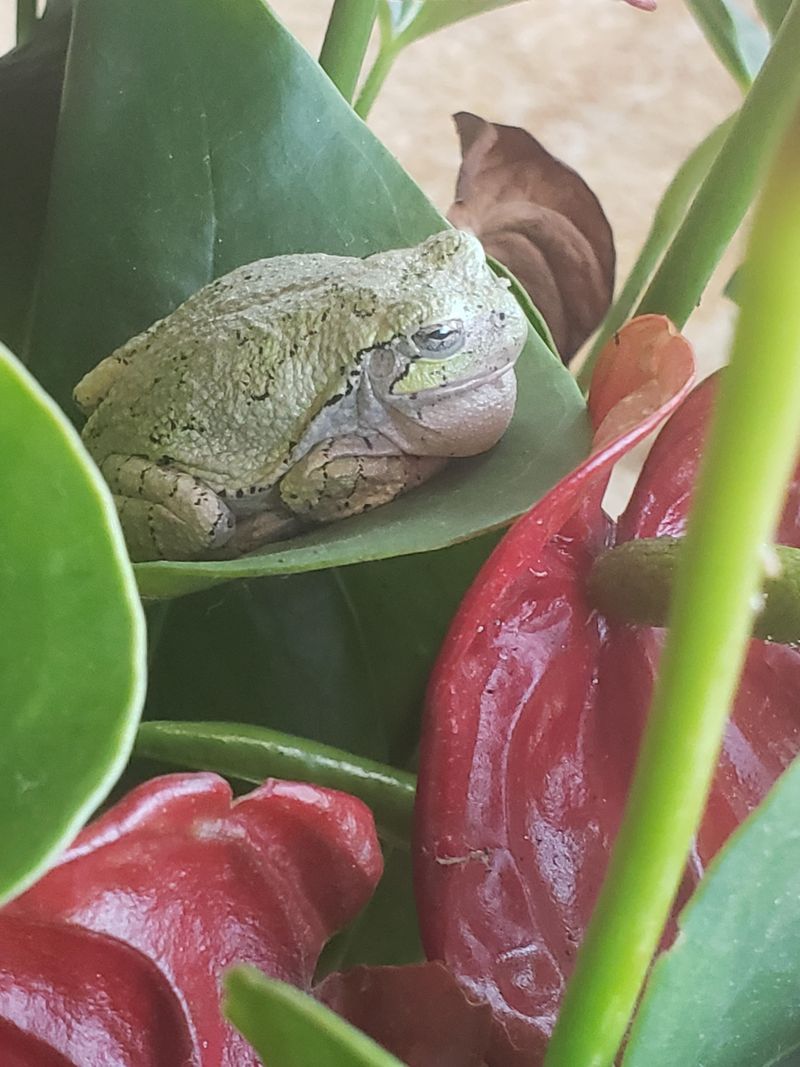
Picture this. You open the laundry room door and find a tiny green frog stuck to the wall like a refrigerator magnet.
It happens more often than you might think, though it is usually a rare surprise rather than a regular event.
Tree frogs can squeeze through surprisingly small openings, like worn door sweeps or torn window screens. Gaps around dryer vents and pipes are other easy entry points.
Sometimes a frog rides in on a potted plant you brought inside for the winter.
Plenty of Georgia gardeners move ferns and tropicals indoors in October, and frogs hiding in the soil or leaves come along. Checking pots carefully before moving them saves a lot of confusion later.
Indoor air is usually too dry for frogs, so one that gets inside will not do well for long.
If you find one, gently scoop it into a cup with a lid or a damp paper towel. Release it near shrubs or a tree outside, ideally in the evening when it is less likely to dry out.
Wash your hands afterward, since frogs, like many animals, can carry germs on their skin.
6. Sealing Openings Helps Keep Unexpected Visitors Outside
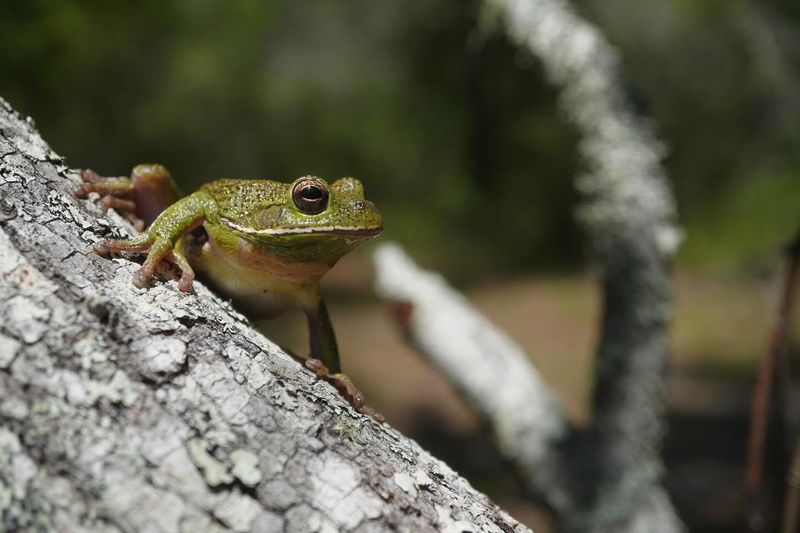
A tube of caulk does more than you would guess. Sealing small cracks is one of the simplest ways to keep frogs, along with insects and spiders, from slipping inside.
Start with door sweeps, since worn rubber at the bottom of exterior doors is a common entry point.
Next, look at window screens for tears or loose corners. Small patch kits from a hardware store usually fix minor damage in a few minutes.
Check where pipes, cables, and vents pass through the walls.
Exterior-grade caulk or expanding foam can fill those gaps, depending on their size. Wire mesh works better for larger vent openings because it still lets air move.
Fall is a smart time for these repairs in Georgia, since cooler days make outdoor work far more pleasant than summer.
Before sealing anything, look closely to make sure no frog is tucked inside the gap. Trapping one in a wall is easy to do by accident and easy to avoid with a quick check.
Sealing will not stop every visitor, but it cuts down on surprises and keeps frogs where they can find food and moisture.
7. Leaf Litter And Garden Shelter Give Frogs Better Places To Stay
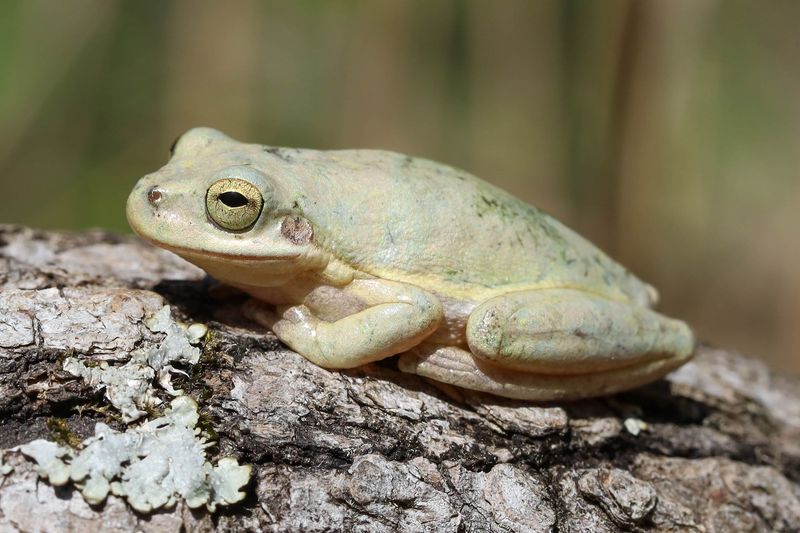
Skip some of that raking this year. A little leaf litter gives frogs a far better winter home than your siding or downspouts.
Gray tree frogs often spend the coldest months tucked under leaves, loose bark, or logs on the ground.
Leaving a layer of fallen leaves in flower beds or under shrubs creates that kind of cover. It also helps hold moisture in the soil, which many plants appreciate.
Native shrubs like wax myrtle, American beautyberry, and inkberry holly offer extra shelter in Georgia yards.
Dense evergreen branches give frogs shade and protection from wind. A brush pile or a few old logs in a back corner can add even more hiding spots.
Go easy on pesticides when possible, because frogs absorb chemicals through their skin.
Fewer sprays also means more insects for them to eat. How well this works depends on your yard, nearby woods, and local weather, so give it a season or two.
A small shallow dish of water or a backyard pond can make the garden even more inviting than the porch.