What It Really Means When Moss Takes Over Your North Carolina Lawn
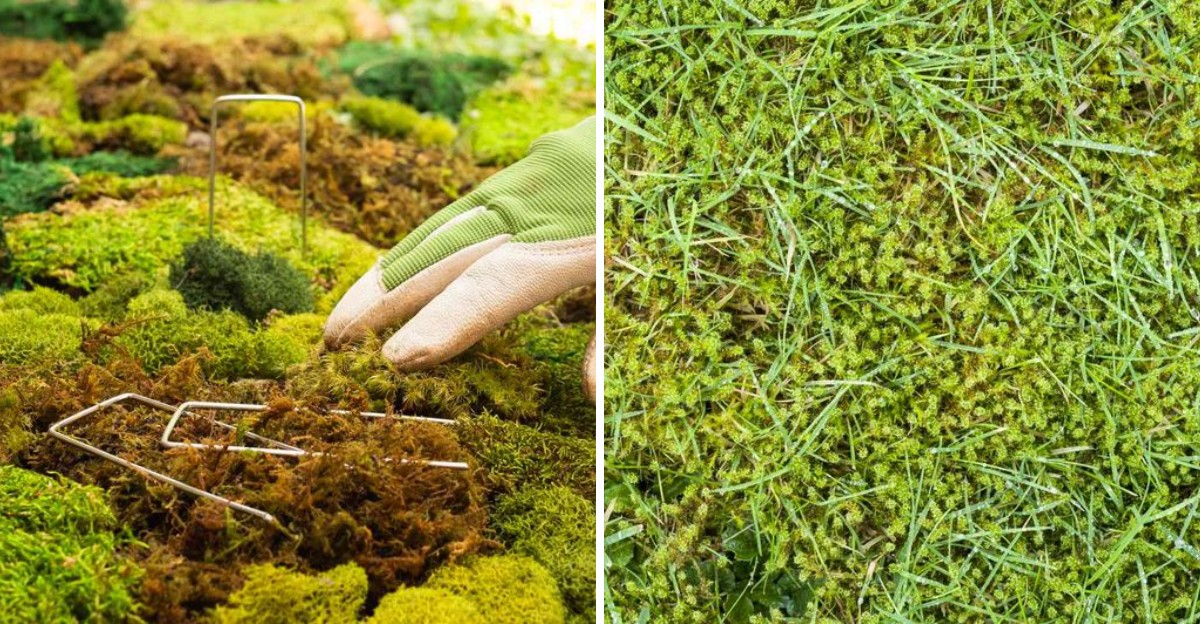
Something soft and suspiciously green has been quietly taking over patches of your North Carolina yard, and honestly it feels kind of nice under bare feet. Charming, even.
Until you realize your grass is losing the argument and has been for a while now. You mow, you water, you do all the right things, and those plush green patches just keep spreading like they own the place.
Here is the thing though: moss is not just a nuisance showing up uninvited. It is actually trying to tell you something pretty specific about your soil, your light, your drainage, and how your grass is really coping under pressure.
Read those clues correctly and you can fix the actual problem underneath. Or, and this is the fun plot twist, you might just decide moss deserves to stay.
1. Your Yard Is Getting Too Much Shade
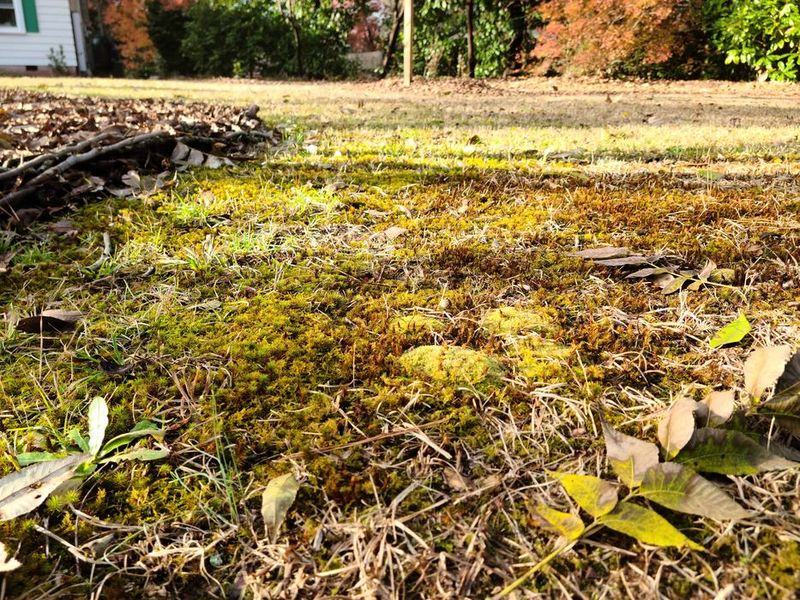
Tall pines and big oaks are part of what makes North Carolina so pretty. Sadly, those same trees can starve your grass of sunlight.
Most lawn grasses need at least four to six hours of direct sun each day. Moss is happy with far less, so it moves right into the dim spots.
When you see a green mat under a tree canopy, shade is usually the first suspect.
Start by watching your yard for a full day. Note which areas get morning sun, which get afternoon light, and which stay dim the whole time.
A simple sketch on paper can help you see the pattern.
Next, think about thinning tree branches. Raising the lower limbs lets more light reach the ground, and a certified arborist can do it safely.
Even removing a few crowded branches can make a big difference.
If cutting trees is not an option, pick a grass that handles shade better. Tall fescue does well in the Piedmont and mountains.
In warmer coastal areas, St. Augustine or Zoysia often copes with partial shade nicely.
For the darkest corners, consider a different plan. Shade beds with hostas, ferns, or mulch paths can look lovely.
Sometimes the smartest move is letting grass go where it truly struggles and choosing plants that enjoy the cool, shady side of life.
2. Soggy Soil Is Holding Too Much Water
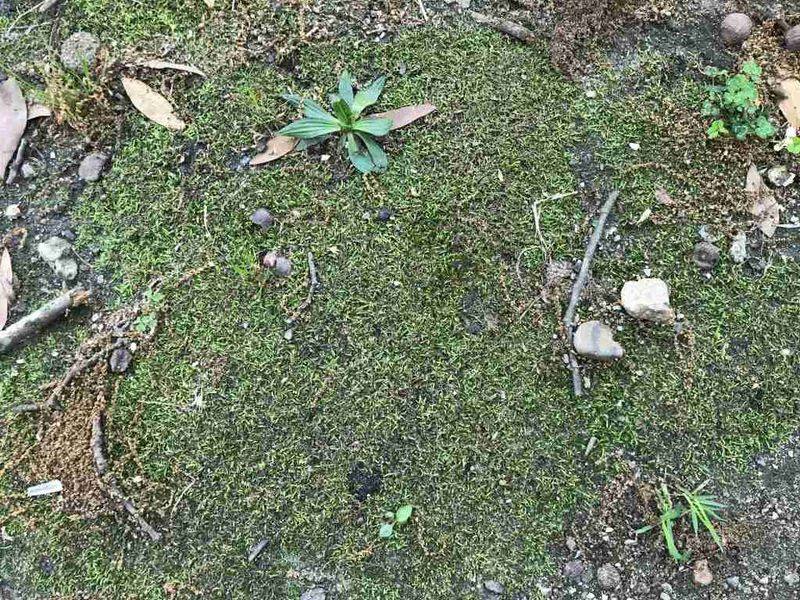
Squish, squish. If your shoes sink a little when you cross the yard after rain, moss probably feels right at home there.
Moss loves moisture because it has no real roots. It soaks up water straight through its tiny leaves.
Grass, on the other hand, gets weak when its roots sit in wet ground for days.
North Carolina receives significant rainfall throughout the year, though amounts vary considerably by region. The mountains can see dramatically more than the Piedmont, while coastal areas have their own patterns.
Add a low spot or poor drainage to any of those situations, and water just hangs around.
That steady dampness gives moss a big head start.
Look for clues like standing puddles, a sour smell, or algae on the soil surface. Downspouts that dump water onto the lawn are a common cause.
Your North Carolina Garden Changes Every Week. Your Plan Should Too.
Gardening in North Carolina changes quickly throughout the season. Every Friday you’ll receive a simple weekly plan showing exactly what to plant, prune, fertilize, harvest, and protect so you never miss the right timing.
So are sprinklers that run too often or too long.
A few fixes can help a lot. Point downspouts away from the grass with extensions or splash blocks.
Water your lawn deeply but less often, usually about one inch per week, including rain.
For bigger problems, a French drain or rain garden can move water where it belongs. Rain gardens with native plants also help local creeks and give pollinators a snack.
Once the soil dries out between waterings, grass gets stronger and moss slowly loses its grip.
3. Red Clay Is Packed Down Tight
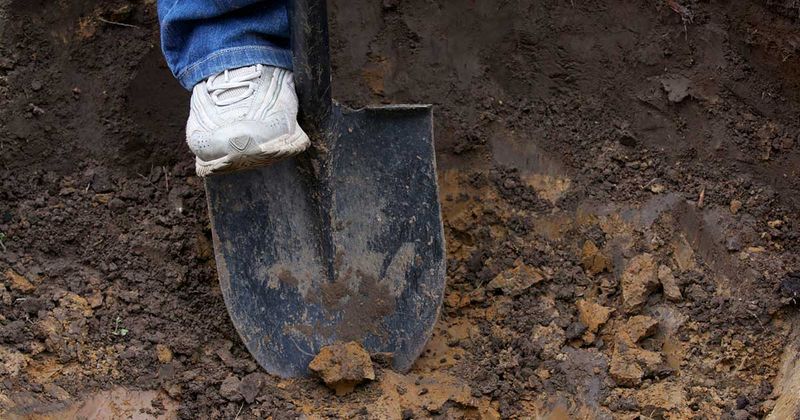
Anyone who has dug a hole in the Piedmont knows the struggle. That famous red clay can feel as hard as a brick by midsummer.
Clay soil has tiny particles that pack together tightly. When kids play, cars park, or people walk the same path, the soil gets squeezed even more.
Air and water have a hard time moving through it, and grass roots stay shallow and weak.
Moss does not care about any of that. It sits on top of the soil and grows just fine on hard, crusty ground.
So a mossy lawn on clay often points to compaction underneath.
Here is a quick test you can try. Push a long screwdriver into moist soil.
If it barely goes in a couple of inches, your soil is likely compacted.
Core aeration is the classic fix. An aerator pulls small plugs of soil out of the ground, letting air, water, and food reach the roots.
Cool-season lawns like fescue do best with fall aeration, while warm-season grasses like Bermuda prefer late spring or early summer.
After aerating, spread a thin layer of compost across the yard. Over time, organic matter loosens clay and feeds helpful soil critters.
Your grass will root deeper, and moss will find fewer bare spots to claim.
4. Acidic Soil Is Tipping The Balance

Soil has a mood, and scientists measure it with something called pH. Much of the soil in North Carolina leans sour, or acidic, thanks to heavy rain and pine needles.
Most lawn grasses like a pH between about 6.0 and 7.0. When the number drops lower, grass has trouble taking up nutrients.
Moss handles sour soil much better, so it fills in where grass gives up.
Guessing is not a good plan here. The good news is that the North Carolina Department of Agriculture offers soil testing at a low cost per sample, making it one of the most affordable and practical steps any NC homeowner can take for their lawn.
Grab a clean bucket and a trowel. Collect small samples from several spots about four inches deep, mix them together, and send them in.
Your local Cooperative Extension office can give you the boxes and forms.
Your report will tell you exactly how much lime your lawn needs, if any. Lime slowly raises pH and makes nutrients easier for grass to use.
Fall and winter are great times to spread it since it takes months to work.
Skip the random bag of lime at the store without testing first. Too much can cause new problems.
A little science goes a long way toward a greener, happier yard.
5. Hungry Grass Needs Better Feeding
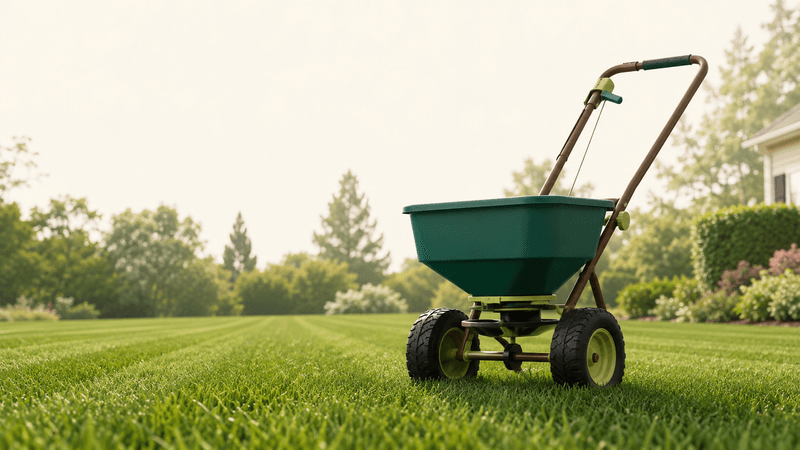
Think of your grass like a busy athlete. Without the right meals, it gets tired, thin, and easy to push around.
Thin grass leaves gaps, and moss is quick to slide into any open space. Low nitrogen is a common cause of pale, patchy turf.
Phosphorus and potassium matter too, especially for strong roots.
Timing is the secret most people miss. In North Carolina, cool-season grasses like tall fescue should be fed mainly in fall, around September and November.
Warm-season grasses like Bermuda, Zoysia, and Centipede want their food in late spring and summer while they are actively growing.
Feeding at the wrong time can backfire. Fertilizing fescue in hot summer weather can stress it and invite disease.
Feeding warm-season grass too early in spring mostly helps the weeds.
Your soil test results will suggest how much to use. A slow-release fertilizer feeds grass gently over several weeks.
It also lowers the chance of runoff into streams and lakes.
One more tip: leave grass clippings on the lawn after mowing. They break down fast and return free nutrients to the soil.
Well-fed grass grows thick and crowds out moss on its own, which is the most natural fix of all.
6. The Wrong Grass Type For Your Region
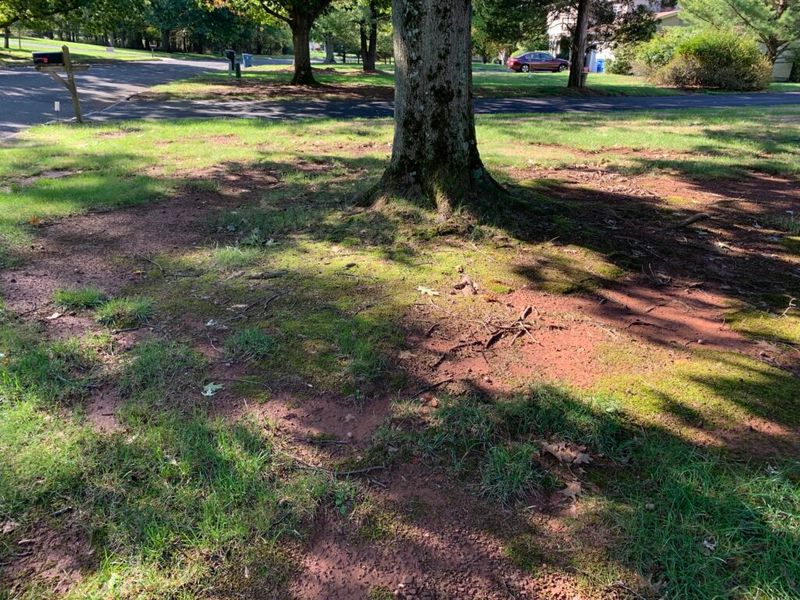
North Carolina is like three states in one. The cool mountains, the rolling Piedmont, and the warm coastal plain each have their own grass needs.
Planting the wrong type is a bit like wearing a winter coat to the beach. The grass struggles, gets thin, and moss moves in to take over.
Many mossy lawns are simply growing grass that does not match the local climate.
Here is a quick cheat sheet. In the mountains, tall fescue and Kentucky bluegrass do well with cooler summers.
In the Piedmont, tall fescue is popular, though Bermuda and Zoysia work in sunny spots.
Along the coast, warm-season grasses shine. Centipede, St. Augustine, and Zoysia handle the heat and sandy soil nicely.
Centipede is often called the lazy lawn because it thrives with very little fertilizer. That low-input reputation is well earned, but it comes with an important catch: over-fertilizing Centipede, particularly with nitrogen, can actually harm it and lead to long-term decline.
Less really is more with this one.
Shade changes the picture too. Bermuda grass loves full sun and does poorly under trees.
Fescue or St. Augustine tends to cope better in partly shady yards.
If your grass keeps fading year after year, it may be time to switch. Overseeding fescue in early fall or laying new sod for warm-season types can reset your yard.
Choosing the right match helps grass stay thick and gives moss less room to spread.
7. Mowing Habits Might Be Part Of It
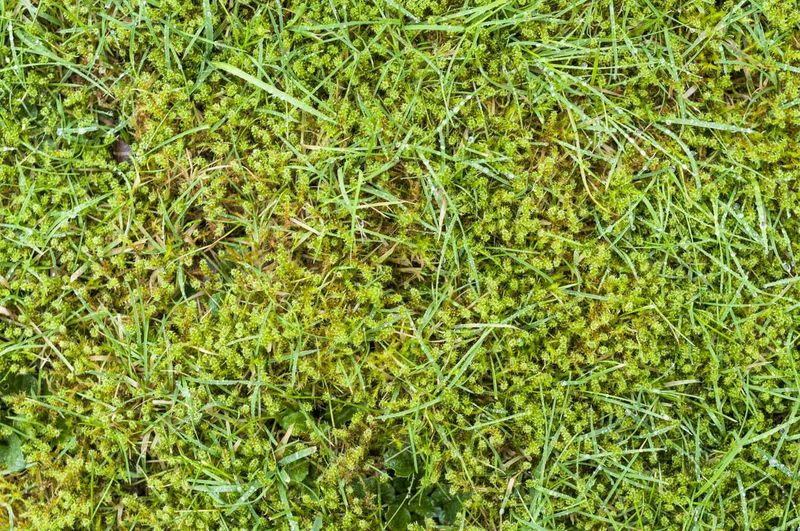
Funny enough, the way you mow can quietly invite moss over. Many folks cut their lawns way too short, thinking it looks neat and saves time.
Short grass has short roots. It dries out faster, gets stressed more easily, and leaves the soil open to sunlight that helps weeds sprout.
Moss loves those weak, scalped spots, especially in shady areas.
Each grass type has a happy height. Tall fescue does best at about three to four inches tall.
Bermuda and Zoysia can be cut lower, roughly one to two inches, while Centipede likes around one to one and a half inches.
Follow the one-third rule. Never cut off more than a third of the blade at once, or the grass goes into shock.
During fast-growing months, that might mean mowing more often.
Sharp blades matter more than people think. Dull blades tear grass instead of slicing it cleanly, leaving ragged brown tips.
Those torn edges lose water and open the door to disease.
Try changing your mowing pattern each time too. Going the same way over and over packs the soil and creates ruts.
A small change in habits can lead to thicker grass that shades out moss naturally over a season or two.
8. Clearing Moss The Smart Way
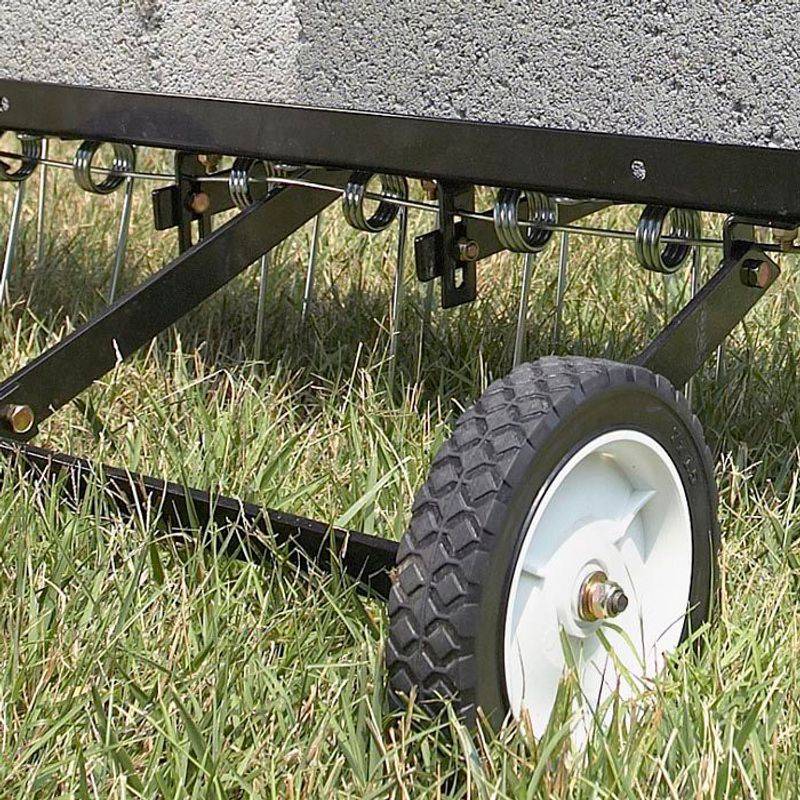
Ready to roll up your sleeves? Removing moss is actually one of the easier yard chores, as long as you fix the cause first.
If you skip the root problem, moss will simply come back. Shade, wet soil, sour pH, or thin grass need attention before or right after cleanup.
Otherwise, you are just raking for fun.
For small patches, a sturdy metal rake works great. Moss has shallow anchors, so it peels up with a little effort.
Rake when the ground is slightly damp, and toss the moss into your compost pile.
Bigger areas may need a power dethatcher. You can rent one from many hardware stores for a few hours.
It pulls up moss and old thatch fast, saving your back.
Some people use iron sulfate products to darken and weaken moss before raking. Follow the label closely, since iron can stain concrete and driveways.
Wear gloves and keep pets off the treated area until it dries.
Right after removal, the bare soil is a blank canvas. Spread seed suited to your grass type, cover it lightly with compost, and keep it moist.
Fall is ideal for fescue, while warm-season grasses do better from late spring into summer.
9. Why Some Homeowners Let Moss Stay
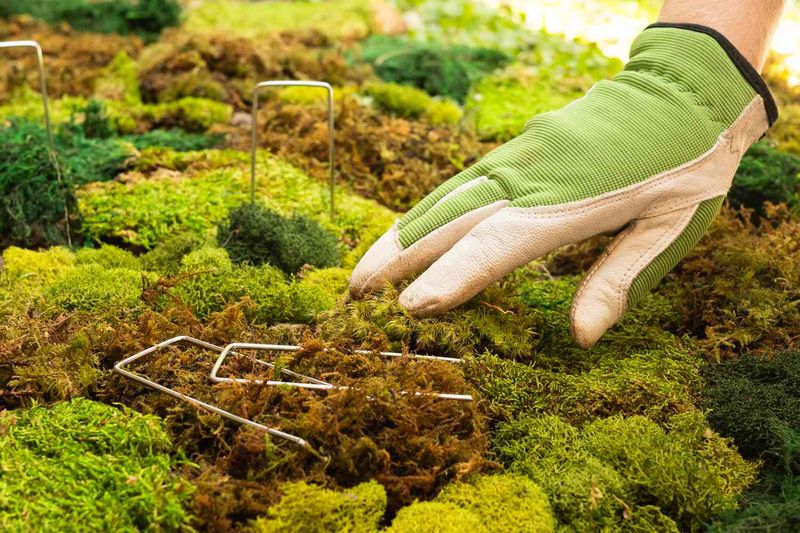
Here is a twist you might not expect. Some gardeners in North Carolina now grow moss on purpose and love every inch of it.
Moss lawns are soft, green all year, and never need mowing. They do not need fertilizer, and they handle shade beautifully.
For a yard full of trees, moss can be the easiest groundcover around.
Moss is also good for the planet. It helps hold soil in place, slows rain runoff, and gives tiny creatures a cozy home.
Plus, no gas mower means a quieter Saturday morning.
North Carolina is home to a remarkable variety of moss species, thanks to the state’s range of climates, elevations, and habitats. That diversity means you have genuinely interesting options to work with.
Some, like cushion moss and fern moss, are popular choices for garden paths and shady beds.
Japanese gardens have used moss for hundreds of years.
If you want to give it a try, start small. Pull weeds and leaves from a shady patch so the moss can spread.
A light misting during dry spells helps it stay plush.
Moss does not hold up well to heavy foot traffic, so flat stepping stones are a smart addition. Pair it with ferns, wild ginger, or native azaleas for a woodland look.
Sometimes the best answer is not winning the fight but changing the game entirely.