What To Do With Your Coleus When Michigan Frost Shows Up Early

Coleus looks bold and healthy right up until the first cold night. Then the leaves can turn dark and limp almost overnight. It is one of the most frost-tender plants in a Michigan garden.
An early frost leaves little time to react, so a plan helps. You have more options than you might think. Some gardeners move whole pots indoors.
Others save only a few stems. The right choice depends on how much space you have and how much work you want to do. Either way, acting quickly matters.
Even a plant that already looks rough can often be saved. Knowing what to do before the frost arrives means you can keep your favorite colors for next summer.
1. Cover Or Move Plants Before The Cold Night

Few garden plants are as touchy about cold as coleus (Coleus scutellarioides). Tomatoes and peppers might shrug off a chilly evening, but coleus starts to sulk the moment temperatures slip below about 50°F.
Once real frost arrives, those gorgeous leaves can turn black and mushy by morning. Speed is your best friend when the forecast shows a cold night.
Potted coleus is the easy part, since you can simply carry the containers into a garage, onto a covered porch, or right into your house before evening. Even a few degrees of shelter can make a huge difference.
Plants growing in the ground need a little more help. Drape them with frost cloth, old bedsheets, or light blankets, and make sure the fabric reaches all the way to the soil.
Heat rises from the ground at night, and a cover that touches the dirt traps that warmth like a tent.
Skip plastic if you can, because it can chill the leaves wherever it touches them. If plastic is all you have, set it over stakes or chairs so it stays off the foliage. Weigh down the edges with rocks or bricks so the wind does not steal your cover overnight.
Morning matters just as much. Once the sun is up and temperatures climb, pull the covers off so the plants can breathe and soak up light. Leaving them on all day can trap too much heat and moisture.
All of this matters a lot in Michigan. Early frosts can show up in September, especially across the Upper Peninsula and the northern Lower Peninsula, so keep an eye on the local forecast and have your covers ready to go.
2. Take Cuttings Right Away
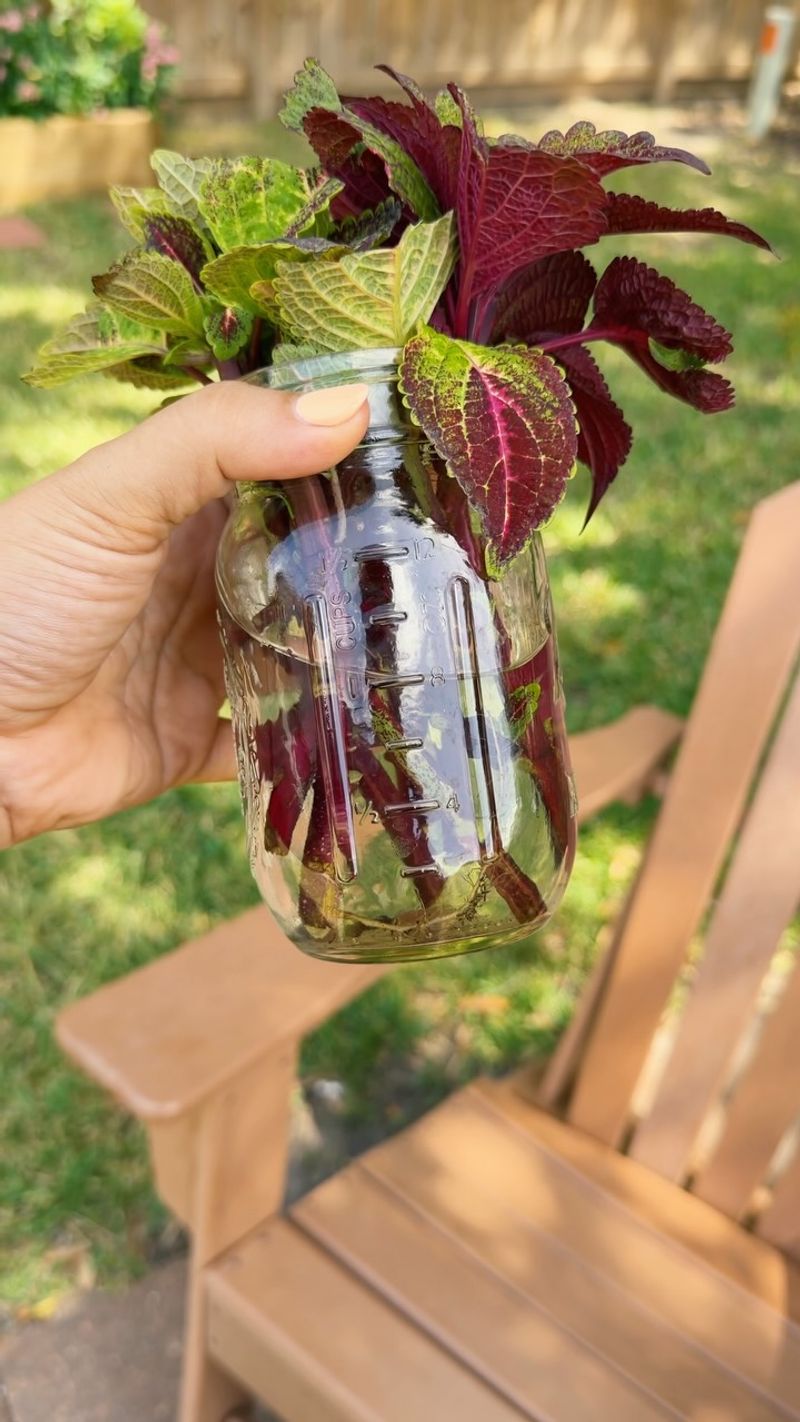
Saving a coleus can be as simple as snipping a stem and setting it in a glass of water. Gardeners have been doing it for generations, and it might be the easiest rescue plan of all. Coleus roots so fast that you can often spot tiny white roots in just a week or two.
Space is another big reason to love cuttings. A full garden plant can grow wide and tall, but a handful of stems fits neatly on a windowsill. You get to keep every color you love without turning your living room into a jungle.
Your Michigan Garden Changes Every Week. Your Plan Should Too.
Gardening in Michigan changes quickly throughout the season. Every Friday you’ll receive a simple weekly plan showing exactly what to plant, prune, fertilize, harvest, and protect so you never miss the right timing.
Start by choosing healthy stem tips with strong color and no signs of pests. Using clean scissors or pruners, cut pieces about 4 to 6 inches long, making each cut just below a leaf node.
That node is the little bump where leaves join the stem, and it is where new roots love to form.
Next, pull off the lower leaves so only a few sets remain near the top. Any leaves sitting underwater will rot, so a bare stem bottom keeps things clean. Then place the stems in a glass of water or poke them into moist potting mix.
Bright, indirect light works best while roots develop. A spot near a window without harsh afternoon sun is perfect. If you use water, swap it out every few days so it stays fresh.
Michigan gardeners get a real bonus here. Cuttings let you carry your favorite varieties through the long winter, so you will not have to hunt for them at the garden center next spring. Your wallet will thank you, too.
3. Pot Up Small Plants To Bring Inside
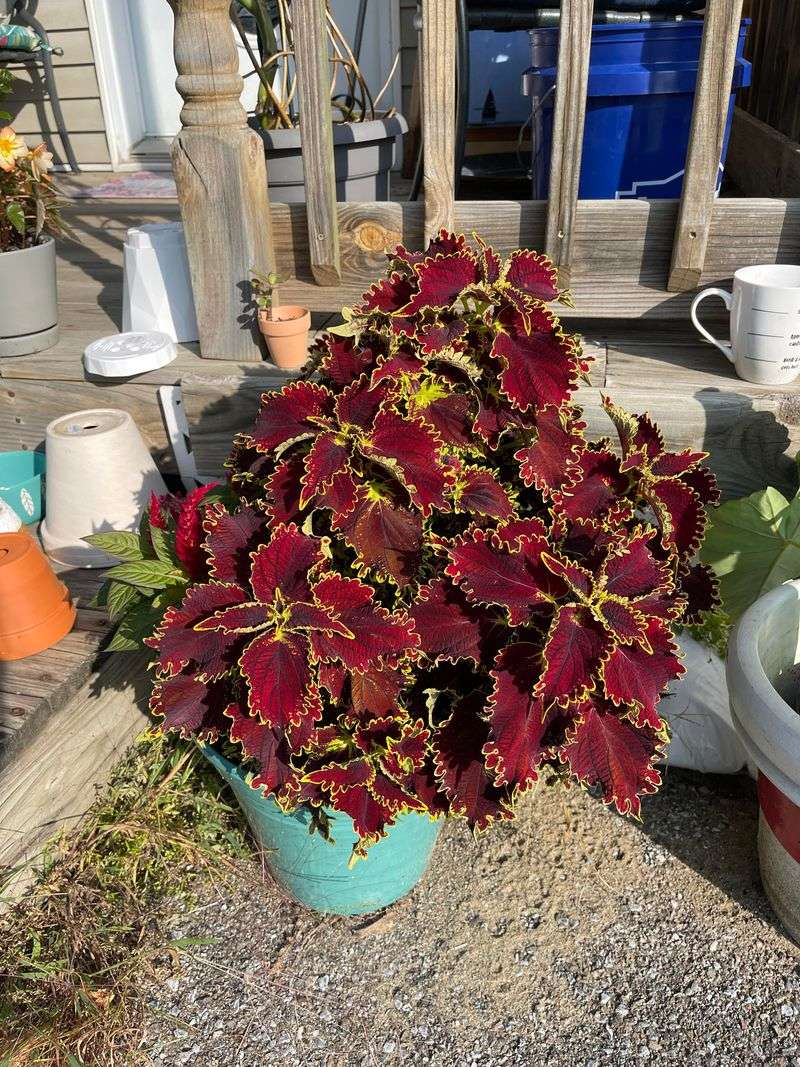
Not every coleus needs to be cut into pieces to survive winter. Some of the smaller, tidier plants in your garden can come inside whole. Think of it as inviting your best-behaved guests to stay for the season.
Compact plants handle the move much better than big, sprawling ones. Their roots are easier to dig up, and they settle into indoor life with less fuss. You also get to keep a plant that already has rich, mature color, which is a nice head start.
Grab a trowel or small shovel and dig a wide circle around the plant. Try to lift as much of the root ball as possible, since torn roots mean more stress. Gentle hands go a long way here.
Choose a pot with drainage holes and fill it with fresh potting mix. Garden soil gets heavy and packed down in containers, and it can carry pests indoors. A light, fluffy mix helps roots breathe and drain well.
After planting, trim the coleus back by about a third. It may feel strange to cut a healthy plant, but smaller tops put less demand on the roots while they recover. Plus, those trimmings can become cuttings for even more plants.
Give each pot a deep watering before carrying it inside. Moist soil helps the roots settle and reduces shock during the move.
For Michigan gardeners, this step keeps the color party going all winter. Bringing coleus in before frost means it can keep growing on a sunny sill while snow piles up outside. Few things brighten a gray January quite like a pot of glowing leaves.
4. Check For Frost Damage And Trim It Away
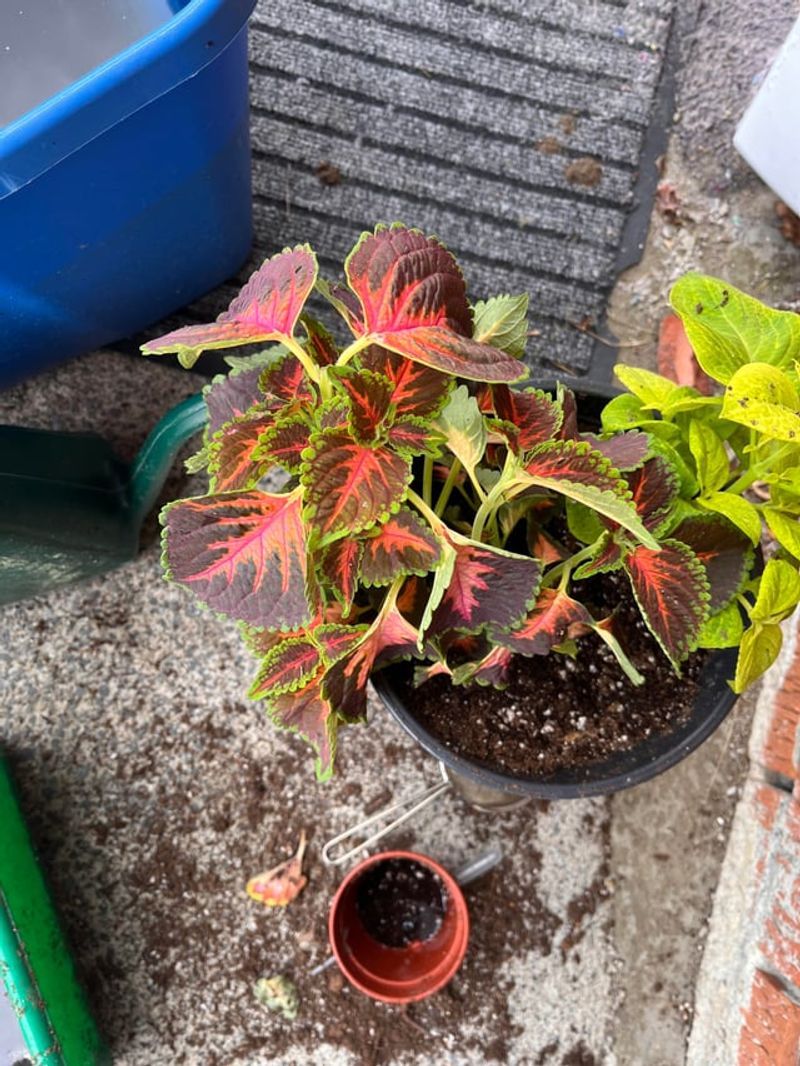
Sometimes the frost wins a round before you can act. You wake up, look out the window, and spot droopy, darkened leaves where bright color used to be. Take a breath, because a touched plant is not always a lost cause.
Patience is the first move. Wait a full day before you start cutting, since frost damage often looks worse or better after a little time passes. By the next afternoon, you will clearly see which parts are hurt and which parts still look fresh.
Here is the honest truth about frosted coleus. Leaves that turn black and mushy will never bounce back, and if left on the plant, they can start to rot. Healthy stems and growing tips, though, can keep going strong.
Grab clean pruners and trim off the blackened leaves and stems. Cut back until you reach firm, green tissue that looks normal inside. Removing the soft, damaged parts helps keep mold and rot from spreading.
Look closely for any tips that escaped harm. Those undamaged stems are perfect candidates for cuttings, so snip them off and root them indoors. Even a battered plant can hand you a brand new start.
If the whole plant feels limp and mushy from top to bottom, it is time to let it go. Toss it in the compost pile, where it can turn into rich food for next year’s garden.
Michigan weather can be oddly picky. One cold night might nip plants in a low spot while sparing the ones by the house wall just a few feet away. Checking each plant on its own helps you save every bit of color you can.
5. Inspect For Pests Before Bringing Coleus Indoors
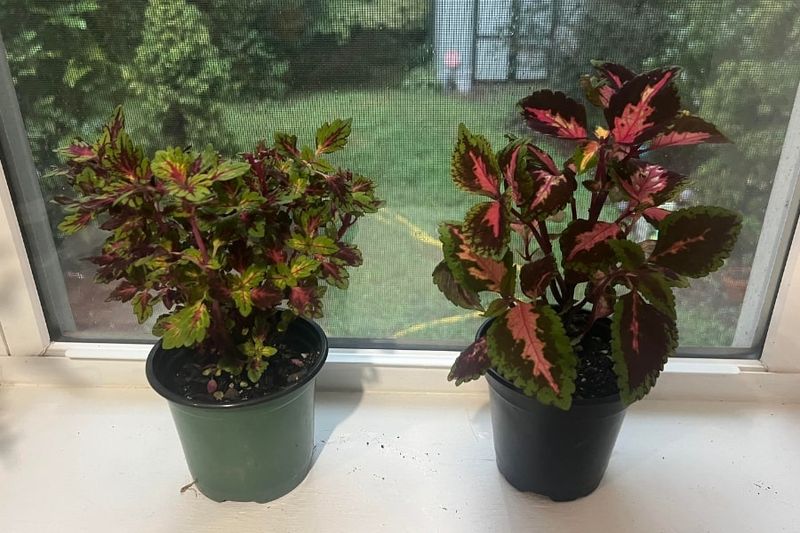
Tiny hitchhikers love coleus. Mealybugs, whiteflies, and aphids often hide on the soft stems and leaves, and you may not notice them until they have moved into your house. A few minutes of detective work now can save you weeks of trouble later.
Outdoors, ladybugs, lacewings, and other helpful insects keep these pests in check. Inside your home, those natural predators are gone. That means a small group of bugs can grow into a big problem surprisingly fast.
Start your inspection on the undersides of the leaves, since that is where many pests like to gather. Mealybugs look like little bits of white cotton, especially where leaves meet the stem.
Whiteflies flutter up when you shake the plant, and aphids cluster in soft green or black bunches near new growth.
Next, give every plant and cutting a gentle shower with a hose or sink sprayer. A light spray of water knocks off many bugs without hurting the leaves. Let the plants drip dry before moving on.
If you still find pests, treat them with insecticidal soap. Follow the label, coat both sides of the leaves, and repeat as directed, because one round rarely gets every egg.
Finally, keep your coleus in its own space for a couple of weeks. A separate room or a spot across the house works well. That short quarantine lets you catch any sneaky survivors before they spread.
In Michigan, coleus may share your home with other houseplants from fall until late spring. Starting with clean plants keeps your whole indoor garden happy for those long months.
6. Give Indoor Coleus Bright Light And Warmth
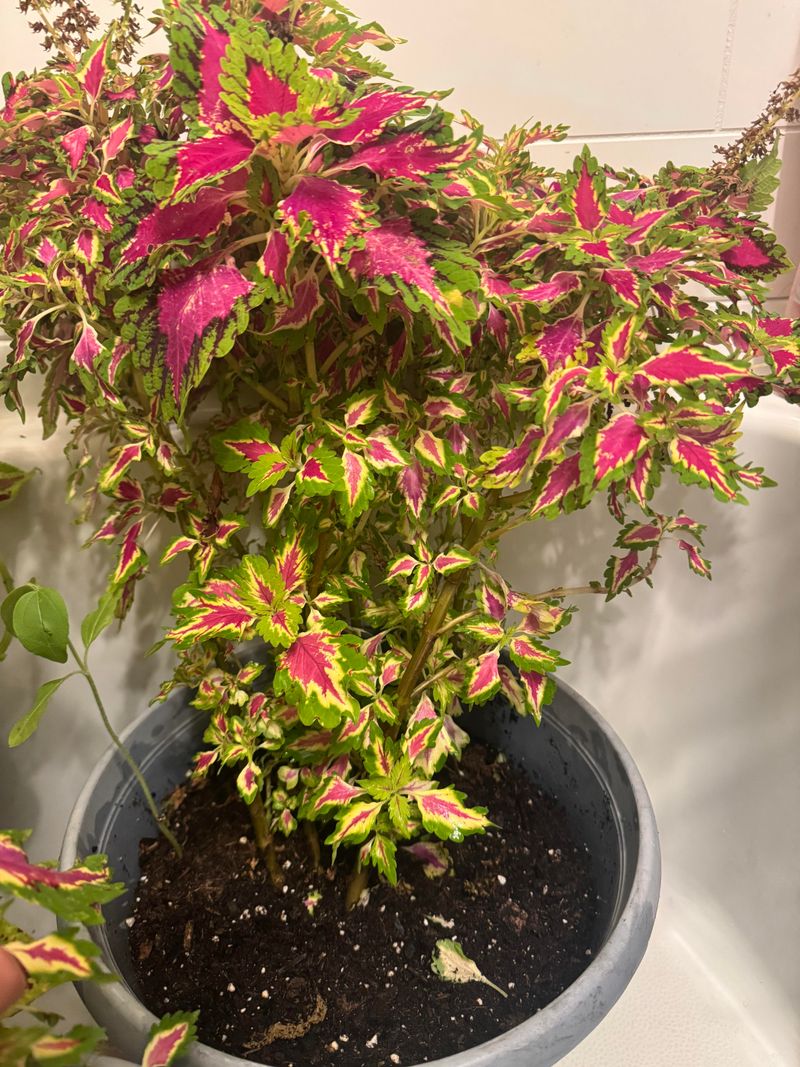
Winter is the real test for indoor coleus. Snow falls, days shrink, and your plants start asking for two big things: light and warmth. Give them both, and they will reward you with color all season.
Bright light keeps the leaves bold and the plants nicely compact. Without enough of it, coleus stretches toward the window, growing long, floppy stems with pale, faded leaves. Gardeners call that look leggy, and it is a clear sign your plant wants more sun.
Set your pots in the brightest window you have, ideally one facing south or west. If the light still seems weak, a simple LED grow light can work wonders. Keep it a few inches above the plants and run it for around 12 to 14 hours a day.
Temperature matters just as much. Coleus grows best in rooms that stay above about 60°F, and it struggles in chilly spaces. Keep pots away from drafty doors and icy window glass, especially on frigid nights.
Watering is simple once you get the hang of it. Push a finger into the soil, and if the top inch feels dry, give the plant a good drink. Soggy soil leads to root rot, so let extra water drain away.
Pinching is your secret weapon for full, bushy plants. Use your fingers to snip off stem tips every few weeks, and remove any flower spikes that appear. Those flowers pull energy away from the leaves.
Michigan winters bring short, cloudy days that limit natural light. A little extra care keeps your coleus glowing until spring.
7. Plan Ahead For Next Spring
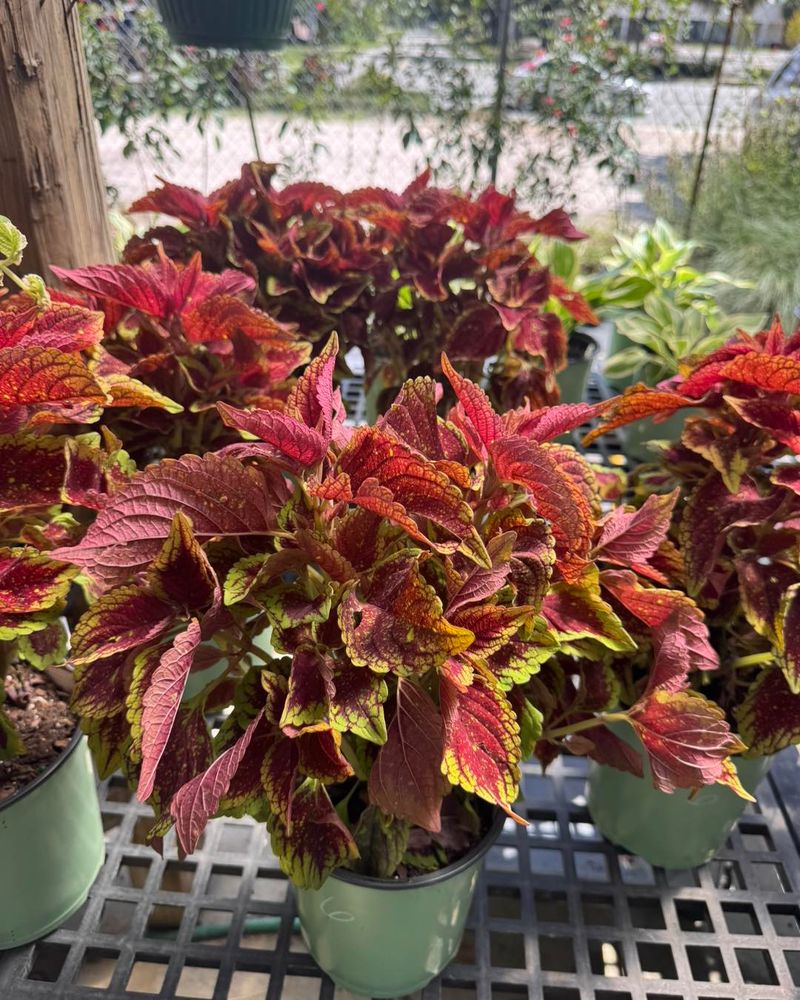
Here is the sweetest part of saving coleus: one healthy plant can turn into a whole garden. Those pots on your windowsill are more than winter decorations. They are a free supply of new plants just waiting for spring.
Late winter is the perfect time to start multiplying. Around February or March, snip fresh cuttings from your overwintered plants and root them just like you did in the fall. Each stem can become a brand new plant in a few weeks.
As the cuttings grow roots, move them into small pots with fresh potting mix. Keep them in bright light and pinch the tips so they branch out. By the time spring arrives, you might have trays full of colorful little plants.
Patience pays off when it is time to head outside. Coleus should stay indoors until nights hold steady above about 50°F. A warm afternoon in April can be tempting, but one cold night can undo all your hard work.
When the weather settles, ease your plants into outdoor life over about a week. Start with an hour or two in shade, then slowly add more time and more light each day. Gardeners call this hardening off, and it keeps tender leaves from getting scorched or shocked.
Think of the money you will save, too. A single nursery pot can cost several dollars, while your homegrown starts cost almost nothing.
In Michigan, coleus usually cannot go outdoors until late May or early June. Planning ahead means your beds and containers will burst with color the moment the season finally opens up.