The Invasive Ant Quietly Spreading Through Virginia Yards
You flip over a damp log, and something tiny delivers a sting that feels like a hot needle. Plenty of Virginia gardeners are meeting that unpleasant surprise without ever seeing it coming.
A small, dark ant from East Asia has been slipping into shady yards, mulch beds, and woodpiles. It doesn’t build obvious mounds or march in neat lines, so it often goes unnoticed until someone gets stung.
That quiet lifestyle is exactly what makes it worth learning about. Fresh mulch and cool leaf litter give this tiny troublemaker perfect places to hide.
Its sting can also cause more than a brief jolt of pain. Some people react strongly, so knowing what you’re dealing with really matters.
The guide below covers what it looks like, where it lives, and how it behaves. A few simple precautions can save you from a painful afternoon in the garden.
The Asian Needle Ant Is The One To Know
Picture a tiny traveler that crossed an ocean and quietly settled into your flower bed. Scientists call it the Asian needle ant, and it is gaining ground fast.
Its original home is East Asia, including places like Japan, China, and Korea. Experts first reported it in Georgia back in 1932, likely after it hitched a ride on shipped goods.
For decades, few people paid it much attention at all. Now it lives in more than 20 states, and Virginia is firmly on that list.
Population numbers have climbed sharply in recent years, according to university researchers. Forests, wooded lots, city parks, and regular backyards all make suitable homes for it.
Here is the tricky part about this newcomer. Most people mistake it for a plain black ant and move on without a second thought.
Learning its name gives you a real advantage outdoors. When you know what to look for, you can spot problems early and protect your family.
Curious gardeners can help science, too. Many extension offices welcome photos and reports of suspected needle ants from homeowners.
Try snapping a clear picture with your phone next to a coin for size. Sharing it with your local Virginia Cooperative Extension office can help track where the ant is spreading.
Small actions like that add up across a whole state. Your backyard discovery might fill in an important spot on a researcher’s map.
Fun fact for your next cookout conversation. The ant’s scientific name is Brachyponera chinensis, which hints at its Asian roots.
Its Sting Can Trigger Serious Allergic Reactions
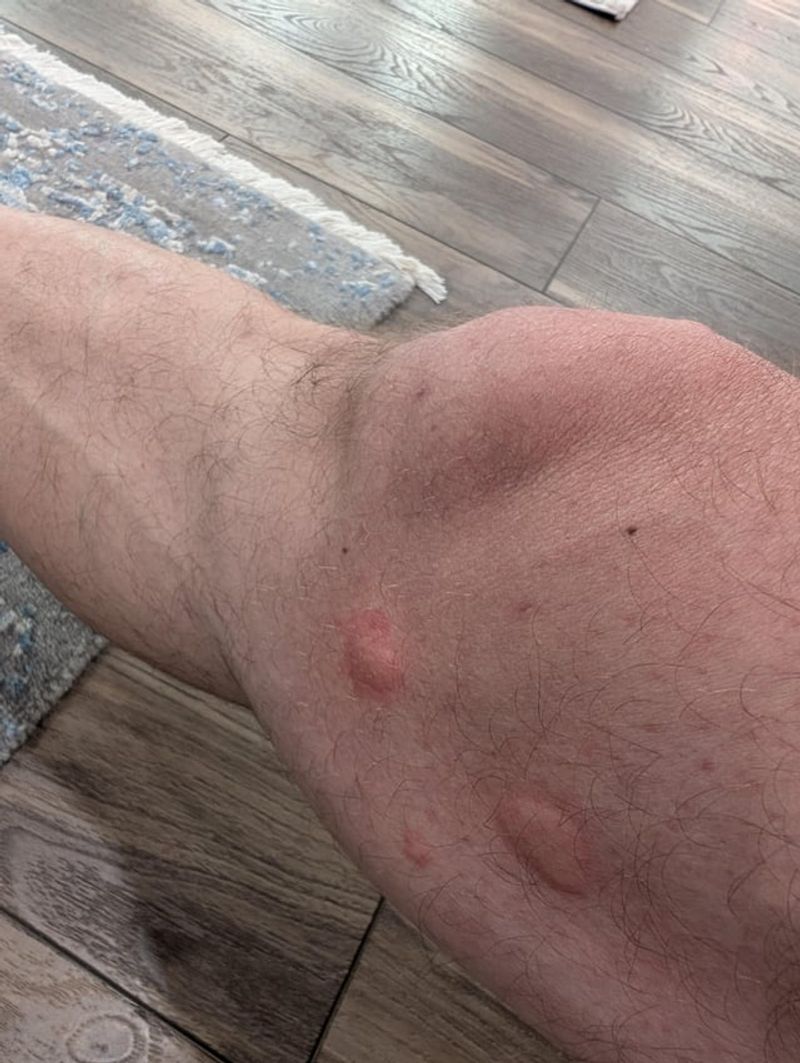
Ouch is the first word most people say after meeting this ant. Unlike many local ants that simply bite, the Asian needle ant carries a real stinger.
Its venom packs a surprising punch for such a small insect. Some studies suggest the reaction can be stronger than one from a honey bee sting.
Most stings leave a painful, itchy welt that swells up. The discomfort can linger for hours or even several days afterward.
Strangely, the pain sometimes returns long after the first sting. People have reported a second wave of soreness 24 to 48 hours later.
Your Virginia Garden Changes Every Week. Your Plan Should Too.
Gardening in Virginia changes quickly throughout the season. Every Friday you’ll receive a simple weekly plan showing exactly what to plant, prune, fertilize, harvest, and protect so you never miss the right timing.
A small number of people face a much bigger risk. Anaphylaxis is a severe allergic reaction that requires emergency medical care right away.
Warning signs include trouble breathing, hives, a swollen face, dizziness, or a racing pulse. Call 911 immediately if anyone shows these symptoms after a sting.
Folks with bee or wasp allergies should be extra careful in the yard. Talk with a doctor about whether carrying an epinephrine auto-injector makes sense for you.
For mild stings, wash the spot gently with soap and cool water. A cold pack and an over-the-counter antihistamine may ease the itching and swelling.
The good news is that these ants are not aggressive hunters of people. They usually sting only when someone presses on them by accident.
Still, one careless grab of a leaf pile can lead to trouble. A little caution goes a long way toward keeping your weekend pleasant.
Dark Bodies With Orange-Tipped Legs Set It Apart
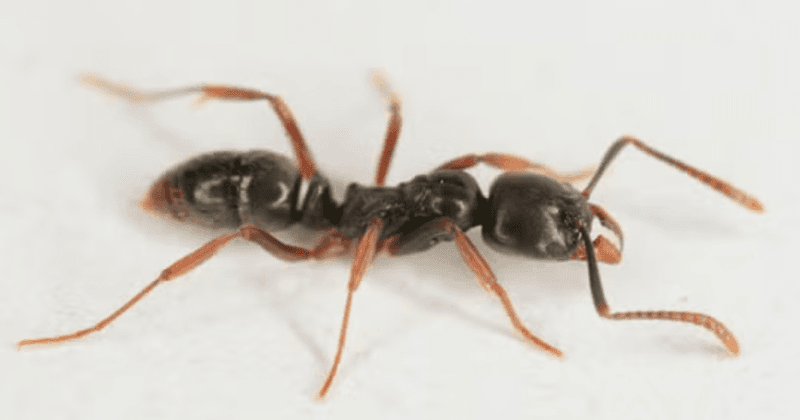
Grab a magnifying glass and get ready to play detective. Spotting this ant gets much easier once you know its few telltale features.
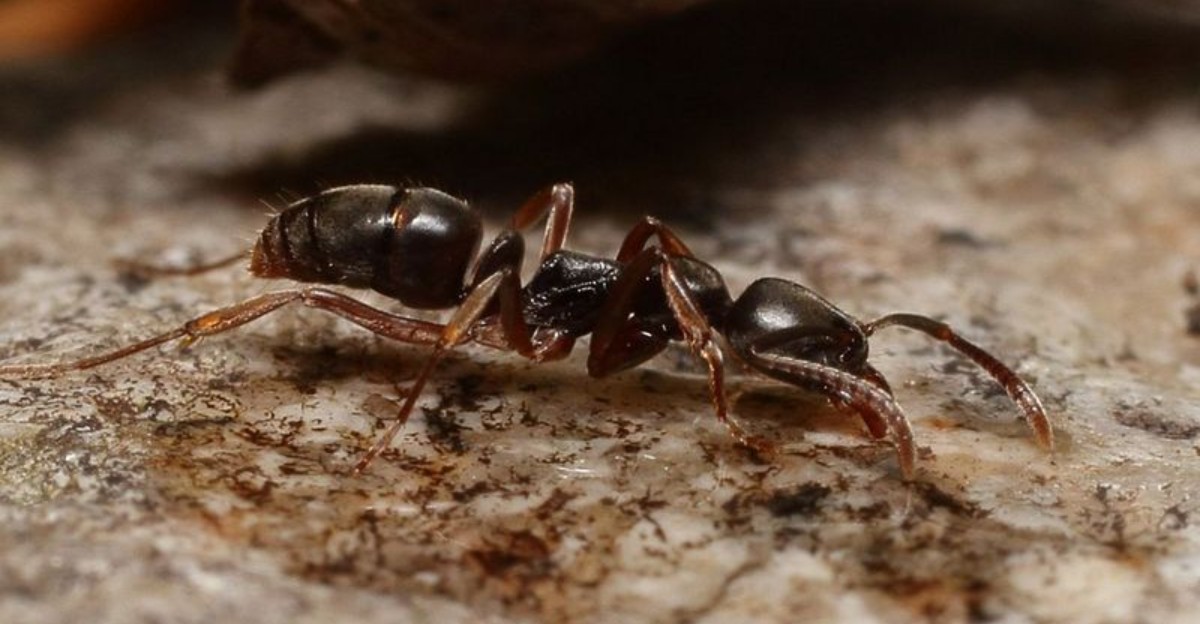
Size is your first clue to check. Most workers measure between one-eighth and one-quarter of an inch long, roughly the width of a pencil eraser.
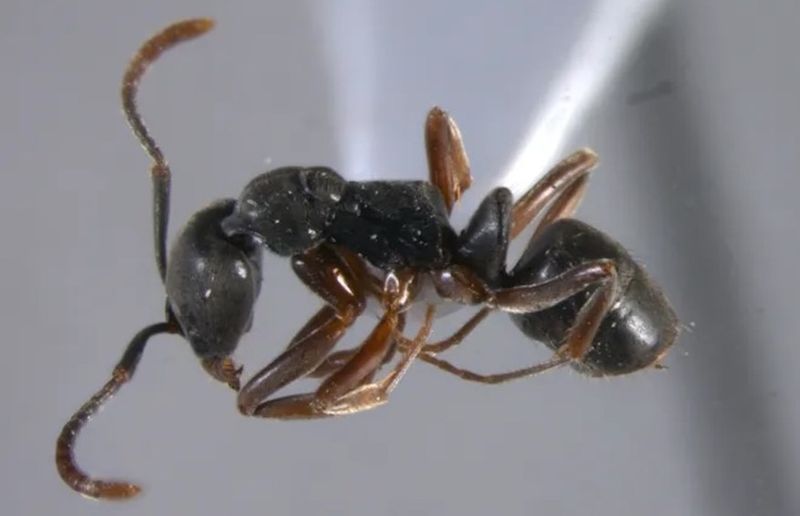
Their bodies are dark brown to shiny black. Look closely at the legs and jaws, and you will often see a lighter amber or orange color.
Shape matters, too, when you compare ants side by side. Needle ants look long, thin, and slender instead of round and chunky.
Between the chest and the rear section sits a single thick waist segment. Many common ants have two smaller bumps there, so this detail helps narrow things down.
At the very tip of the abdomen, you might notice a small stinger. Seeing one is a strong hint you are not looking at an ordinary sugar ant.
Here is a fun way to test your guess. Asian needle ants struggle to climb smooth surfaces like glass.
Gently scoop a suspect ant into a clear glass jar using a leaf. If it slides back down the sides, you have one more clue.
Please avoid catching them with your bare fingers, of course. A spoon, a leaf, or a folded index card works much better and keeps you sting-free.
Once you train your eyes, these little details jump out quickly. Soon you may recognize them at a glance during garden chores.
It Hides Under Logs, Mulch, And Leaf Litter
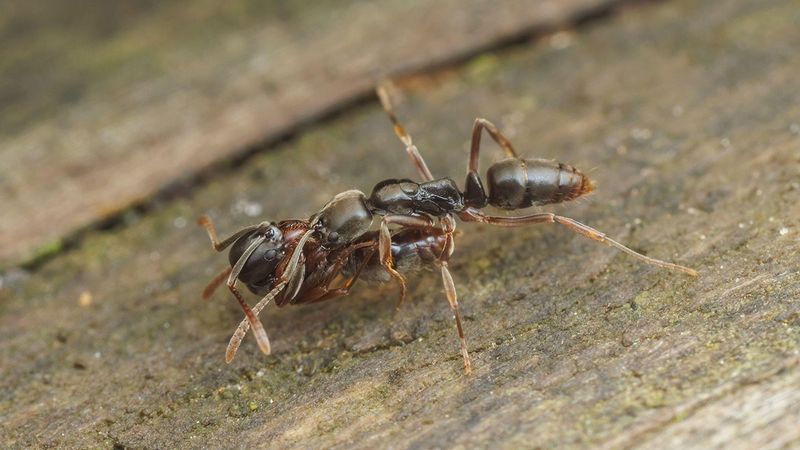
Moisture is the magic word for this sneaky insect. Give it a cool, damp, shady spot, and it will happily move right in.
Rotting logs are a top choice for nesting. Rocks, stones, leaf piles, and old railroad ties also offer the dark shelter these ants crave.
Mulch beds deserve a close look, too. Thick layers stay wet underneath, creating a cozy apartment complex right beside your house.
Even potted plants on a shaded porch can hide a small colony. Check the bottoms of pots before bringing them indoors for winter.
Finding the actual nest is not easy. Entrances are tiny and plain, so they blend right into the soil and debris.
Wooded lots and shaded city yards across Virginia make ideal territory. Homes near forests may notice more activity than houses on open, sunny land.
Sometimes these ants wander inside buildings, too. Damp basements, crawl spaces, and areas near leaky pipes can attract curious foragers.
Try a simple yard check this weekend. Use a rake or stick to tip over logs and stones instead of lifting them by hand.
Thinning thick mulch to about two or three inches can help. Letting the top layer dry out makes it less inviting for nesting.
Moving firewood stacks away from your foundation is another smart step. Keeping wood off the ground on a rack reduces damp hiding places nearby.
It Doesn’t Build Big Mounds Like Fire Ants
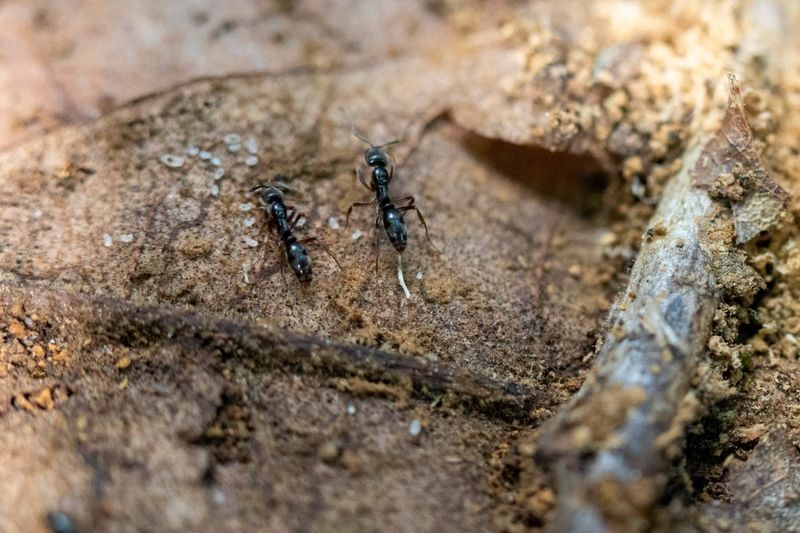
Fire ants announce themselves with big, fluffy dirt piles in sunny lawns. Asian needle ants take a much quieter approach to home building.
No noticeable soil mounds appear above their nests. Instead, colonies tuck themselves beneath objects lying on the ground, like logs, stones, or mulch.
Location preferences differ sharply between the two species. Fire ants love bright, open sunshine, while needle ants favor shade and damp corners.
That difference can fool homeowners who only watch for mounds. A yard may look ant-free on the surface while a colony hides just inches below.
Food gathering works differently, too. Many ants lay scent trails called pheromone trails, creating those long marching lines you see on sidewalks.
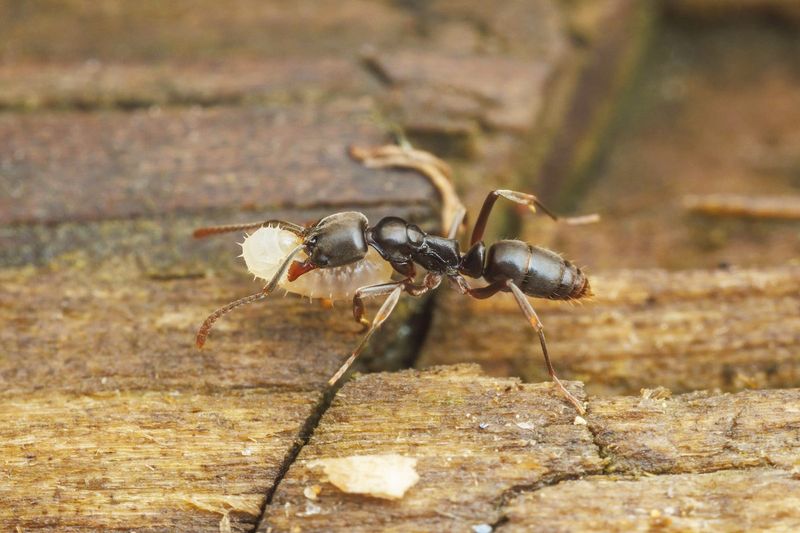
Needle ants skip that trick entirely. They use a method called tandem carrying, where one worker physically carries another to a food source.
Imagine giving a friend a piggyback ride to the snack table. That is basically how these ants share directions with nestmates.
Because of this habit, you rarely see big lines of them. Spotting just one or two at a time is much more common.
Here is a practical tip from that knowledge. Do not wait for mounds or ant trails before checking your shady spots.
Instead, take a quick peek under objects in damp areas a few times each season. Early discovery makes any problem far easier to handle.
Colonies Can Have Many Queens
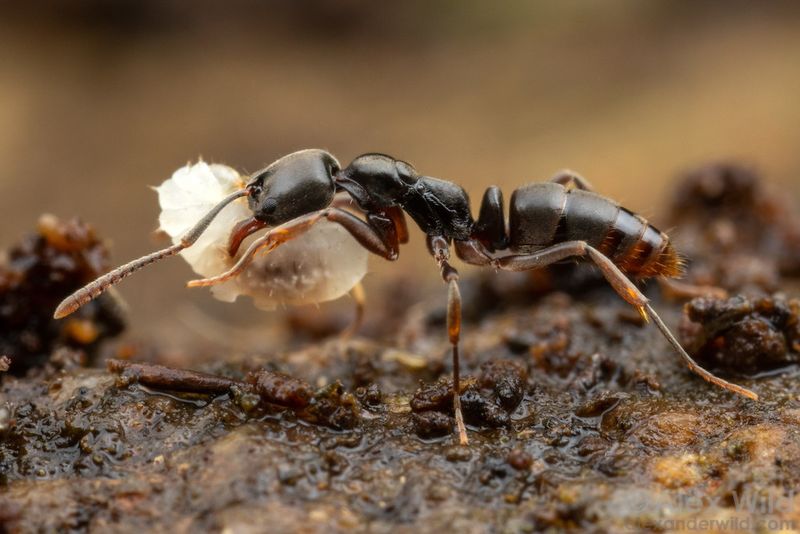
Royal families usually have one queen, but these ants break the rules. A single colony can contain several queens working at the same time.
Scientists call this setup polygynous, which simply means many queens. Some colonies have been found with 20 to 40 egg-laying queens.
More queens mean more eggs and faster growth. It also makes the colony tougher to wipe out, since losing one queen barely slows things down.
Colony size varies quite a bit from yard to yard. Some hold just a few hundred ants, while others reach several thousand.
Here is another twist worth knowing. One colony can spread across several separate nests, a trait experts call polydomous.
So that nest under your woodpile might connect to another beneath the mulch. Treating only one spot may leave the rest of the family untouched.
Queen numbers in each nest shift throughout the year. Ants move between locations as weather and food supplies change.
Activity tends to peak around August in many areas. Steady temperatures above 65 degrees Fahrenheit keep these ants busy and on the move.
Late summer is a smart time for extra caution outdoors. Plan heavy mulching or brush clearing with gloves and sturdy shoes during those warm weeks.
Checking several shady areas, not just one, gives you a clearer picture. A quick notebook or phone note can help you track where ants keep showing up.
It Pushes Out Native Ants
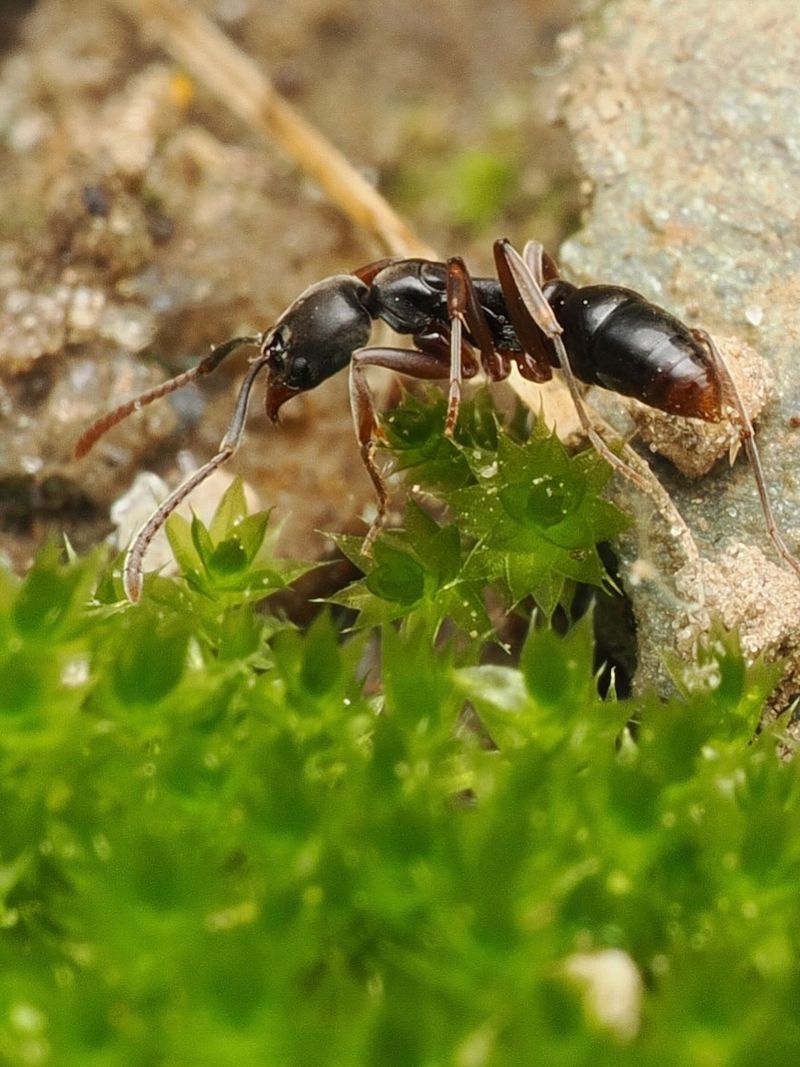
Native ants have been quietly helping forests for thousands of years. Sadly, this invasive newcomer is crowding many of them out.
Researchers have found fewer native ants wherever needle ants settle. Both the number of ants and the variety of species tend to drop.
Competition happens on two fronts. The invaders battle locals for food and grab the best damp nesting spots.
Why should a homeowner care about ant squabbles? Native ants do important jobs, like carrying wildflower seeds to new places.
Plants such as trillium and bloodroot depend on ants for this service. Seeds have tasty attachments that ants carry home, planting them in the process.
When native ants disappear, those seeds may stay put. Over time, the forest understory in Virginia and nearby states could look very different.
Surprisingly, needle ants can even push aside other aggressive invasive ants. That toughness shows just how strong a competitor they can be.
Gardeners can still lend nature a hand. Planting native wildflowers and avoiding broad pesticide sprays helps support local insects.
Targeted treatment only where needle ants live protects helpful neighbors. Spraying the whole yard often harms native species more than the invaders.
Think of your yard as a tiny nature preserve. Every friendly native ant colony you protect keeps a small piece of the ecosystem running smoothly.
Termites Are Its Favorite Meal
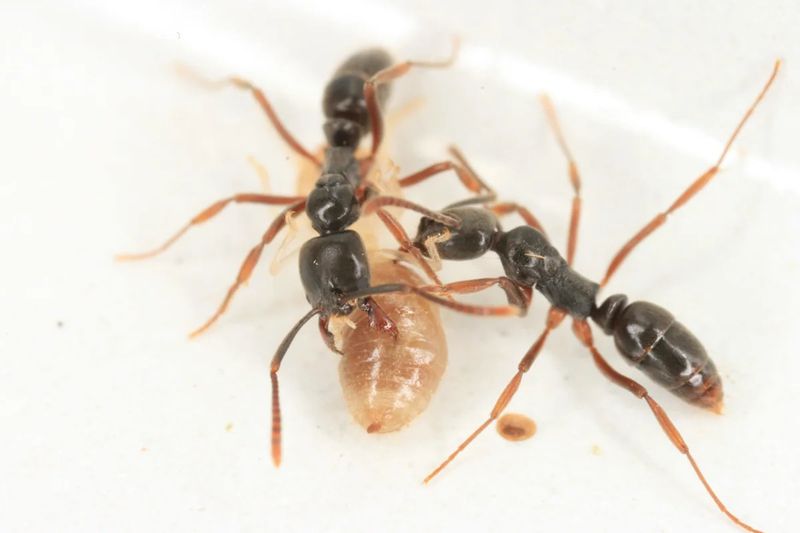
Here is a fact that might make you raise an eyebrow. One reason these ants thrive in damp wood is their love of termites.
Termites are the main item on their menu. Needle ants often move right into old or active termite tunnels to snack nearby.
They are not picky eaters, though. Springtails, earthworms, crickets, beetles, flies, cockroaches, and spiders all count as fair game.
Hunting follows a simple routine. The ant stings its prey, waits until it stops moving, and then hauls it home.
Leftover animal remains, called carrion, also make a decent meal. Kitchen crumbs and sugary spills may attract them indoors as well.
So are they helpful termite fighters? Not really, since they also harm native ants and do not stop serious termite damage.
In fact, finding needle ants in wood near your house might be a warning sign. Their presence could hint that termites are hiding close by.
A Virginia homeowner who spots these ants around a deck or foundation should look closer. Check for mud tubes, soft wood, or tiny piles of wings.
Getting a termite inspection is a smart move if anything seems off. Catching termite trouble early can save thousands in repair costs.
Keeping food sealed and wiping counters helps indoors, too. Fewer crumbs mean fewer reasons for wandering ants to visit your kitchen.
Gloves Help During Yard Work
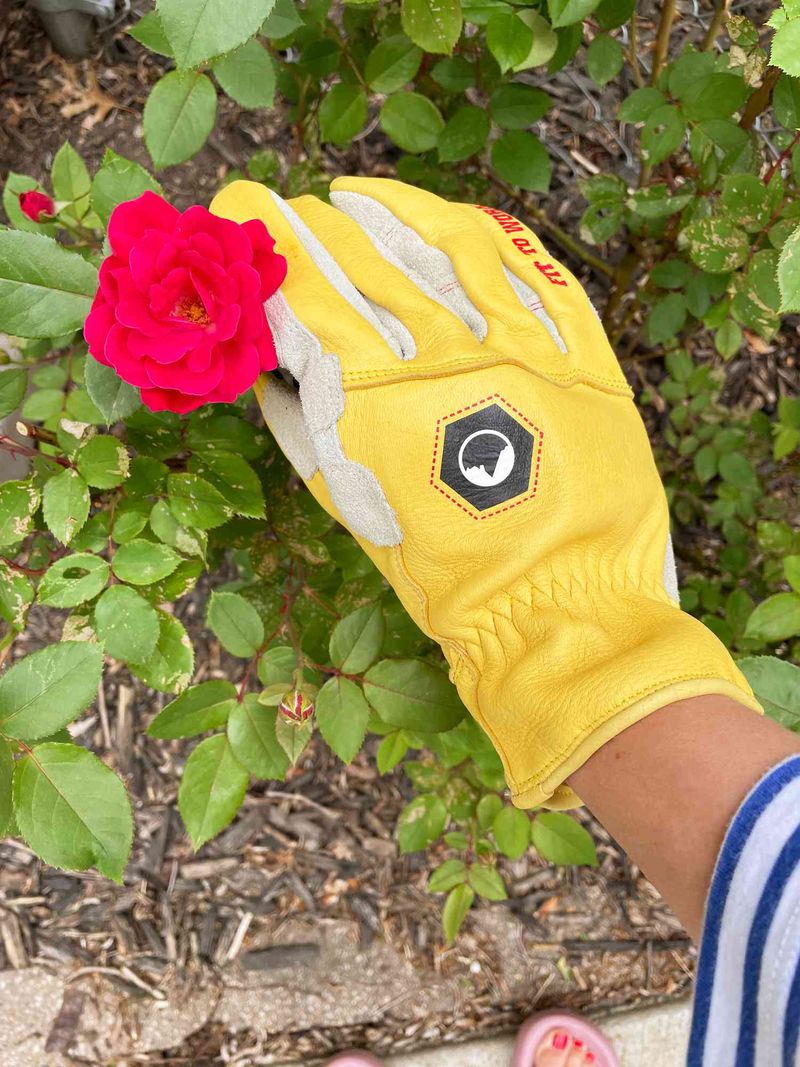
Most stings happen in one surprisingly ordinary moment. A bare hand presses down on a hidden ant while scooping mulch or grabbing leaves.
Thick gloves make a huge difference during these chores. Leather or heavy rubber gloves block stingers better than thin cotton ones.
Wear them whenever you reach into dark, damp places. Woodpiles, flower pots, and the space under stepping stones all qualify.
Long sleeves add another layer of protection. Tucking gloves over your cuffs keeps curious ants from crawling up your arms.
Yard cleanup also helps keep colonies away. Removing extra leaf litter, old boards, and clutter takes away favorite hiding spots.
Around your house, focus on the foundation area. Seal cracks and gaps with caulk to stop ants from wandering inside.
Gutters and downspouts deserve attention, too. Clogged ones create soggy patches that needle ants find very attractive.
Indoor habits matter just as much as outdoor ones. Fix leaky faucets, empty pet bowls after meals, and store pet food in sealed containers.
Garbage cans can draw hungry foragers as well. Rinsing them out and keeping lids tight removes another easy snack source.
Many Virginia gardeners keep a pair of gloves right by the back door. That simple reminder makes grabbing them a quick habit before any yard project.
Big Infestations Call For A Professional
Sometimes a weekend fix just is not enough. When stings keep happening or ants show up everywhere, calling an expert makes good sense.
Professional pest control teams know where colonies like to hide. They can treat several connected nests instead of just the one you found.
Experts often talk about management rather than total removal. Because colonies have many queens and nests, reducing numbers is the realistic goal.
Research on the best baits is still ongoing. So far, these ants seem to respond best to protein-based insecticide baits.
Products professionals may use include Advion Fire Ant Bait, Extinguish Plus, Optigard, and Maxforce FG. Each one is placed carefully where the ants forage.
Homeowners can try store-bought fire ant baits like Amdro for small problems. Always read and follow the label directions closely for safety.
Patience is part of the process here. Needle ants are slow to find and share bait, so results can take a while.
Before hiring anyone, ask a few smart questions. Find out whether they have experience with Asian needle ants specifically and what products they plan to use.
Licensed companies across Virginia should be able to explain their plan clearly. A good technician will also suggest yard changes to prevent future colonies.
Pairing professional help with your own cleanup habits works best. Together, those steps can turn your yard back into a comfortable, sting-free retreat.