How To Quarantine Outdoor Plants After Bringing Them Inside For Fall In North Carolina
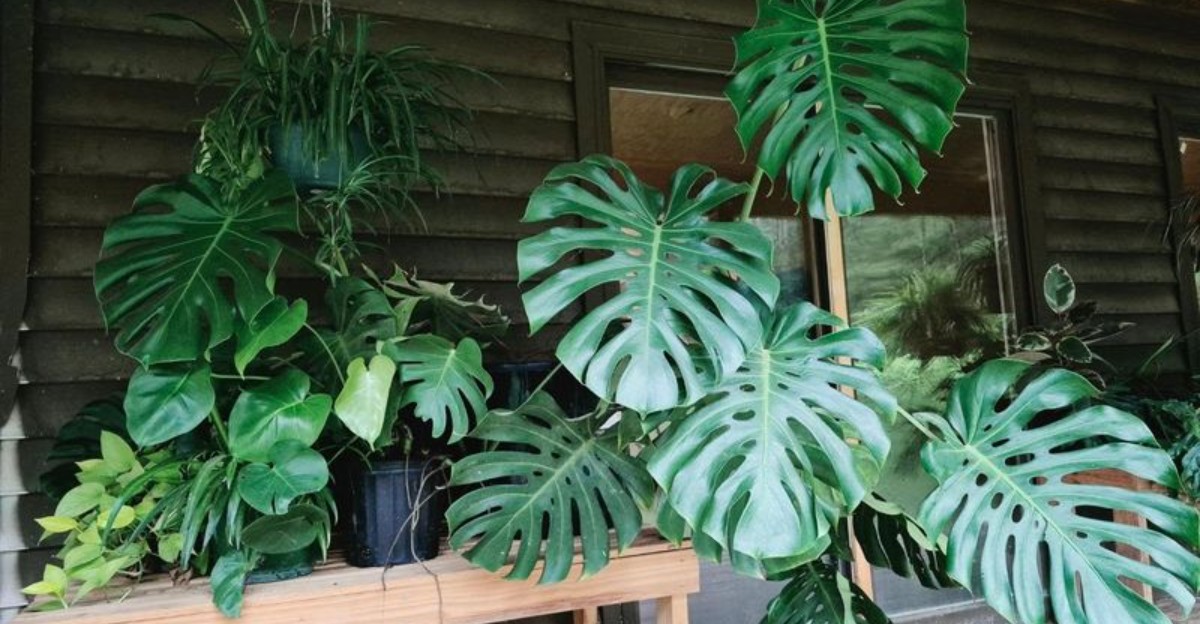
The first cool mornings in North Carolina feel crisp, golden, and full of fresh pine scent. Your porch friends suddenly look a bit chilly, and you start eyeing the living room windows.
Hauling those leafy pots indoors feels kind, generous, and a little like hosting a cozy reunion. Yet tiny hitchhikers often ride along, tucked under leaves where curious eyes rarely bother to look.
One sneaky stowaway can quickly turn a peaceful windowsill into a sticky mess by November. Your favorite indoor greenery, the pieces that stayed inside all year, may join the drama too.
Humid summers in North Carolina leave gardens lush, which also means plenty of uninvited guests linger. A little patience at the front door saves weeks of frustration, wiping, and sighing later on.
Think of autumn as a fresh start, a season for careful hosting and thoughtful little habits. A clean, calm home in October feels wonderful, and every healthy leaf deserves that peaceful welcome.
1. Inspect Every Leaf Before It Crosses The Door
Picture a ladybug-sized mystery hiding under a basil leaf, waiting quietly for its free ride indoors. A careful inspection outside is the best first step, and it only takes about ten minutes.
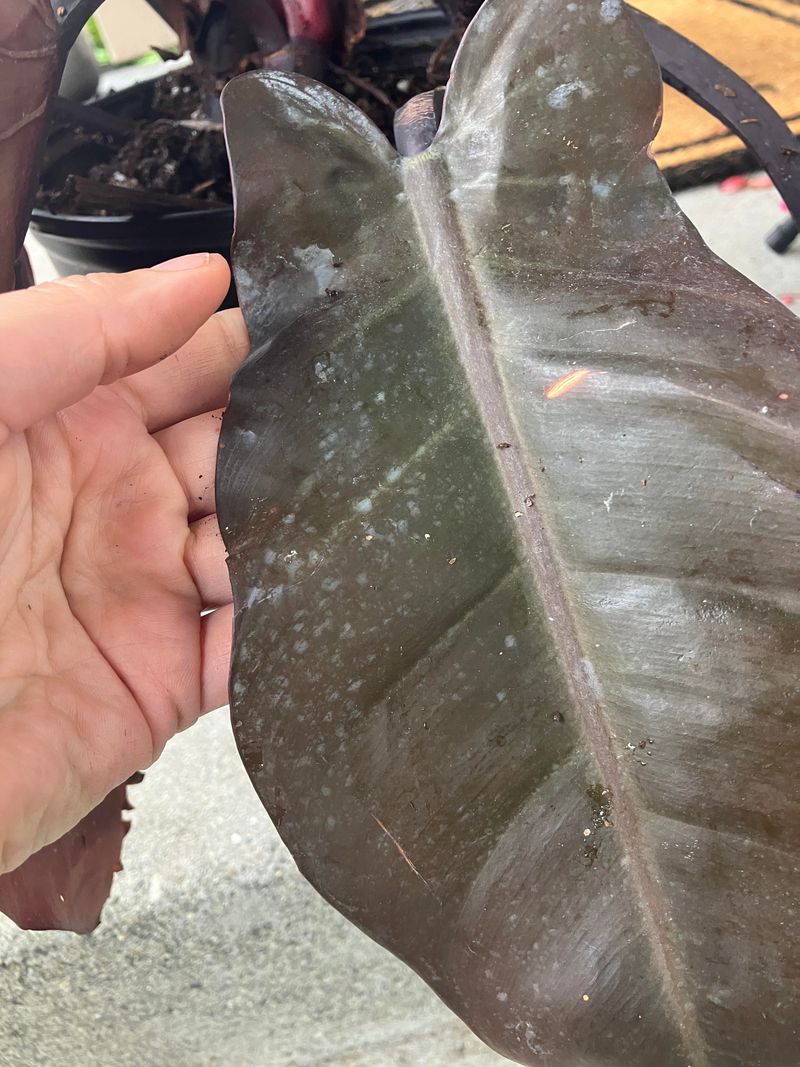
Start by flipping leaves over, since pests like spider mites and aphids love the shady undersides most. Look for tiny webbing, sticky spots, pale speckles, or little bumps that scrape off with a fingernail.
Next, check the stems and the spots where leaves join them, because mealybugs tuck themselves into those crevices. They look like small bits of cotton fluff, so they are easy to mistake for harmless lint.
A cheap magnifying glass or your phone camera zoom makes this job much easier on tired eyes. Shake each branch gently over a sheet of white paper and watch for specks that start moving.
Do not forget the soil surface, where fungus gnats, slugs, and even small lizards sometimes hide away. Lift the pot and peek at the drainage holes, since earwigs and pill bugs love those dark tunnels.
Take quick photos of anything odd so you can compare changes over the next few weeks. Writing the date on a sticky note also helps you track when each plant came inside this fall.
Pruning off yellow, spotted, or chewed leaves now removes many hiding spots before the move indoors. Your plant may look a little thinner, but it should recover with fresh growth over the following weeks.
2. Give Each Pot A Gentle Bath On The Porch
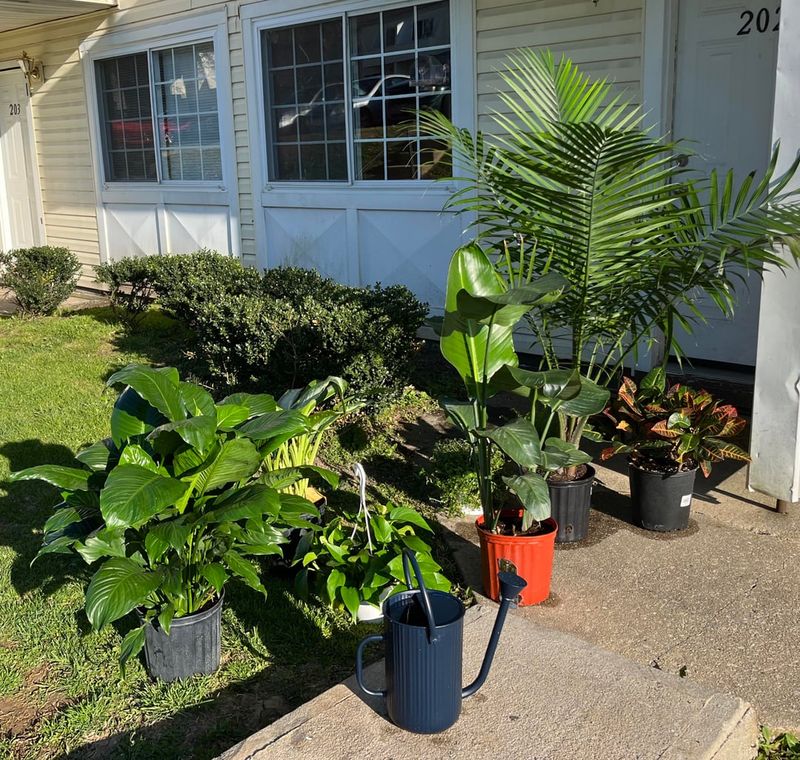
Nobody wants a muddy, buggy roommate, so a good rinse outdoors is the polite way to start. A garden hose set to a soft shower spray knocks off many pests without hurting tender leaves.
Pick a mild October afternoon when temperatures sit above sixty degrees so the plant dries before evening. Spraying late in the day can leave foliage damp overnight, which invites mold and leaf spot problems.
Aim the water at the undersides of the leaves first, then work your way down the stems. Tilt smaller pots sideways so dirt and debris wash away instead of splashing back onto the foliage.
Your North Carolina Garden Changes Every Week. Your Plan Should Too.
Gardening in North Carolina changes quickly throughout the season. Every Friday you’ll receive a simple weekly plan showing exactly what to plant, prune, fertilize, harvest, and protect so you never miss the right timing.
Some gardeners like to soak the whole pot in a tub of water for about fifteen minutes. Hiding bugs in the soil usually float to the top, where you can scoop them out easily.
After rinsing, wipe the outside of the pot and the saucer with soapy water and a scrub brush. Snail eggs and spider sacs often cling to rims and bottoms, looking like tiny pearls or cotton.
Let everything drip dry in a shady corner of the porch for an hour or two afterward. Bringing in a soggy pot can stain floors and leave puddles behind.
Fun fact, a simple water blast is a pest control trick many greenhouse growers still use. It uses no chemicals and gives your plants a fresh, clean look for their indoor debut.
3. Set Up A Private Room For New Arrivals
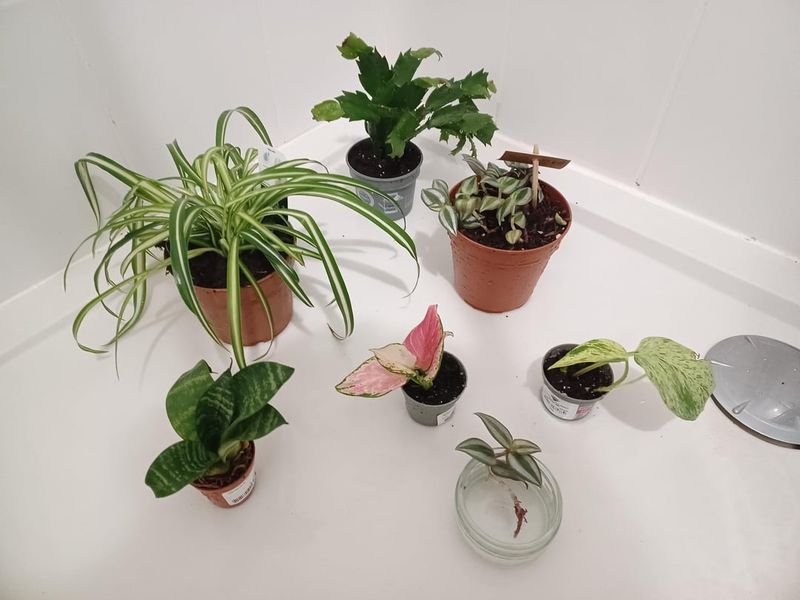
Every good hotel has a lobby, and your returning plants need their own little check-in space too. An isolation zone helps contain any hidden trouble while you watch for warning signs over several weeks.
A spare bedroom, sunroom, enclosed porch, or even a bright bathroom can work nicely for this setup. The key is choosing a spot with decent light that stays separate from the rest of your greenery.
Many North Carolina homes have a mudroom or garage window, and those spaces can serve the purpose well. Just make sure nighttime temperatures there stay above fifty degrees, since tropical plants dislike sudden chills.
Lay down an old shower curtain or plastic tablecloth to catch soil, water drips, and fallen leaves. Cleanup becomes much simpler, and you can spot tiny crawling pests against a plain, light background.
A small clip-on grow light helps if the room only gets weak, filtered sunshine during autumn afternoons. Plants under stress from poor light are often more likely to attract pests, so brightness truly matters here.
Keep a basic kit in the room, including scissors, paper towels, a spray bottle, and gloves. Using these tools only for isolated plants helps keep bugs from traveling into other rooms.
Space the pots a few inches apart so air flows freely and leaves are not touching each other. Good airflow reduces fungus problems and makes it harder for crawling insects to hop between neighbors.
4. Keep Returning Plants Far From Your Houseplants
Your prized fiddle leaf fig has been living a quiet life indoors all year. Placing a newly returned porch plant beside it is like setting a muddy boot on a white sofa.
Distance matters because many common pests spread by crawling, floating on air currents, or riding on hands. Spider mites can even drift on air currents using tiny silk threads.
Aim for a separate room whenever possible, but at least keep several feet between the two groups. Closing a door between them adds an extra barrier that flying pests like whiteflies struggle to cross.
Care for your regular houseplants first each day, then visit the isolation room afterward with your watering can. Following this order helps keep bugs on your sleeves from hitching a ride the wrong way.
Washing your hands between groups sounds fussy, yet it is a simple habit many greenhouse workers follow. Wiping scissors and pruners with soapy water also helps remove sap and eggs between plants.
Pets can carry pests too, so keep curious cats and dogs out of the isolation space for now. A baby gate or closed door works well and protects pets from nibbling plants that might upset tummies.
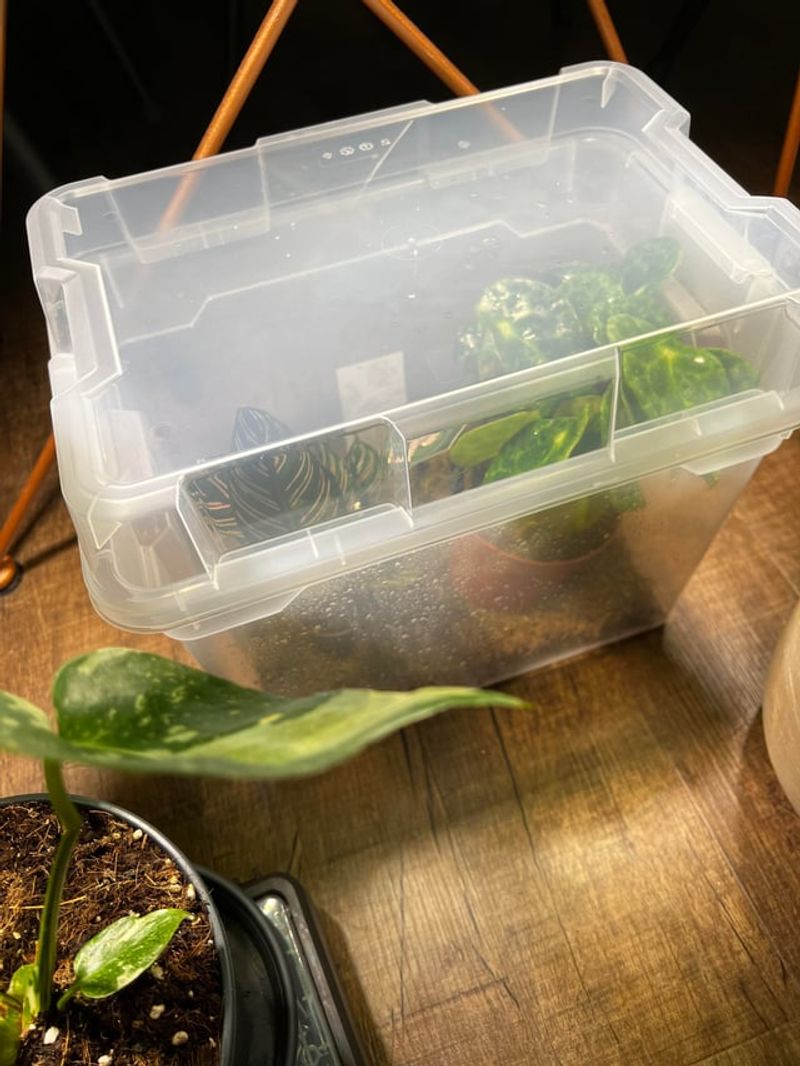
Small apartments make distance tricky, but a large clear storage bin or plastic tent can create separation. Leave the lid slightly open for airflow, and your plant gets its own tiny private suite for weeks.
5. Watch For Sneaky Pests Common In North Carolina
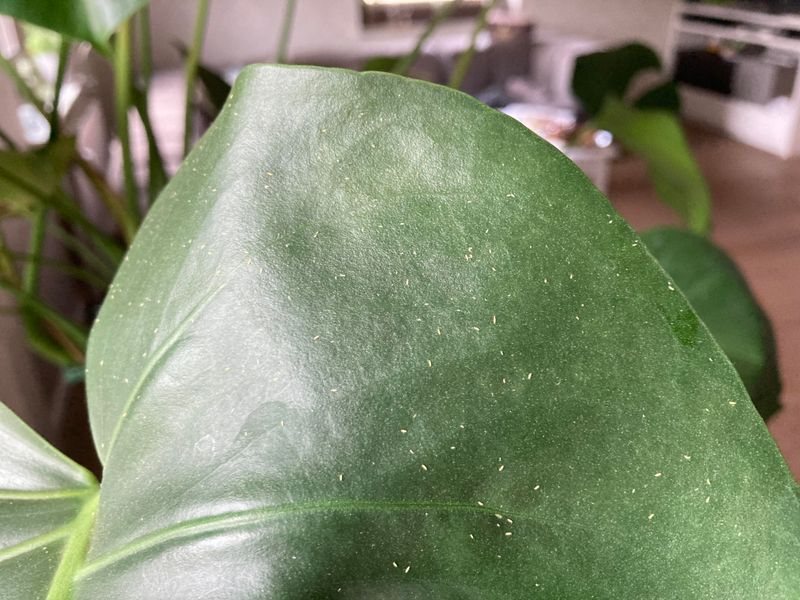
Did you know that the warm, sticky Carolina climate lets some insects squeeze in several generations per year? By early October, pest numbers on outdoor plants are often high as the bugs look for shelter.
Aphids top the list, clustering on new growth in green, black, or yellow groups that leave sticky residue. That shiny honeydew can attract ants and grow a dark, sooty mold across leaves if left alone.
Spider mites thrive after hot, dry stretches, so watch for stippled leaves and fine webbing near stem tips. Whiteflies are easy to notice, since a cloud of tiny white specks rises when you brush the foliage.
Scale insects look like little brown bumps glued to stems, and many people mistake them for plant texture. Gently scraping one with a fingernail reveals the truth, because real bark rarely pops off so easily.
Fungus gnats love moist potting soil and often appear as small black flies circling your windows indoors. Their larvae feed on roots and decaying matter, which can slowly weaken young or stressed plants over time.
North Carolina gardeners also find tiny tree frogs, anoles, and stink bugs tucked inside big leafy pots. Frogs and lizards are harmless guests, so gently move them back outside to a sheltered garden corner.
Checking plants every few days with a flashlight helps you catch these troublemakers before numbers grow out of control. Yellow sticky traps placed near pots also reveal which flying pests are buzzing around your isolation room.
6. Treat Trouble Early With Gentle Home Remedies
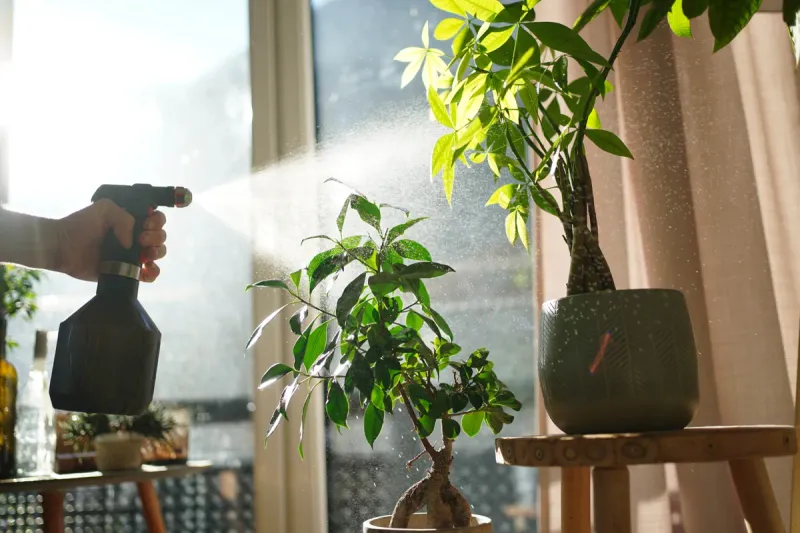
Finding a few aphids can feel like discovering crumbs in your bed, but small problems are easy to manage. Quick action during isolation keeps a handful of bugs from spreading across your indoor collection.
Insecticidal soap is a favorite option because it controls soft-bodied pests like aphids, mites, and whiteflies with little risk to most plants. Spray every leaf surface, especially the undersides, and repeat once a week until the pests are gone.
Neem oil is another popular choice, made from seeds of a tree native to India and nearby regions. It disrupts insect feeding and growth, and it can also help reduce powdery mildew on some plants.
Mealybugs and scale need a more hands-on approach, like dabbing each one with a damp cotton swab. Wiping stems with a soft cloth and mild soapy water removes many of them without harsh sprays.
For fungus gnats, let the top inch of soil dry out between waterings to interrupt their life cycle. A thin layer of sand on the soil surface may also discourage adults from laying fresh eggs there.
Test any spray on one or two leaves first, then wait a day to check for spots or curling. Ferns, succulents, and some herbs can be sensitive, so a small trial protects the whole plant.
Heavy infestations sometimes call for a tough choice, like cutting the plant back hard or taking healthy cuttings. Starting fresh with a clean cutting can feel freeing, and new roots often form within a few weeks.
7. Adjust Light And Water For The Indoor Switch
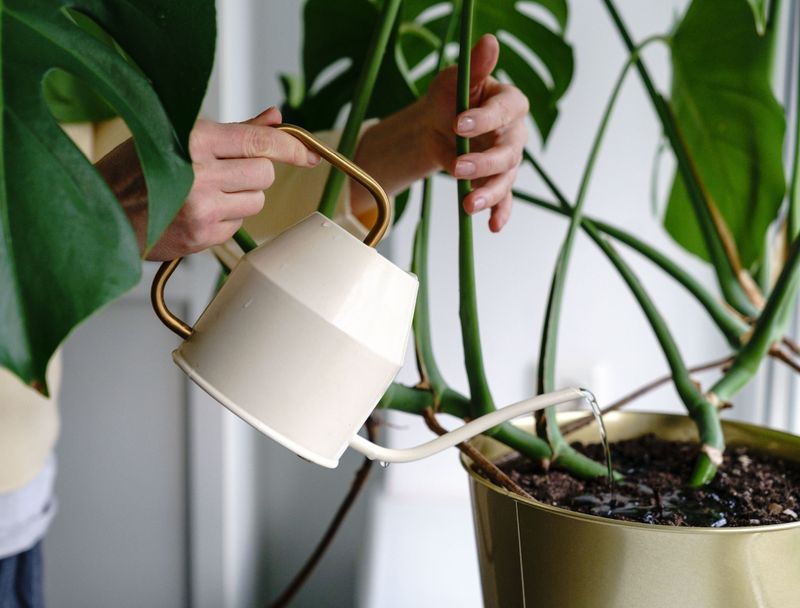
Moving from a breezy porch to a living room is a big lifestyle change for any plant. Indoor light is often much weaker than outdoor shade, even near a bright window.
Some leaf drop during the first two weeks is normal, so try not to panic when yellow leaves fall. Plants are simply adjusting their energy use, trimming older leaves they can no longer support in dimmer conditions.
Watering needs also shift, because cooler fall temperatures and less sunshine slow down how fast soil dries. Push a finger into the soil about an inch deep, and only water when it feels dry.
Overwatering is a common mistake in fall, and soggy soil invites fungus gnats and root rot problems. Stressed plants also become easier targets for pests, so balanced care doubles as quiet pest prevention.
South and west windows usually offer the strongest autumn light in most North Carolina homes and apartments. Rotate pots a quarter turn each week so every side gets a fair share of sunshine.
Heating systems kick on later in the season and dry the air, which spider mites happen to love. A pebble tray, small humidifier, or grouping plants together adds helpful moisture back into the room.
Hold off on fertilizer during isolation, since plants are resting and extra food can attract sap-sucking pests. Tender new growth from fertilizer is like a buffet for aphids, so save feeding for early spring.
8. Wait Out The Clock Before The Grand Reunion
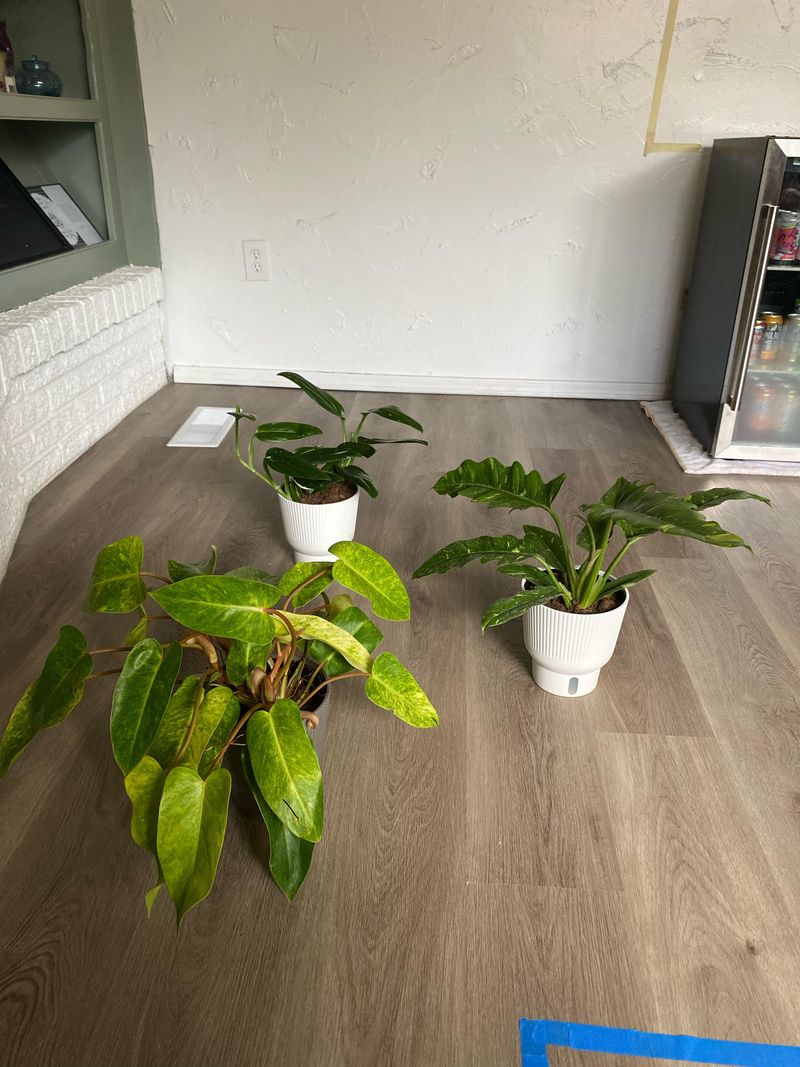
Patience might be the hardest part, especially when your isolation room looks like a cozy little jungle. Many growers suggest waiting about three to four weeks before mixing returned plants with your indoor collection.
That timeline matters because many pest eggs take several days to two weeks to hatch under warm indoor conditions. A plant that looks spotless on day three might reveal a surprise colony by day fourteen.
Mark the release date on a calendar, starting the count from the last day you saw any pests. If bugs show up again in week two, simply reset the clock and continue treating as needed.
Plants brought inside in early October in North Carolina would typically be ready to join the household by November. That timing works nicely, since the holiday season brings plenty of reasons to show off healthy greenery.
Before the big move, give each plant one final inspection with a flashlight and a magnifying glass. Check leaves, stems, soil, and saucers again, because one stubborn mealybug can restart the whole cycle indoors.
Even after the reunion, keep peeking at your plants every week or so throughout the cooler months. Early detection stays the easiest way to manage pests, and regular check-ins quickly become a relaxing habit.
Many gardeners find the isolation weeks oddly rewarding, like watching a pot of soup slowly come together. Your reward is a thriving indoor garden that stays lush and green until warm weather returns.