Birds And Insects That Eat Fall Armyworms In Your Texas Yard
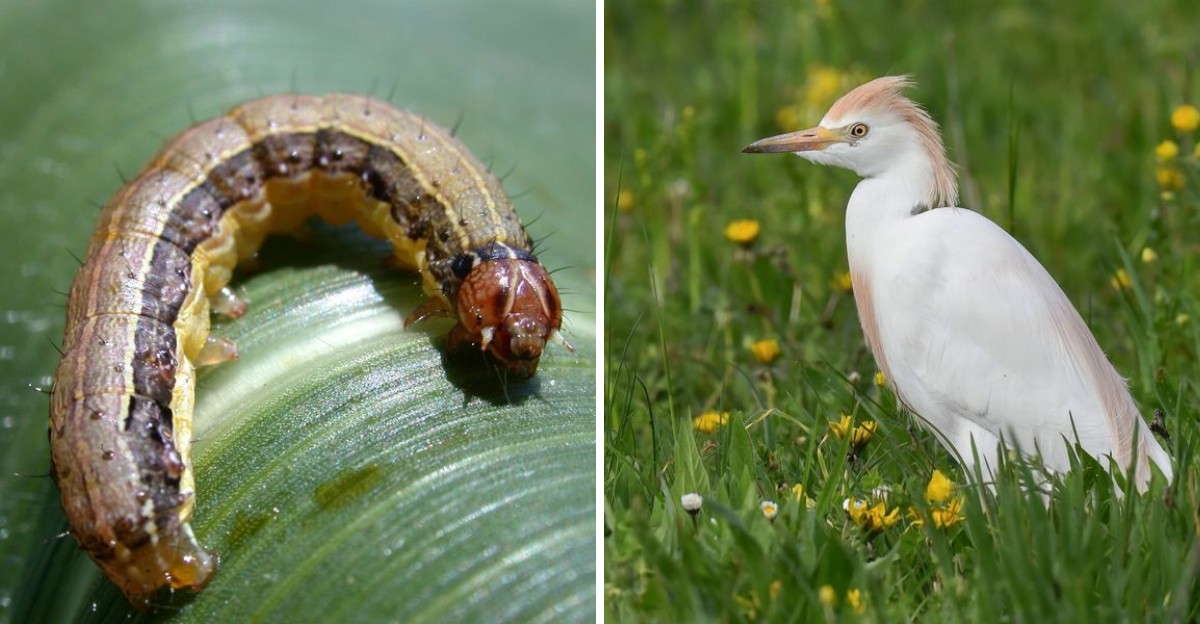
Fall armyworms earned their name the hard way. They move across lawns in huge numbers, chewing through grass like a hungry army on the march.
Some Texas homeowners have watched a green yard turn brown in a few days. It’s enough to make anyone reach for a spray bottle.
But before you do, take a closer look at who else is in your yard. Birds, along with beetles, wasps, and other helpful insects, are often already hunting these caterpillars.
Some snatch them off the grass. Others target their eggs before they ever hatch. A few even lay their own eggs inside the caterpillars, stopping the next generation in its tracks.
These natural allies can’t always stop a major outbreak alone. Still, they can make a real dent in the numbers, often for free. Knowing who’s on your side can change how you protect your lawn this fall.
1. Great-Tailed Grackles
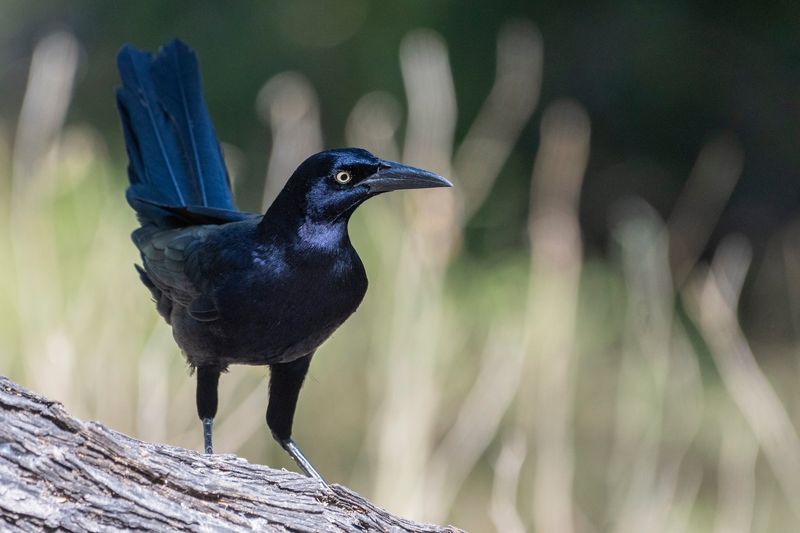
Love them or not, grackles might be the loudest pest control crew in Texas. You have probably seen them in parking lots, squawking and strutting like they own the place. Those shiny black birds have a hidden talent, though.
Great-tailed grackles are quick to find a free meal. When armyworms hatch in a lawn, grackles often show up in big groups.
They walk slowly through the grass, heads down, grabbing caterpillars one after another. A single flock can eat a huge number of worms in one afternoon.
Here is a handy trick. If a crowd of grackles suddenly lands on your yard and stays for a long time, take a closer look.
Kneel down and part the grass with your hands. Check near the edges where green grass meets brown patches.
You may find small green or brown caterpillars with a pale upside-down Y on their heads. That mark is a classic armyworm sign.
Spotting the problem early gives you more choices. You might water and feed your lawn to help it recover. You could also let the birds keep working before you decide on any treatment.
Grackles are native to the Southwest and have spread across Texas over the last hundred years.
Males are black with a purple shine, while females are smaller and brown. Their long tails fold into a V shape, a bit like the keel of a boat.
Want more grackle help? Avoid spraying strong chemicals the moment you see birds feeding. Sprays can remove the very food that draws them in. A shallow birdbath also gives thirsty birds a reason to stick around during hot fall days.
2. Cattle Egrets
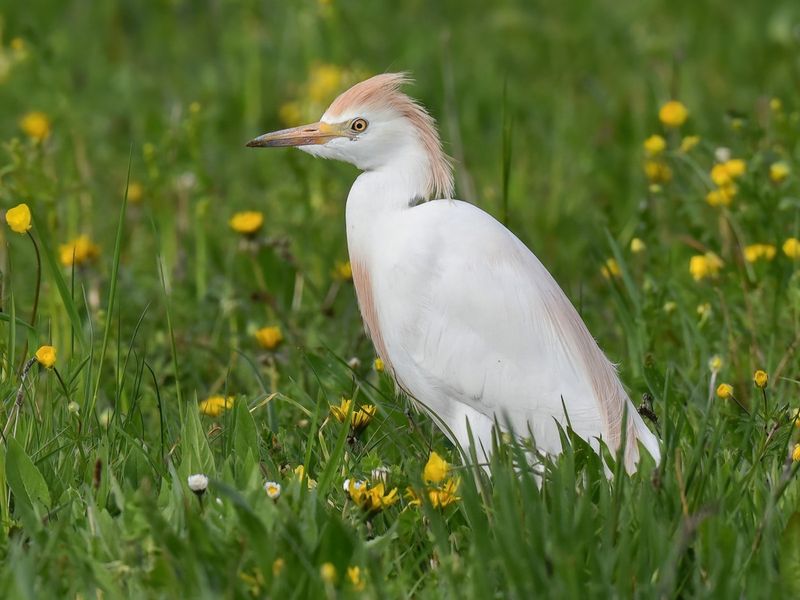
Ever noticed white birds trailing behind a tractor like eager puppies? Those are cattle egrets, and they know exactly what they are doing. Every pass of a mower is like a dinner bell to them.
Cattle egrets are small herons with white feathers and yellow bills. During breeding season, they grow soft orange-buff feathers on their heads and backs.
Unlike most herons, they do not need water to hunt. They feel right at home in dry fields, pastures, and big open lawns.
Your Texas Garden Changes Every Week. Your Plan Should Too.
Gardening in Texas changes quickly throughout the season. Every Friday you’ll receive a simple weekly plan showing exactly what to plant, prune, fertilize, harvest, and protect so you never miss the right timing.
The secret to their success is teamwork with bigger animals. Cows, horses, and machines stir up the grass as they move. Grasshoppers, crickets, and caterpillars jump or wiggle into view.
The egrets snatch them up in a flash. Armyworms make an easy, juicy target when they are flushed out of thick grass.
Here is a fun piece of history. Cattle egrets are not originally from the Americas. They came from Africa and likely crossed the Atlantic on their own in the late 1800s. By the 1950s, they had reached Texas and spread quickly across farmland.
If you live on a few acres or near pastures, you may already have these helpers nearby. Mowing in the morning or late afternoon can bring them out when insects are active. Try not to chase them away.
They are harmless and quite polite guests. Keep in mind that cattle egrets are protected by federal law, just like most wild birds.
That means you should never trap or harm them. Simply enjoy the show as they march behind your mower and gobble up pests along the way.
3. Paper Wasps
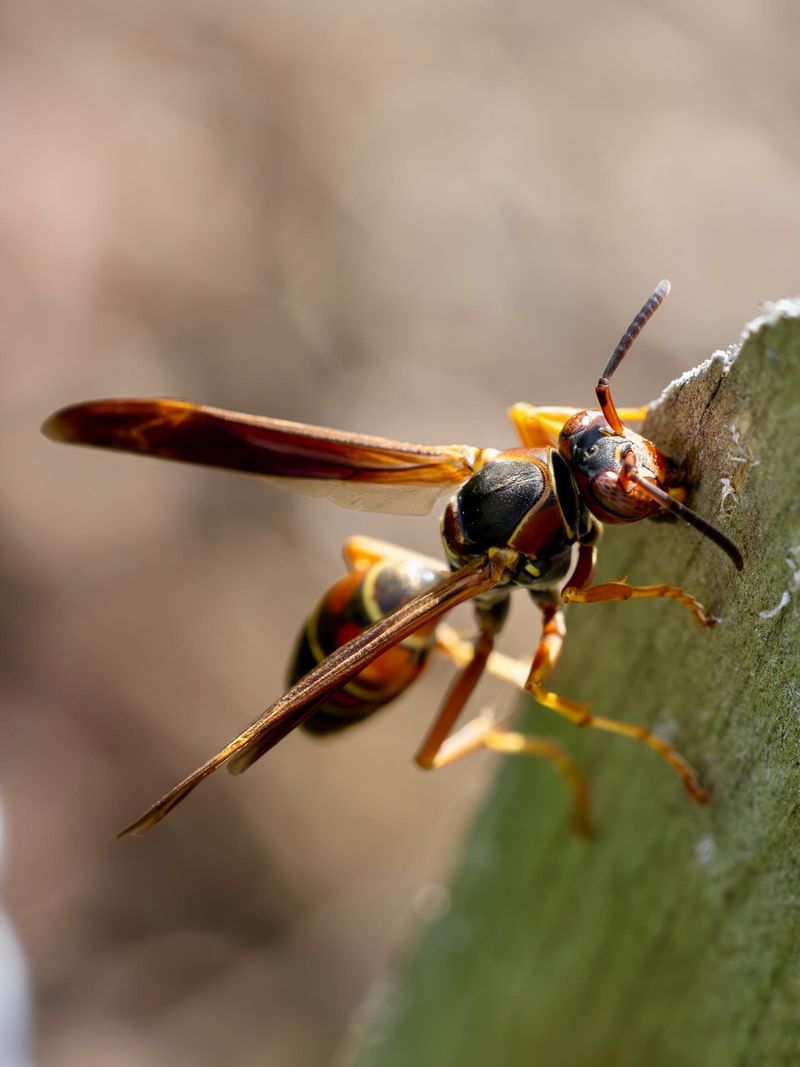
Nobody throws a party when they find a wasp nest. Still, paper wasps deserve a little credit. In the world of caterpillar hunting, they are skilled and busy workers.
Paper wasps are slender, with long legs that dangle when they fly. In Texas, many are reddish brown, yellow, or striped.
They build open, umbrella-shaped nests from chewed wood fibers mixed with saliva. You can see the little six-sided cells from below, like a tiny honeycomb made of gray paper.
Adults drink nectar for energy, but their babies need protein. So the grown wasps hunt caterpillars. They grab an armyworm, chew it into a soft ball, and fly it home.
Back at the nest, they feed that meal to the hungry larvae waiting in the cells. A busy colony can remove many caterpillars from your yard each day.
Of course, safety comes first. Paper wasps can sting, and they will defend their homes. A nest by your front door, over a swing set, or near a grill is a real problem.
In those spots, removal makes sense, ideally at night when wasps are calm, or by a pro.
A nest tucked under a far fence rail or a shed edge is a different story. If nobody walks there, consider leaving it alone. Out in the yard, foraging wasps rarely bother people who leave them alone.
Want to support them safely? Plant flowers like goldenrod, fennel, or Texas lantana away from your house. These give adult wasps nectar. Then let them patrol your lawn and garden for caterpillars on their own schedule.
4. Parasitic Wasps
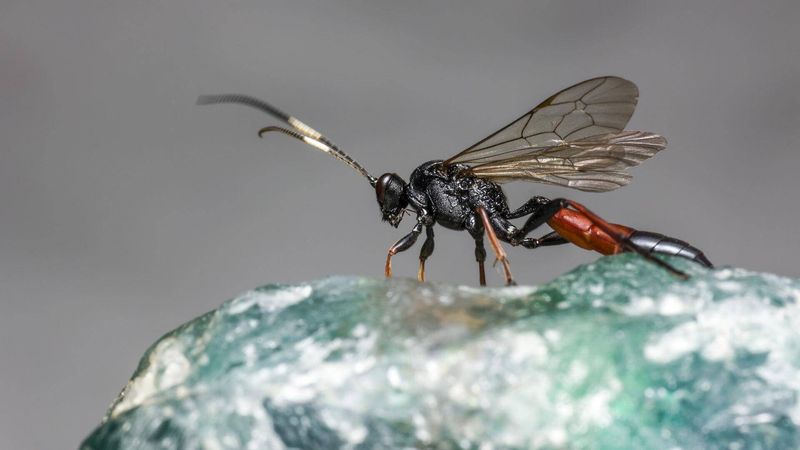
Some of the strongest armyworm fighters are smaller than a grain of rice. You could walk past thousands of them and never know it.
Yet scientists rank parasitic wasps among the most important natural controls of fall armyworms.
Do not worry about stings. These wasps are far too tiny to bother people. Their focus is on caterpillars and caterpillar eggs.
Some kinds lay their eggs inside armyworm eggs. Others lay eggs inside young caterpillars as they feed on grass.
Once the wasp eggs hatch, the larvae eat the armyworm from the inside. The host stops feeding and never grows into a moth.
Later, new adult wasps chew their way out and fly off to find more targets. One wasp generation can quickly lead to another, so their numbers grow as armyworms grow.
Here is a cool detail. Some of these wasps leave behind tiny white cocoons stuck to a caterpillar’s body.
If you ever spot a worm covered in what looks like grains of rice, leave it alone. A new batch of helpers is about to emerge.
So how can you keep these heroes around? First, go easy on broad insecticides. Many common sprays wipe out helpful wasps along with the pests.
If you must treat, look for products made for caterpillars, like those with Bt, which spare most beneficial insects.
Second, give the adults food. Tiny wasps sip nectar from small flowers. Dill, cilantro, sweet alyssum, and wild buckwheat are great choices.
A small patch of these near your lawn can turn your yard into a welcome station for an invisible army.
5. Tachinid Flies
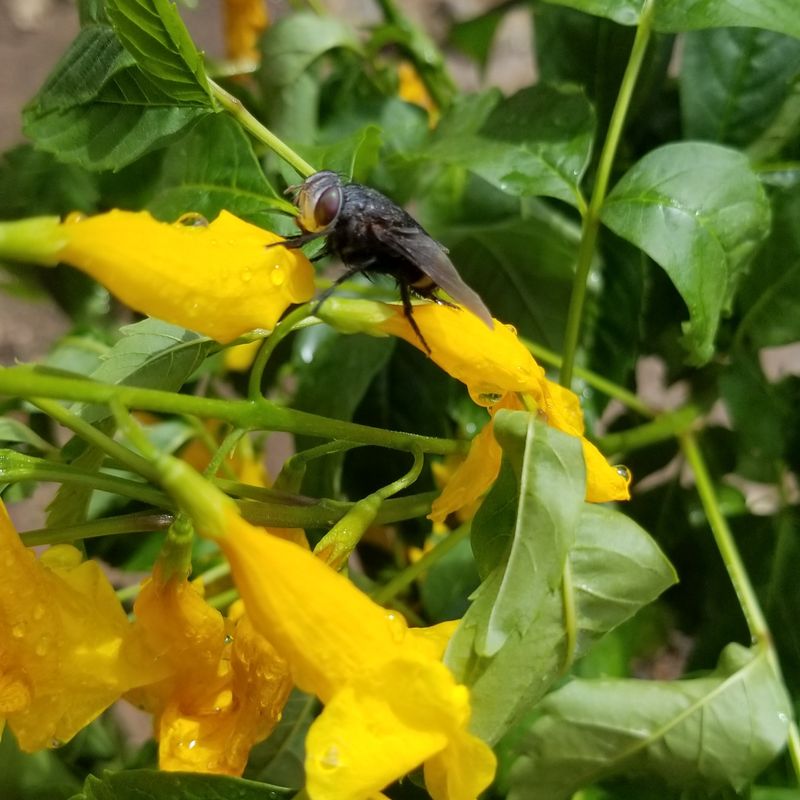
At first glance, a tachinid fly looks like an ordinary housefly that forgot to shave. Its body is covered in stiff, spiky hairs. Most people swat at it without a second thought.
That would be a mistake. Tachinid flies are some of the best friends a Texas gardener can have. They target caterpillars, including fall armyworms, and they are very good at it.
Here is how it works. A female fly finds a caterpillar and lays eggs on it or close by. Some kinds even place eggs on leaves the caterpillar will eat. When the young fly larvae hatch, they burrow inside the armyworm.
They feed there until they are ready to grow up. By then, the caterpillar is finished and will never become a moth.
You can sometimes spot their work. Look for small white eggs glued behind an armyworm’s head. Those tiny dots mean a tachinid has already found it. Squishing that caterpillar would only remove a future fly that could help you later.
Fun fact: there are well over a thousand kinds of tachinid flies in North America. Many of them are picky and only go after certain pests. That makes them a natural form of targeted pest control.
Adult tachinids love nectar. Flowers with flat tops are their favorite because they are easy to land on. Try planting yarrow, Queen Anne’s lace, coreopsis, or native asters.
Blooms that last into fall are extra helpful, since armyworm season often peaks then. A few flowers along a fence line can make a big difference over time.
6. Ground Beetles
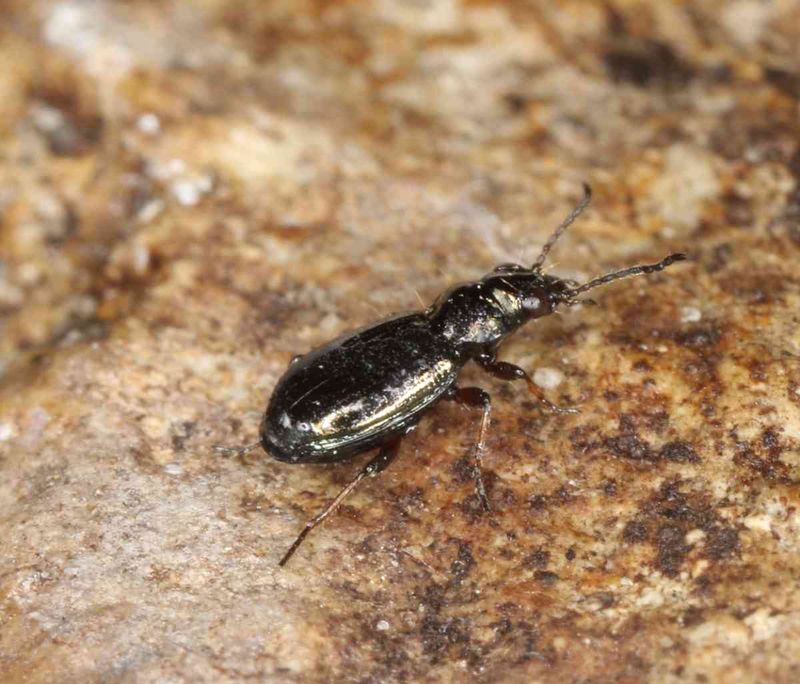
Grab a flashlight and step outside after dark. Shine it low across your lawn or flower beds. If you are lucky, you will see shiny beetles racing across the ground like tiny night guards on patrol.
Those are ground beetles, and they work the night shift. Most are black or dark brown, and some shine with metallic green or purple.
They have long legs built for speed. When they find a soft caterpillar in the thatch, they grab it with strong jaws and chow down.
Armyworms often feed at night or hide near the soil during hot days. That puts them right in the path of hungry ground beetles.
Besides caterpillars, these beetles also eat slugs, cutworms, and insect eggs. Some types even munch on weed seeds.
During the day, ground beetles stay out of sight. They hide under mulch, rocks, logs, and piles of leaves. These cool, damp spots protect them from heat and birds. A yard that is too neat may not give them anywhere to rest.
So here is some easy advice. Leave a few shelters around your yard. A layer of mulch in your beds works great.
A couple of flat stones or a small log near the lawn edge also helps. Even a strip of fallen leaves can become a beetle hotel.
One more tip: be careful with outdoor bug zappers and heavy spraying. Both can harm beetles that are working for you. Give these speedy hunters a safe place to sleep, and they will happily clean up pests while you rest.
7. Spined Soldier Bugs
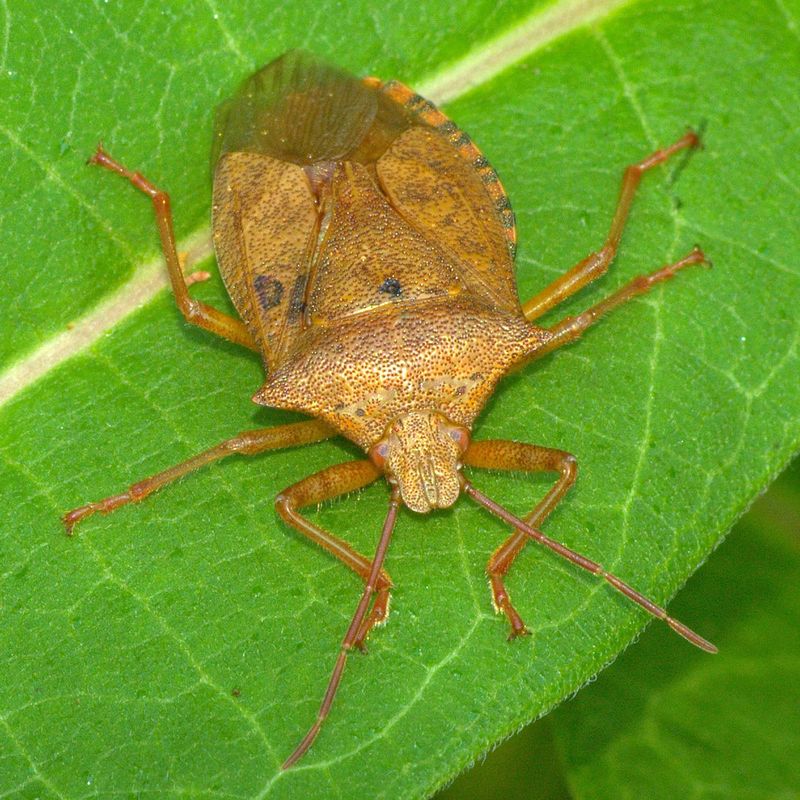
Not every stink bug is a garden villain. Meet the spined soldier bug, a predator that hunts the very pests other stink bugs are blamed for being. It wears a shield shape, but it acts like a knight.
Spined soldier bugs are about half an inch long and tan or brown with tiny dark speckles. The easiest way to recognize one is by its shoulders.
Each side ends in a sharp point, like little spikes. Plant-feeding stink bugs usually have rounded shoulders instead.
Their hunting style is sneaky and smart. A soldier bug walks up to a caterpillar, stabs it with a long needle-like beak, and injects saliva.
That saliva turns the inside of the caterpillar soft. The bug then sips it up like a smoothie. Armyworms, cabbage loopers, and even beetle larvae are all on the menu.
The young ones, called nymphs, look quite different. They are round, with bright red, black, and orange patterns. Many people mistake them for pests and squash them. Now you know better.
Here is something interesting. Some garden supply companies sell lures that attract spined soldier bugs.
Farmers have used them for years to help fight caterpillars in crops. You can also find them naturally in many Texas yards with a mix of plants.
To keep them around, grow a variety of shrubs, flowers, and grasses. Diverse plantings give them places to hide and lay eggs. Skip broad sprays when you can.
With a little patience, these armored hunters will quietly patrol your lawn and garden, poking holes in armyworm plans.