The Invasive Shrub North Carolina Gardeners Should Remove Before It Crowds Out Every Native Understory Plant
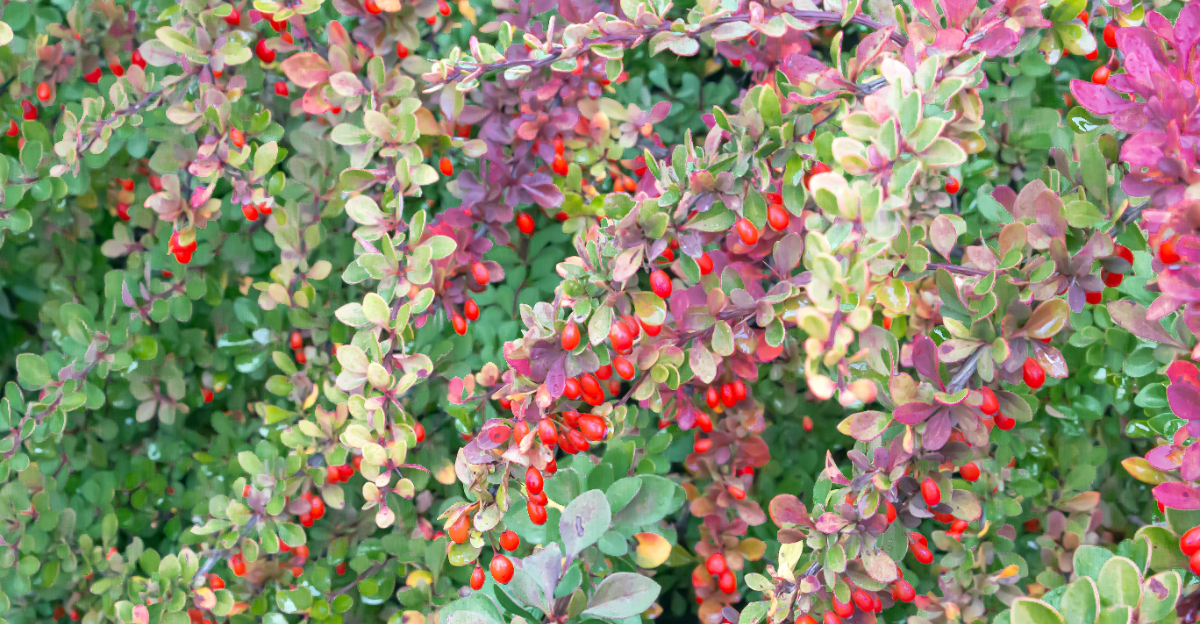
Japanese barberry spreads far more aggressively than its tidy, ornamental appearance suggests, quickly crowding out native understory plants throughout North Carolina yards.
Its dense, thorny branches create thick patches that block sunlight from reaching smaller native plants trying to establish nearby.
Birds spread its berries widely, allowing new plants to pop up in wooded areas far from any original planting.
This shrub also alters soil chemistry over time, making conditions less favorable for native plants adapted to natural forest floor conditions.
Removing smaller plants while young makes the process far easier than dealing with dense, established thickets later on.
Cutting alone often isn’t enough, since remaining roots can resprout vigorously within the same season. Wearing thick gloves helps when handling its sharp thorns during removal.
Addressing this invasive shrub early protects the diversity and health of your yard’s native plant community.
1. Japanese Barberry Is Invasive In North Carolina
Not every shrub with colorful foliage belongs in a North Carolina garden.
Japanese Barberry, known scientifically as Berberis thunbergii, is a woody deciduous shrub that originally came from Japan and has earned a reputation as one of the more problematic invasive plants in the eastern United States.
It was first introduced to North America in the late 1800s as an ornamental plant, and its compact shape and colorful leaves made it popular in landscaping for many decades.
North Carolina classifies the regular species of Japanese Barberry as invasive, meaning it can escape from planted areas and establish itself in natural spaces without any help from gardeners.
Woodland edges, shaded slopes, and disturbed areas near neighborhoods are common places where it shows up. Once outside the garden, it reproduces on its own and competes with native vegetation.
It is worth clarifying that this discussion focuses specifically on Berberis thunbergii, the confirmed invasive species, rather than every plant sold under the broader barberry name.
Some gardeners may have purchased barberry varieties without realizing the species they chose carries invasive potential in their region.
Checking with a North Carolina Cooperative Extension office can help you confirm whether a shrub already growing on your property is the invasive type.
Replacing it with a native alternative protects surrounding natural areas and keeps your garden looking great without the ecological risk.
2. Dense Thickets Crowd The Native Understory
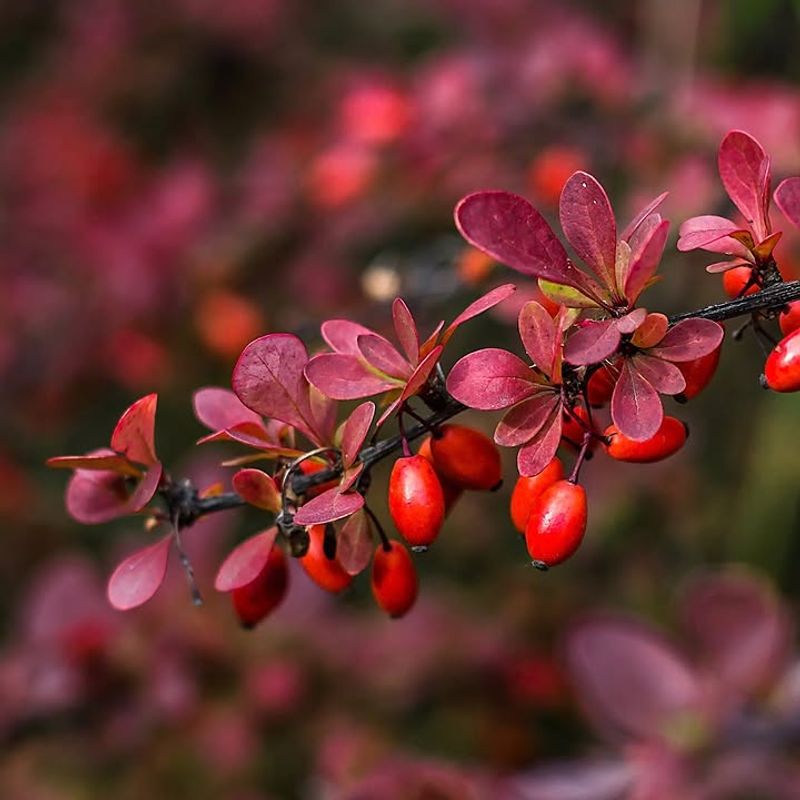
Picture walking through a North Carolina woodland and finding a solid wall of thorny shrubs where wildflowers and young trees used to grow. That is exactly what Japanese Barberry can create when it moves into a natural area.
Over time, a single plant can expand into a sprawling colony that fills the understory layer beneath the tree canopy, leaving very little room for anything else to grow.
Native wildflowers like trillium and bloodroot need open, undisturbed soil and filtered light to thrive. Young native trees and shrubs also depend on access to moisture, nutrients, and growing space in that same understory zone.
When Japanese Barberry moves in, its closely packed stems compete directly for all of those resources, often gaining the upper hand because it leafs out early in spring and holds its leaves late into fall, shading competitors for a longer portion of the growing season.
Your North Carolina Garden Changes Every Week. Your Plan Should Too.
Gardening in North Carolina changes quickly throughout the season. Every Friday you’ll receive a simple weekly plan showing exactly what to plant, prune, fertilize, harvest, and protect so you never miss the right timing.
Saying that barberry crowds out every single native understory plant is dramatic wording, but research does confirm that dense infestations can significantly reduce native plant diversity in affected areas.
Ferns, native shrubs, and woodland wildflowers all tend to decline where barberry establishes heavily. The longer a colony grows unchecked, the more difficult it becomes to restore the original plant community.
Catching and removing Japanese Barberry early, before thickets develop, gives native plants a much better chance of holding their ground and eventually bouncing back across the landscape.
3. Root Suckers Allow One Shrub To Expand
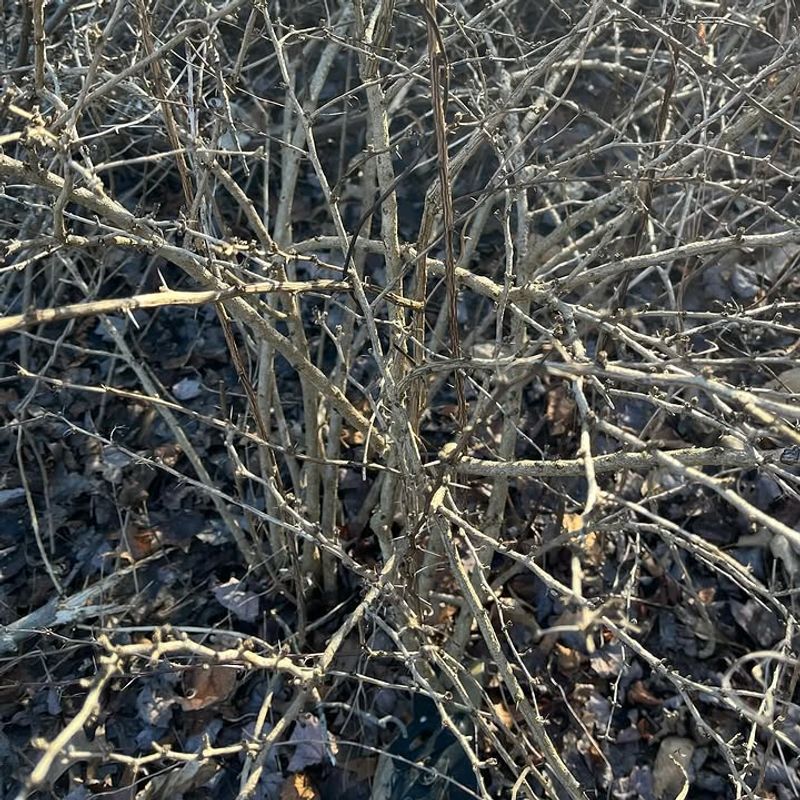
Most people think of seeds as the main way a plant spreads, but Japanese Barberry has another trick that gardeners often overlook.
Root suckers are new stems that sprout directly from the root system of an established plant, popping up around the base and gradually pushing the colony outward in every direction.
This underground expansion can catch gardeners completely off guard. What makes root suckering especially tricky is that the new shoots can emerge several feet away from the visible center of the shrub.
If nearby vegetation covers the ground, those young sprouts can go unnoticed until they are already well established and harder to remove.
North Carolina gardeners should inspect the area well beyond the obvious edges of any barberry plant they are managing, because connected shoots may already be developing beneath surrounding plants.
Early removal is genuinely easier than waiting. A small plant with a compact root system takes far less effort to pull or dig than a mature shrub surrounded by a network of established suckers.
Getting the roots out matters because any root fragments left behind can send up new growth, restarting the process.
If you spot new stems appearing around a barberry plant you recently removed, act on them quickly rather than waiting for the next season.
Staying consistent with follow-up checks in the months after removal is one of the most effective ways to prevent a single shrub from turning into a much larger problem over time.
4. Birds Carry Its Seeds Into Woodland Areas
Birds are some of nature’s best gardeners, carrying seeds far and wide as they travel through the landscape.
Unfortunately, that same helpful habit becomes a problem when the plant producing the seeds is Japanese Barberry.
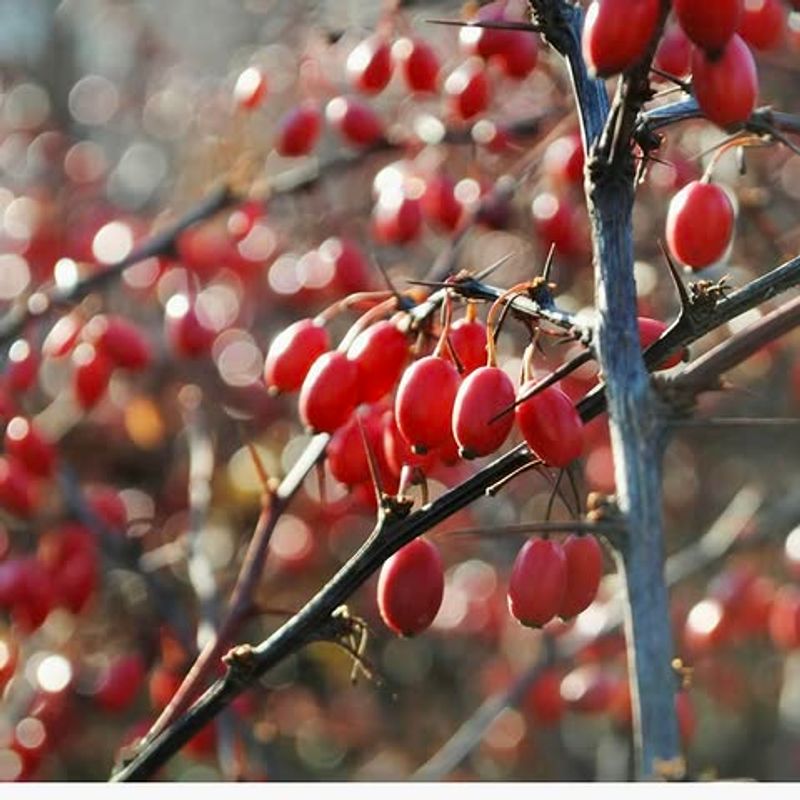
The shrub produces clusters of small, bright red berries that ripen in late summer and persist well into winter, making them an easy food source for many common songbirds across North Carolina.
After a bird eats the berries and flies off, the seeds pass through the digestive system and land in new locations, often far from the original plant.
Seedlings can appear beneath tree canopies, along fence lines, near bird perches, and at the edges of natural areas even when the nearest mature barberry plant is on a neighbor’s property.
This is why removing Japanese Barberry from one yard does not fully protect the surrounding woodland if fruiting plants remain nearby.
Allowing barberry plants to produce fruit season after season essentially turns your garden into a seed distribution hub for the surrounding landscape.
Each fruiting plant can contribute hundreds of seeds annually, and birds can carry those seeds across surprisingly long distances.
Removing plants before they fruit, or at minimum before the berries ripen and attract birds, reduces the number of seeds entering the local environment.
Gardeners who act early in the season can significantly limit how far the infestation spreads, protecting not just their own property but also the natural areas surrounding their neighborhood.
5. Japanese Barberry Can Alter Soil Conditions
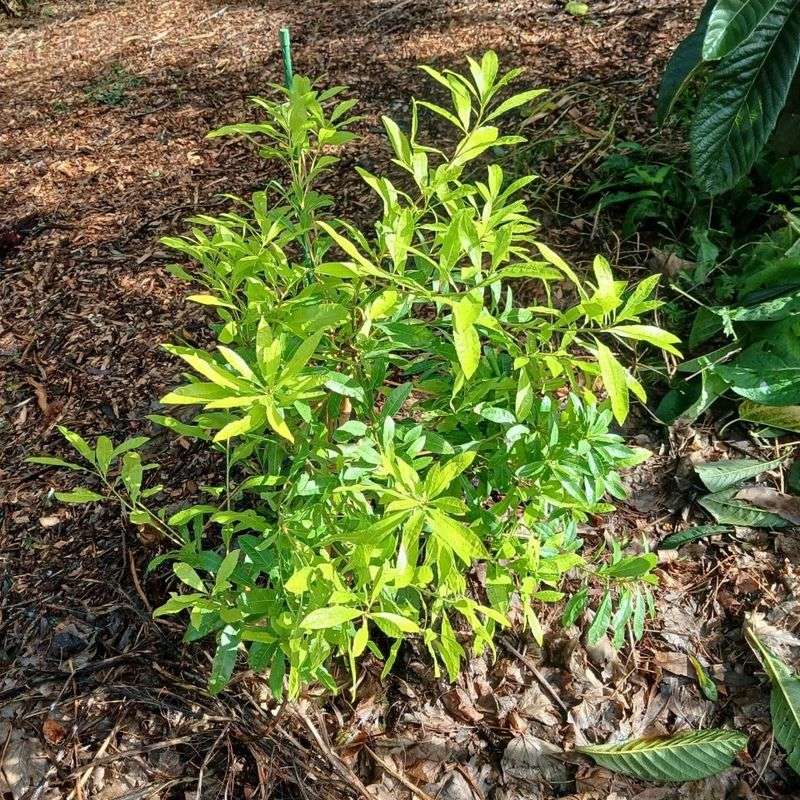
Beyond competing for light and space, Japanese Barberry may actually change the soil beneath its canopy in ways that make conditions harder for native plants.
NC State Extension notes that Japanese Barberry has been associated with alterations in soil acidity in areas where it grows densely.
Shifts in soil chemistry can affect which plants are able to establish and grow successfully in those spots. Changes in soil acidity are not the only concern.
Dense leaf litter from barberry can also affect soil moisture and the activity of soil organisms.
Native understory plants that evolved alongside very different soil conditions may struggle to compete when the environment beneath a barberry thicket shifts away from what they need.
This adds another layer of challenge on top of the direct competition for sunlight and growing space that dense colonies already create.
It is important to note that soil effects vary depending on the specific site, the composition of the local soil, and how extensive the infestation has become.
Not every plant growing near a barberry colony will respond the same way, and some areas may show more pronounced changes than others.
Still, the potential for soil alteration is one more reason to take Japanese Barberry seriously as a garden and landscape problem.
Removing it sooner rather than later limits how much time it has to influence the surrounding soil environment and gives native plants the best possible conditions for recovery once the barberry is gone.
6. Single Spines And Smooth Leaves Help Confirm Identification
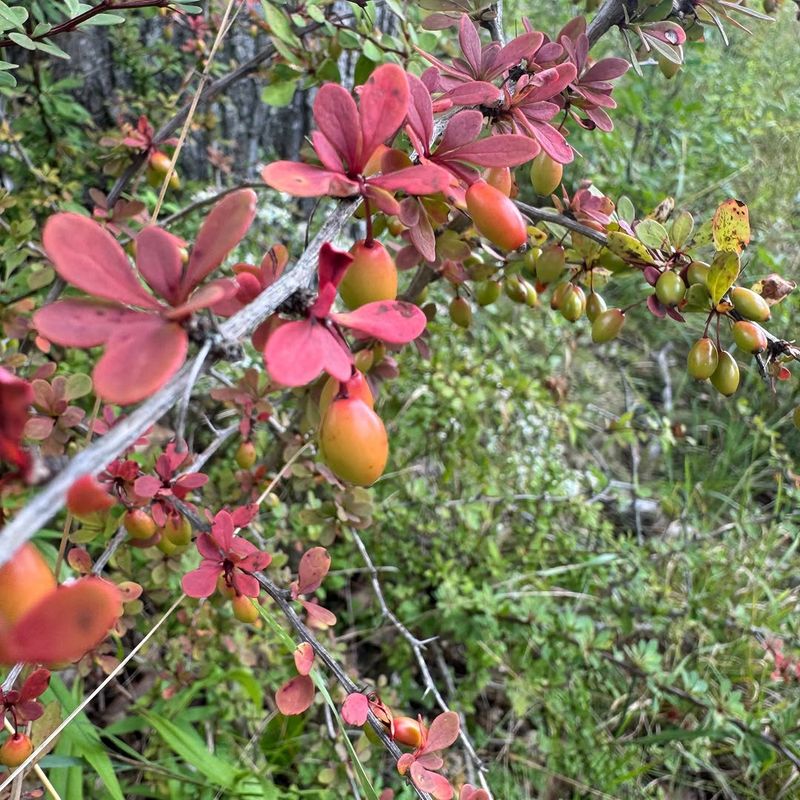
Before pulling out any shrub, it pays to be sure you have the right plant. Japanese Barberry has several reliable identification features that, taken together, make it fairly straightforward to recognize once you know what to look for.
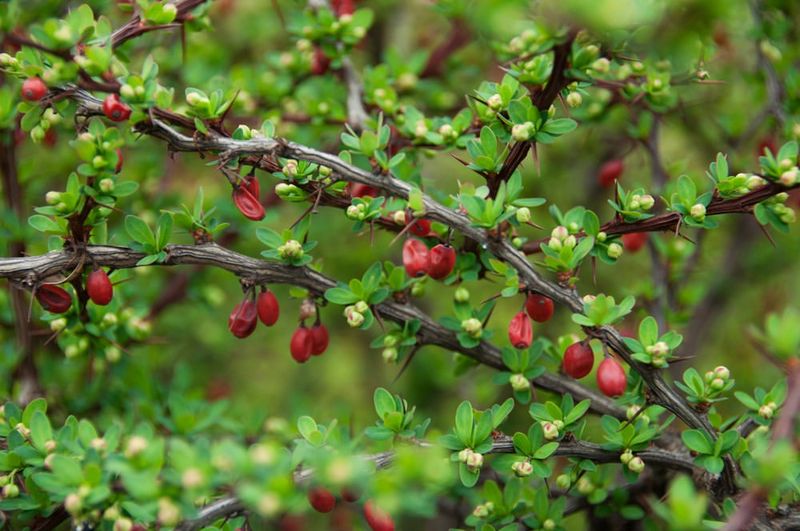
Starting with the overall shape, the shrub grows in a dense, rounded mound, typically reaching three to six feet tall, with arching branches that tend to droop slightly at the tips. One of the most distinctive features is the spine arrangement.
Japanese Barberry produces a single sharp spine at each node along the stem, which sets it apart from native shrubs that either carry no spines or have spines arranged differently.
The leaves are small and smooth-edged, almost oval in shape, and depending on the cultivar, they may appear green, burgundy red, or even golden yellow.
Small yellow flowers appear in spring, hanging in clusters beneath the branches, and bright red berries follow in late summer and persist through much of winter.
Gardeners sometimes try to identify barberry by leaf color alone, especially the popular burgundy-leafed varieties, but color varies too much between cultivars to be a reliable single identifier.
Checking multiple features together, including the single spine at each node, the smooth leaf edges, the small rounded form, and the red berries, gives a much more confident identification.
When you are still unsure, bringing a sample to your local North Carolina Cooperative Extension office is a simple and reliable way to get a confirmed answer before taking any action.
7. Small Plants Can Be Removed With Their Roots
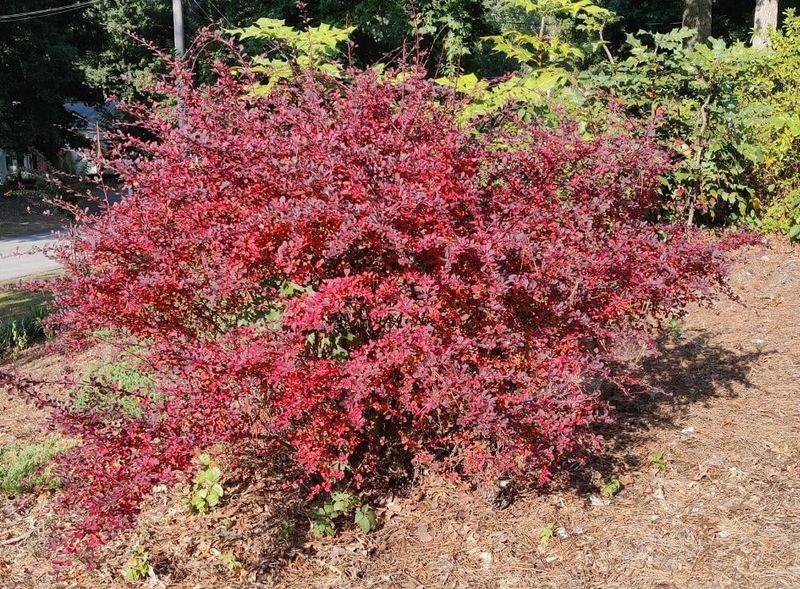
Good news for gardeners dealing with young Japanese Barberry plants: small specimens can often be removed by hand with the right preparation.
Moist soil makes the job much easier, so timing your removal effort after a rain or watering the area a day before you plan to work can make a real difference in how smoothly the roots come out.
Loose, damp soil allows roots to release more cleanly and completely. Protective gear is non-negotiable with this particular shrub.
Japanese Barberry stems carry sharp spines that can easily puncture thin gloves and scratch exposed skin.
Wearing sturdy leather gloves, long sleeves, and eye protection before you reach into the plant will save you a lot of discomfort.
Using a narrow hand trowel or a garden fork to loosen the soil around the root ball before pulling also helps avoid breaking the roots off below the surface. Root completeness matters more than speed.
Leaving even small root fragments in the ground can allow the plant to send up new growth, which means the problem returns without any new seeds involved.
For larger, more established shrubs or situations where a colony has already spread across a significant area, hand removal alone may not be practical or fully effective.
In those cases, reaching out to a North Carolina Cooperative Extension office is a smart move.
Extension staff can evaluate the specific site conditions and guide you toward the most appropriate and effective control approach for your situation.
8. Continued Monitoring Helps Native Plants Return
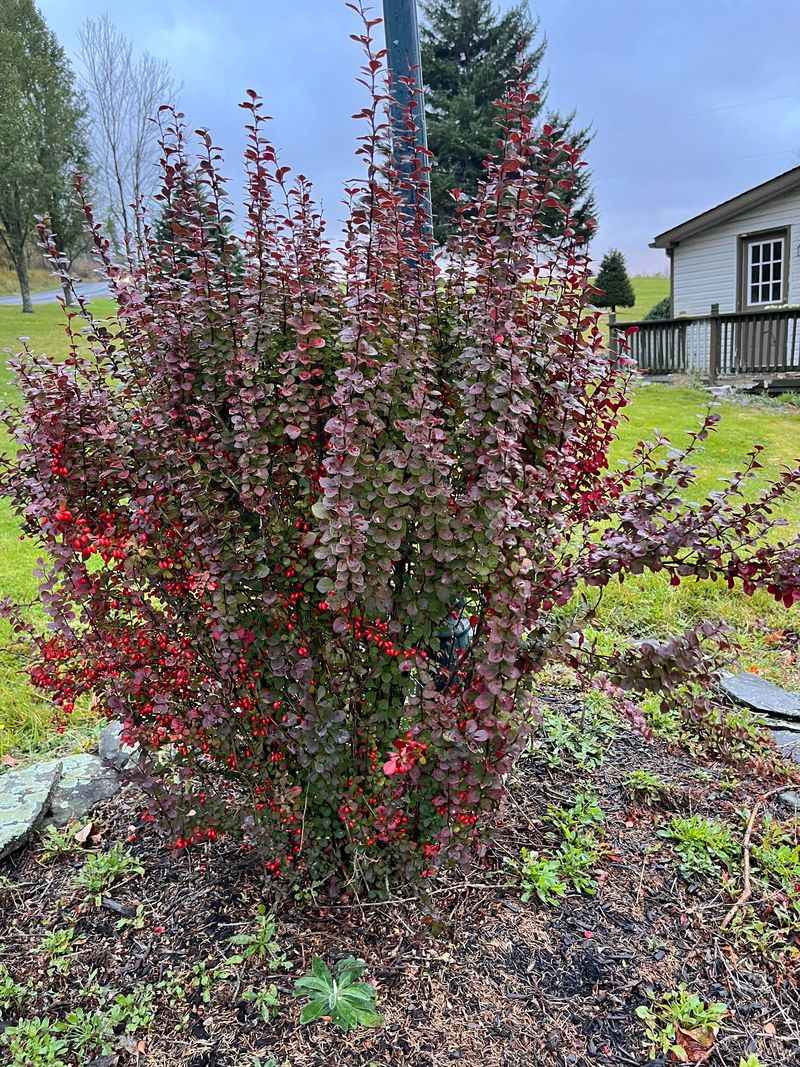
Removing Japanese Barberry is a great first step, but the work does not end there.
Seeds already present in the soil can germinate in the weeks and months following removal, and root fragments that were not fully extracted may send up new shoots.
Checking the cleared area regularly, at least once a month during the growing season, gives you the chance to catch and address new growth before it becomes established again.
One removal session rarely resolves the situation completely, especially in areas where barberry has been growing for several years.
A seed bank can build up in the soil over time, and those seeds remain viable long after the parent plant is gone.
Staying consistent with follow-up visits and removing any new seedlings while they are still tiny makes each subsequent visit quicker and easier than the one before it.
Once you are confident that barberry regrowth is under control, filling the cleared space with native plants is one of the most effective ways to prevent another invasive plant from moving in.
Open, disturbed ground is an invitation for opportunistic species, so planting native shrubs and woodland plants suited to your site’s specific light levels, soil type, and moisture conditions closes that gap.
Great options for North Carolina woodland understories include native viburnums, spicebush, native azaleas, and ferns.
Choosing plants recommended for your specific region within North Carolina ensures they are well matched to local conditions and gives them the best possible start in their new home.