Native North Carolina Cover Crops That Beat Mulch At Suppressing Winter Weeds
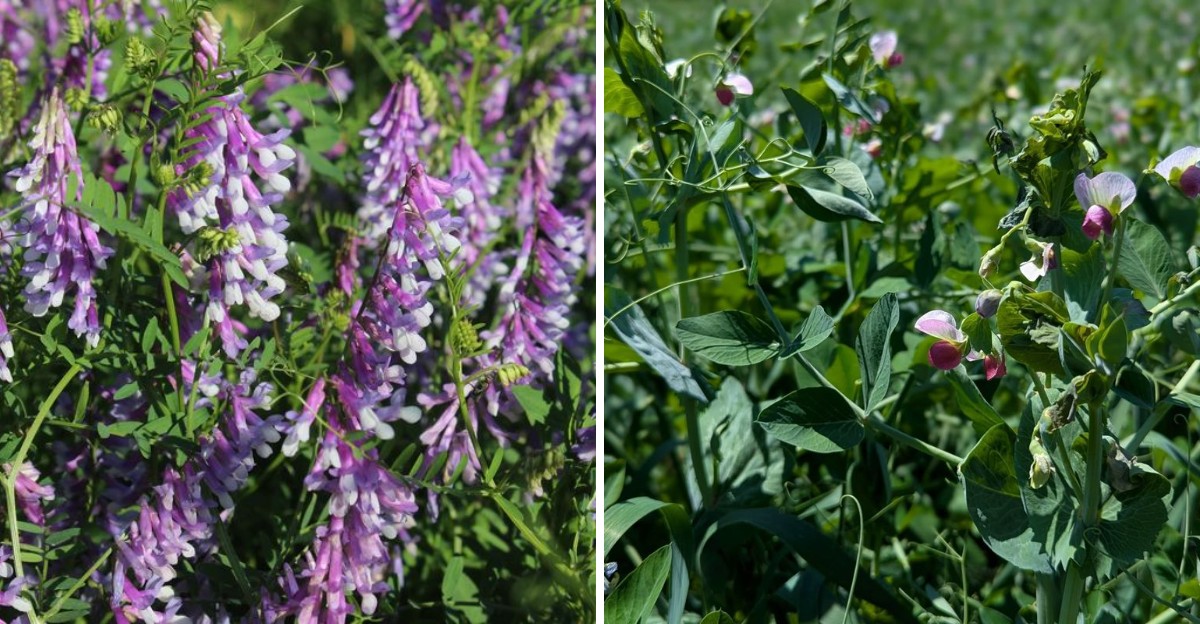
Mulch is a common go-to for weed suppression, but certain native cover crops can outperform it while also actively improving soil health throughout the winter months.
These cover crops grow a dense mat of foliage and roots that block sunlight from reaching weed seeds, preventing germination far more effectively than a static layer of mulch alone.
As an added benefit, many of these plants add organic matter and nutrients back into the soil as they grow and eventually break down, something mulch alone can’t replicate as efficiently.
Because they’re native to North Carolina, these cover crops are also well adapted to the region’s winter climate, requiring little maintenance once established.
For gardeners looking to protect and improve soil over winter, these native cover crops offer a genuine upgrade over traditional mulching alone.
1. Cereal Rye
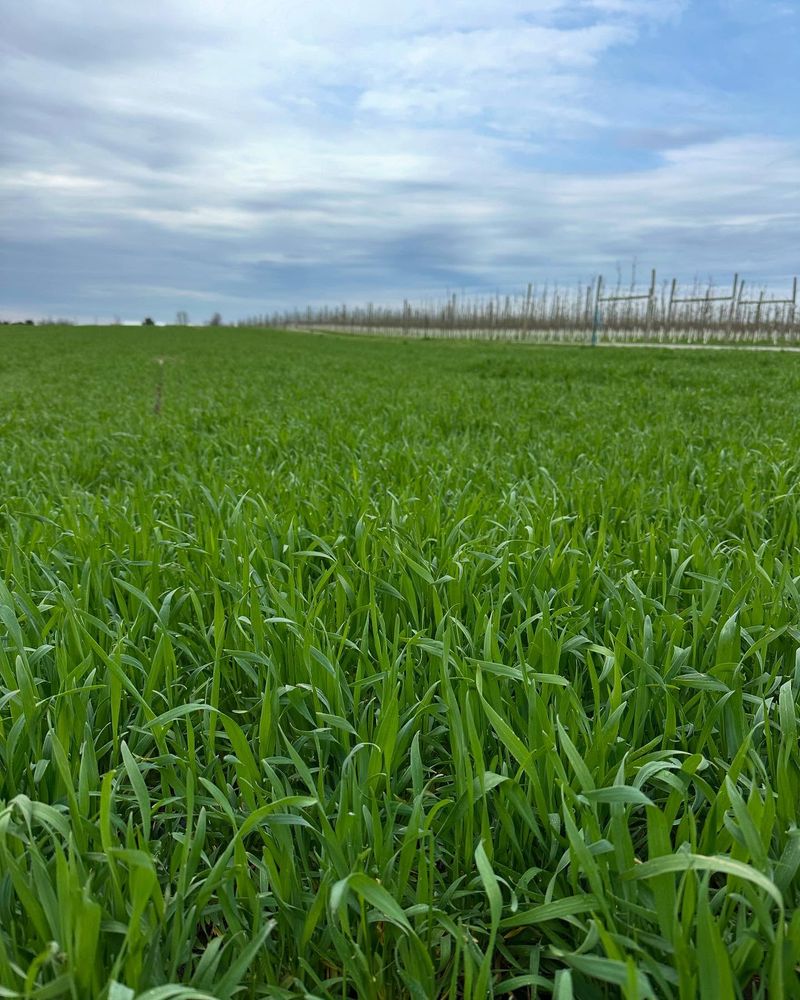
If you want a workhorse for weed control, cereal rye is hard to beat. It sprouts quickly in the cool fall air and races to cover bare ground before weeds get a chance.
NC State recommends cereal rye as one of the best winter cover crops for the state. Its roots dig deep and its leaves grow thick, forming a green blanket that shades out sunlight. Winter annual weeds hate that competition, so they never really get going.
The magic does not stop when the season ends. After you cut or mow rye, it leaves behind a heavy layer of residue on the soil surface. That mat blocks light and blocks new weed seeds from sprouting, which is something plain mulch struggles to do as well.
Rye also releases natural chemicals into the soil as its residue breaks down. Scientists call this allelopathy, and it simply means rye slows down certain weed seeds from growing. You get both a physical barrier and a chemical one working together.
For best results, plant rye in early to mid fall so it has time to establish before the coldest weather arrives. It handles North Carolina winters with ease and bounces back strong in spring.
When you are ready to plant your vegetables, mow the rye down and let it rest as mulch. Wait a couple weeks before planting seeds, since fresh rye residue can slow small seeds too. Big transplants do just fine.
2. Oats
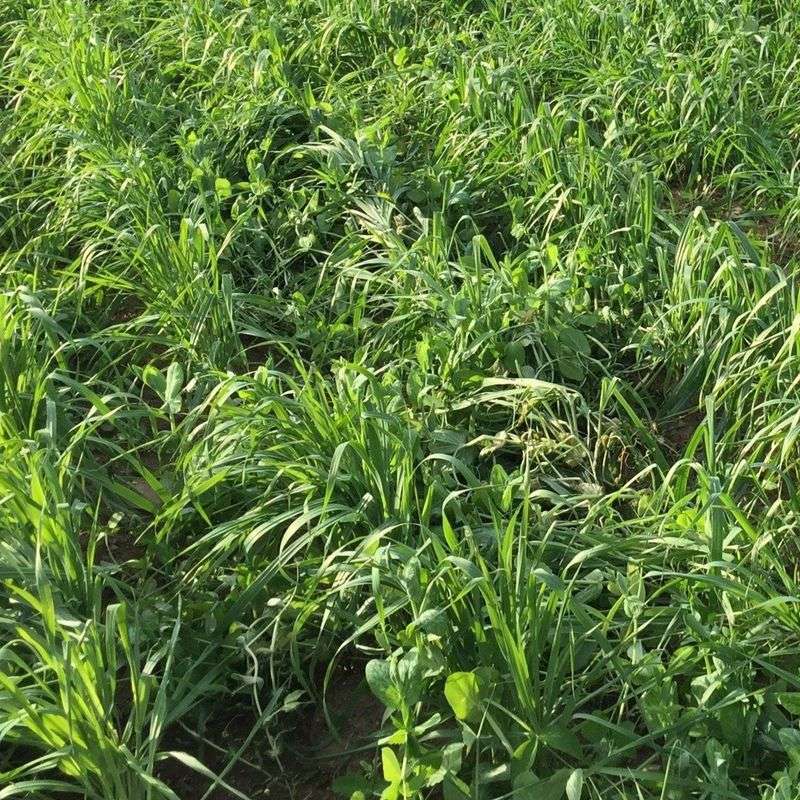
Gardeners who want fast results love oats. Toss the seeds down in early fall and you will see a green carpet form in no time.
That quick growth is exactly what makes oats such a smart choice. They cover bare soil before weeds can move in, stealing the sunlight and space that weeds need to survive.
A thick stand of oats keeps late fall and early spring weeds from taking over your beds. Here is the interesting part. Oats are not as tough as cereal rye when it comes to cold weather. During a hard freeze, the oat plants naturally fade and lay flat on the ground.
Instead of causing problems, that fading actually helps you. The flattened oat leaves form a soft surface mat over the soil. This natural mulch keeps light from reaching weed seeds, so fewer of them sprout in early spring.
Because oats do not survive harsh winters, you often do not need to mow or cut them at all. Nature handles the job for you, and by spring you are left with a tidy layer of residue that is easy to plant into.
For gardeners who dislike heavy spring cleanup, oats are a real gift. Plant them by late summer or early fall in North Carolina, and give them six weeks of growth before the first big freeze.
Pair oats with a legume like clover if you want to add nitrogen while still enjoying that speedy weed-blocking cover.
3. Barley
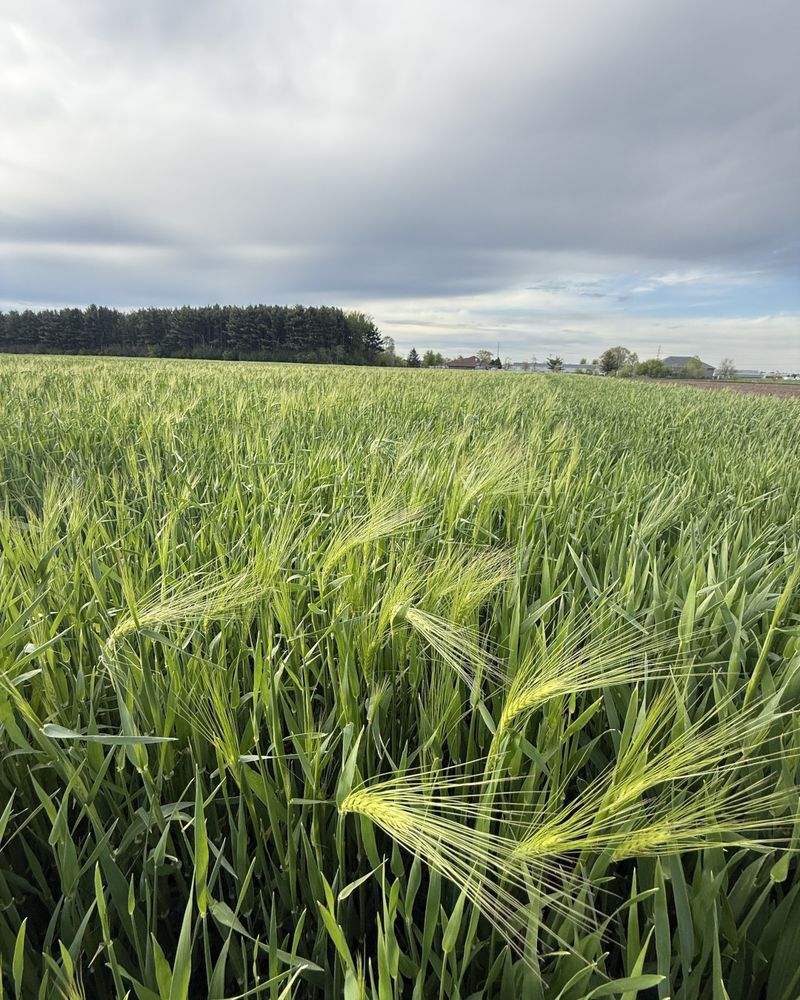
Think of barley as the bodyguard of your winter garden. It grows so thick and full that weeds barely stand a chance around it.
Gardeners call barley a smother crop for good reason. Its leaves fan out quickly and pack together tightly, creating a dense green shield across the soil. Winter annual weeds try to sprout, but they cannot compete for light or root space.
NC State lists barley among the recommended winter cover crops for the state, which tells you it handles local conditions well. It settles in during fall and keeps growing through the milder parts of winter.
One thing gardeners appreciate about barley is how tidy it looks. The plants grow evenly, giving your beds a neat, grassy appearance while doing their quiet work underground and above.
Barley roots also help loosen and hold soil in place. That means less erosion during heavy winter rains, which are common across many parts of North Carolina.
Plant barley in early fall for the strongest stand. Give it plenty of sunlight and it will reward you with fast, weed-crushing growth that outperforms a bag of store-bought mulch.
When spring comes and you are ready to plant, simply mow the barley down. The cut stalks become a helpful layer of mulch that continues to block weeds while you get your vegetables started.
For gardeners who want dependable cover with minimal fuss, barley checks all the boxes and keeps your soil healthy through the coldest months.
4. Wheat
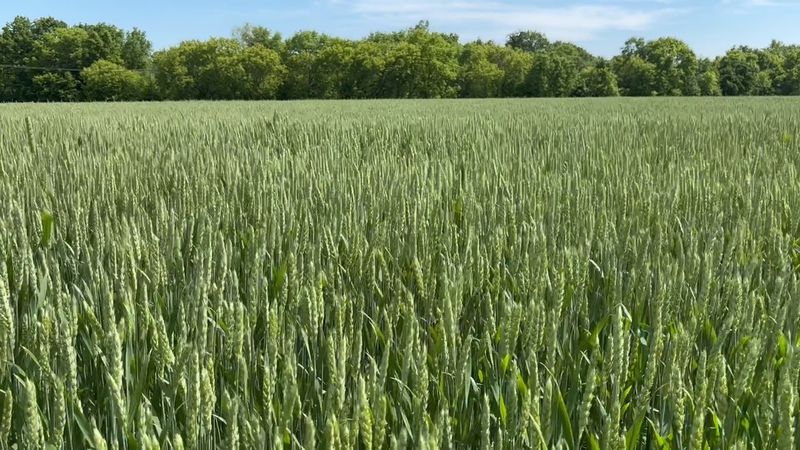
Wheat is the reliable friend every gardener wants during winter. It shows up, does its job well, and never gives you trouble.
Once planted in fall, winter wheat forms a steady, protective stand that lasts through the cold months. Its blades stand upright and grow close together, shading the soil so weed seeds cannot find the light they need.
That protective cover does more than fight weeds. It shields bare soil from pounding rain and strong wind, which helps stop erosion and keeps valuable topsoil right where it belongs.
Wheat is a favorite because it is easy to grow and very forgiving. Even beginner gardeners can spread the seed, water it in, and watch a healthy green stand appear within a few weeks.
Through the winter, wheat quietly competes with weeds by claiming space and nutrients first. Weeds simply cannot get established when wheat has already filled the ground.
When spring arrives, mow the wheat down before it forms seed heads. The leftover residue becomes a natural mulch layer that keeps blocking weeds while your garden warms up.
This residue slowly breaks down and adds organic matter back into the soil. Over time, that means richer, softer dirt that holds moisture and grows better plants.
For North Carolina gardeners, wheat offers a low-cost, dependable way to guard beds all winter. Plant it in early to mid fall, and you will enjoy a tidy, weed-free bed that is ready for spring planting.
5. Triticale
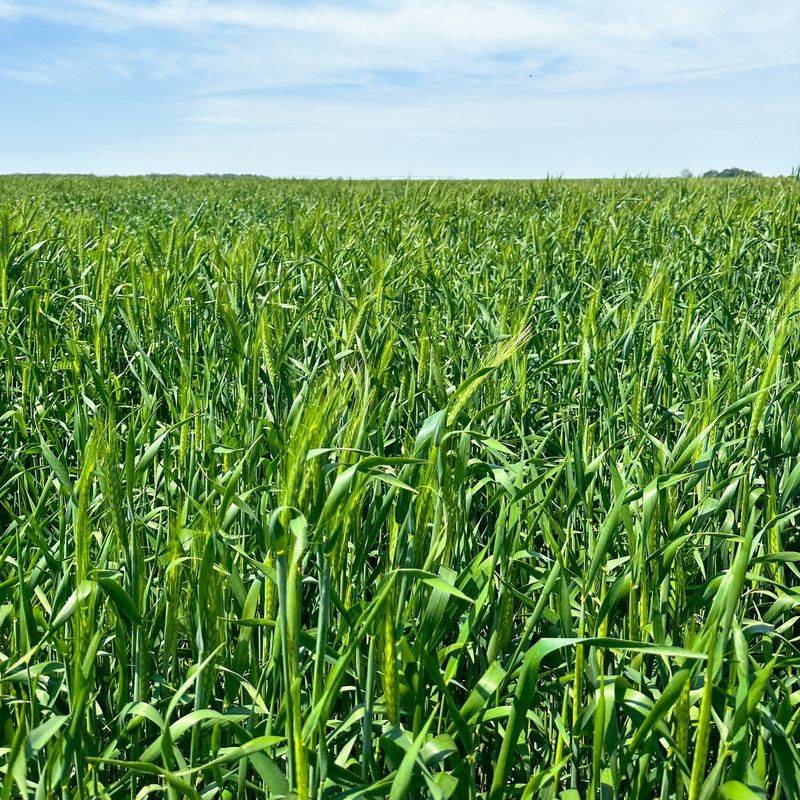
Meet triticale, the clever mix of wheat and rye that brings the best of both to your garden. This hybrid grows big and strong, making it a top pick for heavy weed control.
Gardeners reach for triticale when they want serious winter growth. It builds up a lot of leafy mass, called biomass, which piles on top of the soil and physically blocks weeds from sprouting.
One handy trait is its flexible planting time. Triticale can go into the ground a little later than some other cereal crops and still establish a solid stand before winter really sets in.
That later window is a lifesaver for busy gardeners who miss the early fall planting rush. You get another chance to cover your beds and still enjoy strong weed protection.
As triticale grows, its thick foliage forms a shady canopy over the soil. Weeds cannot push through that cover, so your beds stay clean without any mulch bags in sight.
The plant also handles North Carolina winters nicely, combining the cold toughness of rye with the steady habits of wheat. It stays green and keeps working when many weeds would love to take over.
Come spring, mow triticale down and let the residue rest on the surface. That leftover layer keeps suppressing weeds while you prepare your garden for warm-season crops.
For anyone wanting maximum growth and dependable weed defense, triticale delivers a powerful punch that easily outshines a fresh spread of mulch.
6. Crimson Clover
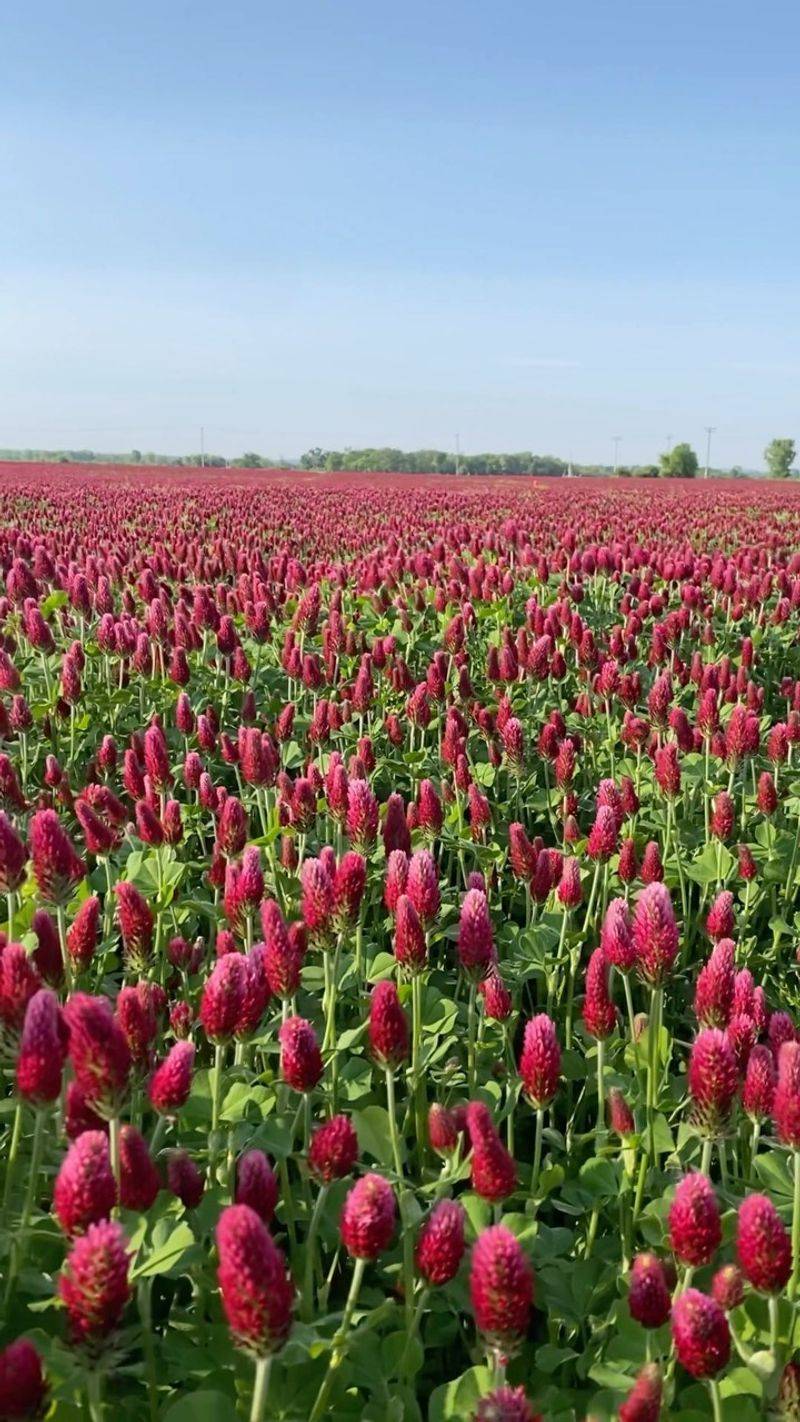
With bright red blooms that light up the garden, crimson clover is the showstopper of cover crops. It looks beautiful and works hard at the same time.
This plant spreads across the soil and competes with weeds by filling in open space. A healthy patch of crimson clover leaves little room for weeds to sneak in during the cooler months.
Here is something worth knowing. Crimson clover is not a native North Carolina plant. It came from other parts of the world, so gardeners should think of it as a helpful nonnative rather than a local wildflower.
Even though it is not native, it earns its spot for a big reason. Crimson clover is a legume, which means it pulls nitrogen from the air and stores it in the soil.
That stored nitrogen becomes free fertilizer for your next crop. When you turn the clover under in spring, it feeds your vegetables and helps them grow lush and green.
The flowers also attract bees and other helpful pollinators, giving your garden a friendly buzz of activity. So while it blocks weeds, it also supports the little creatures that keep gardens healthy.
Plant crimson clover in early fall so it can settle in before cold weather arrives. It grows low and thick, forming a living blanket over your soil.
For gardeners who want weed control, richer soil, and gorgeous color all at once, crimson clover offers a triple reward that plain mulch simply cannot match.
7. Hairy Vetch
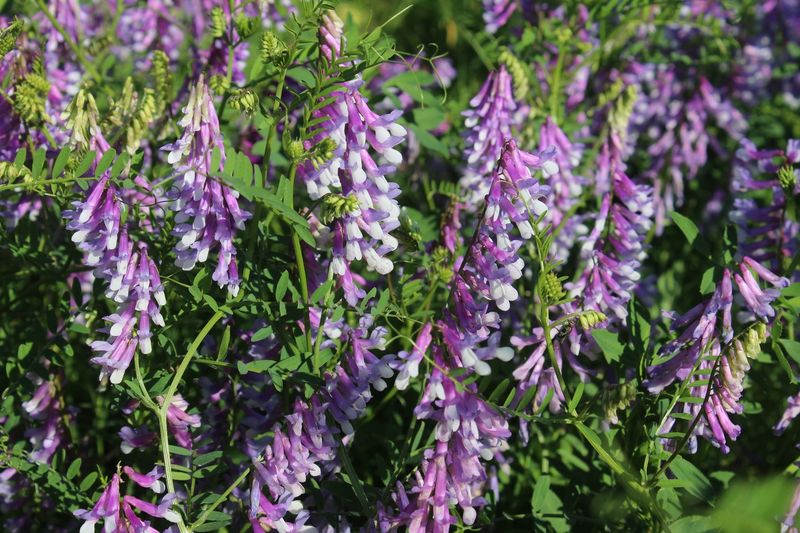
Hairy vetch is the sprawling climber that loves to spread out and cover ground fast. Its trailing vines weave across the soil like a living net.
That tangled growth is exactly what makes it great at stopping weeds. The vines pile up and create a thick layer of biomass that shades the ground and blocks weed seeds from sprouting.
Gardeners often team hairy vetch with cereal rye, and the pairing is a winner. Rye gives the vetch something to climb, while vetch adds nitrogen to the soil, so the two crops help each other out.
Together they form a dense mat that beats weeds and builds soil health at the same time. It is a classic combo that many North Carolina growers rely on year after year.
There is one important rule to remember. You must manage hairy vetch before it forms seeds, or it may return as an unwanted volunteer in future seasons.
To avoid that, mow or cut the vetch in spring once it starts flowering but before seed pods develop. This keeps it from spreading where you do not want it.
When handled correctly, hairy vetch leaves behind a rich layer of residue and a boost of nitrogen for your next planting. Your vegetables will thank you for the free feeding.
Plant it in early fall for the best coverage, and enjoy watching those vines fill in every bare spot. With a little timing and care, hairy vetch keeps weeds away and your soil thriving.
8. Austrian Winter Pea
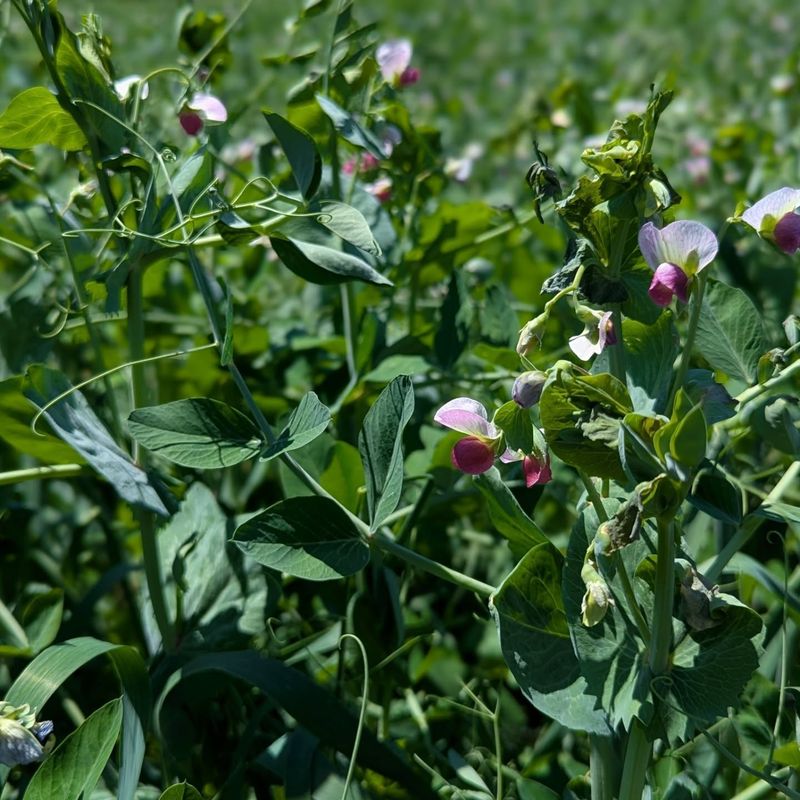
Soft, green, and full of goodness, the Austrian winter pea is a gentle giant among cover crops. Its tender vines fill garden beds with fresh growth during the cool season.
This little legume covers the soil nicely and competes with weeds by claiming space and light. Weeds struggle to break through when a healthy stand of winter peas is spreading across the ground.
Like other legumes, Austrian winter pea adds nitrogen to the soil as it grows. That means your next round of crops gets a natural nutrient boost without extra fertilizer from the store.
Gardeners also enjoy how easy it is to work with. The vines break down quickly in spring, leaving soft residue that mixes right into the soil.
There is one thing to keep in mind depending on where you live. In western North Carolina and at higher elevations, harsh winters can injure Austrian winter peas.
Cold snaps in the mountains may harm the plants before they reach their full potential. Gardeners in those areas should watch the weather and consider pairing peas with a hardier grain for backup.
In the milder parts of the state, though, winter peas thrive and provide excellent cover. They handle the flatland winters well and reward you with lush growth.
Plant Austrian winter pea in early fall so it can establish strong roots before cold weather. Mix it with rye or oats for extra weed protection.
For gardeners wanting weed control plus richer soil, this cheerful little pea delivers real value.