Attracting Bats To Your North Carolina Garden May Support Wildlife And Natural Insect Suppression – Here Is How To Do It Right
Summer evenings in North Carolina can turn from pleasant to miserable the moment mosquitoes find you on the porch. A lot of gardeners have heard that bats are the answer, and it is a tempting idea: a colony of fast-flying, night-hunting animals working the yard while you enjoy a cold drink. Bats genuinely are valuable native wildlife and can contribute to natural insect suppression, but the full story is more interesting and more honest than the simple promise of far fewer mosquitoes. Understanding what bats can and cannot do helps you welcome them the right way and actually get some relief.
Bats Eat Mosquitoes, But They Will Not Empty Your Yard
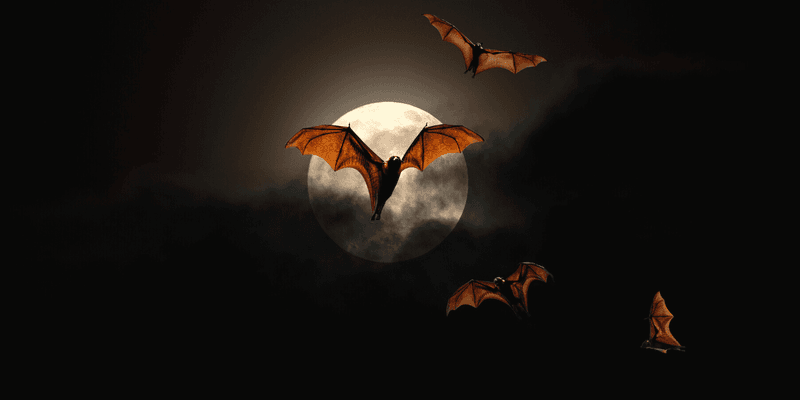
Here is the honest answer upfront: North Carolina bats do eat mosquitoes, and that is genuinely worth knowing. But eating some mosquitoes and emptying your yard of them are two very different things, and the difference matters before you spend a weekend installing bat boxes and canceling your other mosquito plans.
NC State Extension’s mosquito guidance puts it plainly: bats and birds consume mosquitoes but do not have a significant impact on mosquito populations around homes and communities. The extension also describes bat houses as worthwhile for attracting natural predators, while noting that their feeding is unlikely to cause noticeable mosquito reductions. That is a careful, honest assessment from researchers who study this question in the same muggy North Carolina summers you are dealing with.
The science does confirm that bats eat mosquitoes in the wild. A 2018 U.S. Forest Service diet study detected mosquito DNA in the feces of little brown and big brown bats at 22 Wisconsin sites, showing real consumption. The same authors noted that evidence for bats as mosquito predators had previously been limited, and that consumption varied considerably.
A southeastern United States study found bats consuming mosquito species associated with arboviruses, but concluded that the factors driving mosquito consumption were complex and that the findings did not provide specific guidance for promoting bats as a mosquito-control method.
The right frame for this project is wildlife habitat and possible supporting insect suppression, not a dramatic mosquito cure. Welcome bats for what they are: native nighttime hunters with real ecological value and a modest, variable role in the insect community around your yard.
North Carolina Bats Hunt A Broad Nighttime Menu
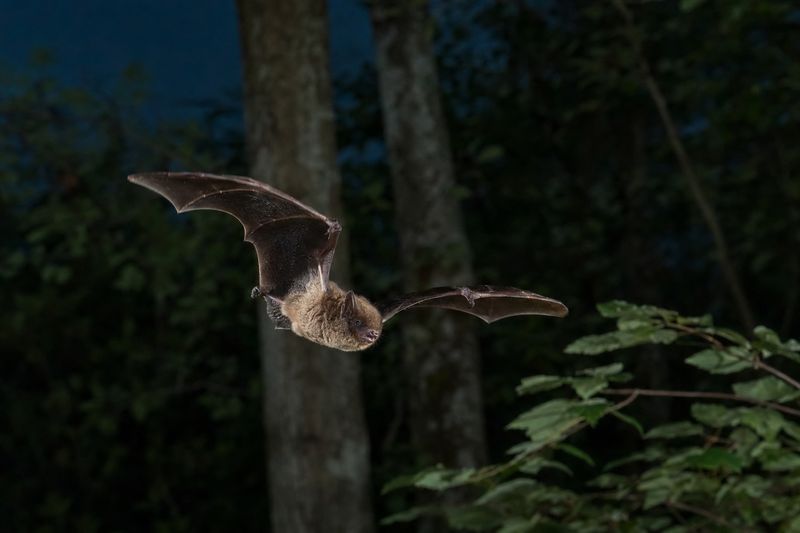
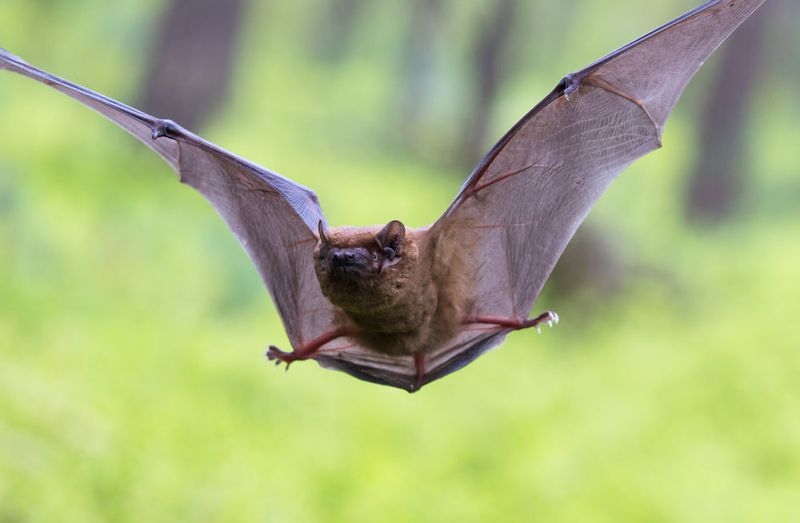
Picture a big brown bat leaving its roost at dusk over a Piedmont tree line. It is not scanning the yard for mosquitoes specifically. It is hunting whatever night-flying insects are available, and on most evenings that menu is long.
North Carolina is home to 17 bat species, and every single one of them is insectivorous. That is a remarkable diversity of native predators, several of which are listed as species of conservation concern. USGS describes bats as major predators of night-flying insects, a broad ecological category that includes moths, beetles, flies, midges, and yes, mosquitoes. The word “major” reflects their ecological role across the landscape, not a guarantee about any one patio.
Your North Carolina Garden Changes Every Week. Your Plan Should Too.
Gardening in North Carolina changes quickly throughout the season. Every Friday you’ll receive a simple weekly plan showing exactly what to plant, prune, fertilize, harvest, and protect so you never miss the right timing.
That generalist appetite is actually good news for your garden. Moths that damage vegetable leaves, beetles that chew ornamentals, midges that hover in clouds near water features: bats are hunting all of them after dark. The mosquito piece is real but partial.
Here is where the timing gets tricky. NC State Extension’s wildlife handbook notes that bats are most active from dusk into the night, with some activity in the early morning. But NC State Extension’s mosquito guidance points out that mosquitoes around homes may be active both during the day and at night depending on the species and breeding habitat. Container breeders like the Asian tiger mosquito bite aggressively in full daylight.
Bats are roosting then, not hunting.
Bats forage best along forest edges, over ponds and streams, near wetlands, and through garden borders where flying insects concentrate. A yard that connects to those habitats gives local bats a reason to pass through. One that sits in a treeless subdivision with no water nearby is a harder sell, regardless of how many bat houses go up.
Improve The Habitat Before You Install A House

A bat house without good habitat nearby is a little like putting up a birdhouse in a parking lot. The structure is fine, but there is no reason for anything to move in. Spending time on the yard itself before mounting a box gives the whole project a much better foundation.
Start by thinking about what draws flying insects after dark: established plantings, garden borders with leaf litter, proximity to forest edges or water, and areas that stay relatively undisturbed. NC State Extension’s wildlife gardening chapter recommends providing water, avoiding pesticides, and offering artificial roosting habitat as a package, not a single step. Each piece supports the others.
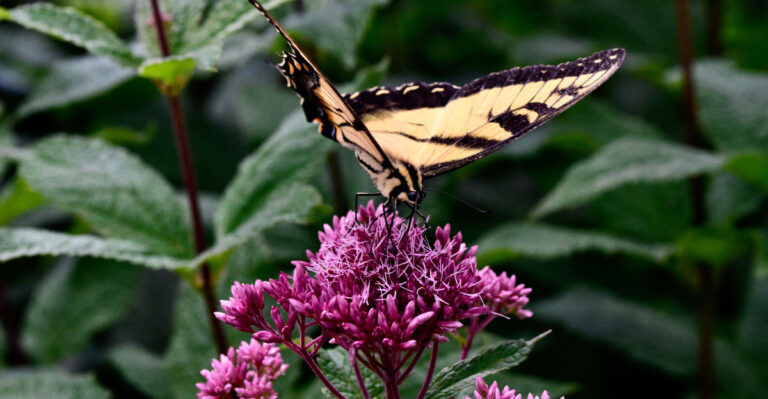
Native plants are a genuine help here, but not for the reason some gardening articles suggest. NC Cooperative Extension is clear that bat-pollinated plants do not attract North Carolina bats because pollinating bat species simply do not occur in this state. Every bat here is an insect eater. Native plants like Joe Pye weed (Eutrochium purpureum), goldenrod (Solidago spp.), and wild bergamot (Monarda fistulosa) support the moths, beetles, and other insects that bats actually hunt.
That is the connection worth making.
Pesticides are a real problem for bat habitat.
NC State Extension’s bat resource page advises against pesticide use because insecticides reduce the prey base that bats depend on and can harm pollinators, amphibians, and other wildlife at the same time. A yard managed with fewer chemicals tends to support more of the insects bats need, which makes the habitat more attractive over time.Water helps, but it needs careful management. Clean, moving, or frequently refreshed water near foraging areas can draw bats in. Stagnant water breeds mosquitoes. The section below covers how to keep those two outcomes from working against each other.
Place The Bat House For Flight And Regional Heat
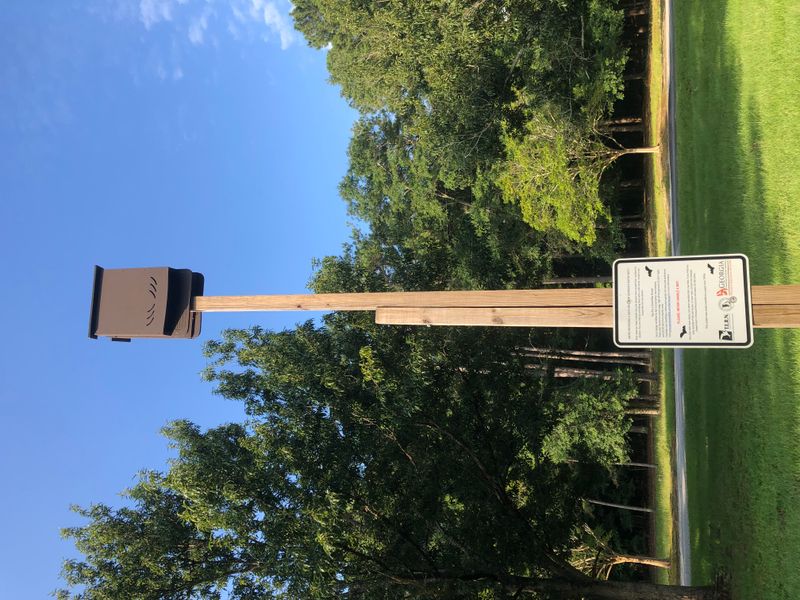
Placement is where most bat house projects succeed or quietly fail. A box on the wrong tree at the wrong height in the wrong orientation is just yard decor. Getting the details right does not guarantee a colony, but it removes the main reasons bats would skip the house entirely.
Bat Conservation International’s installation guidance sets a minimum mounting height of 10 feet above the ground, with a preferred range of 12 to 20 feet. Below 10 feet, predators like cats, raccoons, and rat snakes can reach the entrance too easily. Aim for the upper end of the range if you can manage it safely.
Open flight space below the house matters just as much as height. Bat Conservation International recommends at least 12 feet of clear space under the exits so bats can drop into a glide on departure. Keep the house roughly 20 to 30 feet from tree branches, overhead wires, and any structure that could serve as a predator perch or block the flight path. Mounting on a building or a freestanding pole is generally better than mounting in a tree, because branches obstruct flight and give predators a route straight to the entrance.
Water nearby improves the odds. Bat Conservation International’s bat house overview notes that successful nursery colonies are often within one-quarter mile of water, and its current backyard guidance recommends being within about one mile of a substantial water source when possible. A pond, stream, wetland, or even a reliably maintained water feature can help.
Sun exposure requires regional judgment in North Carolina. Full-day sun works well in cooler mountain elevations, but a bat house baking in Coastal Plain or Piedmont afternoon heat can overheat and drive bats out. Bat Conservation International now stresses overheating prevention alongside sun exposure. An east-facing location that collects morning sun and sits in shade by early afternoon is a safer choice across much of the state’s hotter regions.
Ventilation gaps in the house design also help regulate temperature through humid summers.
NC State Extension’s bat page supports the pole or building mount over tree placement for the same flight-clearance and predator-access reasons. Consider installing two houses with slightly different orientations or sun exposures, placed no more than about 100 meters apart, so bats can shift between roosts as temperatures change through the season. These steps improve suitability. They do not guarantee that bats will move in, but they take the avoidable problems off the table.
Keep Bat-Friendly Water From Becoming Mosquito Habitat
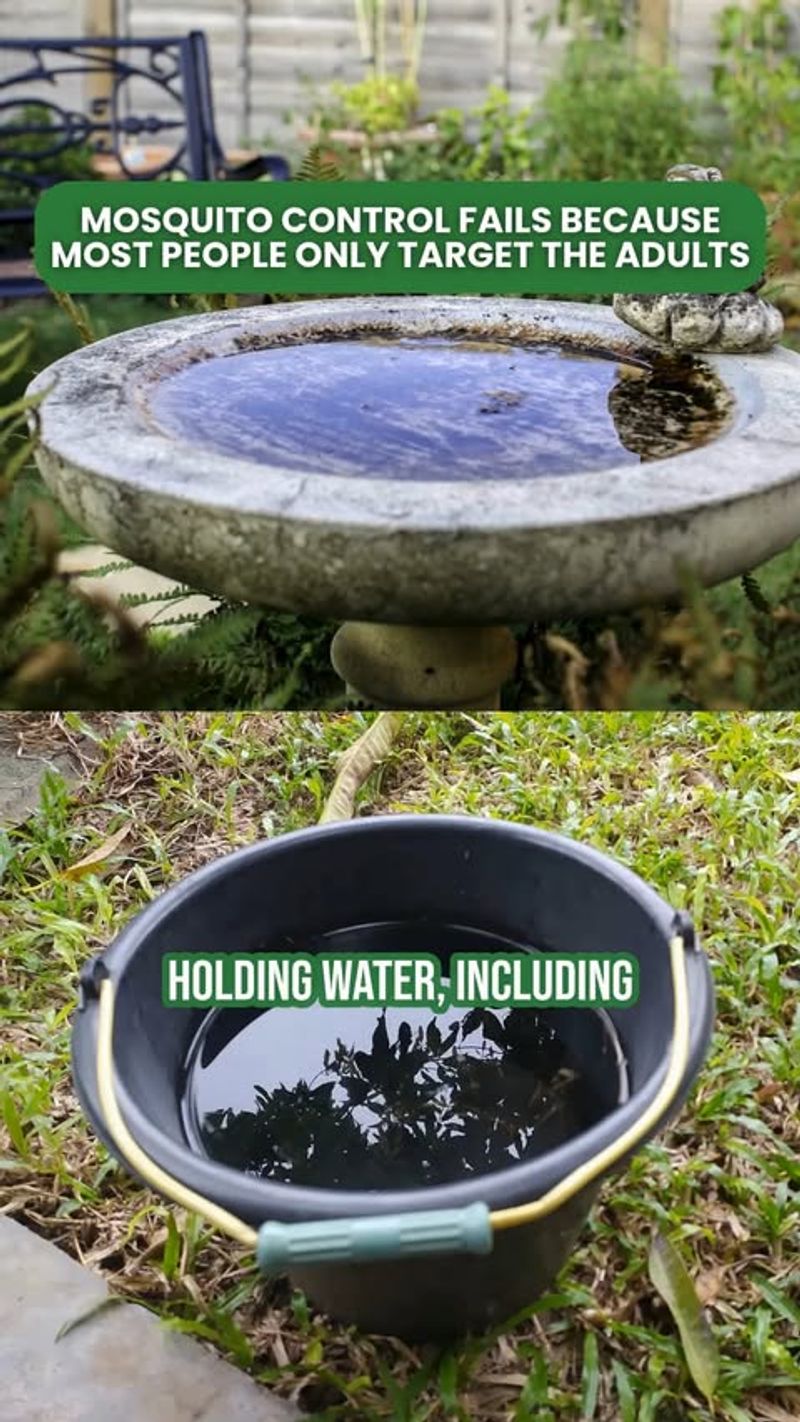
Water is one of the best things you can add to a bat-friendly yard, and one of the fastest ways to make a mosquito problem worse. The same shallow pool that draws foraging bats at dusk can produce hundreds of adult mosquitoes by the following week if it is not managed carefully.
Mosquitoes need standing water to breed, and they are not picky. Birdbaths, clogged gutters, plant saucers, old tires, buckets, clogged downspout extensions, and uncovered rain barrels all qualify. CDC guidance on home mosquito control recommends emptying, scrubbing, turning over, covering, or discarding water-holding items at least once a week. The scrubbing step matters because mosquito eggs can stick to container walls and survive a simple dump-and-refill.
Rain barrels are worth a specific mention. They collect a lot of water fast during North Carolina’s afternoon summer storms, and an uncovered barrel is an ideal mosquito nursery. Cover or tightly screen any rain barrel so mosquitoes cannot get in to lay eggs, while still allowing water to flow in from the downspout.
For water you cannot easily drain or cover, a properly labeled mosquito larvicide can help. EPA guidance on Bti describes it as a naturally occurring soil bacterium that targets mosquito larvae in suitable small water bodies. Bti kills larvae before they become biting adults. It does not affect the adult mosquitoes already flying around your porch, and it must be used only in water bodies where the product label permits it.
Read the label before you apply it, and follow it exactly. A pond, a rain garden, or an ornamental water feature may qualify, but the label defines where and how much.
Use Direct Controls For Reliable Mosquito Relief

Bats are a supporting layer, not the foundation. For actual, dependable mosquito relief on your porch this summer, direct controls do the heavy lifting, and they work regardless of whether any bat ever visits your yard.
Source reduction is the first and most effective step. Walk the yard after a rain and look for anything holding water: old flowerpots, tarps with dips, toys left outside, low spots in the lawn that pool, and tree holes. Fill tree holes with sand or an appropriate sealant. Empty containers or store them upside down.
NC State Extension’s community mosquito guidance and CDC home mosquito control recommendations both point to source reduction as the most practical tool available to homeowners.
Screens are underrated. A torn screen on a back door or a loose-fitting window frame lets mosquitoes move freely between your yard and your living room. Repair or replace damaged screens before the worst of summer arrives. It is a one-time fix with lasting results.
For outdoor time on the porch or in the garden, EPA-registered repellents with active ingredients like DEET, picaridin, or oil of lemon eucalyptus provide real protection. CDC’s integrated mosquito management framework includes repellent use as a core personal protection measure alongside source reduction.
Mosquito species also differ in behavior. The Asian tiger mosquito bites in full daylight and breeds in containers as small as a bottle cap. Evening bat activity cannot touch that problem. Some coastal and wetland mosquito species travel farther and bite at different times than the container breeders common in Piedmont neighborhoods.
Knowing which species you are dealing with helps set realistic expectations for any single control method.
The layered approach works: habitat for bats and other wildlife, source reduction for breeding sites, screens and repellents for personal protection. No single piece does the whole job, but together they make a North Carolina summer genuinely more comfortable.
Protect Bats And Your Household
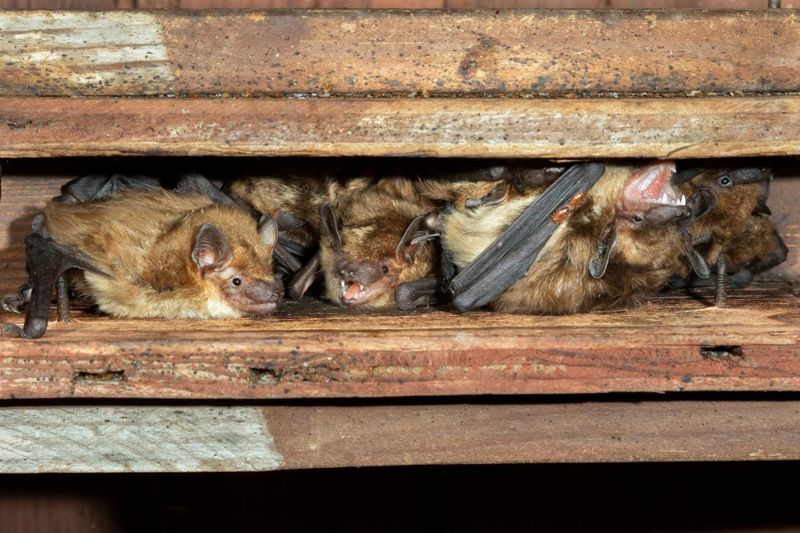
Welcoming bats to a yard is straightforward. Dealing with bats that have moved into an attic or wall cavity is a different situation, and it comes with legal boundaries that North Carolina homeowners need to know before they reach for a caulk gun.
North Carolina Wildlife Resources Commission guidance establishes a bat-eviction moratorium from May 1 through July 31 each year. During those months, bat pups are being born and raised inside roosts. Sealing an entrance during this period traps flightless pups inside, where they will die. NCWRC’s 2025 press release on bat pupping season urges homeowners to inspect and repair potential entry points before May 1 or to wait until after July 31, when pups are capable of flying and leaving on their own.
Paid bat evictions must be performed by a licensed wildlife control agent. This is not a DIY project during active roosting season, and attempting it without proper training creates real risks for the bats and for the people doing the work.
If a bat is found inside your home and there is any possibility that a person or pet was in the same room while sleeping, do not handle the bat and do not release it outside. CDC guidance on bat rabies prevention explains that bat bites can be tiny and go unnoticed, especially during sleep. Contact your local health department or a medical provider for guidance on whether post-exposure evaluation is needed. This step is not about fear of bats in general.
It is about taking a specific, possible exposure seriously.
Bats found outdoors, flying normally, and with no human or pet contact are not a concern. Leave them alone and let them do their work. The goal is coexistence with clear boundaries, not alarm.
Measure Success As Habitat, Not A Mosquito Guarantee
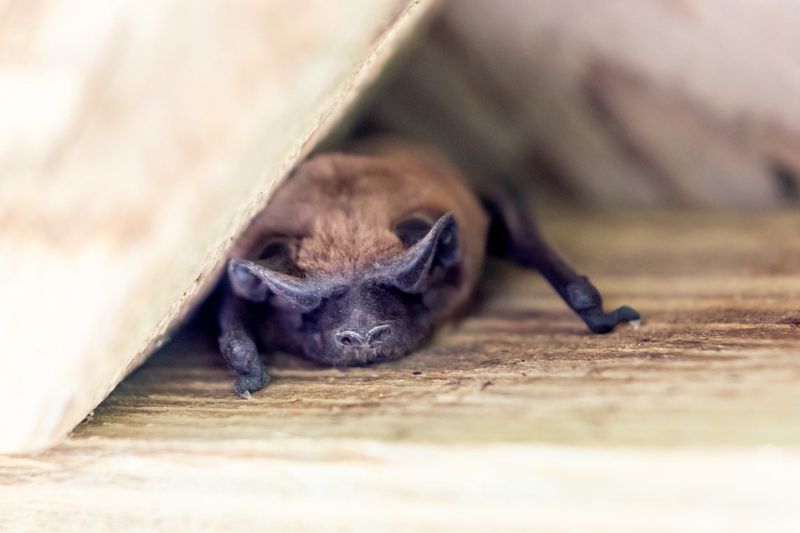
A bat house installed this weekend might attract its first occupants this season. It might sit empty for two years. Both outcomes are normal, and neither one means the project failed.
Bat Conservation International’s bat house guidance is honest about this: roost availability, temperature, nearby water, landscape structure, predator pressure, insect abundance, and existing local bat populations all affect whether a house gets used. Many houses are never occupied. The factors that matter are largely outside a homeowner’s control once the box is up and properly placed.
The right measure of success for this project is habitat quality, not a summer mosquito count. Did you reduce pesticide use in the yard? Did you manage standing water consistently? Did you plant natives that support the insect community?
Did you mount the house correctly and give it time? Those are the wins. NC State Extension’s wildlife gardening guidance frames bat habitat as part of a broader yard ecosystem, not a standalone fix for a single pest.
Keep the direct mosquito controls running alongside the habitat work. NC State Extension’s mosquito management guidance is clear that source reduction, screens, and repellents are the dependable tools. Bats contribute to the natural system around your yard, and that contribution is real even when it is not visible from the porch on a July evening.
North Carolina has 17 bat species navigating the same humid summers, mountain cold snaps, and coastal storms you live with every year. A yard that gives them a reason to roost and forage is a yard that is doing something genuinely useful for the native ecosystem. That is a quieter kind of success than a mosquito-free cookout, but it is one that lasts well past a single season.