The Watering Habit That Can Make Your Orchid Drop Buds
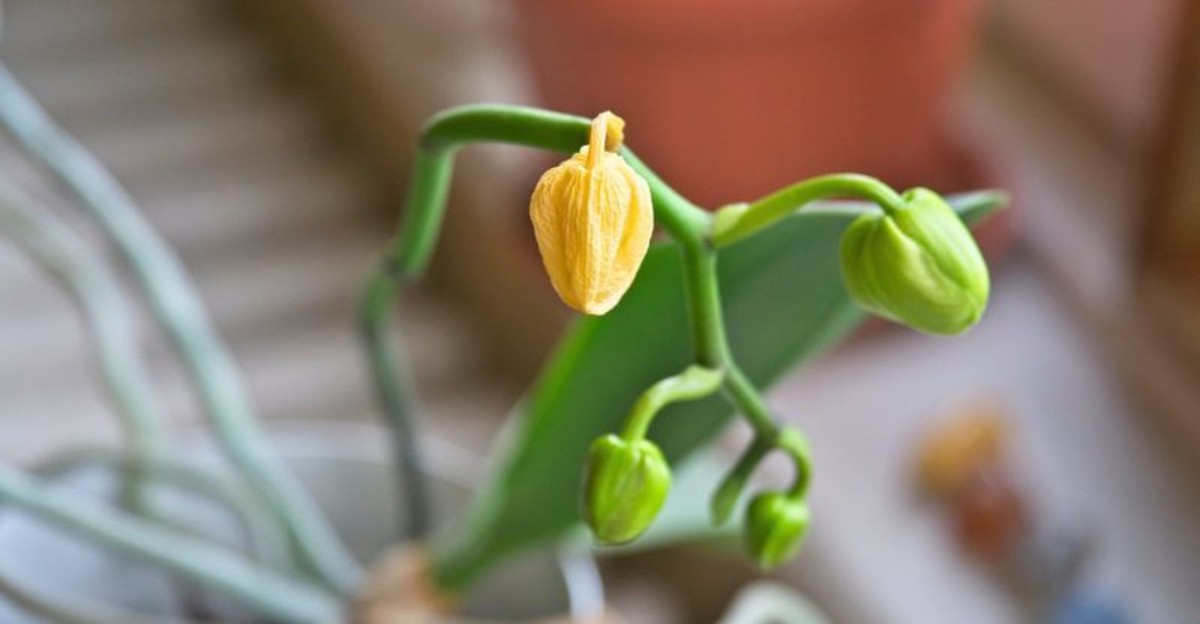
You finally spot plump little buds lining the spike, and you start picturing a windowsill full of color. Then one quiet morning, a soft yellow bud lies on the table like a tiny broken promise.
A day later, another one drops, and the rest of the stem starts looking nervous and shriveled. You check for bugs, squint at the leaves, and wonder if the plant simply dislikes your living room.
Most of the time, the real trouble hides in something you do every week with the best intentions. It feels caring and harmless, yet it can quietly upset a plant that likes things calm and predictable.
Early fall adds a twist, since cooler nights and drier indoor air change how fast pots dry out. A routine that worked fine in warmer weeks can suddenly feel wrong to roots sitting in bark.
Buds are the most sensitive part of the plant, so they react first when conditions swing too far. Apparently, a flower spike can hold a grudge longer than most houseguests.
Inconsistent Moisture Swings Behind Bud Blast
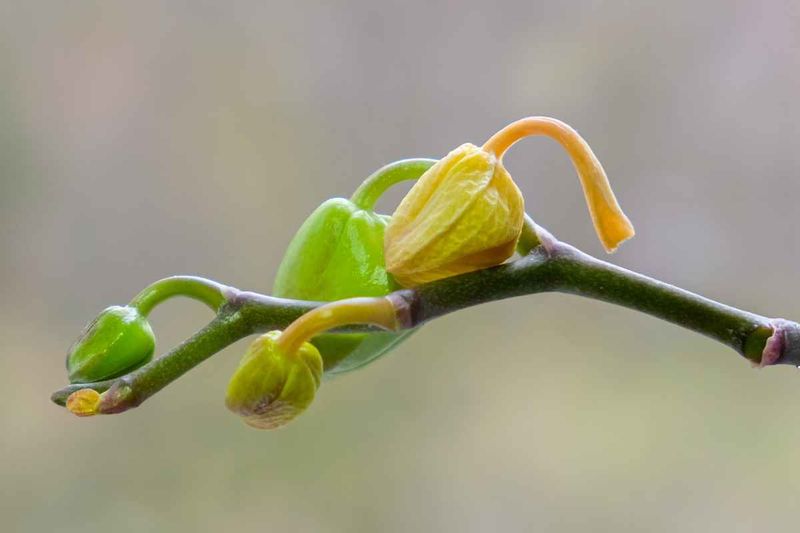
Picture a sponge that gets soaked on Monday, then sits bone dry until the following weekend rolls around. Orchid roots go through that same rollercoaster when watering happens by mood instead of by need.
One common cause of bud drop is uneven watering, swinging between flooding the pot and forgetting it for days. Growers call the result bud blast, and it often shows up as yellow, shriveled buds falling early.
When roots dry out too much, the plant may divert water away from buds and toward its leaves. Buds take a lot of energy to build, so the orchid may drop them first to save resources.
On the flip side, soggy bark limits airflow around roots and cuts off the air they need to function well. Damaged roots cannot carry moisture upward, so the buds end up thirsty even in a wet pot.
That sounds backward, but a waterlogged orchid can look just as stressed as one left dry for weeks. Wrinkled leaves, mushy brown roots, and falling buds can point to either extreme, so checking the roots matters.
Healthy roots in a Phalaenopsis usually look firm and silvery when dry, then turn bright green after a drink. Peeking through a clear pot gives you a quick, honest report on how your routine is going.
Fun fact: many orchids grow on tree branches in the wild, where rain drenches them and then drains away fast. Copying that soak-then-drain rhythm at home helps keep buds attached to the spike.
The Early Fall Danger Zone
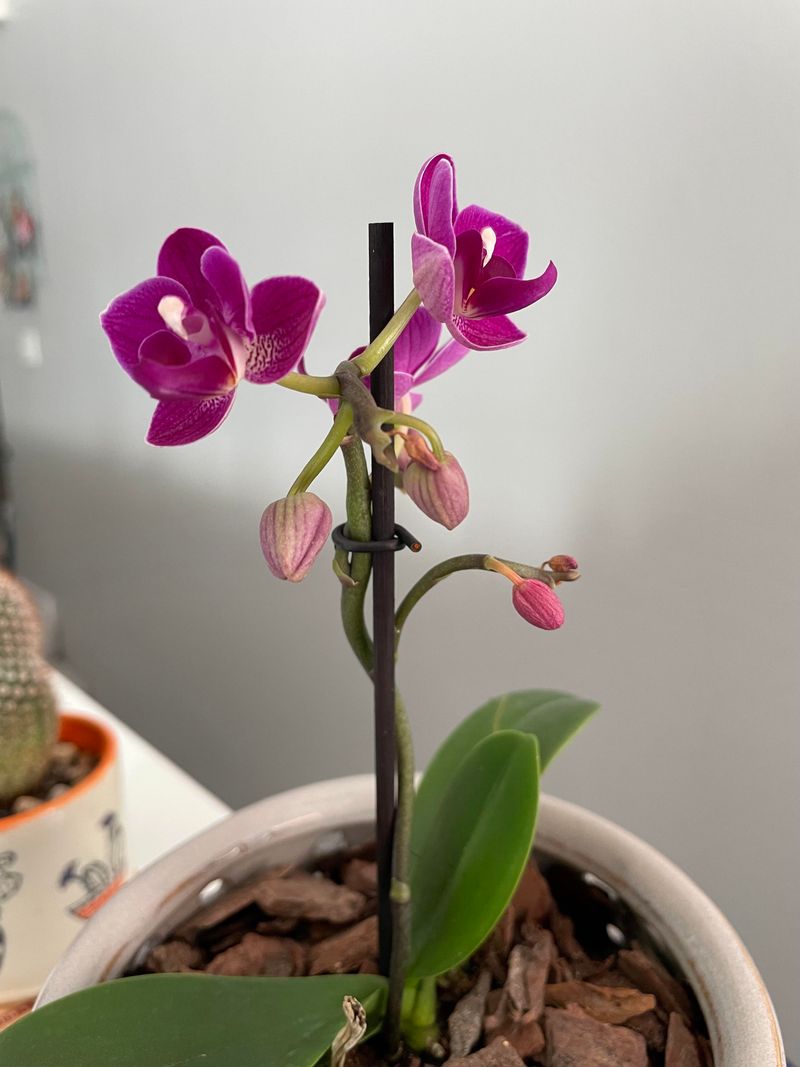
October has a sneaky way of changing your home, even if the thermostat reading looks about the same. Shorter days, cooler nights, and the first runs of the furnace all shift how quickly orchid pots dry.
Many orchids set buds around now, so this season lines up with their most delicate stage. Phalaenopsis plants often push new spikes after a few weeks of cooler nights between fifty-five and sixty-five degrees.
The tricky part is that your summer watering schedule probably no longer fits what the plant needs. Bark that dried in three days back in August might now stay damp for a full week.
Once the heat kicks on, though, the air can turn dry enough to pull moisture from leaves and buds. That back-and-forth makes early fall a confusing time for roots trying to keep up with demand.
Instead of watering on a calendar, try lifting the pot each time you think about grabbing the watering can. A light pot usually means thirsty roots, while a heavy one suggests the bark still holds plenty of water.
Watch out for drafty windows too, since cold glass can chill wet roots overnight and stress the buds. Sliding the plant a few inches away from the pane on chilly evenings makes a surprising difference.
Think of this season as a gentle reset, a chance to match your habits to the cooler weather outside. Paying attention now can lead to blooms on the windowsill by winter.
Cold Tap Water Shock At The Roots
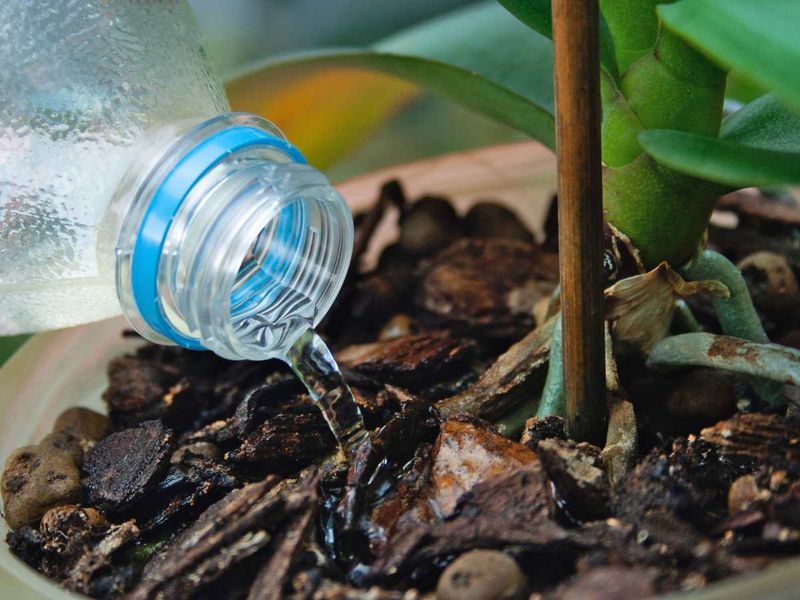
Imagine stepping out of a cozy bed and straight into a cold shower. Orchid roots feel a similar jolt when chilly tap water hits them straight from the faucet in fall.
As outdoor temperatures drop in October, water coming through household pipes often runs noticeably colder than in warmer months. A sudden temperature drop around the roots may stress the plant enough to make it shed buds.
Ice cubes are another popular shortcut, and some people swear by tossing three cubes on the bark weekly. Many orchids come from warm tropical places, though, so a frosty treat rarely matches what they prefer.
Room temperature water is the friendliest choice, ideally somewhere between sixty-five and seventy-five degrees Fahrenheit for most homes. Filling a jug the night before lets the water warm up naturally on the kitchen counter while you sleep.
Water quality matters too, especially if your tap water is very hard or softened with salt. Crusty white buildup on the bark or pot rim hints that minerals are piling up around the roots.
Rainwater or filtered water can ease that problem, and many growers collect fall rain in a clean bucket. Flushing the pot with plain water once a month also rinses away extra salts before they cause trouble.
Small details like temperature might seem fussy, yet steady conditions help buds stay on the spike. A lukewarm drink keeps the roots relaxed, which helps the whole plant focus its energy on blooming.
A Steady Soak Then Drain Routine
Think of a good watering routine like a favorite recipe, simple steps repeated the same way each time. Consistency is what calms a budding orchid, and the soak-then-drain method makes consistency surprisingly easy for busy people.
Start by checking the bark with your finger, a wooden skewer, or a quick glance through a clear pot. Water only when the top inch feels dry and the roots look silvery instead of bright green.
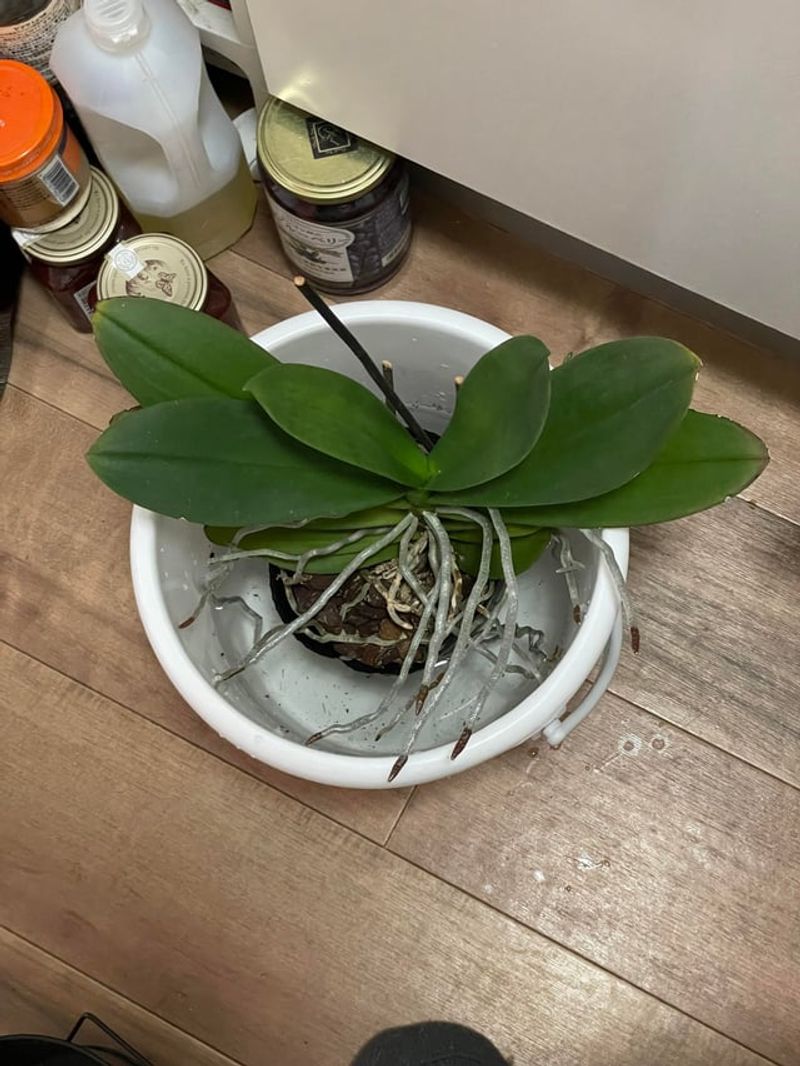
Set the pot in a bowl of lukewarm water for about ten to fifteen minutes so the bark soaks evenly. Dry bark can repel water at first, so a short soak works better than a quick splash.
Afterward, lift the pot out and let every last drop drain away from the bottom holes. Leaving it sitting in a decorative cover full of water is one of the most common bud-dropping traps.
Keep water out of the crown, the spot where leaves meet in the center of the plant. Trapped moisture there can lead to rot, so dab any puddles away gently with a paper towel.
In early fall, most potted orchids need this treatment about once every seven to ten days indoors. Your home might run warmer or drier, so let the bark and roots set the schedule instead.
A sticky note on the fridge with your last watering date can stop accidental double doses. It sounds silly, but that tiny reminder keeps your routine steady through busy school and work weeks.
Healthier Spikes Over The Coming Weeks
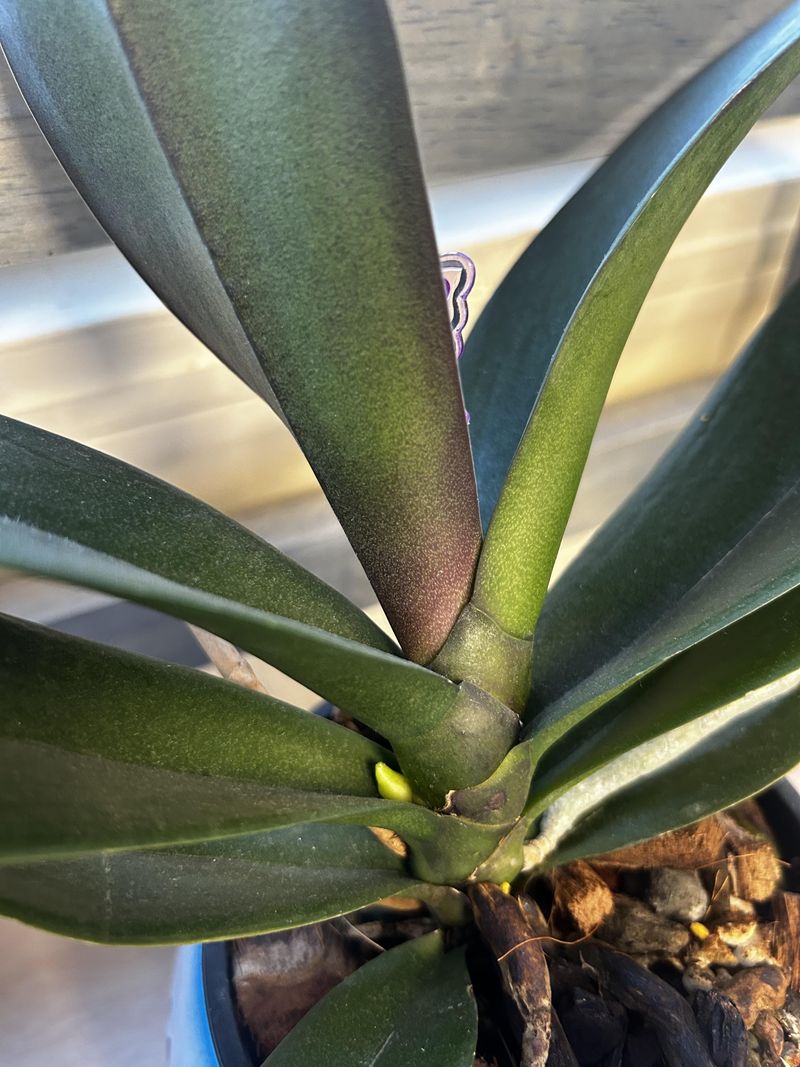
Patience pays off in a big way once your orchid stops bouncing between soggy bark and parched roots. Within a few weeks of steady care, most plants start showing small but encouraging signs of recovery.
Buds that are already yellow or shriveled usually will not bounce back, so try not to blame yourself. Gently remove any shriveled buds still attached, and focus on the plump green ones.
Fresh roots are often the first clue that things are improving below the surface of the bark. Look for bright green tips growing longer, which means the plant is drinking and building strength again.
Leaves should feel firm and leathery instead of floppy, with a healthy shine under the kitchen lights. Spikes may pause for a bit, then start pushing out new buds as cooler autumn nights continue.
Avoid moving the plant around while it recovers, since a change in light direction can upset forming buds. Many growers mark the pot with a small sticker so it faces the window the same way each time.
Some plants need a full season to settle, especially if the roots suffered a lot of rot. Even then, an orchid with healthy leaves and roots can rebloom beautifully by late winter or early next year.
Did you know a single Phalaenopsis spike can hold its flowers for two or three months? Those long-lasting blooms make the wait worth it, turning a frustrating fall into a colorful winter reward.
Long-Term Habits For Bloom Success
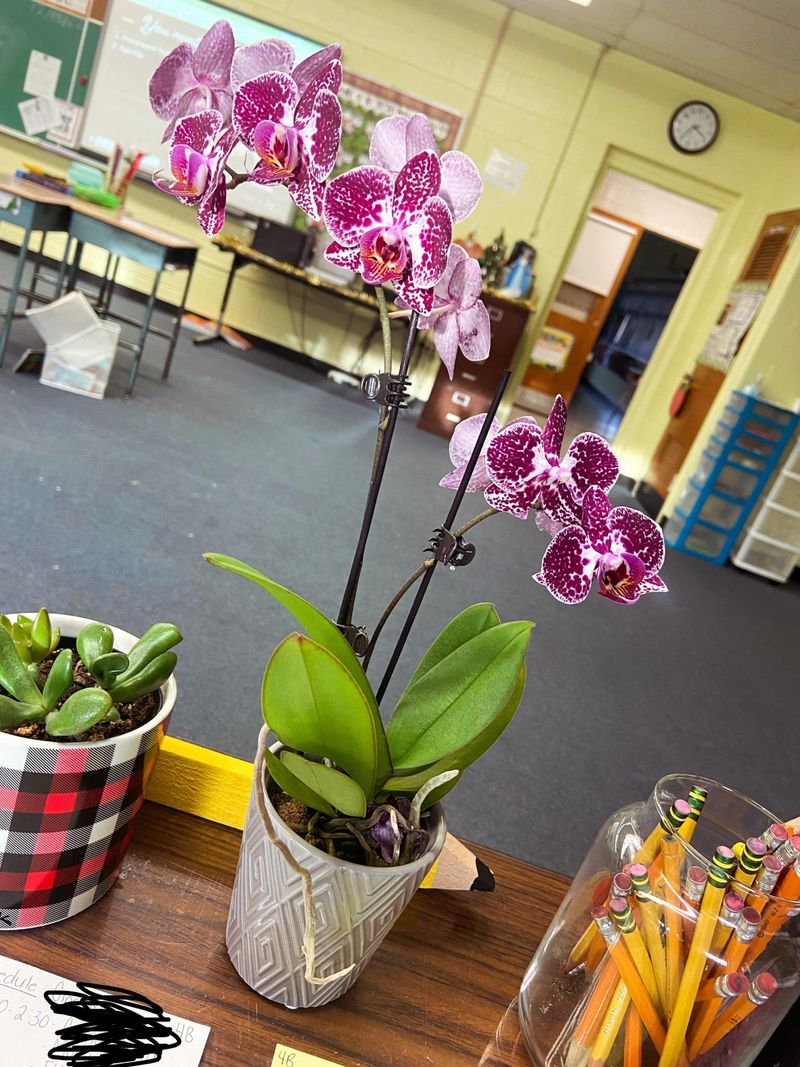
Seasoned growers like to say that orchids reward boring, predictable care more than fancy tricks or gadgets. Building a few simple habits now can protect future buds long after this fall wraps up.
Choosing the right potting mix is a great start, since chunky bark drains faster than dense moss. Moss holds water longer, which can help in dry homes but often leads to soggy roots elsewhere.
Repotting every year or two, ideally after blooming ends, keeps the bark fresh and airy for healthy roots. Old bark breaks down over time, holding too much water and leaving roots in stale conditions.
Humidity plays a quiet role too, especially when indoor heating starts drying the air in October and November. A pebble tray or small humidifier nearby can keep levels between fifty and seventy percent, which most Phalaenopsis enjoy.
Feeding matters as well, but diluted fertilizer applied regularly is gentler on roots than strong monthly doses. Experienced hobbyists follow the saying weakly, weekly, which keeps nutrients steady and lowers the risk of burning the delicate roots.
Keeping a simple plant journal can reveal patterns you might miss, like buds dropping after a cold snap. Jot down watering dates, room temperature, and any changes, then look back before the next bloom season.
Over time, you will learn exactly how your orchid likes to drink, almost like reading a friend’s moods. That kind of understanding makes bud drop easier to spot and easier to prevent on your windowsill.