Can California Natives Really Grow In Clay Without Drainage Help?
Heavy adobe clay ranks among the toughest soils a California gardener can face. It cracks in summer, turns sticky in winter, and stops a shovel just a few inches down.
Native plants often get recommended as the easy solution, yet results in clay can vary wildly.
Some natives grow in heavy soil all on their own. Many popular drought-tolerant favorites, however, want loose, fast-draining ground and can rot when roots stay wet.
Knowing which group a plant belongs to saves money, time, and plenty of disappointment.
A few key ideas make the difference, from understanding soil tolerance to testing drainage and choosing plants that truly belong in heavy ground.
1. The Honest Answer Is Some Can
Two shrubs planted on the same day in the same hard clay can tell very different stories a year later. One turns bushy and green, while the other looks yellow, floppy, and barely hanging on.
Both plants may be California natives, sold as easy choices for a water-wise yard. The difference usually comes down to how each one handles soil that stays wet and tight around its roots.
Some natives evolved in valley bottoms, creek edges, and foothill slopes where clay is normal. Their roots know how to cope with dense ground that drains slowly.
Many others grew up on rocky hillsides, sandy coastal bluffs, or gravelly slopes where water rushes away fast. Planted in clay, those species can struggle despite sharing the same native label.
The better question isn’t about natives in general. It’s about which natives suit a particular yard’s clay.
UC ANR and the California Native Plant Society both point out that soil preferences vary widely from species to species. That variety explains the mixed results so many gardeners see.
Plant tags help a little, but they often skip soil details. A tag might list full sun and low water while leaving out a need for sharp drainage.
Trusted plant profiles, like those on the CNPS Calscape website, fill in those missing clues. A few extra minutes of research beats watching a pricey shrub fade by July.
2. Clay Tolerance And Drought Tolerance Differ
Many gardeners make a sneaky assumption. A tough plant that needs almost no water seems like it should be tough everywhere, but soil doesn’t work that way.
Drought tolerance describes how well a plant handles long dry spells. Clay tolerance describes how well its roots cope with dense soil that holds water and air poorly.
These are two separate skills, a bit like being a strong swimmer versus a strong runner. A plant can excel at one and struggle badly with the other.
Clay particles are tiny and flat, packing together tightly with very little space for air. After rain or watering, those small spaces fill with water and stay full for a long time.
Roots need oxygen to function properly. Soggy clay can leave them gasping for air.
Many drought-tolerant natives come from places where water drains away within minutes. Their roots grab moisture quickly and then rest in dry, airy soil.
Your California Garden Changes Every Week. Your Plan Should Too.
Gardening in California changes quickly throughout the season. Every Friday you’ll receive a simple weekly plan showing exactly what to plant, prune, fertilize, harvest, and protect so you never miss the right timing.
Clay keeps water lingering for days, leaving those roots sitting in a cold, wet bath.
Clay has a bright side, too. It holds nutrients well and keeps moisture deeper into the dry season, so plants adapted to it can thrive with very little care.
The trick is choosing species that see heavy soil as home rather than a hardship. Checking soil needs separately from water needs before buying prevents many costly mistakes.
3. Western Redbud And Toyon Handle Heavy Soil
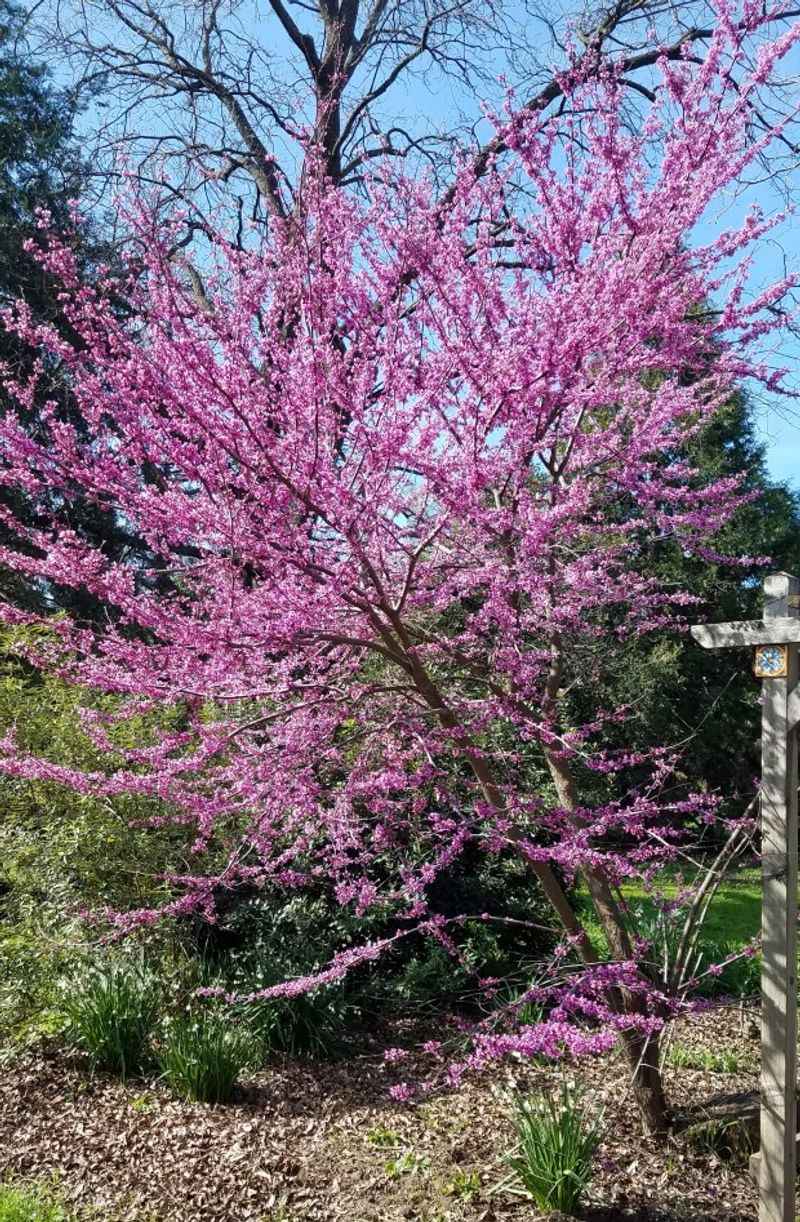
Every spring, a burst of magenta lights up foothill roadsides across California. Those blooms belong to western redbud, and they often rise from ground that would make a shovel groan.
Cercis occidentalis is listed by UC ANR and CNPS sources as tolerant of clay soil. It grows as a large shrub or small multi-trunk tree.
Pink flowers cover bare branches in early spring, followed by heart-shaped leaves and flat seed pods. Once established, it needs little summer water, making it a strong fit for clay yards.
Toyon, or Heteromeles arbutifolia, is another heavy-soil champion. This evergreen shrub offers leathery leaves, white summer flowers, and bright red winter berries that birds adore.
UC ANR and CNPS describe toyon as adaptable to many soil types, including clay. Its nicknames include Christmas berry and California holly.
Many people say Hollywood took its name from the toyon shrubs that once covered nearby hills. Historians still debate that story, but it adds a fun bit of local charm.
Even tough plants like these appreciate early help. Deep watering during the first year or two builds strong roots, with a gradual cutback once they settle.
Frequent shallow watering is best avoided, since it keeps clay soggy near the surface.
Other clay-friendly natives deserve a quick check on Calscape or a UC ANR plant list, because soil tolerance can vary even within the same plant family.
4. Many Popular Natives Need Sharp Drainage
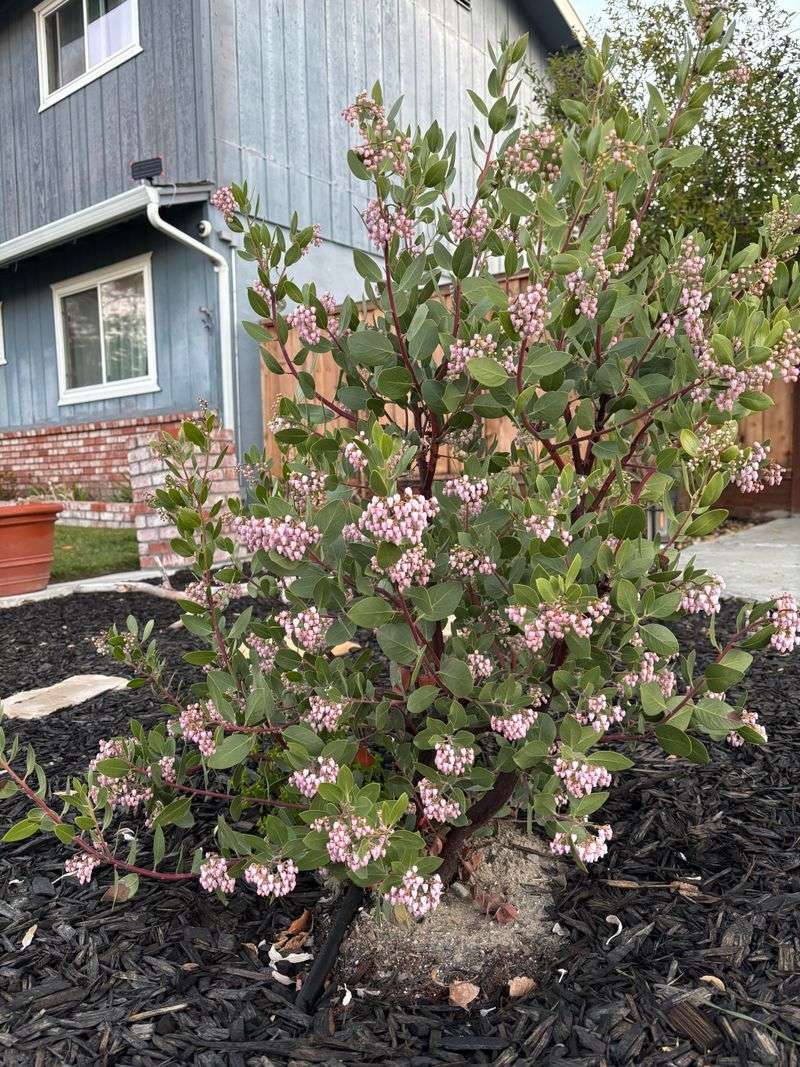
A stroll through any native plant nursery reveals the crowd favorites. Silvery sages, red-barked manzanitas, fuzzy buckwheats, and many California lilacs fill the sunny aisles.
They look tough, and in the right spot, they truly are. The catch lies in where they come from.
Many of these plants naturally grow on steep slopes, rocky ridges, chaparral hillsides, or sandy coastal soils. Water in those places drains away almost as fast as it falls, so their roots are tuned for quick drying rather than slow soaking.
Plant guides from CNPS and UC ANR often describe many manzanitas, sages, buckwheats, and some ceanothus as needing good or excellent drainage. Some species and garden varieties handle clay better than others, so blanket rules don’t always hold.
As a group, though, these plants are the ones most likely to sulk in heavy soil. Warning signs after planting deserve close attention.
Leaves may yellow, curl, or brown at the tips. Stems can droop even when the soil feels damp, and a single branch suddenly fading while the rest looks fine can point to root trouble.
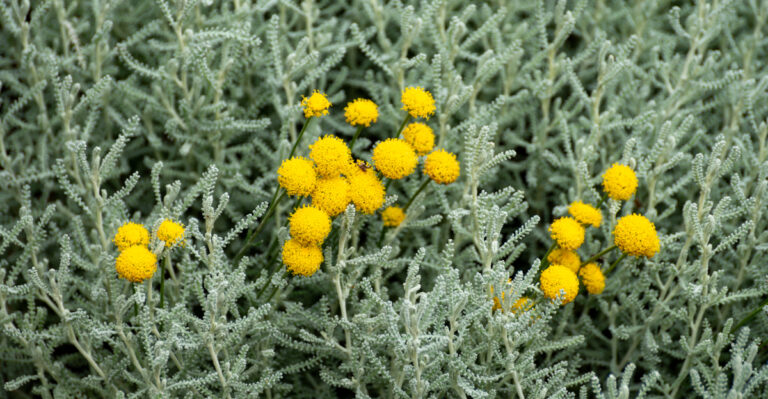
Gray or silver leaves offer another hint. Fuzzy, pale foliage usually means a plant evolved in hot, dry, open places that favor lean, quick-draining soil.
For anyone set on a particular favorite, looking up the exact species helps. Varieties described as clay tolerant, or a raised planting spot, give it a much better chance.
5. Summer Water Plus Clay Invites Root Rot
A familiar mistake starts in August. The garden looks thirsty, so the sprinkler runs every few days, and a month later a beloved native shrub collapses despite plenty of water.
California has a Mediterranean climate, with rain falling mostly in winter and long, dry summers. Many natives expect warm, dry soil during summer and slow their growth to rest.
Their roots aren’t built for warm, wet ground at that time of year. Clay makes the problem worse because it holds water for so long.
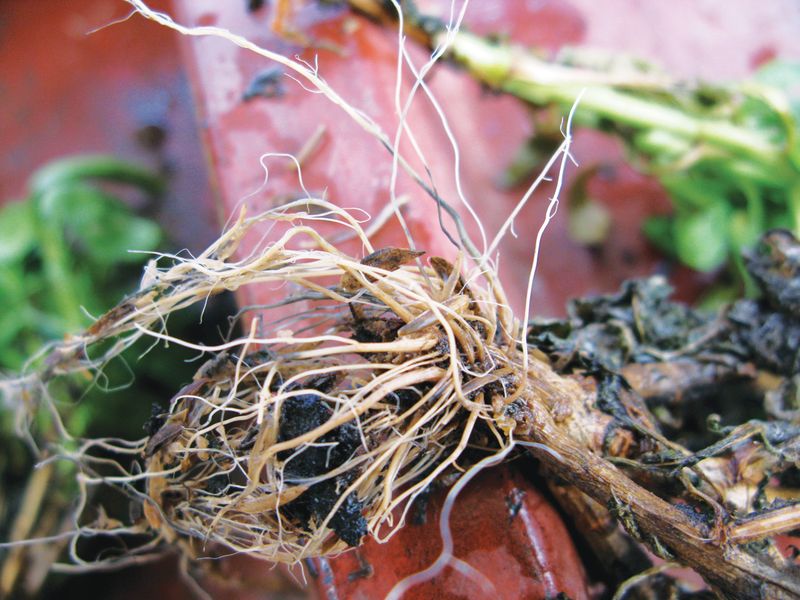
Warm, soggy soil creates a perfect home for water molds like Phytophthora, which cause root and crown rot. UC ANR notes that overwatering, especially in poorly drained soil, is a leading cause of trouble for established native plants.
Once roots rot, they can no longer pull up water. The plant wilts as though it’s dry, so gardeners often water even more, and that cycle can weaken a shrub quickly.
Established drought-tolerant natives do best with deep, rare watering in summer, or sometimes none at all. A quick check a few inches down with a trowel or finger before watering prevents guesswork.
Mulch pulled a few inches back from trunks keeps the crown dry. Summer-thirsty plants, like lawns or vegetable beds, belong well away from natives that want a dry season.
Drip lines deserve a look, too. Emitters aimed at the wrong plant can quietly cause damage over time.
6. Planting On A Mound Helps Marginal Species
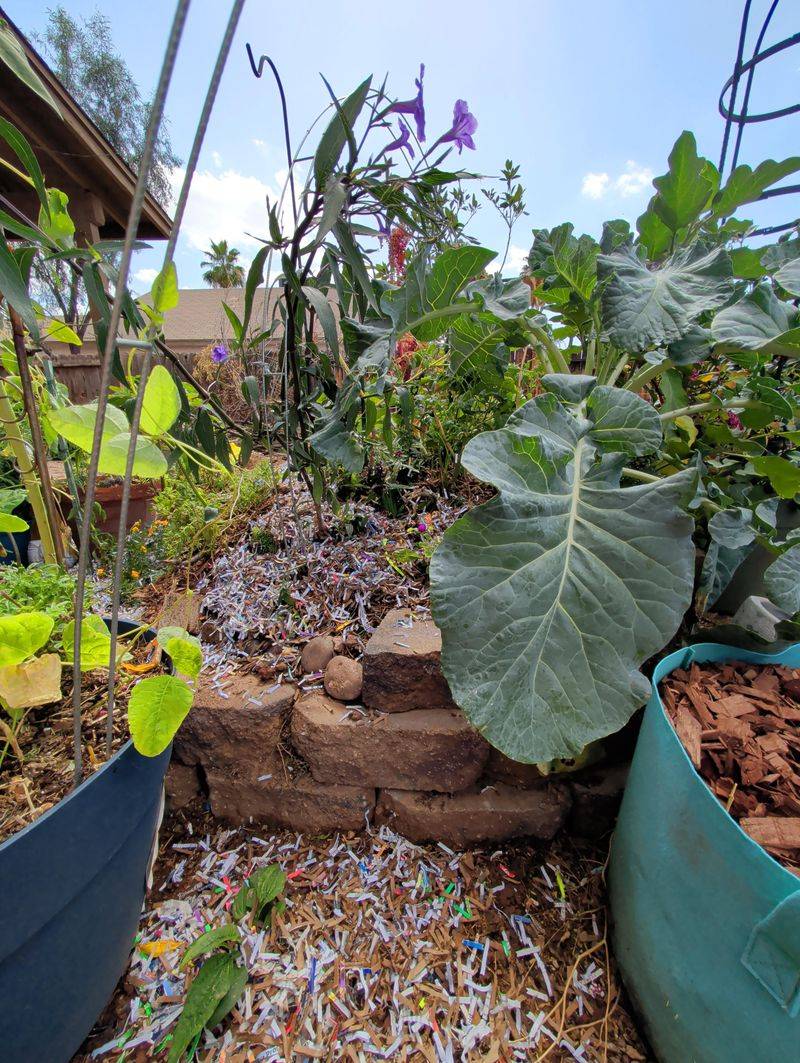
A few wheelbarrows of soil piled into a gentle hump create a tiny hillside. That simple move can give a fussy native a fighting chance in clay country.
Mounds and berms raise the root zone above the heavy soil below. Gravity pulls extra water down and away from the crown, the spot where stems meet roots.
That keeps the most sensitive part of the plant drier during wet spells. UC ANR and CNPS both suggest raised planting as a way to help species that need better drainage.
Size matters here. A mound about 12 to 18 inches tall and several feet wide works far better than a small bump, and gentle slopes keep soil from washing away.
A mix of native soil with coarse material like decomposed granite or gravel works best. Pure potting mix piled on top of clay tends to cause problems.
Digging a deep hole and filling it with loose soil is best avoided. In clay, that approach creates a bathtub that collects water around the roots. Building upward is much safer than digging down.
Mounds help marginal plants, not miracle cases. A species that truly needs sandy coastal soil may still struggle.
Berms suit plants listed as preferring good drainage while tolerating some heavier soil.
Planting on the upper side of the mound, adding gravel mulch, and watering lightly during the first year help roots settle into their new hilltop home.
7. Check How Fast Your Soil Drains First
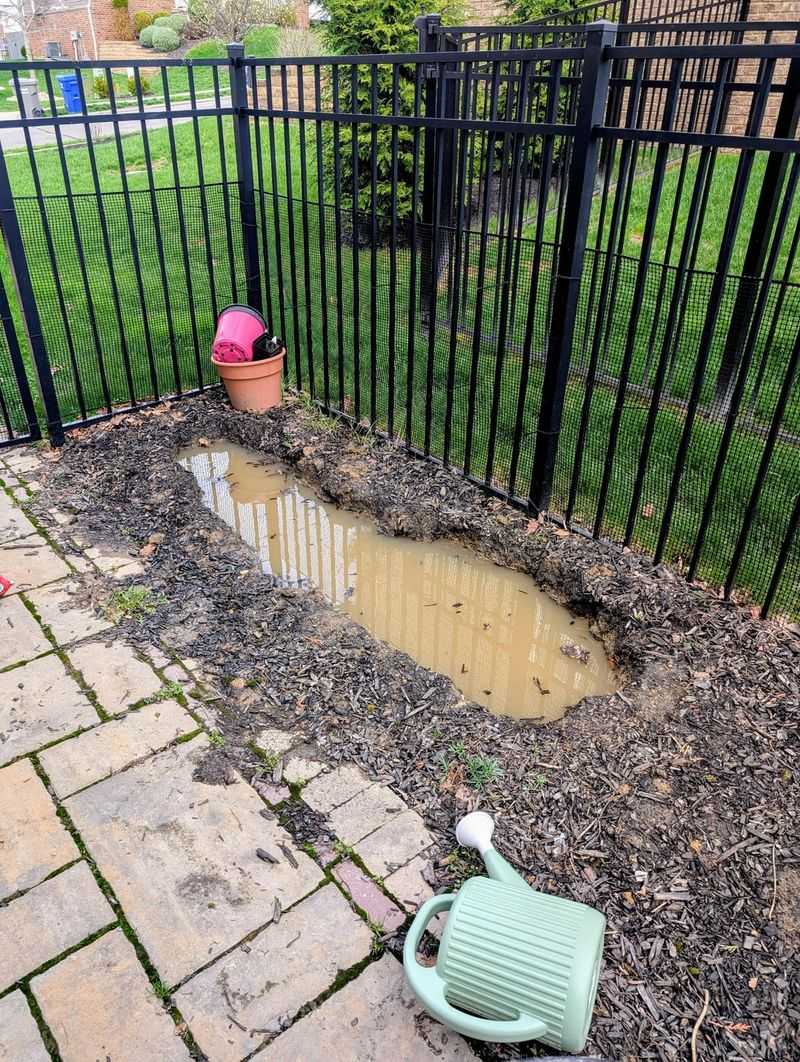
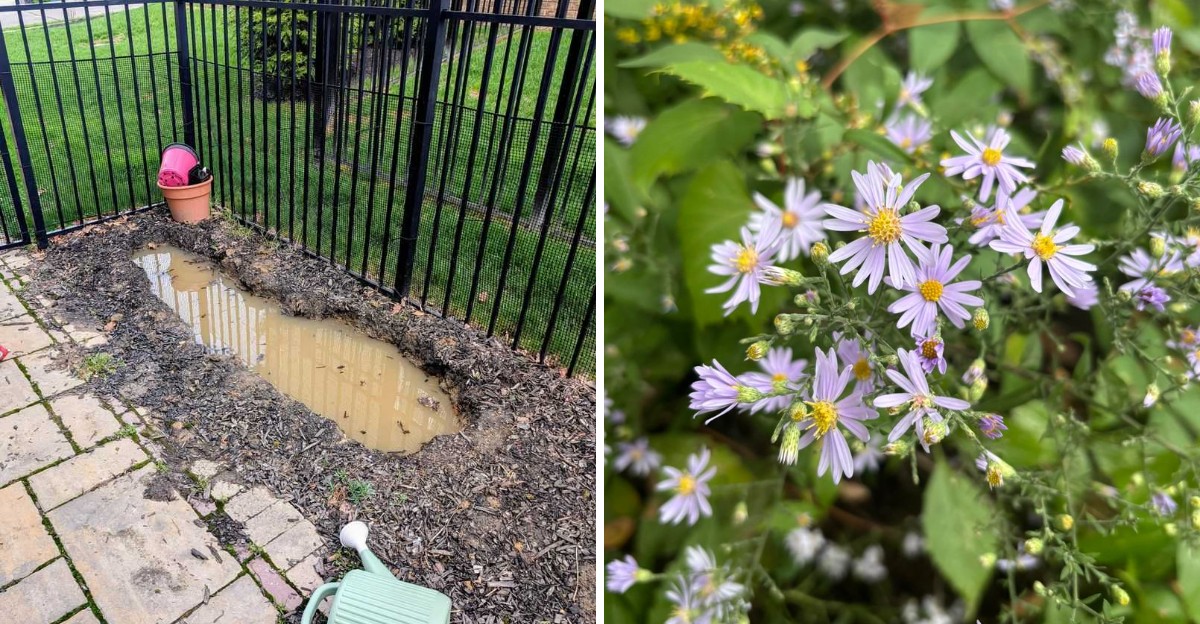
An afternoon with a shovel and a garden hose can be worth more than a trip to the nursery. A simple drainage test reveals more than any soil label ever could.
The test starts with a hole about 12 inches deep and a foot wide. Filling it with water and letting it drain completely soaks the surrounding soil, which makes the next step more accurate.
Next comes a second fill. A stick laid across the top and a ruler make it easy to measure how far the water drops each hour.
UC ANR guides often describe roughly 1 to 2 inches per hour as reasonable drainage. Less than about half an inch per hour points to slow drainage that troubles many dry-climate plants.
Water still sitting in the hole the next day signals heavy, poorly draining soil. That calls for plants proven to tolerate clay, with mounds reserved for anything marginal.
Fast drainage, on the other hand, opens up many more plant choices. Either result offers valuable direction.
Testing a few spots around the yard helps, since soil can change a lot within just a few feet. Old construction areas, driveways, and low corners where water collects often behave differently.
A quick sketch of the yard with results noted for each spot makes shopping much easier. Volunteers at CNPS plant sales can use that information to match plants to each area, replacing hopeful guessing with real data.
8. Match The Plant To The Soil You Have
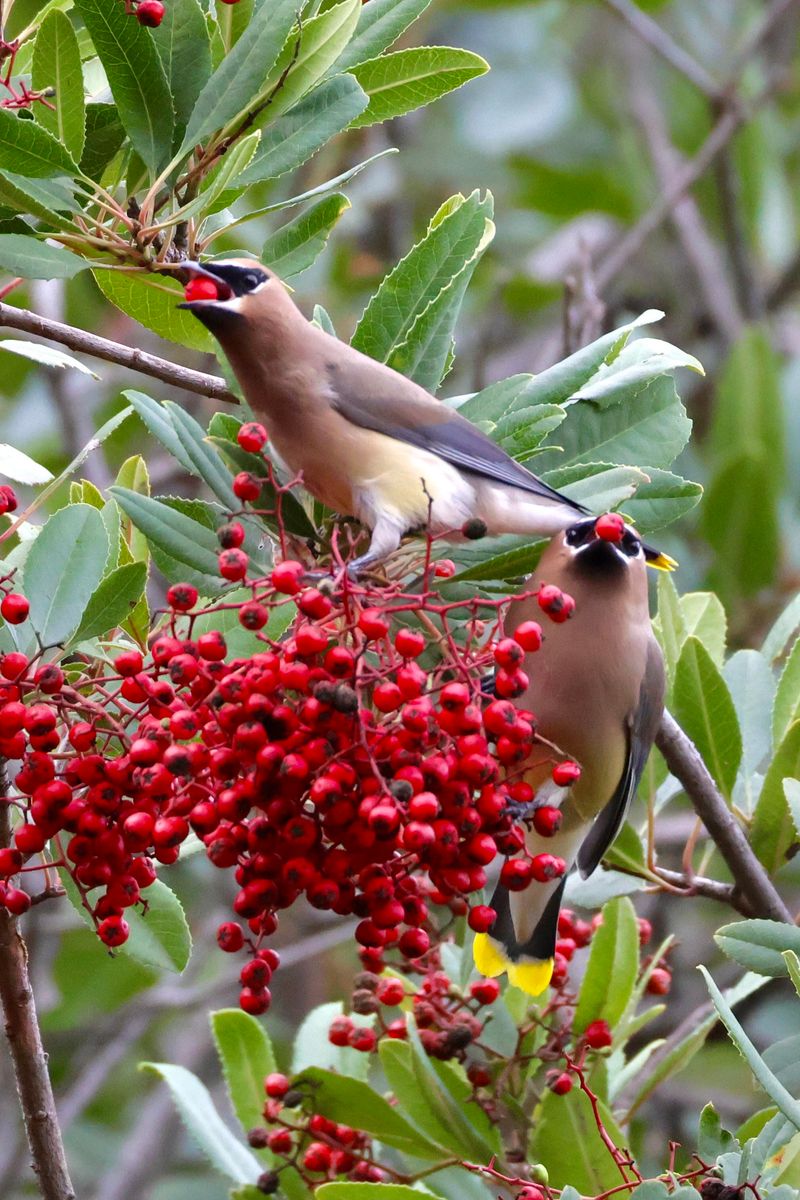
Hauling in truckloads of sand, gravel, and compost sounds like a fix. In practice, it’s expensive, back-breaking, and often disappointing, since clay has a way of winning in the long run.
UC ANR guidance often points out that heavily amending a small planting hole in clay can trap water instead of draining it. Large amendment projects also need constant upkeep as organic matter breaks down.
Working with the soil usually beats fighting it. Plants confirmed to handle clay, like western redbud and toyon, make a strong starting point.
Drainage test results can guide every choice. Calscape lets users search by address, filter plants by soil type, and see species that grow naturally nearby.
Local CNPS chapters can also suggest clay-friendly natives suited to the area. Their volunteers often know which plants thrive in neighborhood soils.
Grouping plants by their needs helps, too. Clay lovers belong in flat, slow-draining zones, while mounds or naturally sloped spots suit plants that want sharper drainage.
Summer-watered areas work best kept separate, so their irrigation doesn’t soak nearby dry-loving natives. That simple layout prevents many common problems.
Patience pays off. Native plants often spend their first year building roots underground.
Gardeners like to say the first year they sleep, the second they creep, and the third they leap.
Careful choices can turn stubborn adobe into a lively, low-care native garden.